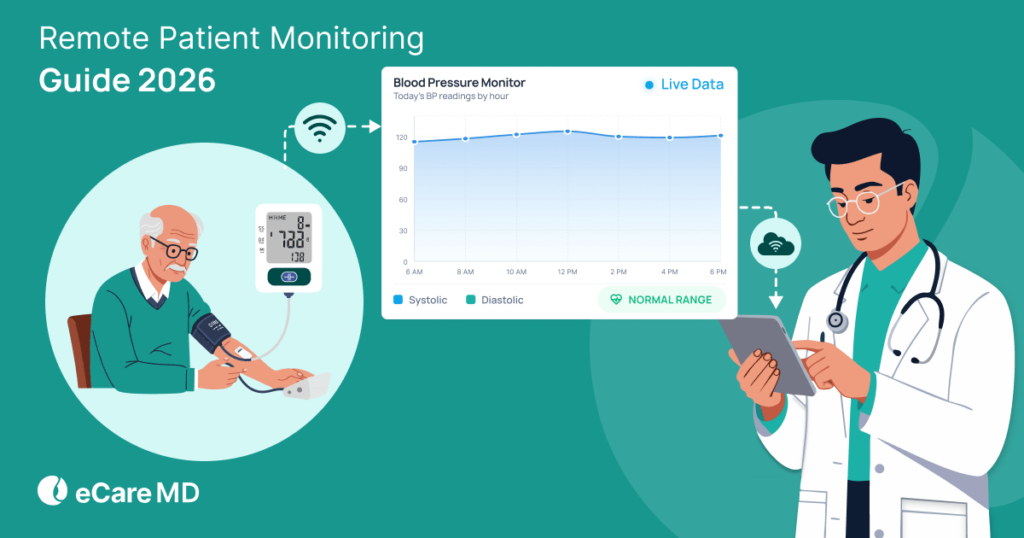
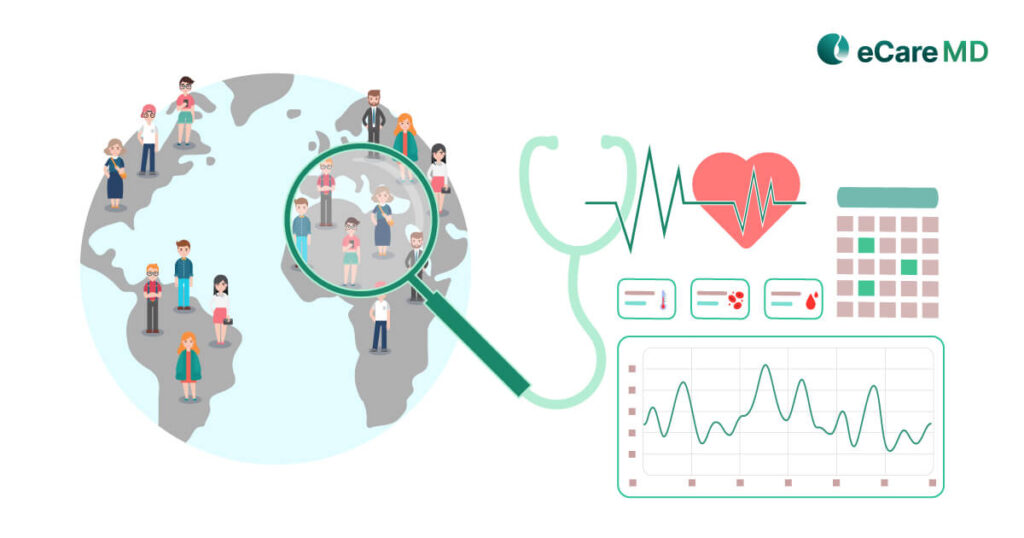
As a US healthcare provider practicing in 2026, you probably know that Remote Patient Monitoring in healthcare is no longer an option. Digital remote patient monitoring has become a core pillar of the modern healthcare industry.
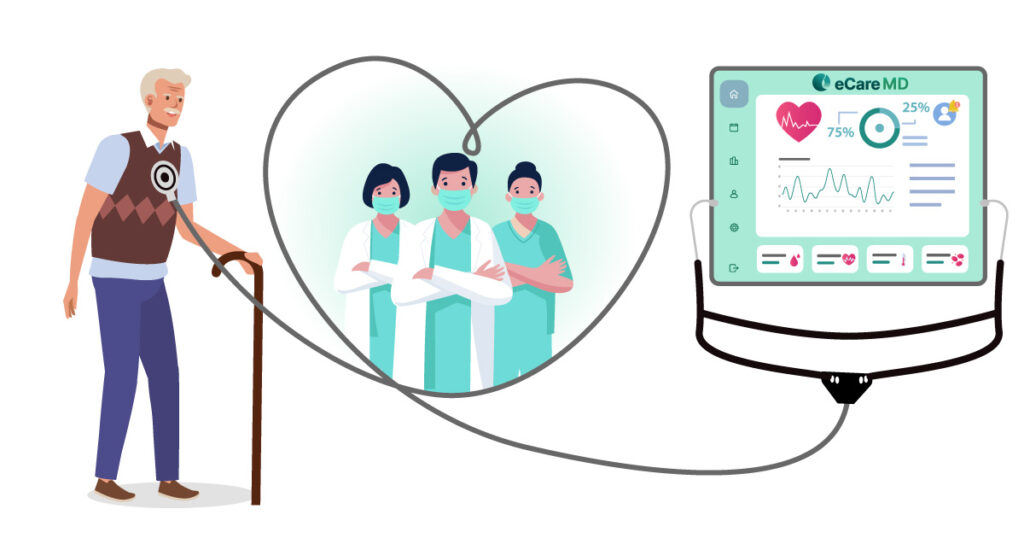
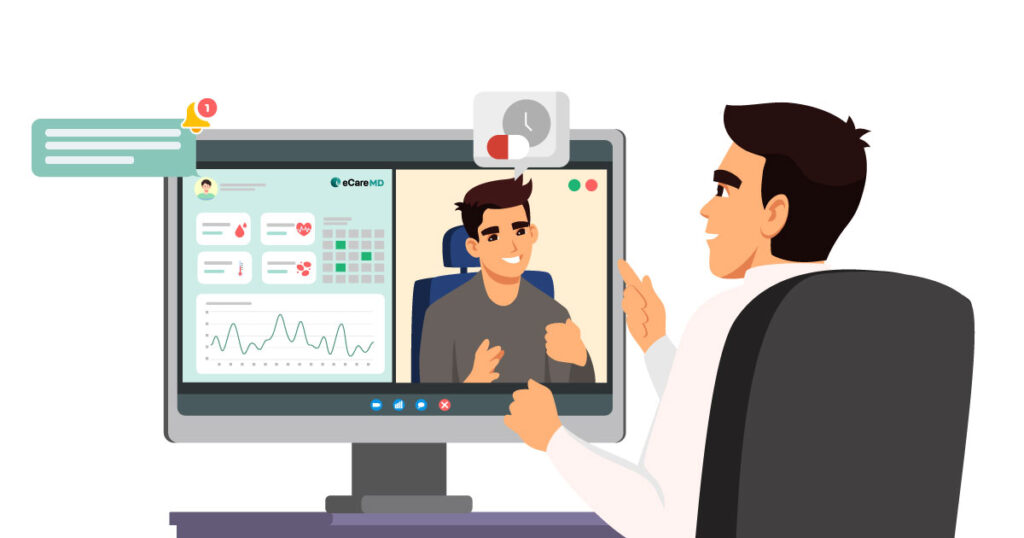
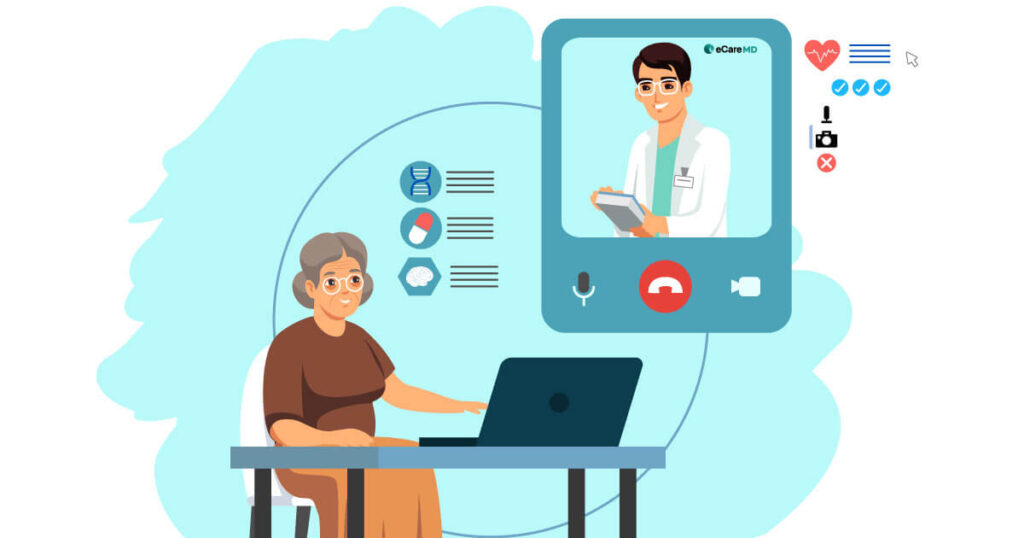
Remote Patient Monitoring (RPM) is now a standard part of care delivery. It allows providers to track patient health in real time. With connected devices, care extends beyond the walls of the practice into patients’ everyday lives.
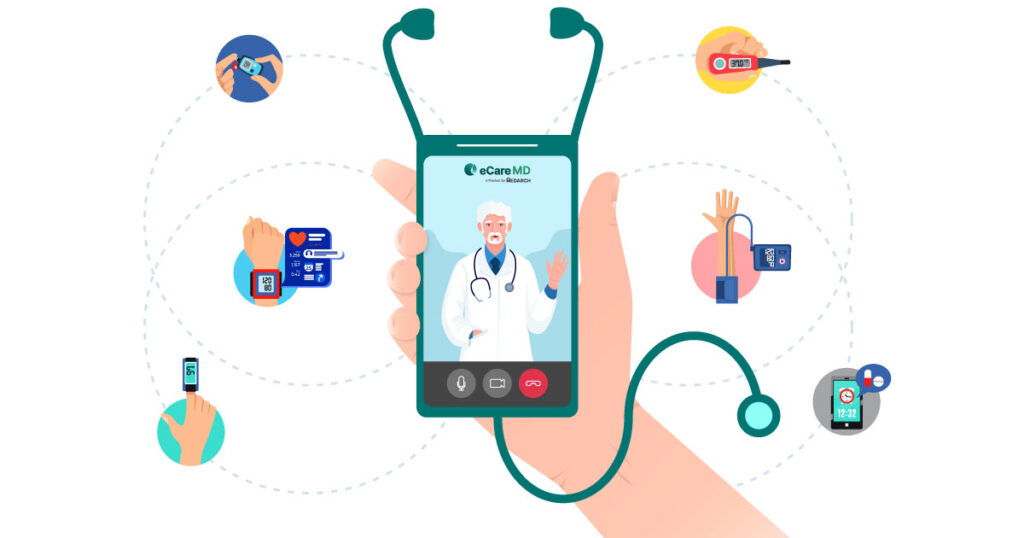
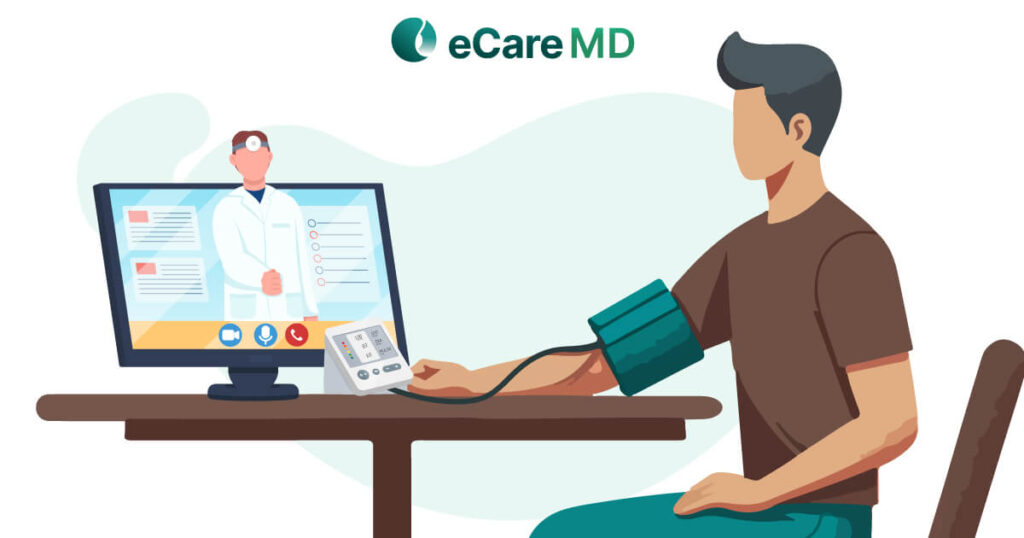
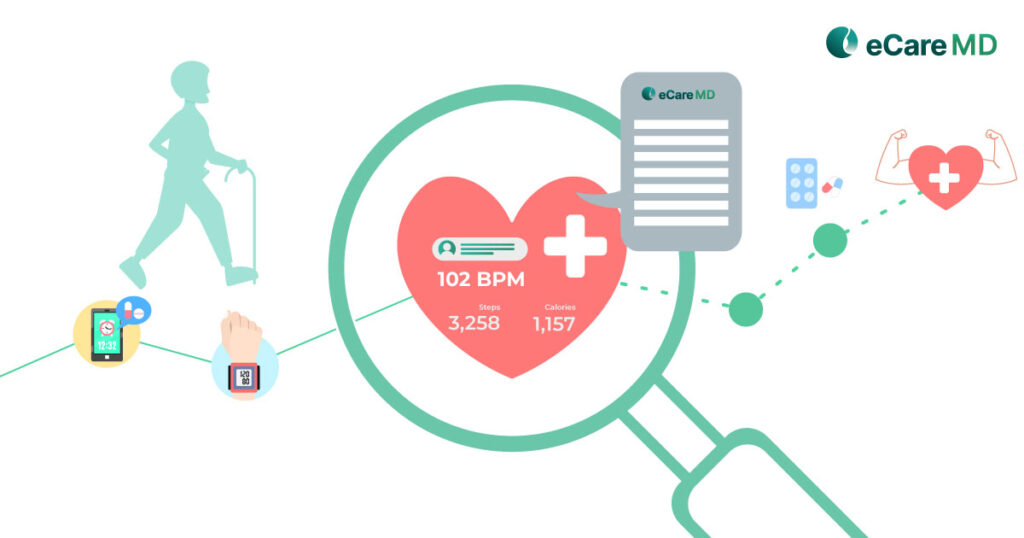
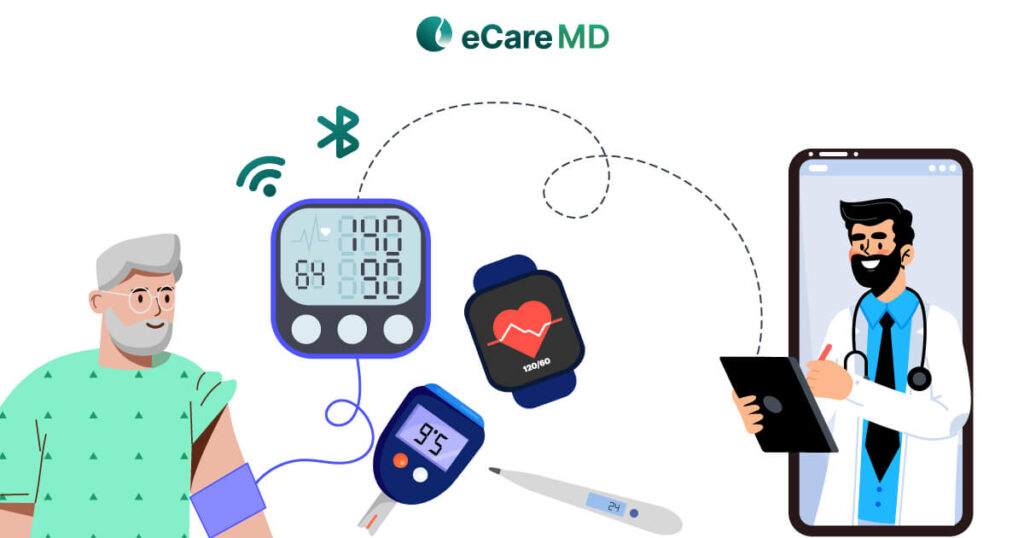
Through a remote patient monitoring system, providers can collect physiological data such as blood pressure, heart rate, oxygen levels, blood glucose, weight, etc.
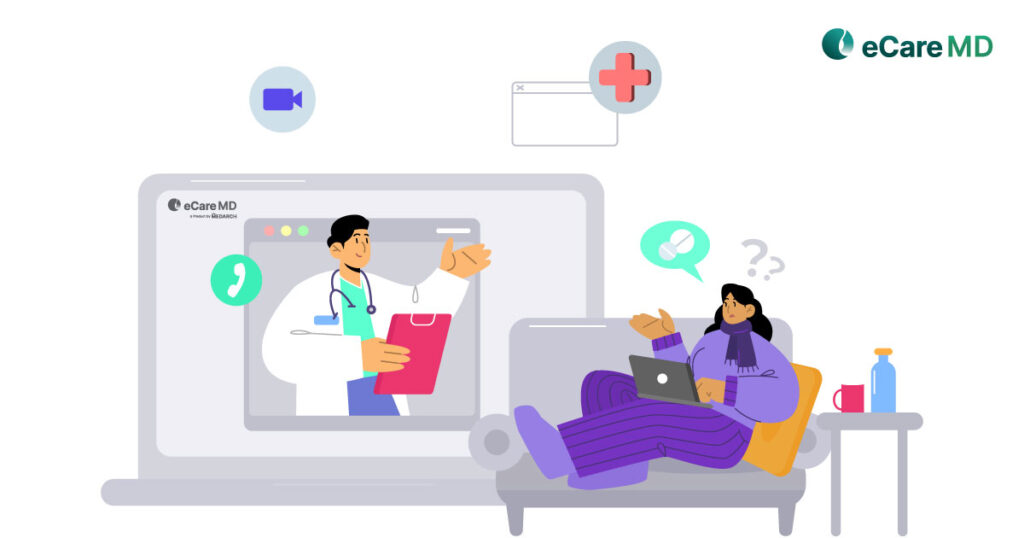
Healthcare providers like you are increasingly realizing that traditional in-person care alone cannot meet the growing demand for chronic disease management. Instead, many providers now rely on remote patient monitoring to deliver continuous care and stay connected with patients between visits.
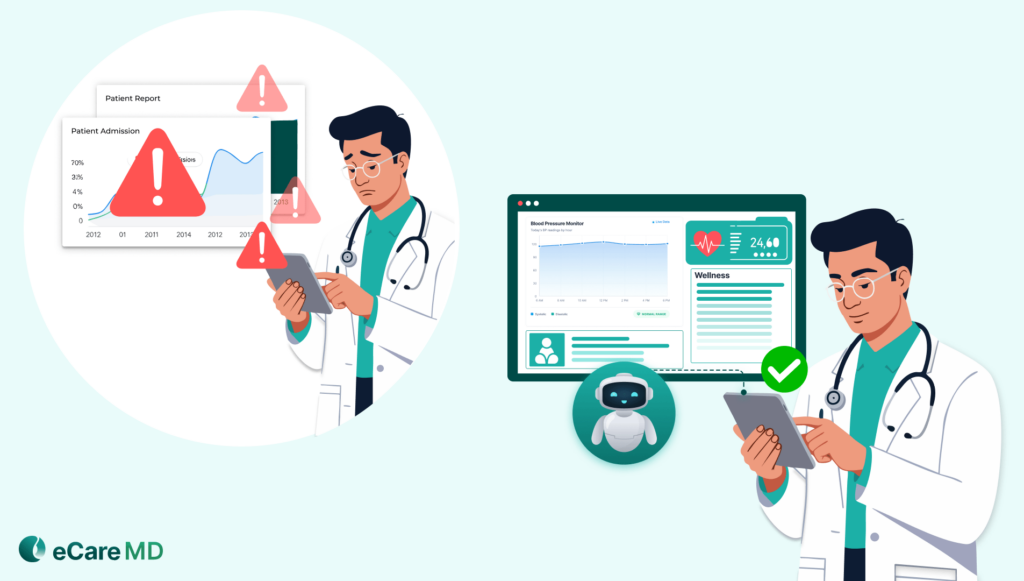
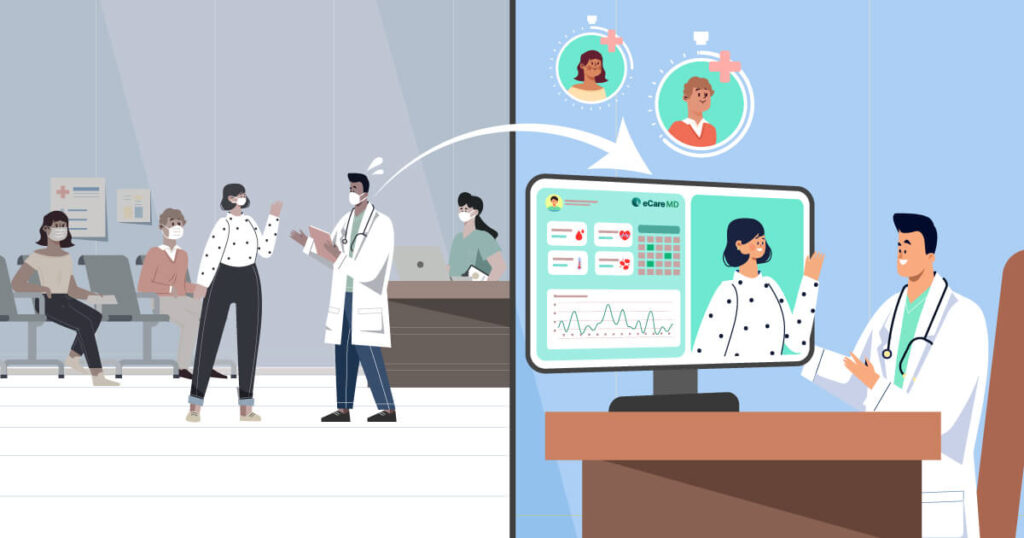
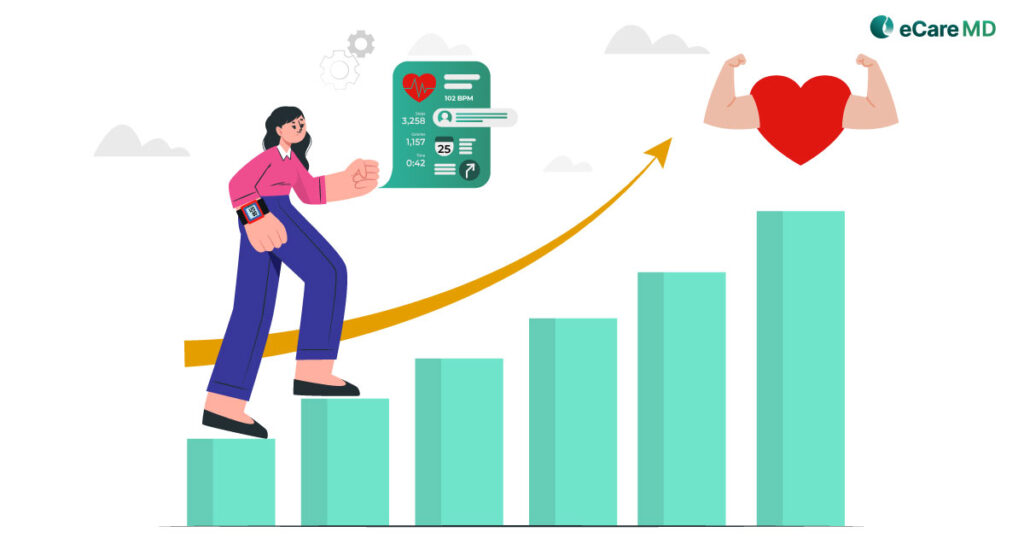
RPM highlights a fundamental shift in how care is delivered, moving from a reactive model to a proactive model. This real-time monitoring allows providers to intervene early, reduce hospitalizations, and improve long-term patient outcomes.
At this point, you might have several questions like how RPM works, and which remote patient monitoring devices are used.
Let this article be your comprehensive guide to learn about the potential of remote patient monitoring.
Let’s explore this briefly to understand how remote patient monitoring works.
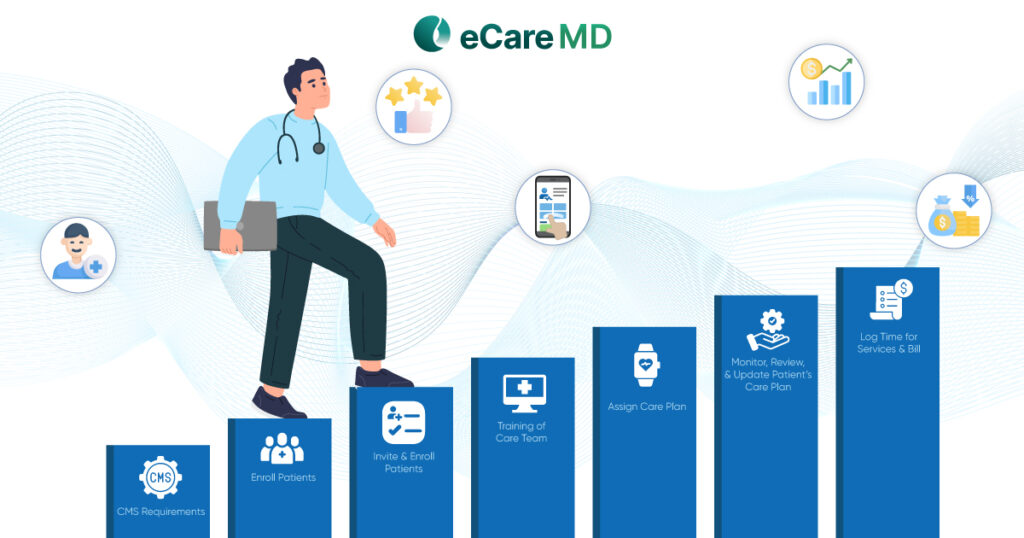
Effective remote monitoring starts with planning, not just data collection, and it begins with identifying the right patients. Individuals with chronic conditions like hypertension, diabetes, or heart failure, or those recently discharged who need closer follow-up, are eligible patients. Providers generally flag these eligible patients during visits, discharge planning, or population health reviews.
The enrollment process begins once a patient is identified. This process includes obtaining consent, verifying insurance coverage (especially for Medicare RPM programs), and documenting eligibility.
After completion of the enrollment process, the next step is patient onboarding in which patients are introduced to the RPM program, educated on what to expect, and prepared for using monitoring devices effectively.
The next crucial part is device assignment and setup. Patients are either provided with devices in the clinic or have them shipped to their home. These devices depend on their condition. For example, blood pressure monitors, glucometers, pulse oximeters, or weight scales.
Handling a device is not enough; investing time in patient engagement is crucial for the success of your RPM program. It is necessary to educate your patients about how and when to take readings, what to expect, and why consistent monitoring matters.
For example, a patient with hypertension should be instructed to check blood pressure daily at the same time and avoid caffeine beforehand to ensure accurate readings.
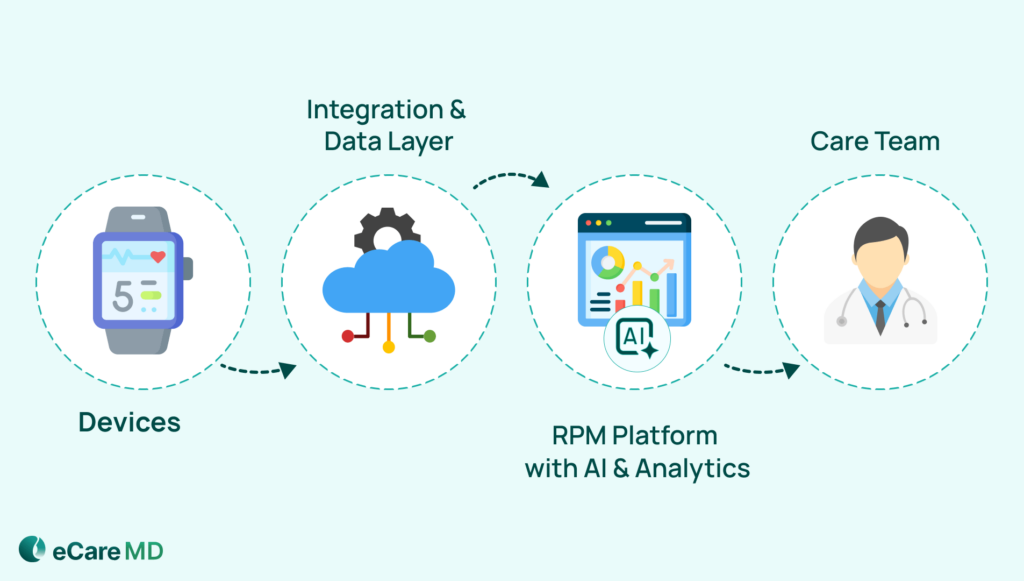
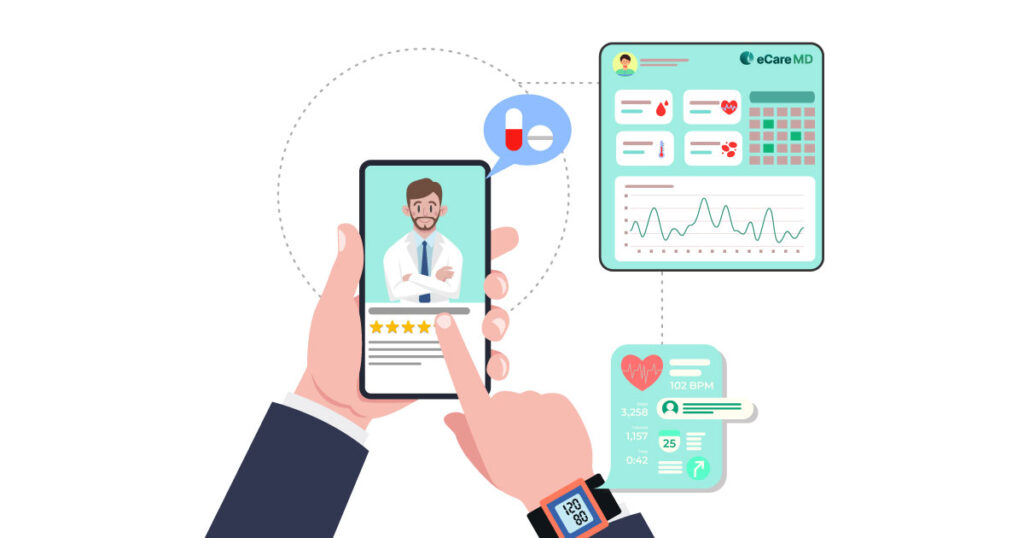
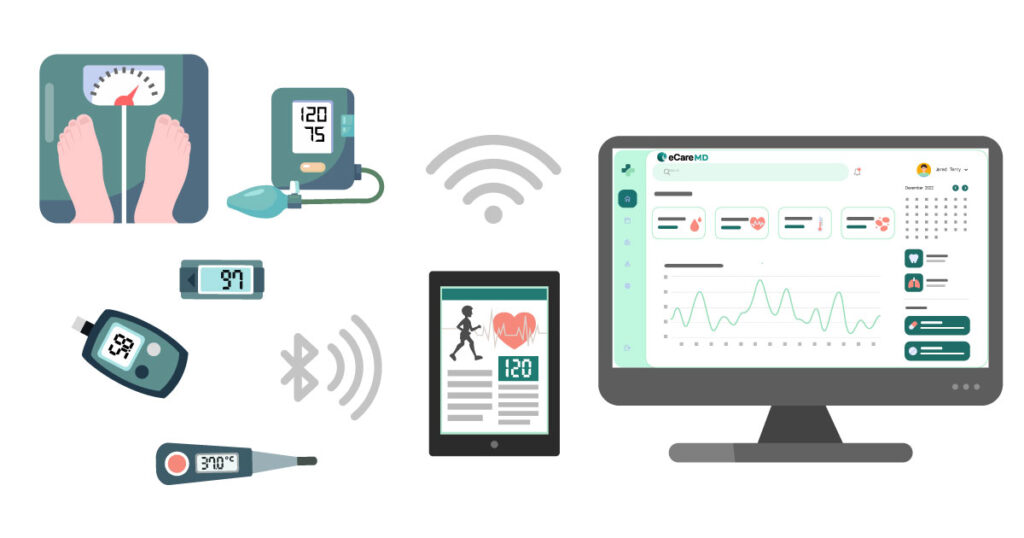
Once everything is set up, data collection becomes part of the patients’ daily routine. Readings are captured through connected devices and automatically transmitted to the RPM platform, usually via cellular networks or Bluetooth. This seamless data integration makes RPM easy to scale in high-volume environments.
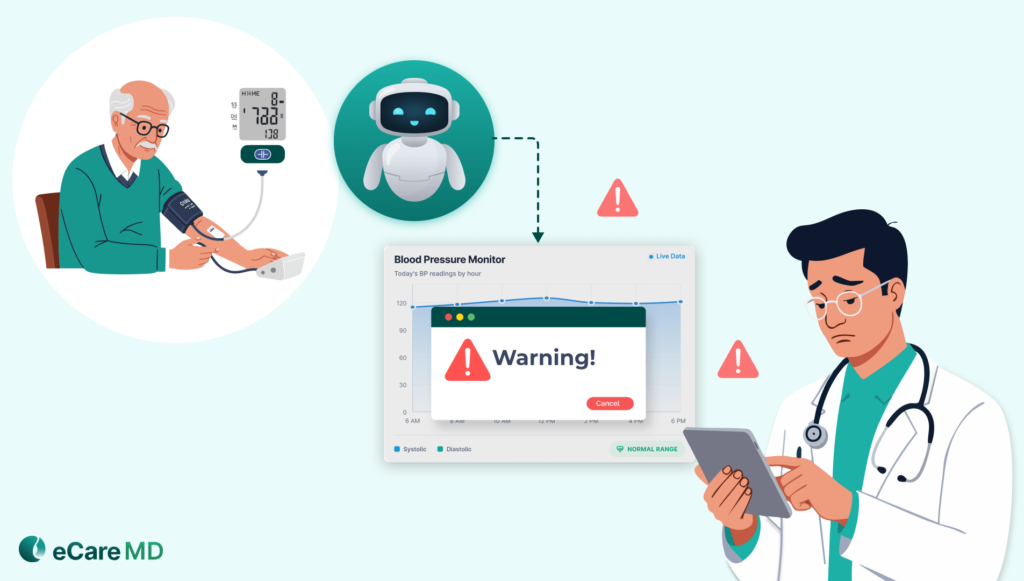
On your side, this data is continuously organized, trended, and filtered through alert systems. Care teams often set personalized alerts for each patient. For example, if your heart failure patient shows a sudden weight gain over a shorter period, the system flags it as a potential sign of fluid retention.
This is where RPM becomes useful. Rather than just reviewing patient data, your care team can respond in real-time. Care coordinators monitor alerts, reach out to patients when needed, and escalate concerns to you for clinical decisions. Based on the situation, you may adjust medications, guide the patient, or schedule a follow-up visit.
This ongoing process assists you in detecting potential issues earlier and managing patient health more proactively, without relying on frequent in-office visits.
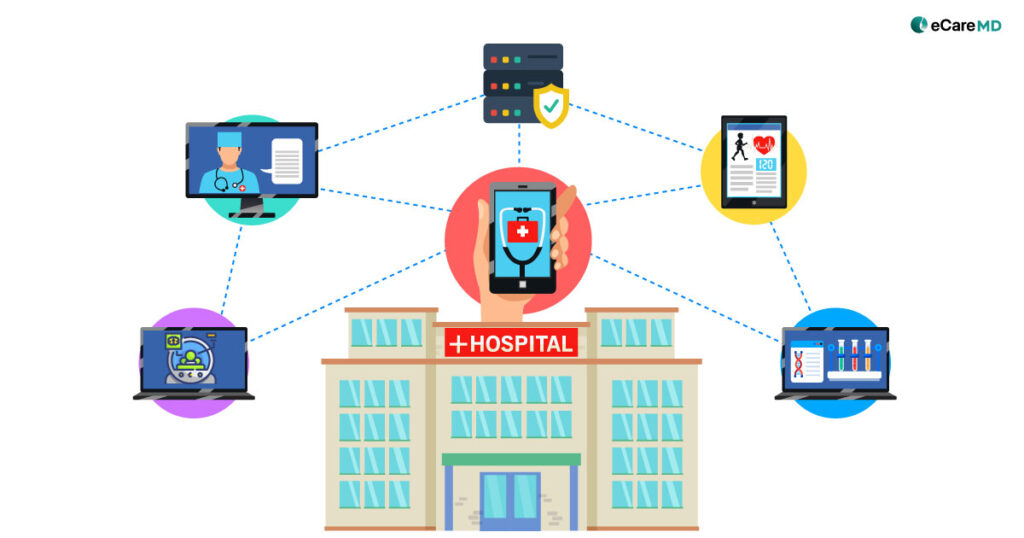
RPM is usually associated with connected remote patient monitoring devices, but RPM is much more than hardware. These devices are just one key layer of a whole RPM ecosystem to collect patient data.
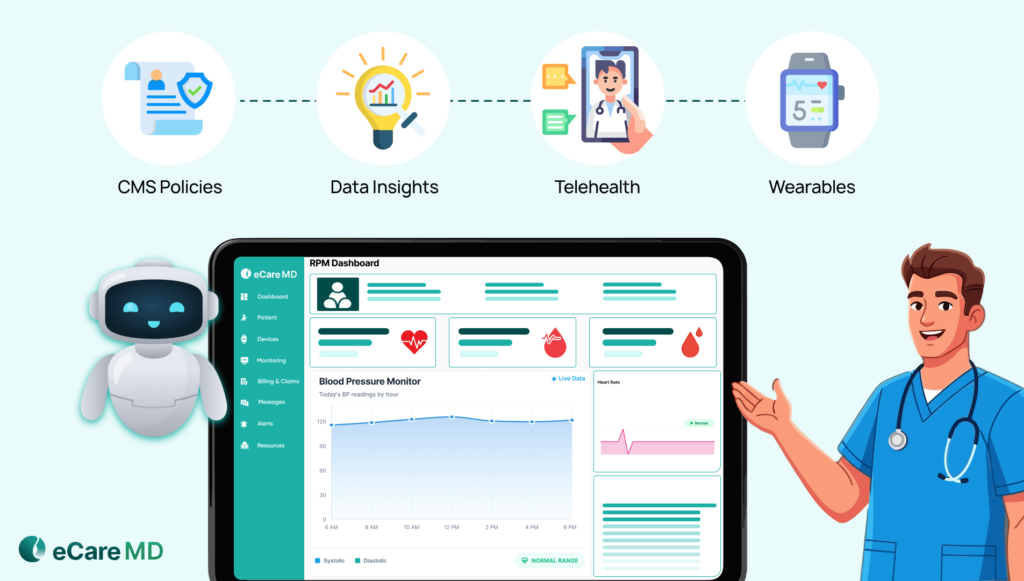
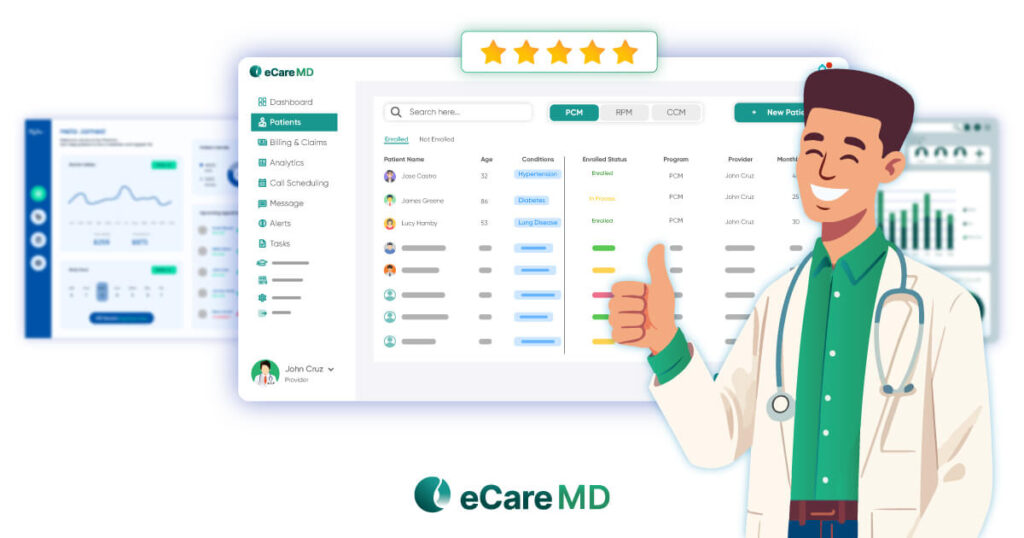
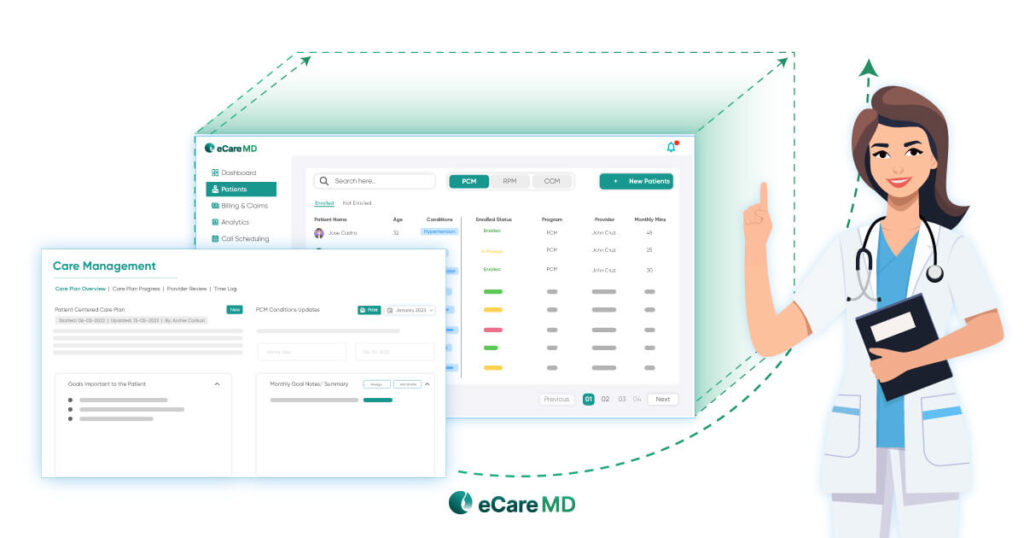
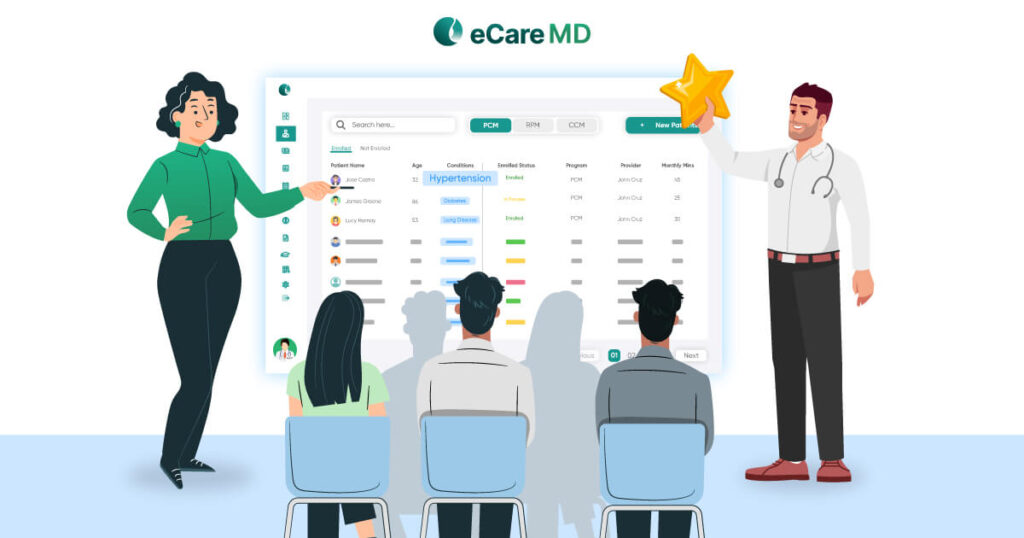
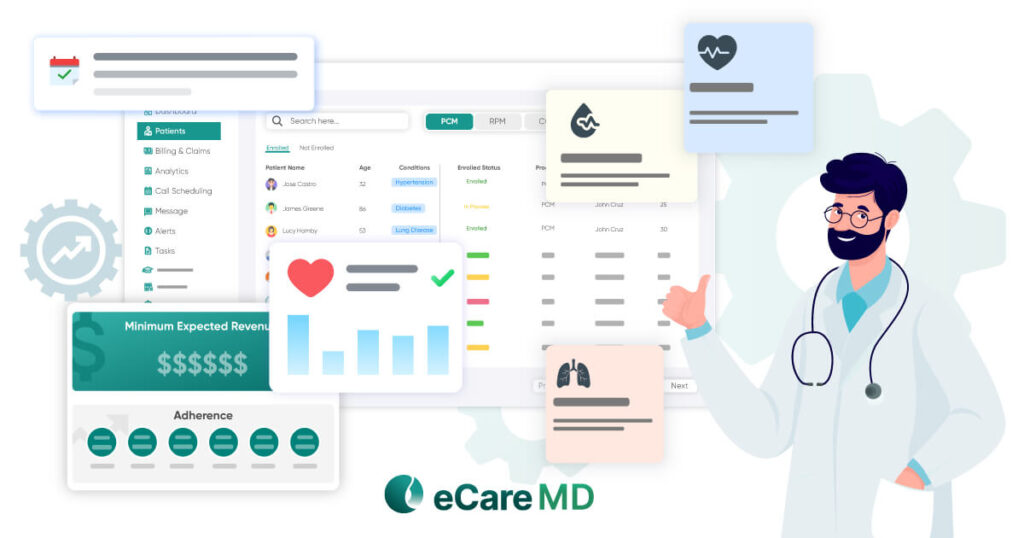
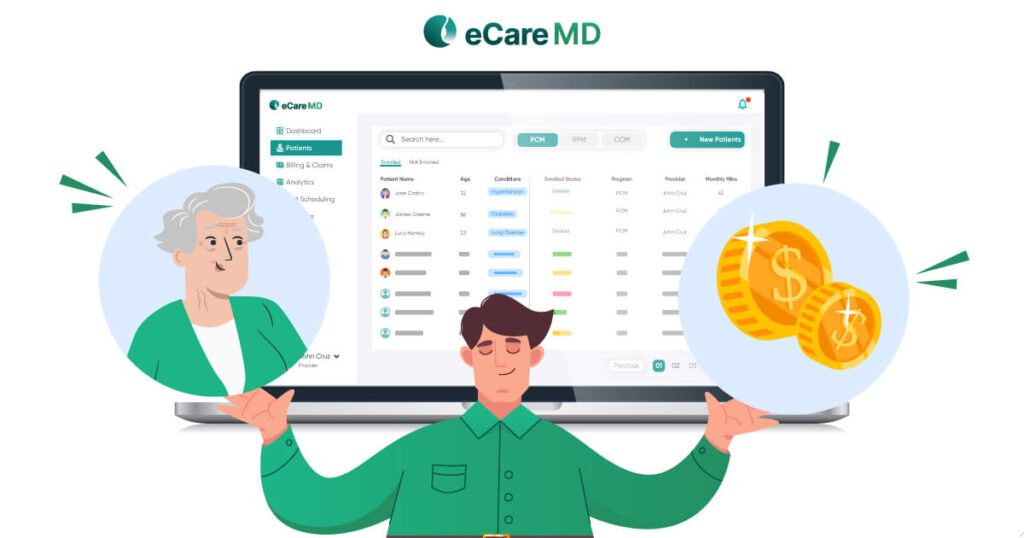
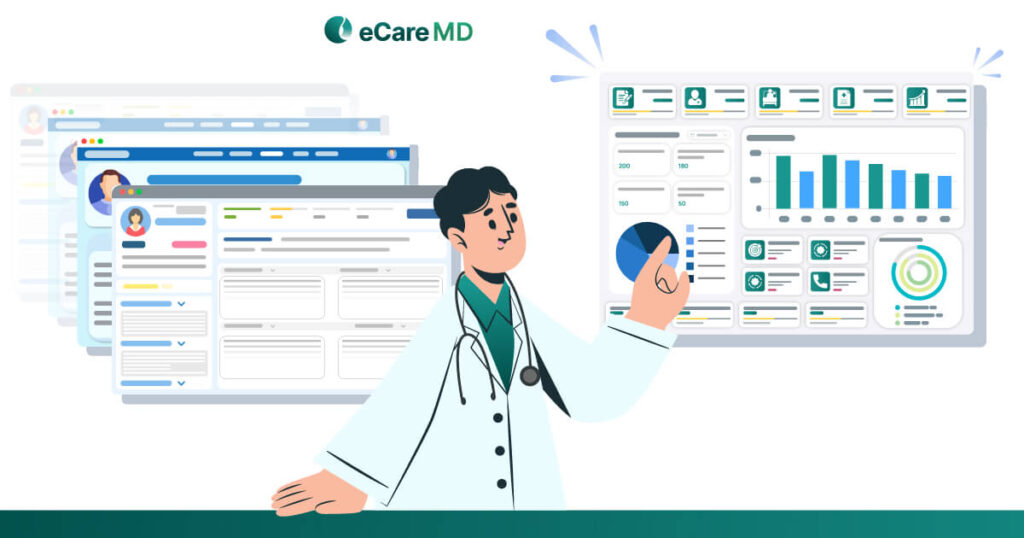
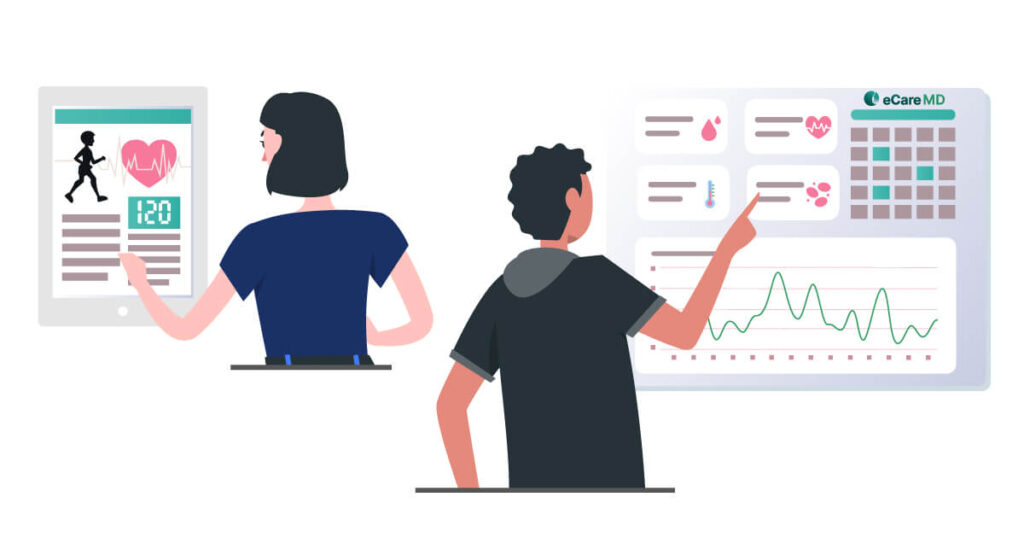
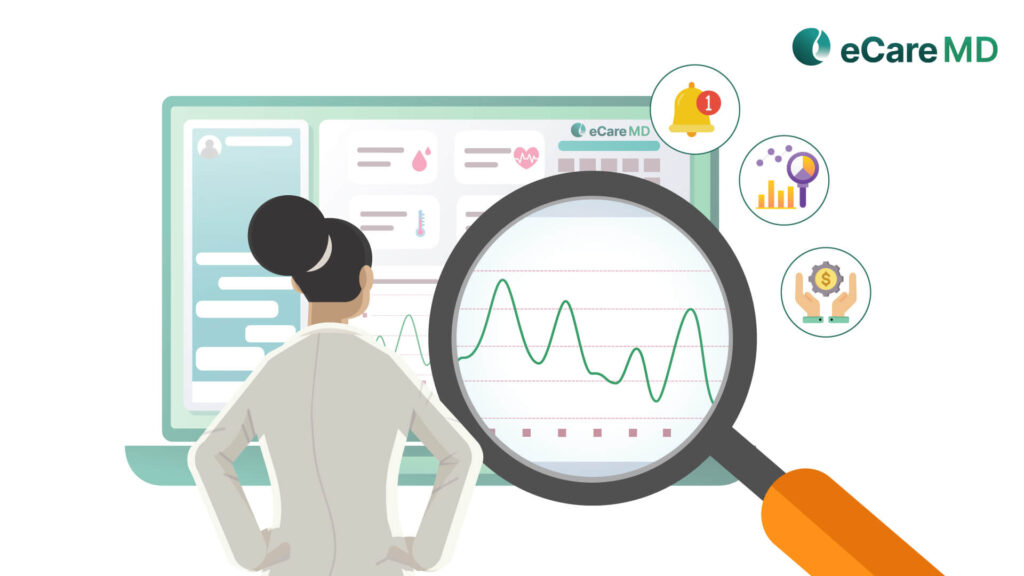
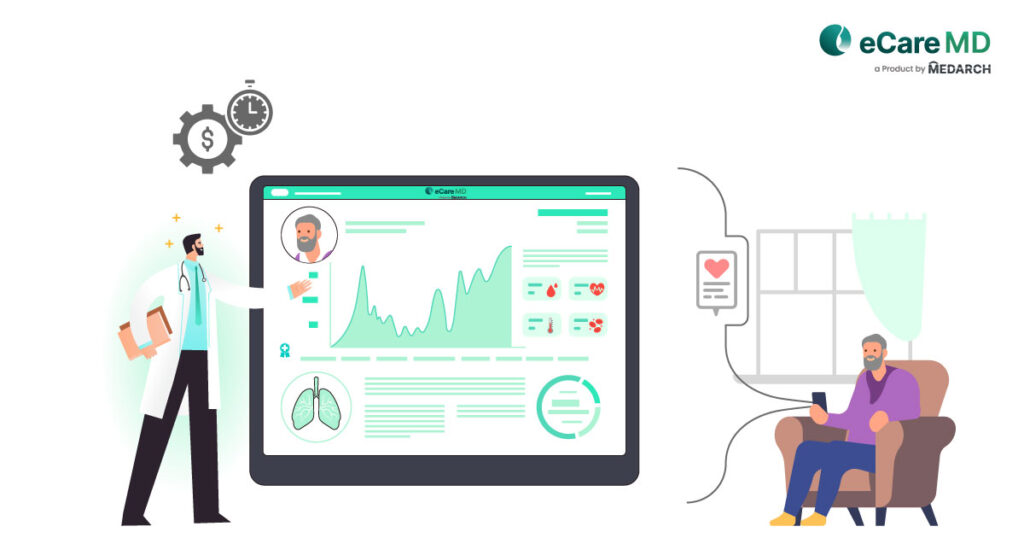
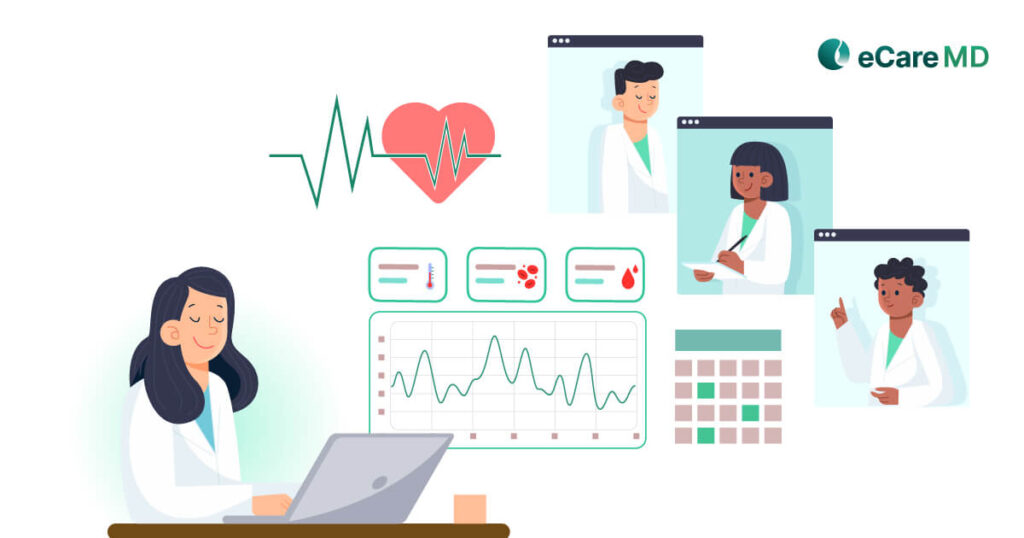
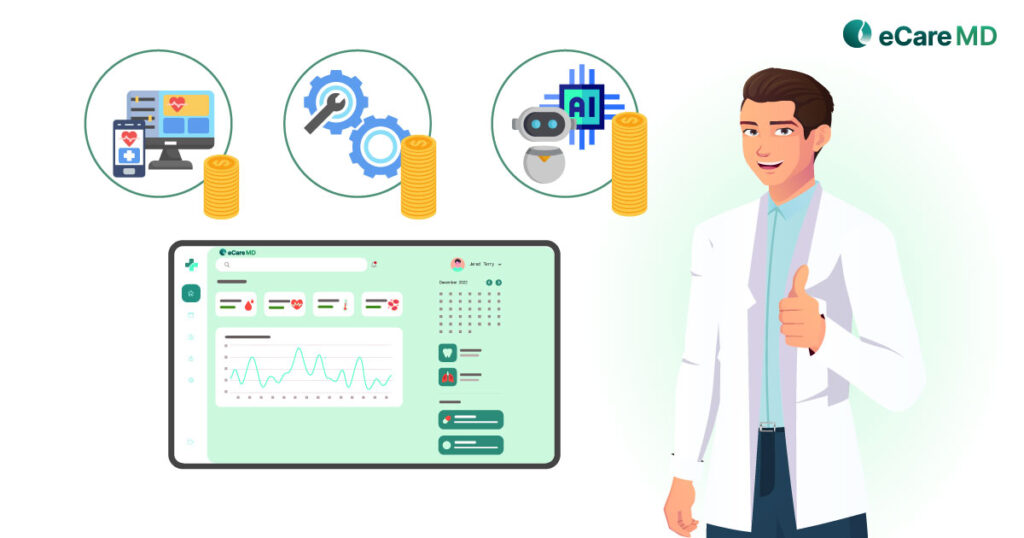
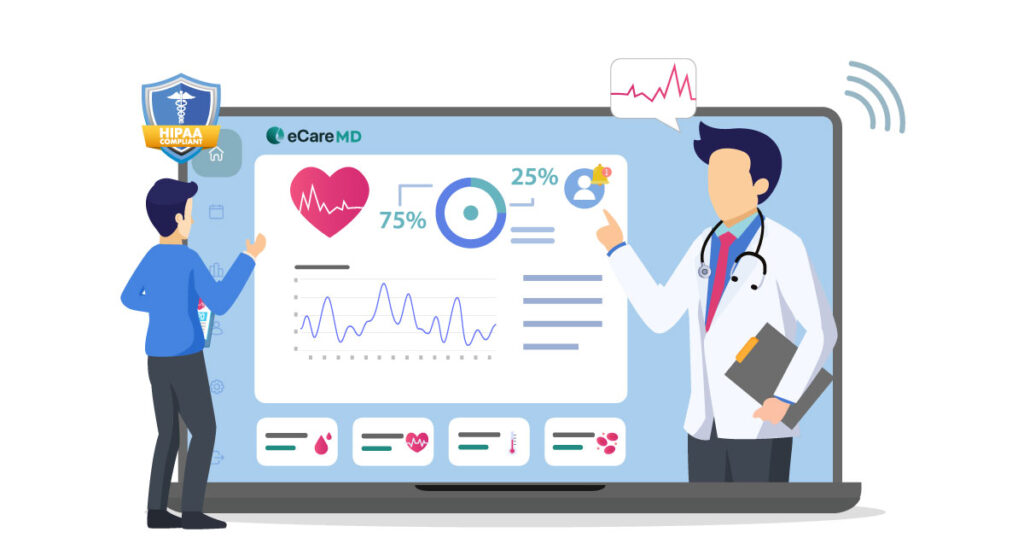
The real value of RPM lies in its software platforms that collect, organize, and analyze patient health data in one centralized dashboard. Rather than reviewing data from various sources, all patient readings are aggregated into a single view, providing a complete picture of patient health.
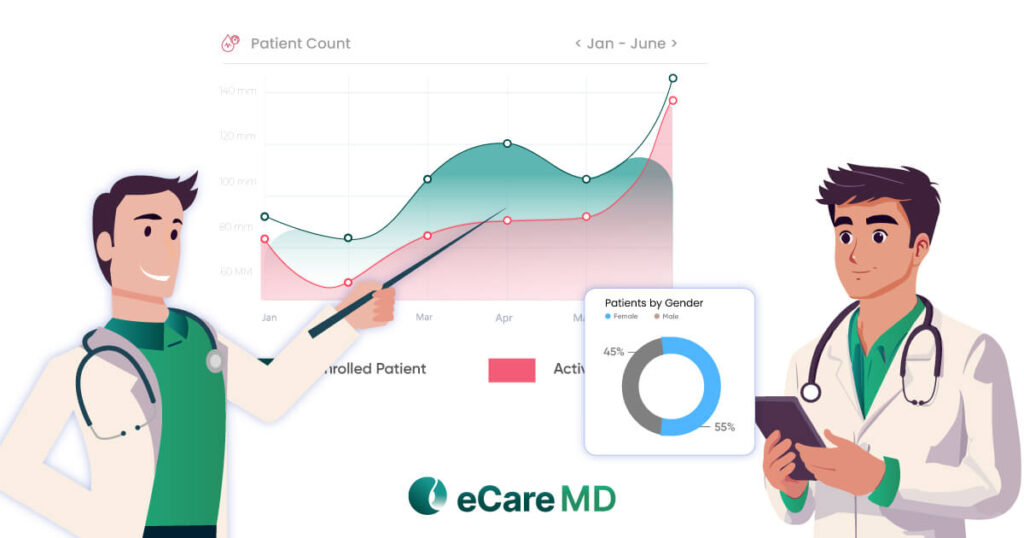
Furthermore, you can also analyze the data by identifying trends, comparing readings over time, and flagging any abnormalities. Also, you can quickly detect changes in a patient’s condition through visualizations like charts and graphs.
This allows you to track progress, detect potential issues early, and make informed clinical decisions easily.
Here, you might be wondering about what exactly makes an RPM software platform effective in supporting clinical workflows and patient monitoring.
So, let’s have a look at key capabilities to look for in a modern RPM software platform:
Think of remote patient monitoring software as your clinical command center, not just an add-on to devices. We have covered this in detail in our guide on “10 Must-Have Features in Remote Patient Monitoring Software for Clinics”, where you’ll get a better idea about it.
Now that we’ve discussed how remote patient monitoring works and the technology behind it, a common question that you might have is what conditions can be monitored with remote patient monitoring?
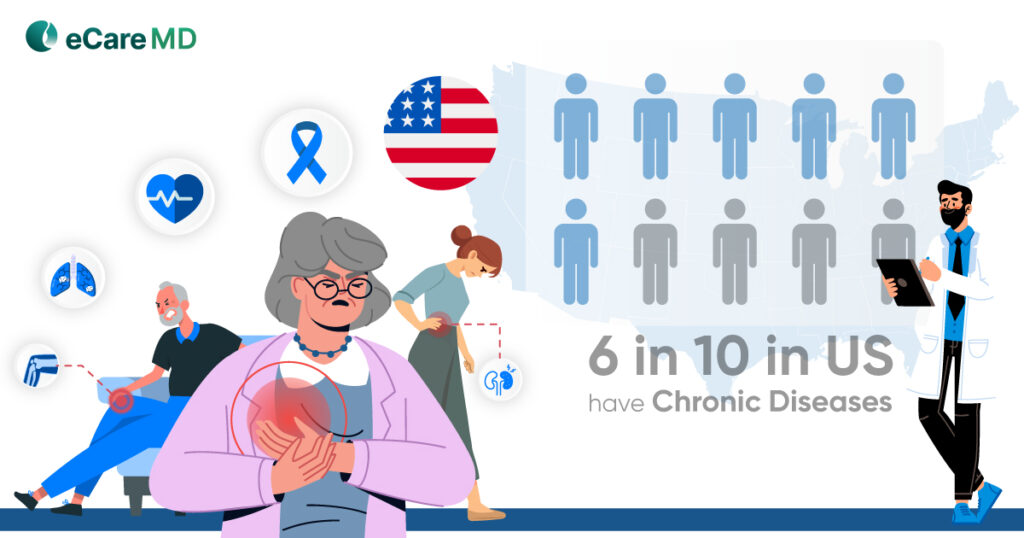
Remote patient monitoring is ideal for chronic diseases, as these types of diseases require continuous data collection. Some of the most commonly monitored conditions include hypertension, diabetes, congestive heart failure (CHF), chronic obstructive pulmonary disease (COPD), and asthma.
For your better understanding, let’s take one example. Patients with hypertension can regularly check their blood pressure at home using a connected blood pressure monitor. The readings are then automatically transmitted to your monitoring platform, allowing you to track patterns and adjust treatment plans when necessary.
While RPM supports monitoring of a lot of conditions, not every patient can automatically enroll in an RPM program. This raises a key question here: who typically qualifies for remote patient monitoring programs?
Medicare patients with acute or chronic conditions who require regular physiological data collection are usually eligible for RPM programs. Furthermore, patients with two or more chronic conditions or recent hospital discharges are also eligible for the RPM program. However, eligibility criteria continue to evolve with CMS policy updates.
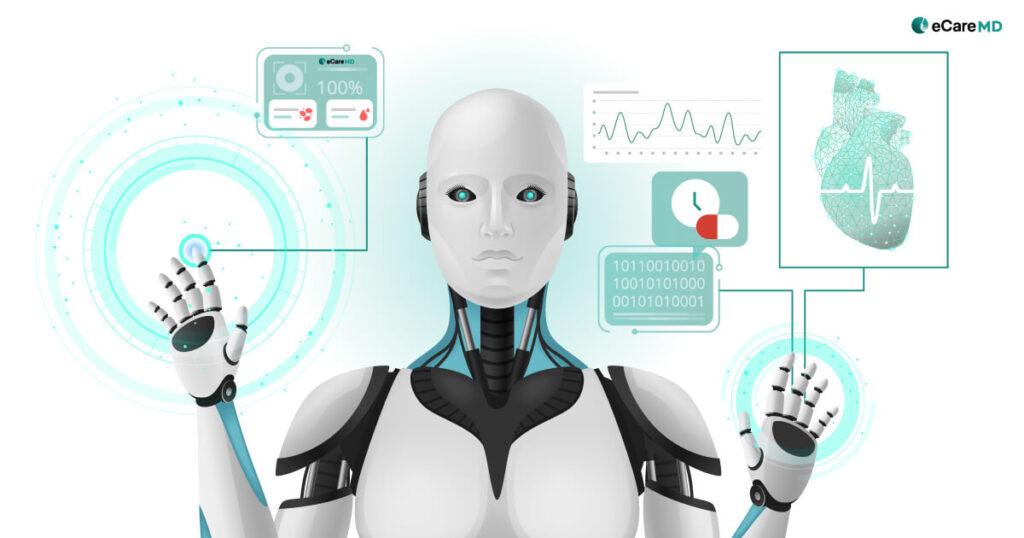
To cope with the digital world, most RPM platforms have moved beyond simple alert systems. Artificial intelligence and predictive analytics are transforming reactive monitoring to proactive monitoring. Rather than depending on individual readings, these systems can detect patterns, trends, and changes in patient health metrics over time.
AI models help your system detect readings and alert you to avoid the risk of complications. For example, an increase in blood pressure readings combined with weight gain may signal worsening heart failure. Predictive analytics can detect changes in health patterns and alert you before the patient’s condition becomes critical.
Along with all these, predictive analytics also helps you to manage data volume. In the case of monitoring a number of patients, manually reviewing every reading is impossible. But, AI-driven standardization identifies the patients who need attention first.
More curious about how artificial intelligence and predictive analytics enhance RPM programs? You can explore our guide on Predictive Analytics in Remote Patient Monitoring: How AI Improves Patient Outcomes.
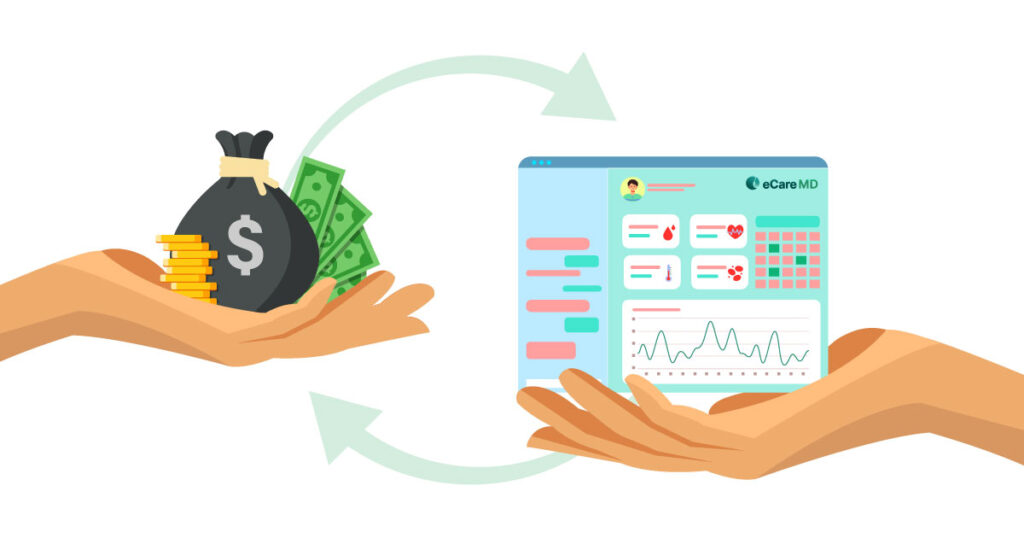
As the healthcare industry is moving towards value-based care models, remote patient monitoring is becoming an increasingly valuable tool for both healthcare providers and payers. Along with clinical applications, RPM also provides significant operational and financial advantages.
Reducing hospital readmissions by intervening early, new CMS reimbursement revenue, enhancing chronic disease outcomes, and greater operational efficiency are some of the major benefits of remote patient monitoring to providers.
Additionally, RPM also supports population health strategies by allowing proactive management of the highest-risk patients. RPM shifts care from expensive acute interventions to lower-cost preventive monitoring. Together, all these pointers make the RPM program an important component of the modern healthcare delivery models.
To explore more about how RPM contributes to value-based care, you can explore our guide: How Remote Patient Monitoring Supports Value-Based Care for Medicare Providers.
While the RPM offers significant clinical and operational benefits, implementing it comes with a lot of challenges. The transformation from the traditional care model to remote patient monitoring requires workflow adjustments, staff training, and the integration of new technologies into existing systems.
One of the biggest implementation challenges is adjusting existing clinical workflows. As mentioned previously, RPM collects continuous patient data; if this data is not routed through the correct person, it creates obstacles like delayed clinical response and workflow inefficiencies. An easy solution for these challenges is to exactly define how alerts are classified and who will respond.
The next critical challenge you may face is staff adoption, which requires deliberate change management. You have to train your care team constantly, not just a one-time event. Along with this, it is important for your care team to understand the clinical value of the program.
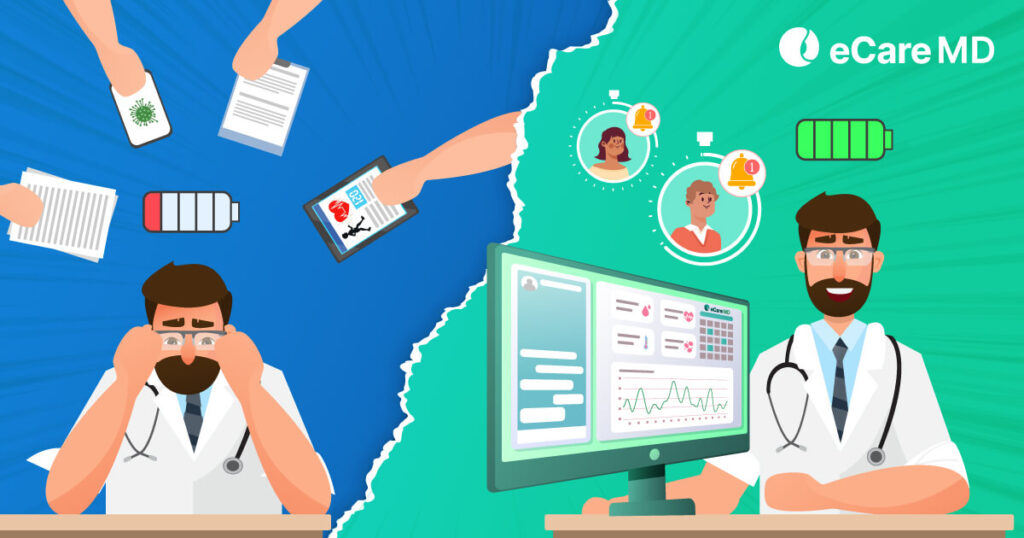
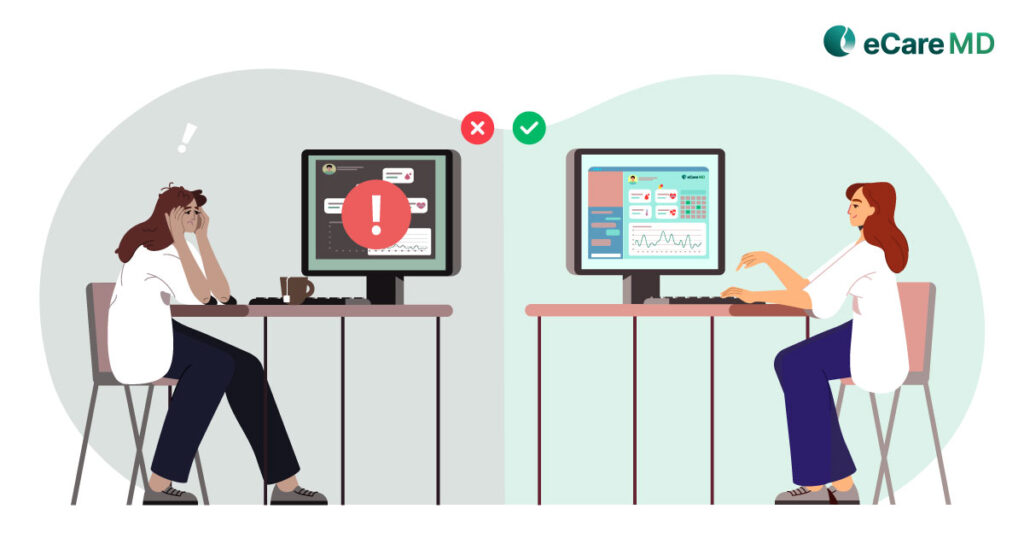
Furthermore, another real risk is data overload. Your care team can definitely be overwhelmed by large volumes of readings. To overcome this, well-designed RPM systems and monitoring protocols are essential.
Rather than relying on manual review of patient data, you can rely on automated alerts, predefined thresholds, and intelligent data filtering.
Want to launch an RPM program in your practice? Click here to get more information about 5 Best Practices for Starting a Remote Patient Monitoring Program in Your Practice.
As we’ve seen, RPM collects patient data through connected devices. But for it to be reliable, patients need to use their devices consistently.
To achieve this, three major investments are: patient education, device simplicity, and ongoing communication. For patients, it is important to understand why they are being monitored, what the devices do, and how their data is being used.
If your patients are clear with all these pointers, they are more likely to be involved in their overall care journey. Along with this, you can also enhance patient engagement by keeping regular communication through automated check-ins, app notifications, or care coordinator outreach.
Looking to boost patient engagement in your RPM programs? Download our free guide: How to Increase Patient Engagement in Remote Patient Monitoring.
The future of RPM is being shaped by both evolving healthcare policies and rapid advancements in digital health technologies. To remain aligned with regulatory expectations and unlock the full potential of RPM, it is critical for you to understand these developments.
Staying informed about policy updates, reimbursement changes, and emerging digital health tools is one of the key factors that help you to achieve patient outcomes and remain competitive.
Explore our guide to stay ahead of upcoming CMS policies and digital health innovations: “The Future of Remote Patient Monitoring: CMS Innovations & Emerging Trends [2026]’.
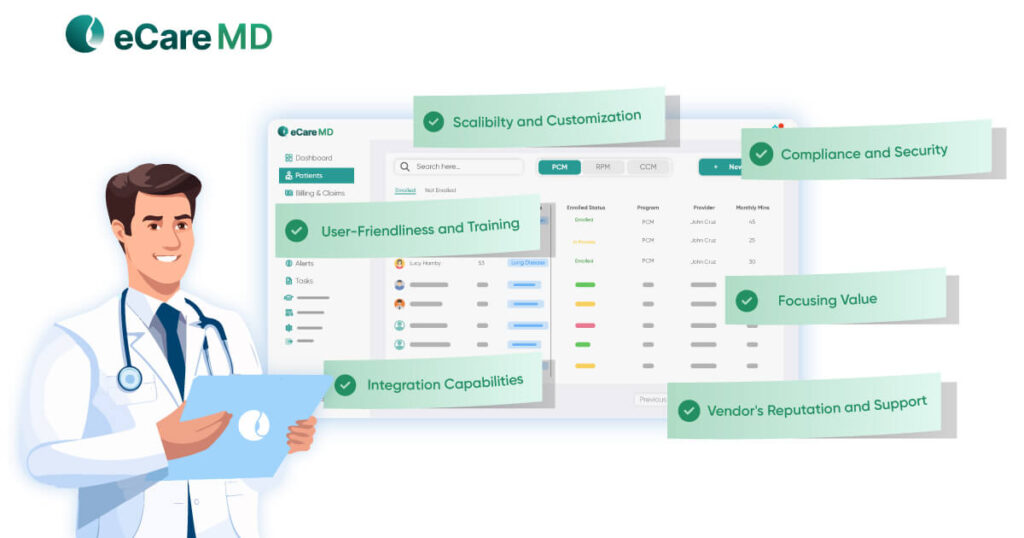
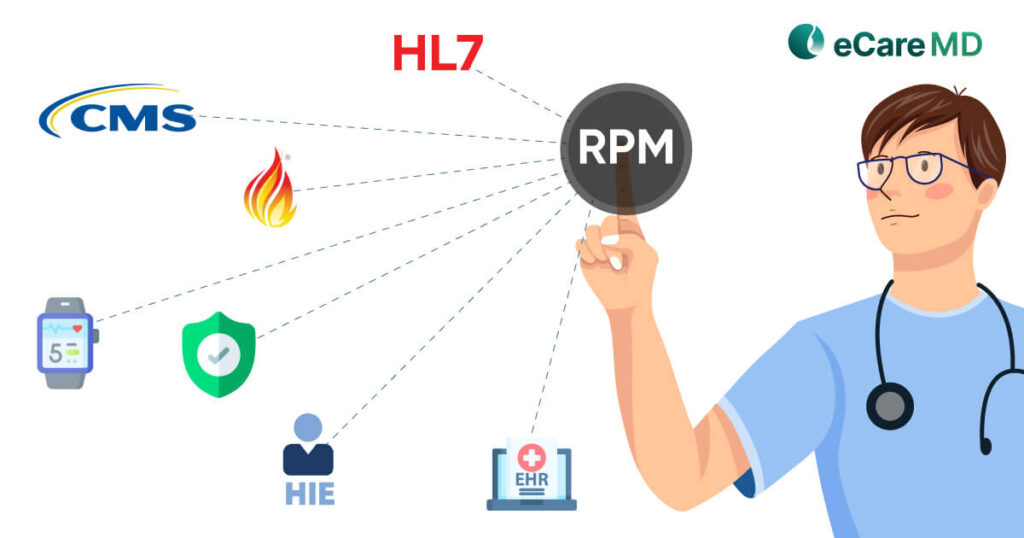
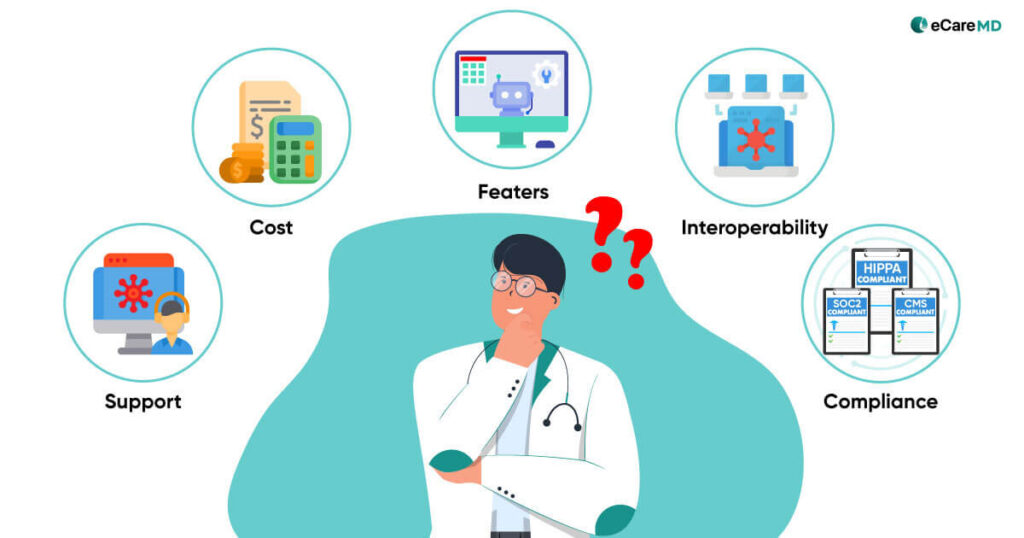
Selecting the right RPM platform is a critical decision for healthcare organizations, as RPM programs continue to expand. The platform should support seamless data integration, enable remote monitoring, reduce your manual efforts, and ensure compliance with healthcare regulations.
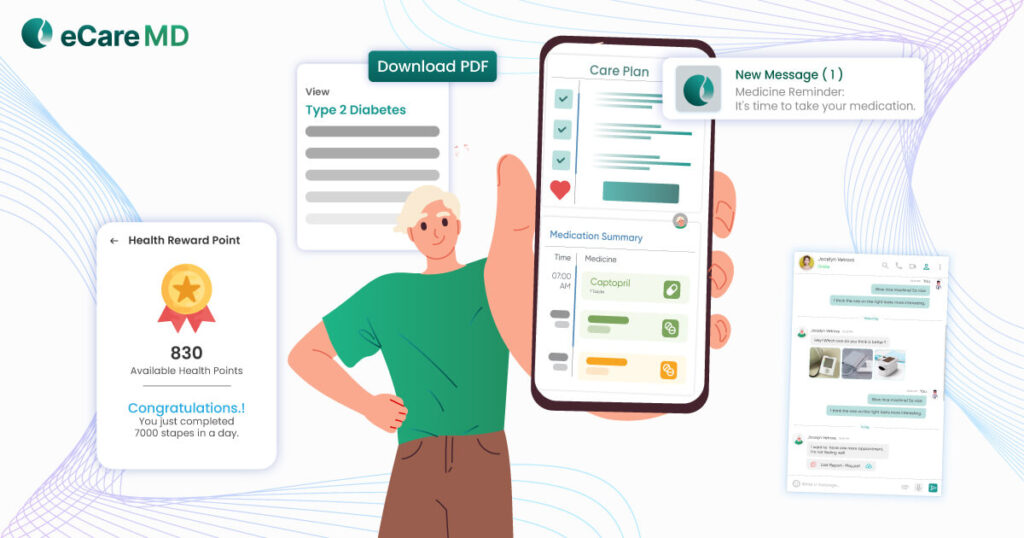
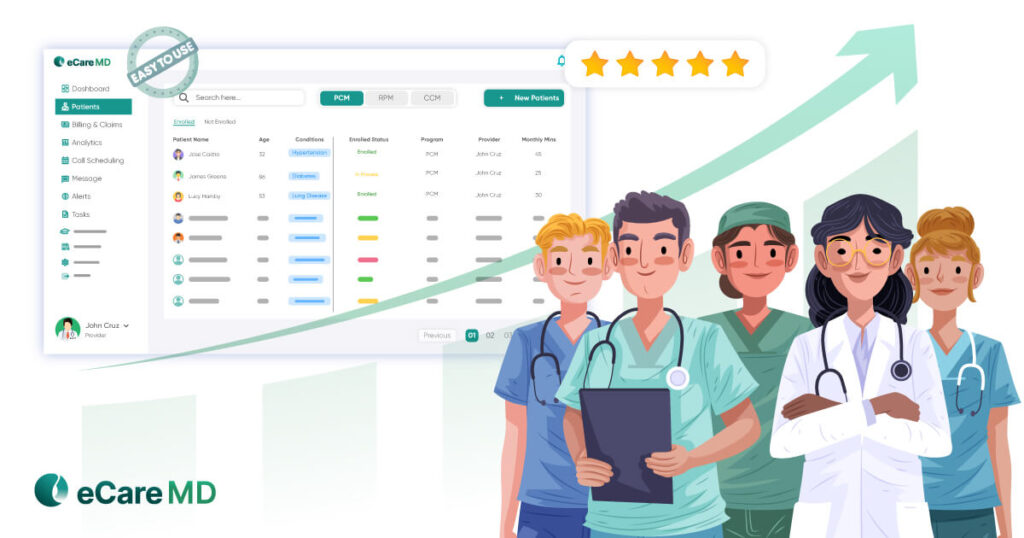
One such platform is eCareMD, a complete solution specifically designed to manage your patients’ data and support clinical workflows. Its seamless integration with your existing healthcare systems ensures that patient data flows smoothly across your EHR and other systems. This helps you to reduce manual data entry, enhance documentation accuracy, and improve patient outcomes.
As your patient population increases, eCareMD is built to scale with your organization. For example, whether you’re managing a small group of patients or expanding your RPM program, the platform can handle increasing patient data volume.
Furthermore, its built-in automation capabilities like automated alerts, predefined clinical thresholds, and intelligent patient prioritization help your care team to identify high-risk patients.
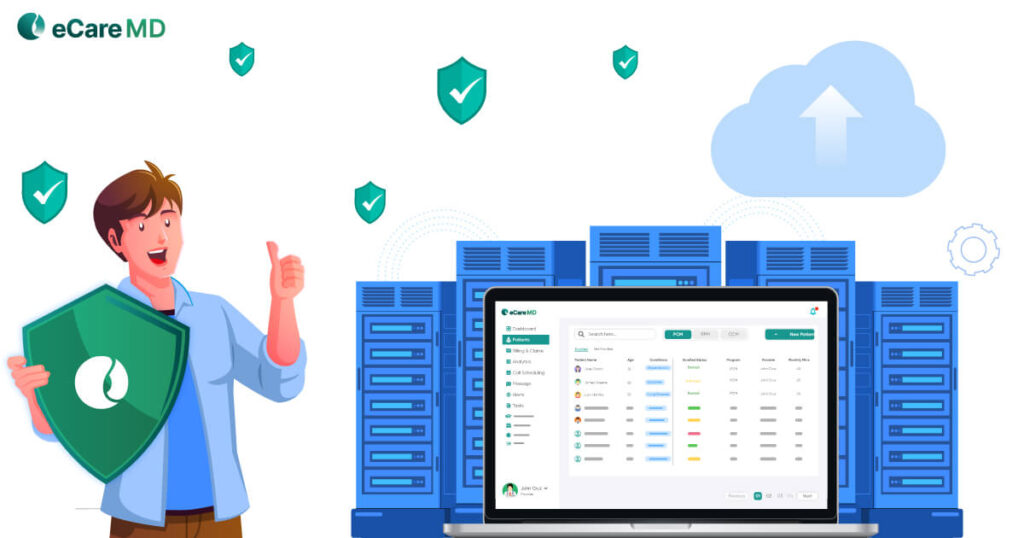
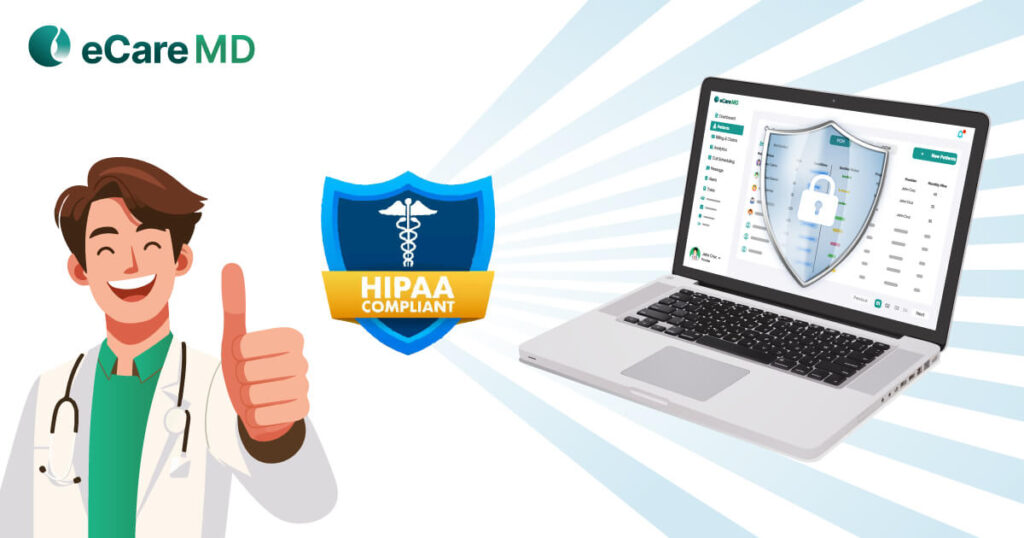
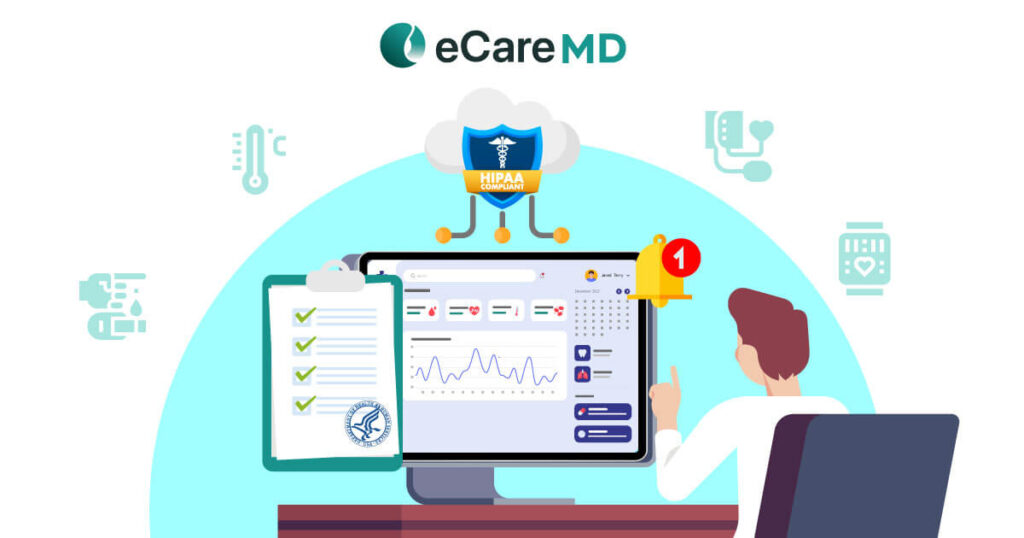
Since RPM handles sensitive patient health information, data security and HIPAA compliance become essential. eCareMD supports this with strong data security measures like encrypted data transmission, secure storage, and role-based access controls. This further helps your organization to maintain compliance with healthcare data privacy regulations.
After understanding the clinical and operational value of remote patient monitoring, the next important step is implementing an RPM program within your organization. With eCareMD, you can streamline the implementation process and build an efficient and scalable RPM program.
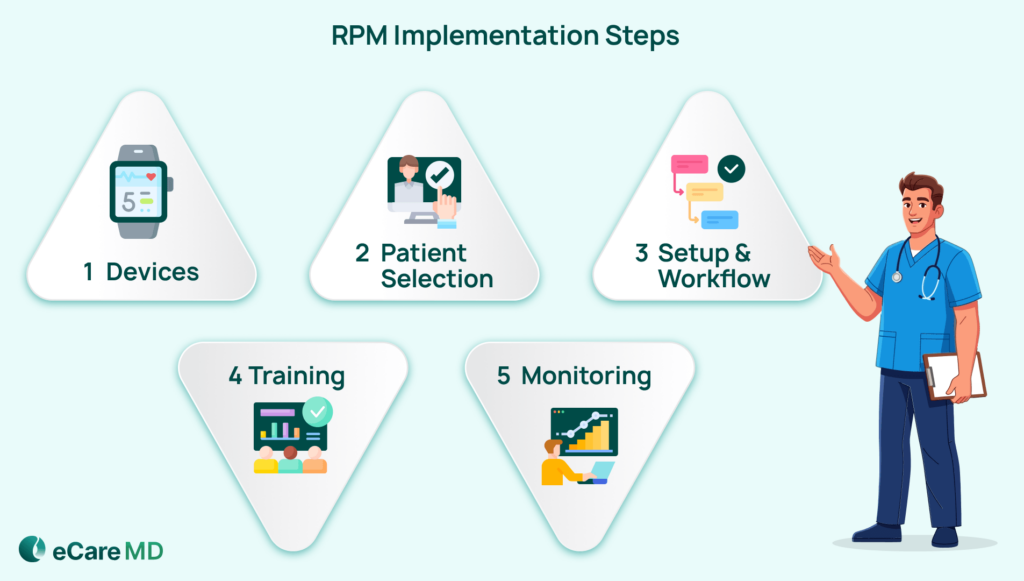
Let’s explore key steps to implement an RPM program.
Selecting the right monitoring devices and technology platform is the first step. eCareMD simplifies this step by supporting a wide range of connected devices, including blood pressure monitors, glucose meters, and pulse oximeters. This ensures you can choose the devices that are reliable, easy to use, and patient-friendly.
Identification of the right patient population for enrollment is another key step. eCareMD helps you enroll patients who benefit most from RPM, such as those with chronic conditions like hypertension, diabetes, heart failure, or respiratory diseases.
Along with all these, you must also focus on establishing clear clinical workflows and monitoring protocols. For example, these workflows include deciding how often patient data will be reviewed, determining alert thresholds, and assigning responsibilities to your care team members.
Furthermore, staff training and onboarding patients are equally important. With eCareMD, your care team can easily access patient data, respond to alerts, and integrate RPM into their daily routine. At the same time, patients receive clear instructions on the use of monitoring devices, how to submit readings, and how the care team will use those readings.
For a detailed walkthrough of the implementation process, explore our guide: How to Implement a Remote Patient Monitoring Program: Step-by-Step Guide.