Last Updated: August 26, 2026
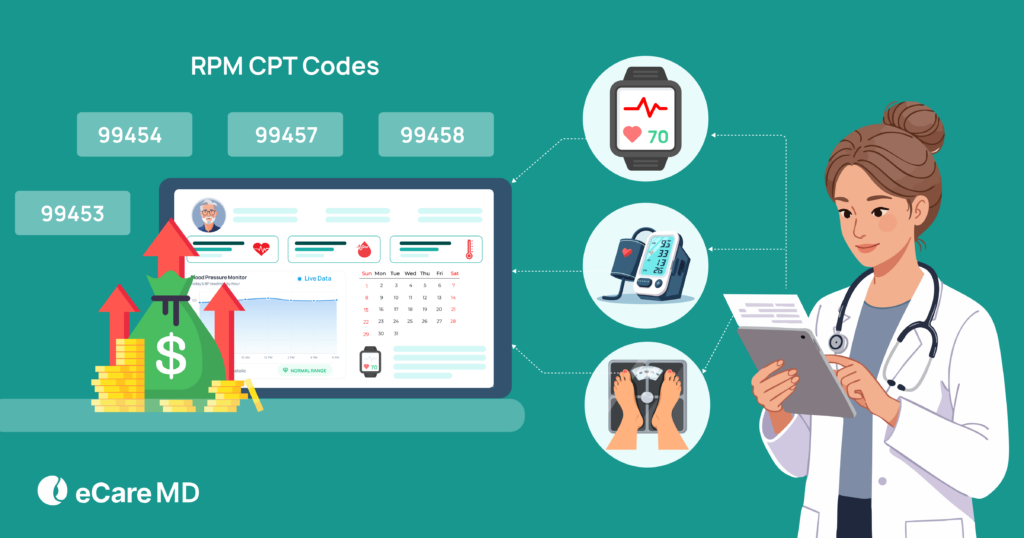
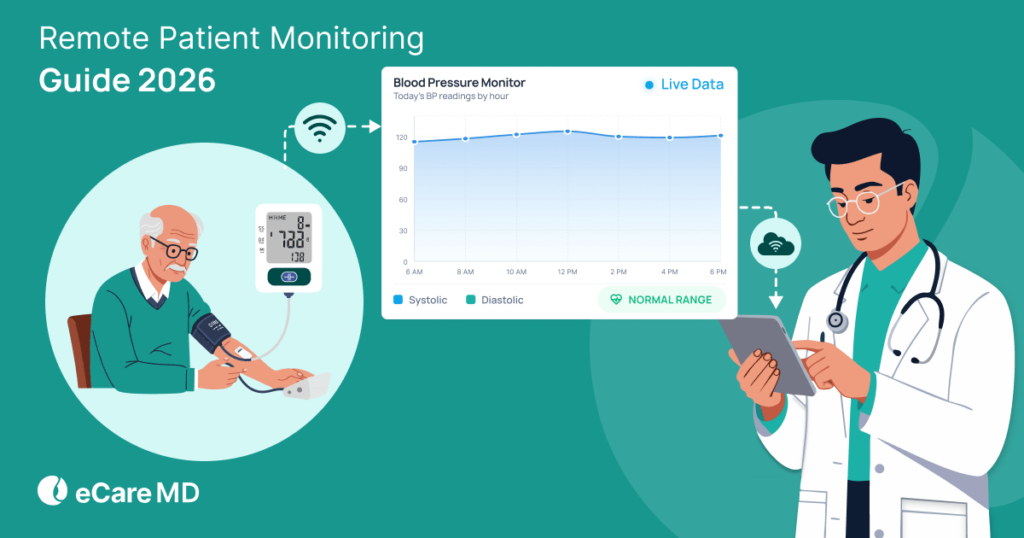
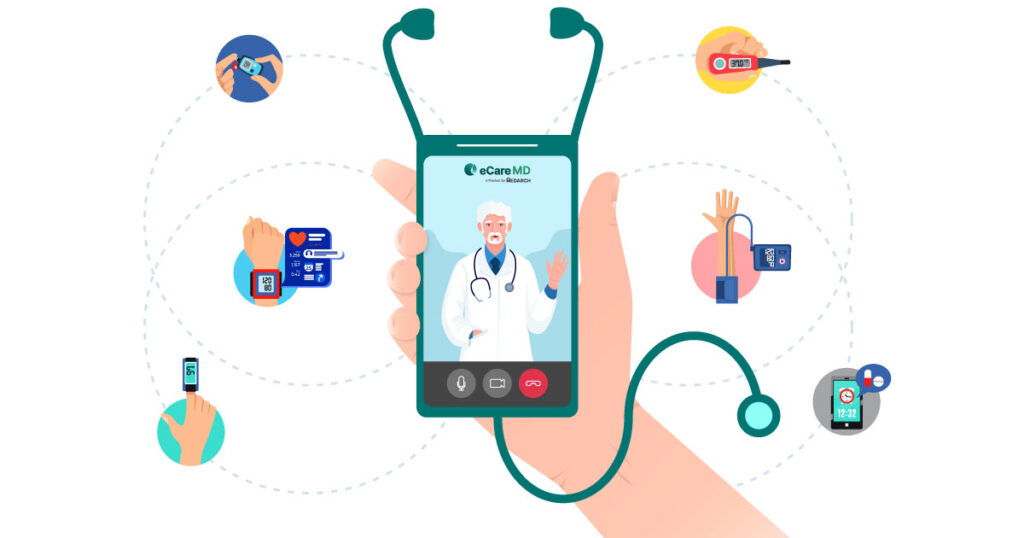
The best RPM devices match the patient’s condition and monitoring needs, with cellular-connected blood pressure monitors, weight scales, glucose devices, and pulse oximeters offering automatic data transmission with minimal patient setup.
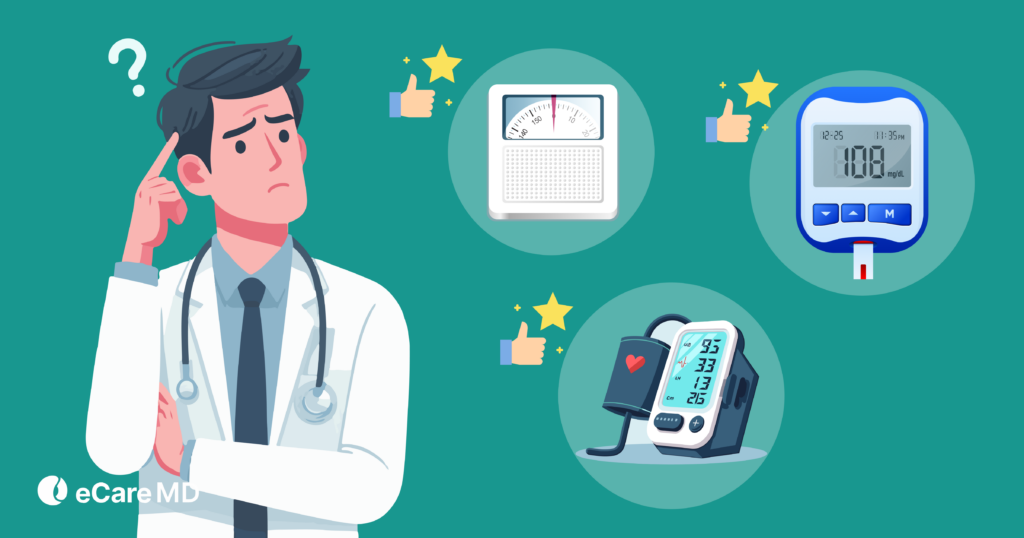
The key takeaway is clear: success isn’t about strategy; it often comes down to the devices behind it. These are the tools patients rely on daily, capturing clinical data and supporting engagement.
When these devices are accurate, reliable, and easy to use, your patients are more likely to stay involved in their overall care journey, ultimately leading to patient engagement. At the same time, with these accurate devices, you can also trust the data you are receiving,
However, when these devices fall short in accuracy or reliability, it can affect patient engagement, data consistency, and the effectiveness of your entire program. This is one of the key reasons many practices struggle to scale effectively.
Many providers invest in remote monitoring to enhance outcomes and expand care, but ignore one major gap, which can lead to low patient adherence and create an operational burden for care teams.
So, what’s the gap?
Well, it’s the fact that not all RPM devices for healthcare providers are built to support real clinical workflows.
Basic wearables may capture data, but they fail to deliver the accuracy, reliability, or ease of use that long-term care demands. This drives a shift toward medical-grade remote monitoring equipment that works instantly with minimum setup.
This is exactly why selecting the best RPM devices for healthcare providers plays a key role in the success of your RPM program.
This blog covers everything you need to know, from device requirements and connectivity to a practical RPM device selection framework, helping you to choose the right equipment for your practice.
Core Requirements for Clinical RPM Hardware
After understanding the importance of selecting the right devices, the next question is: ‘What to look for?’ As not all remote patient monitoring hardware meets the standards required for clinical use, focusing on a few key requirements is essential.
Here are some of the key requirements you should consider:
1. FDA Clearance:
FDA-cleared RPM devices are essential to ensure clinical reliability and meet compliance standards. Additionally, these devices contribute to support billing under CPT 99454. In practice, many providers prefer FDA-cleared cellular devices for remote patient monitoring to ensure both compliance and consistent data transmission. Without FDA clearance, you may face challenges with both reimbursement and data credibility.
2. Data Integrity:
Reliable RPM programs rely on accurate and consistent data. Without manual input, your devices should capture and transmit physiological readings automatically. This helps you to reduce the risk of errors and ensure you can trust the data you use for clinical decisions.
3. The 16-Day Sync Rule:
For care delivery and billing, continuous patient usage is essential. Your devices must support regular data transmission over time to meet the 16-day requirement. Without this consistency, it can disrupt your workflows while impacting program performance.
However, not all devices are built the same, especially when comparing consumer-grade devices to medical-grade remote monitoring equipment used in clinical settings:
| Feature | Consumer-Grade Devices | Medical-Grade Remote Monitoring Equipment |
|---|---|---|
| Accuracy | Approximate readings | Clinically validated, high accuracy |
| Data Transmission | Often manual or app-dependent | Automatic real-time data transmission |
| Regulatory Approval | Not FDA cleared | FDA cleared RPM devices |
| Data Integrity | Can be edited or missed | Unalterable, consistent data capture |
| Clinical Use | General wellness tracking | Designed for clinical decision-making |
| Connectivity | Typically Bluetooth app-based | Cellular RPM devices with plug-and-play setup |
The Connectivity Battle: Cellular vs. Bluetooth
After meeting core requirements, the next important question is: ‘How do your devices stay connected?’
If the data doesn’t reach you consistently, even the most reliable devices won’t deliver value. This often becomes an issue when devices depend on patient actions like app pairing or manual syncing.
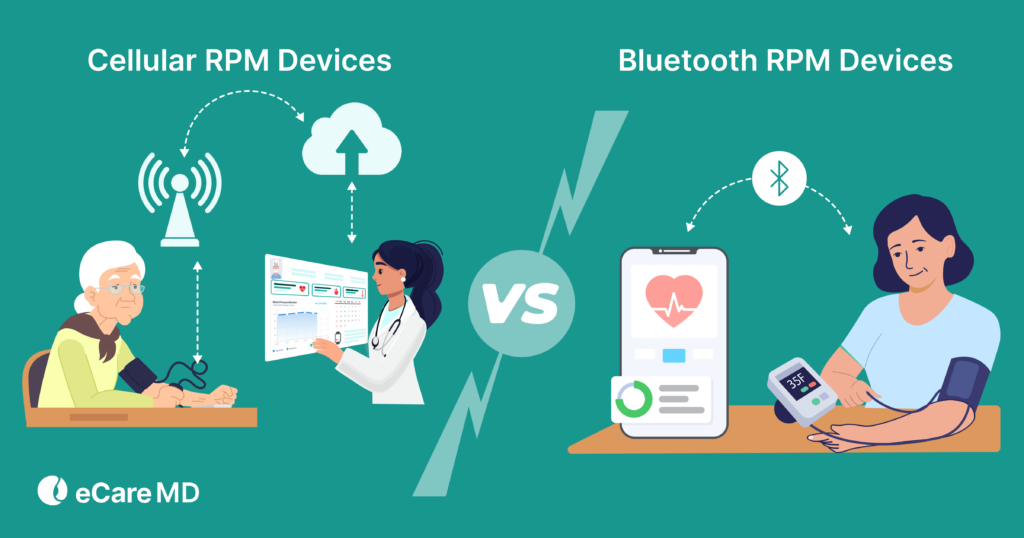
In remote patient monitoring hardware, there are primarily two connectivity options: Bluetooth and cellular. Each connectivity has a very different impact on performance in real-world settings.
Bluetooth devices typically connect to a patient’s smartphone or tablet by using an app for data collection and transmission. It involves a lot of steps, such as device pairing, app activation, and regularly syncing data.
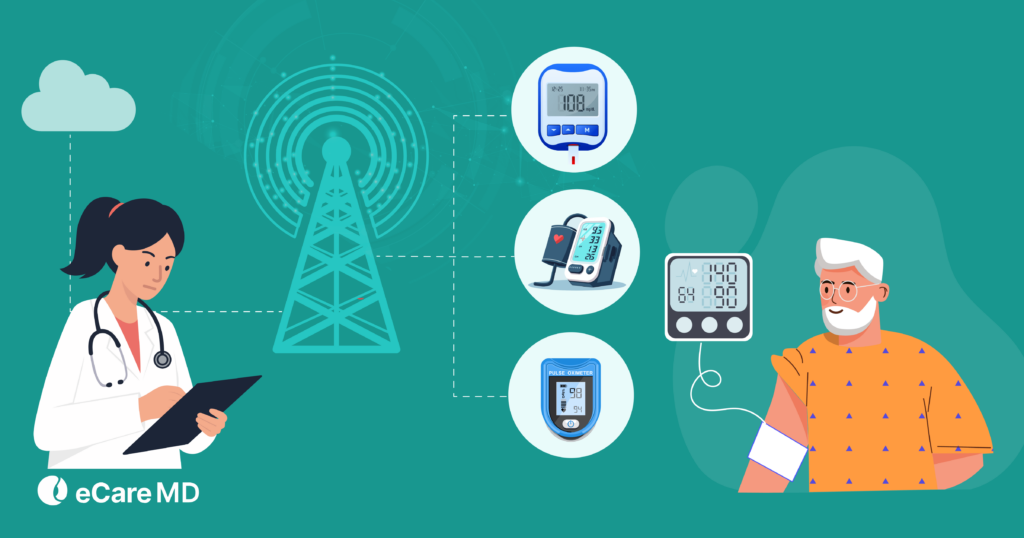
On the other hand, cellular devices come with built-in SIM connectivity, allowing them to transmit patient data directly over LTE networks. This helps to create seamless and consistent data flow from patient to provider.
Let’s take a closer look at how they compare:
| Factor | Bluetooth Devices | Cellular Devices |
|---|---|---|
| Data Transmission | Depends on apps and manual syncing, which can lead to data gaps | Automatic transmission via LTE ensures seamless data flow |
| Patient Dependency | High—patients must connect devices and manage apps | Low—devices work independently without patient effort |
| Reliability | Can be inconsistent due to connectivity issues or user error | More reliable with continuous data transfer |
| Signal Considerations | Relies on smartphone connectivity | Depends on cellular network but can be monitored proactively |
Essential Devices for High-Impact Chronic Care
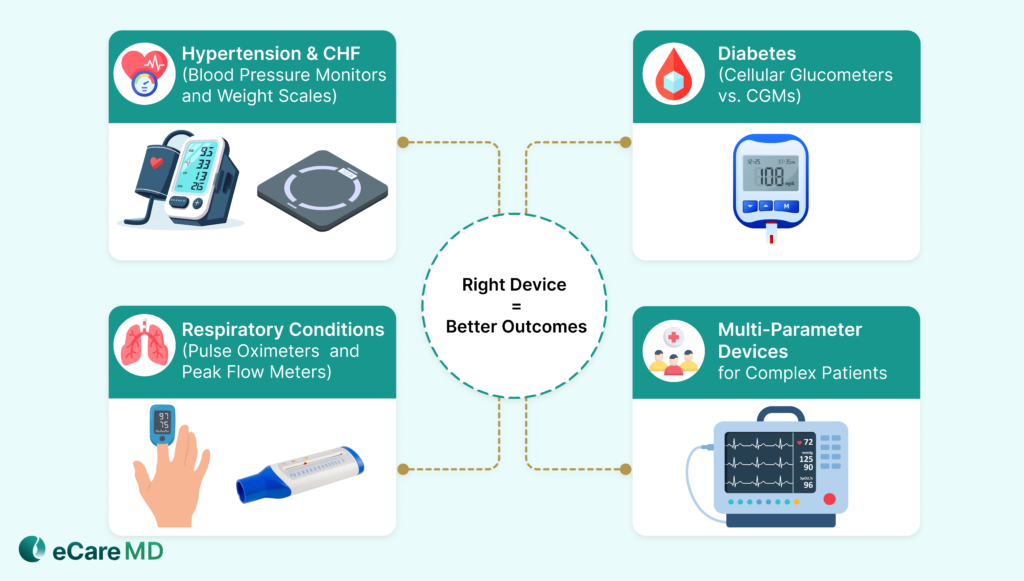
The selection of the right devices also depends on the conditions you are managing. Different chronic conditions need different types of devices. Using the right devices for the right condition can help you improve patient outcomes.
Here are some of the key devices that can support high-impact chronic care:
1. Hypertension & CHF (Blood Pressure Monitors and Weight Scales):
Patients with hypertension or congestive heart failure should regularly monitor their condition using blood pressure monitors and weight scales. Blood pressure monitors help track fluctuations, and connected weight scales can detect sudden weight gain. Together, these devices help you to intervene before conditions get worse.
2. Diabetes (Cellular Glucometers vs. CGMs):
For effective diabetes management, especially when insulin is used, continuous glucose tracking is recommended, for which devices such as continuous glucose monitors (CGMs) are frequently used. Cellular glucometers transmit readings automatically without requiring patient input.
On the other hand, CGMs (Continuous Glucose Monitors) provide real-time insights. As both devices can reduce your manual effort and enhance data consistency, the right choice relies on your patients’ needs.
3. Respiratory Conditions (Pulse Oximeters and Peak Flow Meters):
For patients with respiratory issues, pulse oximeters or peak flow meter devices are ideal, as it is essential for them to monitor oxygen saturation and lung function. You can track oxygen levels by using pulse oximeters, while using peak flow meters, you can assess airflow and detect early deterioration signs.
4. Multi-Parameter Devices for Complex Patients:
Devices that can track several vitals in just one place are more beneficial for patients with multiple chronic conditions. Medical-grade remote patient equipment solutions simply monitor, minimize device overload, and make it easier for you to manage complex care plans.
However, selecting the right devices is not just about features; it also involves aligning your RPM devices with your patient population and the specific condition you’re managing. This ensures more targeted care and better outcomes.
At this point, you can explore RPM devices guide to understand supported solutions and implementations.
Device Intelligence and Data Quality (AI-Enabled Monitoring)
After understanding the right devices and connectivity, what truly defines the success of an RPM program is the quality of data being captured and delivered.
RPM devices generate large volumes of data, but not all of it is clinically useful. So, it becomes very difficult for your care teams to focus on what actually matters. Here, rather than supporting care, the data starts to slow things down.
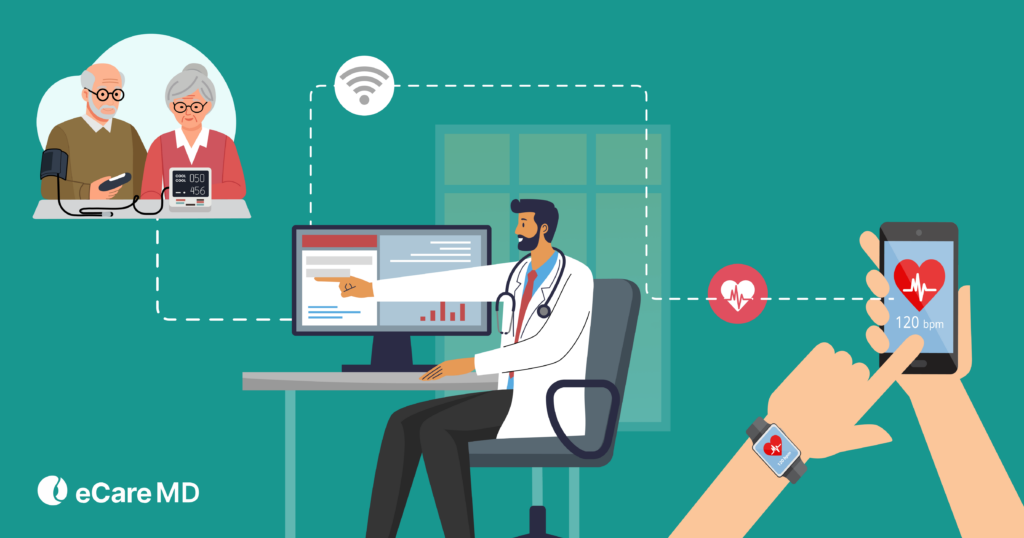
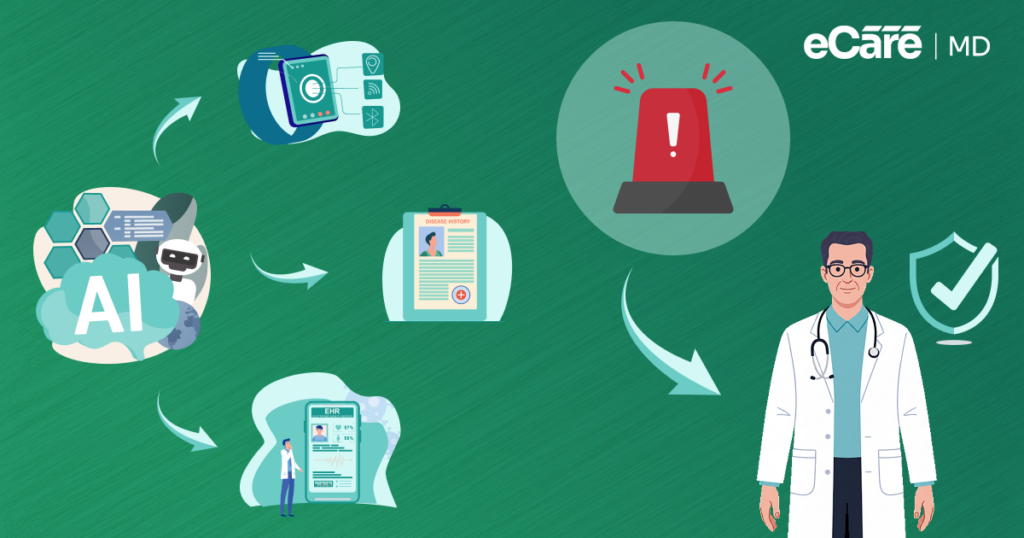
This is where device intelligence comes into play. Modern remote patient monitoring devices are specifically designed with the ability to filter out unnecessary data and highlight what is clinically relevant. These systems can also ensure that your care teams are not overwhelmed with excessive or low-value data by separating meaningful readings from background noise.
Furthermore, smart algorithms enhance this process by focusing on actionable insights. This allows you to quickly identify which patients need more attention and when. This data quality level can directly affect your clinical decision-making by enabling faster interventions and better patient outcomes.
However, these devices can also support a more proactive approach to care with continuous monitoring. Rather than reacting to sudden change, you can easily identify patterns early and intervene early before conditions worsen.
Long-term reliability is also critical. Regular firmware updates help you to keep your devices accurate and secure over time, which keeps your programs effective over time.
Acquiring RPM Devices: Lease, Buy, & Deployment Models
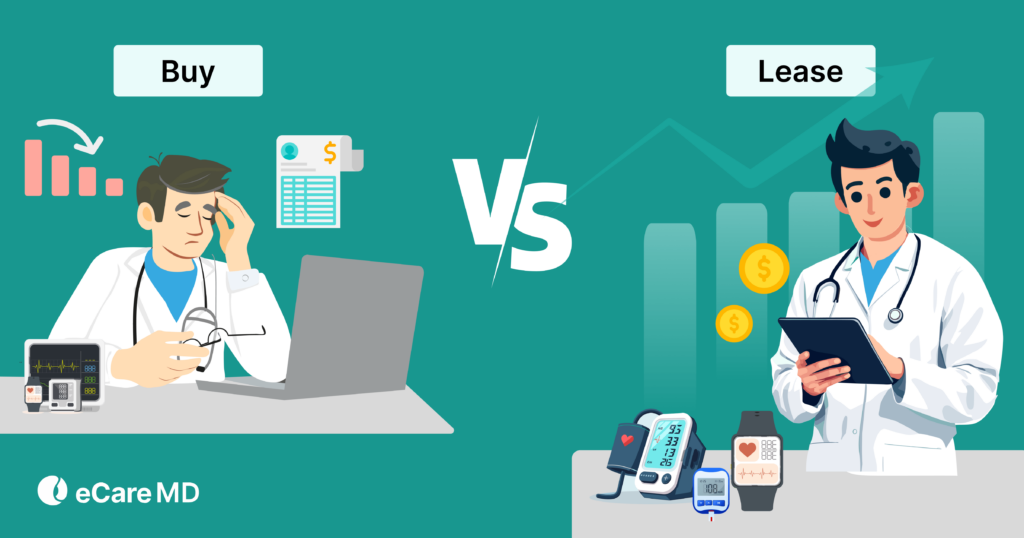
Once you’ve identified the right devices, the next important step is deciding how to acquire and deploy them within your practice. Mainly, there are two primary options: buy or lease. Each approach comes with its own advantages and disadvantages, depending on your operational goals and budget.
Here is a quick comparison to help you evaluate both options more clearly:
| Factor | Buying Devices | Leasing Devices |
|---|---|---|
| Upfront Cost | High initial investment | Low or no upfront cost |
| Ongoing Costs | Minimal after purchase | Recurring monthly or per-patient fees |
| Ownership | Full ownership of devices | No ownership (vendor-managed) |
| Scalability | May require additional capital to scale | Easier to scale with flexible plans |
| Maintenance & Support | Managed internally | Often handled by vendor |
| Best Fit | Large practices with stable volumes | Small to mid-sized or growing practices |
The next equally important factor is considering how devices are delivered and set up for your patients. Many modern RPM programs offer direct-to-patient delivery, where devices are shipped pre-configured and ready to use. This makes onboarding simple while reducing the workload on your care teams.
Beyond this, scalability is also important. As your program can expand across multiple providers or locations, your deployment model should support easy scaling without adding any operational complexity.
Ultimately, the right acquisition approach relies heavily on your practice size, patient volume, and long-term goals.
To understand the differences in detail, you can explore RPM device lease vs buy model.
Customizing Device Programs for Different Patient Populations

Choosing the right devices is only one part of the process. Factors such as how they are delivered, used, and supported also impact your RPM programs’ performance.
This is the reason why a one-size-fits-all approach rarely works in RPM, as different patient populations require different levels of support, usability, and monitoring.
Devices that can be directly shipped to your patients and used with minimal setup make onboarding easier and faster. On the other hand, comfort and durability also play a key role. For example, patient adherence can quickly drop if devices are difficult to use or uncomfortable.
These factors are especially important for elderly patients, where simple, easy-to-use devices can enhance adherence significantly.
As your program grows, scalability also becomes important. You should support remote patient monitoring hardware that can support multiple providers and locations without adding complexity.
Furthermore, you can maintain consistent care over time by aligning device usage with your patient’s needs and ensuring basic support for onboarding and troubleshooting.
What Are the Best RPM Devices?
At this stage, you’ve probably understood that the selection of the right equipment is not about picking the most advanced device; it’s actually about choosing what fits your patients and care goals.
Let’s explore a simple framework to guide your decision:
| Step | What to Focus On | Why It Matters |
|---|---|---|
| Define Patient Population | Identify the conditions you're managing (e.g., hypertension, diabetes, CHF) | Ensures you select remote patient monitoring devices that match clinical needs |
| Identify Required Vitals | Determine what data you need and how often it should be monitored | Helps avoid unnecessary devices and keeps monitoring focused |
| Prioritize Connectivity & Ease of Use | Choose devices with cellular connectivity and minimal setup | Reduces patient effort and improves adherence |
| Validate FDA Compliance | Ensure devices are FDA cleared and clinically reliable | Supports accurate data and reimbursement requirements |
| Evaluate Acquisition Model | Decide between leasing and buying based on your practice size, budget, and scalability needs | Helps balance upfront costs with long-term flexibility and growth |
| Test Before Full Deployment | Pilot devices with a small group of patients | Helps identify issues early and avoid scaling problems |
Conclusion
The best remote patient monitoring devices for healthcare providers are not just feature-rich; they combine accuracy, ease of use, and reliable connectivity to support consistent care.
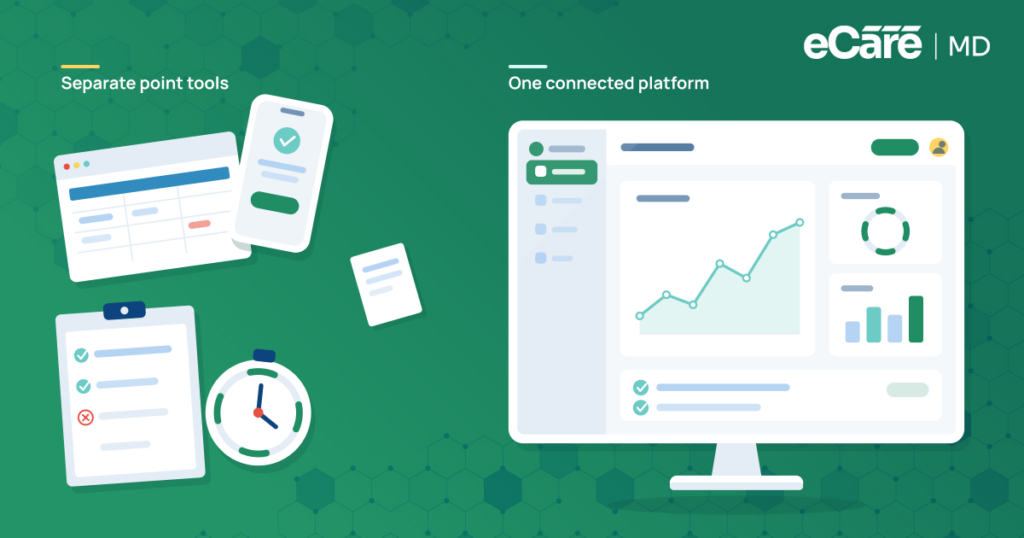
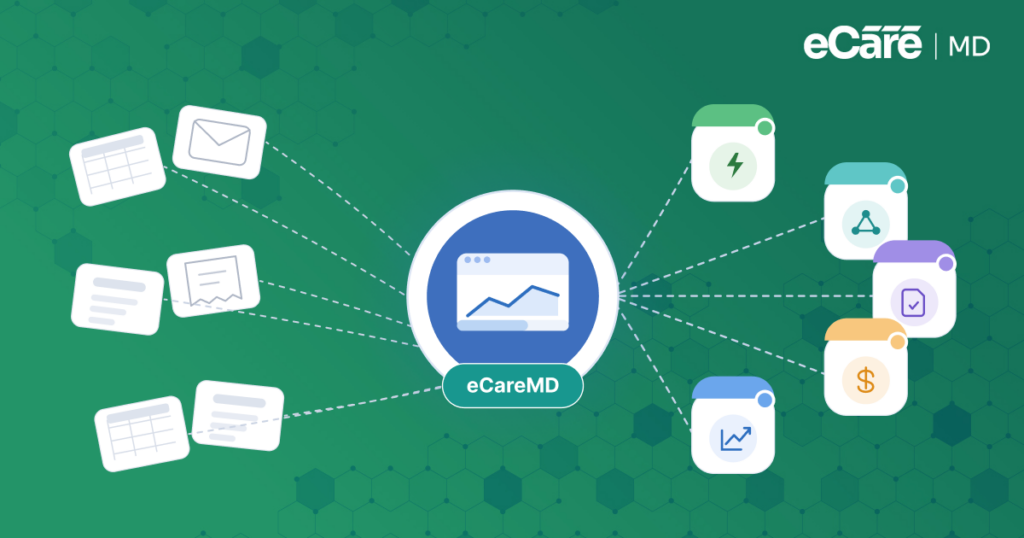
At the same time, devices don’t work in isolation. Their true value depends on how well they fit into your overall care ecosystem, from data flow to patient experience.
Solutions like eCareMD are designed to bring this together, helping providers build RPM programs that are both effective and scalable.
Click here to book a demo to see it in action.


![The Future of Remote Patient Monitoring: CMS Innovations & Emerging Trends [2026]](/wp-content/uploads/2024/07/Blog-36-The-Future-of-Remote-Patient-Monitoring_-Trends-AI-Innovation-CMS-Updates-for-2026-1024x538.png)