Last Updated: August 26, 2026
Tailor an RPM program by matching devices and alert thresholds to each condition and patient group.
Well, as a healthcare professional, you are definitely aware of that!
In fact, one study shows that RPM has increased by more than 30 times in recent years. And behind this expansion is expanding reimbursement and the increasing demand for continuous care.
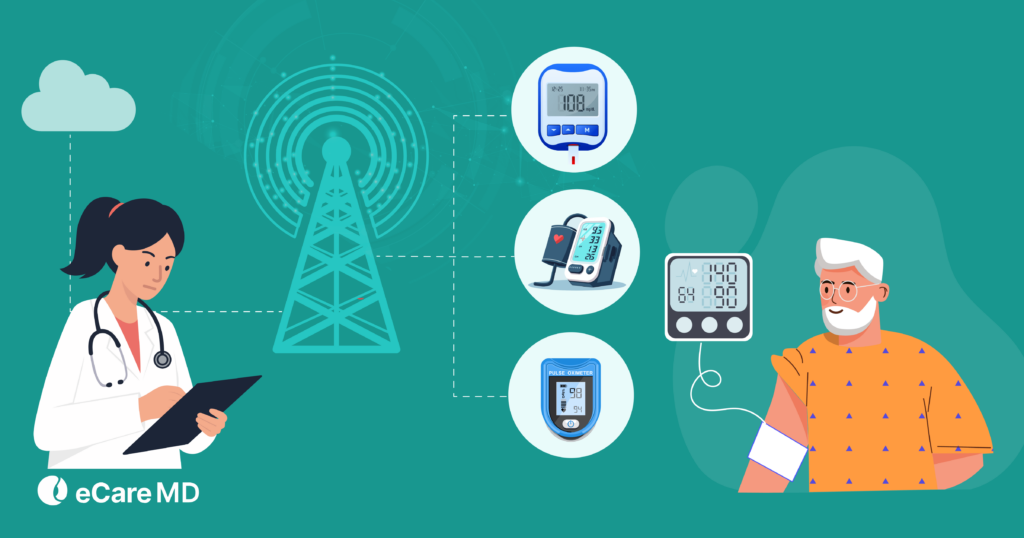
This huge number shows one obvious thing: RPM is no longer just an added service; it has become the central component of modern healthcare. Thus, to deliver more continuous and connected care, many providers like you are rapidly adopting telehealth monitoring programs.
Even so, many providers still fail to deliver quality care as they follow RPM programs with a standardized approach. Many providers assume that what works for one patient will work for all. But in reality, patients differ in age, conditions, technology comfort, and engagement levels.
Even the most well-designed program can fall short of delivering improved outcomes if you overlook these differences. And, this is exactly where RPM program customization turns into a necessity.
But why is it important to meet the specific needs of practice and diverse patient populations? And how to implement a customized RPM program?
In this guide, we’ll explore how to customize RPM programs for different patient populations.
RPM Customization by Specialty
| Specialty / Population | Recommended Devices | Monitoring / Alert Focus |
|---|---|---|
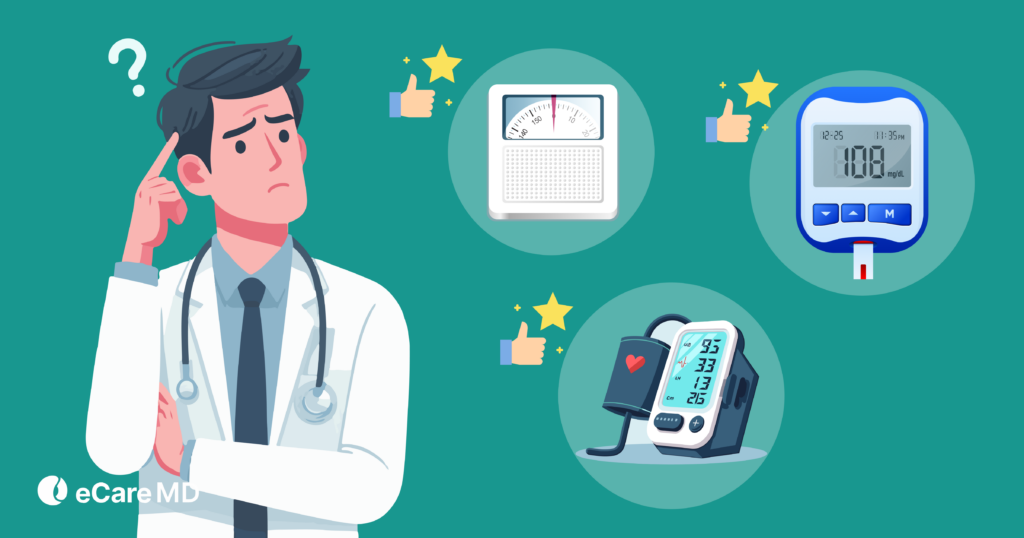
| Cardiology – CHF & Hypertension | Blood pressure monitor, weight scale | BP trends and rapid weight changes that may indicate fluid retention |
| Endocrinology – Diabetes | Connected glucose monitor | Fasting, post-meal, and bedtime glucose readings |
| Pulmonology – COPD & Asthma | Pulse oximeter, peak-flow monitor | SpO2 trends and changes in respiratory function |
| Post-Acute Care | Vital-sign devices, weight scale | Changes in vitals, symptoms, mobility, and recovery status |
How Do You Customize an RPM Program?
Your remote patient monitoring becomes truly effective when it is tailored to the clinical needs of each specialty. In RPM workflow, a one-size-fits-all approach rarely works, and this is where the rubber meets the road when it comes to RPM program customization.
To build an effective remote patient monitoring program, alignment of monitoring protocols with unique clinical needs is critical. This alignment further helps you to ensure that you are delivering the relevant and actionable care.
Here is an explanation of how customization actually works across key specialties:
1. Cardiology (CHF & Hypertension):
In cardiology, remote patient monitoring is used for chronic conditions such as congestive heart failure (CHF) and hypertension. This condition relies heavily on a well-defined RPM clinical workflow, like weight tracking, blood pressure monitoring, and symptoms reporting. This is where intelligent alerts become essential by helping your care team to quickly identify potential symptoms and respond in a timely manner.
For example, patients with CHF may have one common concern of fluid retention, and a sudden increase in their weight gain can cause a worsening condition. In this case, by using alerts for rapid weight gain, you can easily intervene early and avoid risks. Further, this makes the remote patient monitoring program more proactive, helping you to reduce avoidable hospitalizations.
2. Endocrinology (Diabetes):
Accurate data collection is an essential factor in the case of endocrinology, especially when you manage remote patient monitoring for chronic conditions like diabetes and hypertension. For endocrinology, you should achieve a high level of detail, as they play a critical role in tailoring RPM programs for elderly and high-risk patients.
For example, patients’ glucose readings must be segmented into fasting, post-meal, and bedtime values to generate actionable insights. Even small fluctuations in this can significantly affect your outcomes.
3. Pulmonology (COPD & Asthma):
In pulmonology, RPM programs for different specialties must account for respiratory-specific metrics like SpO2 levels and peak flow readings. With these indicators, you can identify early signs of deterioration with Chronic Obstructive Pulmonary Disease (COPD) or asthma.
Without this level of RPM program customization, your care team can risk missing subtle and important changes in your patient’s condition.
4. Post-acute care:
In post-acute care, continuous monitoring is a critical factor as it focuses more on patients recovering after surgery or hospitalization. Vitals tracking, mobility, and symptoms help to ensure timely interventions and reduce readmission risks.
As patients’ recovery needs can vary across many individuals, it shows a strong example of how to customize remote patient monitoring programs for different patient populations.
Overall, protocol adoption for specialty-specific requirements assists you in ensuring that RPM clinical workflows remain effective and scalable. Your RPM program can deliver consistent value across specialties when aligned properly. Additionally, your program can also improve outcomes in remote patient monitoring for chronic conditions.
How to Define Program Goals and Patient Needs for Successful Remote Patient Monitoring
Download Free GuideSelecting the Right Monitoring Technologies
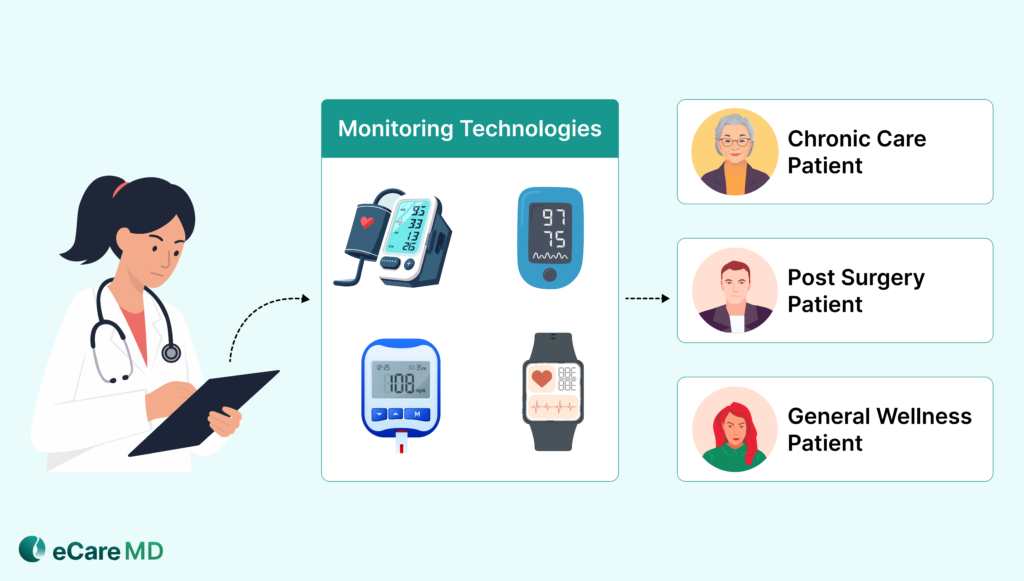
After defining the purpose of your telehealth monitoring programs and identifying their unique needs and requirements, the next step is to select the right remote patient monitoring technology. The effectiveness of your RPM program directly depends on this decision.
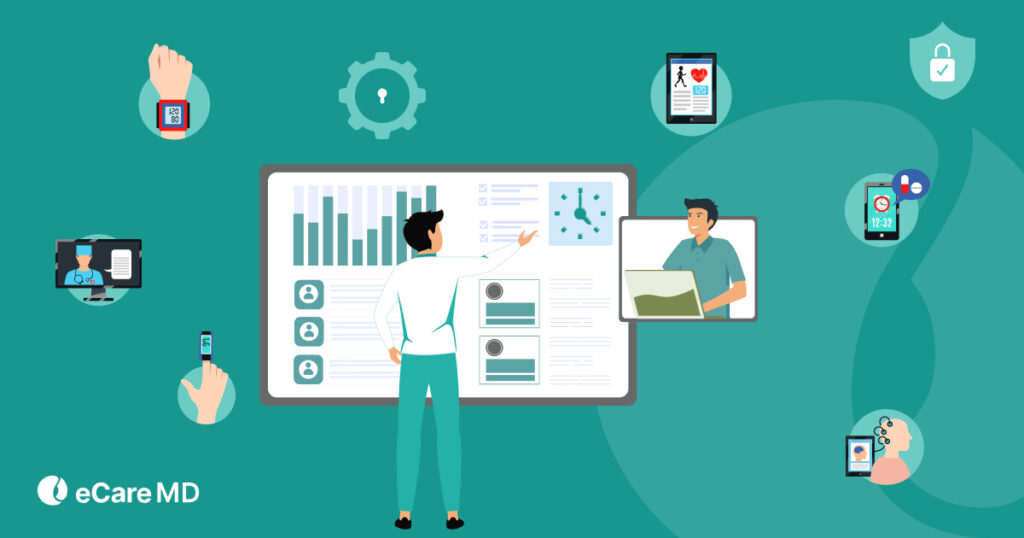
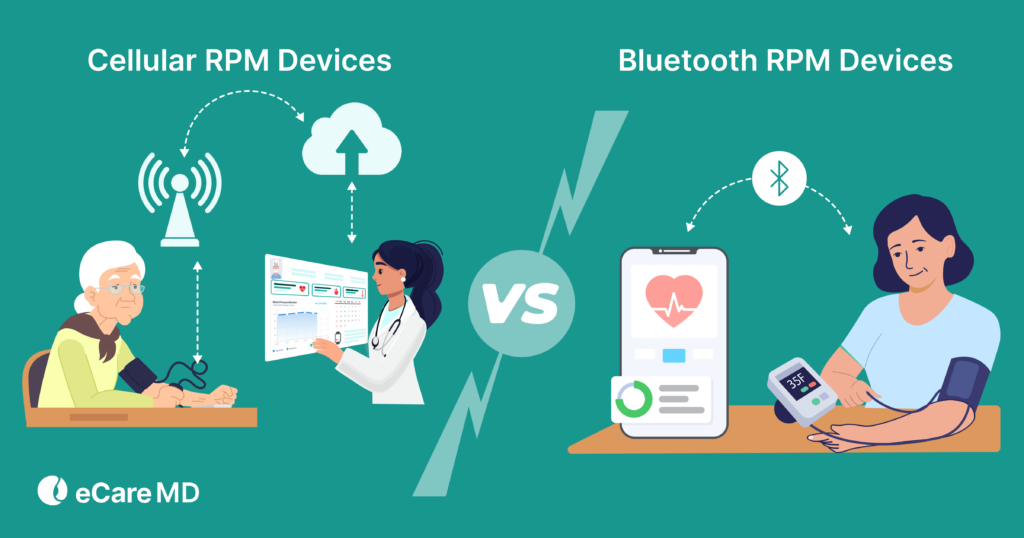
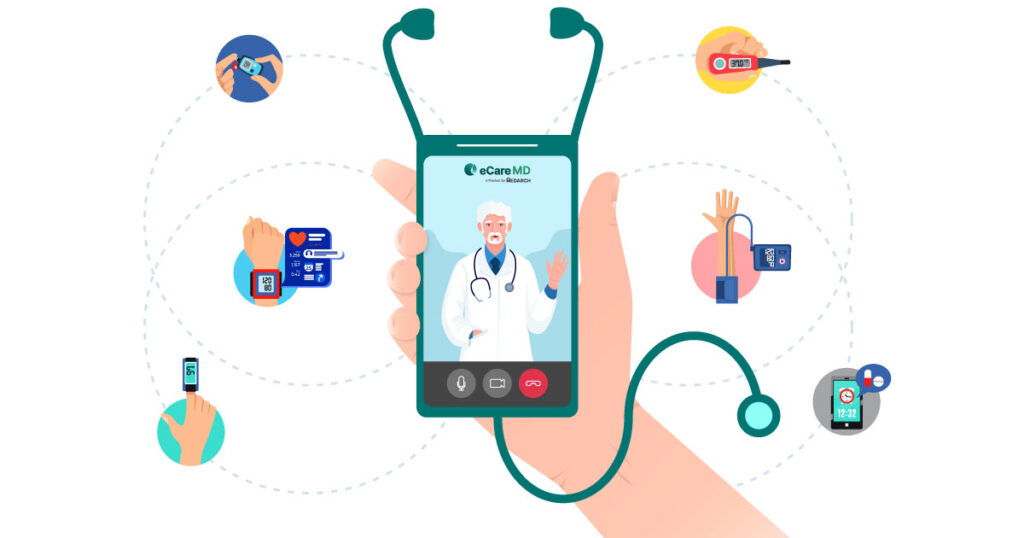
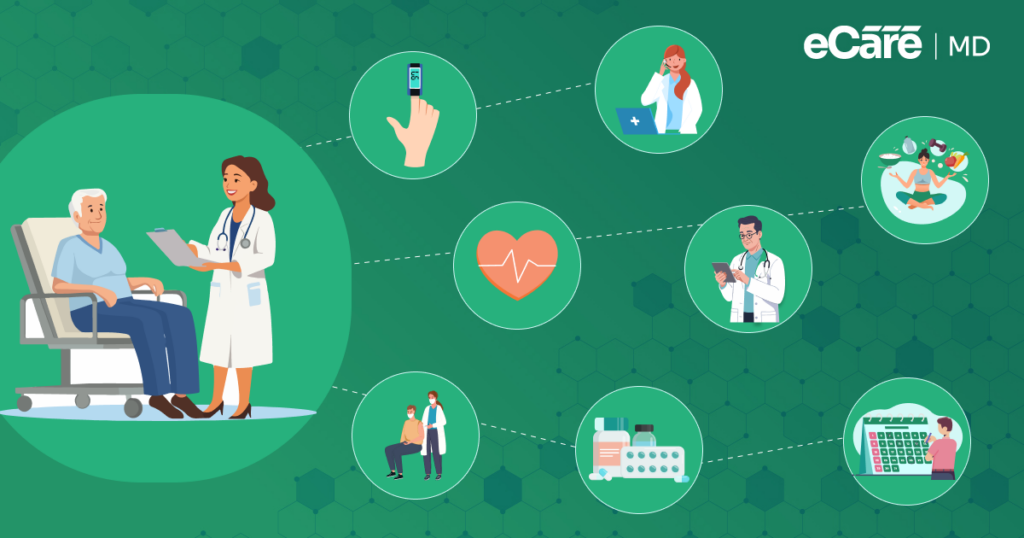
Remote patient monitoring involves wearable devices for real-time tracking, physiological sensors for vitals like blood pressure or glucose, and medication dispensers that support adherence through timely reminders. Based on the care model, each tool has a different purpose.
The key here is not selecting the most advanced device, but the most ideal one for your patients and program goals. For instance, a chronic disease program may require continuous monitoring, while post-surgical care may only need short-term tracking. Likewise, patients with low technical familiarity usually benefit more from simple and easy-to-use devices.
Beyond functionality, three factors are critical, including data security, ease of use, and system integration. Devices should protect patient information, be easy to use, and integrate smoothly with existing healthcare systems.
Customizing Patient Education & Engagement Strategies
Patient education and engagement should also be customized based on age, digital literacy, condition, and preferred learning format.
For the successful implementation of RPM programs, it is crucial to educate patients because patient engagement is crucial for improved patient outcomes with RPM. To successfully engage patients in their care activities, you need to customize your remote patient engagement strategies according to your patient population and clinical—the diseases and conditions you’re addressing—needs of your practice.
First things first, emphasis on educating patients on how to properly use RPM devices and send the collected data to the healthcare system for accurate diagnosis. Giving them hands-on training with the RPM devices and educating them with specially curated education material, patients can be effectively trained on how to use the remote patient monitoring devices.
Furthermore, implement a strategy to successfully engage patients in their care. This involves guiding the patients from their enrollment in the program for proper follow-up on using the software and devices. One of the tried and tested remote patient engagement strategies is custom alerts and notifications that serve as a reminder to patients to use the devices and adhere to the dedicated treatment plan.
These remote patient engagement strategies directly or indirectly result in increased care plan adherence and proactive participation of patients in their care journey. Apart from that, when it comes to providing educational material, you need to understand the different and diverse learning styles of your patient population. Depending on that, curate your education material accordingly, such as PDF documents, video tutorials, and audiobooks to cater to diverse learning styles and better patient engagement.
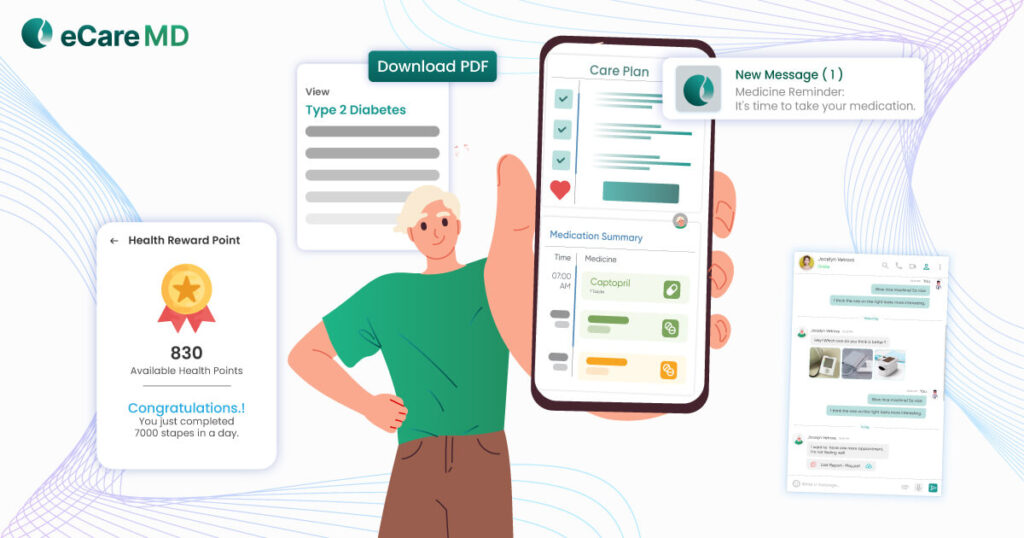
One of the effective and new ways of engaging patients in their care activities is the gamification of the care elements. Choosing the remote patient monitoring software with such features can be a good way to start gamification, and further adding a reward system to keep the patients engaged can add another layer of excitement to educate and engage patients simultaneously.
Data Analysis & Program Optimization
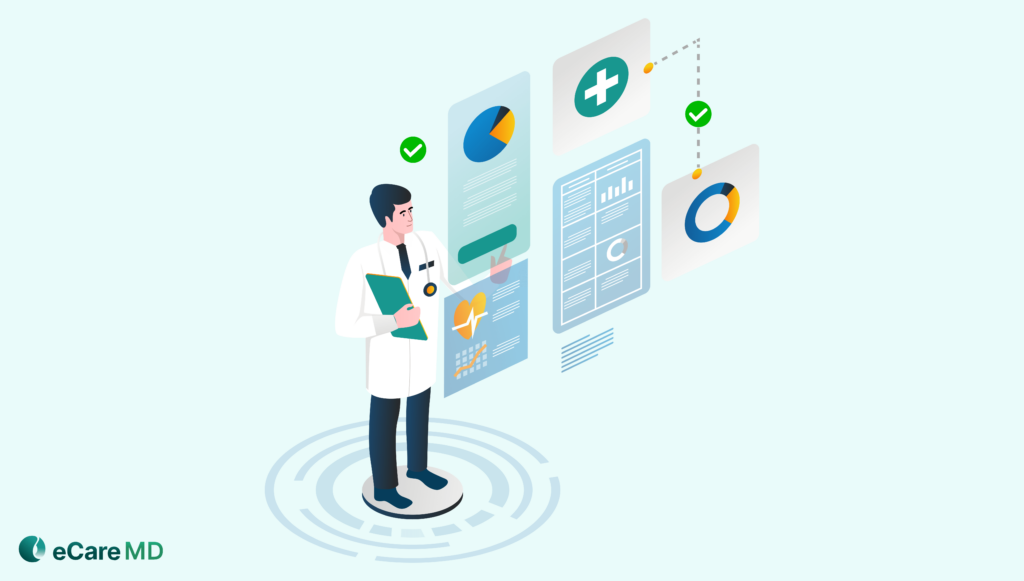
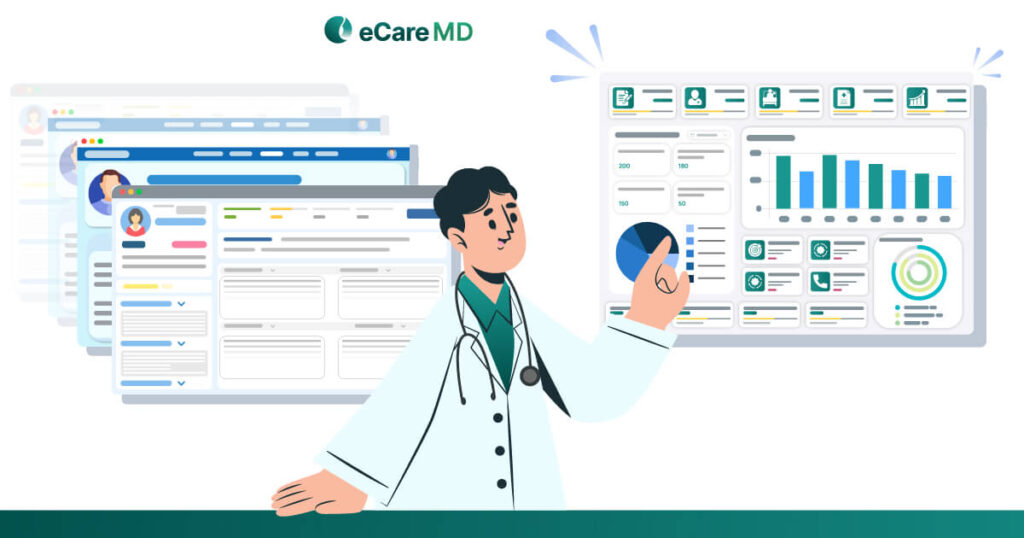
Since remote patient monitoring will enable data-driven care in your healthcare practice, it can be highly beneficial for scaling and optimizing your telehealth monitoring programs. Using data analytics can come in handy to identify the areas of improvement and optimize your program for its effectiveness.
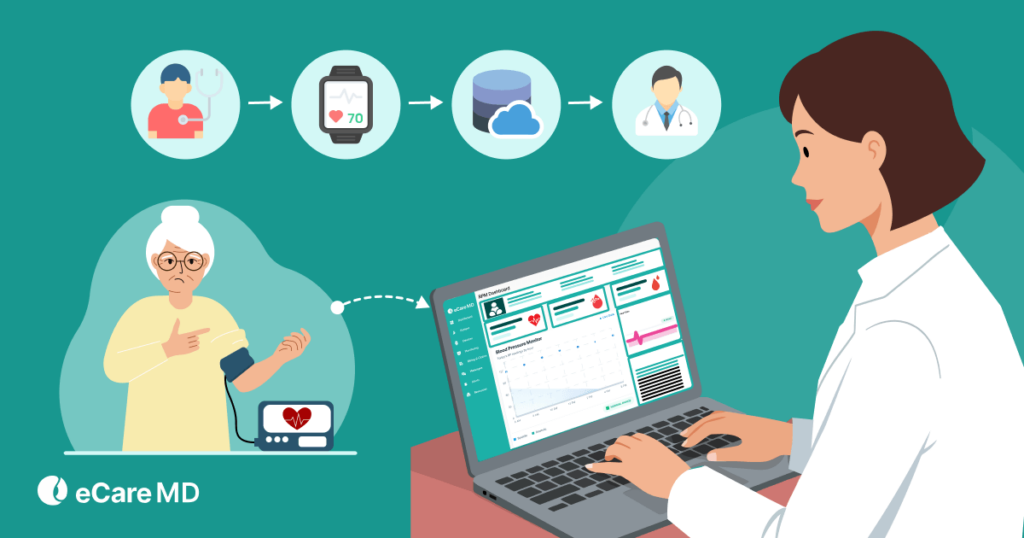
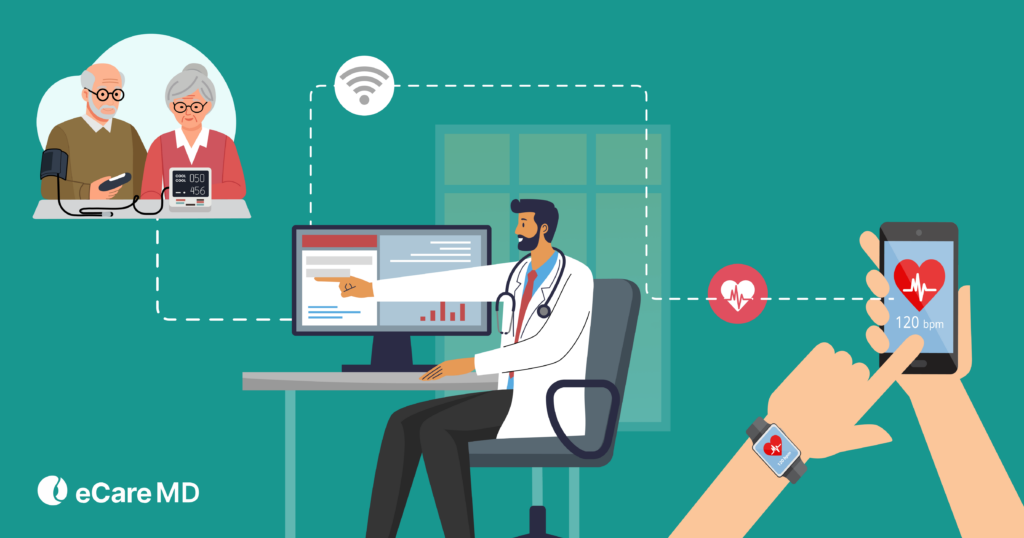
For instance, when the data is collected from the RPM devices, it is then transmitted to the provider’s system in a comprehensive manner, which makes it easy for the provider to analyze and make sense of it. After the data is interpreted, providers can take necessary action to improve the patient’s care plan and make alterations to further optimize the RPM program.
Furthermore, being aligned with your practice’s specialty would help in streamlining and managing the patients at a much faster rate. The pre-designed templates, education material, and other dashboards are the factors that would help in understanding the software’s suggestions better.
With the RPM software with data analytics, you can identify the areas you are lacking in care delivery for the patients, which you can later improve with effective care and by making necessary alterations in the clinical workflow.
As your RPM program grows, it will also grow in the patient population. This will require you to continuously monitor patient data coming into your system and adapt to the pain points to have improved patient outcomes with RPM. It will not only ensure transparency in care services with a holistic care delivery approach but also be a crucial practice in ensuring the success of the RPM program.
Conclusion
One of the major benefits of RPM for medication adherence in elderly patients has been significant in reducing the hospital readmission rate. However, to successfully implement the RPM program with CMS guidelines and while catering to the unique requirements of your practice, it is crucial for you to understand the needs and requirements of your program, clinical workflow, and patient population that you’re serving.
Customizing the RPM solutions for your clinical needs will not only increase the efficiency in your practice but will also directly result in improved patient outcomes with RPM. Apart from that, it will also result in improved patient engagement, increased medication and treatment adherence, reduced hospital readmission, and emergency visits.
Looking at the graph and adoption rate of RPM programs in current-day healthcare practices, it is evident that it will become an integral part of the healthcare system and play a significant role in improving healthcare delivery.
So, if you’re looking for a practice-centric RPM solution to implement in your practice, click here to book a free consultation call with eCareMD’s RPM experts.
Free Consultation Call for Implementing Practice Specific RPM Solutions
Frequently Asked Question’s
RPM programs for different specialties are customized based on condition-specific metrics and care requirements. For instance, cardiology focuses on weight and blood pressure monitoring, while pulmonology tracks SpO2 and respiratory function. This specialty-based approach is a key part of RPM program customization, ensuring that each RPM program aligns with the clinical priorities of the specialty.
Customized programs improve outcomes by delivering more precise and timely care. Through RPM program customization, providers can detect early warning signs, intervene faster, and reduce hospitalizations. A well-structured remote patient monitoring program also enhances patient engagement and adherence, particularly in remote patient monitoring for chronic conditions like diabetes and hypertension, leading to better long-term health results.


![The Future of Remote Patient Monitoring: CMS Innovations & Emerging Trends [2026]](/wp-content/uploads/2024/07/Blog-36-The-Future-of-Remote-Patient-Monitoring_-Trends-AI-Innovation-CMS-Updates-for-2026-1024x538.png)