Last Updated: August 26, 2026
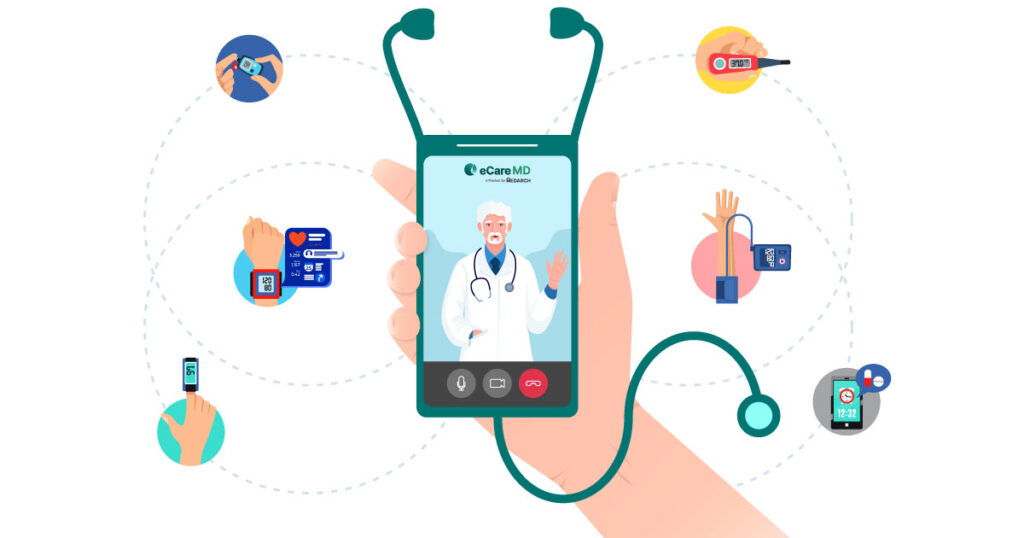
eCareMD supports 100+ cellular and Bluetooth devices for BP, glucose, weight, and SpO2 from 25+ vendors.
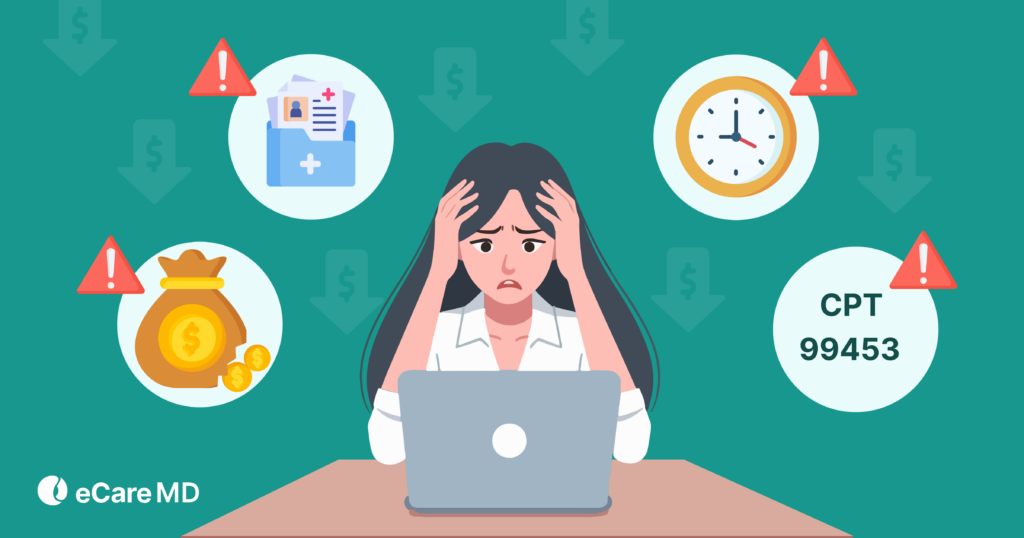
And this fact is one of the first that any healthcare organization should check. Becasue in 2026, with rising RPM adoption, many practices still struggle to get consistent results.
This happens as a key factor oftenooked is the devices powering the program.
As we already know, the center overlof every Remote Patient Monitoring (RPM) program is the set of tools that capture and transmit patient data. If these devices don’t work effectively, it can create data gaps, reduce patient adherence, and disrupt care delivery.
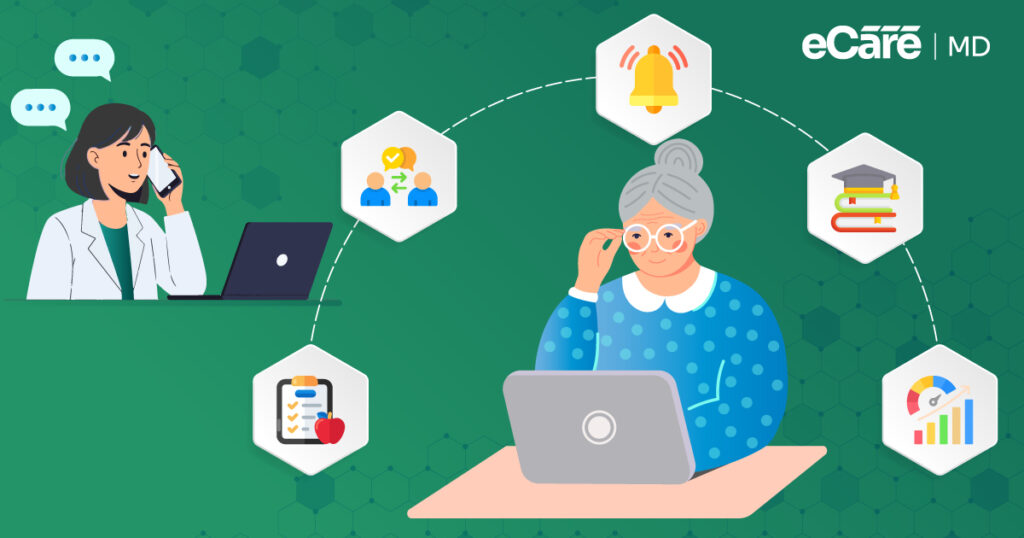
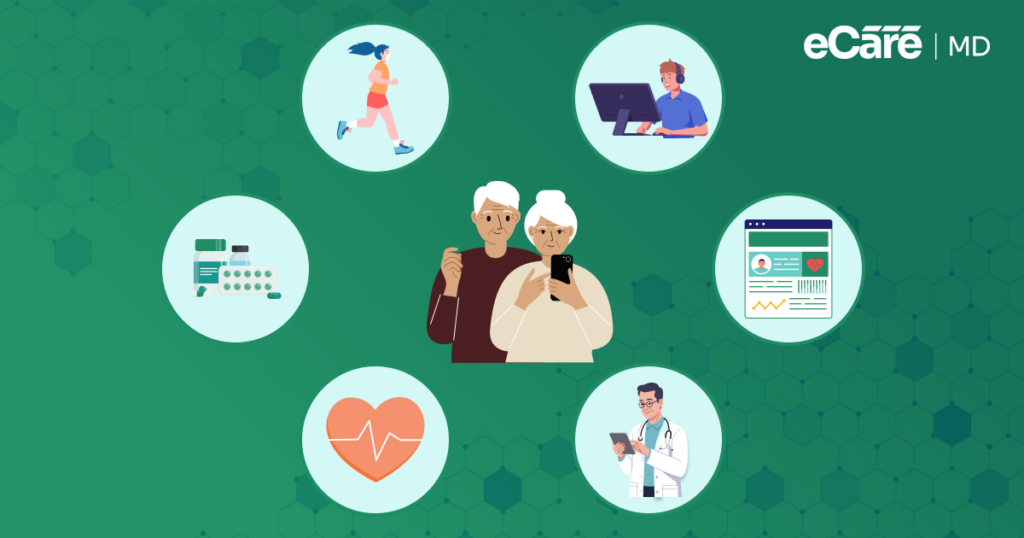
This challenge becomes even more critical with non-tech-savvy patients. Due to limited familiarity with smartphones and multi-step processes, many elderly patients can feel challenged in setting up apps or managing Bluetooth connections.
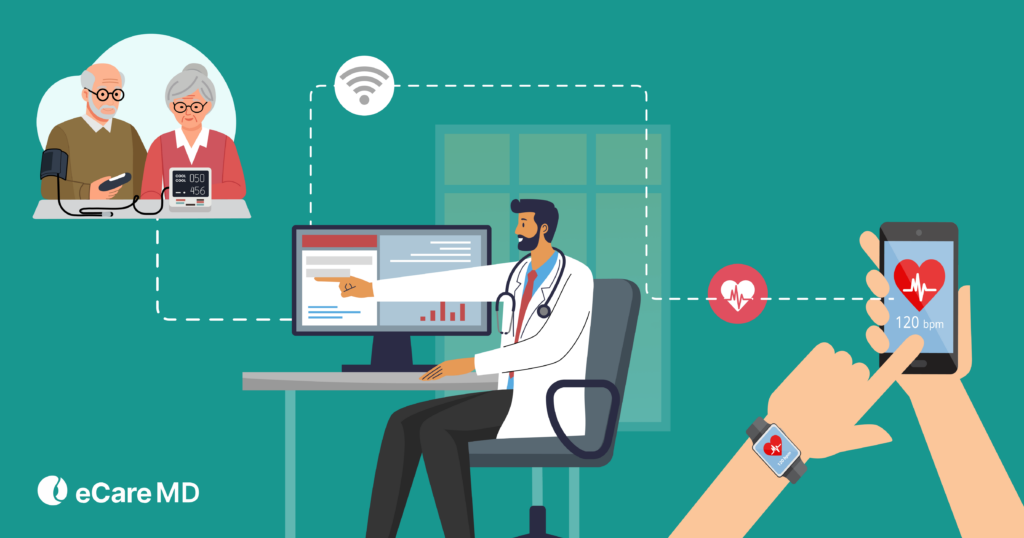
However, LTE medical devices like a cellular blood pressure monitor for RPM, a remote glucose monitoring system, or a cellular pulse oximeter for seniors help to remove the no-tech barrier and simplify the entire experience.
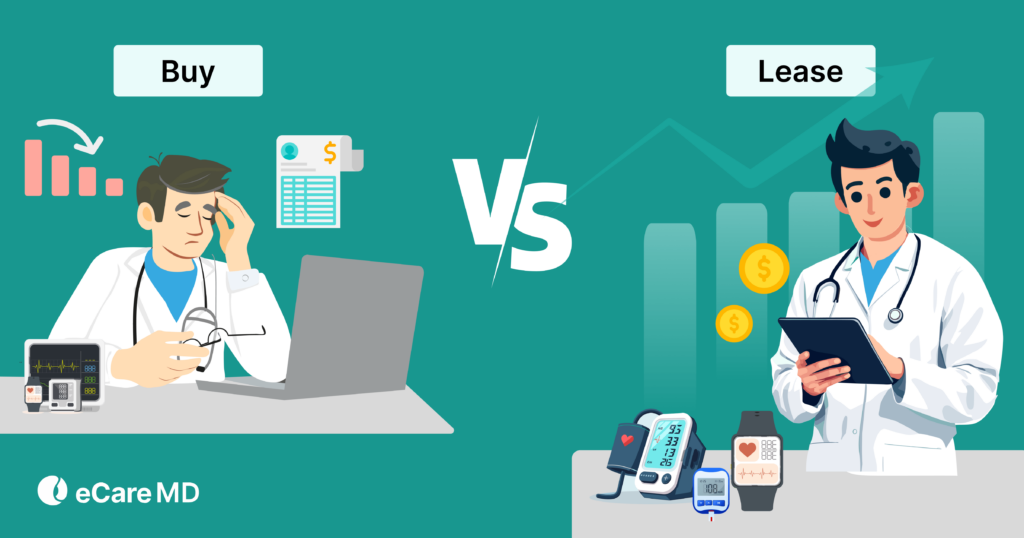
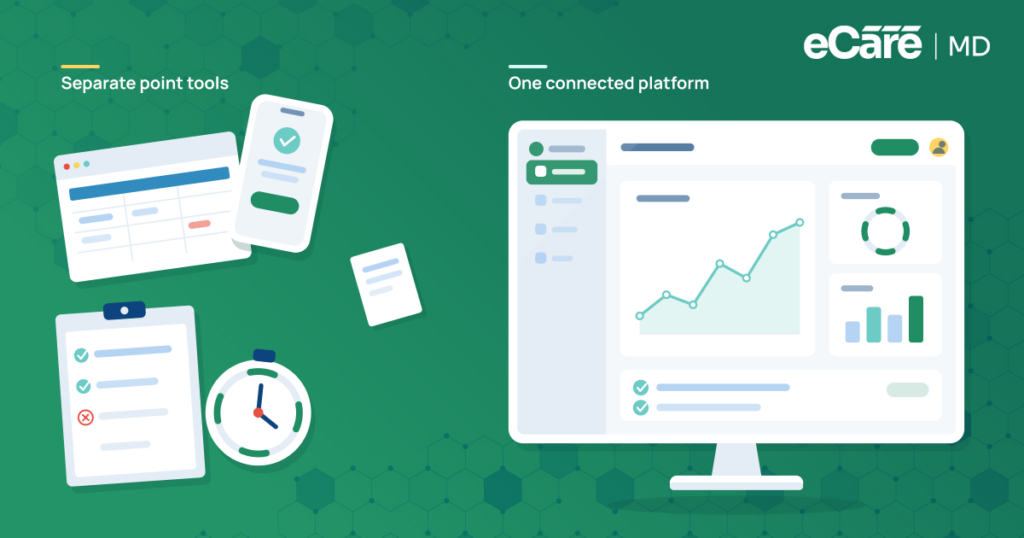
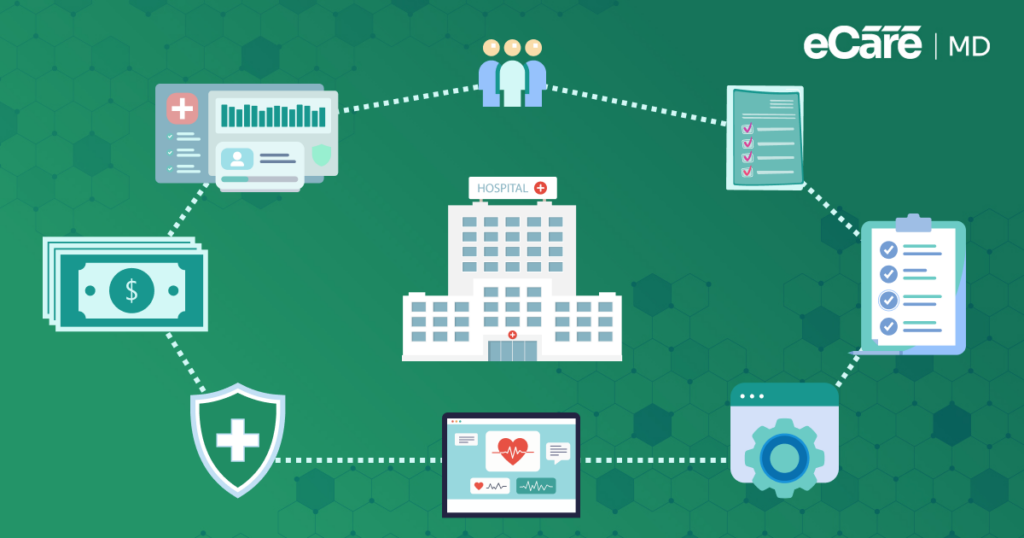
Even so, advanced devices can also fall short if they are not part of a connected ecosystem. When your systems aren’t pre-integrated, compatibility issues surface later and slow down scalability. This is where eCareMD hardware compatibility becomes essential.
Choosing eCareMD RPM devices for chronic care ensures that everything from the start works seamlessly, which can make your RPM program more efficient and easier to grow.
So, here’s your guide to choosing the right RPM devices with eCareMD to support your clinic-centric patient-first holistic approach for remote health monitoring.
Key Takeaways
- eCareMD supports cellular RPM devices that automatically transmit patient readings, reducing the setup burden for patients and care teams.
- Supported device categories include blood pressure monitors, glucose monitoring systems, and pulse oximeters for conditions such as hypertension, CHF, diabetes, COPD, and asthma.
- Cellular connectivity can simplify RPM by reducing dependence on smartphones, apps, Wi-Fi, and manual Bluetooth pairing.
- Pre-configured devices and direct-to-patient shipping can simplify onboarding and reduce device setup issues.
- Platform-level device compatibility helps keep patient readings flowing into the RPM workflow without unnecessary manual data entry.
What Devices Does eCareMD Support?
After understanding the RPM devices’ role, the next question that naturally arises is: ‘What kind of devices actually work best?’
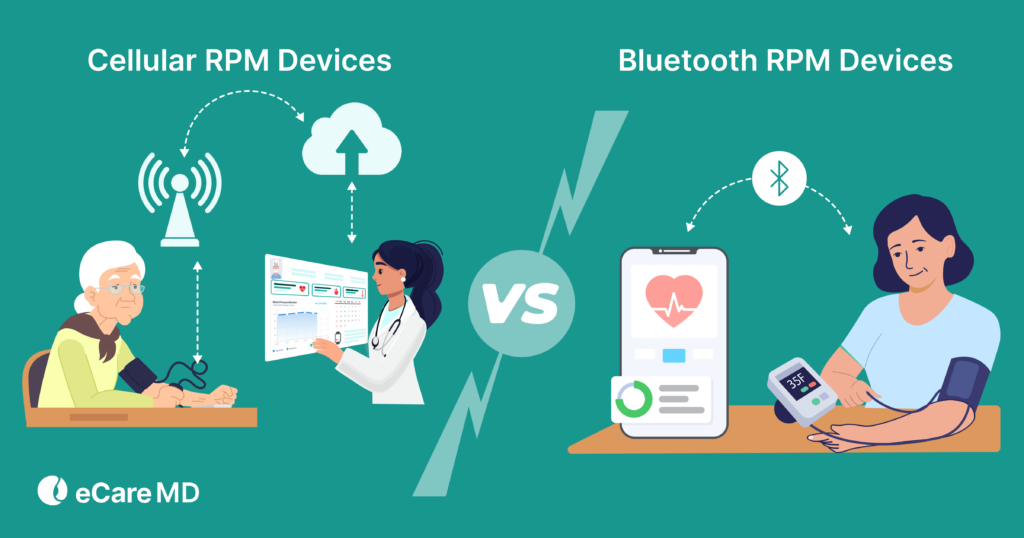
For many practices, the answer often comes down to cellular vs Bluetooth RPM monitoring for seniors. Even after understanding the fact that both are specifically designed to capture patient data, the experience they offer is completely different.
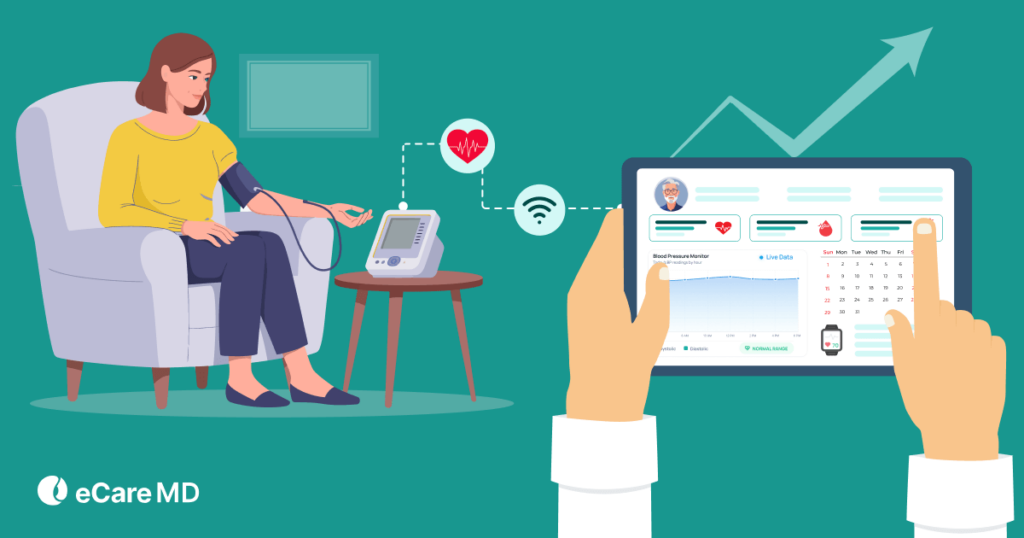
For instance, Bluetooth devices depend heavily on smartphones. Your patients need to download apps, then pair the device, while making sure that everything stays connected. If the app is inactive or the connection drops, data may not be transmitted. For senior patients, it can become challenging, and even small technical steps can create barriers.
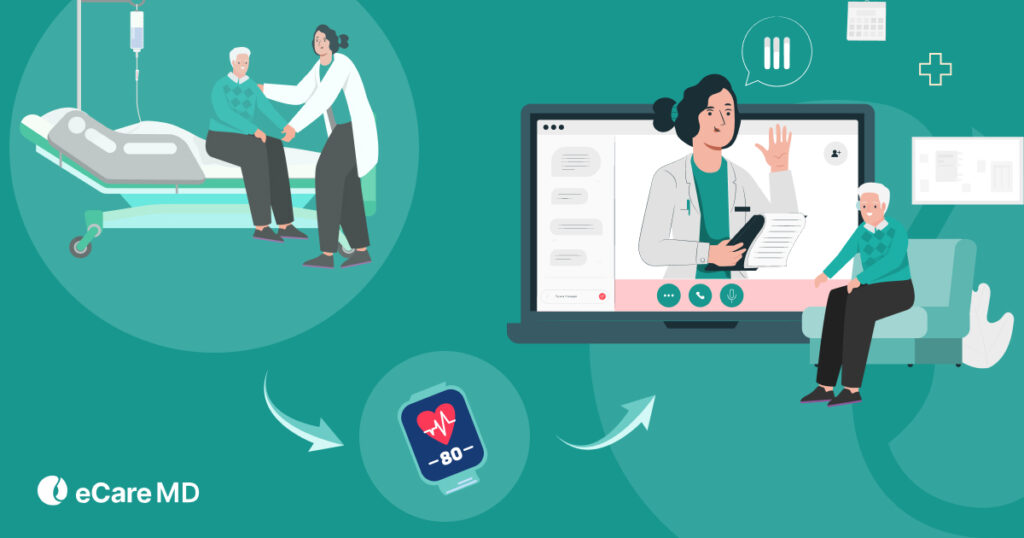
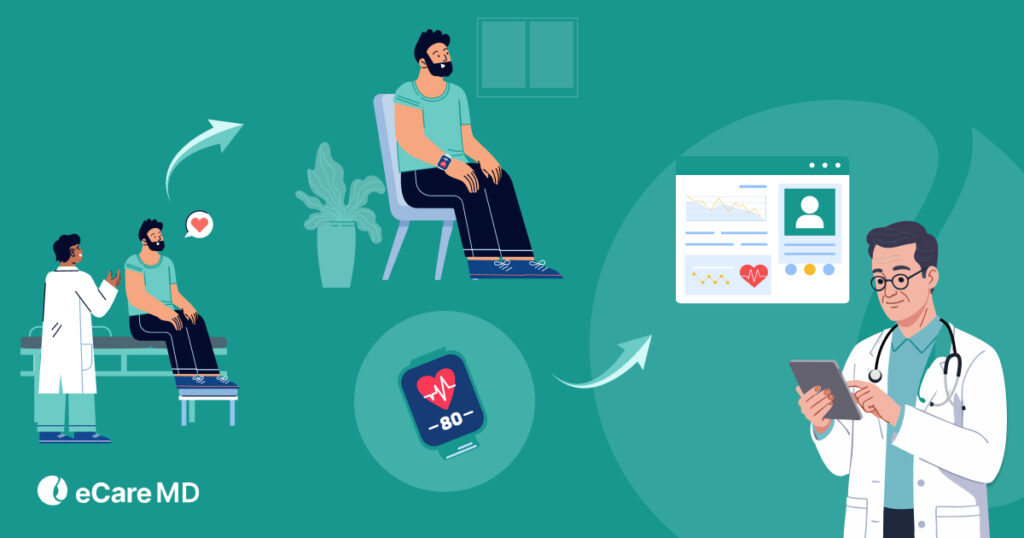
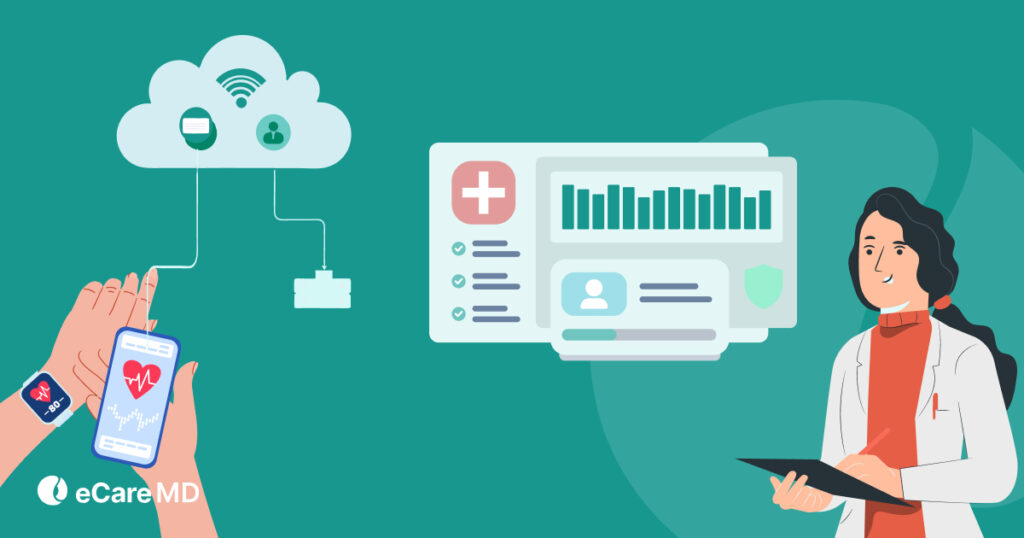
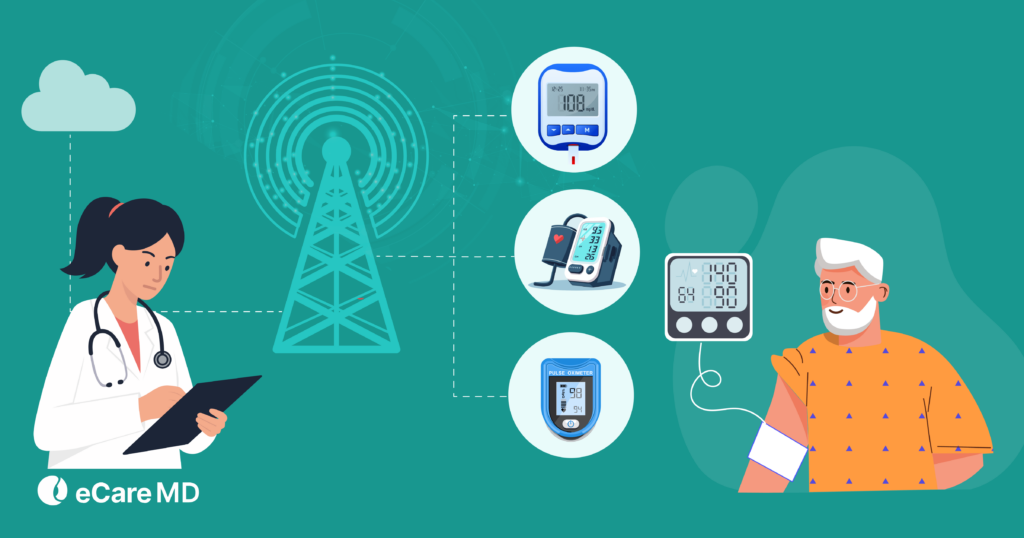
On the other hand, cellular (LTE) devices take a far simpler approach. These devices don’t need any apps, Wi-Fi, or manual pairing. These devices automatically send real-time readings through built-in cellular connectivity.
In simple terms, these devices reduce patient burden and ensure uninterrupted data transmission. This improves patient adherence.
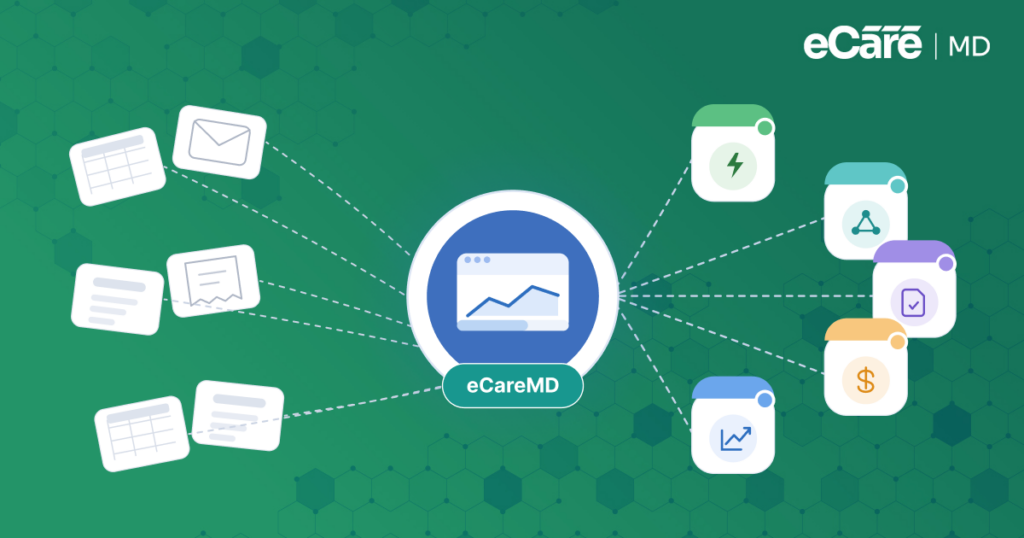
When you align these LTE medical devices for remote care with eCareMD hardware compatibility, the benefits of it even go further. With platform-level intelligence supporting the ecosystem, your data flow remains consistent, device-related drop-offs are reduced, and you can get a clearer and more reliable picture of your patient’s health.
To better understand how different RPM devices compare and which ones are most effective for clinical use cases, you can explore best RPM devices.
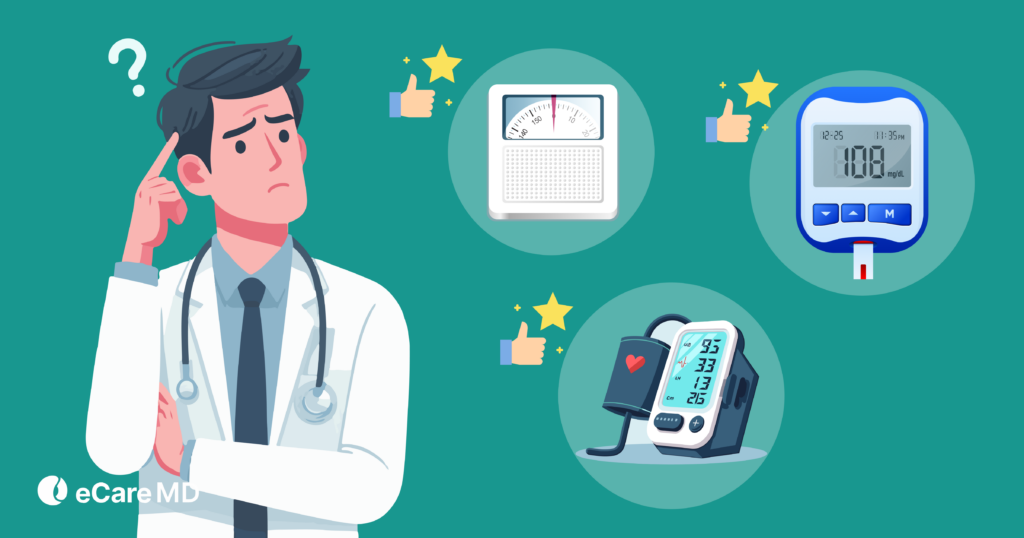
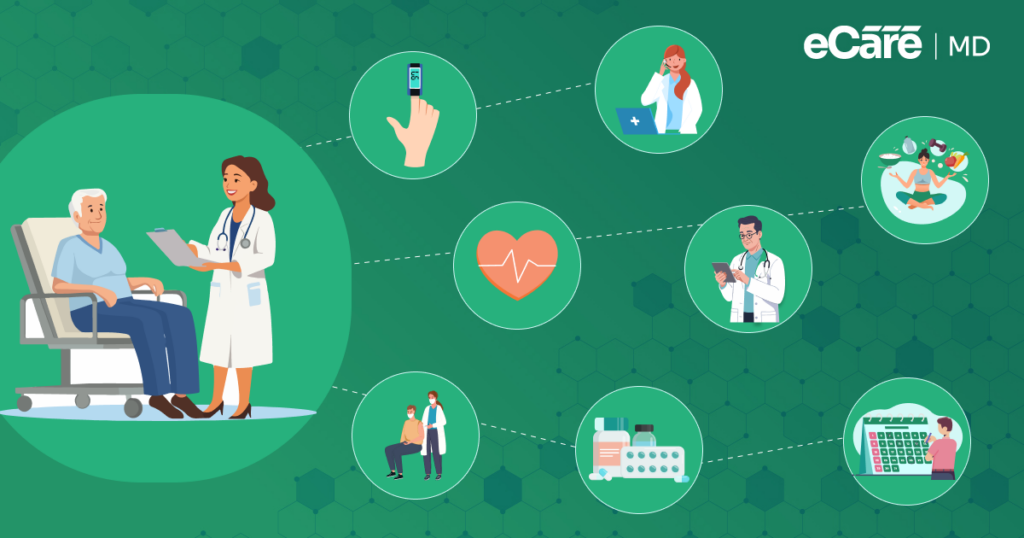
With this cellular-first foundation, eCareMD supports a wide range of condition-specific devices. Each is designed for a distinct chronic care need.
Let’s take a closer look at how these devices support various areas of chronic care:
1. eCareMD Cellular Blood Pressure Monitors:
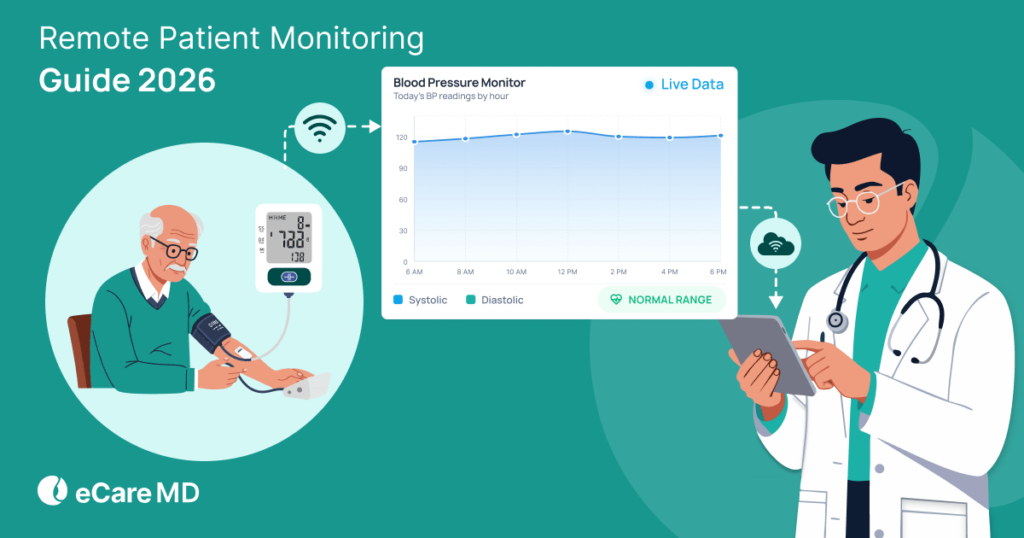
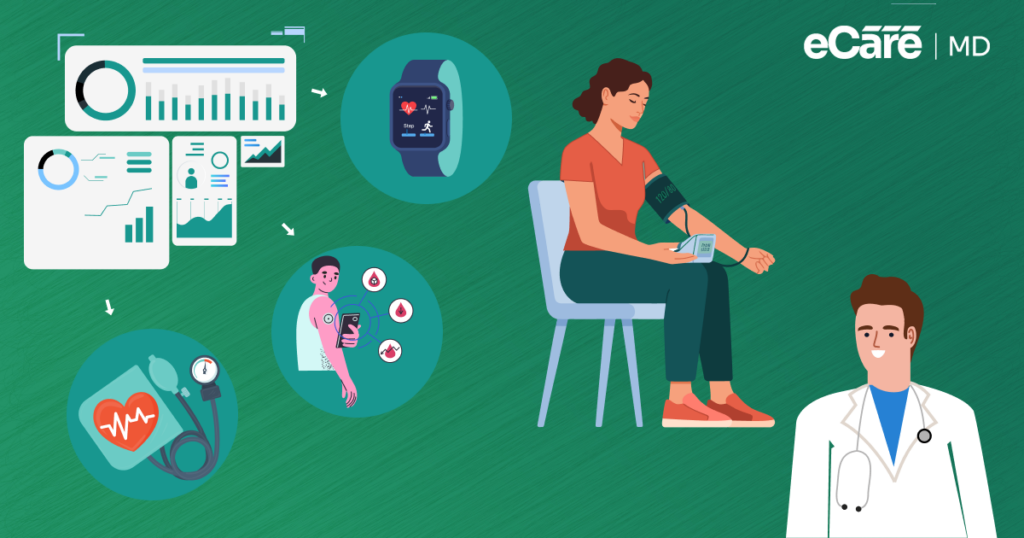
Hypertension or congestive heart failure patients require continuous and accurate blood pressure tracking. With a cellular blood pressure monitor for RPM, you can make this process simpler and more reliable.
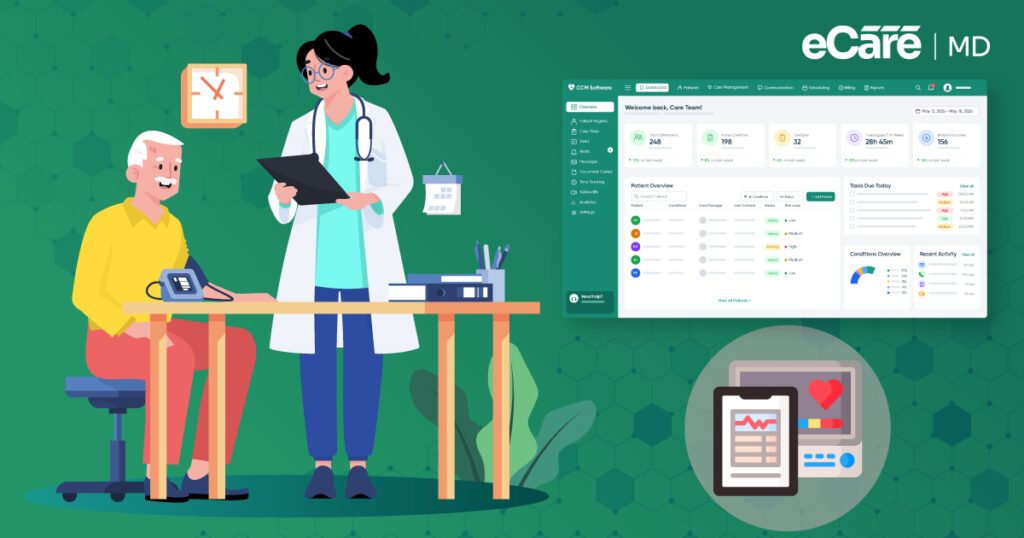
As these devices have simplified infrastructure and also come with a one-touch operation, they become ideal for elderly patients. They don’t even need any app navigation or manual setup, which helps you to reduce confusion and encourage regular use of devices.
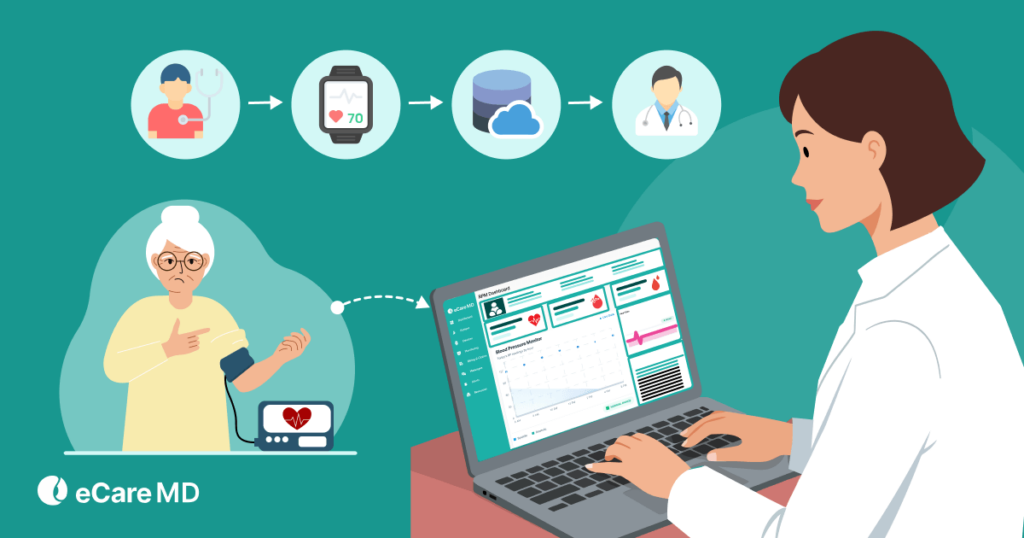
Another key advantage is their ability to transmit readings automatically through built-in cellular connectivity. This ensures blood pressure data is recorded and shared with you in a consistent and timely manner.
From a clinical perspective, this level of consistency is essential for identifying early abnormal readings, enabling your care team to take quick actions and make informed decisions before conditions get worse.
2. Remote Glucose Monitoring Systems:
Regular tracking is necessary to manage conditions like diabetes. By using a remote glucose monitoring system, you can make this process more continuous and less time-consuming.
Furthermore, by recording each reading automatically, these connected glucometers also remove the manual logging requirement. This can result in a reduction in missed entries or incorrect data.
Another key advantage is real-time data visibility, which makes it easier for you and your care team to identify trends and adjust care plans when needed. For instance, as readings are captured, they are shared with you automatically, which further gives a clear and more continuous view of your patients’ glucose levels.
This simplicity level plays a key role in patient behavior, which can result in better long-term condition management. For example, your patients are more likely to be involved in your overall care journey when monitoring feels effortless and doesn’t require any extra steps.
3. Cellular Pulse Oximeters for Respiratory Monitoring:
Patients with respiratory conditions like COPD, asthma, or those recovering from acute illness require regular monitoring. However, a cellular pulse oximeter can help you by tracking oxygen levels in a simple and reliable way.
Instead of relying on patients to manually record or report their readings, these devices can measure both oxygen saturation (SpO2) and heart rate on a daily basis. This reduces missed updates and simplifies monitoring.
As these devices have built-in cellular connectivity, the patient data can automatically be transmitted to you in real-time. This approach is especially necessary for high-risk patients, where even one small change in oxygen levels can signal the need for early intervention.
Beyond that, this continuous and automated data capture also supports better compliance with RPM program requirements, which ensures that you have all the information that you need to deliver timely and effective care.
Supported Device Overview: FDA-Cleared Cellular RPM Devices (NEW — SEO FIX
eCareMD also offers a list of FDA-cleared cellular RPM devices to support reliable and compliant remote care. These devices are designed specifically for various chronic conditions to deliver accurate readings and continuous data transmission.
Let’s have a quick overview of these devices and their benefits:
| Device Type | Use Case | Key Benefit |
|---|---|---|
| Blood Pressure Monitor | Hypertension, CHF | Accurate, automated BP tracking |
| Glucose Monitor | Diabetes | Real-time glucose monitoring |
| Pulse Oximeter | COPD, Asthma | Continuous oxygen level tracking |
All of these devices are medical-grade and designed for clinical reliability, ensuring that providers receive consistent and trustworthy data for patient care.
Why to Choose Cellular RPM Devices in Remote Patient Monitoring
Download Free GuideDevice Setup, Reliability, and Fulfillment
Along with all these, how these devices are set up and delivered also plays a major role in RPM success.
eCareMD devices are pre-configured, which offers a plug-and-play experience for your patients. It means that devices are ready to use right out of the box; there is no complex setup or technical steps involved.
Furthermore, to make things even easier, you can ship devices directly to your patients. This saves you and your patients time by simplifying onboarding and removing the need for in-clinic setup.
These devices also reduce workload for care teams. There is less requirement for technical support, fewer setup-related issues, and minimal time spent guiding patients through the process.
Additionally, data from these devices syncs seamlessly into your system without manual entry. This ensures accurate and consistent patient data capture, without adding extra administrative efforts.
Effectiveness of eCareMD RPM Devices for Seamless Remote Monitoring
Read Case StudyConclusion
A successful RPM program depends on more than just devices—it depends on how well they work together.
With eCareMD hardware compatibility and cellular connectivity, practices can ensure consistent data flow and fewer operational challenges. At the same time, simple, easy-to-use devices help improve patient adherence and outcomes.
eCareMD brings all of this together, making it easier to build and scale a reliable RPM program.
Click here to get started with eCareMD-supported solutions.

![The Future of Remote Patient Monitoring: CMS Innovations & Emerging Trends [2026]](/wp-content/uploads/2024/07/Blog-36-The-Future-of-Remote-Patient-Monitoring_-Trends-AI-Innovation-CMS-Updates-for-2026-1024x538.png)