Last Updated: August 26, 2026
Choose RPM software based on device compatibility, billing automation, EHR integration, and vendor support—not price alone.
Ever wondered: Why?
Well, the answer lies in remote patient monitoring platform selection, and more importantly, how thoughtfully that decision is made.
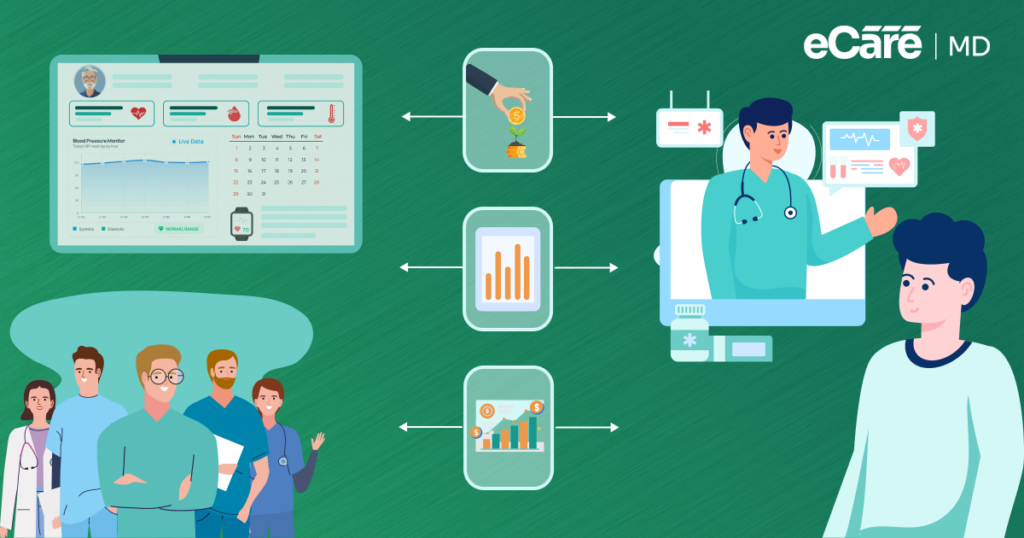
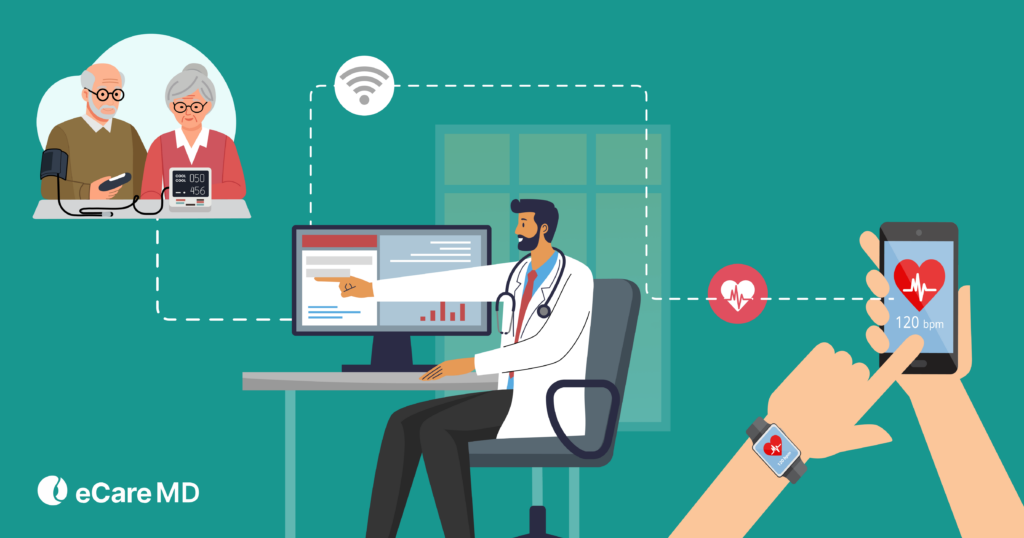
Simply choosing an RPM platform is not enough, as expectations around RPM are evolving constantly. In 2026, RPM is no longer limited to collecting patient data; it is now focused on delivering meaningful clinical outcomes. Many providers are now moving towards outcome-driven RPM platform evaluation, which focuses more on solutions that can enhance adherence, streamline workflows, and support constant reimbursement.
That’s why selecting the right platform goes beyond operations; it directly shapes clinical performance and financial outcomes. The platform you choose will shape everything from patient adherence to billing accuracy and long-term scalability.
A well-aligned solution can contribute to simplifying workflows, support better outcomes, and create a more sustainable revenue stream. On the other hand, wrong choices can result in ongoing inefficiencies and missed opportunities, affecting your care quality and revenue.
This makes a structured, criteria-based RPM platform evolution essential rather than optional.
However, platforms like eCareMD can simplify this process by going beyond basic functionality and helping practices manage RPM more effectively.
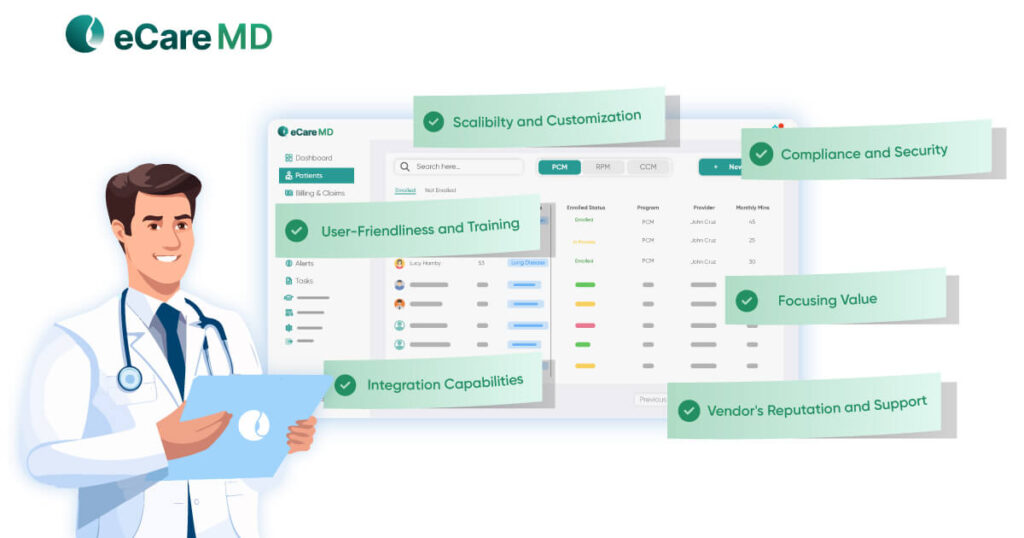
Let’s look at the key factors you should evaluate when selecting the right RPM platform for your practice.
Standalone RPM Software vs EHR-Built-In RPM
| Feature | Standalone RPM Software | EHR-Built-In RPM |
|---|---|---|
| Core Focus | Designed specifically for remote care management with advanced RPM capabilities | Provides basic RPM functionality within the existing EHR |
| Device Compatibility | Supports a wider range of devices with greater flexibility | May have more limited device integration |
| Clinical Workflows | Offers specialized workflows for chronic care management | Typically provides more basic monitoring workflows |
| Billing & Reimbursement | Can provide automated billing support and reimbursement tracking | May require more manual billing workflows |
| Scalability | Designed to scale with growing RPM programs | Scalability may depend on the underlying EHR |
| Integration | Can support interoperability across multiple systems | Primarily operates within the existing EHR ecosystem |
How Do You Choose the Best RPM Software?
Selection of the right solution needs more than a quick comparison; it requires a structured approach to evaluating remote monitoring software for chronic care. Looking at the platform from various perspectives ensures it aligns well with your clinical, operational, and financial goals.
Here are some of the areas you can take to evaluate:
1. Clinical Fit
When considering the best RPM platform features for medical practices, aligning your platform with the conditions you manage and the patients you serve is important. You should look for solutions that can support relevant care protocols, while allowing population-specific RPM workflows. This ensures better patient engagement as well as outcomes over time.
2. Operational Fit
Without creating complications, your platform should simplify your daily workflows. While evaluating remote patient monitoring software for chronic care, you should consider factors like how it supports care team coordination, task management, and overall ease of use.
3. Technical Fit
For seamless data integration and minimizing manual effort, strong RPM EHR interoperability is essential. Additionally, to ensure long-term usability, you should evaluate platform reliability, scalability, and compatibility.
4. Financial Fit
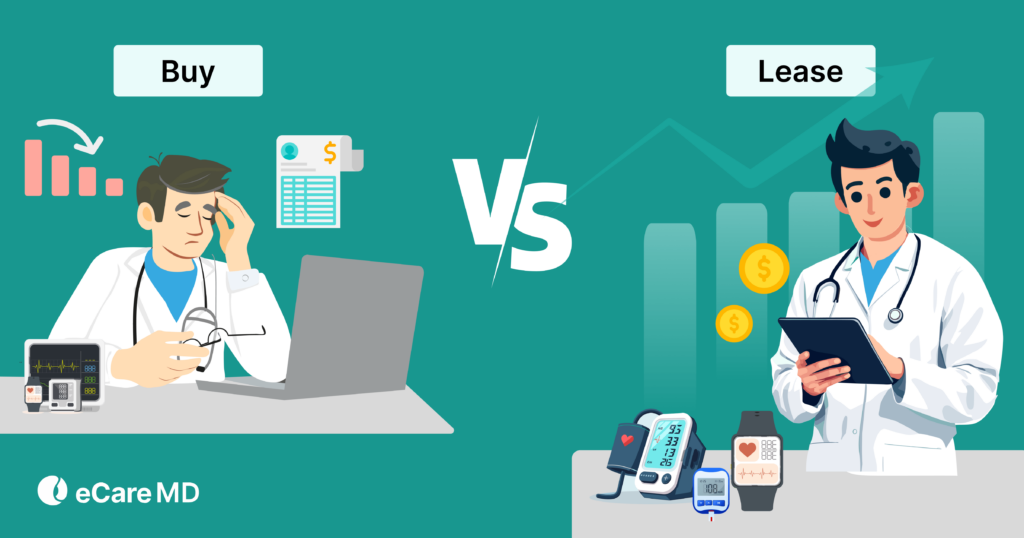
Furthermore, understanding RPM software pricing models is also critical. You should look beyond initial costs to assess total ownership cost, while ensuring alignment with reimbursement opportunities. This includes devices, onboarding, and ongoing support.
5. Vendor Fit
The right partner contributes more to your success. You should evaluate implementation support, training, and customer services, which can help you to have reliable, long-term support as your program evolves.
This structured approach helps you to avoid common pitfalls. Without it, many practices often choose platforms with limited factors, which can further result in inefficiencies and costly platform switching.
Must-Have Features in RPM Software for Healthcare Practices
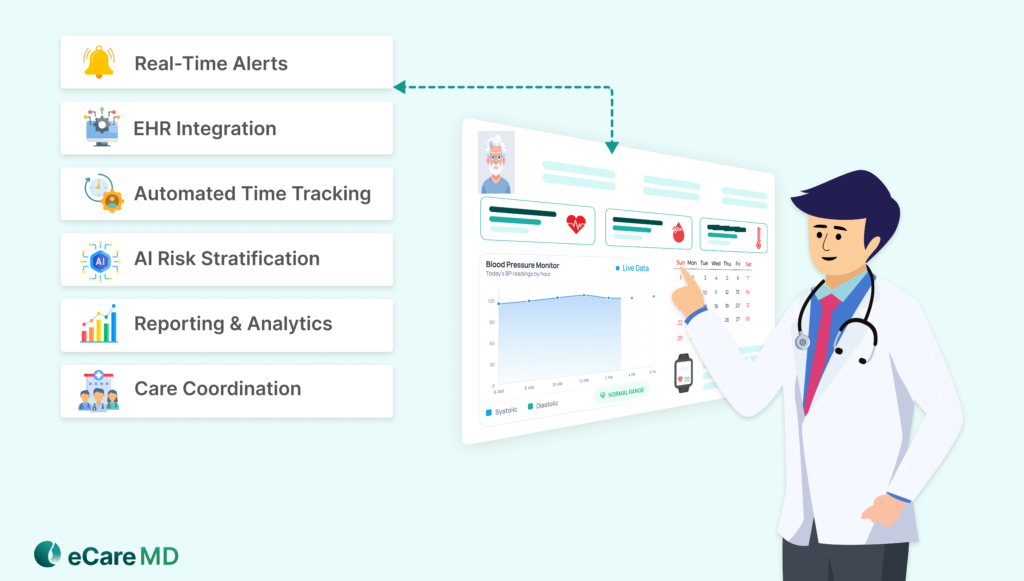
First key consideration for selecting the best RPM software is the RPM software features that truly impact care delivery and operational efficiency.
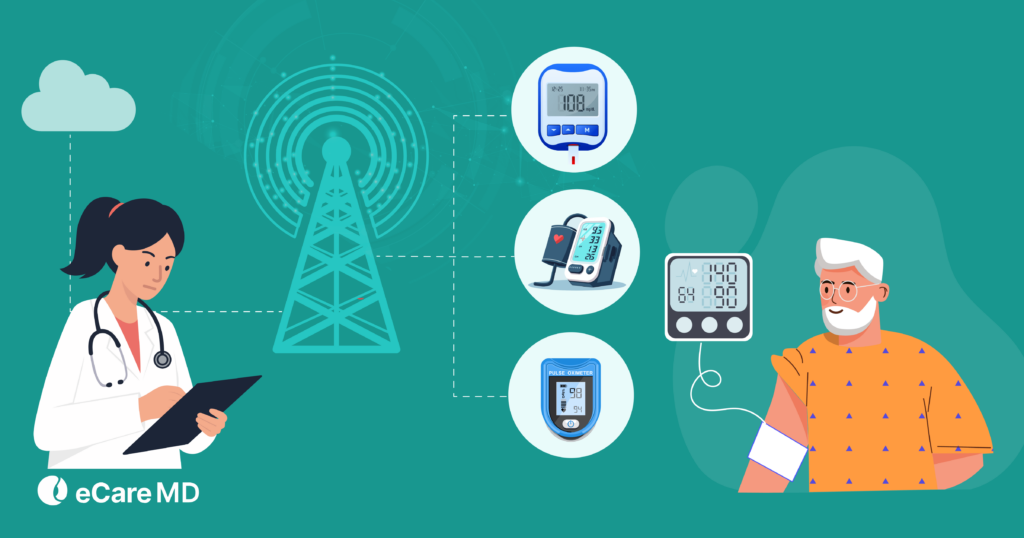
Selection of a strong remote patient monitoring platform starts with its core capabilities like real-time alerts, automated time tracking, intuitive clinical dashboards, and seamless RPM EHR interoperability. All these capabilities ensure timely intervention, accurate billing, and uninterrupted data flow across systems.
Building on these basics, by using AI-powered risk stratification and care coordination tools, modern RPM platform evaluation also focuses on automation. This helps your care team to focus more on high-risk patients, managing workflow more efficiently rather than continuously playing catch-up.
Additionally, robust reporting and analytics play a key role in evaluating remote monitoring software for chronic care by allowing you to make proactive clinical decisions. This also ensures accurate billing and compliance for steady reimbursement.
If you overlook these features, even your well-intended programs can face challenges like workflow gaps, rising administrative burden, and missed reimbursement opportunities. Overall, this can impact both patient outcomes and long-term scalability.
Understanding RPM Software Pricing & Total Cost of Ownership
The next factor you need to understand is how pricing can impact your long-term investment. To get a clear picture of your RPM software pricing models, it is necessary to avoid unexpected costs and choose a solution that aligns perfectly with your financial goals.
Many RPMs come with various pricing structures, including per-patient-per-month (PPPM), SaaS-based subscription, or tiered licensing models. Each pricing model offers a different flexibility level, depending on your patient volume and program scale. To choose the right models, you need to balance predictable costs with your expected growth.
Even so, pricing is not just limited to what’s listed on paper, as there are different hidden cost factors like onboarding, device logistics, training, and ongoing support. If you fail to evaluate them early, they can increase the total costs of your ownership.
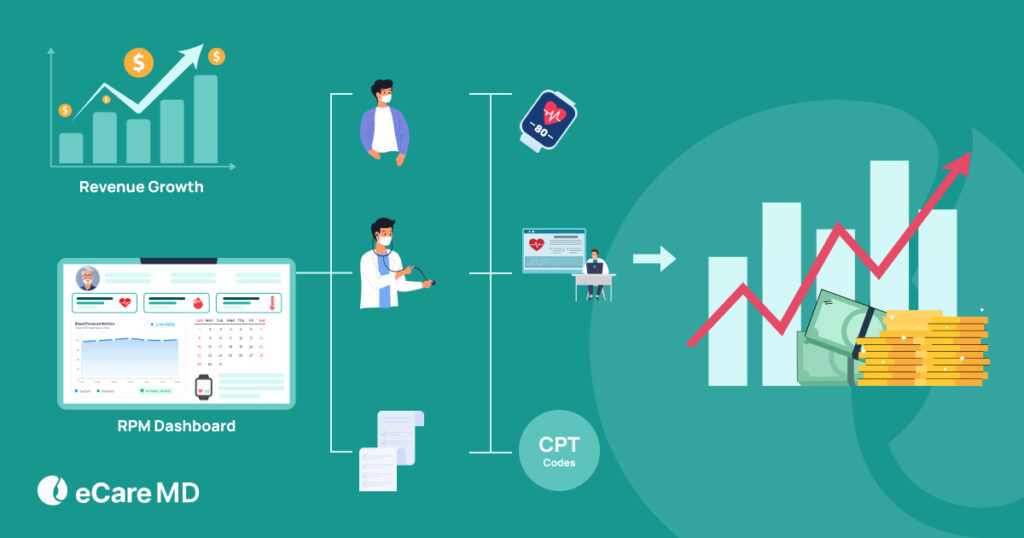
At the same time, the return on investment (ROI) is equally important. Your RPM program can boost revenue through reimbursement by allowing proactive care. This also helps you to enhance operational efficiency and reduce hospitalizations.
Along with all these, your pricing model should also align with your billing cycles. Mismatches between how you are charged and how you get reimbursed can create cash flow challenges.
Understanding all these factors can ensure that your RPM investment supports implementation and consistent, measurable outcomes over time.
RPM Software vs. EHR Built-In RPM: Which Should You Choose?
One critical decision in remote patient monitoring platforms selection is whether to choose standalone RPM platforms or EHR-integrated RPM modules. Both of these options support remote care delivery.
Then, why is this part critical for your overall RPM platform evaluation?
Well, even after supporting remote care delivery, they are totally different in flexibility, functionality, and scalability.
Here is a comparison table between Standalone vs Built-In RPM:
| Feature | Standalone RPM Software | EHR Built-In RPM |
|---|---|---|
| Core Focus | Designed specifically for remote care management with advanced RPM software features | Basic RPM functionality within existing EHR systems |
| Device Compatibility | Supports a wide range of devices with high flexibility | Limited device integration options |
| Clinical Workflows | Advanced workflows tailored for chronic care management | Basic monitoring with limited customization |
| Billing & Reimbursement | Automated billing support and better reimbursement tracking | Potential billing gaps and manual processes |
| Scalability | Easily scalable for growing programs and RPM software for small practices | May struggle as patient volume increases |
| Integration | Strong RPM EHR interoperability across systems | Already integrated but limited to the EHR ecosystem |
As EHR-built-in RPM solutions are part of existing systems, you may think that they are more convenient. But they often come with limitations like restricted device compatibility, basic monitoring capabilities, and billing workflow gaps.
On the other hand, standalone RPM software offers deeper clinical workflows, better automation, and greater flexibility. This makes it a stronger choice if you are looking to scale efficiently.
The right choice between RPM software vs EHR built-in RPM relies heavily on your practice’s needs. When you select the best RPM software for healthcare providers, you should consider factors like infrastructure, patient volume, and long-term program goals.
Technical Infrastructure: EHR Integration & Interoperability
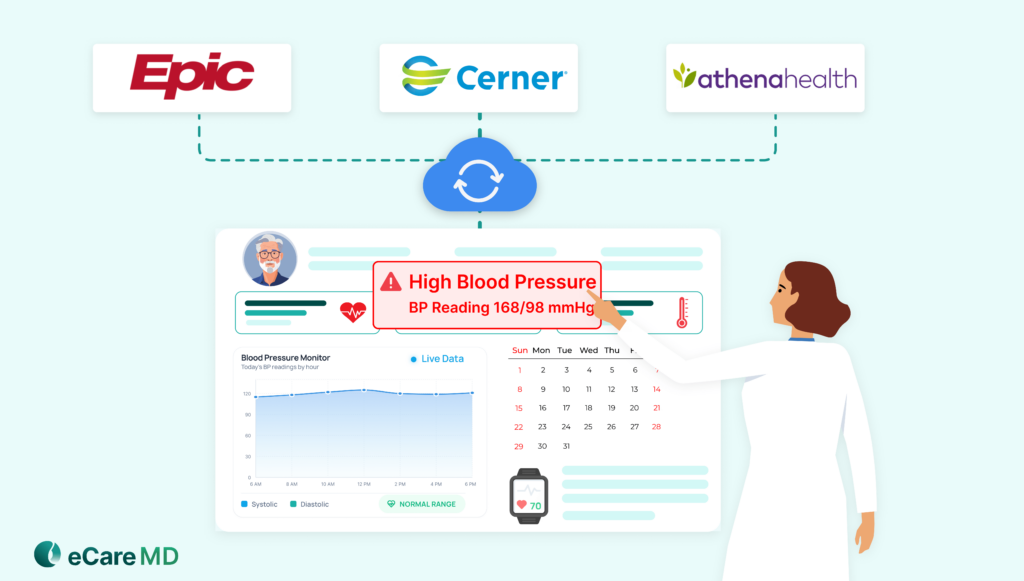
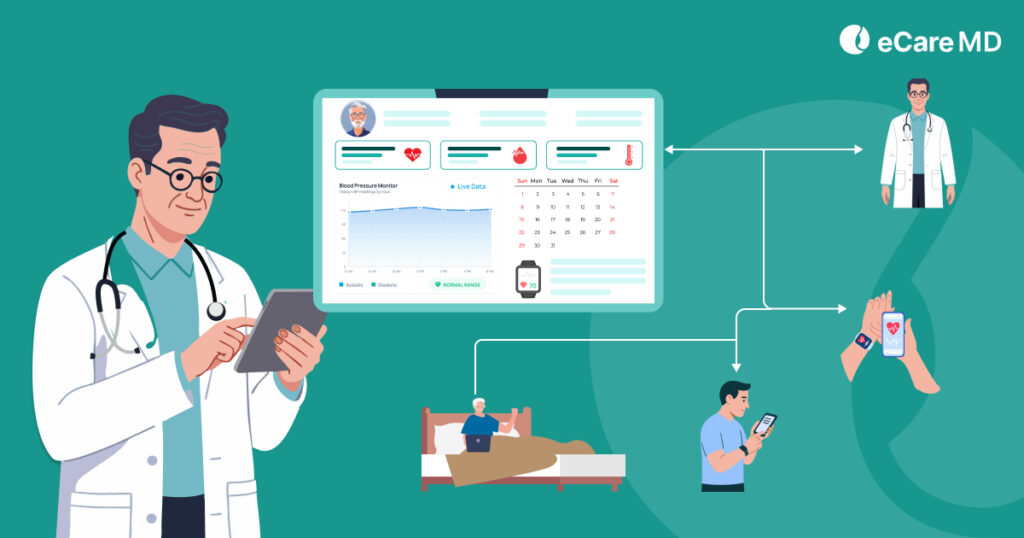
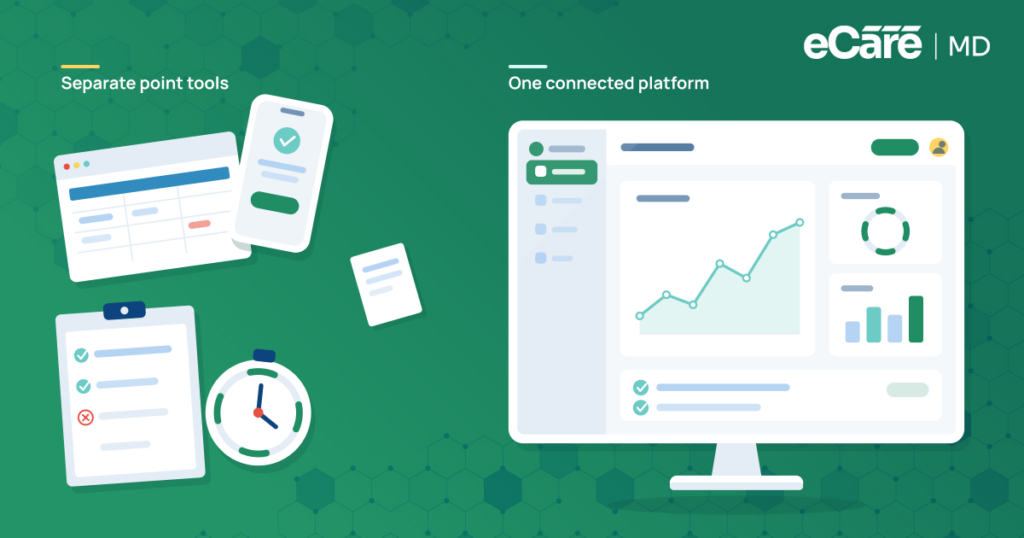
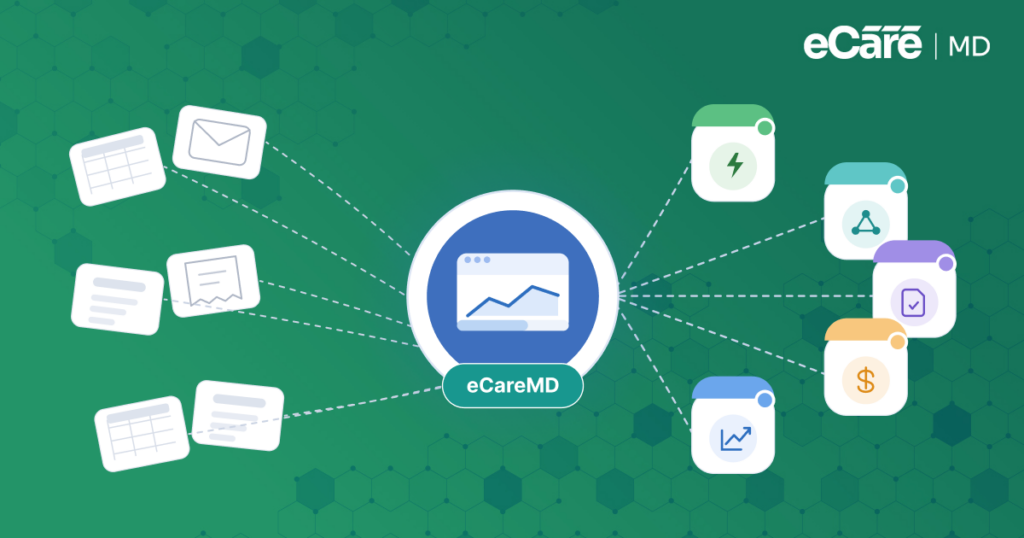
An effective RPM program workflow requires a complete and unified view of your patient data, making a single pane of glass essential. For example, you should be able to view your patient data in one place, instead of switching multiple systems.
Along with this, your RPM platform should always support real-time RPM EHR interoperability with major systems like Epic, Cerner, and Athenahealth. This helps you to ensure seamless patient data flow between platforms. Furthermore, it removes delays and manual entry, making timely and informed clinical decisions.
This level of seamless integration plays a key role in the success of any RPM program. As opposed to this, without continuous data flow, you can face major challenges like data silos and workflow disruptions.
However, as not all data needs immediate attention, advanced systems help you to filter and focus more on clinically relevant information. This approach can reduce unnecessary alerts, minimize alert fatigue, and enable your care team to only focus on meaningful changes in patient health.
As a healthcare professional, you may be aware that not all data requires your immediate attention. In this case, advanced systems can help you to filter and focus more on clinically relevant information. This helps you to minimize unnecessary alerts, reduce alert fatigue, and allow your care team to focus only on meaningful changes in your patient’s health.
Seamless EHR integration is no longer optional, due to its impact on workflow, data accuracy, and care quality. It has become a non-negotiable factor in remote patient monitoring platform selection and a key consideration in any RPM platform evaluation.
Comparing RPM Software Solutions for Your Practice Size
Let’s explore each one by one:
1. For Small Practices:
When selecting RPM software for small practices, factors like ease of use, low overhead, and quick implementation are important. Smaller teams require solutions that can be adopted quickly without adding operational complexity. This helps you to ensure that care delivery remains smooth without stretching limited resources.
2. For Mid-Size Practices:
As practices grow, the focus automatically shifts towards scalability and flexibility. Here, to handle higher patient volumes effectively, your RPM platform evaluation should include workflow customization and support for multiple providers.
When it comes down to the success of your remote patient monitoring platform, aligning your platform capabilities with your current requirements is essential. Scalability should remain central to your RPM platform evaluation while evaluating options. This helps you to shortlist the best RPM software for you that can evolve with your practice.
Security & Compliance Requirements in RPM Software
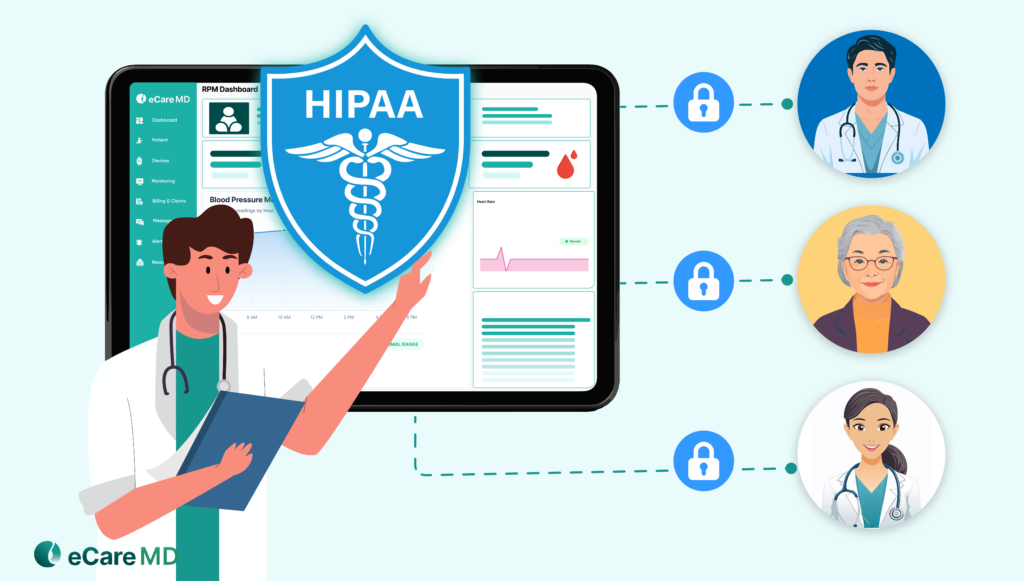
As we know, remote patient monitoring involves continuous data collection and transmission. Storage, security, and compliance are essential to protect patient data and meet regulatory requirements.
A reliable platform must support clinical operation, along with ensuring strong protection and full regulatory compliance.
1. HIPAA Compliance & Patient Data Protection
To ensure your patients’ data is securely handled at every stage, your platform should be fully aligned with HIPAA requirements. This includes secure storage, safe data sharing between systems, and protection against unauthorized access or breaches. As HIPAA compliance is a non-negotiable factor in RPM platform evolution, it can directly impact your patient trust and legal adherence.
2. Encryption & Role-Based Access Control
Furthermore, your system should use encryption for data storage and transmission to strengthen data security. This helps you to ensure that all sensitive information of your patients remains protected at all times. Secure transmission standards combined with strong encryption are the foundation of reliable RPM software features focused on data protection.
Along with this, role-based access control enables the limitation of data access only to authorized users, reducing the risk of misuse or accidental exposure.
Common Mistakes to Avoid When Selecting an RPM Platform
As the selection of RPM platforms is a long-term decision, small evaluation gaps can result in major challenges later in implementation and performance. Many practices focus only on surface-level factors, leading to poor adoption, integration issues, or limited clinical impact.
Let’s explore the following table to understand common mistakes that can help you make a more balanced and informed decision:
| Common Mistake | Why It Becomes a Problem |
|---|---|
| Choosing based only on cost or device availability | Focusing only on pricing or hardware options can lead to poor long-term performance. A low-cost platform may lack essential features needed for clinical efficiency and scalability. |
| Ignoring workflow fit and staff adoption | If the platform doesn't align with existing clinical workflows, it can slow down operations and reduce staff adoption, ultimately impacting program success. |
| Overlooking integration and scalability requirements | Poor RPM EHR interoperability or limited scalability can create data silos and make it difficult for the platform to grow with your practice needs. |
| Underestimating patient engagement challenges | Even the best technology fails if patients are not engaged. Ignoring usability and engagement tools can lead to poor adherence and reduced clinical outcomes. |
By avoiding these mistakes, you can ensure that your chosen RPM platform supports short-term implementation and long-term efficiency, financial performance, and patient engagement.
Choosing a Scalable & Future-Ready RPM Platform
As RPM programs expand across practices of all sizes, scalability and long-term adaptability become key decision factors. A platform should not only support current operations but also evolve with growing clinical demands, technology upgrades, and changing patient needs.
This makes it necessary to evaluate whether your platform can handle increasing patient volume without impacting performance, care quality, or workflow efficiency as part of your remote patient monitoring platform selection.
| Key Area | What to Look For |
|---|---|
| Platform scalability for multi-provider and multi-location growth | The system should support expansion across multiple providers, departments, and locations without performance issues, ensuring consistent care delivery as your practice grows. |
| Upgrade flexibility and continuous feature evolution. | The platform should offer regular updates and new features to keep up with evolving clinical, regulatory, and operational requirements. |
| Automation capabilities (AI-driven alerts, workflows, patient engagement) | Built-in automation, such as AI-based alerts, smart workflows, and engagement tools, helps reduce manual effort and improve care efficiency and responsiveness. |
| Vendor reliability and long-term partnership considerations | A dependable vendor should provide strong support, smooth onboarding, and a commitment to continuous platform improvement and long-term service stability. |
| Final decision filters before selecting a platform | Before finalizing, ensure the platform aligns with your clinical goals, workflow requirements, financial model, and long-term scalability expectations. |
Conclusion
Choosing the right platform requires a structured remote patient monitoring platform selection approach, considering key factors like RPM software features, RPM software pricing models, and RPM EHR interoperability.
A strong RPM platform evaluation helps ensure your decision aligns with long-term clinical outcomes, operational efficiency, and financial growth.
Platforms like eCareMD offer a scalable and integrated solution, making them a reliable choice for providers seeking the best RPM software for healthcare providers.
By focusing on long-term value, you can select a platform that grows with your practice and delivers consistent results over time.
If you’re looking to simplify your RPM platform selection journey and explore a more connected solution, click here to explore more.









![The Future of Remote Patient Monitoring: CMS Innovations & Emerging Trends [2026]](/wp-content/uploads/2024/07/Blog-36-The-Future-of-Remote-Patient-Monitoring_-Trends-AI-Innovation-CMS-Updates-for-2026-1024x538.png)