Last Updated: July 3, 2026
Is your Remote Patient Program (RPM) really working, or just running in the background?
Launching an RPM program is much easier, but proving it works over time is where most healthcare providers hit a wall.
Here, one key factor you need to understand is that RPM programs never fail at launch; they always lose their momentum over time when performance is not clearly tracked and acted upon.
So, is this your program actually improving care and efficiency?
This is exactly where RPM program metrics become essential, as they transformed RPM from assumption-based execution to data-driven clarity. This approach helps you to understand whether your patients are truly engaged, whether outcomes are improving, and whether the program is operationally sustainable.
Because the successful RPM program does not rely on how many patients are enrolled, it actually depends on how many patients are actually benefiting from the program over time.
Here, you might understand why remote patient monitoring KPIs matter the most. KPIs bring structure to performance, show what’s actually working, and highlight what needs attention. This proactive approach assists you in avoiding bigger inefficiencies.
In this blog, let’s explore how to evaluate RPM program performance metrics, which healthcare KPIs for remote monitoring actually matter, and how providers can measure remote patient monitoring ROI in a meaningful way.
What Defines Success in an RPM Program
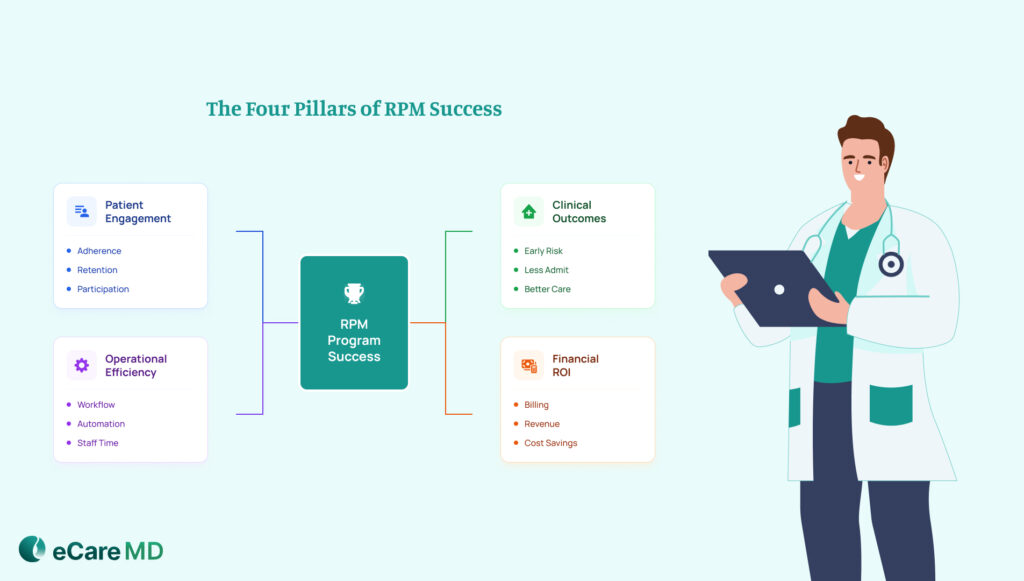
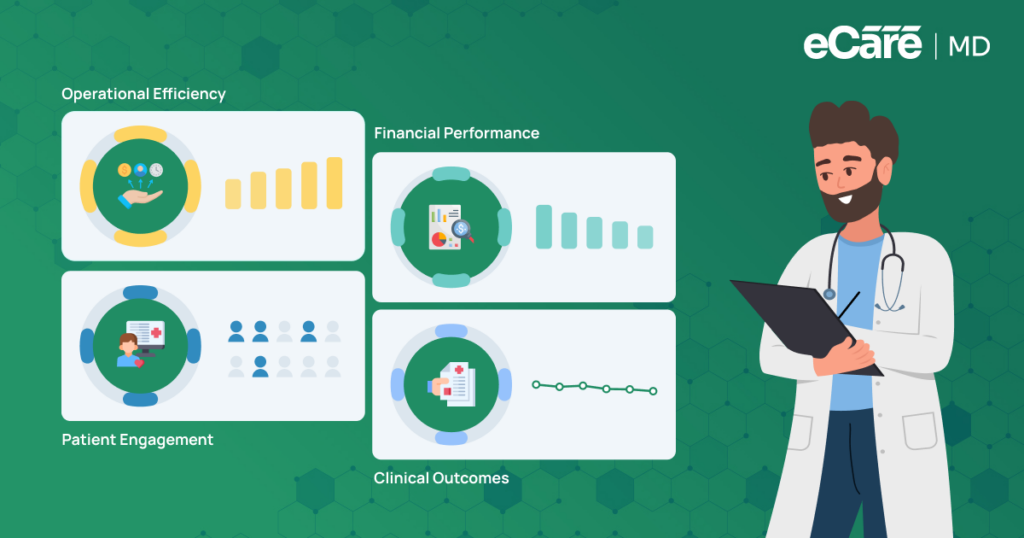
The success of an RPM program is not determined by a single outcome; it’s actually the result of multiple factors working together in balance. You can only be considered as successful when you deliver real value across patients, clinicals, and the whole organization.
Let’s have a quick look at the key factors that define success:
1. Patient engagement and adherence:
The first and most visible factor is your patients’ engagement and adherence. Your RPM program only works well when your patients use the devices consistently, follow monitoring instructions, and stay actively involved in their overall care journey. Even the well-designed program can lose its impact without this engagement.
2. Clinical outcomes and reduced complications:
An equally important factor is clinical outcomes and the reduction in complications. A successful RPM program should help you to detect risk earlier, support timely intervention, leading to a reduction in hospital visits, readmissions, and avoidable complications. Simply, your RPM should transform care from reactive to proactive.
3. Operational efficiency:
Even though clinical success alone is not enough, you also need to look at operational efficiency. Your program will become difficult to sustain at scale if your care teams feel overwhelmed with manual tracking, fragmented systems, or unnecessary administrative load. A well-performing RPM program helps you to achieve seamless workflow, reduces burden, and enables your care team to focus more on care instead of coordination.
4. Financial performance:
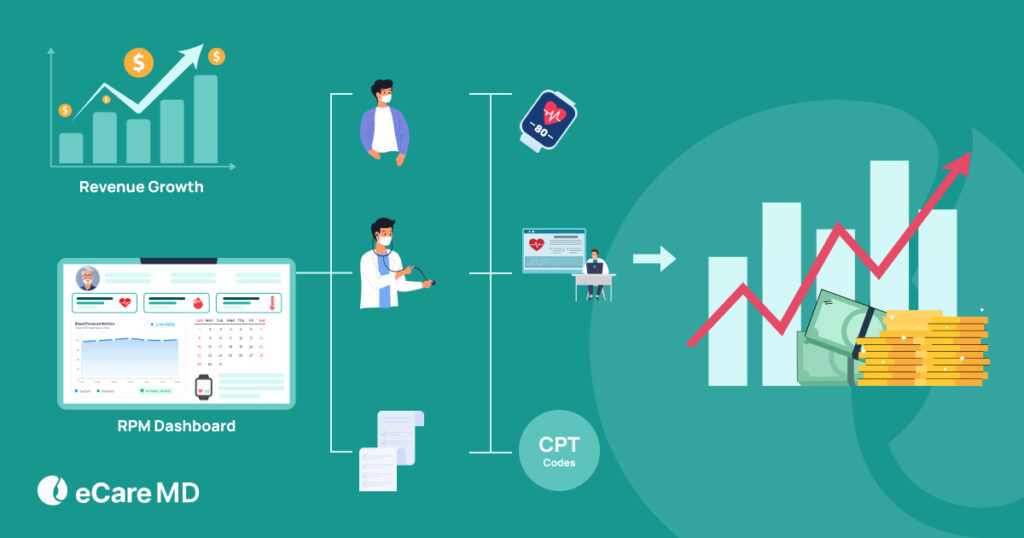
Along with all these, another key factor is financial performance, which is a deciding factor of long-term adoption. A strong RPM always demonstrates the real value through reimbursement efficiency, minimizes costly interventions, and enhances overall resource utilization.
Key Clinical and Engagement Metrics to Track
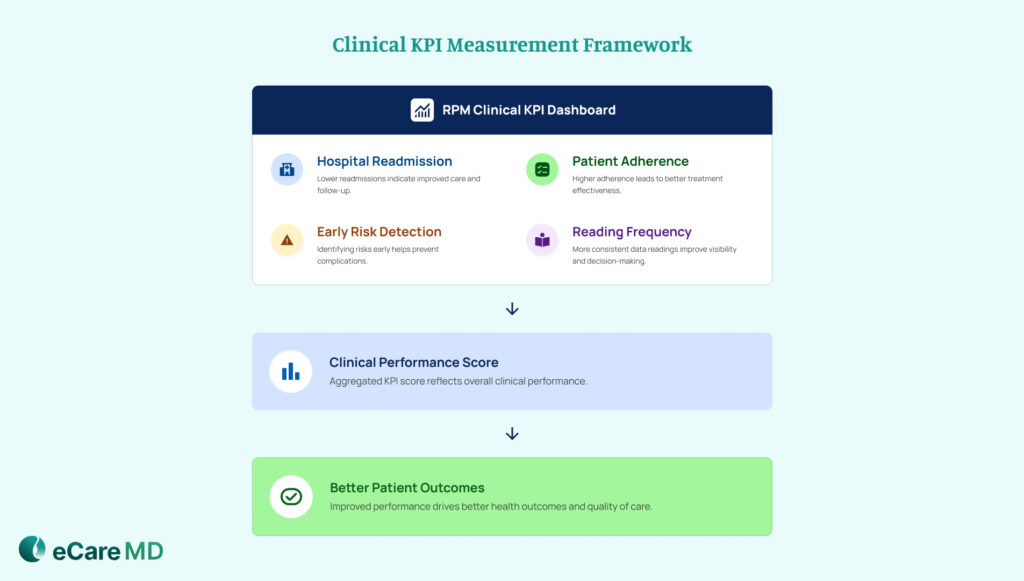
To understand whether your RPM program is delivering real value or not, you should start to look beyond surface-level activity. Additionally, you should also focus more on metrics that highlight both patient behavior and clinical impact.
Let’s have a look at key indicators that can help you translate your daily monitoring data into actionable outcomes:
1. Reduction in hospital readmissions:
Significant reduction in avoidable hospital visits is one of the strongest indicators of RPM effectiveness. When your patients are monitored consistently, early intervention can help you avoid serious complications. This can directly enhance your care quality and reduce your system burden.
2. Patient adherence to monitoring:
As we discussed above, patient engagement is the core of any successful RPM program. This metric helps you to track how consistently your patients are using their devices and follow prescribed monitoring schedules. Low adherence can highlight major gaps in onboarding, education, or patient motivation.
3. Early detection of health deterioration:
A well-performing RPM program allows your care team to identify warning signs before they escalate. This may involve abnormal readings, sudden changes in trends, or missed data submissions that may indicate risk.
4. Frequency of patient readings:
Regular data input reflects how actively patients are participating in their care. Higher frequency generally leads to more accurate clinical insights and better-informed decision-making by you.
Operational and Performance Metrics
As we reviewed above, clinical outcomes highlight the impact of care. On the other hand, operational metrics show how seamlessly an RPM program can actually run in real time. These indicators are necessary for you to understand whether workflows are efficient to support your performance.
1. Patient onboarding and activation rates:
These factors allow you to measure how quickly newly enrolled patients are successfully set up, educated, and made active in the system. A slow onboarding process can affect your patients’ engagement while weakening your program adoption.
2. Time to first reading:
Another strong indicator is the speed at which a patient submits their first health data reading. A shorter time to first reading highlights better patient understanding and seamless activation workflows.
3. Data transmission consistency:
RPM programs depend heavily on continuous data flow. These metrics help you to evaluate whether your patient readings are being transmitted regularly without gaps, delays, or technical disruptions. This ensures that you always have reliable information.
4. Provider response time to alerts:
These metrics help you track how quickly your care team can respond to abnormal readings or system-generated alerts. Faster response times can enhance your patient safety and strengthen clinical trust in the program.
Financial Metrics and ROI of RPM Programs
Moving forward, the long-term sustainability of any RPM program depends on its financial performance. Here, you should clearly understand whether the program is generating measurable value or simply adding to overall costs.
1. Revenue per patient:
With these metrics, you can determine how much financial value each enrolled patient contributes to the program. It offers you clarity on whether your patient engagement and utilization levels are strong enough to support the scalable growth of your program.
2. Billing consistency and compliance:
Another critical factor in the RPM program is billing consistency and compliance. These metrics help you to make sure that all delivered services are documented properly, compliant, and reimbursed successfully without revenue leakage.
3. Cost savings from reduced hospitalizations:
One of the key financial advantages of RPM comes from preventing avoidable hospital admissions and emergency visits. When you monitor your patients effectively, early interventions help you to minimize high-cost care episodes, enhancing cost efficiency.
Ultimately, remote patient monitoring ROI is driven by the combined result of improved clinical outcomes, minimized utilization of expensive care settings, and efficient program operations.
How to Measure and Improve RPM Program Performance
Measuring your RPM performance is not a one-time activity; it’s actually an ongoing process that helps you to refine care delivery and strengthen the overall effectiveness of your program. The real value comes only when your data is reviewed consistently and used to drive improvements.
1. Track metrics consistently over time:
RPM data only becomes valuable when it is monitored continuously. With regular tracking, you can identify trends, compare performance over periods, and ensure that improvements are sustained instead of being temporary.
2. Identify gaps in engagement and adherence:
Declining patient participation is one of the most common key challenges in the RPM program. By monitoring engagement patterns, you can swiftly identify drop-offs in patient adherence, while taking corrective action before it impacts outcomes.
3. Optimize workflows based on performance insights:
Operational data should directly inform process improvements. Whether it is onboarding delays, alert management inefficiencies, or data gaps, refining workflows based on real performance insights helps improve overall system efficiency.
Simplifying KPI Tracking with Data-Driven Platforms
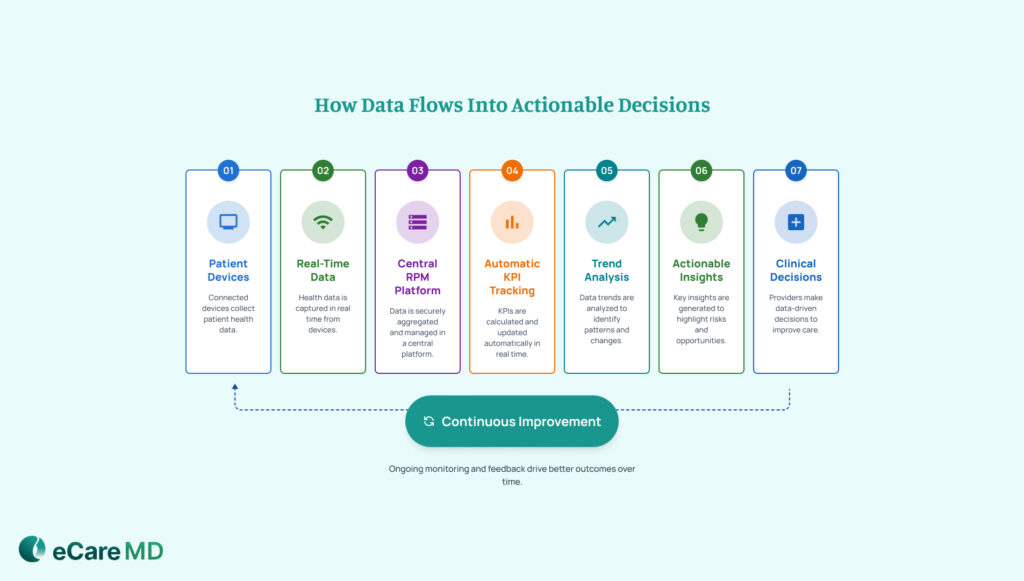
RPM programs become more complex, due to which performance management across clinical, operational, and financial dimensions becomes overwhelming without the right systems in place. And, this is where data-driven platforms play a key role in simplifying KPI tracking and enhancing decision-making.
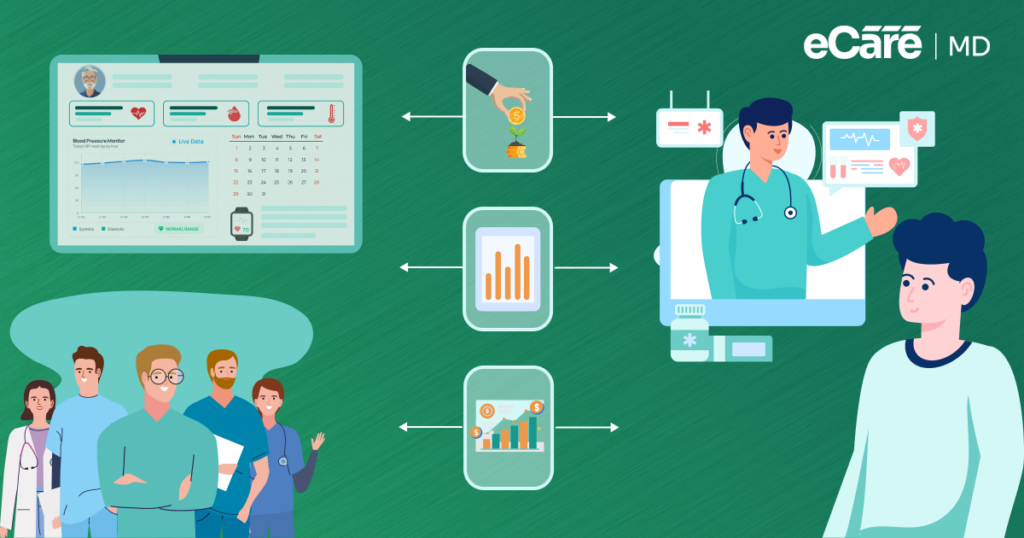
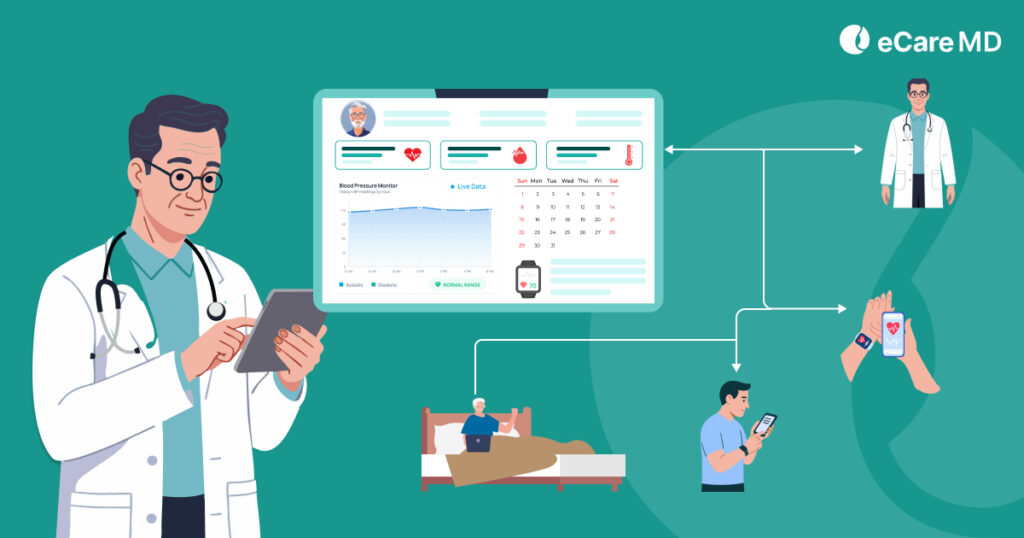
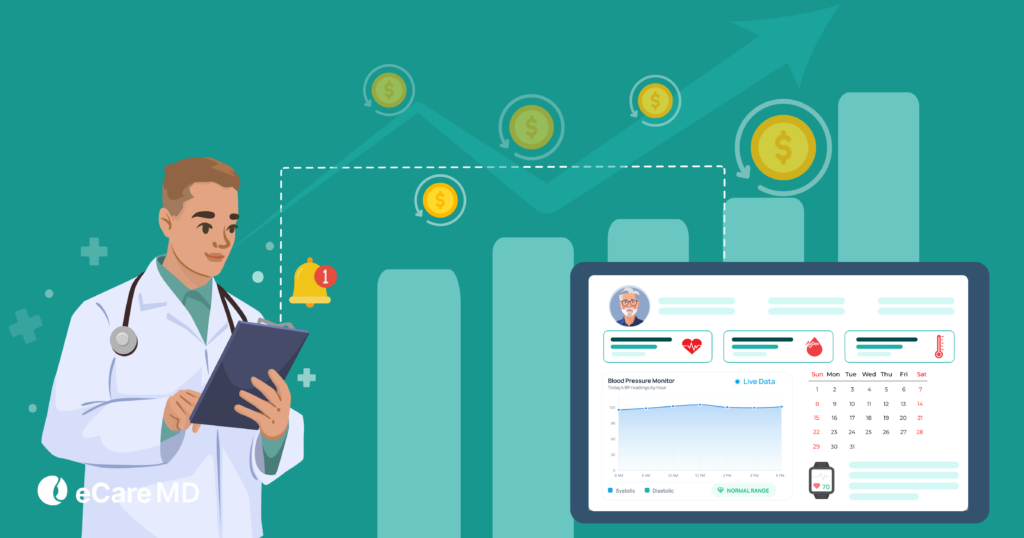
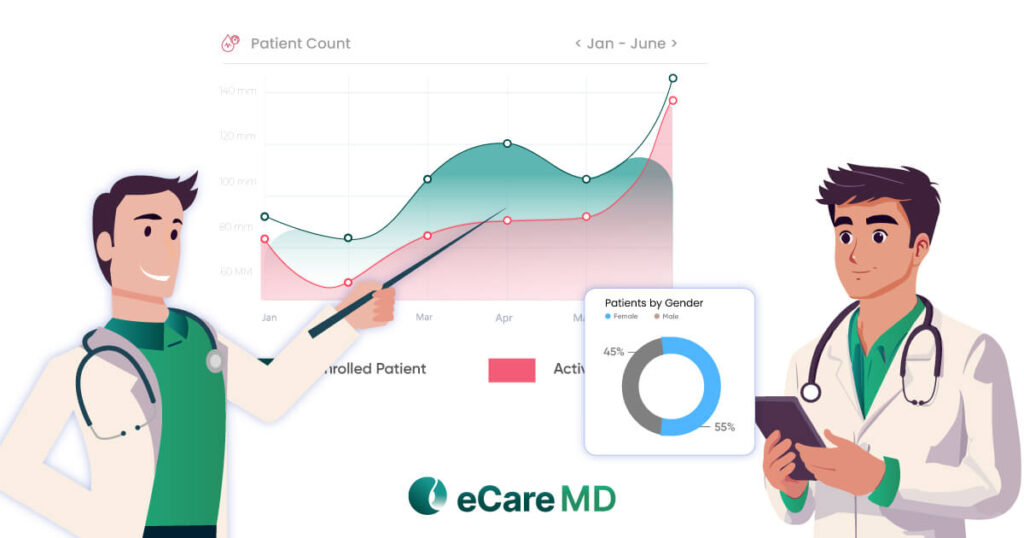
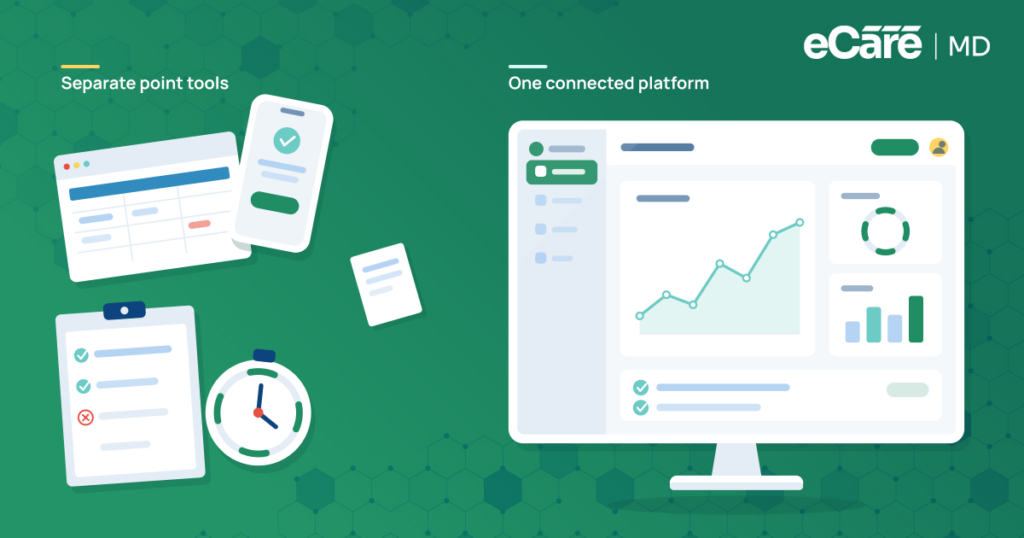
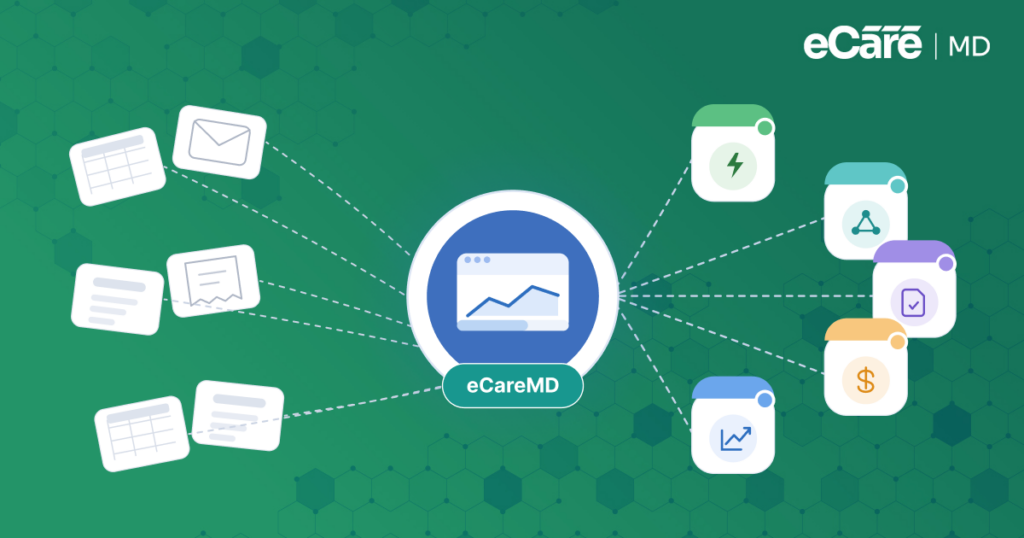
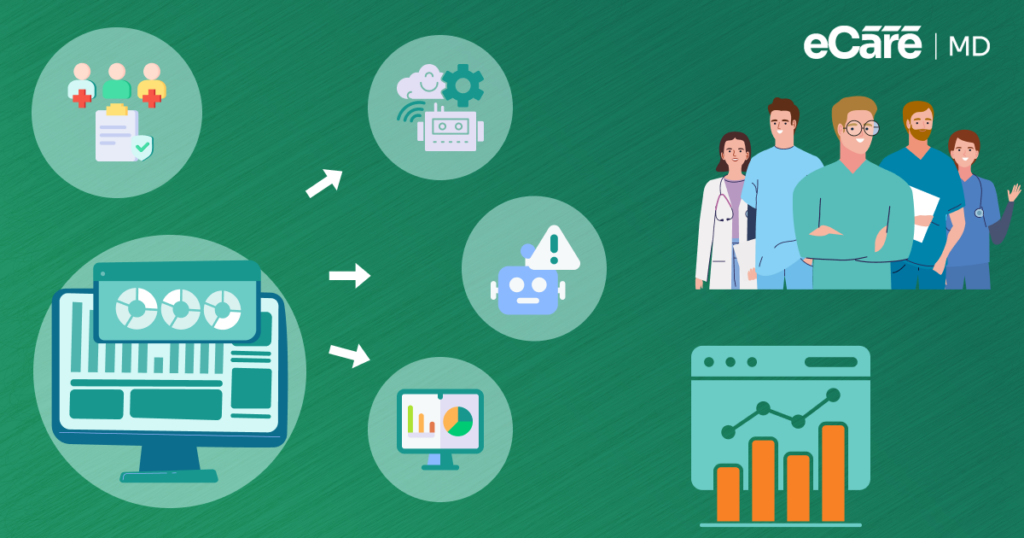
The ability to centralize clinical, operational, and financial data into a single, unified view is a key advantage of these platforms. You can easily access all essential remote patient monitoring KPIs in one place, rather than working with disconnected systems or manual reports.
They also contribute more to automating tracking and reporting, minimizing the manual efforts required for metric monitoring like patient engagement, adherence, billing performance, etc. This saves your overall time, while reducing errors and ensuring more consistent reporting.
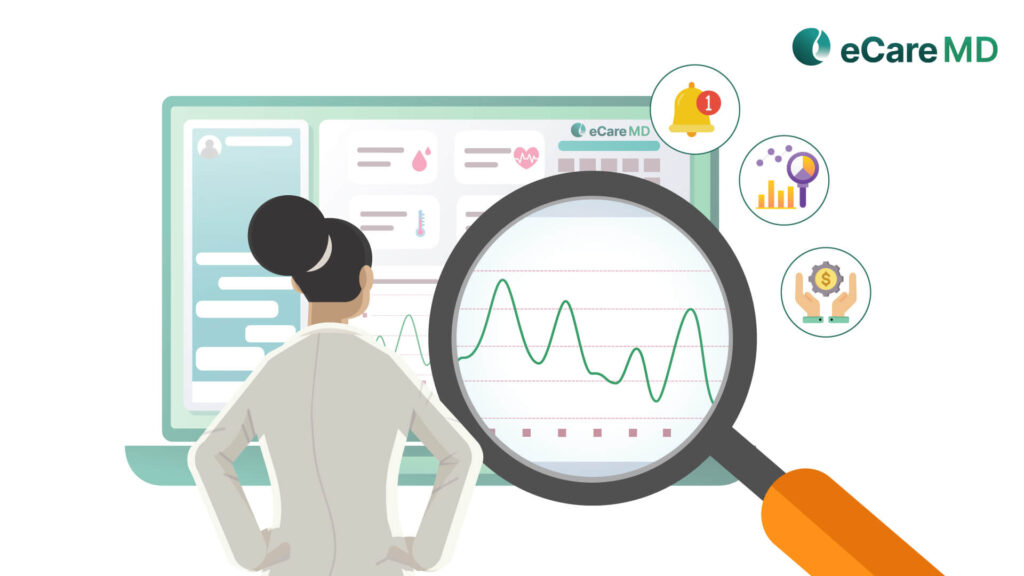
Additionally, these platforms are specifically designed to provide actionable insights instead of just raw data. Rather than simply showing numbers, they help you to highlight trends, risks, and improvement opportunities. This helps your care teams to make informed decisions with greater confidence.
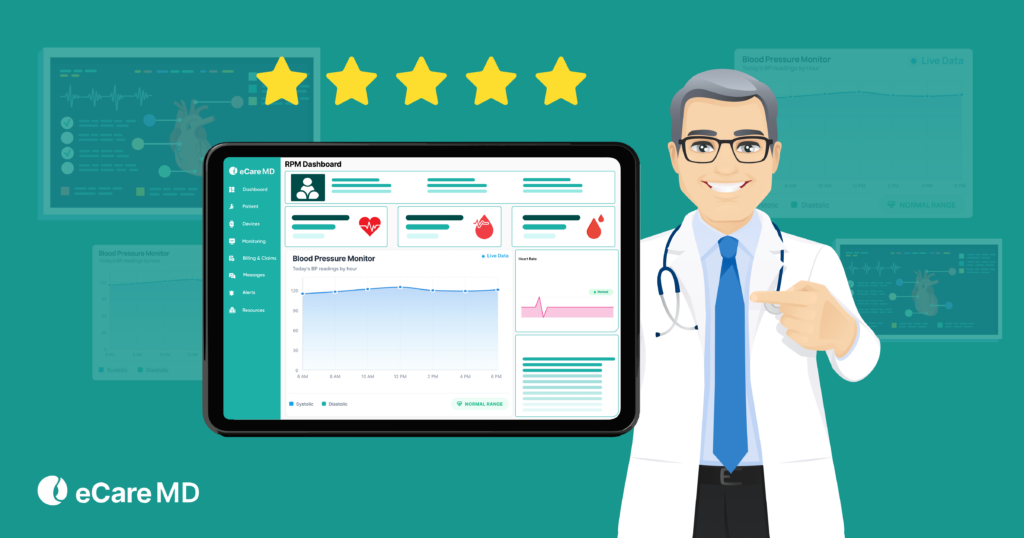
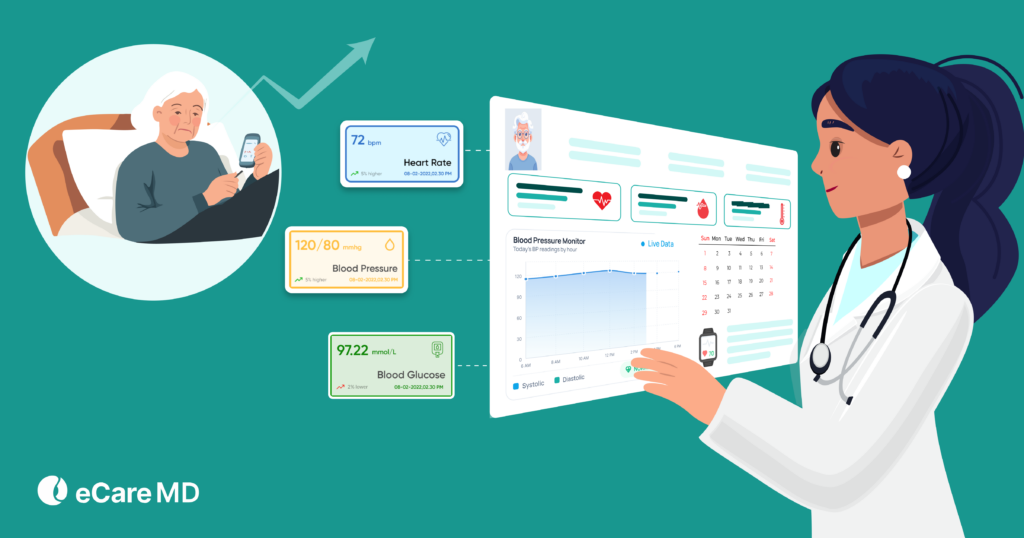
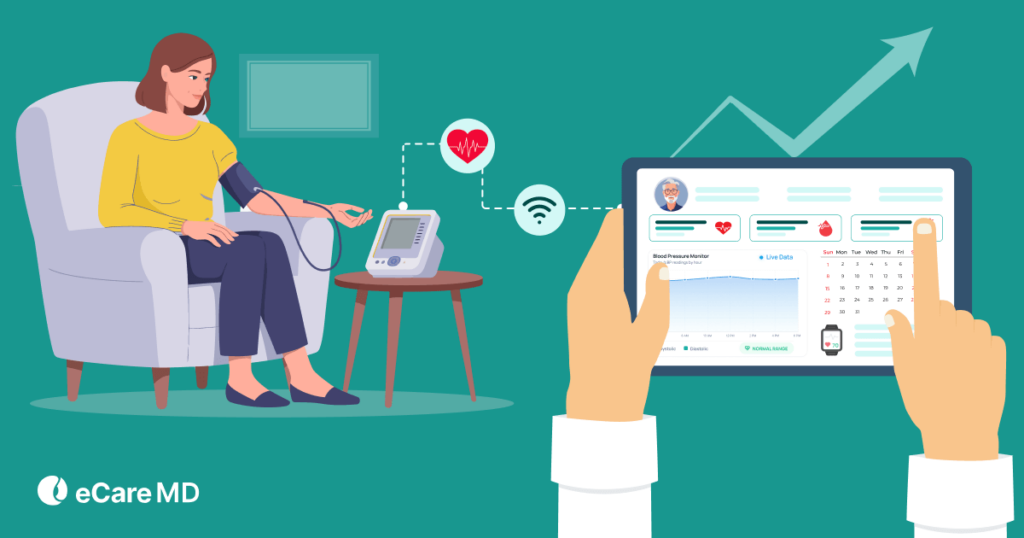
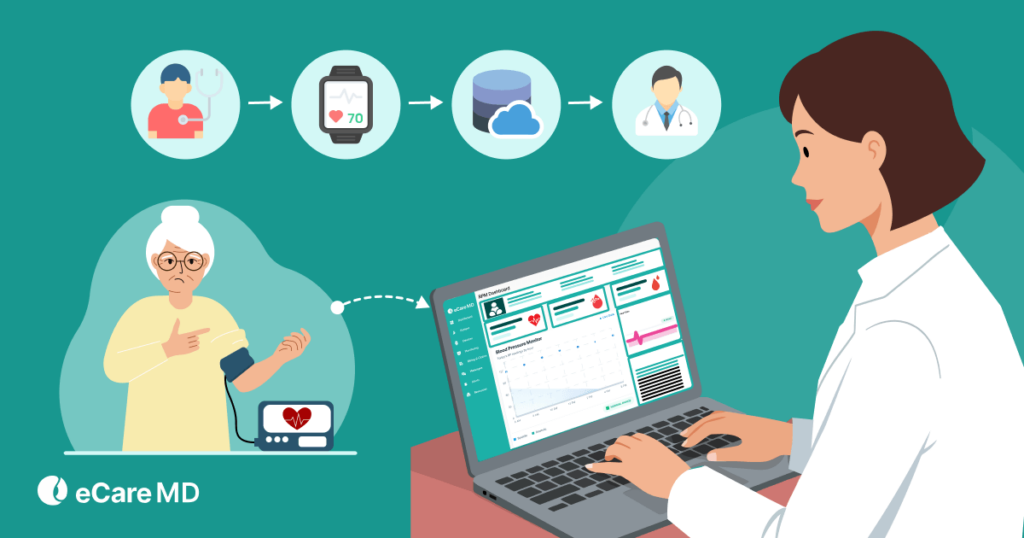
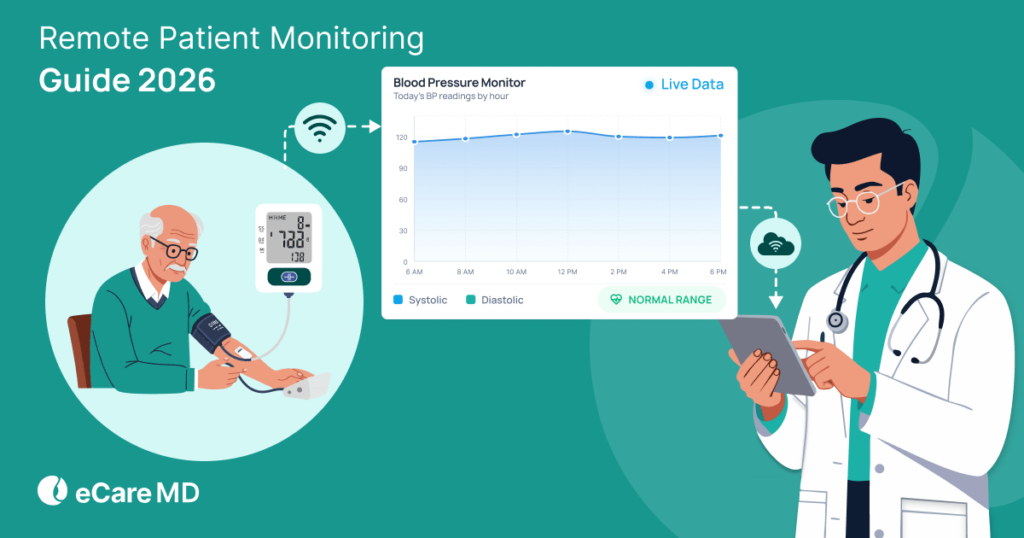
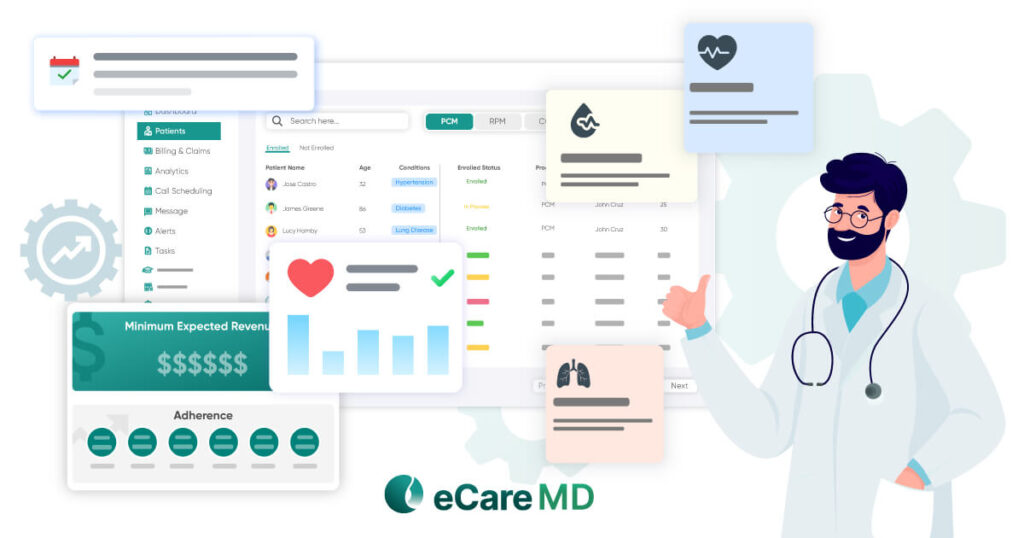
Solutions like eCareMD take this a step further by offering real-time dashboards, automated KPI tracking, and structured insights. This further helps you to continuously measure and improve RPM program performance metrics.
Conclusion: Turning Metrics into Better Outcomes
Measuring success is essential for scaling any RPM program. Without clear RPM program success metrics, it becomes difficult to understand what is working and what needs improvement.
Data-driven decisions help improve both outcomes and efficiency by strengthening engagement, optimizing workflows, and supporting better clinical and financial performance.
In the end, successful RPM programs are built on continuous tracking, analysis, and improvement—not assumptions.
Track and optimize your RPM program with the right metrics and tools. Click here to improve your RPM performance and outcomes.
Frequently Asked Question’s
RPM program success metrics are measurable indicators used to evaluate how effectively a Remote Patient Monitoring program is performing across clinical, operational, and financial areas. These include patient engagement, clinical outcomes, workflow efficiency, and revenue impact. Together, they help providers understand whether the program is delivering real value beyond just patient enrollment.
Key performance indicators for remote patient monitoring include patient adherence rates, frequency of submitted readings, reduction in hospital readmissions, response time to alerts, and billing accuracy. These remote patient monitoring KPIs help track both patient health improvements and program efficiency in real time.
Providers can measure RPM program success by consistently tracking RPM program performance metrics such as engagement rates, clinical outcomes, operational efficiency, and financial returns. Regular monitoring of these indicators helps identify gaps early and ensures the program is continuously improving rather than stagnating.
Important clinical metrics include reduction in hospital readmissions, early detection of health deterioration, improvement in chronic condition management, and patient reading consistency. These indicators reflect whether the RPM program is genuinely improving patient health outcomes and preventing complications.
Operational metrics in RPM focus on how smoothly the program runs. Key indicators include patient onboarding and activation rates, time to first reading, data transmission consistency, and provider response time to alerts. Strong operational performance ensures scalability and better care coordination.
Remote patient monitoring ROI is calculated by comparing the financial benefits of the program—such as increased reimbursement, reduced hospitalizations, and cost savings—against the total cost of implementation and operations. A strong ROI reflects both improved clinical outcomes and efficient resource utilization.
Patient engagement metrics are critical because RPM only works when patients actively participate. Measures like adherence to monitoring, frequency of readings, and responsiveness to care instructions directly impact data quality and clinical decision-making, making them essential for program success.
Technology simplifies KPI tracking by centralizing clinical, operational, and financial data into unified dashboards. Advanced RPM platforms automate reporting, reduce manual errors, and provide real-time insights, helping providers quickly identify trends and improve RPM program success metrics more efficiently.










![The Future of Remote Patient Monitoring: CMS Innovations & Emerging Trends [2026]](/wp-content/uploads/2024/07/Blog-36-The-Future-of-Remote-Patient-Monitoring_-Trends-AI-Innovation-CMS-Updates-for-2026-1024x538.png)