Last Updated: July 1, 2026
Almost 1 in 5 patients ends up back in the hospital within 30 days of discharge.
This is not just a statistic, it’s a clear sign of gaps in post-discharge care that directly impact outcomes, costs, and patient trust. For many providers, this can be a costly cycle, impacting their care quality, reimbursement, and patient trust.
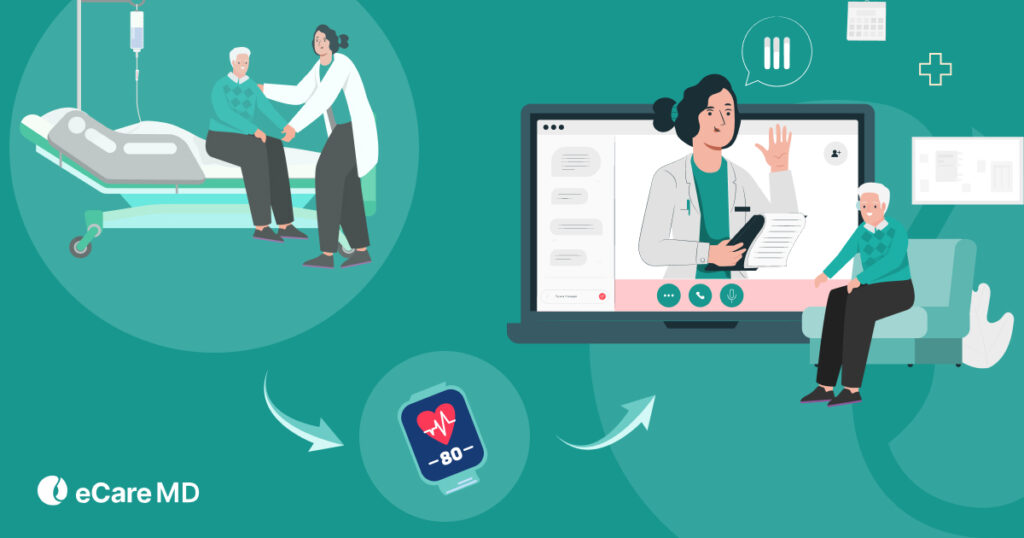
And for many patients, the most vulnerable phase starts after they leave the hospital, as patients move from continuous hospital supervision to managing their care all on their own. During this time, even one small gap, like missed medications or unnoticed symptoms, can create major complications.
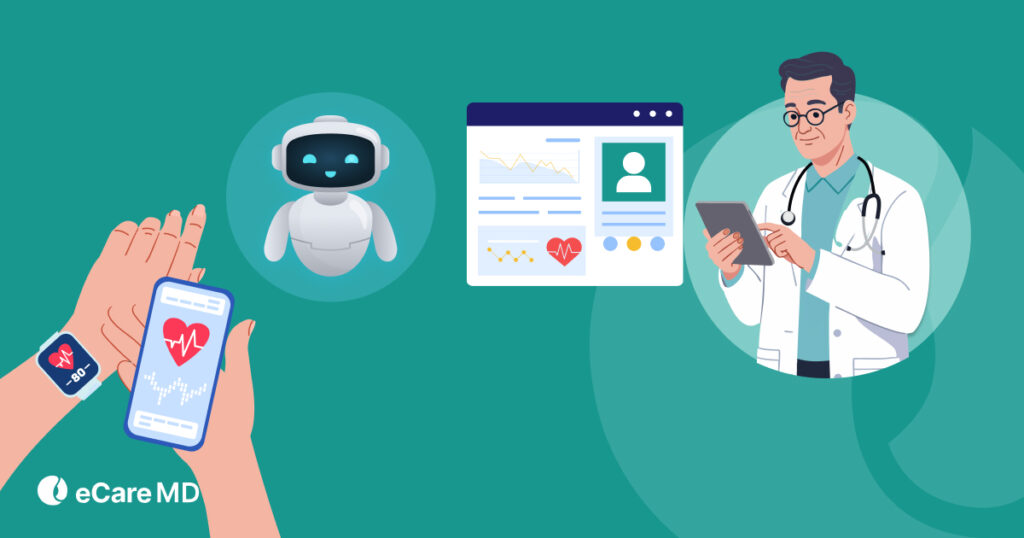
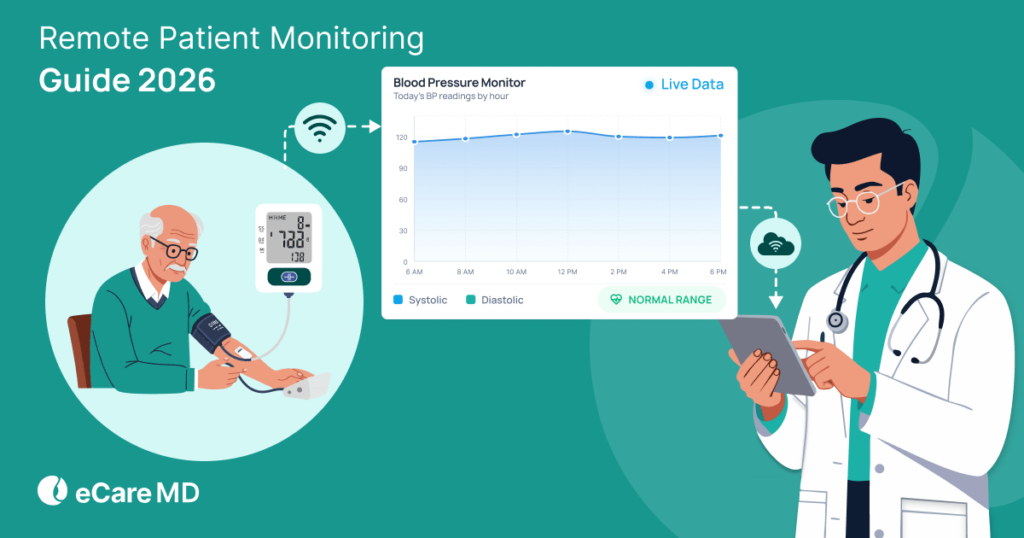
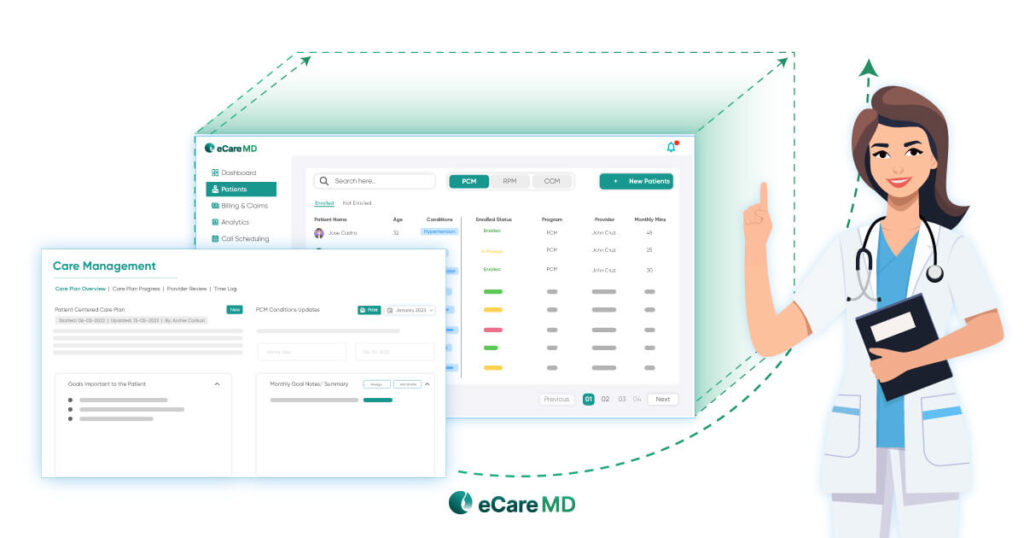
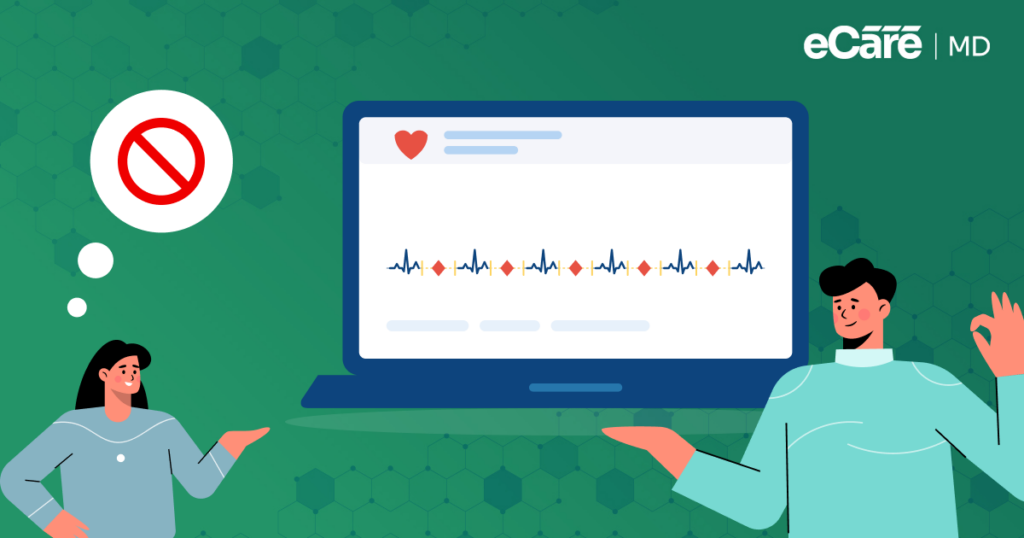
This is where RPM hospital readmission reduction jumps in. With Remote Patient Monitoring (RPM), you can keep your patients on track even after their discharge. This offers you continuous visibility into your patient’s health.
Furthermore, RPM also helps your care teams to intervene early, rather than waiting for problems to escalate. This can ultimately lead to reducing hospital readmissions with RPM and enhancing overall RPM clinical outcomes.
Here, you might be confused about: How exactly RPM reduce hospital readmissions?
Let’s dive into this blog to explore the answer to your question with Clinical Evidence and Provider Strategies.
How RPM Reduces Hospital Readmissions
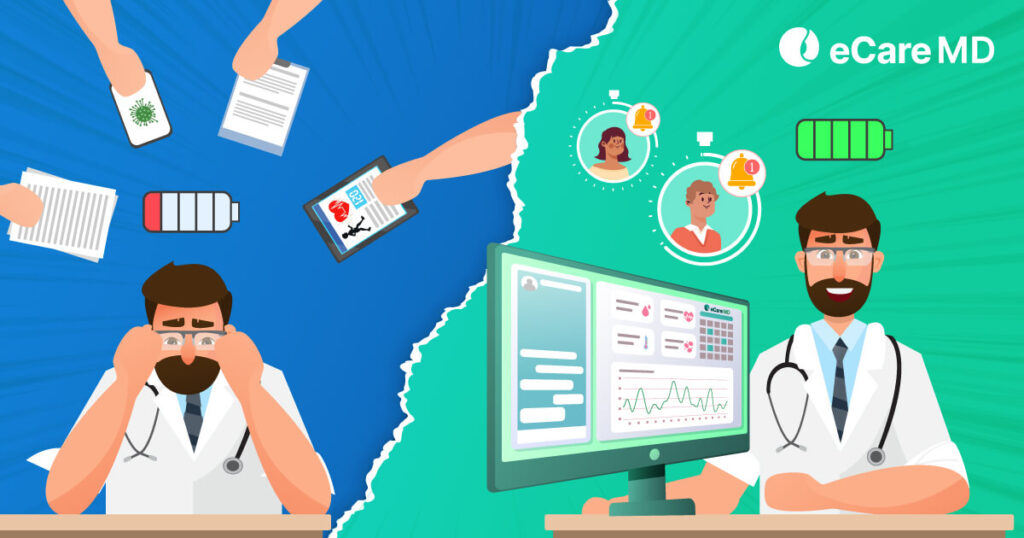
After discharging your patients from the hospital, care never stops, but in many cases, visibility does stop. Visibility here simply means knowing what’s happening with the patient after they go home, whether their condition is stable, improving, or getting worse. And this is where complications start to build.
However, by keeping a steady focus on your patients, RPM changes this dynamic. With RPM, you can intervene early and act before small gaps turn into readmissions. This is the core of how RPM reduces hospital readmission rates by bringing continuity and timing.
Let’s see how it will work in your practice:
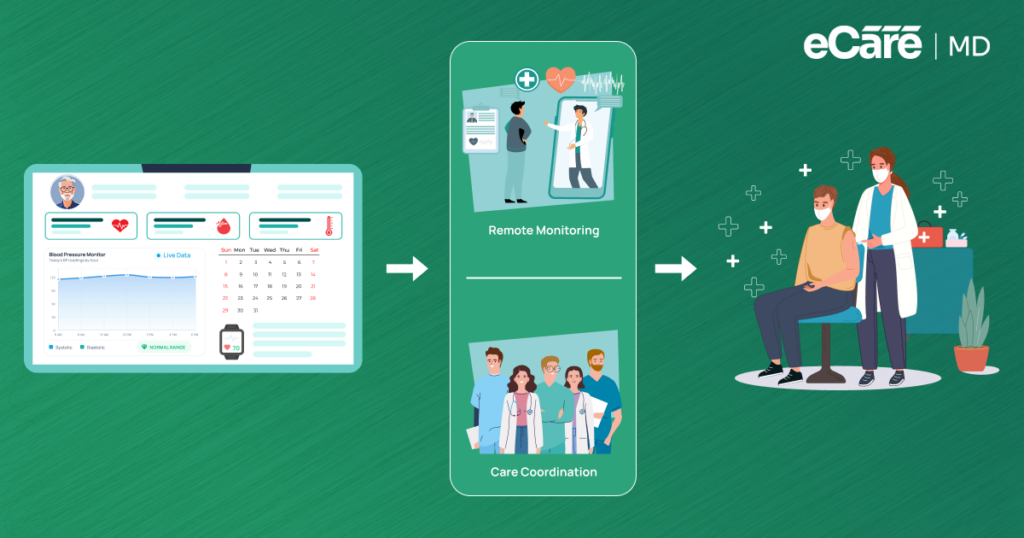
1. Continuous monitoring detects early signs of deterioration:
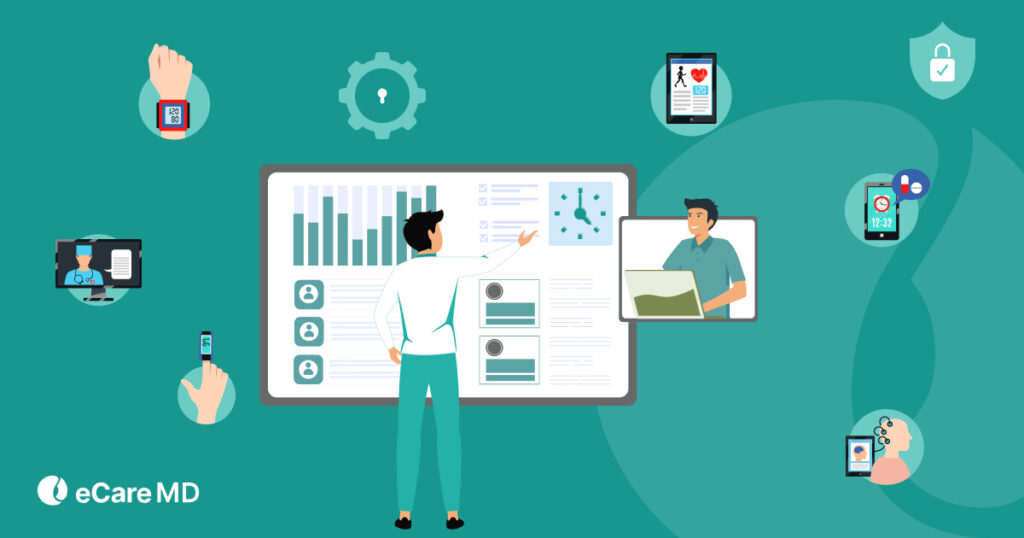
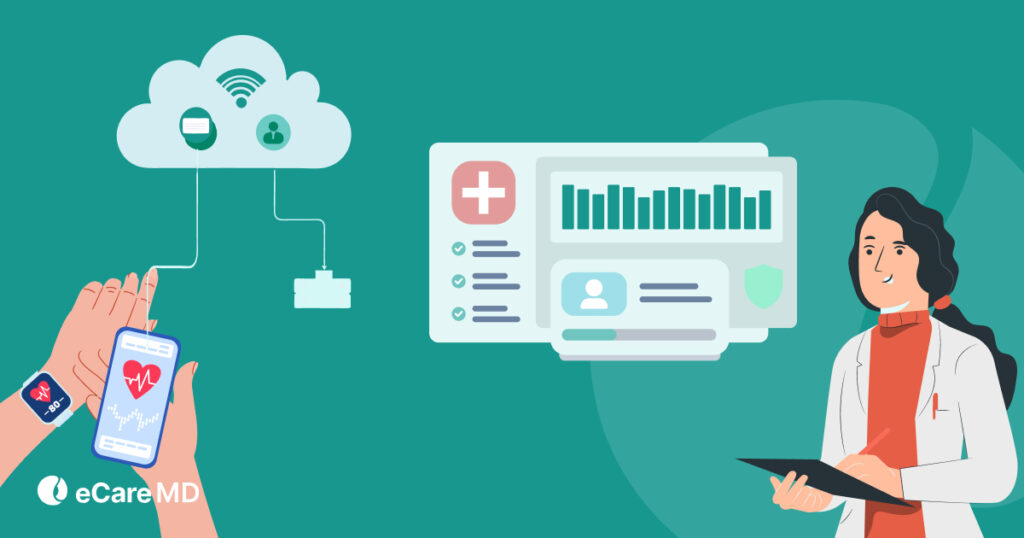
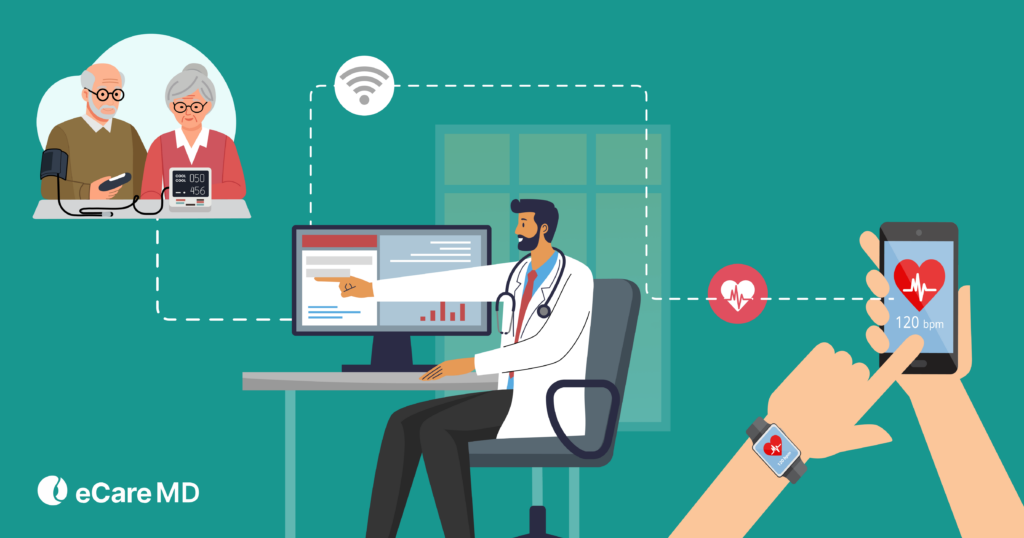
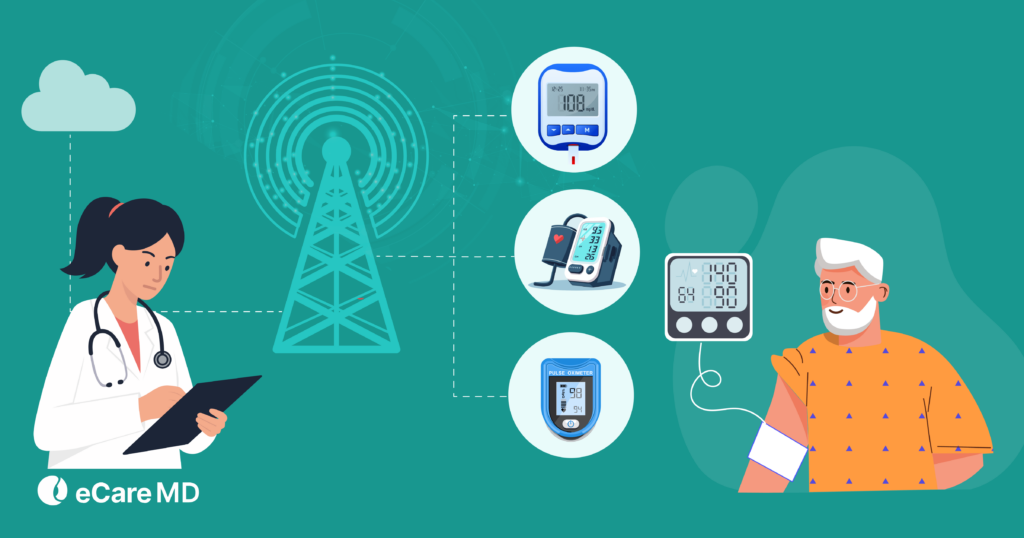
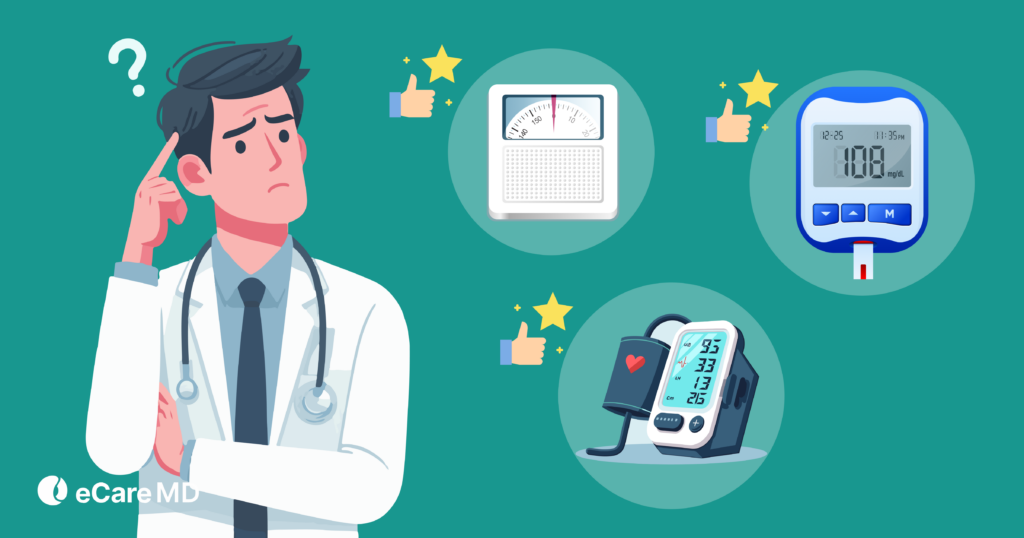
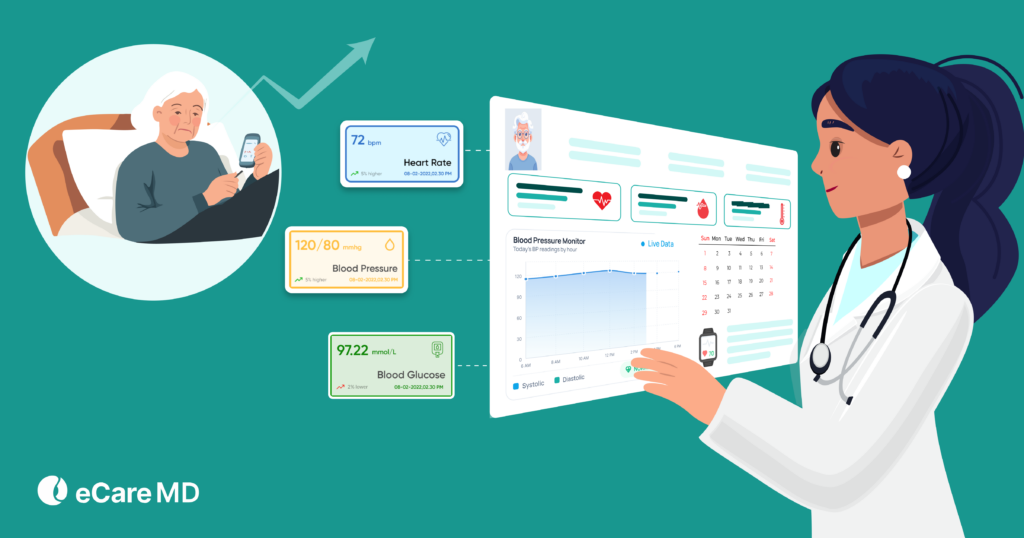
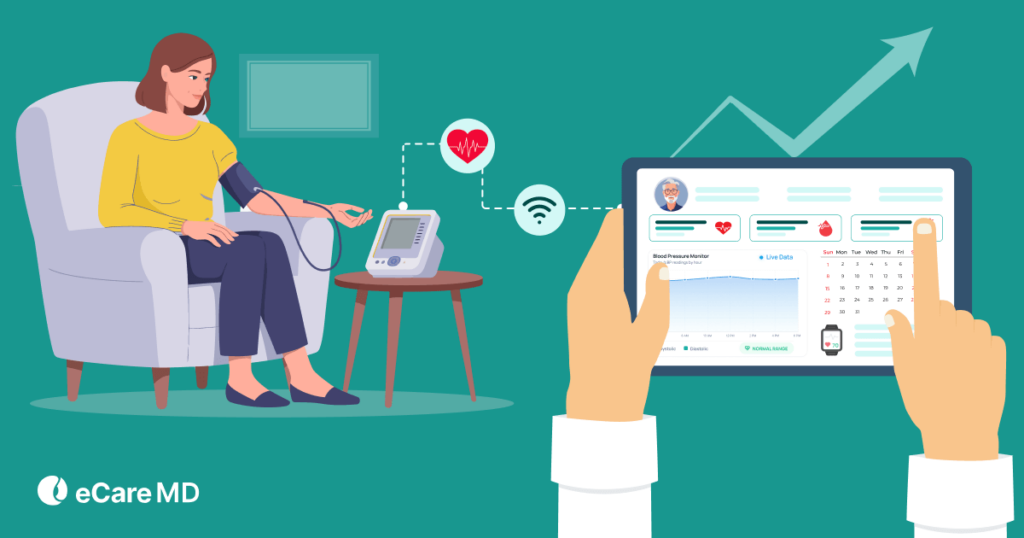
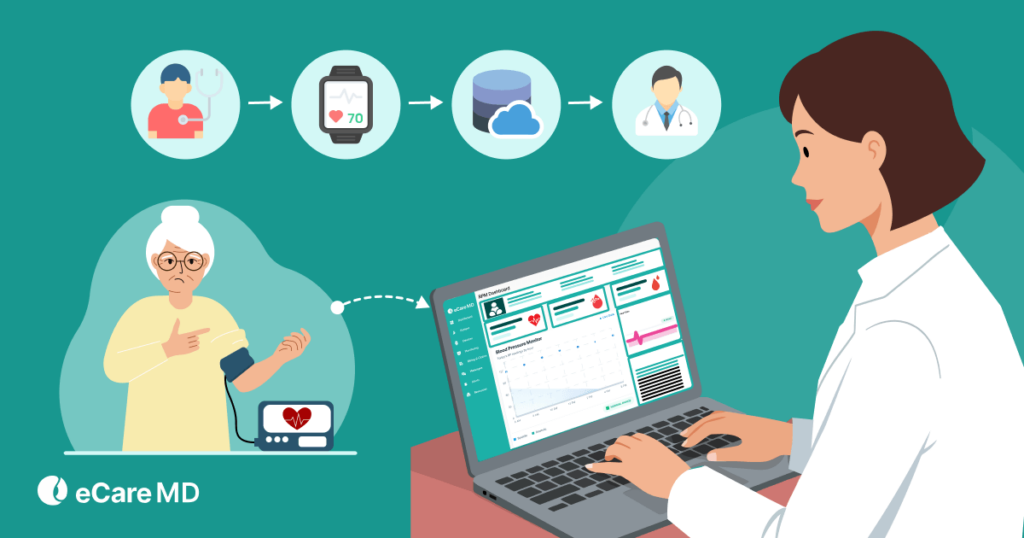
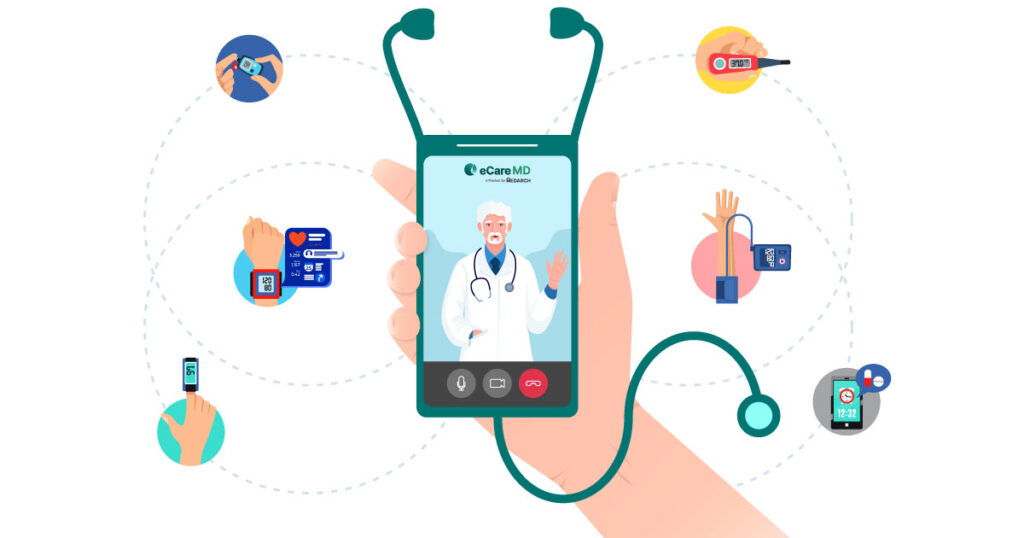
By using RPM devices, you can track your patient’s vital signs, including glucose levels, pulse rate, weight, etc. With this, you can detect subtle changes that can signal that your patient’s condition is starting to decline. This high visibility level makes remote patient monitoring readmission reduction more achievable.
2. Enables timely intervention before conditions worsen:
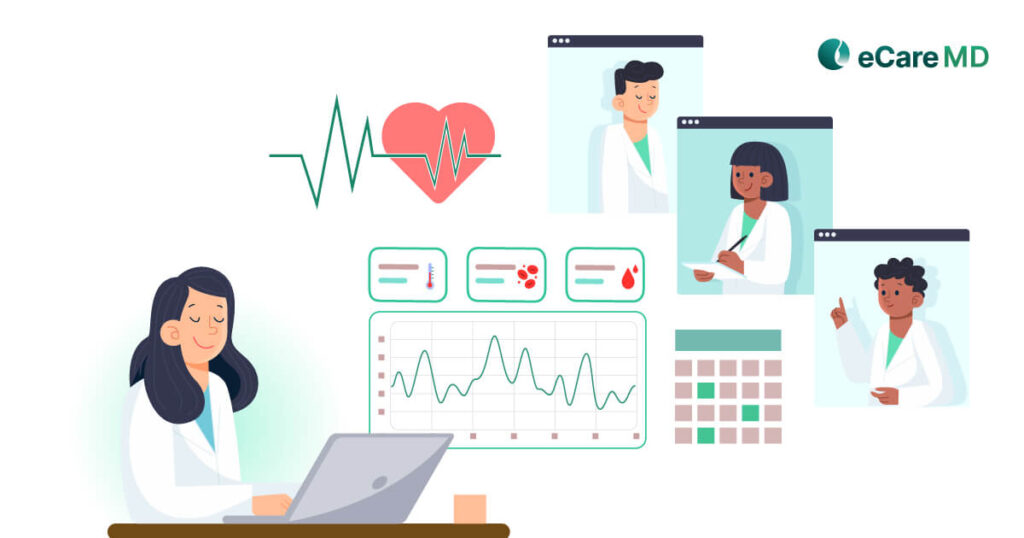
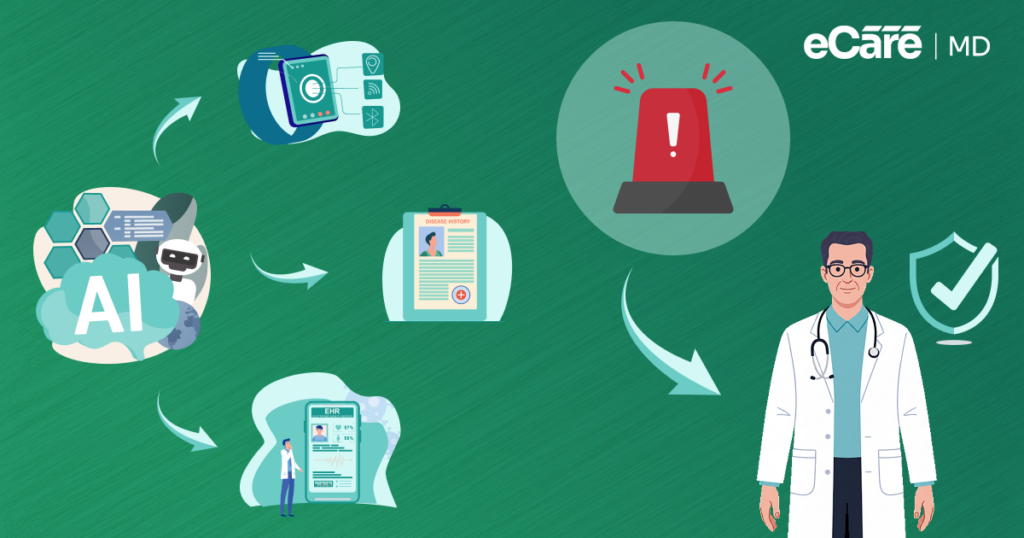
Furthermore, when the system flags abnormal readings, your care team can step in early and avoid complications. For example, your care team can adjust medications, schedule check-ins, or guide the patient remotely. Step in early, and you can also keep your patients on track.
3. Supports better patient adherence after discharge:
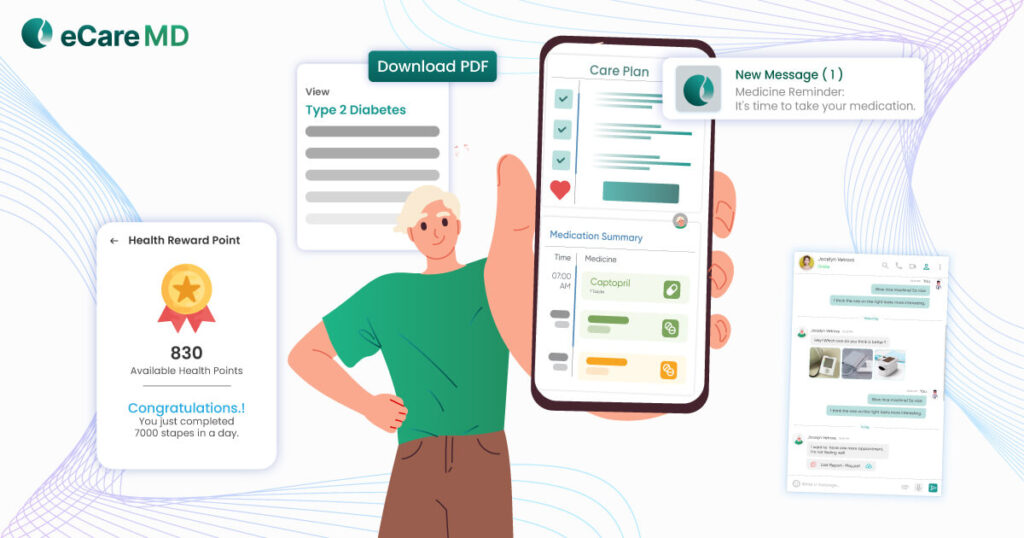
Moving forward, RPM also keeps your patients more engaged and accountable. You can achieve this through reminders, regular monitoring, and a sense of connection with your patients. When your patients stay on track, outcomes improve, and readmission rates decrease.
Remote Patient Monitoring Strategies for Post-Discharge Care
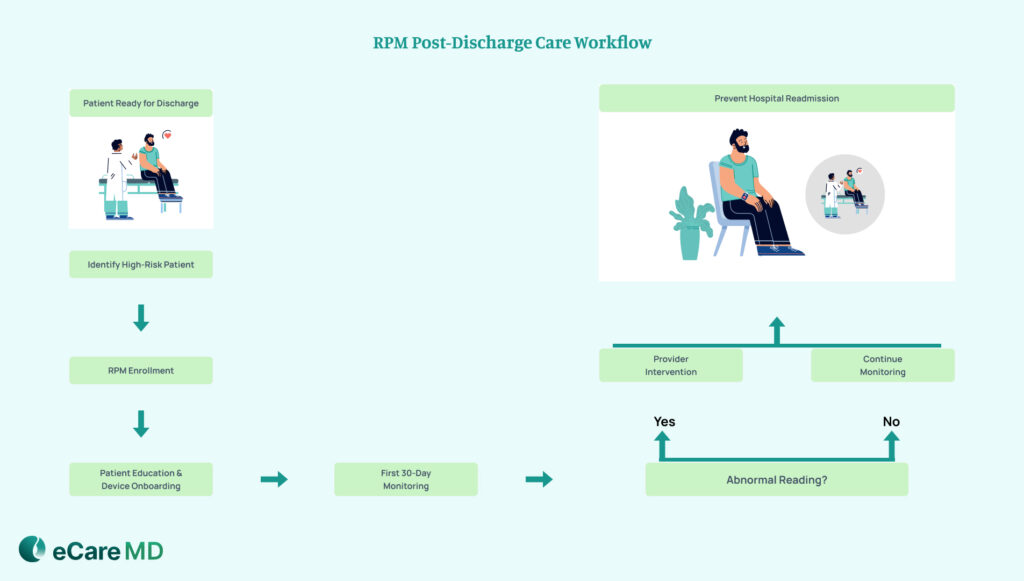
If you have the right plan in place from the start, only you can reduce readmissions. The real value of RPM depends on how well you use it during the post-discharge phase.
In simple terms, it’s not as easy as just keeping your eyes on patients. It’s actually about knowing when and how to act. Let’s explore what effective execution actually looks like:
1. Identify high-risk patients before discharge:
The first thing you should understand is that not every patient has the same risk of readmission. Patients with chronic conditions, multiple comorbidities, or recent hospitalizations must be prioritized more for RPM. If you start it before your patients’ discharge, it helps you to ensure who needs your attention most.
2. Ensure proper onboarding and clear patient instructions:
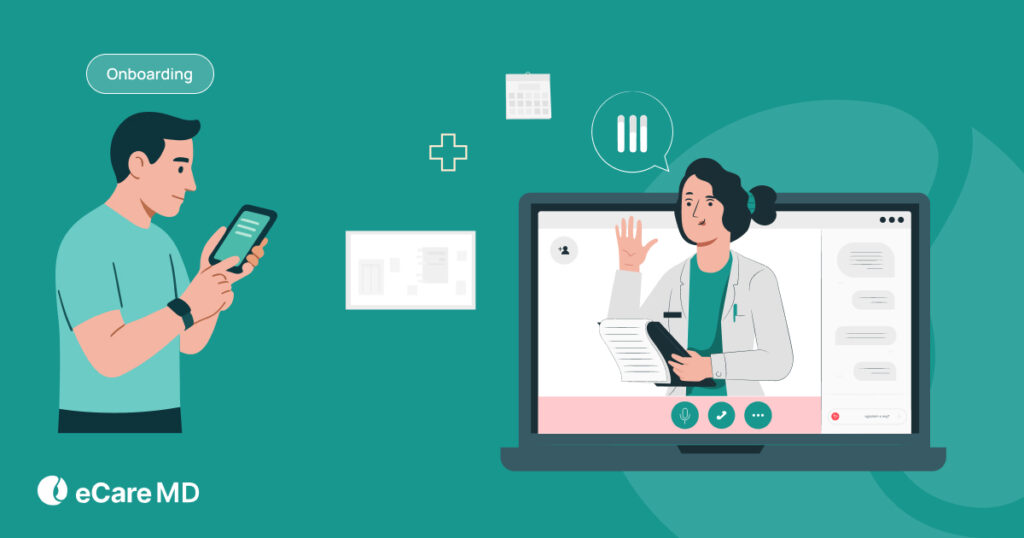
Even the best technology can fall down if your patients don’t know how to use it properly. That’s why clear guidance on device monitoring schedules and when to seek help sets the tone for engagement. When the onboarding process is simple, your patients are more likely to stay consistent in their overall journey.
3. Monitor patients consistently during the first 30 days:
As we discussed earlier, the first few days after discharge are critical. In the first 30 days, regular tracking helps you spot trends and intervene early. This consistency can strengthen remote patient monitoring, readmission reduction, and keep your patients’ recovery on the right path.
4. Respond quickly to abnormal readings:
An equally important factor is speed. When you address alerts promptly, you can manage small concerns before they turn into complications. For example, a quick call, dose adjustments, or follow-up visits.
Clinical Evidence Supporting RPM Outcomes
RPM makes a real difference in hospital readmissions, especially for chronic conditions. In fact, the study highlights that there are significant reductions in readmission rates in chronic conditions like Congestive Heart Failure (CHF), Chronic Obstructive Pulmonary Disease (COPD), and diabetes.
You can also achieve this in your practice by regularly monitoring your patients after discharge. As we discussed earlier, RPM helps you catch complication signs early. This proactive approach helps to lower the chances of readmissions.
Furthermore, RPM also improves how patients follow their care plans. By connecting to care teams, patients know that someone is keeping track of their health. Due to this, your patients take medications on time and report symptoms early.
It is more beneficial for high-risk patients, who need your attention even after their discharge. With continuous monitoring, you can easily manage these types of patients in a better way and avoid unnecessary complications.
The Role of RPM in Value-Based Care
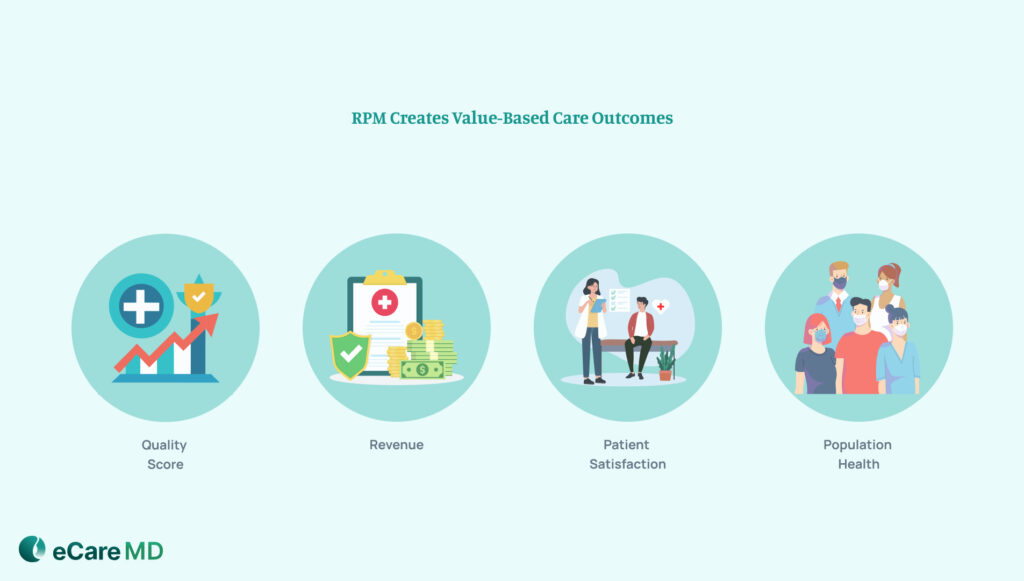
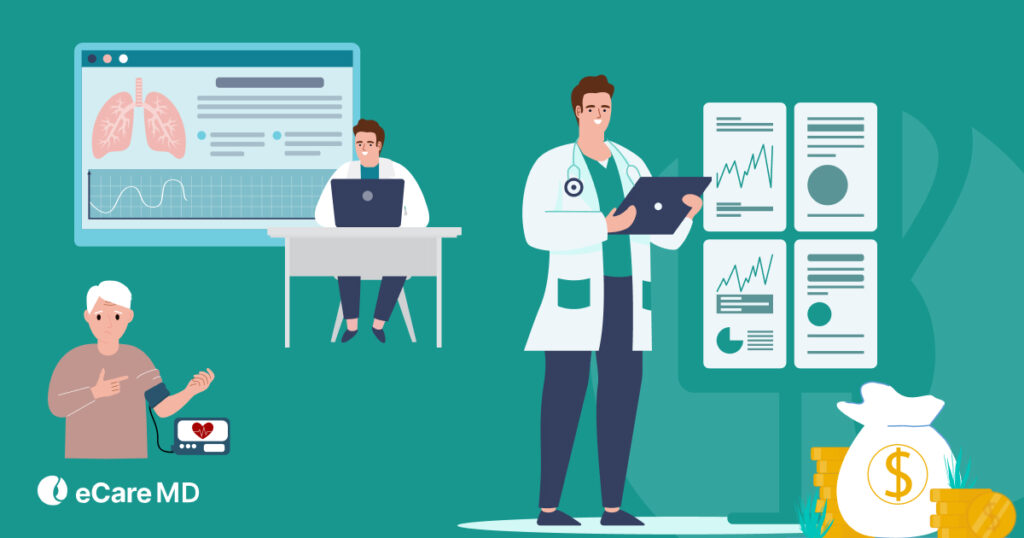
Healthcare continues to move towards outcomes-driven models, and due to this, a reduction in readmissions is no longer just a clinical goal. Readmission rates can directly affect how you are measured and reimbursed.
Avoidable hospital returns can lower your quality scores while leading to financial penalties. This is exactly why RPM in value-based care is gaining momentum. Furthermore, it also helps you stay ahead of complications and improve performance metrics and patient outcomes.
Let’s see how RPM supports this shift:
1. Reducing readmissions improves quality scores and reimbursement:
Fewer readmissions mean better performance under value-based programs. RPM helps providers meet quality benchmarks while protecting revenue.
2. Supports population health management:
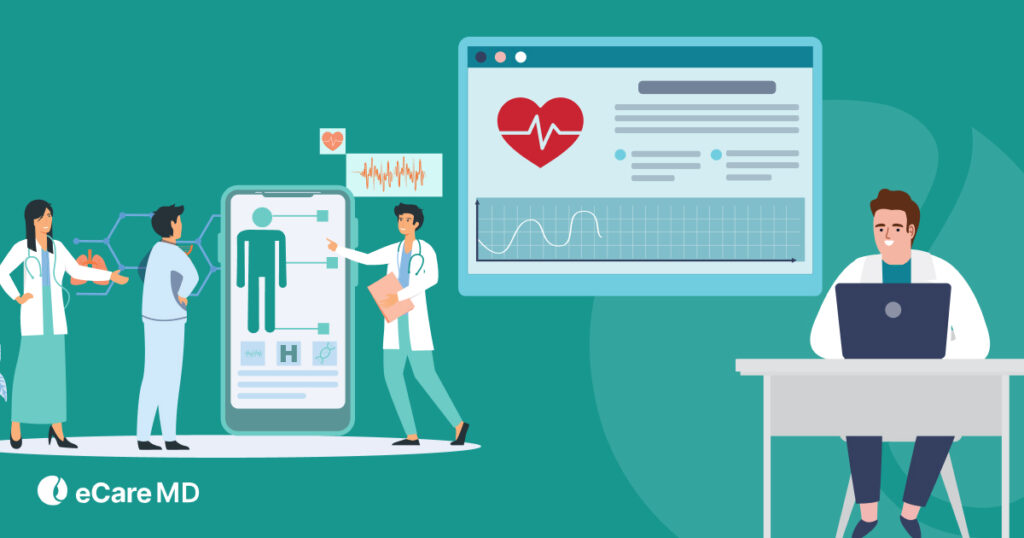
RPM allows providers to monitor and manage larger patient groups more effectively, especially those with chronic conditions. This makes it easier to identify risks early and intervene at the right time.
3. Aligns with value-based care goals:
The focus of value-based care is simple—better outcomes at lower costs. RPM fits naturally into this model by enabling proactive care instead of reactive treatment.
Enabling Readmission Reduction with Structured Workflows
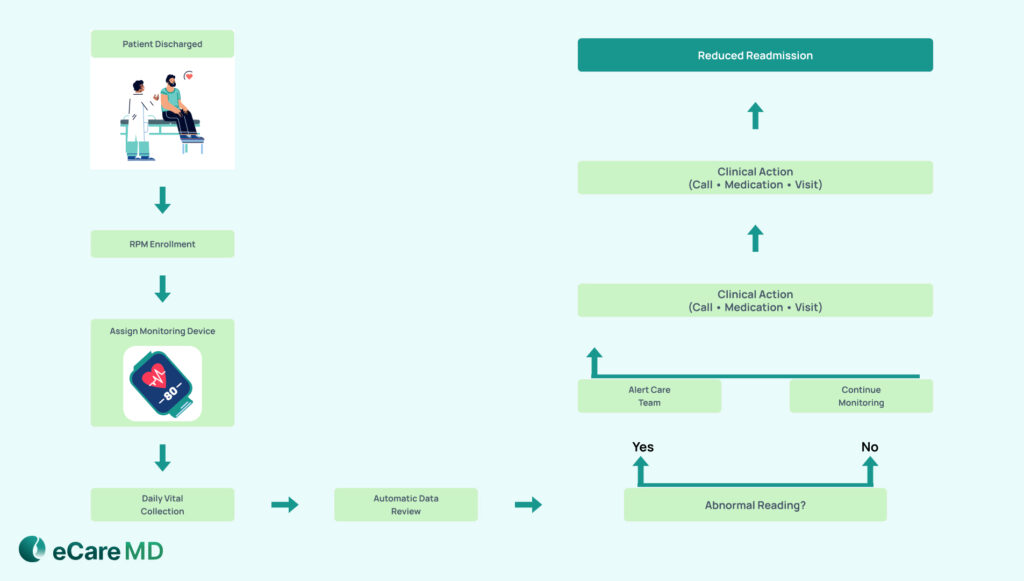
Until here, you might have understood that reducing readmissions is all about how well the entire process is structured behind it. If you don’t have a clear workflow, even the best monitoring can fall short. That’s why it is necessary to focus more on building consistency.
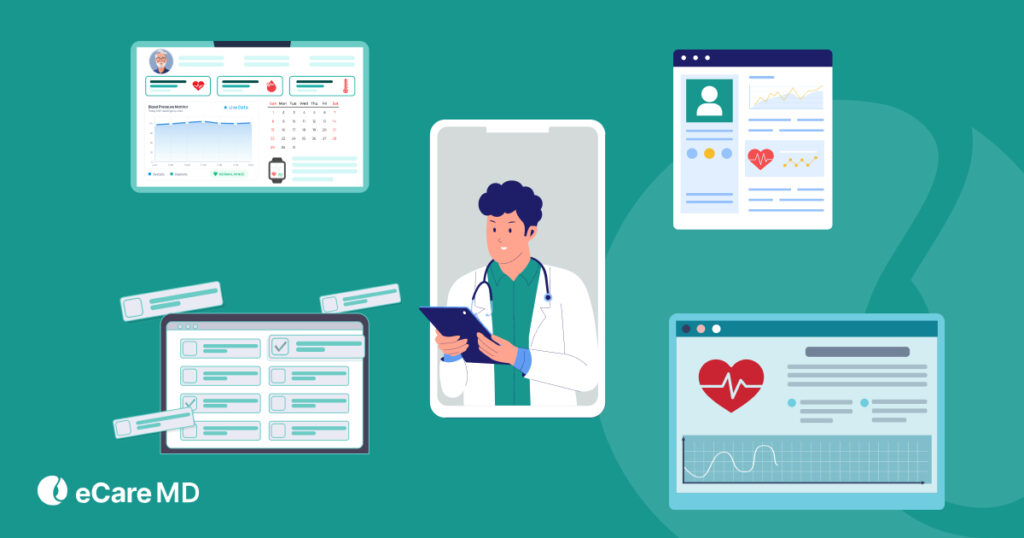
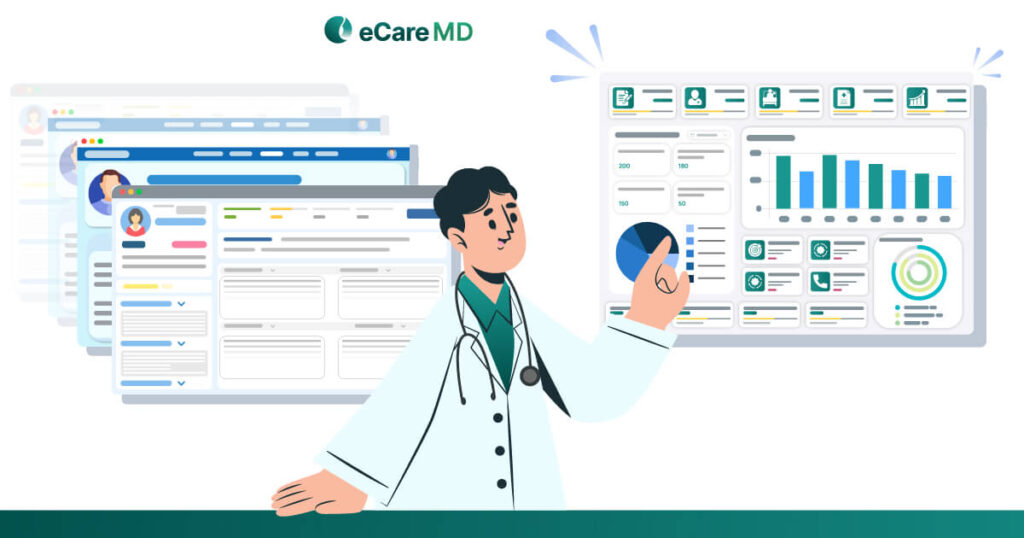
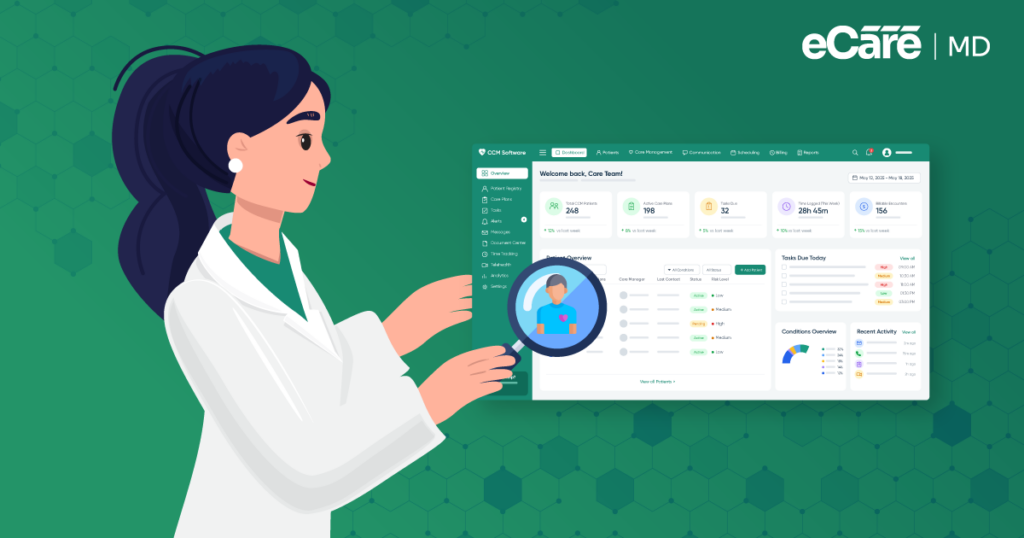
Structured workflows help to ensure that monitoring doesn’t happen in silos. With standardized monitoring and follow-up processes, you can track patients regularly, and care teams cannot miss any critical steps.
At the same time, with real-time alerts, you can ensure that any abnormal patterns can be detected quickly, enabling you to act before complications. This combination of consistency and quick response helps you to keep patients’ recovery on track.
Conclusion: From Reactive Care to Prevention
Hospital readmissions often happen when care becomes reactive—when action is taken only after a patient’s condition worsens. RPM shifts this approach by enabling continuous monitoring and early intervention, helping providers stay ahead of potential complications.
By preventing issues before they escalate, RPM not only improves patient outcomes but also enhances operational efficiency. Fewer readmissions mean better use of resources, improved quality performance, and more consistent care delivery.
Strengthen your RPM program to reduce readmissions and improve patient outcomes.
Click here to learn more.
Frequently Asked Question’s
RPM reduces readmissions by enabling continuous monitoring after discharge. It helps providers detect early warning signs, intervene quickly, and manage patient conditions before they worsen. This proactive approach prevents avoidable complications that often lead to hospital returns.
Effective strategies include identifying high-risk patients before discharge, ensuring proper onboarding, monitoring patients closely during the first 30 days, and responding quickly to abnormal readings. A structured workflow helps maintain consistency and improves outcomes.
Clinical studies show that RPM supports better management of chronic conditions like heart failure, COPD, and diabetes. Continuous monitoring improves early detection, patient engagement, and adherence, all of which contribute to fewer readmissions and better outcomes.
Patients with chronic conditions, multiple comorbidities, or a history of frequent hospitalizations benefit the most. High-risk patients who require close follow-up after discharge see the greatest improvement with RPM.
RPM keeps patients engaged through regular tracking, reminders, and ongoing connection with care teams. When patients know they are being monitored, they are more likely to follow care plans and report symptoms early.
RPM supports value-based care by improving outcomes while reducing costs. It helps lower readmissions, improve quality scores, and enables providers to deliver more proactive, patient-centered care.
Yes, RPM is especially effective for chronic disease patients. By continuously tracking health data and enabling early intervention, it helps manage conditions better and reduces the likelihood of hospital readmissions.






![The Future of Remote Patient Monitoring: CMS Innovations & Emerging Trends [2026]](/wp-content/uploads/2024/07/Blog-36-The-Future-of-Remote-Patient-Monitoring_-Trends-AI-Innovation-CMS-Updates-for-2026-1024x538.png)