Last Updated: June 19, 2026
Remote Patient Monitoring (RPM) is transforming from a niche care model to a key chronic care management and reimbursement driver.
This highlights that RPM is not just growing, it’s actually exploding. However, as adoption rises, so does scrutiny.
CMS is no longer just encouraging; it is now actively monitoring how providers like you are implementing, documenting, and billing for it.
And, this is where many practices start to feel the pressure. When it comes to CMS remote patient monitoring regulations, even one small gap can create major issues like claim denials, payment demands, and even suspension from the program altogether.
What you think of as minor things can quickly snowball into compliance risks. This can further affect your revenue and operations.
If you think RPM is just about monitoring patients remotely, then you are getting it wrong. It’s actually governed by strict rules related to eligibility, devices, data collection, communication, and documentation.
Let this blog be your compliance guide for Medicare remote patient monitoring.
This will help you to stay on the right side of regulations, keeping your RPM program sustainable and audit-ready.
What Qualifies as CMS-Compliant RPM Services
The first thing you need to understand before jumping into workflows or billing is to draw a clear line in the sand. Many providers do not understand that not everything that is labeled as “remote monitoring” actually qualifies under CMS remote patient monitoring regulations.
CMS recognizes it as a Medical service, and not a general wellness tool. Only specific monitoring types and how that data is captured determine whether your program is compliant or not.
CMS-approved RPM services prioritize physiological data monitoring like blood pressure, pulse rate, weight, etc. In simple terms, data that highlights your patient’s clinical condition and actually supports clinical decision-making.
Equally important is how you actually do data collection. There are a few CMS remote patient monitoring guidelines that highlight how data must be collected.
Let’s explore these CMS remote patient monitoring guidelines:
- You should record and transmit data automatically by using a medical device.
- The data you collect should be reliable enough to inform treatment decisions.
For example, if your patient has self-reported data, like manually entering their vitals into an app, they are not qualified. At first, it seems like a small detail, but in compliance terms, it’s a dealbreaker.
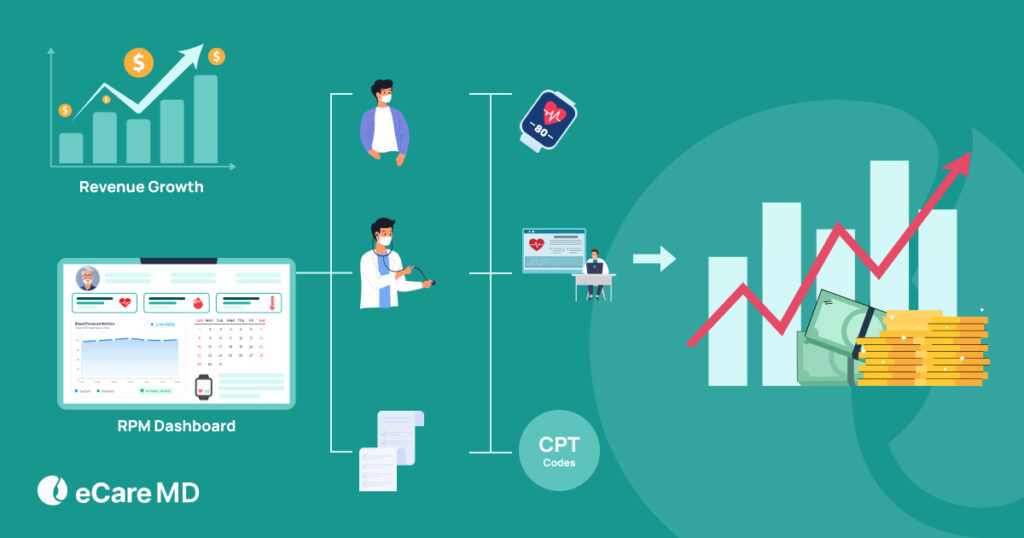
Furthermore, to define what’s billable, CMS also categorizes RPM services into CPT code groups:
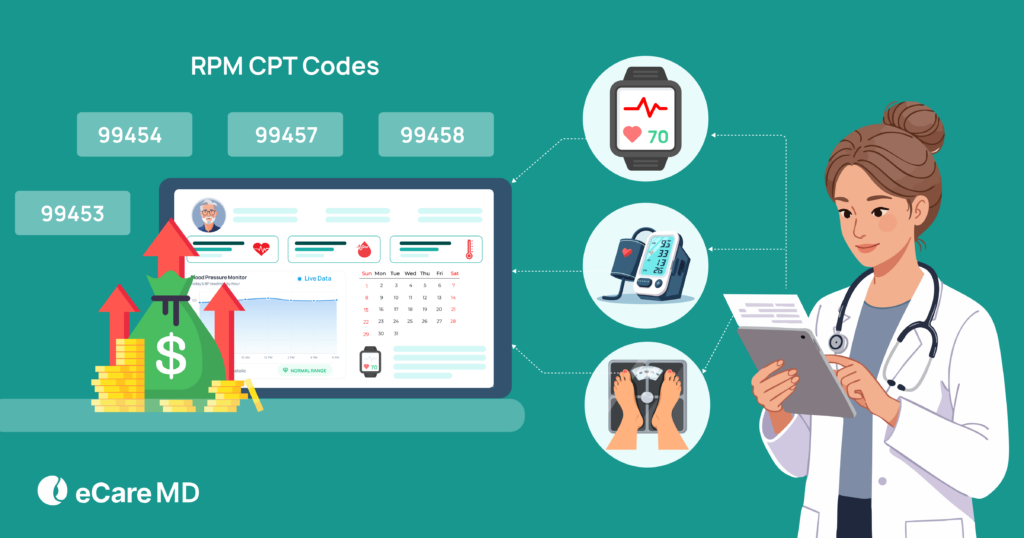
- 99453 – Device setup and patient education
- 99454 – Device supply with daily recordings/transmissions
- 99457 – Treatment management services (first 20 minutes)
- 99458 – Additional time for treatment management
These codes not only guide reimbursement, but also highlight what CMS expects from a compliant RPM program. This involves a structured setup, continuous data flow, and ongoing clinical engagement.
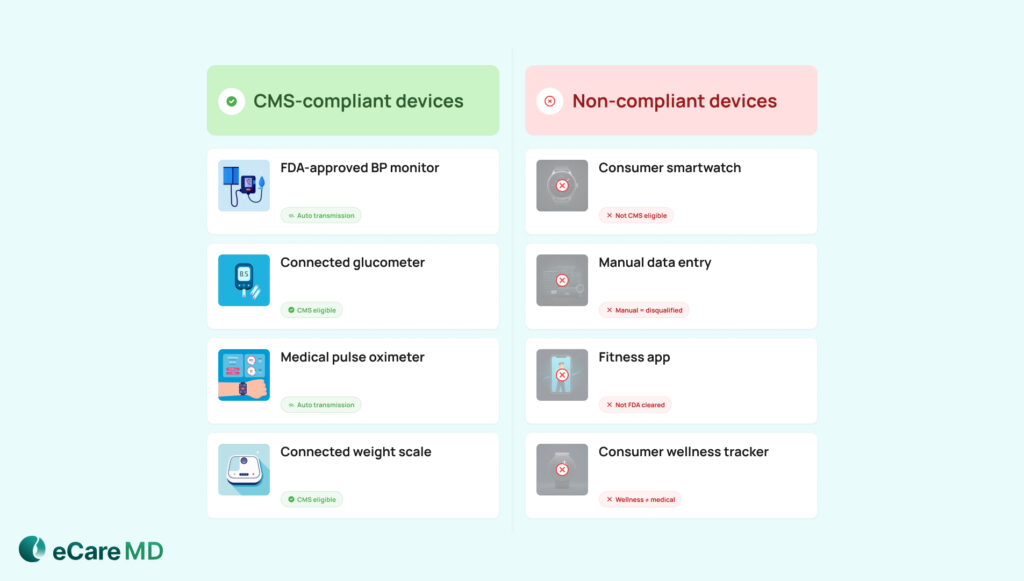
However, not everything that tracks health data qualifies under CMS remote patient monitoring regulations. Even though consumer wearables, wellness apps, and non-FDA devices are useful, they don’t meet remote patient monitoring regulatory requirements.
The key to remember is clinical-grade. If the devices you are using are not clinical-grade, they don’t count.
Let’s explore some key essentials that come down to compliant RPM:
- FDA-defined medical devices
- Objective physiological data
- Automated transmission
- Clinical use of data
- Proper documentation
If you miss any of these, you can face high compliance risk.
Free Checklist for all CMS Approved Remote Patient Monitoring Services
Download nowPatient Eligibility and Enrollment Overview
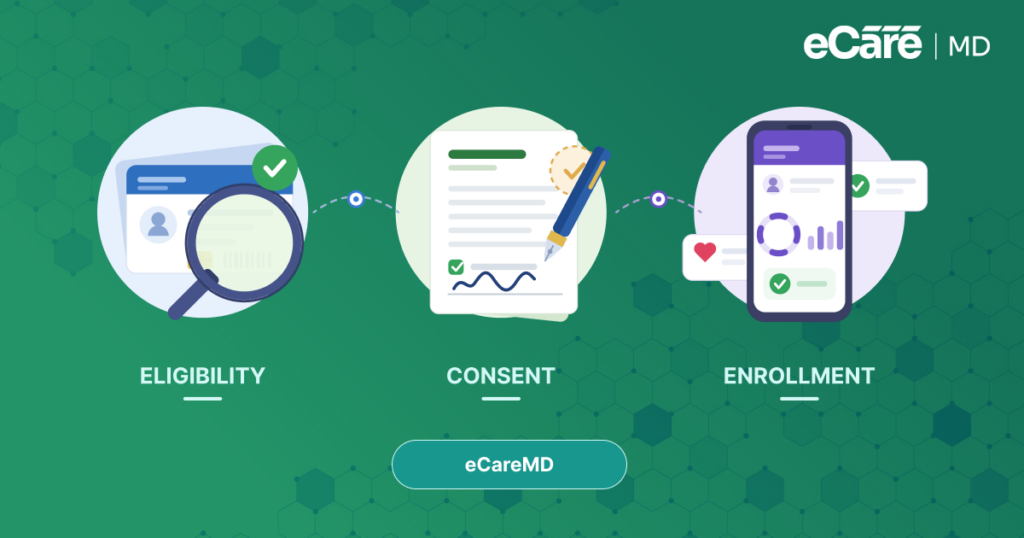
Under CMS remote patient monitoring regulations, patient eligibility is not just limited to identifying conditions. Now, patient eligibility is all about ensuring your service is appropriate, necessary, and properly initiated.
Let’s explore some of the key elements that define compliant enrollment:
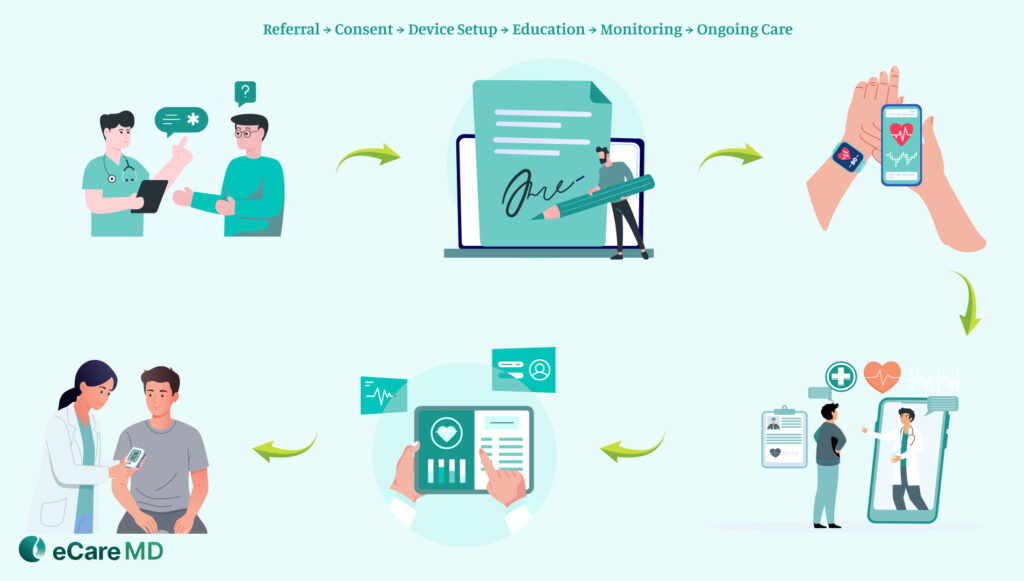
1. Eligible Conditions:
RPM can be used for treating both chronic and acute conditions, as it supports ongoing treatment and clinical decision-making. Now, it’s not limited to long-term disease anymore, but it should still serve a clear medical purpose.
2. Medical Necessity & Established Relationship:
One of the key requirements that CMS wants is that your RPM services should be medically necessary and tied to your patient’s care plan. An established patient-provider relationship helps you to ensure that you are collecting meaningful and actionable data.
3. Patient Consent:
Equally important is patient consent, which is one of the key steps in the enrollment process. You cannot bill for RPM services if you don’t have documented consent from your patient. No matter if your consent is verbal or written, it must be clearly recorded before services begin under CMS remote patient monitoring guidelines.
4. Patient Education:
The next requirement is educating your patients on device usage, data collection, and what’s actually expected from them. Poor understanding can cause poor adherence, which can further affect both outcomes and compliance.
5. Documentation:
You should document every step from consent to device setup. This helps you to ensure that your program meets remote patient monitoring regulatory requirements and can face audits clearly if needed.
Technology and Device Requirements for CMS Compliance
The first thing you should understand before starting your program is technology. The technology you choose decides the future of your program; either it can keep your program compliant or quietly push it off track.
As we discussed earlier, not all devices are created for the purpose. If you use the wrong device, it can break your compliance before you even start.
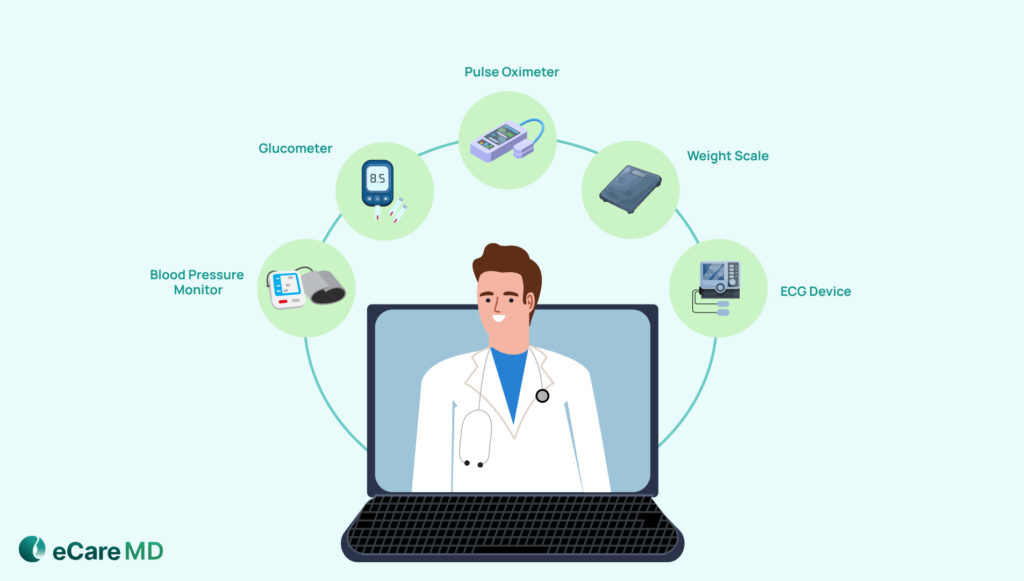
Let’s explore each technology and device requirements one by one:
1. FDA-Defined Medical Devices:
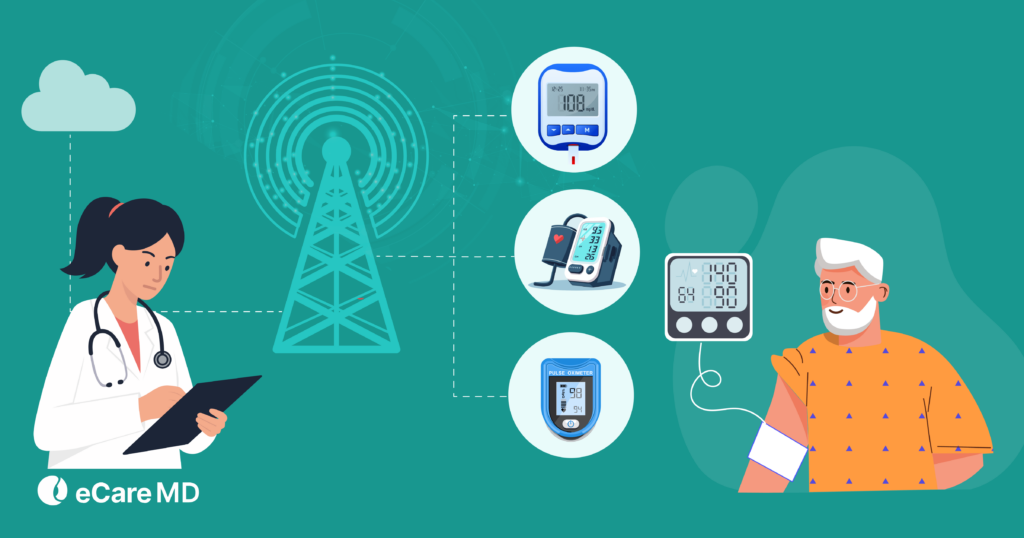
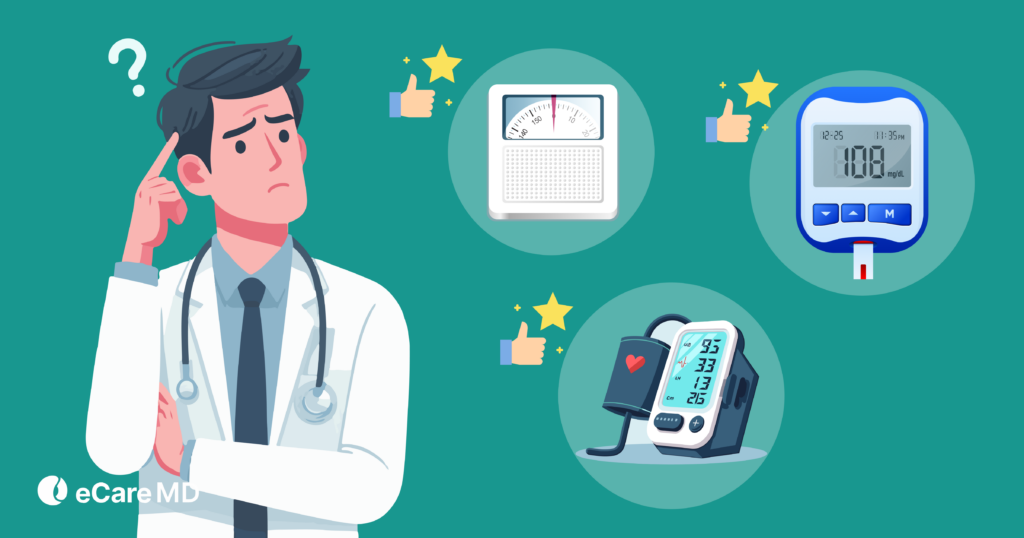
Under CMS remote patient monitoring regulations, your RPM data comes only from devices that meet the FDA’s definition of a medical device. These devices include blood pressure monitors, glucometers, pulse oximeters, etc. All these devices are specifically designed for clinical use, rather than tracking wellness generally.
2. Automatic Data Transmission:
The next important rule is that your data must be collected and transmitted automatically. Readings manually taken by your patients don’t qualify under CMS remote patient monitoring regulations, as they cause inconsistency and reduce reliability.
3. Device Reliability:
You must collect accurate and consistent data. CMS expects that devices should deliver dependable readings so that you can use them confidently for further treatment decisions.
4. Connectivity:
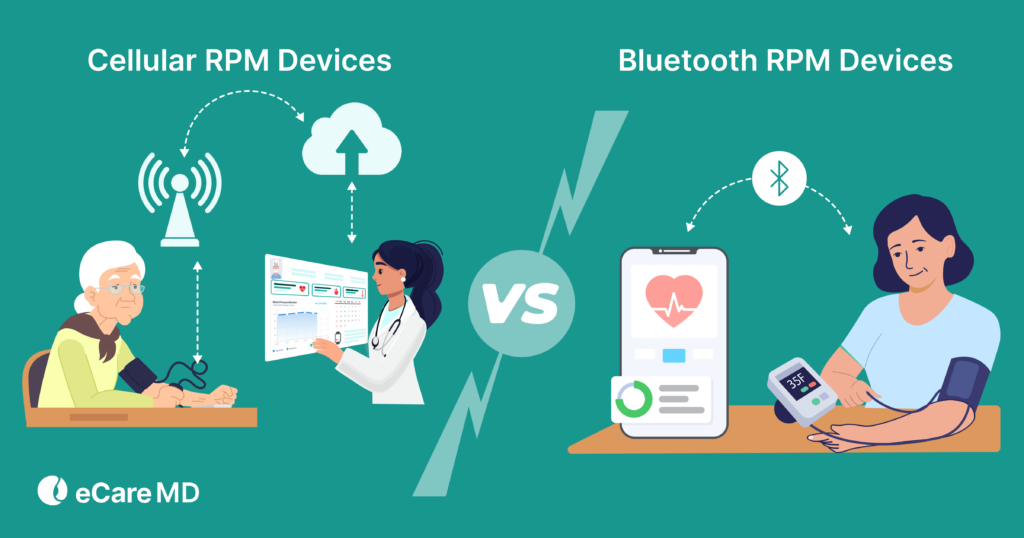
The key to a successful RPM program is reliable data flow. Unlike Bluetooth or apps, built-in cellular connectivity devices perform better by reducing dependency on patient-side setup. If you have fewer technical barriers, it means that you will also have fewer data gaps and compliance risks.
5. Data Security:
Data security is a central part of compliance. Your RPM program must ensure that your patient data is protected in accordance with healthcare privacy standards like HIPAA. This approach makes security a foundation and not just optional.
EHR Integration and Interoperability in RPM Compliance
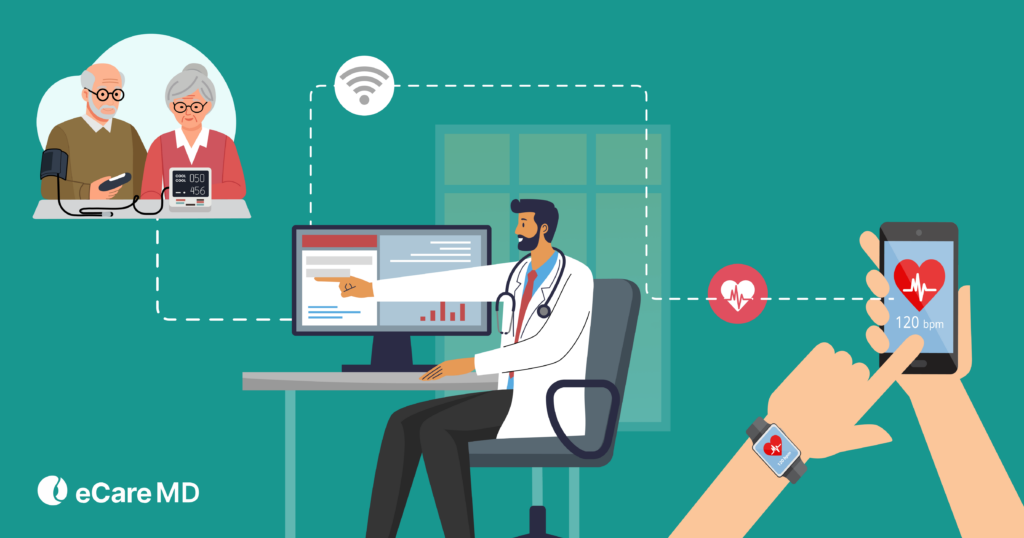
As RPM continues to grow, compliance goes beyond devices and data; it’s now about how data actually moves. CMS expects that your patient information will be connected, accessible, and clinically usable within existing systems.
1. Integrated Patient Data:
RPM data should never live in a separate silo. Whenever your patient data flows directly into the EHR, it becomes part of the clinical record. This makes it easier to track, document, and justify care decisions.
2. Interoperability Standards:
Seamless data exchange relies heavily on frameworks like HL7 and FHIR. These frameworks ensure that your RPM platform can talk to EHR systems by supporting seamless workflow and aligning with CMS remote patient monitoring guidelines.
3. Real-Time Data Flow:
To follow timeliness, your data should move from the device to your RPM platforms and then into the EHR without delays. You can act quickly and maintain accurate records through real-time or near real-time access.
4. Fragmentation Risks:
If your system doesn’t integrate, you can face challenges like missing data, incomplete documentation, and reporting gaps. Your fragmented reports can swiftly turn into major compliance issues in a CMS audit.
5. Compliance Tracking & Reporting:
Interoperability is not just a technical factor; it’s a strategic one. If you have integrated systems, it is easier for you to track your patient activity, monitor service delivery, and generate accurate reports that meet remote patient monitoring regulatory requirements.
Compliance Requirements for Coding, Communication, & Monitoring
Here are some of the most preferred strategies for successful RPM billing and reimbursement set by CMS for the RPM program:
- Accurate Coding Practices: The CMS requires you to use the right CPT codes for the services provider under the RPM program. Since proper documentation is necessary for every code, incorrect coding can lead to reimbursement claim denials.
- Documentation for Billing Claims: To support RPM claims that you are submitting to CMS, you need to document every service you provide to your patients. For example, detailed documentation of 20 minutes of care planning is required when using CPT Code 99457.
For detailed information about the RPM billing codes and guidelines, here is the link to the official website.
CMS remote patient monitoring regulations also include specific service requirements that you must follow for compliance. One key rule is the 16-day data collection requirement, in which your patient data must be recorded for at least 16 days within a 30-day period.
Along with this, CMS remote patient monitoring guidelines require at least one real-time interaction with your patient each month. This ensures active patient engagement.
Moving forward, Medicare remote patient monitoring compliance also enables your clinical staff to support RPM services under general supervision, while you remain responsible for patient care.
Failing to meet all these regulatory requirements, like missing data, communication, or proper coding, can result in claim denials and compliance risk under CMS rules.
CMS Audit Readiness and Compliance Risk Management
Audits become one of the parts of the RPM process. Under CMS remote patient monitoring regulations, it means that you should prove that everything was done accurately.
Even so, most audits fail to prove it, and the reason behind it is not big mistakes but actually small gaps. These small gaps involve missing consent, untracked time, incomplete device data, or no record of patient communication. At first, it seems like they care about minor things, but at the time of an audit, these small gaps can actually lead to denied payments or repayment requests.
As we discussed above, documentation is the backbone of compliance. You should maintain clear records of your patient consent, time spent on services, device data, and all other interactions. If something from this is not documented, it will not count.
This is the reason why the audit trail matters the most. If you have organized and consistent records, it will be much easier for you to show that your program actually meets CMS remote patient monitoring guidelines.
Furthermore, by using automated systems, you can also reduce risk. They can automatically track time, store data, and record interactions. This makes it easier for you to stay compliant without adding extra effort.
Conclusion
Compliance isn’t something you set up once and forget; it’s continuous. As CMS remote patient monitoring regulations evolve, providers need to stay aligned with changing rules, documentation standards, and workflow expectations to avoid risk and protect reimbursement.
This is where automation starts to pull its weight. By streamlining documentation, tracking time accurately, and supporting billing, it reduces manual errors and helps maintain Medicare remote patient monitoring compliance without slowing teams down.
Solutions like eCareMD are built to support this shift, offering audit-ready documentation, automated compliance workflows, and CMS-aligned time tracking, all designed to make compliance part of your everyday process, not an added burden.
In the end, a compliance-first approach isn’t just about avoiding audits; it’s about building an RPM program that’s stable, scalable, and ready for what’s next.
Click here to book your compliance assessment.
Frequently Asked Question’s
To start an RPM program under CMS remote patient monitoring regulations, providers must use FDA-defined medical devices that collect and transmit physiological data. The service must be medically necessary and tied to a patient’s care plan. Proper patient consent, documentation, and clinical oversight are also required to ensure compliance from the beginning.
Yes. CMS generally expects an established patient-provider relationship before initiating RPM services. This ensures that the provider has enough clinical context to interpret and act on the patient’s data.
The 16-day rule applies to device data collection under CPT 99454. To bill for this code, the device must record and transmit data for at least 16 days within a 30-day period. Falling short of this threshold can result in denied claims.
An FDA-defined medical device is one that meets the definition under the Federal Food, Drug, and Cosmetic Act. For RPM, this typically includes devices like blood pressure monitors, glucometers, and pulse oximeters that can automatically collect and transmit data.
Providers must document patient consent, device setup, data readings, and all clinical interactions. Time spent on patient management must also be recorded accurately. Strong documentation is essential to meet remote patient monitoring regulatory requirements and pass audits.
Common issues include using non-compliant devices, relying on self-reported data, insufficient documentation, failing to meet the 16-day rule, and not providing enough interactive communication. These gaps often lead to claim denials or audit risks.
Consent is required, but it does not have to be written. Verbal consent is acceptable as long as it is properly documented in the patient’s medical record before services begin.
EHR integration helps streamline documentation, track patient data, and maintain accurate records. While not explicitly mandated, it plays a crucial role in ensuring compliance and audit readiness.
Common issues include using non-compliant devices, relying on self-reported data, insufficient documentation, failing to meet the 16-day rule, and not providing enough interactive communication. These gaps often lead to claim denials or audit risks.








![The Future of Remote Patient Monitoring: CMS Innovations & Emerging Trends [2026]](/wp-content/uploads/2024/07/Blog-36-The-Future-of-Remote-Patient-Monitoring_-Trends-AI-Innovation-CMS-Updates-for-2026-1024x538.png)