Last Updated: June 25, 2026
At least 50% of patients don’t take their medications as prescribed, and nearly 30% never even start their treatment.
This adherence gap affects individual health while driving poor outcomes and increasing healthcare costs.
It continues in digital care also. When it comes to patient engagement, many providers often struggle to stay consistent. Devices get ignored, readings become irregular, and over time, engagement starts to fade.
It feels like a tough pill to swallow, especially when the system itself isn’t the problem.
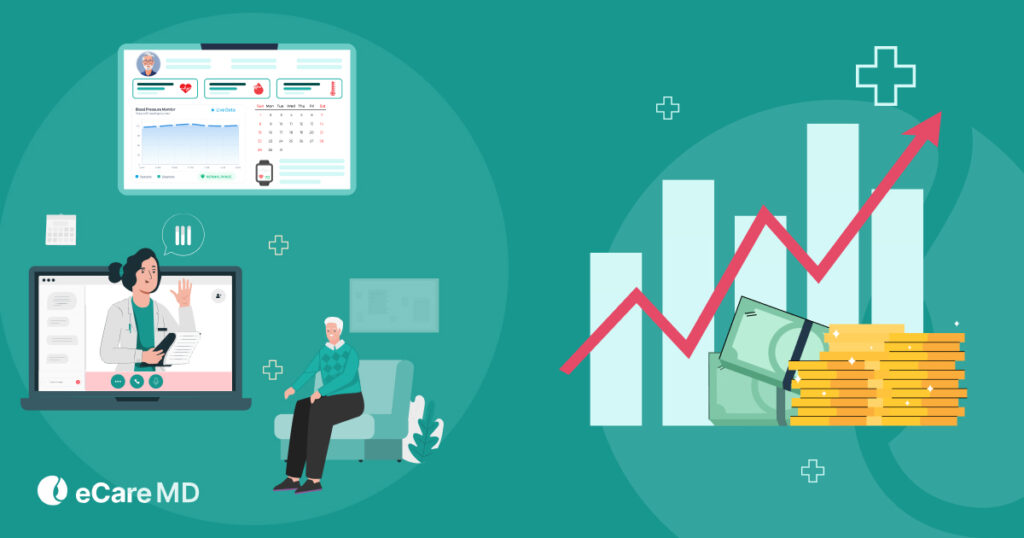
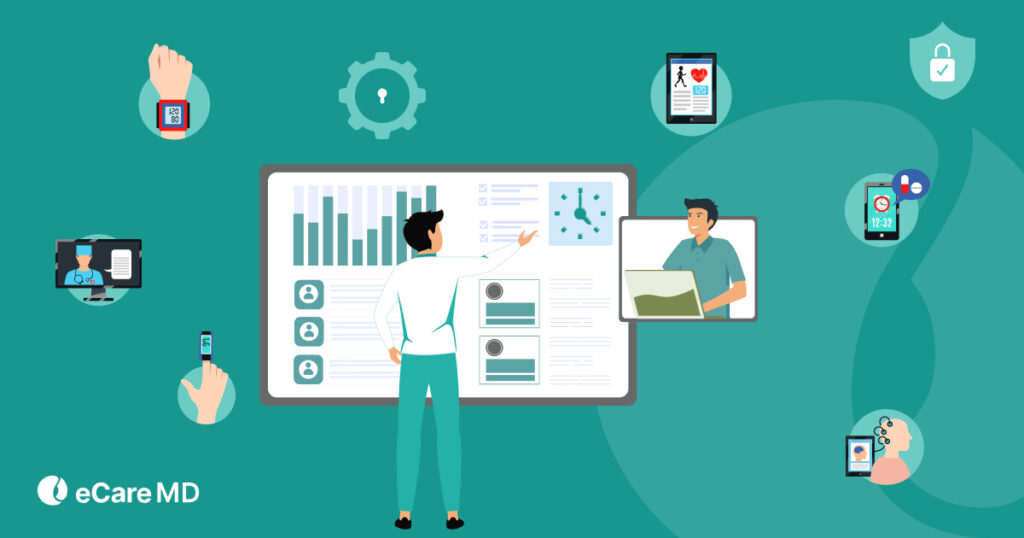
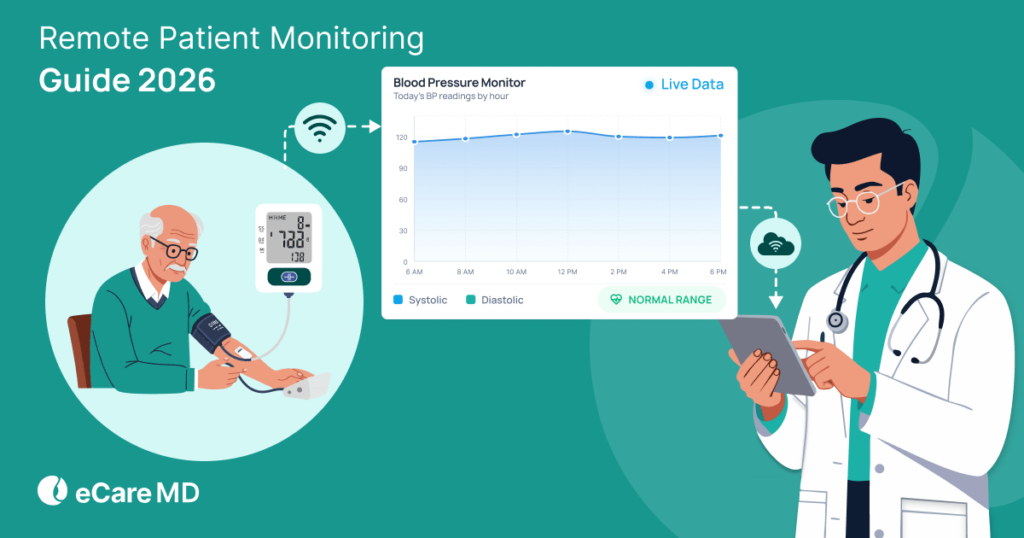
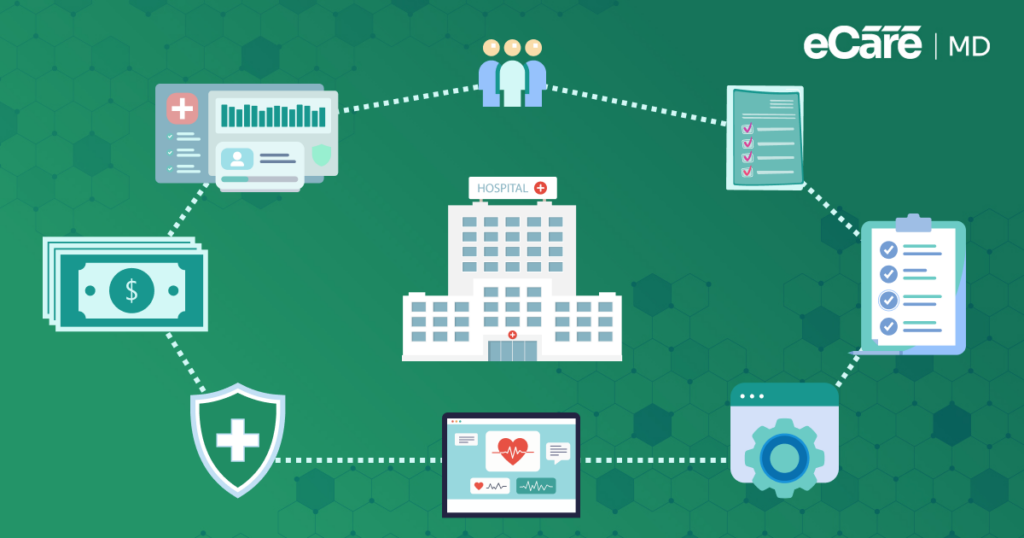
The adoption rate of RPM increases rapidly in modern healthcare, and its success relies on one key factor: patient engagement in RPM. When RPM patient adherence drops, it affects outcomes, revenue, and program performance.
That’s why the shift from passive monitoring to active patient participation is becoming more important. Patients who are more involved, informed, and motivated tend to stay more consistent, helping reduce drop-offs over time.
To reduce patient drop-off, your patient should be more involved, informed, and motivated in their overall care journey.
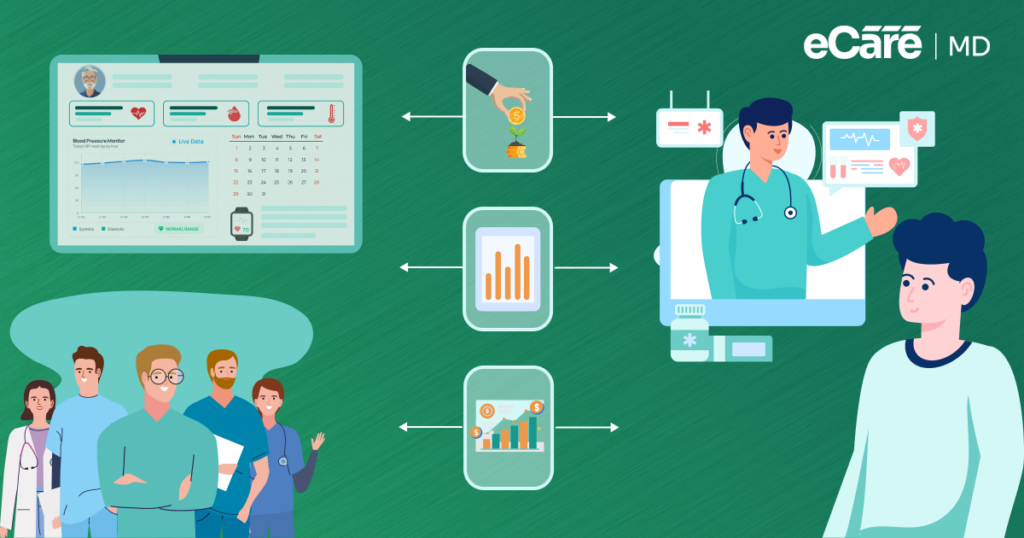
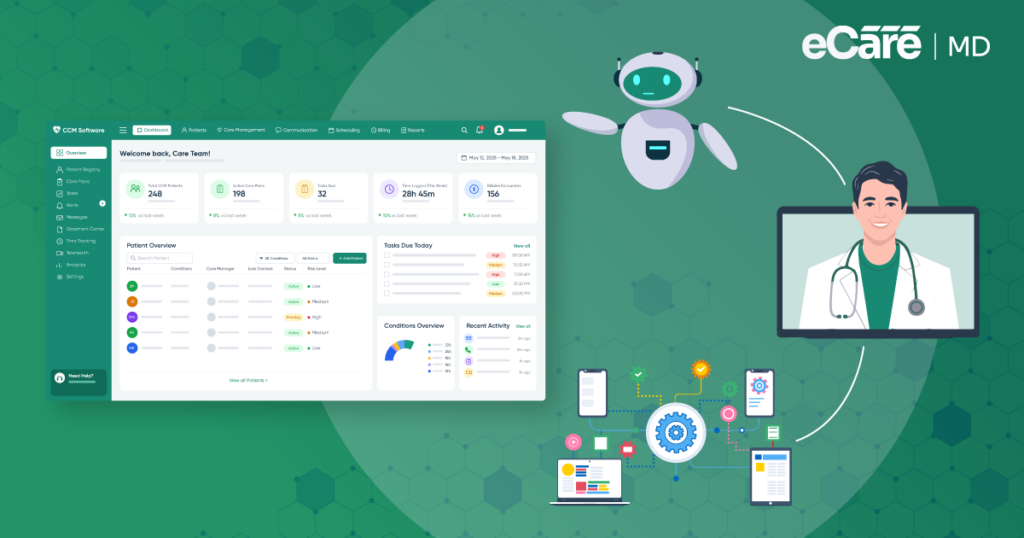
However, with AI-driven platforms like eCareMD, you can see a big difference. They help you to understand how to increase patient engagement remote monitoring by simplifying communication and personalizing care.
Let this blog be your guide to understanding how to improve patient engagement in RPM.
What Is Patient Engagement in Remote Patient Monitoring?
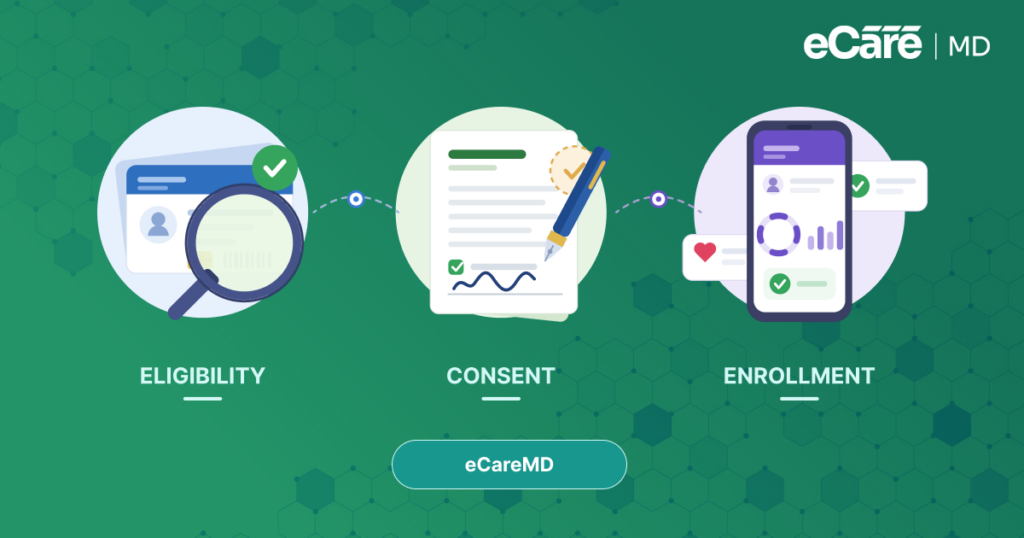
Getting patients enrolled is just the first step of engagement; what really keeps the program moving is how consistently they stay involved afterward. Simply put, patient engagement in RPM shows you how actively and consistently your patients stay involved after their enrollment.
Many times, you enroll a patient, provide the device, and still, the patient does not fully participate. This is the key reason why well-settled programs fail. Here, you need to understand that engagement is not just one thing; it’s actually a mix of behaviors that work together:
- RPM patient adherence – are patients taking readings on time and following the care plan?
- Participation – are they involved in their care, or just listed in the system?
- Responsiveness – do they respond to reminders, alerts, or care team communication?
- Consistency – are they staying engaged over weeks and months, not just at the start.
When you arrange all these pieces together, remote patient monitoring program engagement becomes much stronger and more predictable. Patients who stay involved in their overall journey are more likely to manage their conditions in a better way, especially in remote patient monitoring for chronic care.
Additionally, regular participation supports proper documentation, helps to meet compliance requirements, and ensures you can capture the full value of your efforts. Without this, even the best RPM program can can fail to deliver results.
RPM Patient Onboarding: Building a Strong Foundation for Engagement
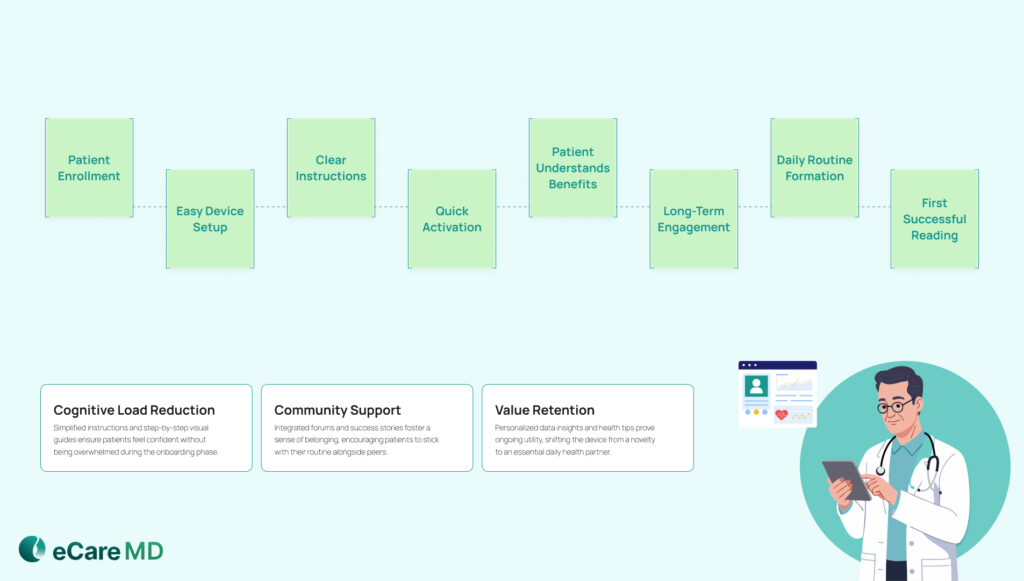
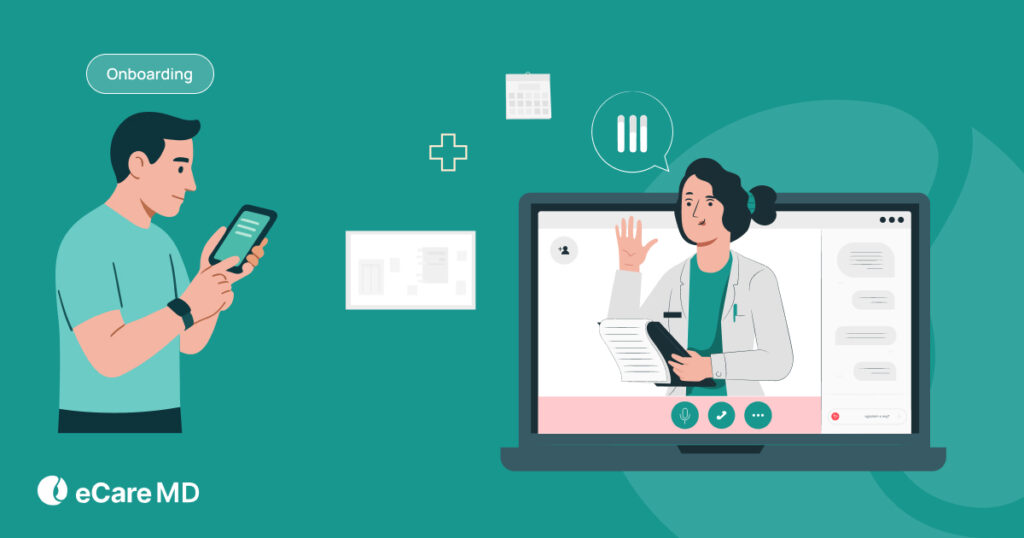
Just like the importance of a few steps, the first 48 hours in RPM can make or break your patient’s engagement. This is the key phase where your patients can either get comfortable or start to lose interest.
If your patients feel setup as confusing or time-consuming, they can drop off early, and this is the reason why reducing friction during onboarding is necessary. Simple device setup, clear instructions, and quick activation are the must-have steps to enhance your patient engagement in RPM.
However, ease of use is really not enough; your patients also need to understand why they’re doing all this. This is where “What’s in it for me? (WIIFM)” becomes critical. Your patients are more likely to stay engaged when they start to know how RPM helps them to manage their condition, avoid complications, or reduce clinic visits.
Furthermore, a well-structured onboarding process is something that ties all of this together. Rather than a one-time setup, it guides your patients from device activation to establishing a daily routine. This improves RPM patient adherence along with setting the tone for consistent participation over time.
Engaging Elderly and High-Risk Patients in RPM Programs
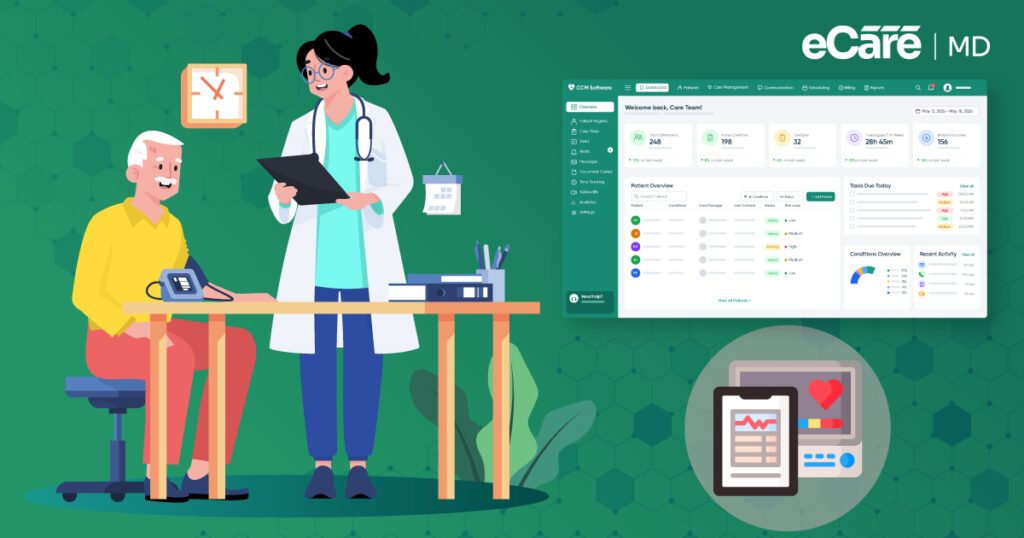
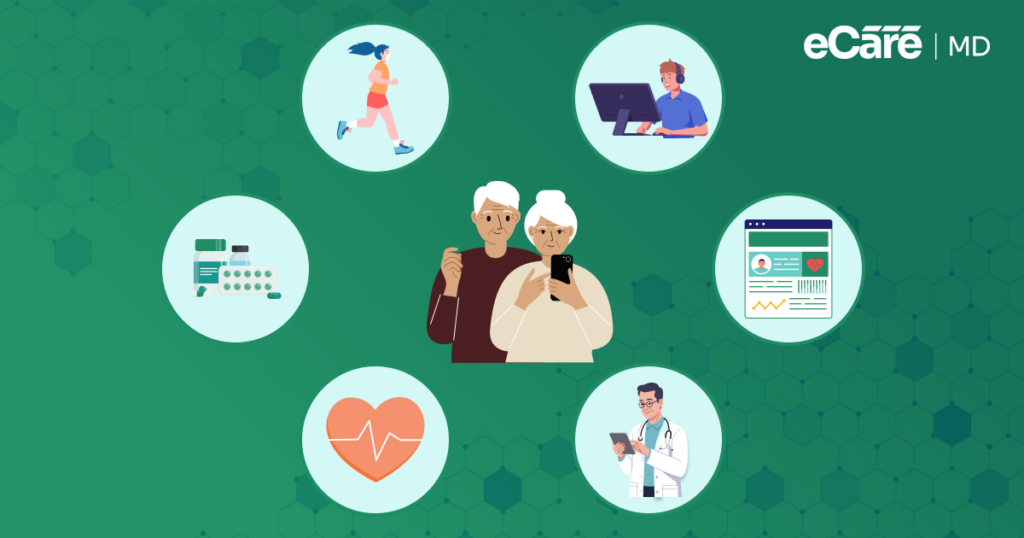
You may already know the fact that elderly and high-risk patients need RPM the most, even though they are also those who can easily lose engagement if you do not handle them carefully.
Well, there are many practical reasons behind it, including limited technical familiarity, physical limitations, or the need to manage multiple conditions at the same time. If your patients start to feel confused or overwhelmed, it can ultimately lead to a decline in RPM patient adherence. And in remote patient monitoring for chronic care, this consistency is critical.
Here, the key is simplicity. If devices are easy to use, instructions are clear, and the overall process is manageable, your patients find it easier to follow.
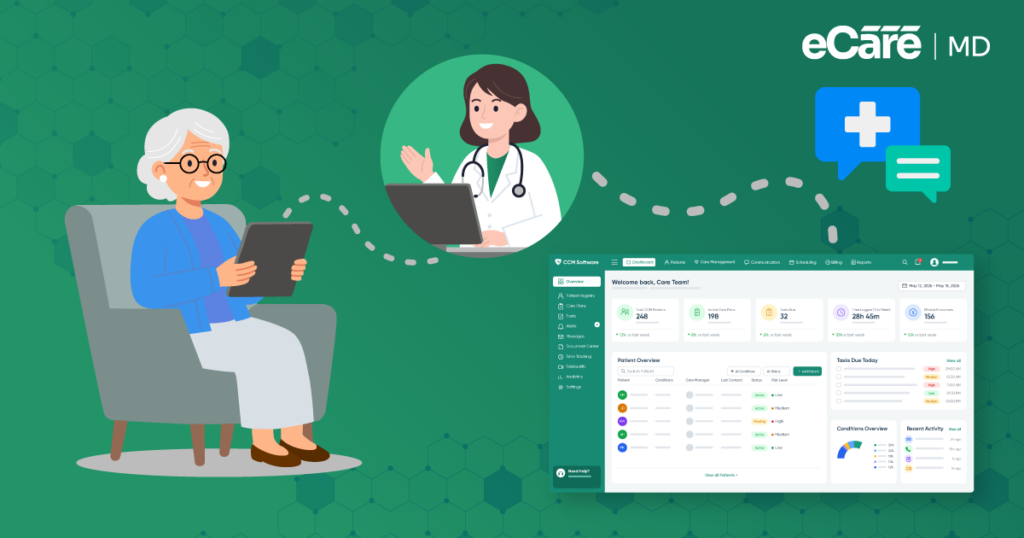
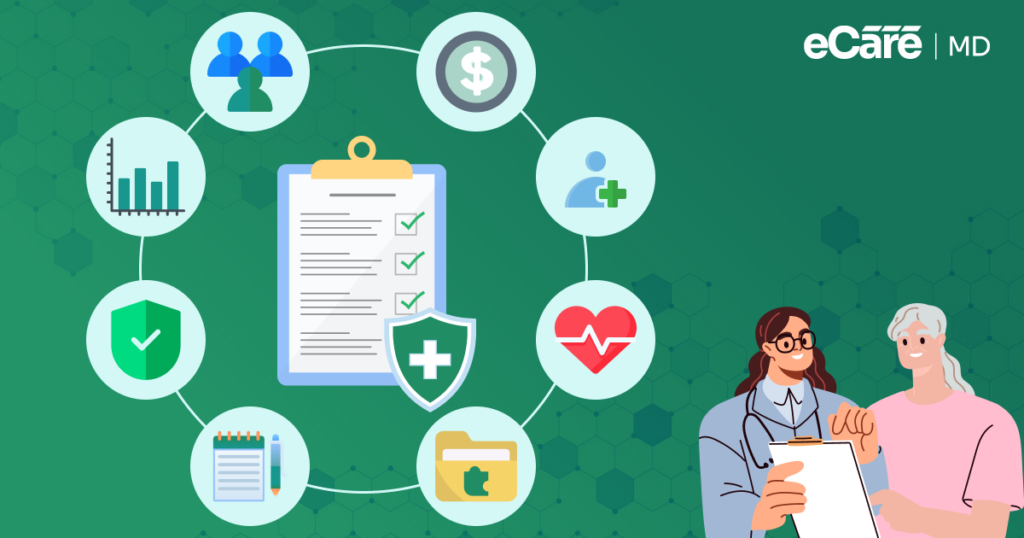
Along with all these, caregivers and family members also play an important role in patient engagement. With their support, your patients can stay consistent with readings, reminders, and communication tracking.
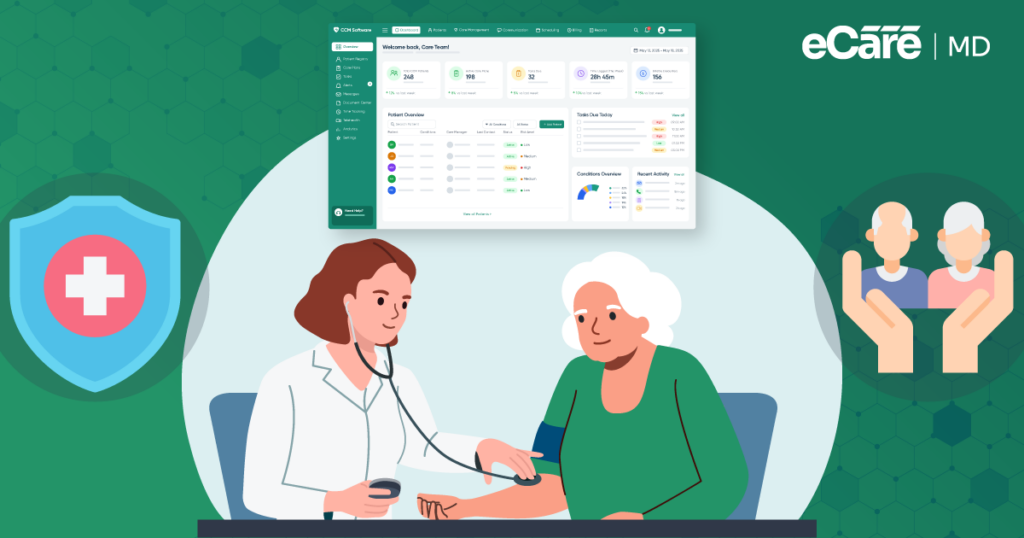
Moving forward, platforms like eCareMD help you to simplify these workflows more seamlessly, while improving accessibility. Lastly, it can strengthen RPM program engagement across these patient groups.
Core Strategies to Improve Patient Engagement in RPM
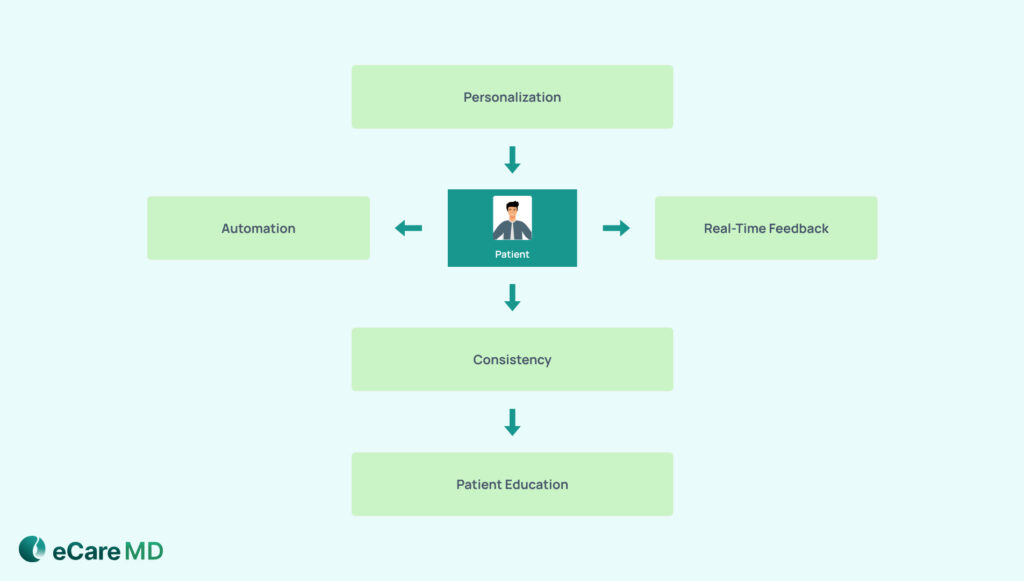
Patient engagement never depends on only one change; it actually relies on getting a few things right continuously. And, when all these key strategies work together, your patient engagement becomes much easier to sustain.
1. Personalization
Well, it starts with personalization. When your patients feel relevant to all communication and care plans, they are more likely to be involved. With customized messages, goals, and follow-up, you can stay connected with your patients, building stronger connections and improving RPM patient adherence over time.
2. Consistency:
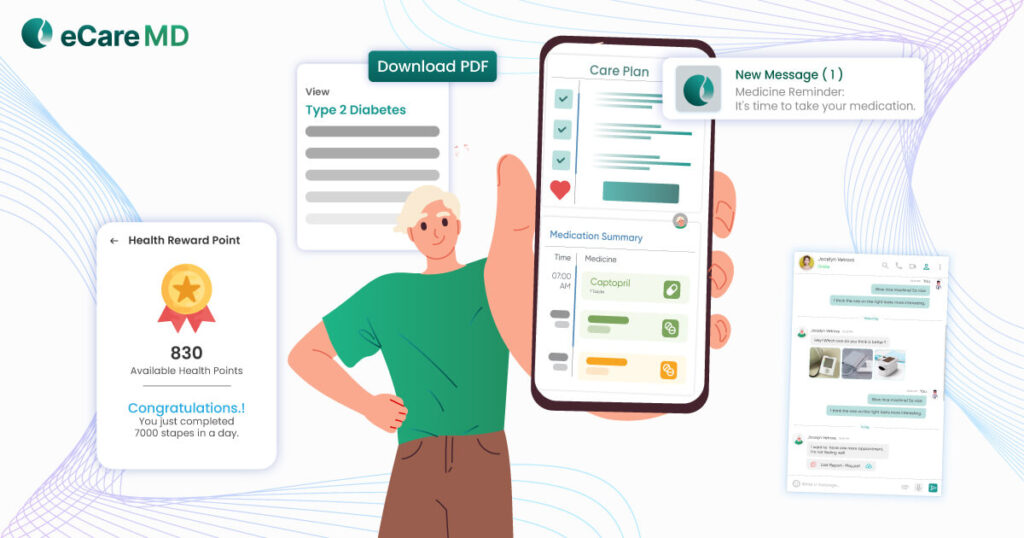
Equally important is consistency, in which AI-driven reminders and behavioral nudges play a key role. For example, by using simple prompts like reminders to take readings or gentle follow-ups, you can keep your patients on track consistently.
3. Real-Time Feedback:
The next key factor is real-time feedback. When your patients see their progress or get instant responses from their care team, they feel like they are not alone in their journey. This ultimately creates a sense of accountability and motivation.
4. Patient Education:
Along with all these, patient education also matters the most. When patients get to know about their conditions, along with how RPM manages them, they get a clear picture of their overall health. This also builds habits around it , and over time, this makes participation feel like their routine.
5. Automation:
Lastly, to tie everything together, one key factor here is automation. Automation manages every task from reading tracking to sending alerts and managing follow-ups seamlessly. Automation also reduces manual efforts and patient drop-off in your RPM programs.
Clinical Impact: How Engagement Reduces Hospital Readmissions
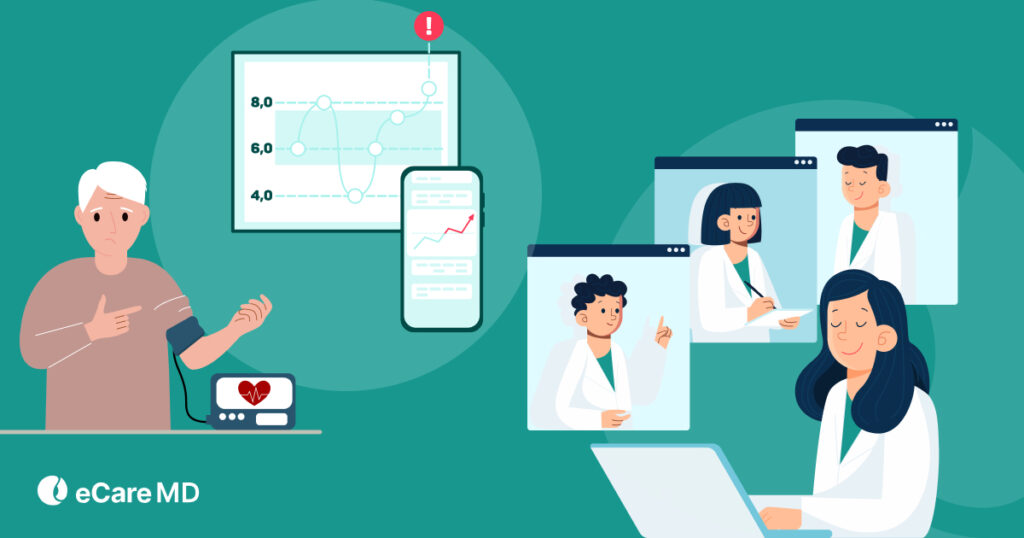
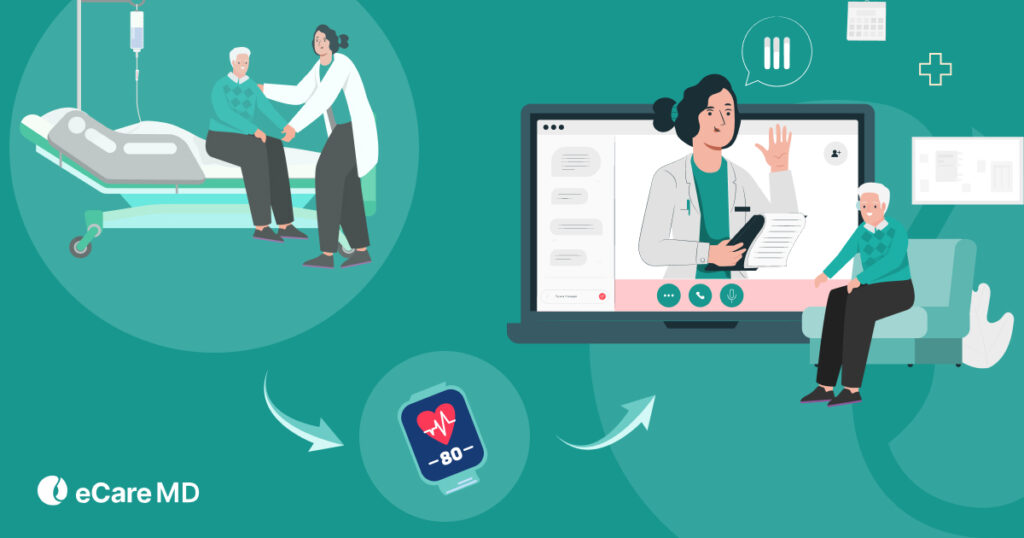
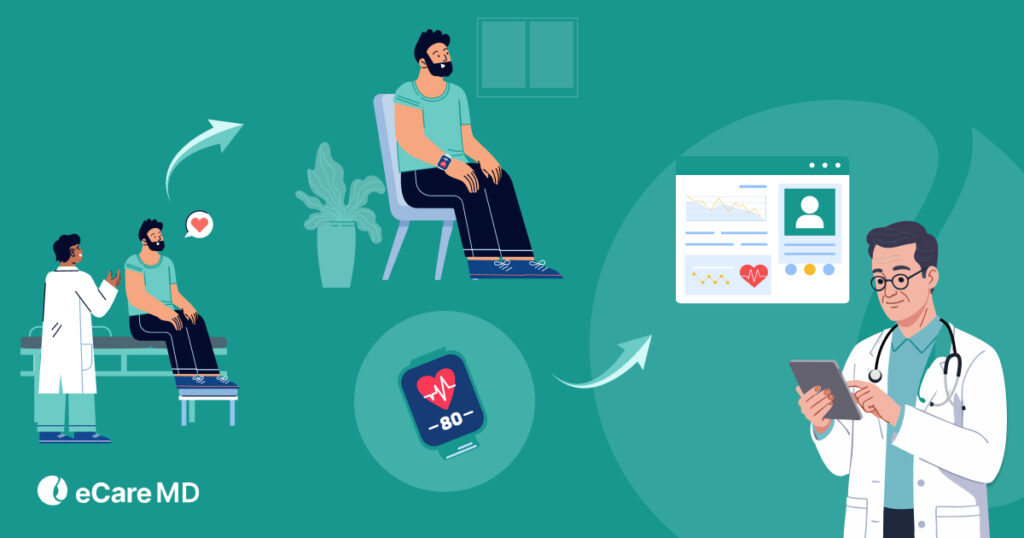
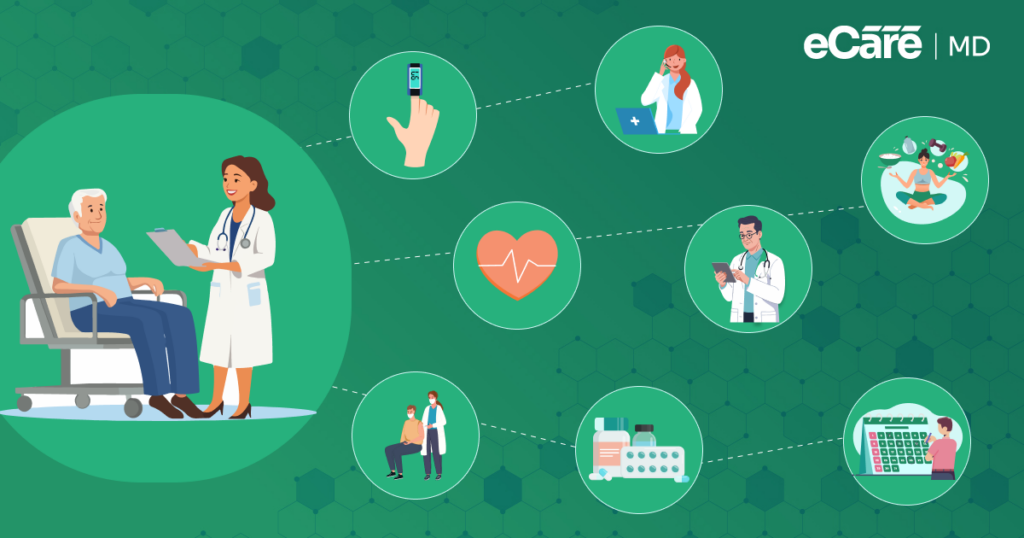
When patients stay engaged, providers can act early, preventing complications instead of responding after they occur. Strong patient engagement in RPM allows you to catch subtle changes in your patients’ health before they turn into major issues. With tracking regular readings, timely responses, and continuous communication, it is easier to make an early intervention.
This proactive approach is especially important in remote patient monitoring for chronic care, where small changes can quickly become complications. With consistent monitoring and active participation, you can adjust medication plans, reach out at the right time, and prevent conditions from worsening.
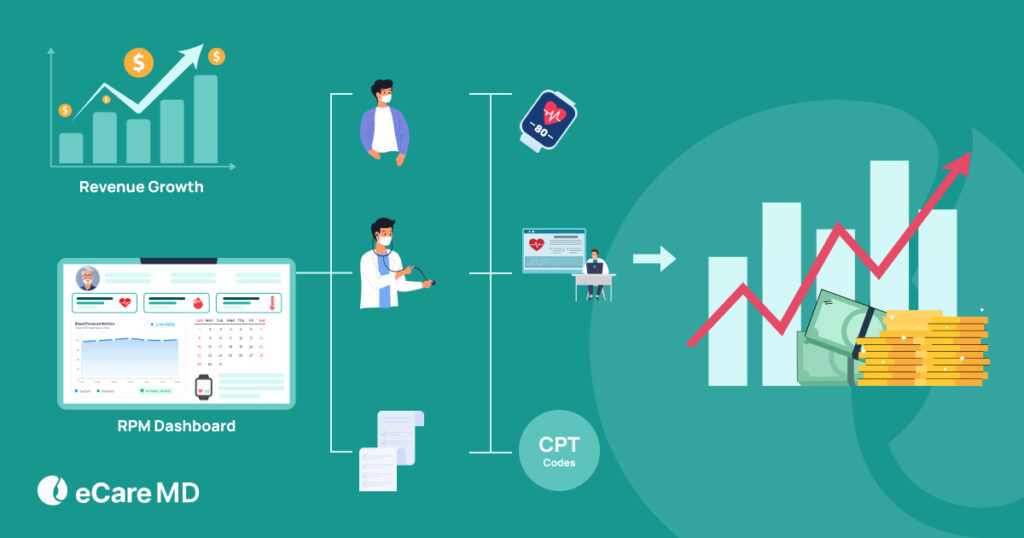
All these factors can result in fewer complications, fewer emergency visits, and a significant drop in hospital readmissions. Furthermore, enhancing outcomes also helps you to boost your financial side of care.
Ultimately, better engagement can support your patients’ overall health while reducing unnecessary costs tied to avoidable hospital stays.
Strategies for Long-Term Patient Adherence
RPM patient adherence not only relies on initial onboarding, but it also needs structured and ongoing engagement strategies to keep your patients more connected and consistent.
1. Identifying disengaged patients early:
By monitoring missed readings, irregular usage, or low interactions, you can flag patients who lose interest. Early identification enables your care team to step in early before patient engagement drops significantly.
2. Predictive analytics for early intervention:
Furthermore, analytics tools can identify patterns that highlight a patient who may disengage in the future. This helps you to act proactively, enhancing RPM program engagement rather than just reacting after drop-offs.
3. Behavioral reinforcement techniques:
Your patients can stay motivated consistently with simple encouragement, reminders, and progress recognition. These behavioral reinforcement techniques help to build consistency and further strengthen habits.
4. Maintaining consistent participation:
Your patients stay aligned with your program due to regular communication, scheduled follow-ups, and predictable touchpoints. This consistency helps to reduce drop-offs in RPM programs over the long term.
Measuring Patient Engagement: Key Metrics and KPIs
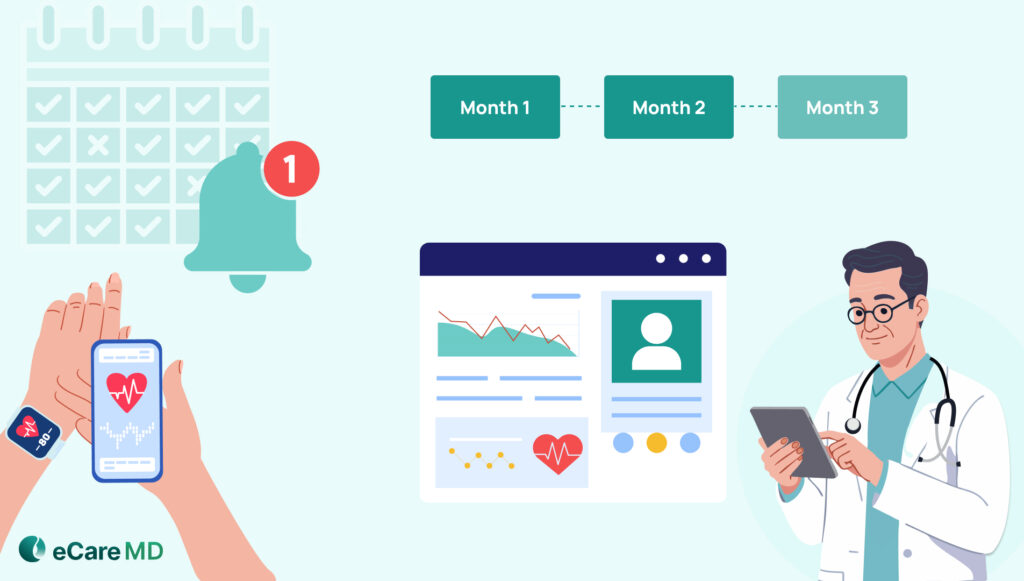
It is obvious that you can’t improve what you don’t measure, and this applies strongly to patient engagement in RPM. By tracking the right metrics, you can understand what’s actually working, what’s not, and where patients start to disengage.
Let’s explore each key metric one by one:
1. Adherence rates and device usage:
How consistently your patients are using their devices is one of the key indicators of RPM patient adherence. Regular readings and proper device usage show whether your patients are involved in their care plan or not.
2. Patient participation and response frequency:
If you are still thinking engagement is just all about data collection, you are getting it wrong. It also involves interaction. By tracking how your patients are responding to reminders, messages, or the care team, you can provide a clearer picture of RPM program engagement.
3. Drop-off and retention tracking:
Monitoring where and when your patients stop participating can help you identify weak points in the journey. This step is crucial for reducing drop-offs in RPM programs and improving long-term consistency.
4. Using analytics to optimize RPM programs:
If you use engagement data powerfully, it can become a game-changer for you. By analyzing trends, you can refine workflows, enhance communication strategies, and strengthen overall program performance over time.
5. Role of eCareMD dashboards in tracking engagement
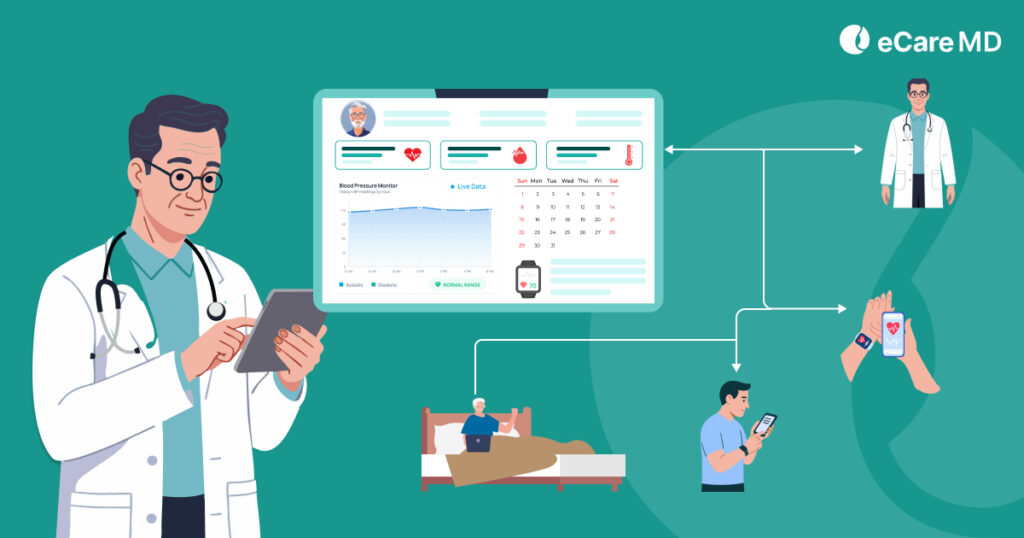
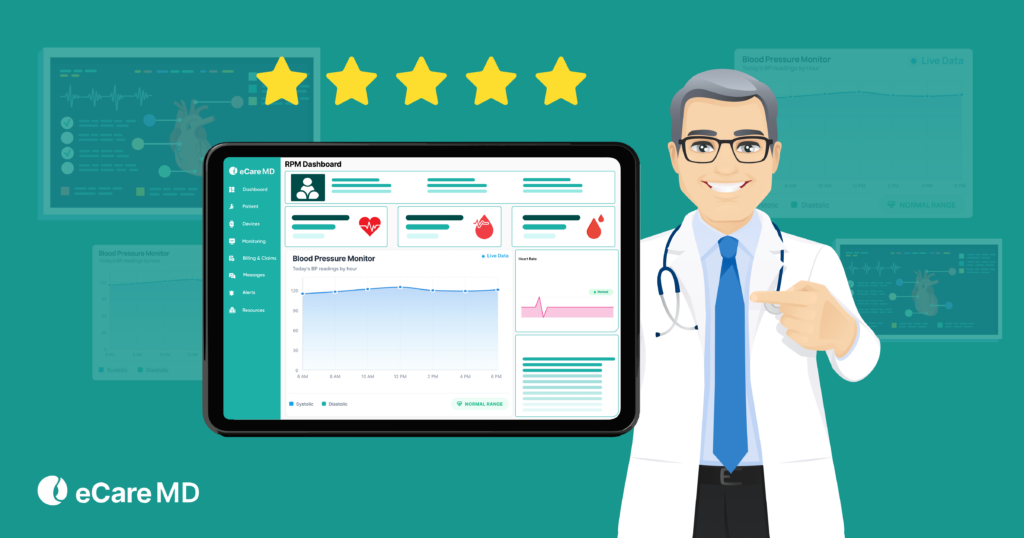
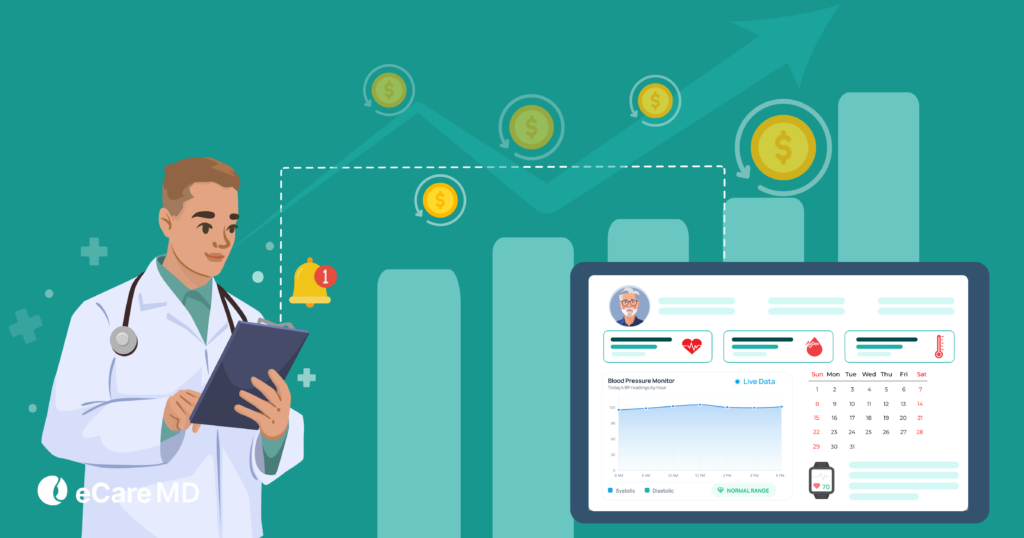
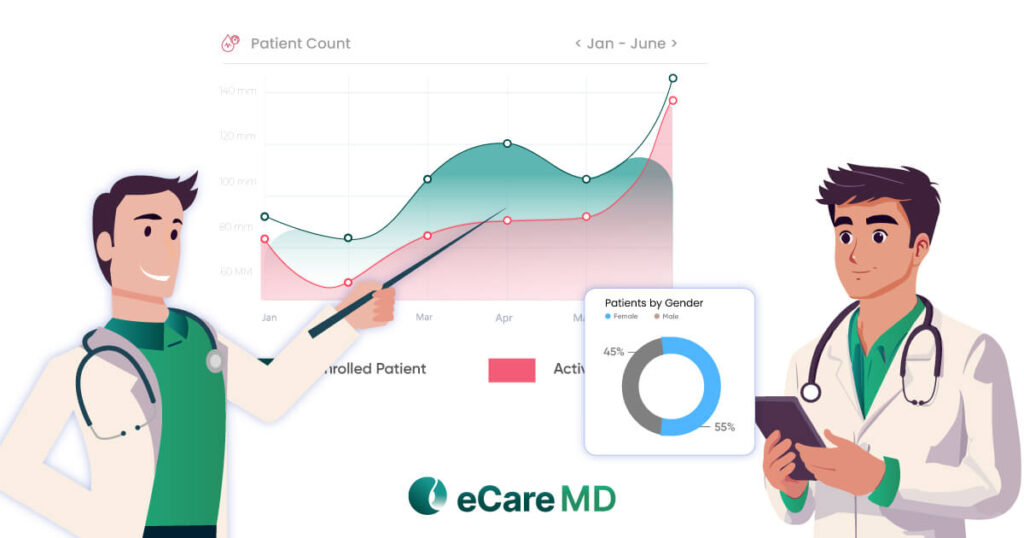
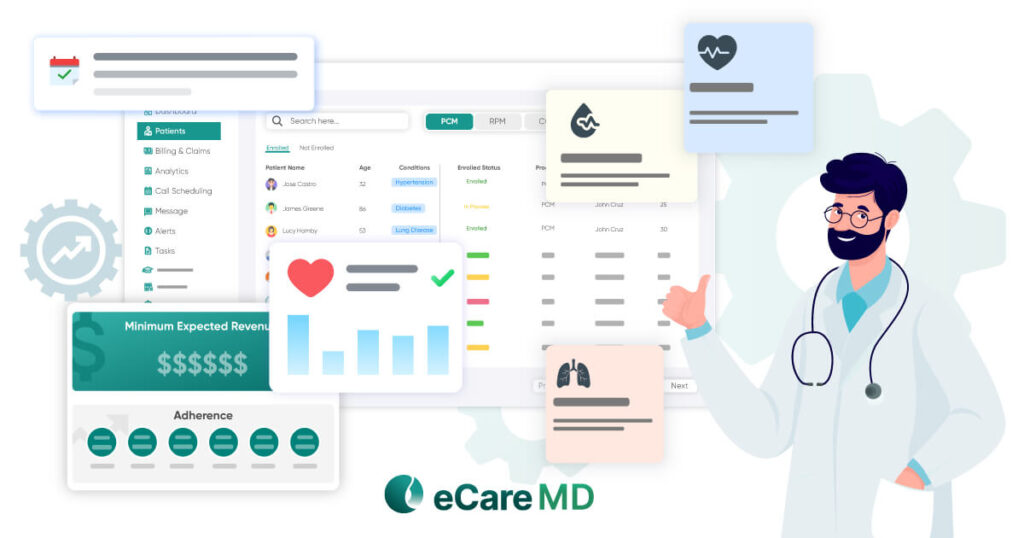
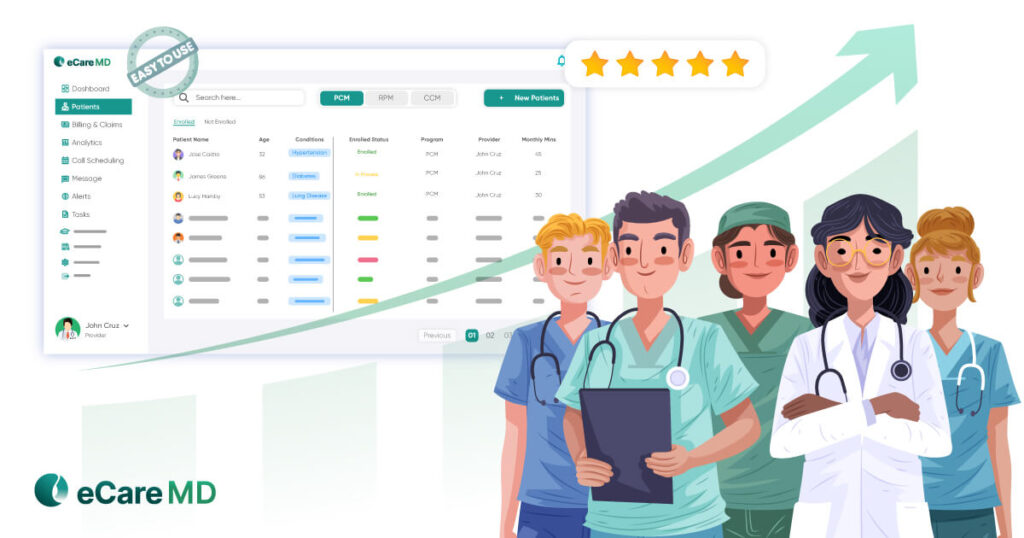
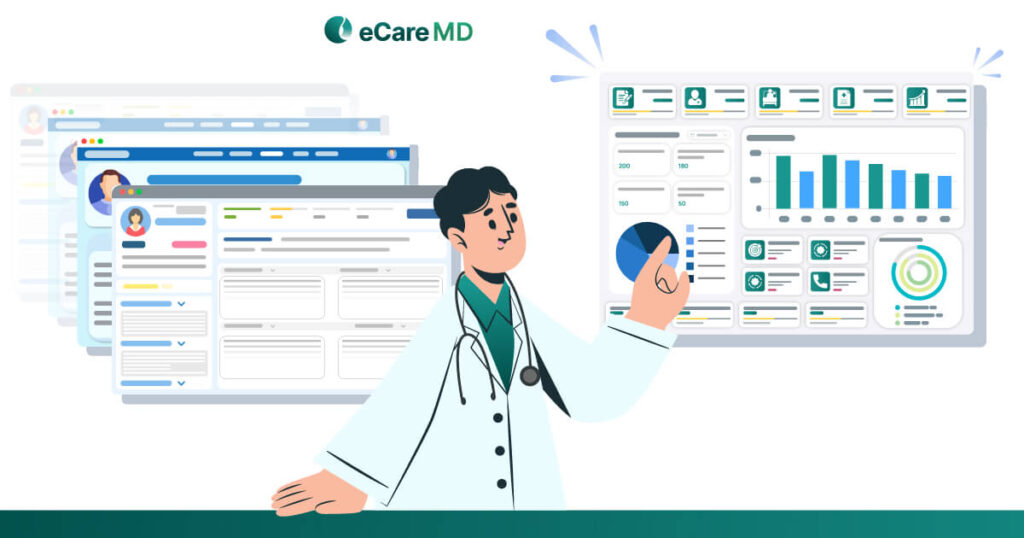
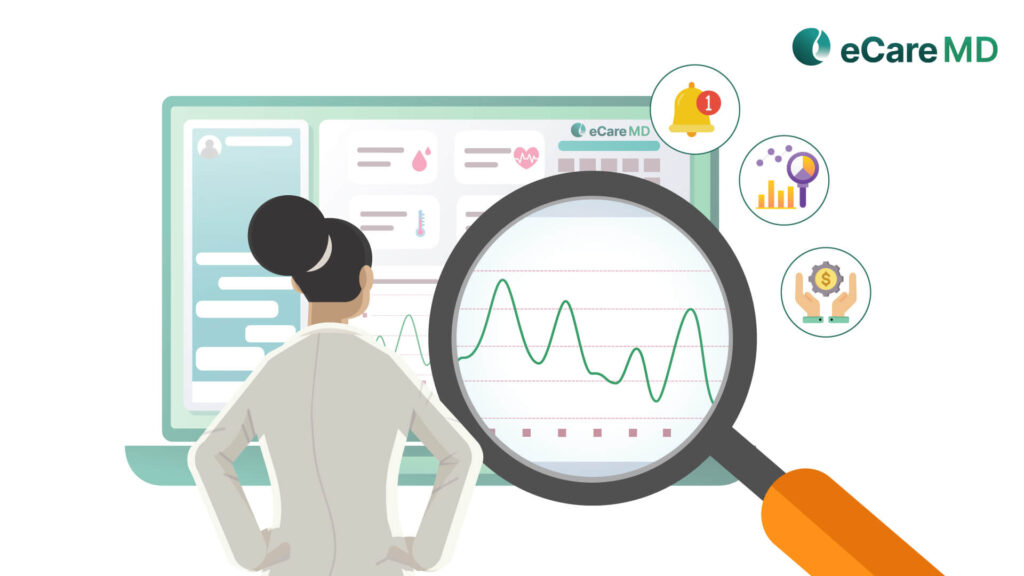
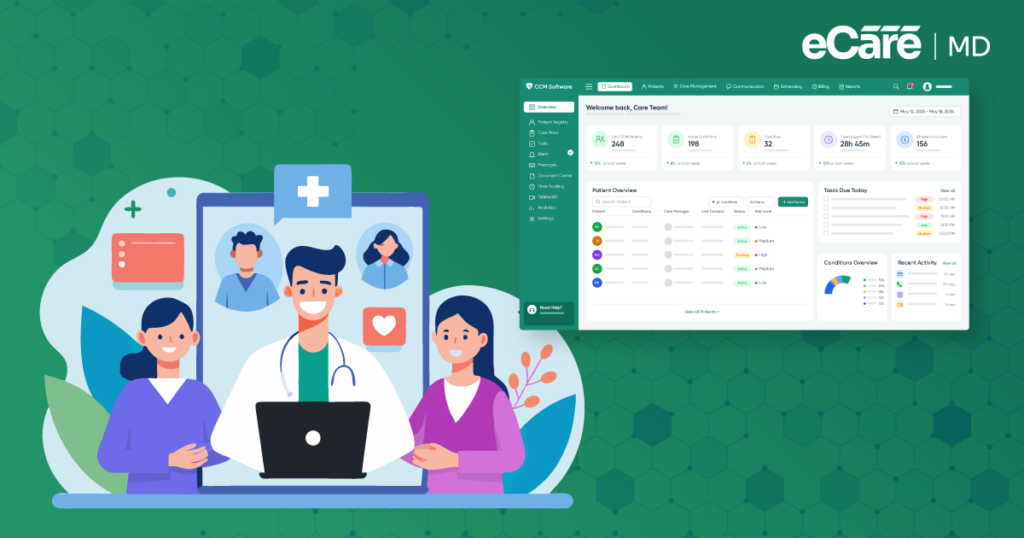
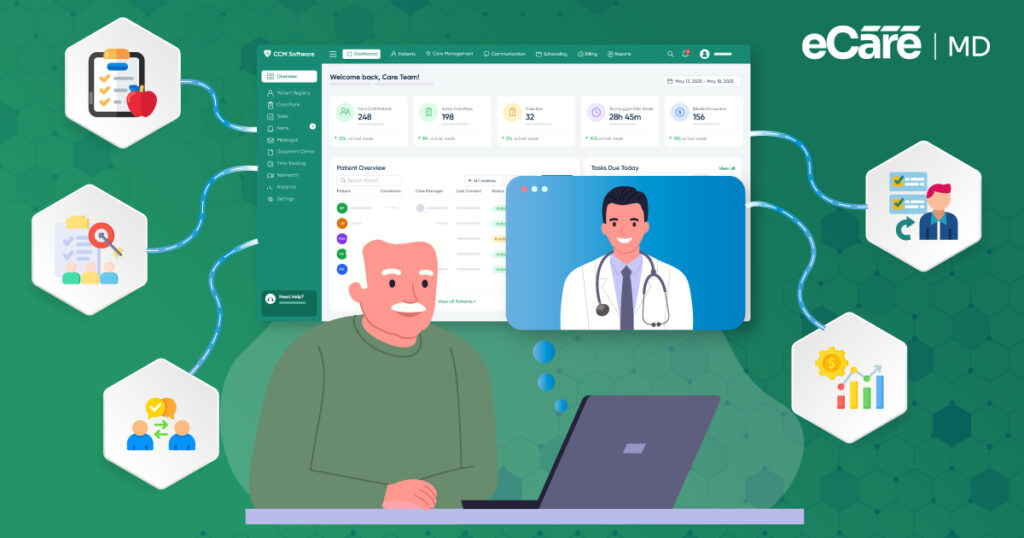
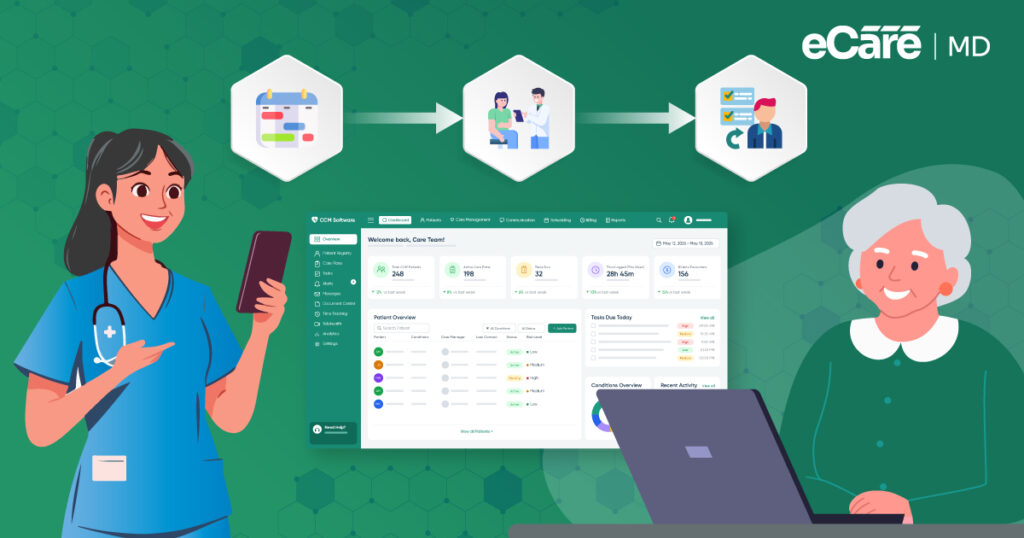
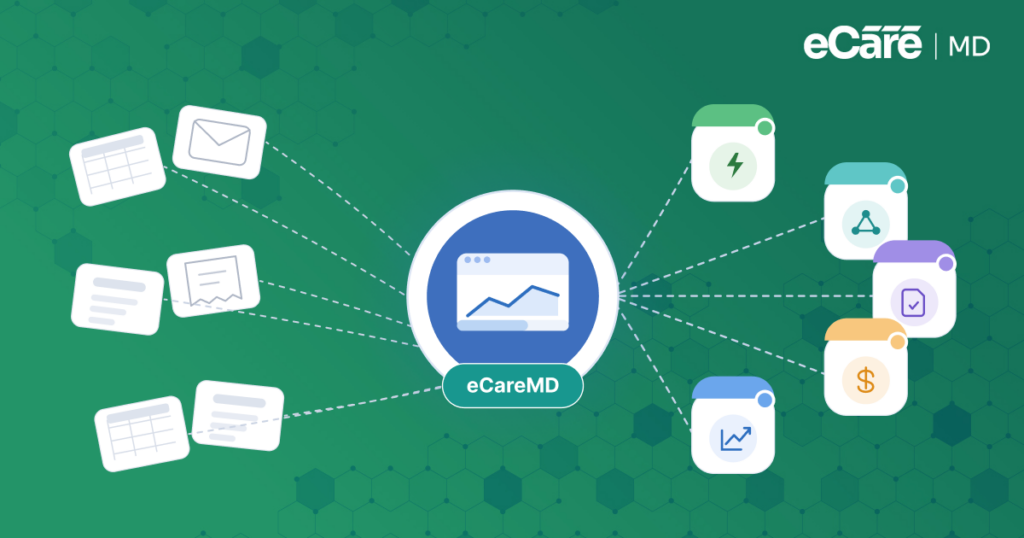
However, it is not really easy to bring all these insights together. Even so, with platforms like eCareMD, you can achieve it easily. With real-time dashboards, it is easy for you to track engagement patterns, identify high-risk patients, and make timely decisions.
The Role of Technology in Scaling Patient Engagement
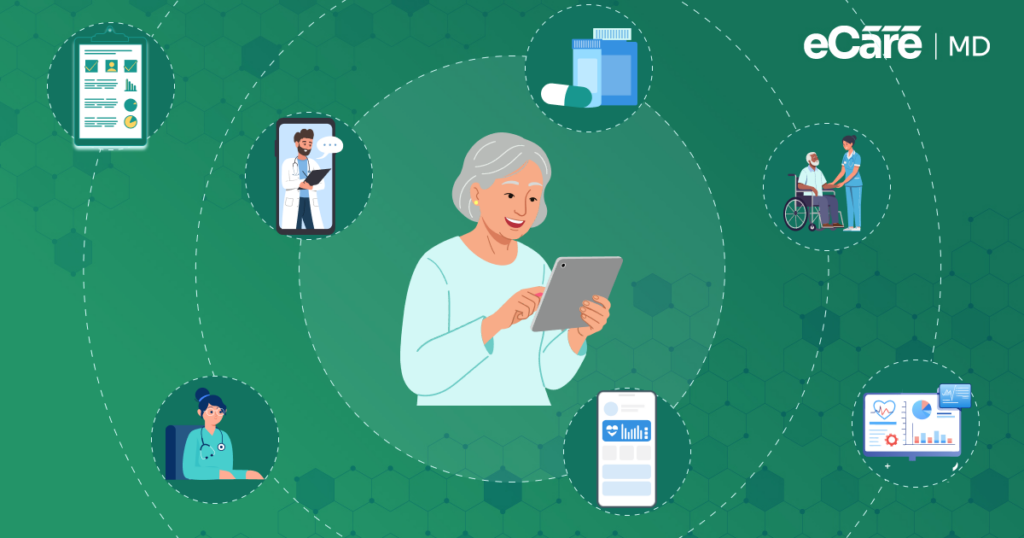
You may already know the fact that RPM keeps evolving continuously. And due to this, it is really hard to keep your patients engaged consistently. This is where technology becomes essential to support and scale patient engagement in your RPM program.
Here is an explanation of the role of technology in escalating patient engagement:
1. Automation and AI in RPM programs:
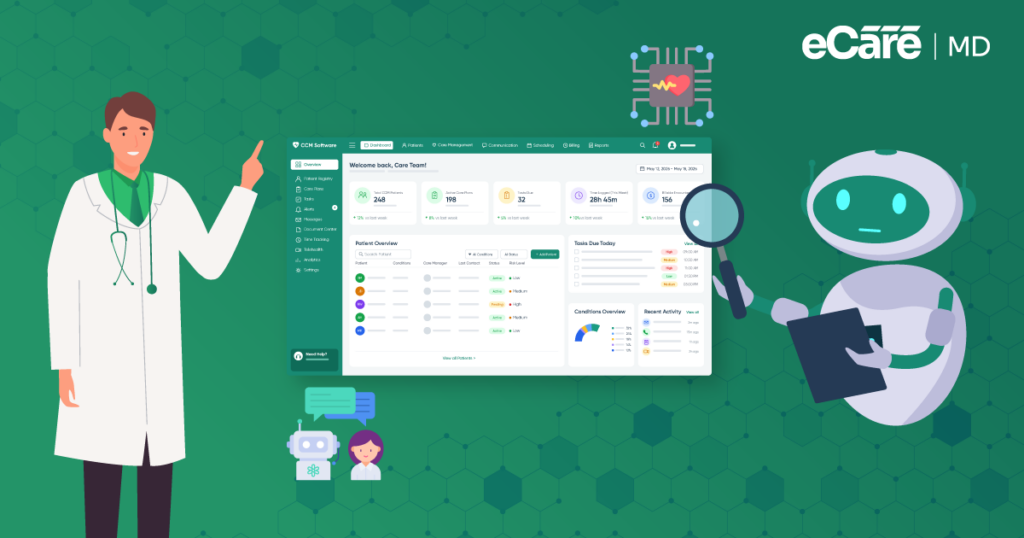
Automation is a key technology that helps you handle routine tasks, including reminders, alerts, and follow-ups. On the other hand, AI helps you to personalize communication on the basis of your patient behavior. Together, they help to ensure that your patients are staying on track, enhancing RPM patient adherence without constant manual efforts.
2. Reducing provider workload:
If you do not have the right tools, patient engagement can quickly turn into a time-consuming process. But with the right technology, you can reduce this burden as it streamlines your workflow. Furthermore, this also helps your care to focus more on high-risk patients instead of running behind every missed reading.
3. Enabling scalable patient monitoring:
As patients grow continuously, it becomes challenging to maintain consistent engagement. But technology makes it easy to monitor large numbers more efficiently instead of compromising on quality or responsiveness.
4. Choosing the right RPM platform:
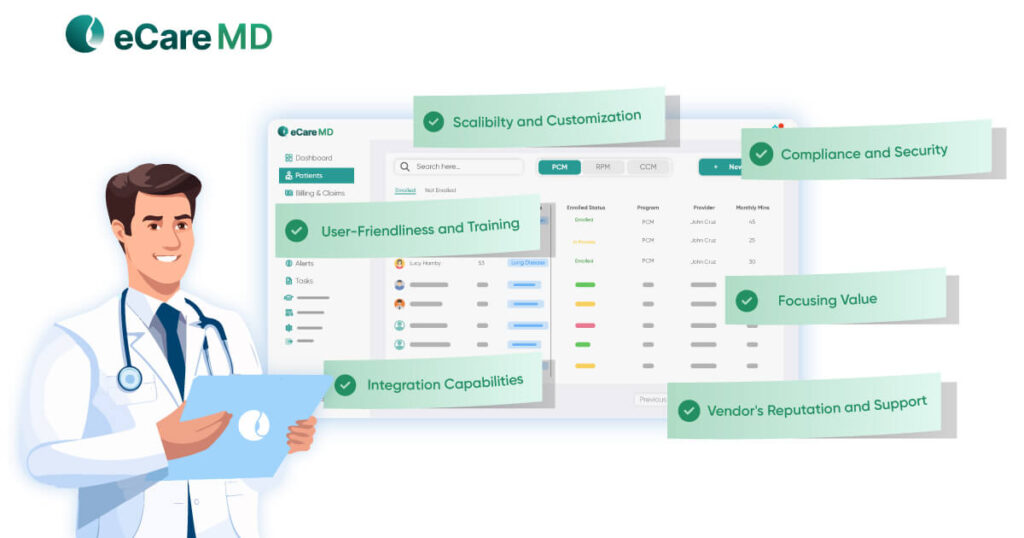
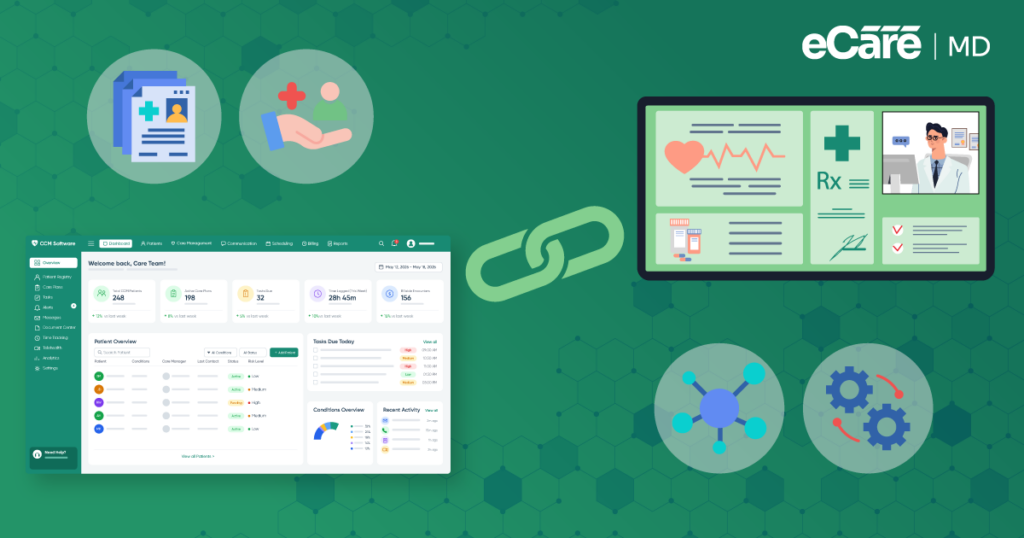
Not all platforms are built for the same purpose. The right solution must offer easy device integration, real-time data access, automated communication, and user-friendly interfaces.
Optimizing Patient Engagement in Remote Patient Monitoring Programs
Download nowConclusion: Turning Engagement into Outcomes
The success of any RPM program ultimately depends on patient engagement in remote patient monitoring. Without consistent participation, results are limited—but with strong engagement, outcomes and performance improve together.
With the right use of data and automation, providers can continuously improve RPM patient adherence and strengthen remote patient monitoring program engagement over time.
As remote patient monitoring for chronic care continues to grow, the focus will shift even more toward personalized, patient-centered care. Platforms like eCareMD help make this possible by turning engagement into measurable outcomes.
Click here to learn how to increase patient engagement in RPM and build a more effective program.
Frequently Asked Question’s
Patient engagement in RPM refers to how actively and consistently patients participate after enrollment. It includes taking regular readings, following care plans, responding to care teams, and staying involved over time. Engagement goes beyond just signing up—it’s what keeps the program effective.
To improve engagement, providers should focus on clear onboarding, personalized communication, regular reminders, and simple device usage. Using automation and timely follow-ups helps patients stay consistent and understand the value of their participation.
Strong RPM patient adherence comes from structured onboarding, consistent reminders, easy-to-use devices, and ongoing support. Encouraging patients with feedback and building habits over time also plays a key role.
Patients often disengage due to complex setups, lack of understanding, poor communication, or feeling overwhelmed. When the process isn’t simple or meaningful, participation tends to decline.
Remote patient monitoring for chronic care keeps patients connected to their care teams through continuous tracking and communication. This helps patients stay more aware of their health and encourages regular involvement in managing their condition.
AI helps by sending smart reminders, identifying at-risk patients, and personalizing communication. It supports better remote patient monitoring program engagement without increasing the workload for providers.
Providers can improve adherence by simplifying workflows, offering clear instructions, maintaining regular communication, and using data to identify and support disengaged patients early.
Key metrics include device usage, adherence rates, response frequency, patient retention, and drop-off rates. These help track how well patients are staying engaged in the program.
Higher engagement leads to better health outcomes and ensures proper documentation, which supports reimbursement. Without engagement, both clinical results and financial performance can suffer.
Elderly patients may struggle with technology, physical limitations, or understanding how to use devices. These challenges can affect patient engagement in RPM if not addressed properly.
Caregivers support patients by helping with device usage, reminding them to take readings, and assisting with communication. Their involvement can significantly improve consistency and adherence.
Good RPM software should offer easy device integration, automated reminders, real-time data access, simple interfaces, and communication tools to support ongoing engagement.
By enabling early detection of health changes, RPM allows providers to intervene before conditions worsen. Strong patient engagement in RPM ensures consistent data, helping prevent complications and reduce readmissions.





![The Future of Remote Patient Monitoring: CMS Innovations & Emerging Trends [2026]](/wp-content/uploads/2024/07/Blog-36-The-Future-of-Remote-Patient-Monitoring_-Trends-AI-Innovation-CMS-Updates-for-2026-1024x538.png)