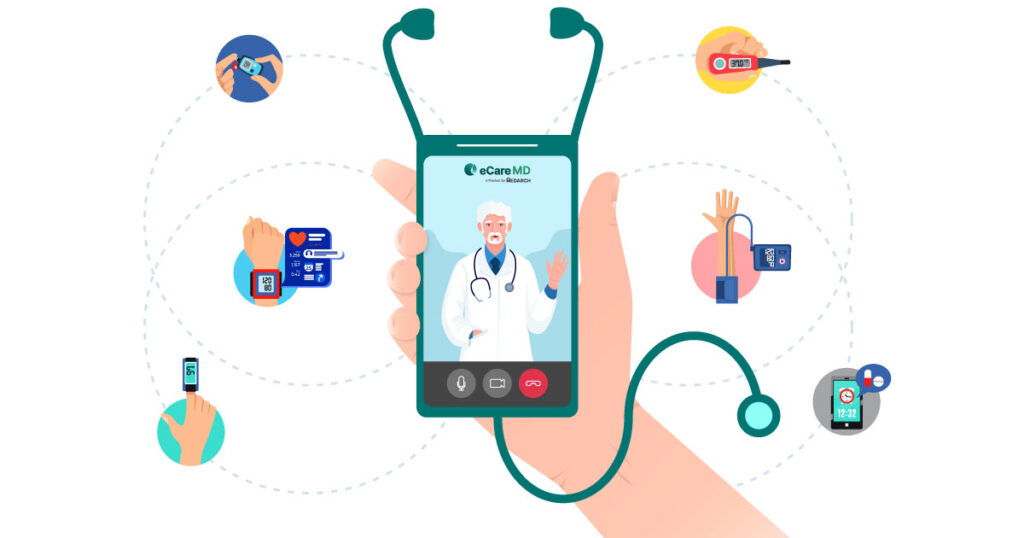
In the first 6 months of 2025, a total of 416 large healthcare data breaches were reported, and in the second quarter, the number of breaches was 309.
These numbers highlight that healthcare data breaches are not slowing down. It is fair enough to say that they are still one of the top challenges in the industry.
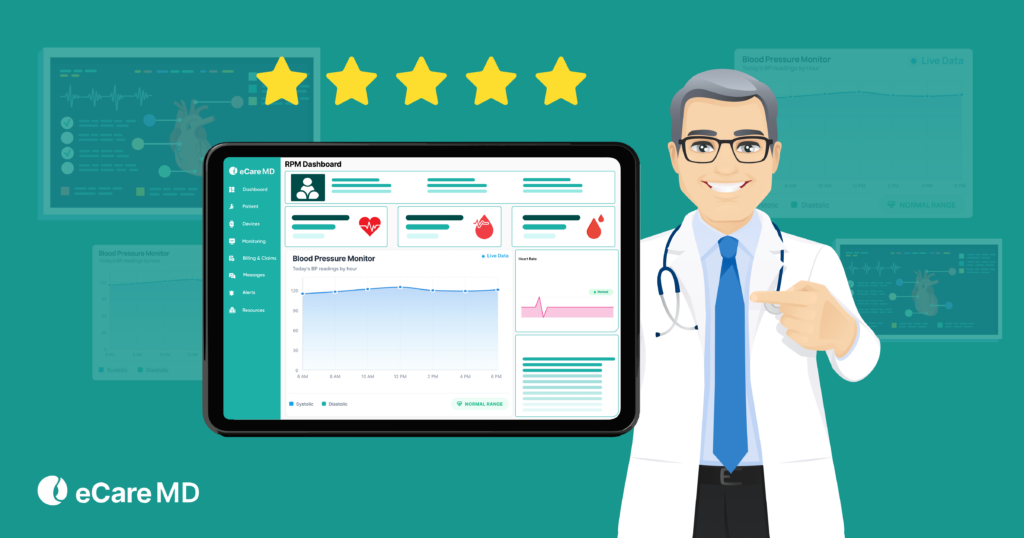
Now, just think about this risk in your Remote Patient Monitoring (RPM) program. Sounds stressful, right?
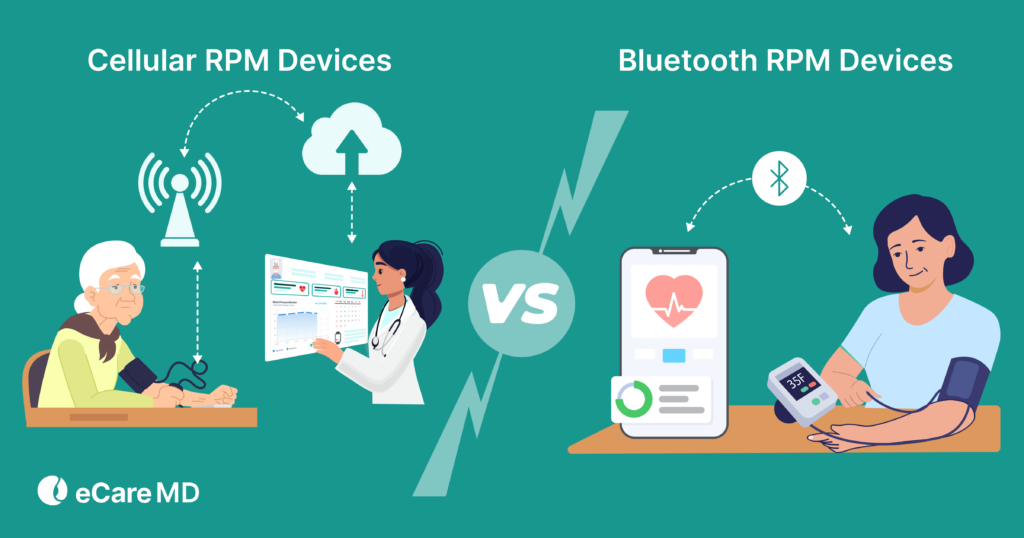
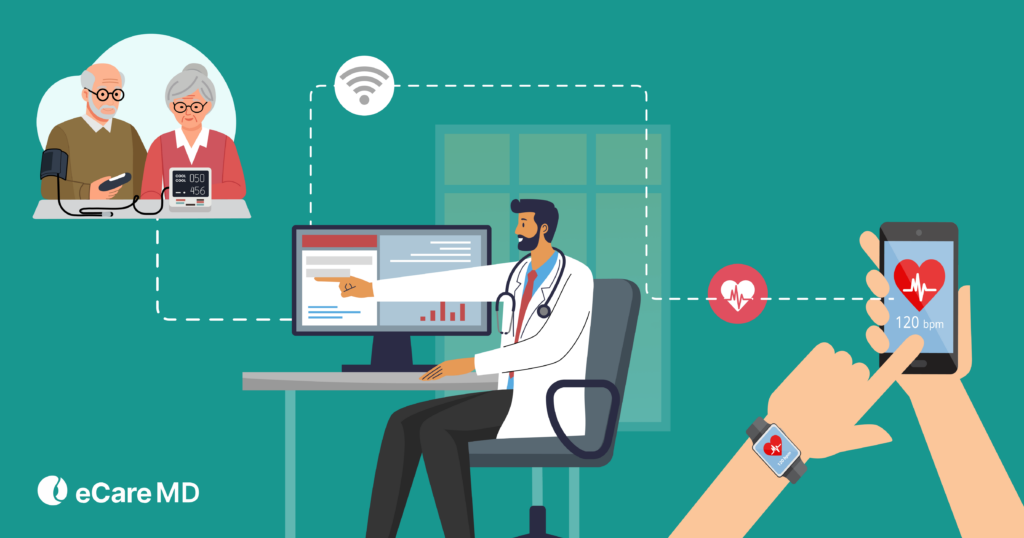
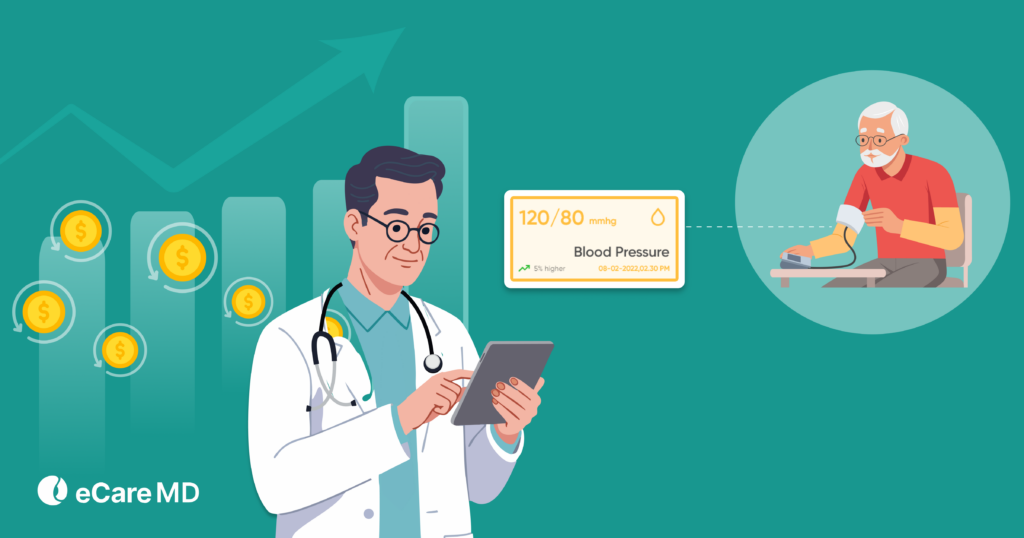
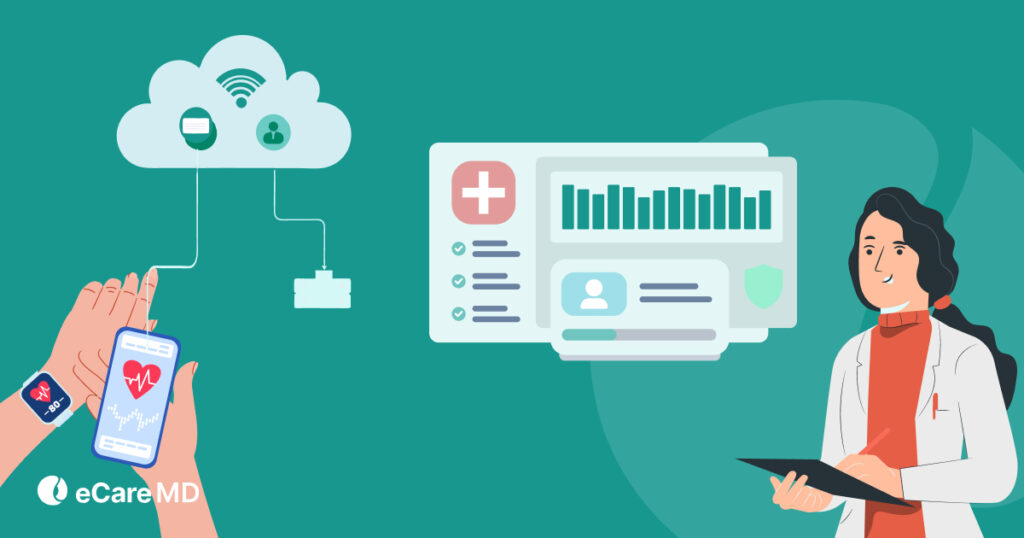
Well, as you already know, in RPM, patient data flows consistently from devices to you; if you do not securely build it from the start, things can quickly become difficult to handle.
There is rising pressure to get remote patient monitoring data security right, as RPM adoption continues to grow. You are not just delivering care, you are managing a constant sensitive data stream. When compliance gaps appear in it, things get tricky.
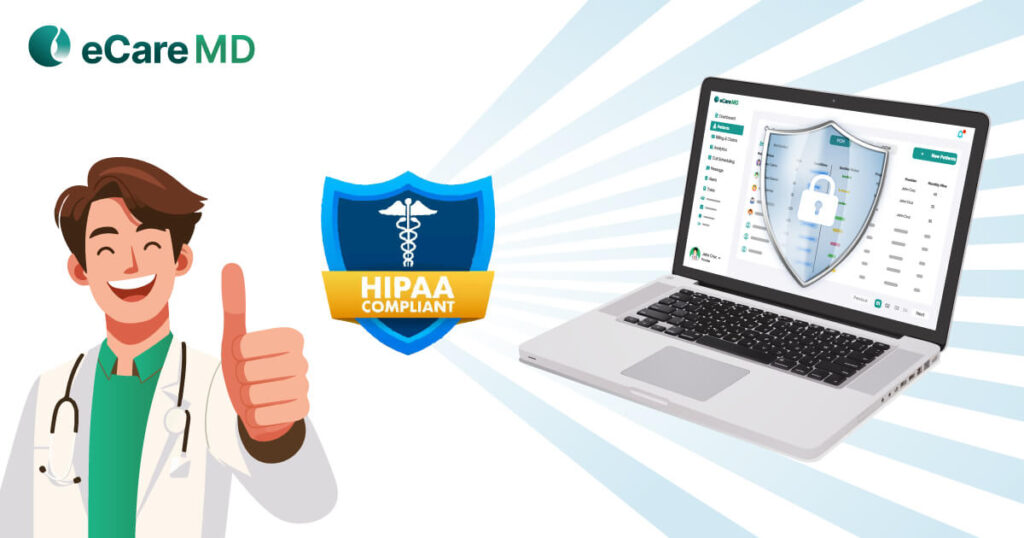
This highlights why HIPAA remote monitoring is the backbone of a reliable RPM program. It helps you to ensure that your patient data is protected and your system is aligned with HIPAA security requirements in healthcare.
Let’s explore this blog to know more about how to ensure HIPAA compliance in RPM programs with key requirements and best practices to build secure and scalable systems.
HIPAA Security Requirements for RPM Programs
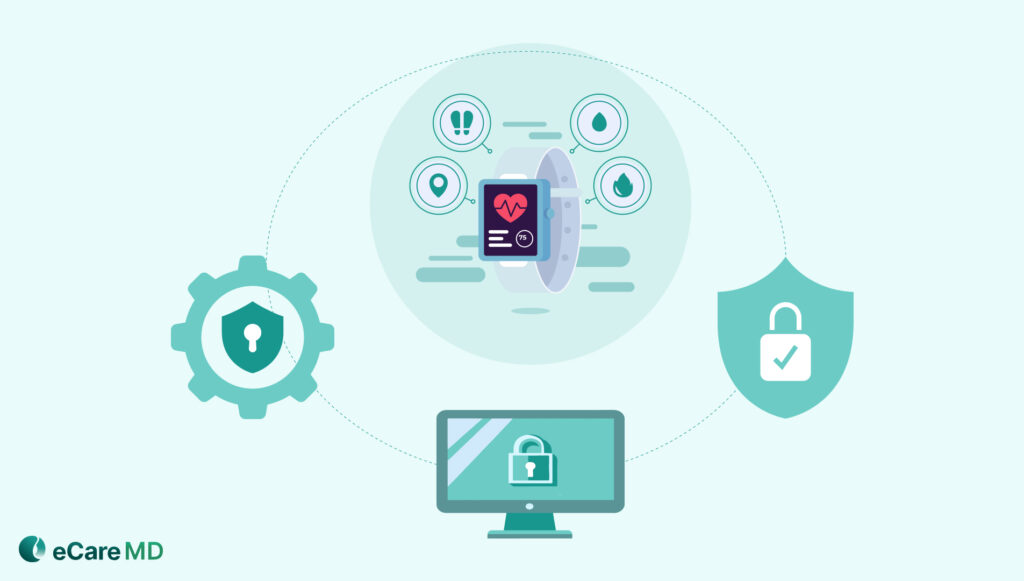
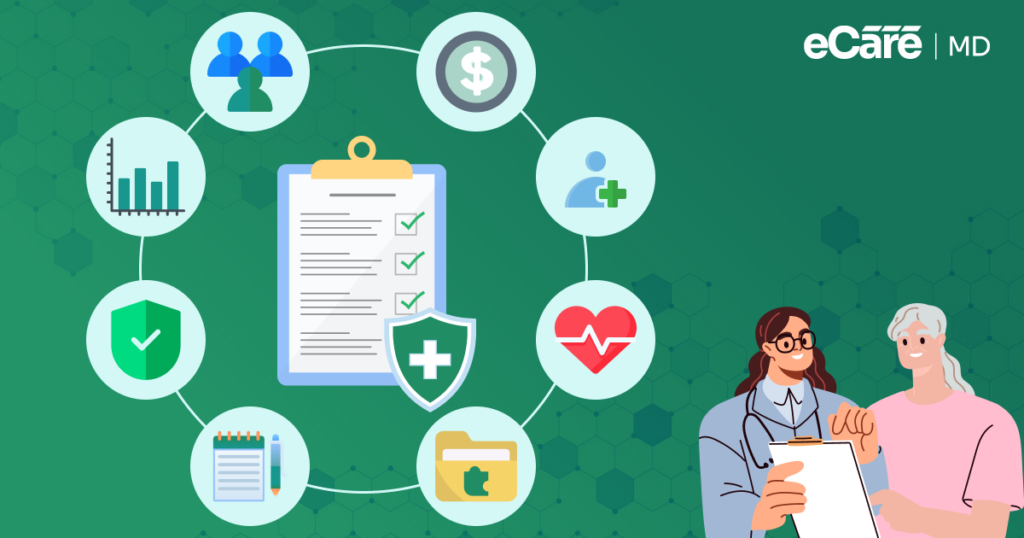
The HIPAA security rule is the center of HIPAA compliance in remote patient monitoring. They define how patient data should be protected across systems and workflows. These security rules are built around three key safeguards:
1. Administrative safeguards:
These safeguards focus more on people and processes behind your RPM program. This involves risk assessments, staff training, policy access, and clear protocols. In simple terms, it makes sure that everyone knows the rules and follows them consistently.
2. Technical safeguards:
These protect data at a system level, like encryption, secure logins, access controls, and audit trails. They ensure that only authorized persons can access your patient data, and every interaction is being tracked.
3. Physical safeguards:
These cover the device’s security and infrastructure. These also contribute more to protecting your RPM devices, servers, and workspaces from unauthorized access, theft, or misuse.
In RPM, handling sensitive patient data makes this even more important:
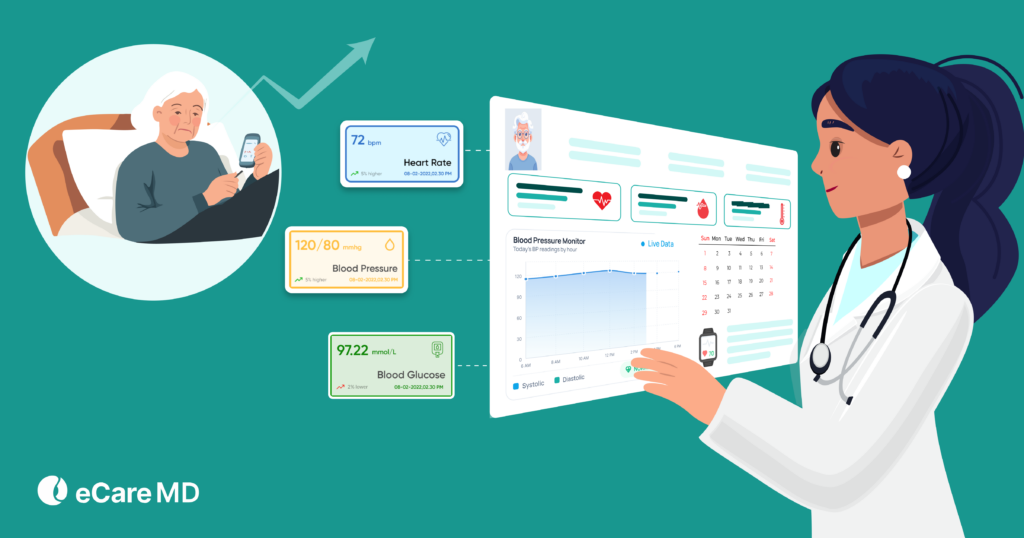
- Physiological data (blood pressure, glucose levels, heart rate)
- Device-generated data (timestamps, transmission logs)
- Patient identifiers (names, contact details, medical IDs)
With all these factors, HIPAA requirements for remote patient monitoring devices and data go beyond simple storage. Securely transmitting, storing, and accessing data at every step can ensure complete remote patient monitoring data security.
Securing the Data Pipeline: Risks and Protection Strategies
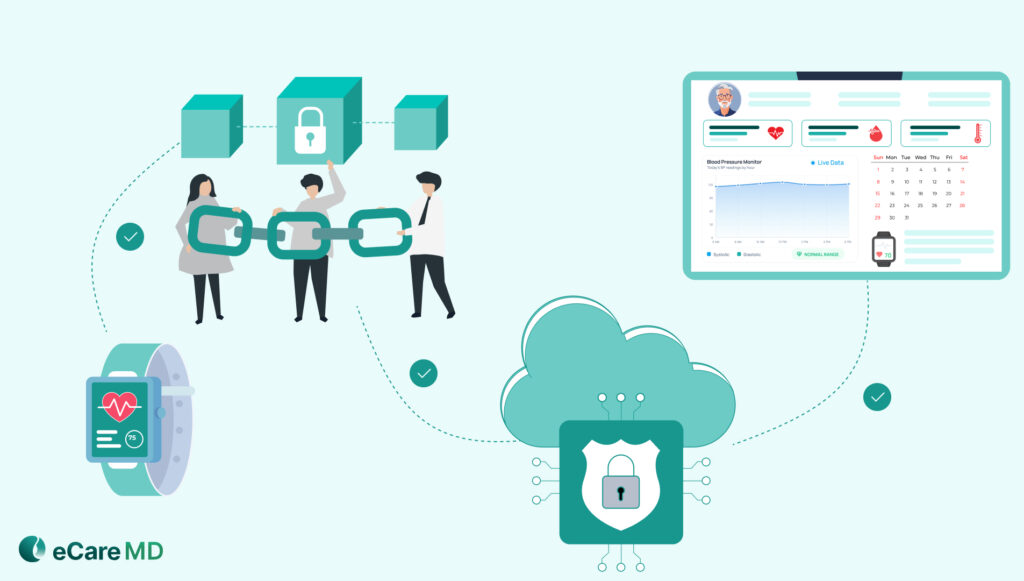
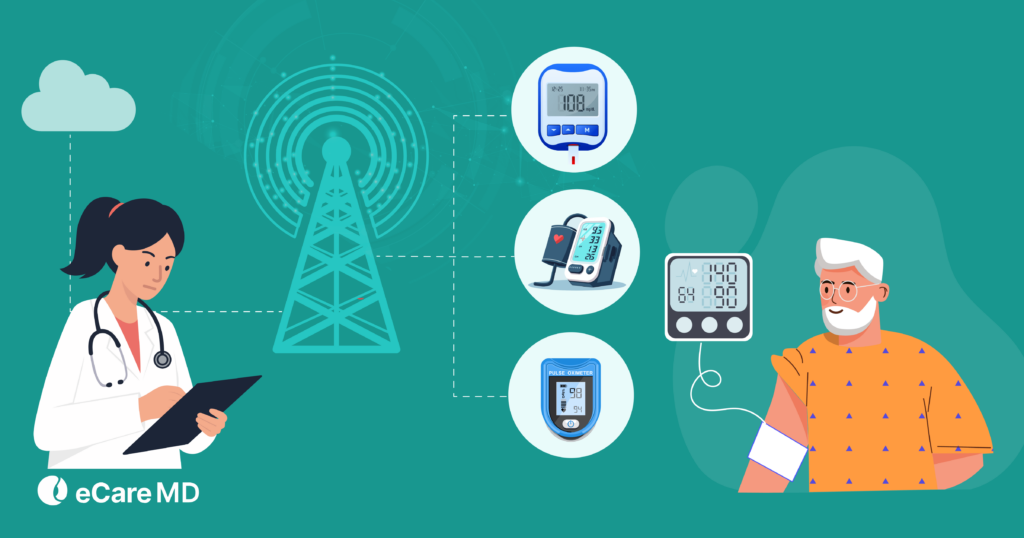
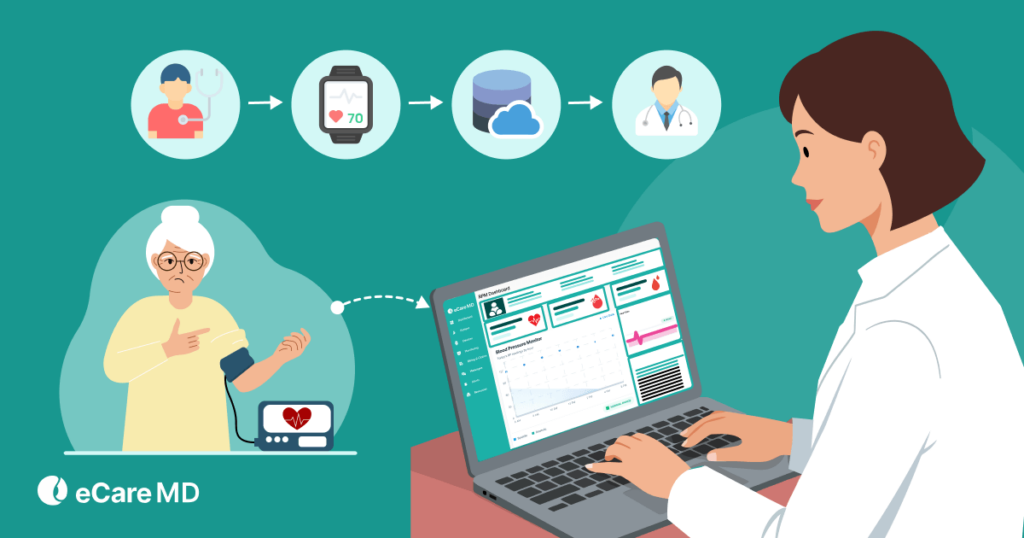
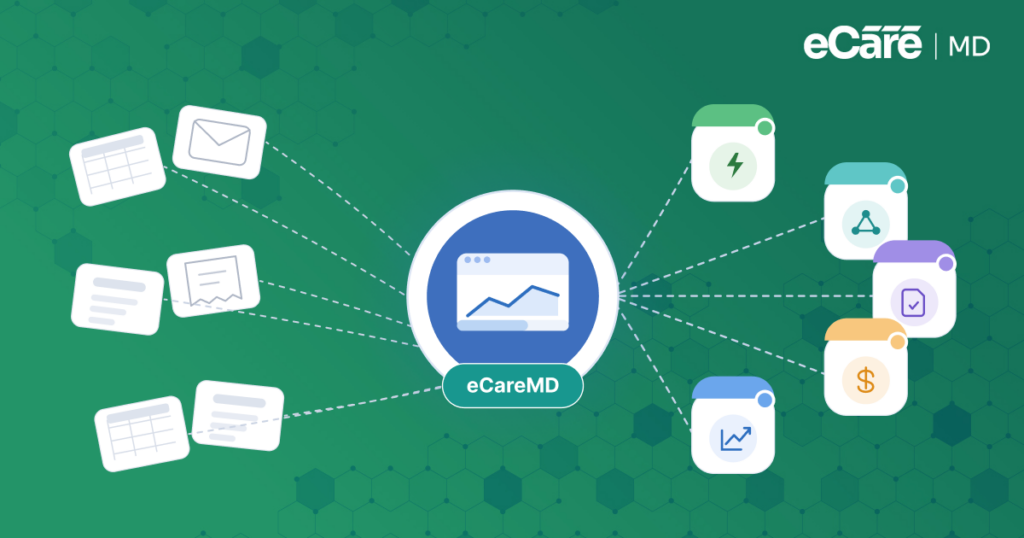
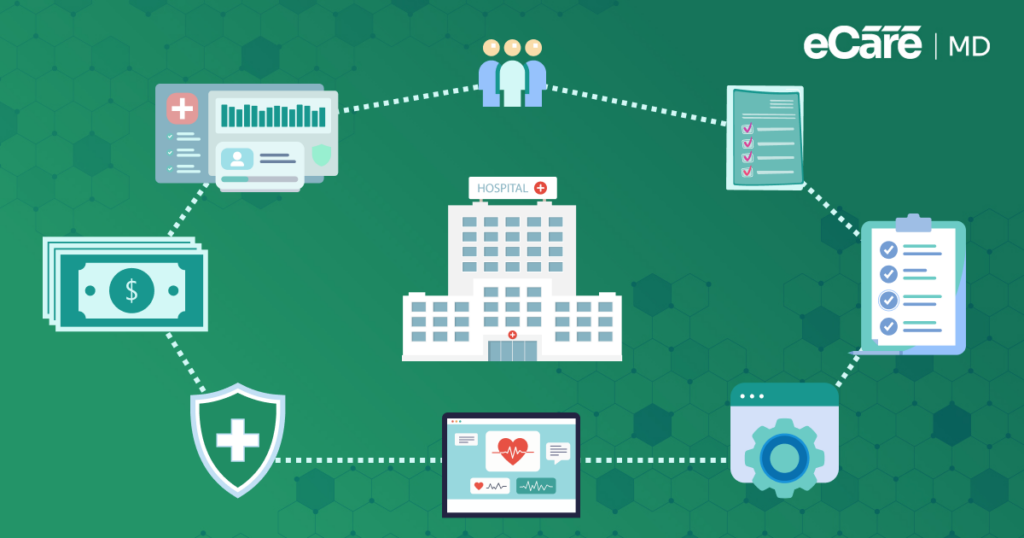
It is obvious that RPM data never just sits in one place; it moves consistently from devices to platform to providers. Every step in this can either strengthen or weaken your HIPAA compliant remote patient monitoring setup.
Let’s explore how to secure each stage of the data flow:
1. Device-level:
If you do not secure your RPM devices, they can become a weak link by involving risks like unsecured configurations or shared device access. Your devices must be securely configured, access is controlled, and usage is limited to authorized users.
2. Transmission:
If you cannot protect your patient data while moving between devices and platforms, it can become vulnerable. In unencrypted communication, your patient data can be easily intercepted. However, by using encryption in transit and secure communication protocols, you can keep this data more secure.
3. Access control:
Weak passwords or shared credentials can lead to unauthorized access. Implementing role-based access control (RBAC) and multi-factor authentication (MFA) helps you to make sure that only authorized persons can access sensitive data.
Platforms that enforce encryption, strong access controls, and real-time data validation make it much easier to maintain remote patient monitoring data security without constant manual oversight.
The Business Associate Agreement (BAA): Legal Responsibility
Along with technology, legal accountability plays an important role in HIPAA compliant remote patient monitoring. This is exactly where a Business Associate Agreement (BAA) jumps in.
If any third-party vendor, such as a device provider or software platform, is involved in your RPM program. They must sign the BAA by clearly defining how they will handle and protect your patients’ data. This helps you to ensure that everyone in the chain is on the same page and responsible for safeguarding your patient information.
Let’s explore what the BAA actually covers:
| Key Element | What to Verify |
|---|---|
| Data Handling Terms | How patient data is collected, stored, and shared |
| Breach Notification | Clear timelines and responsibilities in case of a breach |
| Termination Clauses | What happens to patient data after the vendor relationship ends |
When strong BAA agreements are combined with platforms that enforce encryption, access control, and real-time validation, you can confidently move toward HIPAA compliant remote patient monitoring.
Preventing Breaches and Protecting Patient Privacy
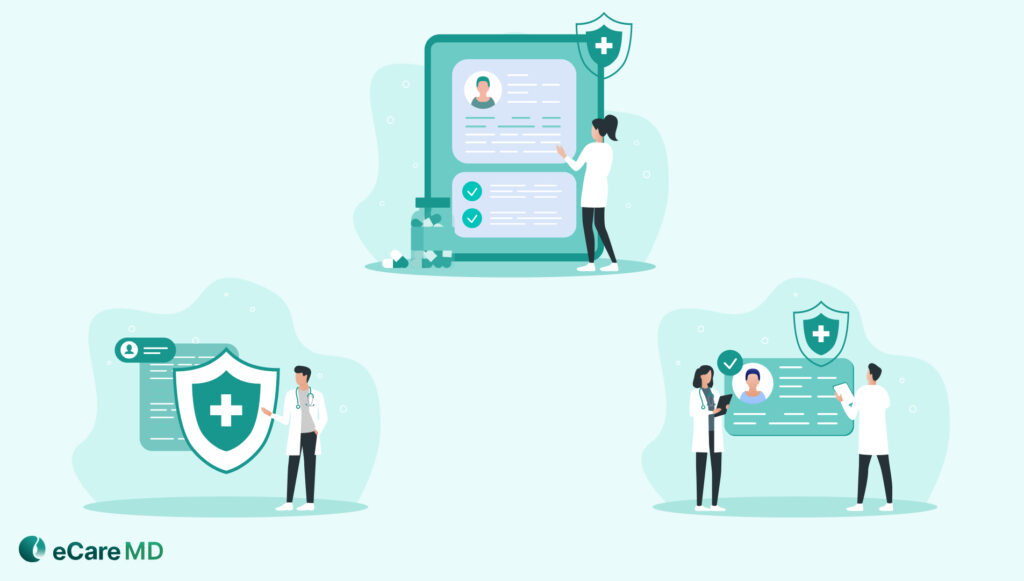
If you overlook even one small gap, even the best RPM programs can run into trouble. At first, issues like unsecured communication or weak access controls seem simple, but over time, they can quietly affect your program financially, while impacting your patient trust.
Let’s have a quick summary of common risks and how to address them:
| Risk Area | Common Mistakes | Best Practices / Solutions |
|---|---|---|
| Unsecured Messaging | Sharing data via non-compliant channels | Use encrypted, HIPAA-compliant communication tools |
| Access Control | Credential sharing, weak passwords | Implement RBAC and multi-factor authentication (MFA) |
| Audit Visibility | No tracking of data access | Maintain audit logs and monitor access regularly |
| Data Transmission | Unencrypted data transfer | Use encryption in transit and secure protocols |
Along with these basics, maintaining audit logs and regularly reviewing compliance processes can ensure accountability across your RPM program. Here, you need to understand that you are not just preventing issues, you are also creating a system that can quickly detect and respond if something goes wrong.
Equally important is bringing your patients into the loop. Clear communication with them about how their data is used and protected can help to build trust. Over time, this can also strengthen the overall protection of patient data in remote monitoring efforts.
Conclusion
HIPAA compliance in remote patient monitoring is an ongoing process that evolves with your workflows, technology, and patient volume. As RPM programs grow, maintaining compliance requires consistent attention to detail across every touchpoint.
The key is bringing everything together—clear policies, well-defined workflows, and platform-level automation that supports continuous compliance. When these elements work in sync, protecting patient data in remote monitoring becomes part of your daily operations, not an added burden.
Platforms like eCareMD help simplify this by offering HIPAA-compliant infrastructure, end-to-end encryption, role-based access controls, and audit-ready logging—making it easier to stay compliant without slowing down care delivery.
In the end, a secure RPM program isn’t built overnight—but with the right approach, it becomes second nature.
Strengthen your RPM program with secure, compliant data practices. Click here to get started.
Frequently Asked Question’s
HIPAA requirements for remote patient monitoring devices and data include secure device configuration, encrypted data transmission, and restricted access. Data must be protected both at rest and in transit, ensuring strong remote patient monitoring data security across all touchpoints.
The core HIPAA security requirements in healthcare include administrative safeguards (policies, training), technical safeguards (encryption, access controls), and physical safeguards (device and facility security). Together, these ensure complete protection of patient data.



![The Future of Remote Patient Monitoring: CMS Innovations & Emerging Trends [2026]](/wp-content/uploads/2024/07/Blog-36-The-Future-of-Remote-Patient-Monitoring_-Trends-AI-Innovation-CMS-Updates-for-2026-1024x538.png)