Last Updated: July 14, 2026
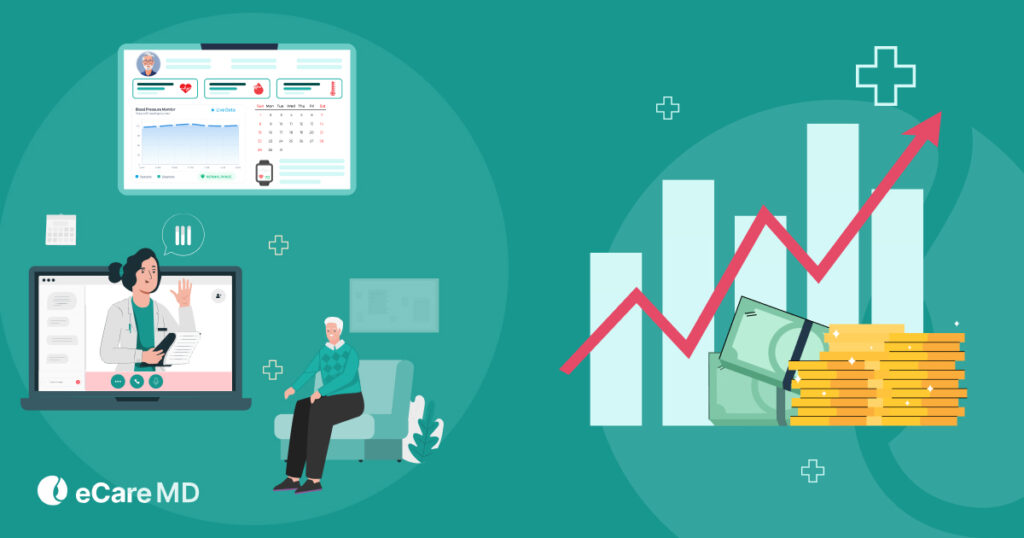
Running a medical practice today feels like walking a tightrope. On one side, reimbursements are shrinking, and on the other side, operational costs keep rising.
What adds more pressure to it is that approximately 86% of total U.S. healthcare spending is attributed to chronic conditions, with nearly 50% of the U.S. population living with at least one chronic condition.
These huge numbers highlight that a major portion of your time, resources, and revenue is already tied to managing long-term care.
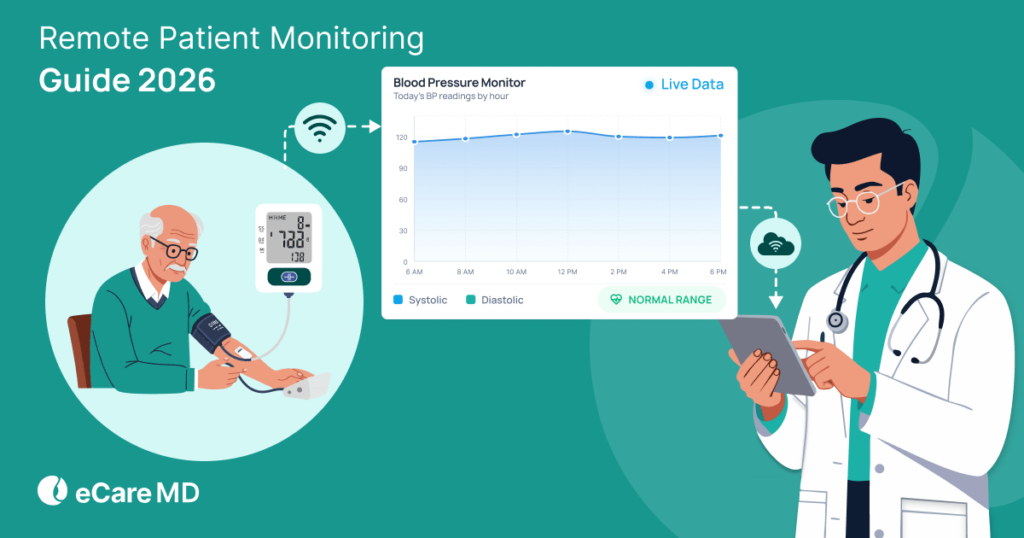
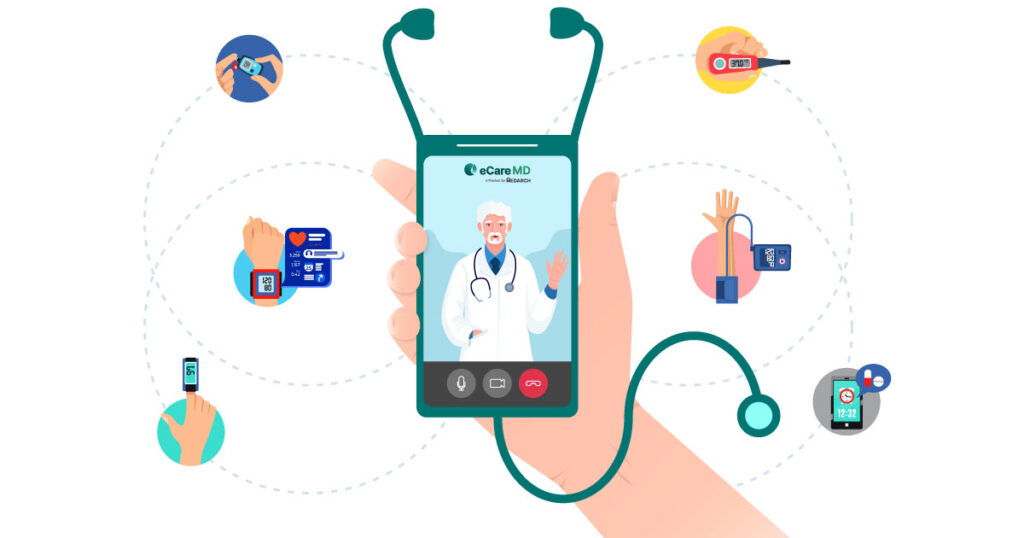
That’s where Remote Patient Monitoring (RPM) started to stand out.
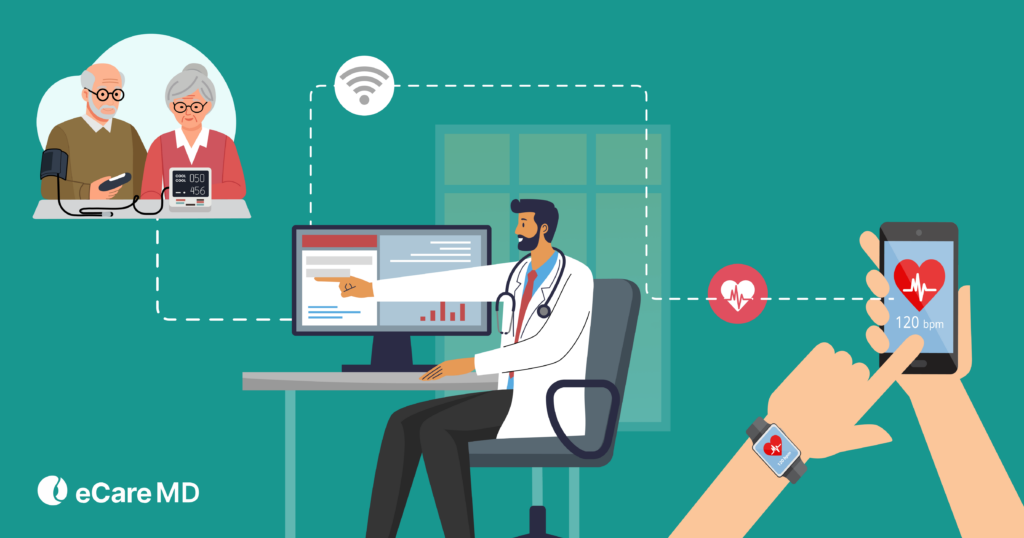
Remote patient monitoring is now becoming a reliable revenue and efficiency driver, shifting practice towards a more practical mindset. Rather than worrying about expenses, now you can focus more on the ROI of remote patient monitoring and how it can support growth.
Along with reimbursement, RPM also makes your day-to-day work easier by providing better visibility into your patients’ health and seamless workflow. Simply, it helps you to work extra without even overloading your team.
As a healthcare provider, you might be aware that, in today’s environment, that’s actually a big win.
But what exactly are these financial benefits, and how do they translate into real returns for your practice?
Well, let’s explore this blog to find answers to your questions.
Understanding RPM Revenue Streams
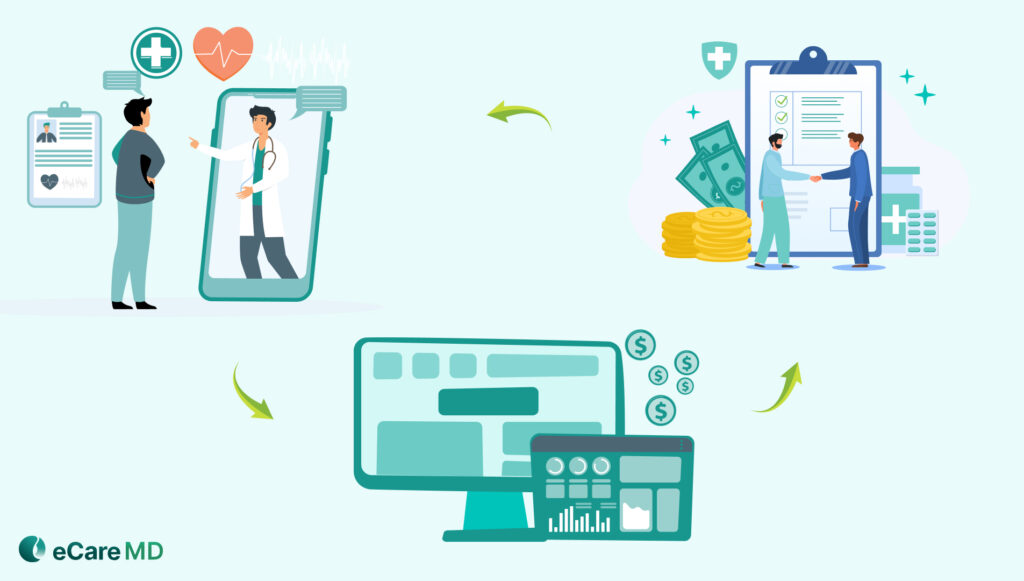
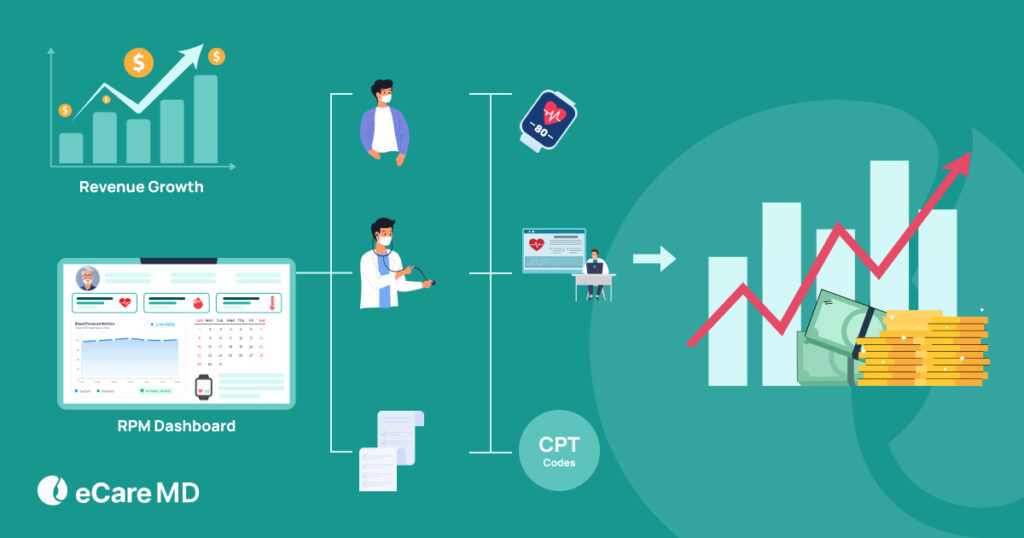
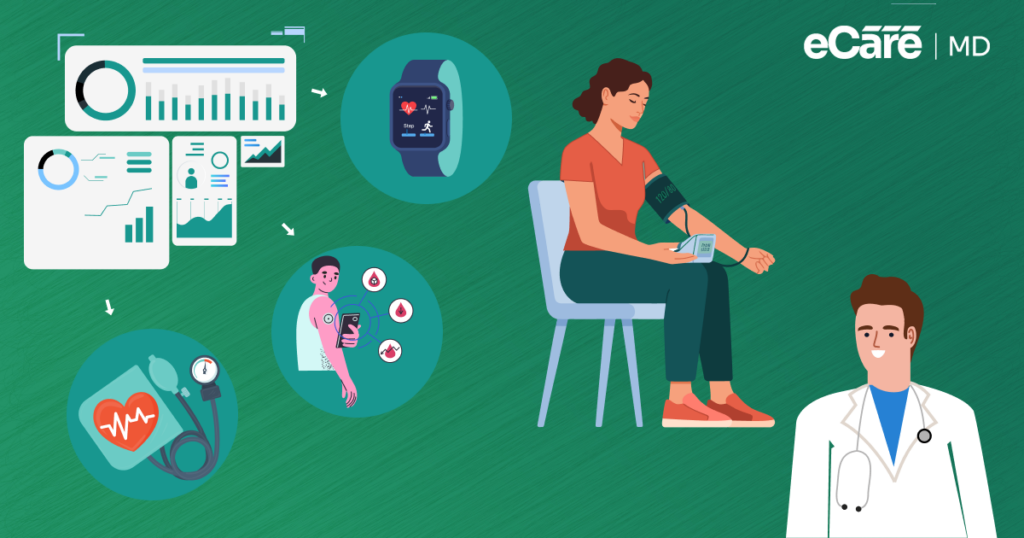
Once RPM is in place, the next key step is understanding how it actually brings in revenue. Unlike one-time services, RPM creates recurring revenue. If your patients stay enrolled and are monitored month after month, your practice can generate steady revenue rather than relying on occasional in-person visits.
When care continues, the opportunity to get reimbursed also continues. This can further build into a reliable monthly revenue stream that practices can count on. At eCareMD, we’ve seen many practices with structured RPM programs start seeing clear revenue growth within 6–12 months of getting started.
One thing that plays a key role here is patient engagement. If your patients are actively involved, regularly using their devices, and staying connected with their care, your RPM program can work best. However, if patient engagement drops, it can affect overall revenue.
The cherry on top is that RPM can be used alongside programs like Chronic Care Management (CCM), helping your practice to support patients better while providing additional revenue opportunities.
RPM’s Impact on Reducing Hospital Readmissions
Download Free WhitepaperOperational ROI: Reducing the Cost of Care Delivery
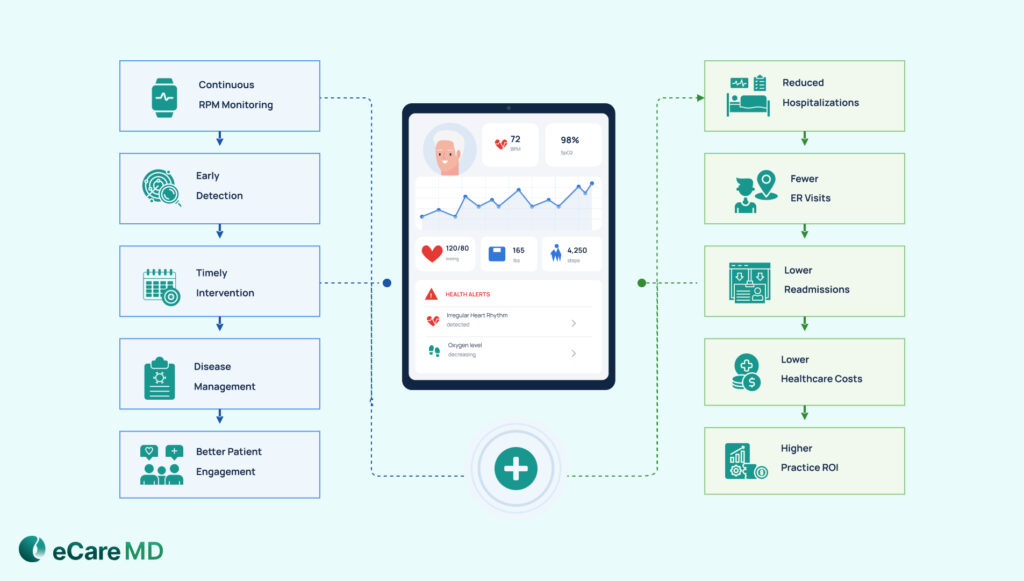
Revenue is only one side of the story. The real potential of RPM lies in how much it reduces the cost of care delivery. For many practices, efficient management of time, staff, and resources is as important as bringing in new revenue.
Let’s explore more about it:
1. Fewer in-person visits, lower overhead:
RPM reduces unnecessary clinic visits, especially for routine check-ins and stable patients. Rather than bringing every patient into the clinic, you can remotely monitor your patients’ health data and step in when needed. With this proactive care model, you can easily save time and reduce your administrative staff workload and overall operational costs.
2. Better staff productivity through streamlined workflows:
In many practices, staff spend a lot of time juggling calls, follow-ups, and scattered information. RPM brings structure to the workflows by centralizing your patient data and making it easier to track progress. Instead of administrative back-and-forth, your care team can work efficiently, spending more time on insightful patient interactions with clearer visibility and fewer manual tasks.
3. Reduced administrative burden:
Administrative work can quietly increase gradually, especially when you manage chronic care patients. RPM contributes to simplifying routine tasks, including documentation, tracking patient activity, and managing follow-ups. If you have better systems in place, there are fewer chances of errors, and less time spent on repetitive tasks. Furthermore, this helps you enhance accuracy and reduce staff fatigue.
4. Smarter focus on high-risk patients:
As you may already know, not every patient needs the same attention level, and with RPM, you can see who actually does. By continuously tracking your patient data, you can identify trends or warning signs, prioritizing who needs your attention first. This further helps you to focus more on their efforts where it matters the most.
Clinical ROI: Improving Outcomes While Reducing Costs
Beyond operations and revenue, RPM delivers patient outcomes. As mentioned earlier, continuous care enables early intervention, better condition management, and the avoidance of costly complications. You can clearly see here the benefits of remote patient monitoring, not just in care quality, but also in reducing overall healthcare costs.
1. Early detection reduces hospitalizations and ER visits:
With RPM, you can make quick clinical decisions, rather than waiting for symptoms to worsen. With continuous data, you can detect warning signs early, enabling timely intervention. This proactive approach helps to prevent avoidable hospital admissions and emergency visits.
2. Better chronic disease management:
When you monitor your patients regularly, chronic condition management becomes much more effective and easier. Rather than depending only on periodic visits, you can get ongoing visibility into your patient’s health. This further helps you take more informed decisions, timely care adjustments, and better long-term outcomes.
3. Fewer no-shows, more continuous care:
When your patients know their health is monitored actively, they are more likely to stay involved in their overall care journey. Key factors like regular tracking, reminders, and feedback encourage them to follow care plans more effectively. And, we already know that consistency is key; just like that, better patient adherence ultimately leads to better results.
4. Higher patient adherence and engagement:
As we discussed above, RPM reduces the need for frequent in-person visits, and it also helps cut down on missed appointments. No matter if your patient skips a visit, care doesn’t stop, as you will have access to their health data. This further helps to ensure continuity and reduces gaps in care.
5. Supports value-based care and MIPS performance:
RPM aligns perfectly with value-based care models, where outcomes matter more than volume. Your practice can perform better in programs like MIPS by enhancing patient health, minimizing hospitalizations, and maintaining consistent monitoring. This can help you to enhance care quality, leading to better reimbursement outcomes.
Telehealth and Medicare: Expanding RPM Revenue Channels
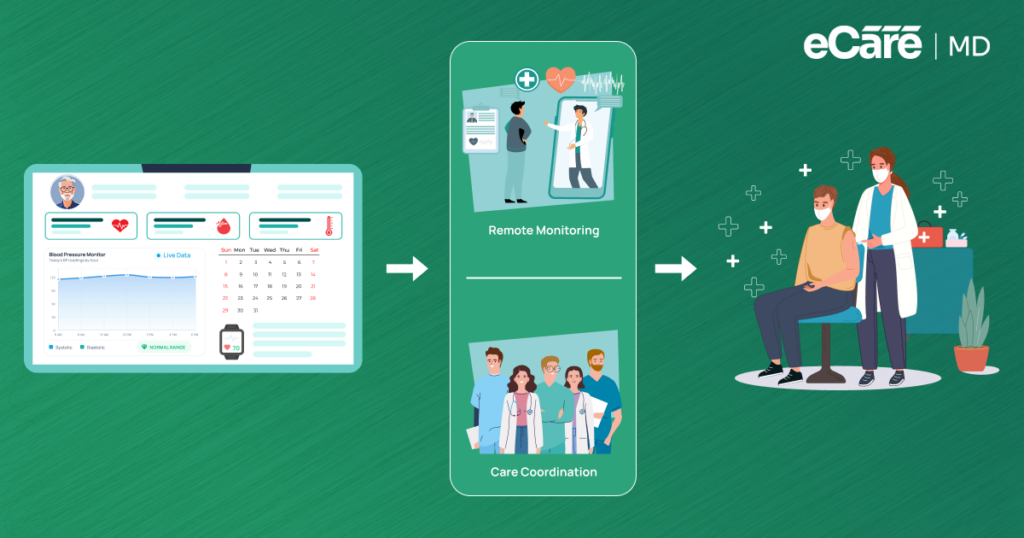
When you combine your RPM program with telehealth, it becomes even more effective. These two create a connected care model where you can continuously monitor your patients rather than working in silos. At first, it seems like simple shifts; over time, it opens the door for consistent care delivery and strong remote patient monitoring revenue.
Moving forward, to make this possible, Medicare plays a key role. Moreover, you can easily reach more patients due to the broader coverage of both RPM and telehealth services. This makes remote care more accessible, especially for high-risk patients.
So, it’s fair enough to say that this model is actually a game-changer for your senior patients. Even though frequent in-person visits are not possible, you can still track your patients’ health with RPM. On the other hand, telehealth enables quick consultations, making care much easier to manage.
From a financial perspective, this combination directly impacts growth. Without increasing physical capacity, you can manage more patients. Over time, this contributes more to how RPM increases revenue for medical practices, keeping operations efficient.
Calculating ROI: A High-Level Framework
By now, it might be clear to you that RPM not only supports revenue but also efficiency. However, to unlock its full potential, first you need to simplify your way of looking at returns. Basically, the ROI of remote patient monitoring comes down to three things: revenue earned, costs saved, and efficiency gained.
Revenue comes from ongoing monitoring, while savings come from fewer visits, less admin work, and better use of staff time.
Let’s simplify it as:
ROI = Revenue – Cost / Cost
It will be totally fine if you don’t have exact numbers here; you just need to have a clear idea about whether your program is moving in the right direction or not.
In simple terms, you can think of it as per patient. If your per-patient earnings are higher than the cost to manage them, your program is on solid ground. With a large number of patients enrolled, these small margins can start to add up.
Now, here comes the break-even point, when your RPM revenue covers your initial costs, including devices, staff time, and software. Once you cross that line, the program starts generating steady returns.
Scaling RPM for Higher Profitability
After running your program successfully, the real opportunity lies in scaling it the right way. This is a key pointer where many practices start seeing stronger returns by working smarter.
1. Increase patient enrollment to improve ROI:
If you have more patients enroll in your RPM program, it’s obvious that your return becomes stronger. As the basic setup is already in place, it becomes easier for you to add new patients. This helps you to enhance overall remote patient monitoring ROI.
2. Leverage economies of scale:
The cost per patient naturally goes down when your program grows, while revenue continues to build. This makes your RPM program financially sustainable and can highlight its long-term RPM financial benefits.
3. Focus on high-value patient segments:
It’s a fact that not all patients can contribute equally. Patients with chronic conditions or those needing regular monitoring usually provide more consistent engagement and revenue. This makes them ideal for a stable RPM program.
4. Standardize workflows for smooth growth:
With clear and consistent onboarding, monitoring, and follow-up processes, you can easily manage more patients without adding extra burden on your care team. This helps keep operations efficient as you scale.
5. Expand into rural and underserved markets:
With RPM, it is possible for you to reach any patients beyond your immediate location. Expanding into these areas can enhance care access and create new opportunities for overall growth.
Overcoming Common Challenges That Impact ROI
While scaling RPM programs plays a key role in enhancing profitability, sustaining the ROI of remote patient monitoring also requires addressing the challenges that can limit its full potential.
| Challenge | Impact on ROI | Recommended Solution |
|---|---|---|
| Low patient adherence | Reduces data consistency and limits billing opportunities, affecting remote patient monitoring revenue | Improve patient education, engagement strategies, and follow-ups |
| Inefficient workflows | Increases operational costs and reduces staff productivity | Implement streamlined workflows and care coordination processes |
| Documentation gaps | Leads to missed or denied billing opportunities | Ensure accurate tracking of monitoring time and patient interactions |
| Technology limitations | Impacts scalability and operational efficiency | Adopt integrated and scalable RPM platforms |
| Compliance issues | Results in claim denials, audits, and potential revenue loss | Follow CMS guidelines and maintain proper documentation |
Addressing these challenges proactively can help you to protect revenue, maintain efficiency, and maximize overall remote patient monitoring ROI.
Role of Technology in Maximizing RPM ROI
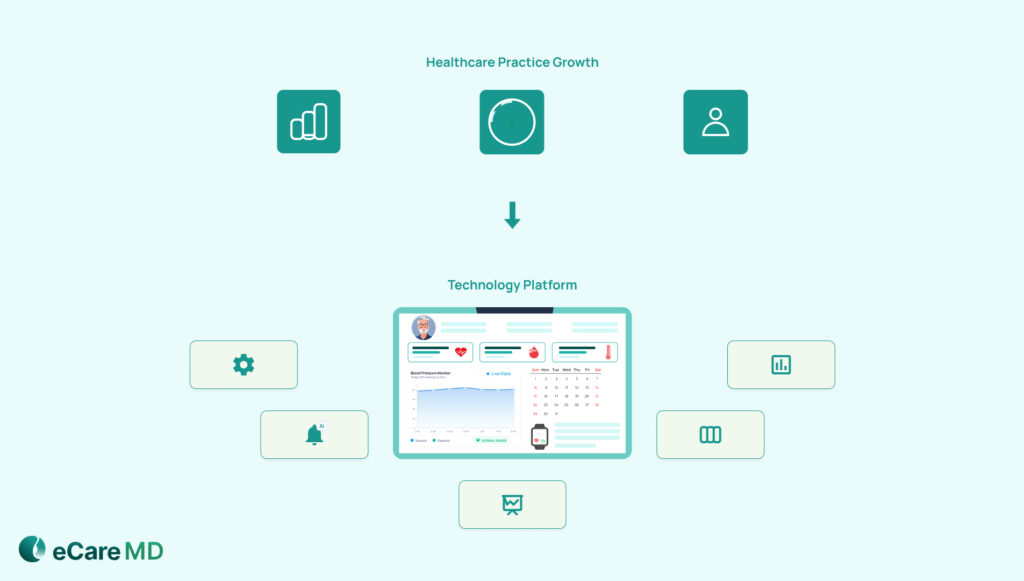
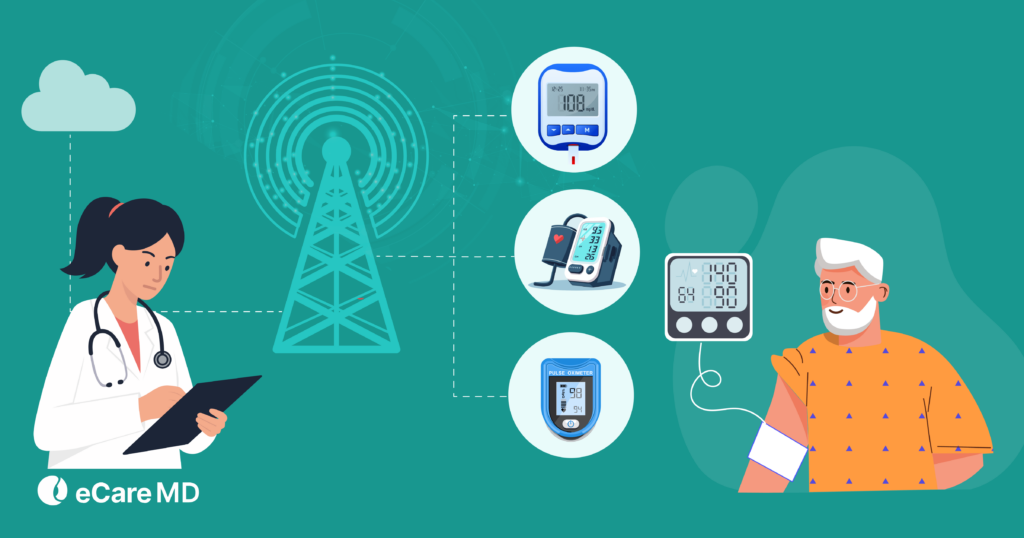
Technology is something that ties everything together in an RPM program. If you don’t have the right systems in place, even the best strategies can fall short. But when you use it well, technology can simplify operations, minimize costs, and enhance the ROI of RPM.
Let’s have a look at each technology one by one:
1. Automation improves operational efficiency:
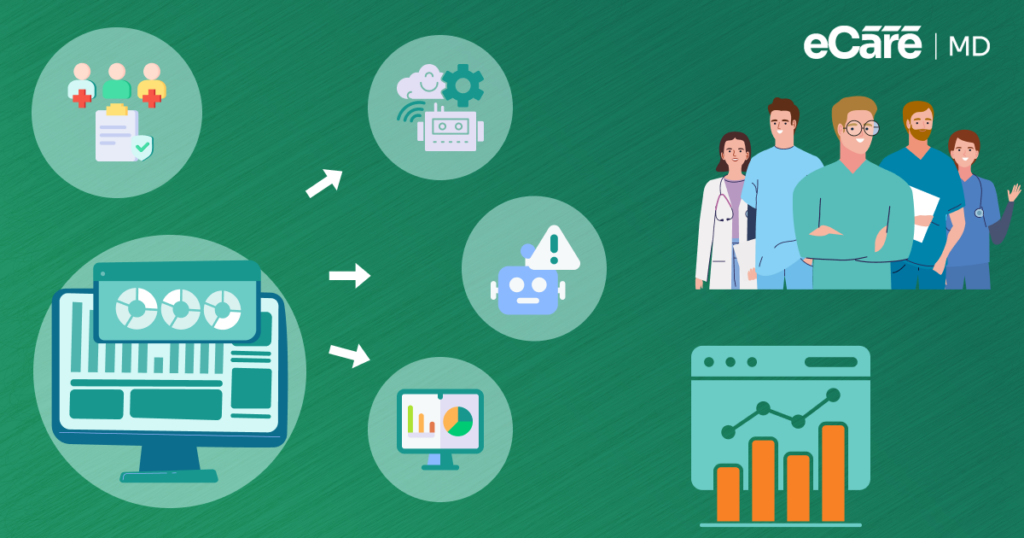
With automation, you can remove repetitive tasks, including data collection, reminders, and routine follow-ups. This helps you to reduce manual work, save time, and enables your staff to focus more on patient care rather than administrative tasks.
2. Intelligent monitoring and alert prioritization:
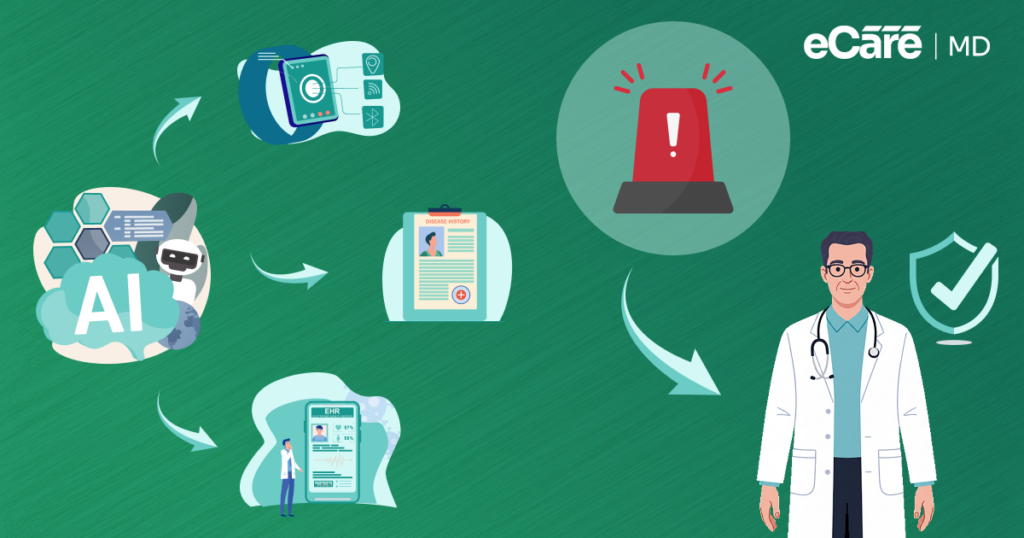
Instead of reviewing every data point manually, with smart systems, you can easily highlight the patients who need your attention the most. This helps your care teams to focus more on high-risk patients without getting overwhelmed by unnecessary alerts.
3. Real-time tracking of performance and financial metrics:
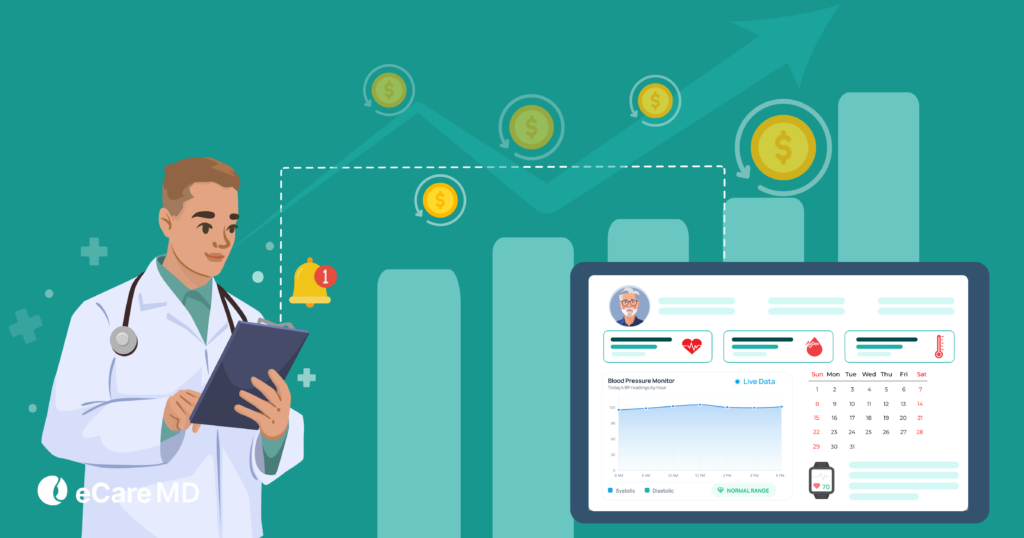
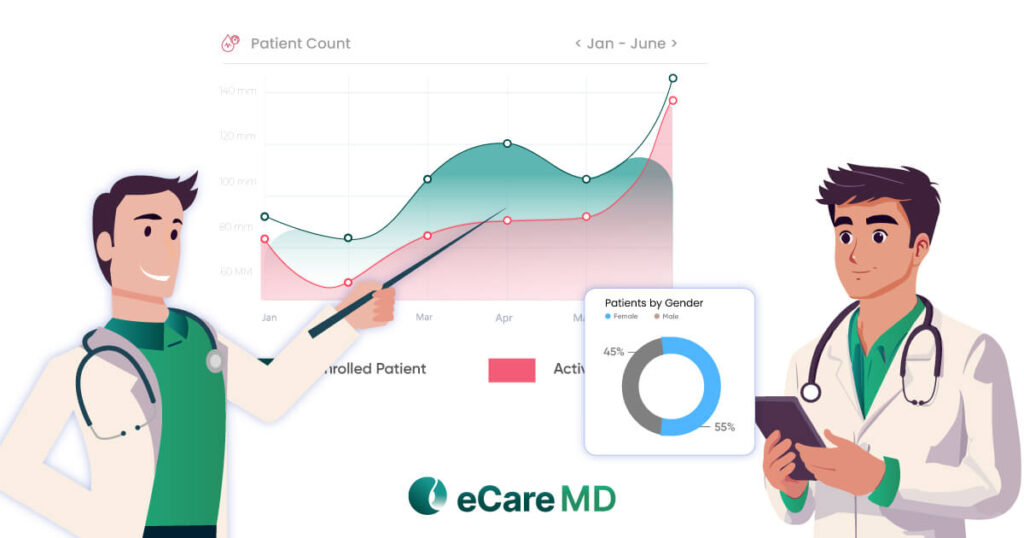
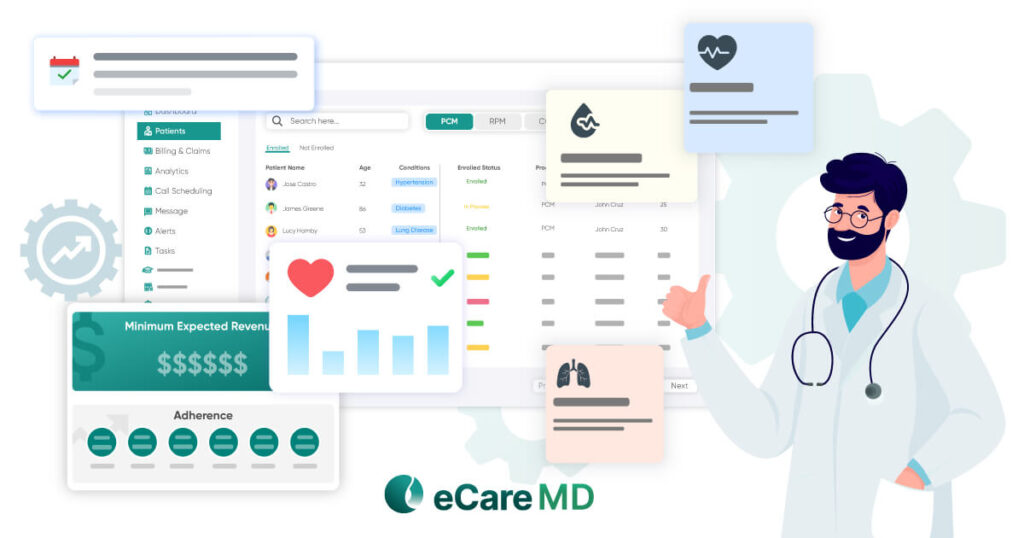
Modern RPM provides clear visibility into both clinical and financial performance. It helps you to track patient engagement, service delivery, and real-time revenue trends by making it easier to adjust and improve.
4. Reducing costs through optimized workflows:
When workflows are structured and supported by the right technology, operations become seamless. This helps you to reduce wasted efforts, lower operational costs, and enhance overall efficiency.
5. Predictive insights to improve program performance:
With predictive analytics, you can spot trends early and take steps before small issues turn into complications. This adds another layer of efficiency to your RPM program.
Platforms like eCareMD are specifically designed to support these capabilities by offering automation, real-time visibility, and scalable workflows. This makes it easier for you to manage growing patient volumes and continue to enhance practice profitability with remote patient monitoring.
Conclusion: RPM as a Scalable Revenue Strategy
RPM is no longer just an add-on; it’s a reliable way to drive both clinical outcomes and revenue. By improving care while creating a steady income, it strengthens the overall ROI of remote patient monitoring.
However, results depend on the right setup. Structured workflows, consistent patient engagement, and proper documentation are key to getting the most out of your program.
With the support of technology, RPM has also become easy to scale. Practices can manage more patients, reduce costs, and continue improving practice profitability with remote patient monitoring over time.
Platforms like eCareMD help bring this together by enabling efficient, scalable RPM operations.
Want to see what this could look like for your practice? click here, because at the end of the day, the proof is in the pudding.
Frequently Asked Question’s
The ROI of remote patient monitoring varies, but many small practices see positive returns within the first year. With steady patient enrollment and proper workflows, RPM can deliver both new revenue and cost savings, making it a strong contributor to overall profitability.
On average, clinics can generate $80–$150 per patient per month, depending on services delivered and patient engagement. Over time, this recurring revenue becomes a stable income stream.
Yes, RPM supports better patient outcomes, continuous monitoring, and care coordination—all of which align with MIPS quality measures. This can help improve scores and potentially increase Medicare incentives.
Common issues include low patient engagement, incomplete documentation, missed billing opportunities, and inefficient workflows. These gaps can quietly reduce overall remote patient monitoring revenue.
AI and automation reduce manual work, prioritize high-risk patients, and streamline workflows. This lowers operational costs and improves efficiency, directly boosting RPM financial benefits.


![The Future of Remote Patient Monitoring: CMS Innovations & Emerging Trends [2026]](/wp-content/uploads/2024/07/Blog-36-The-Future-of-Remote-Patient-Monitoring_-Trends-AI-Innovation-CMS-Updates-for-2026-1024x538.png)