Last Updated: July 23, 2026
A surprising reality in today’s healthcare landscape is that many well-planned Remote Patient Monitoring (RPM) programs get stuck at the approval level.
The reason behind it is not actually a lack of clinical value, but rather that the financial case is not explained clearly. Even many health initiatives slow down at the leadership level as decision-makers don’t see a clear “why now” or a simple view of expected return.
For many practice administrators, this creates a real challenge. You should always keep in mind that you are not only introducing a new model, but you are expected to justify it, budget it, and prove its actual impact on operations and revenue. If you don’t have a clear RPM business case, RPM can be seen as just an added cost rather than a growth opportunity.
Here you might be wondering about: How Remote Patient Monitoring improves patient care while also delivering measurable financial value?
As it is supported by a clear cost-benefit analysis of RPM and aligned with a realistic RPM implementation strategy for practices, it is easy for decision makers to see both value and feasibility.
Let this blog be your guide to explain how practice administrators can build that case in a structured way, so RPM can get approved faster and seen as a smart, long-term investment.
Understanding RPM ROI and the Business Case Framework
You should always start a strong RPM business care with a basic understanding of how money flows in and when it comes back.
A remote patient monitoring business case depends on three factors: the investment required, the expected financial return, and the time to break even. If you don’t have this clarity, RPM can start to feel like abstract to decision makers, rather than just a structured financial opportunity.
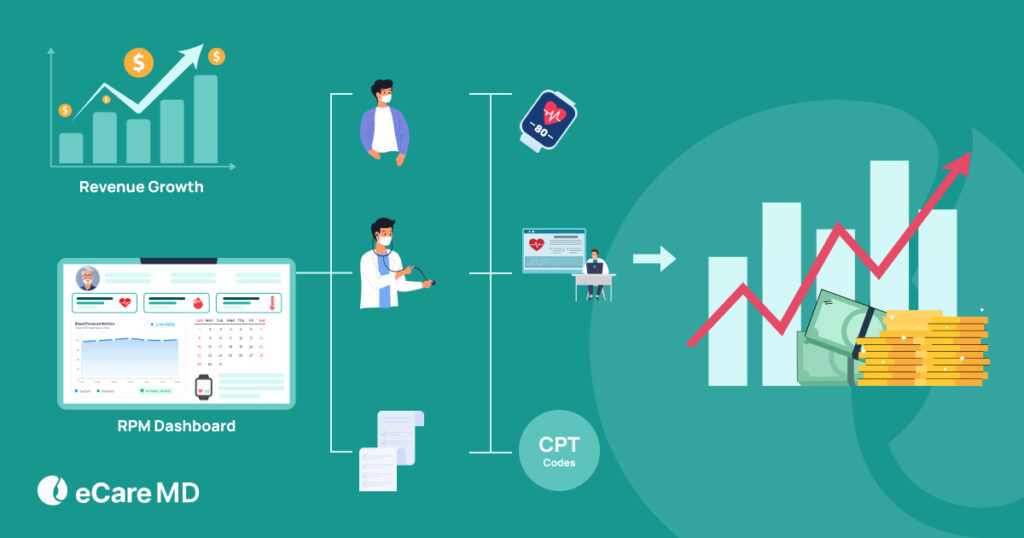
The real RPM ROI for healthcare practices’ value comes from multiplying streams. One of the important factors for them is recurring revenue through CPT-based billing. By creating a predictable revenue layer of the practice, each enrolled and actively monitored patient can help you get monthly revenue.
Equally valuable is cost savings. With continuous monitoring, it is easy for you to reduce avoidable hospital visits, emergency escalations, and complications from unmanaged chronic conditions. This can further impact your overall care costs and enhance patient stability.
Equally important is performance in value-based care. Even though it is less visible, it’s actually a very important layer. Improved outcomes, better chronic disease control, and consistent patient engagement equally contribute to strengthening your overall quality scores. All these together indirectly support long-term financial incentives.
A practical remote patient monitoring business case usually follows a simple framework:
- Investment: Setup costs, devices, staffing, and platform expenses
- Revenue: Monthly earnings per patient through RPM billing
- Timeline: Expected break-even point and ROI period
When you map these three elements together, you can get a clearer picture for leadership to understand. On the basis of Medicare reimbursement structure and common industry benchmarks, RPM usually starts showing a valuable return within a predictable timeframe when utilization is consistent.
Cost vs Revenue Analysis for RPM Implementation
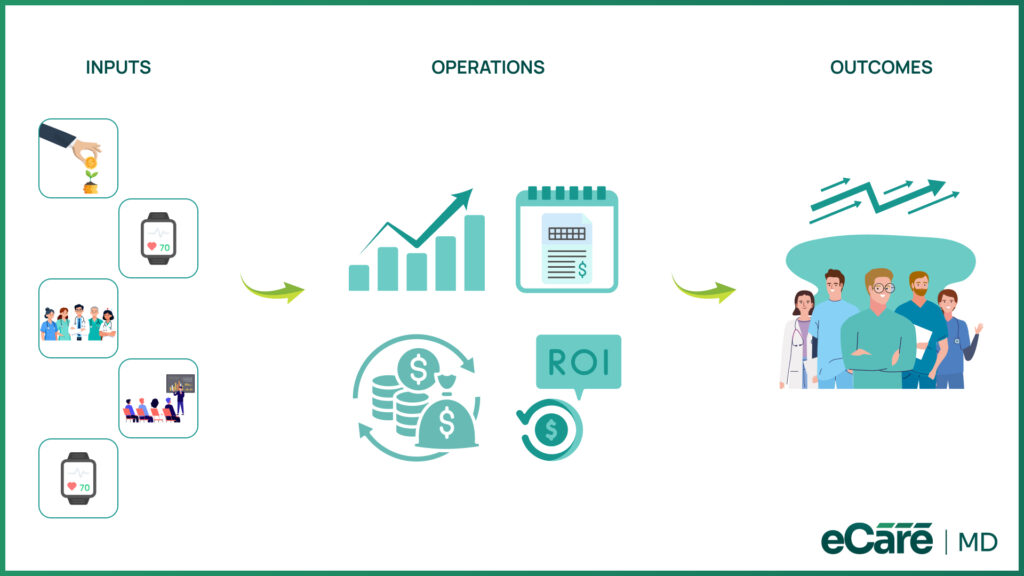
A cost vs revenue analysis for RPM implementation is where the remote patient monitoring business case becomes truly real for decision makers. This is the key point where abstract benefits can turn into numbers, trade-offs, and clear financial direction. Rather than just explain what RPM can do, it shows exactly how it can perform as a working financial model inside a practice,
Let’s have a look at the table to quickly understand the feasibility and ROI potential:
| Category | Cost Side | Revenue Side |
|---|---|---|
| Devices & Logistics | Device procurement, shipping, and inventory | Enables continuous data capture required for CPT 99454 billing |
| Staff & Operations | Staff time, training, and onboarding setup | Improved efficiency lowers cost per patient and increases margin over time |
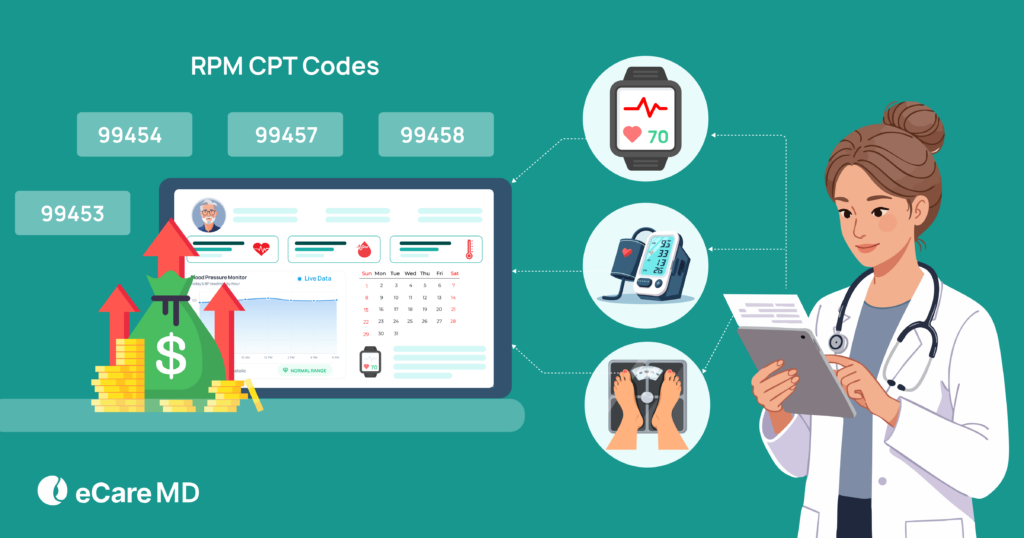
| Monthly Billing (99454 + 99457) | Clinical time spent on monitoring and documentation | Recurring per-patient monthly reimbursement |
| Extended Care (99458) | Additional staff time for complex patients | Additional reimbursement for extended clinical time |
| Patient Adherence | Engagement efforts and follow-ups | Higher adherence increases billable months and total revenue |
| Program Scale | Infrastructure and staffing as volume grows | Revenue scales proportionally with patient enrollment |
| Break-Even Benchmark | Total program investment across all categories | Positive ROI typically within 6–12 months at ~100+ active patients |
Key Metrics to Include in Your Business Case
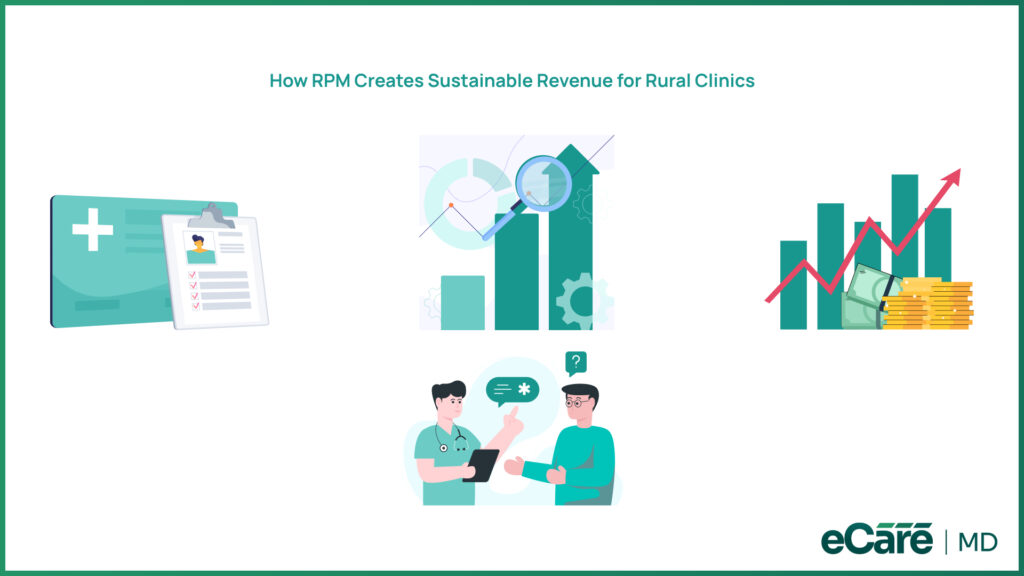
Once you understand the cost and revenue structure, the next key step is proving performance through the right metrics. This is the step where the discussion shifts from projections to valuable outcomes that stakeholders can actually trust.
For many practice administrators, these metrics act like proof points as they show whether the program is running and delivering real financial and clinical value over time.
Let’s have a look at key metrics:
1. Patient Enrollment and Activation Rates:
This metric helps you to get a clear picture of which patients are enrolled and how many of them are actually starting to use the RPM program. At this stage, if you drop off any patient, it can affect your revenue. To avoid this, it’s necessary for you to show a clear onboarding strategy here. With strong activation, you can get key signals that your program is practical and scalable.
2. Patient Adherence and Engagement:
Your RPM program only works effectively if your patients are actually using their devices consistently and staying engaged. With patient adherence and engagement metrics, you can see how often your patients are submitting readings and stay aligned with their monitoring requirements. Higher patient adherence enhances patient outcomes, ensuring consistent monthly billing.
3. Clinical Outcomes (Readmissions and Condition Control):
The positive impact of RPM on patient health is one of its biggest strengths. With a reduction in hospital readmissions, better blood pressure or glucose control, and early intervention, you can see better patient outcomes. All these improvements then support your value-based care goals and strengthen your long-term financial case.
4. Revenue Per Patient and Overall ROI:
By showing how much revenue each patient can generate on a monthly basis and how that scales across the program, with these metrics, you can tie everything together. If combined with cost inputs, it can clearly demonstrate RPM ROI for healthcare practices, giving you a complete financial picture.
All these metrics together make it easier to present the remote patient monitoring ROI to stakeholders effectively. Rather than broad claims, you can show measurable progress from enrollment and engagement to outcomes and revenue.
Building an RPM Implementation Strategy
If you don’t have a clear plan for execution, even the strongest remote patient monitoring business case can fall short. And, this is why implementing a strategy gains momentum, as leadership is not just about approving an idea, it’s actually approving how it will actually work in practice.
With a well-defined RPM implementation strategy for practices, you can bridge the gap. It highlights how the program is actually valuable, practical, organized, and ready to deliver results from day one.
Let’s explore each strategy one by one:
1. Identify the Target Patient Population:
You should always start by defining who will benefit the most from RPM, like patients with chronic conditions like hypertension, diabetes, or heart disease. If you focus on the right group, it can ensure better outcomes, higher engagement, and faster ROI.
2. Define Onboarding and Monitoring Workflows:
Your RPM program’s success depends more on clear workflows; either they can make it or break it. Clear workflows involve how you are enrolling your patients, setting up devices, reviewing data, and following the rest of the process. Streamline workflows can help your care team to spend less time on figuring things out and more on delivering care.
3. Assign Roles and Responsibilities:
One key thing to remember is that remote patient monitoring is a team effort. It’s important that each person in your team knows their roles and responsibilities. This involves everything from clinical staff monitoring patient data to administrative teams handling billing and documentation. If you provide clear ownership, it can help you to avoid any confusion and keep your operations running seamlessly.
4. Plan for Scalability:
Your RPM program is expected to grow fast, even though they start small. If you plan further things like moe patients, data, and workflows, it will help you to make sure that your system will not break under pressure. Scalability is something that can turn RPM from a pilot program into a long-term revenue stream.
Presenting the Business Case to Stakeholders
If the presentation does not go in the right direction, even the most well-structured RPM business care can miss the mark. Even the best numbers can fall down if they’re buried in complexity.
When presenting remote patient monitoring ROI to stakeholders, your focus should always be on what matters the most to them, like financial clarity, predictable returns, and manageable risks.
Let’s see how to make your case land more effective:
1. Focus on Financial Projections and ROI Timeline:
You should start with the basics, like how much the program will cost, how much revenue it can generate, and how long it will take to break even. Giving a clear timeline will make your stakeholders stay confident that the investment is predictable and manageable.
2. Use Simple, Data-Driven Insights:
There is no need to show each and every small detail. You must focus more on numbers that matter, like patient volume, monthly revenue per patient, and expected ROI. It becomes much easier to trust when the data is simple and relevant.
3. Address Risks, Costs, and Implementation Challenges:
It’s obvious that every leadership team will think about potential risks, so you should address them upfront. No matter if it will be patient adherence, staffing needs, or upfront costs, you should acknowledge all these factors to show preparedness and build credibility.
4. Keep Communication Clear and Structured:
A scattered presentation can weaken even a strong case. By keeping your messages organized, like from investment to returns to outcomes, all together, you can ensure stakeholders can follow the logic without confusion.
Strengthening Your Business Case with Data and Automation
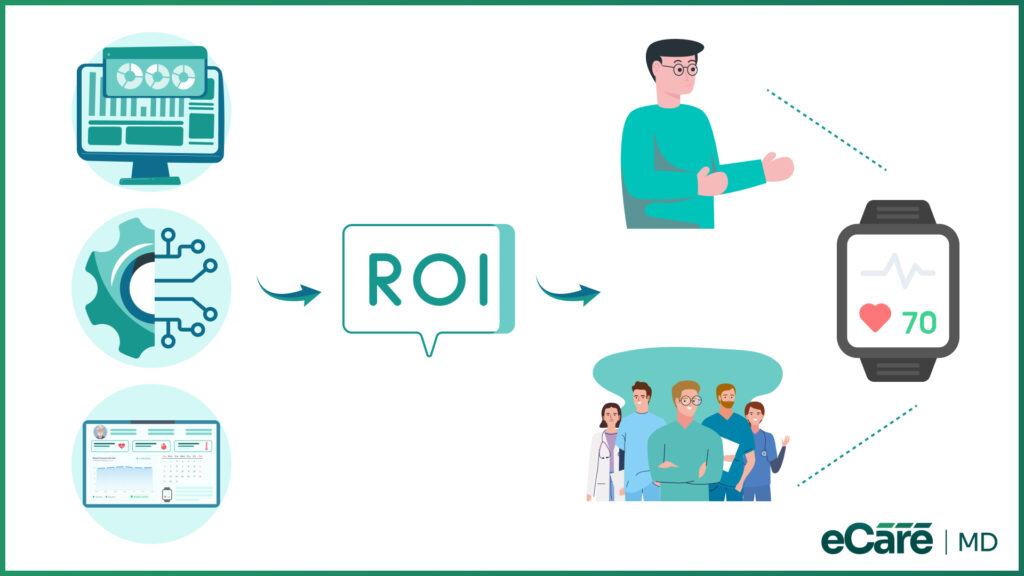
When you back your remote patient monitoring business case with real data, it will become far more convincing than just projections. Your stakeholders don’t just want to see expected outcomes; they want proof that those outcomes are achievable and trackable over time.
Moving forward, by using real-time data, you can support not only your financial, but also operational assumptions with actual performance insights. Real-time data helps you to get a bigger picture of how your patients are engaged, revenue is building, and outcomes are improving. At the top of the cherry is continuous tracking of ROI, which makes sure that your RPM program will stay on course and deliver consistent results after implementation.
Automation is equally important. Automated tracking helps you to minimize manual efforts, enhance accuracy, and keep your stakeholders updated with minimal friction, rather than depending on manual reports.
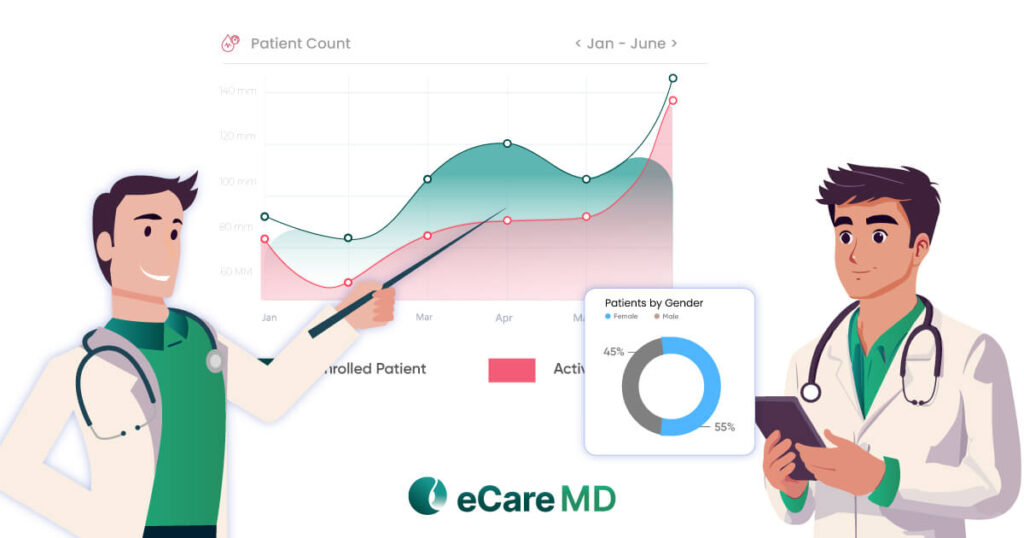
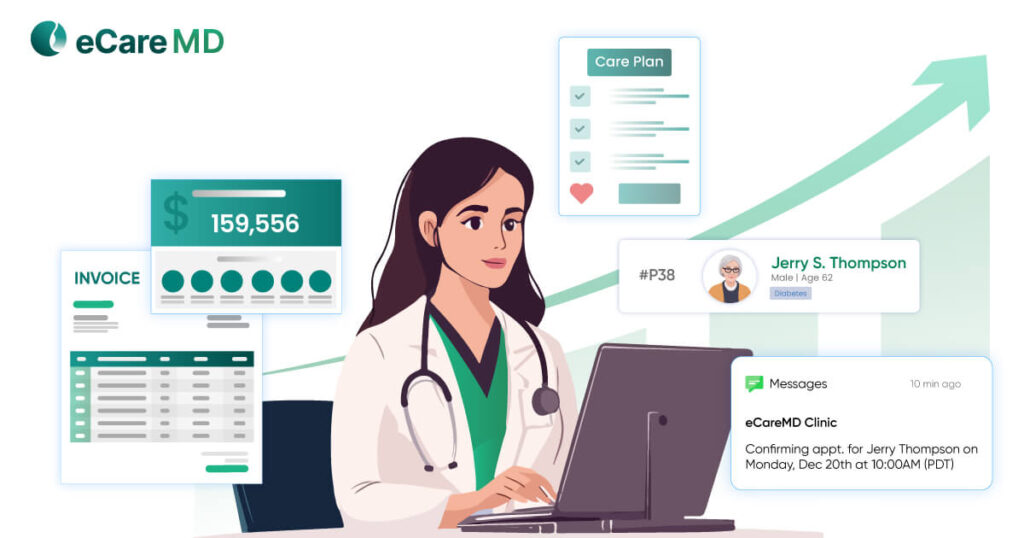
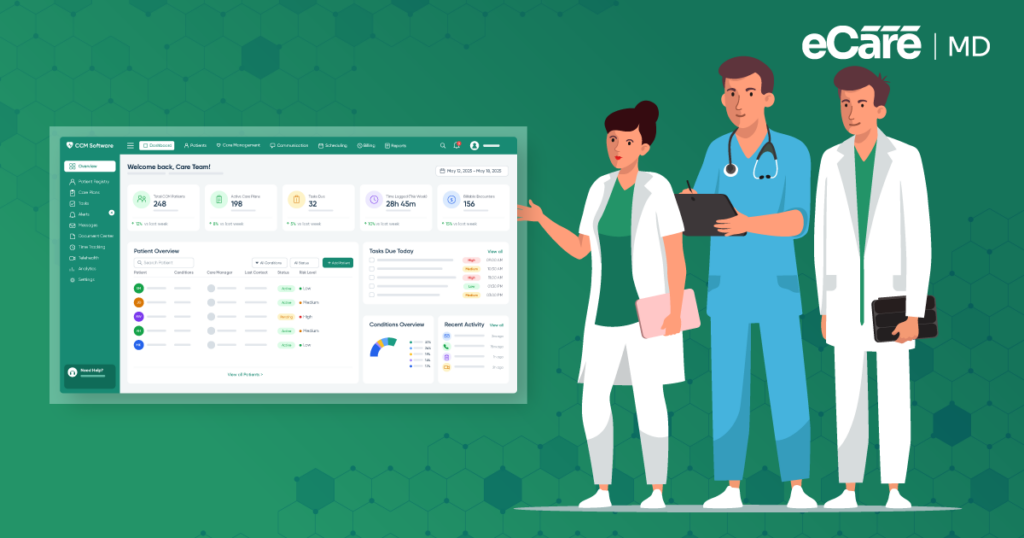
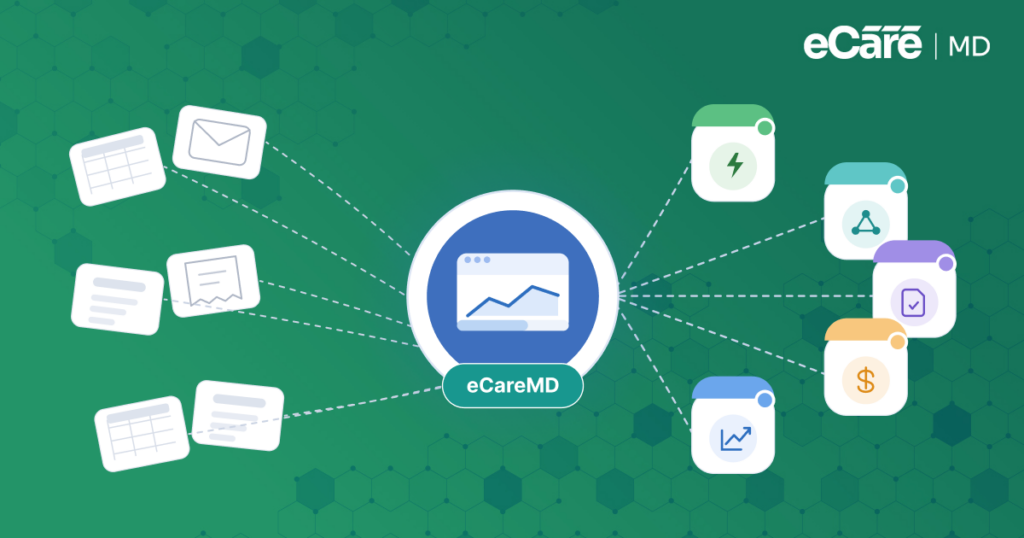
Furthermore, platforms like eCareMD can strengthen your remote patient monitoring business case by providing built-in analytics and performance visibility.
Conclusion: Turning RPM into a Strategic Investment
Remote Patient Monitoring is more than just a clinical upgrade—it’s a clear opportunity to drive both better patient outcomes and steady revenue growth. But like any good idea, its impact depends on how well it’s presented.
A structured, data-driven remote patient monitoring business case brings everything together—costs, revenue, outcomes, and timelines, so leadership can see the value without confusion. When done right, it turns RPM from a proposal into a strategic, long-term investment.
Build, validate, and present your RPM business case with confidence. Click here to explore more.
Frequently Asked Question’s
To build a strong case, start by identifying your target patient population and estimating enrollment. Then calculate costs (devices, staffing, software) and expected revenue through RPM billing codes. Add a clear ROI timeline and support it with performance metrics. A structured remote patient monitoring business case should show both short-term feasibility and long-term growth.
The RPM ROI for healthcare practices comes from recurring monthly revenue, reduced hospitalizations, and improved care outcomes. While exact numbers vary, many practices start seeing positive returns within 6–12 months, especially with consistent patient engagement and proper billing.
Costs typically include device procurement, shipping, software/platform fees, and staff time for monitoring, onboarding, and patient engagement efforts. It’s important to include both upfront and ongoing operational costs to present a realistic cost-benefit analysis of RPM.
When presenting remote patient monitoring ROI to stakeholders, focus on clear financial projections, simple data points, and a defined ROI timeline. Avoid overcomplicating the data—highlight key numbers, address risks, and keep the message structured and easy to follow.
Common challenges include patient adherence, staff workload, initial investment costs, and workflow integration. Addressing these upfront builds credibility and shows that the plan is practical, not just theoretical.
Most practices begin to see ROI within 6–12 months, depending on patient volume, engagement levels, and operational efficiency. Consistent billing and patient adherence play a key role in reaching break-even faster.
Patient volume directly impacts revenue. Higher enrollment leads to more consistent monthly billing and faster ROI. However, it’s important to scale gradually to maintain quality care and operational efficiency while growing the program.










![The Future of Remote Patient Monitoring: CMS Innovations & Emerging Trends [2026]](/wp-content/uploads/2024/07/Blog-36-The-Future-of-Remote-Patient-Monitoring_-Trends-AI-Innovation-CMS-Updates-for-2026-1024x538.png)