Last Updated: July 17, 2026
Nearly 54% Americans who live in rural areas have less access to healthcare, from which almost 27% patients are facing high cost barriers, and rest 24% feels it is difficult to find nearby providers.
The real challenges in rural healthcare are a larger distance to the nearest clinic, less provider availability, missed follow-ups, etc. These challenges can turn routine care into a logistical headache.
Additionally, due to all these challenges, care gaps become the norm. For example, a patient may skip a follow-up because the clinic is far away, or a provider may struggle to monitor chronic conditions without regular data.
At the initial level, you may think these are small gaps, but over time, they can turn into major health risks and lost revenue opportunities.
This is where Remote Patient Monitoring for rural healthcare providers starts to make a huge difference. RPM for rural healthcare solutions enables continuous remote tracking of your patient health, bridging the gap between you and your patients.
Rather than depending on occasional in-person visits, you can stay connected with your patients in real-time, bringing care directly to them. This approach not only improves access but also unlocks sustainable growth.
So, how is RPM helping rural providers expand access, enhance outcomes, and build new revenue streams?
Let’s dive into our blog to find answers to all these questions.
How RPM Expands Access to Care in Rural Areas
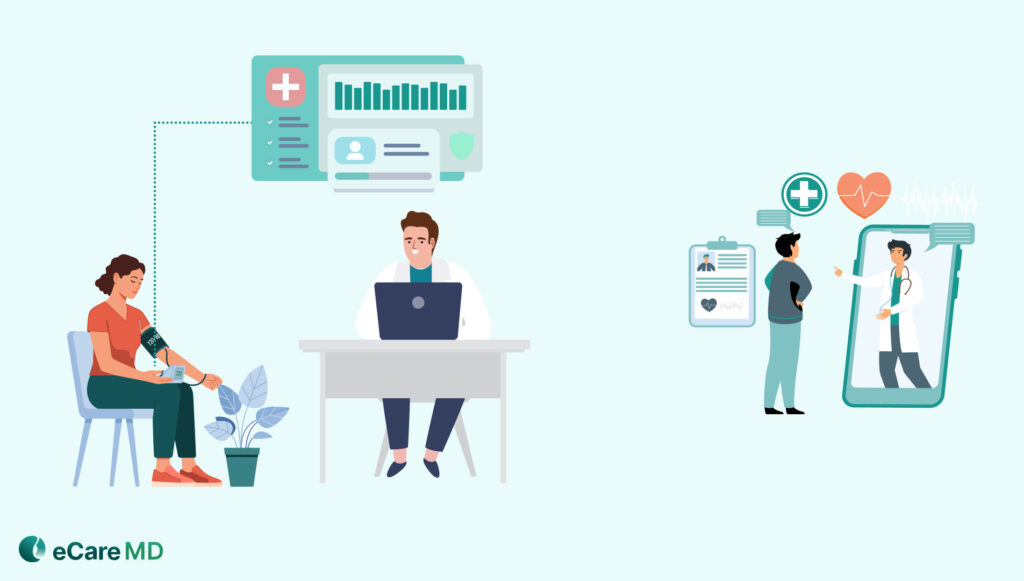
In rural healthcare, distance is a deciding factor between timely care and delayed treatment. However, for providers like you, this creates one question: How do you stay connected with your patients who can’t easily make it to the clinic?
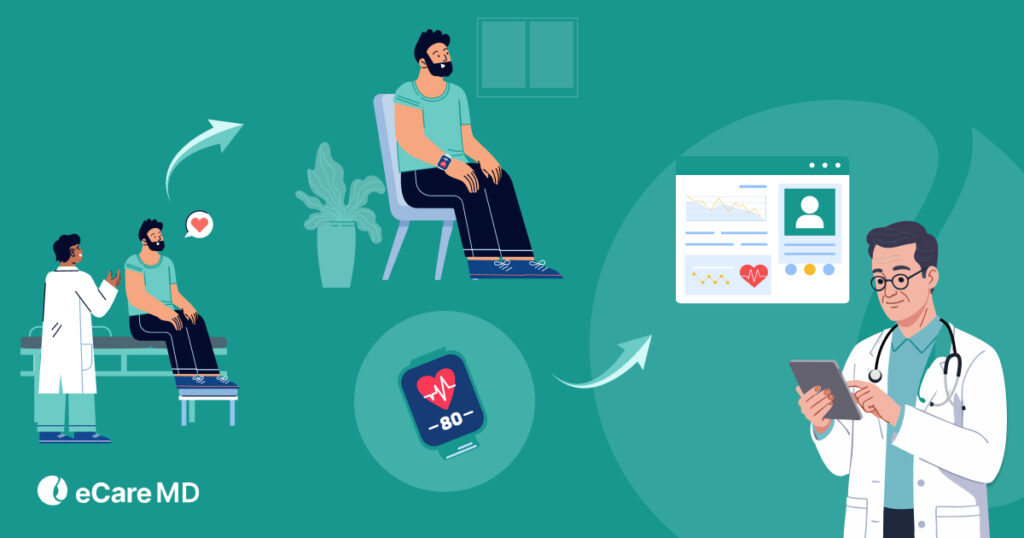
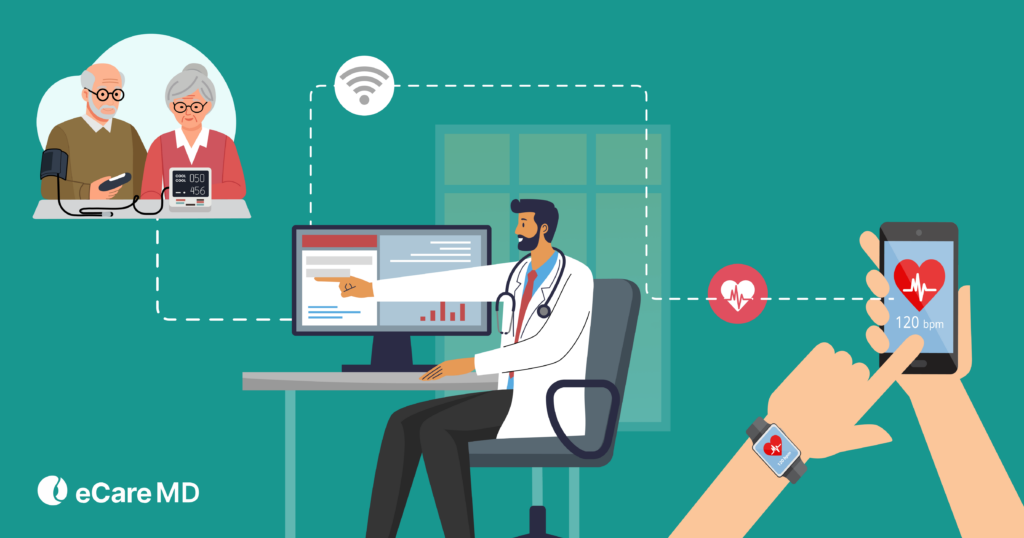
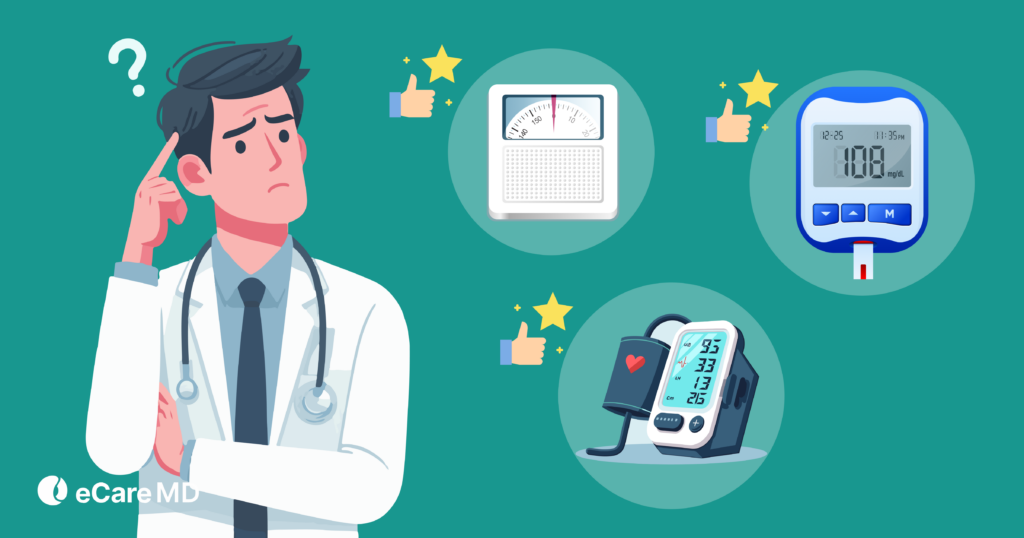
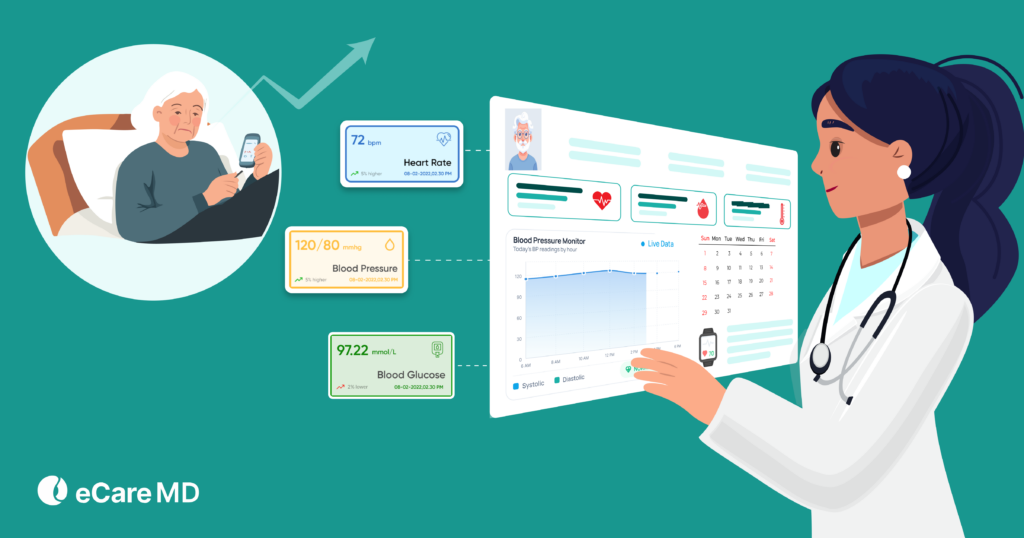
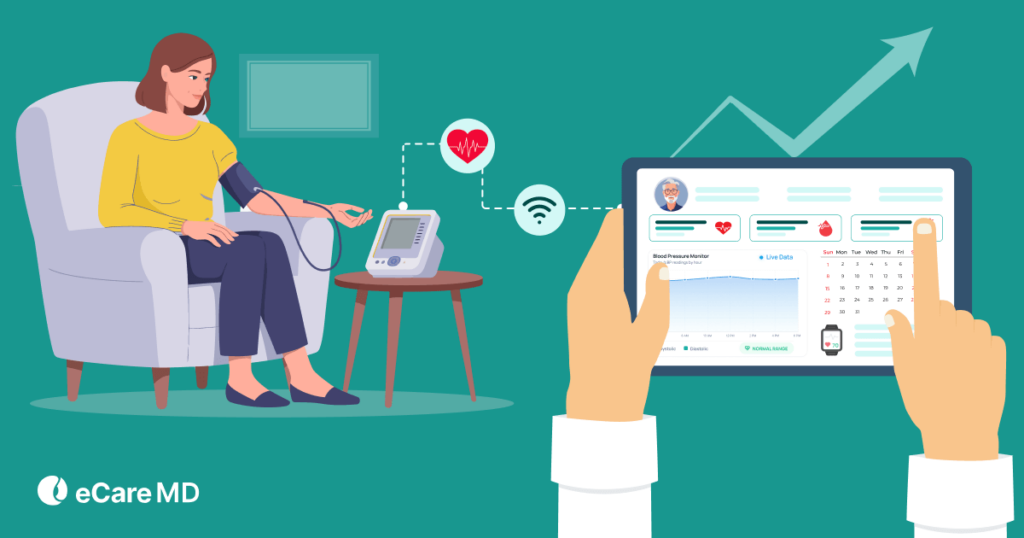
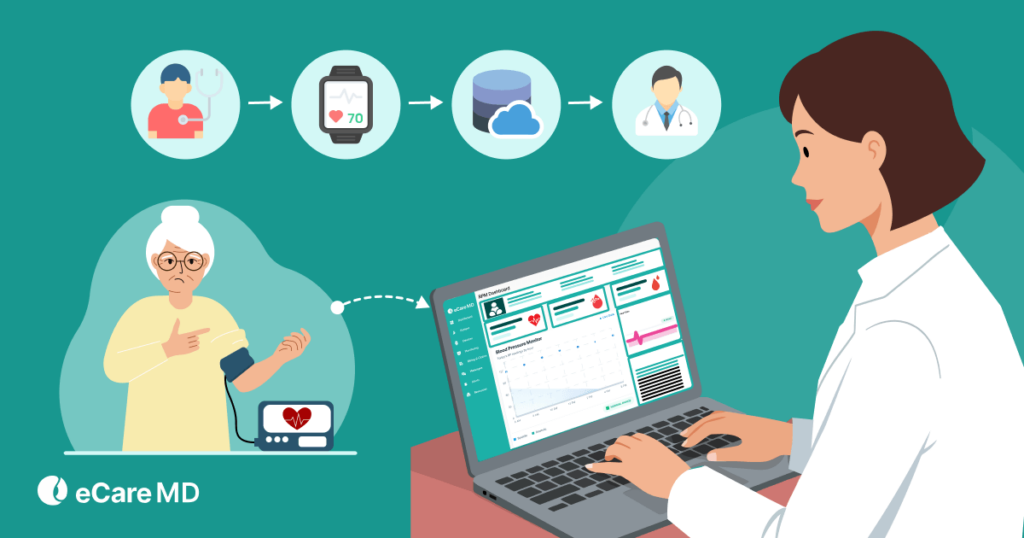
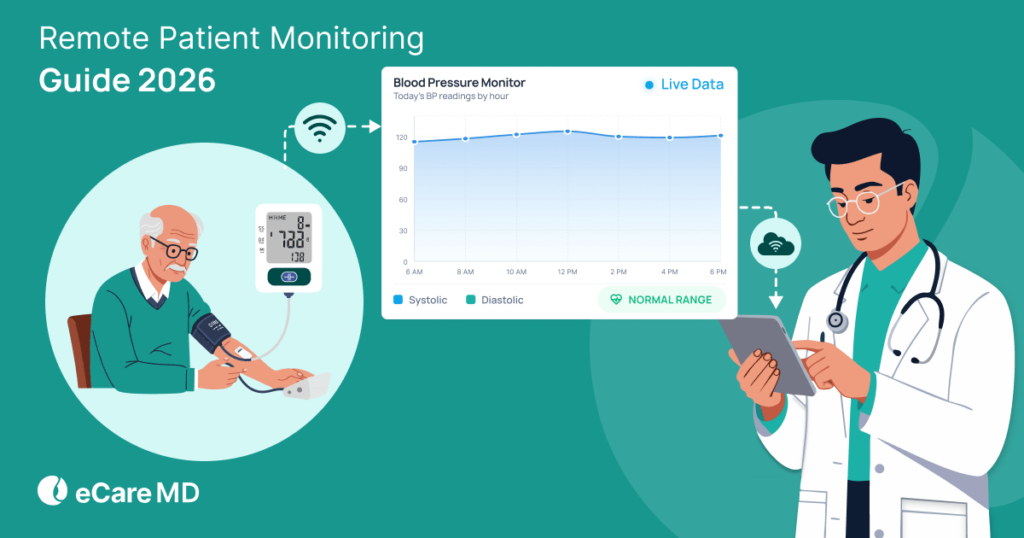
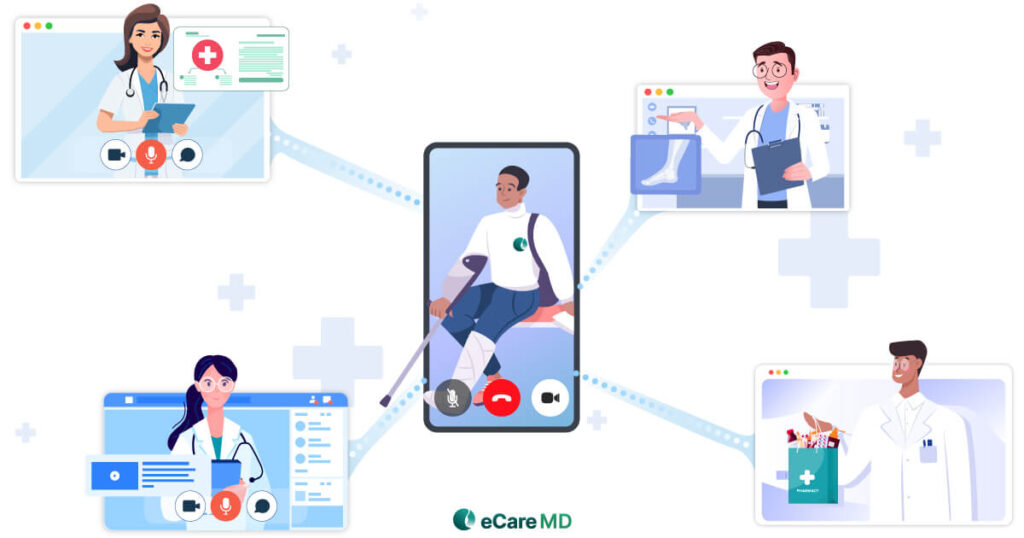
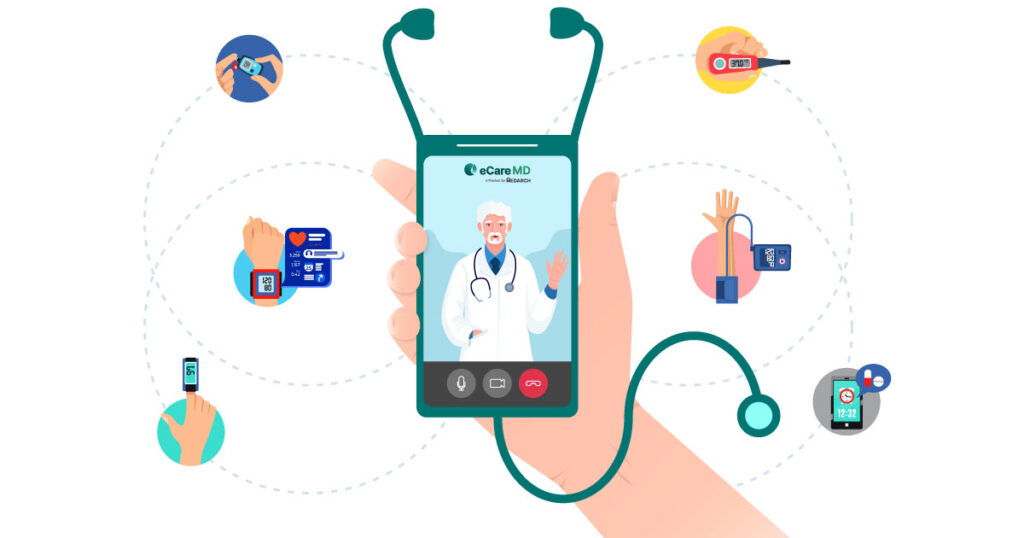
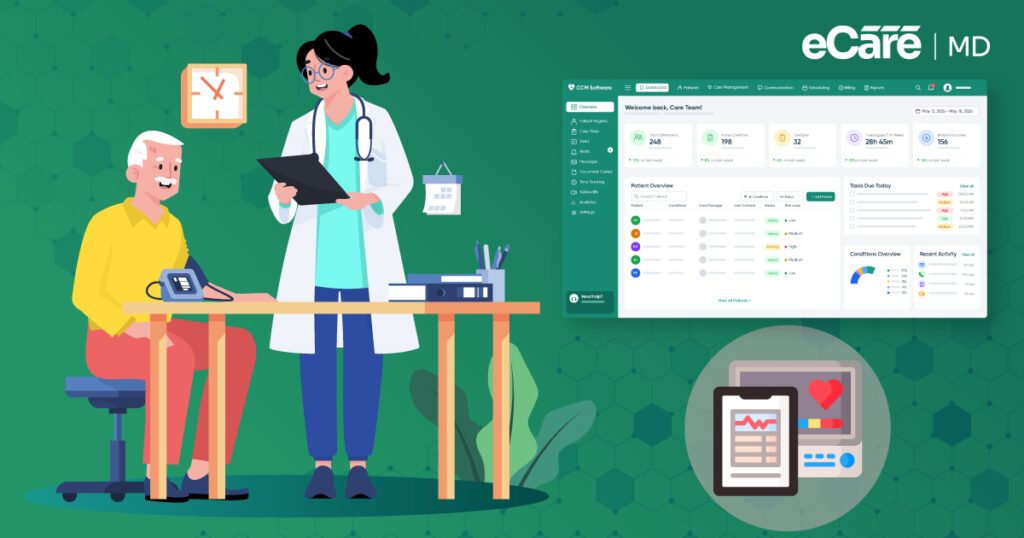
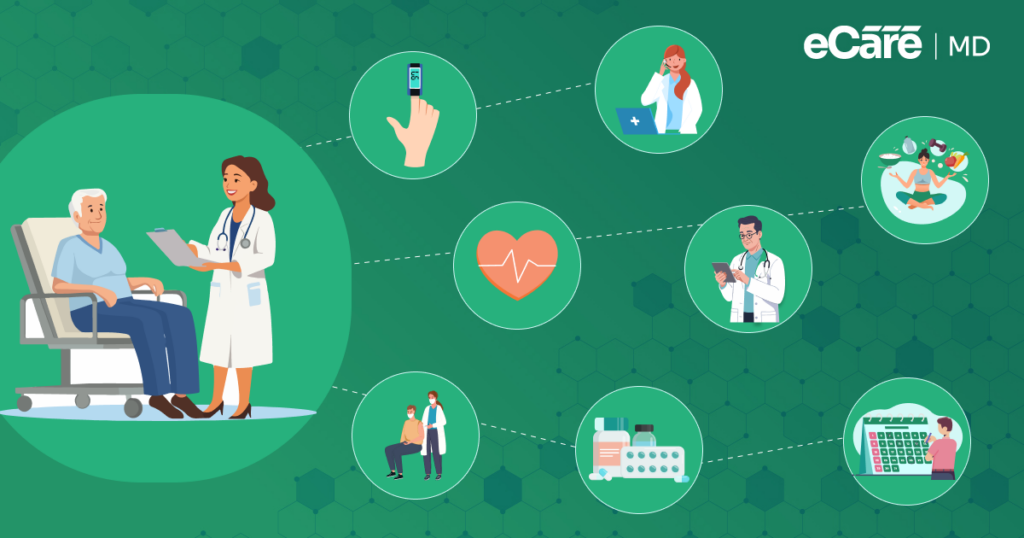
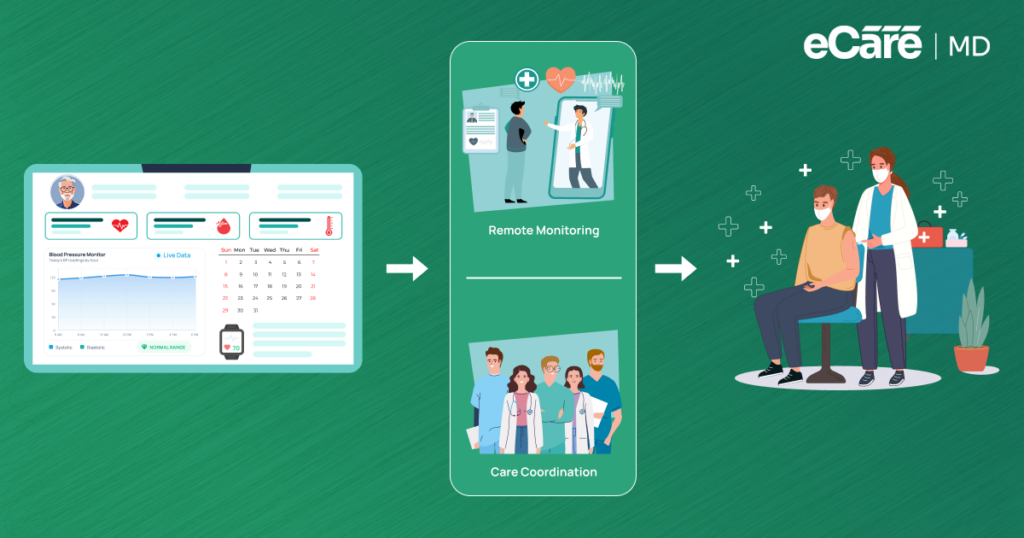
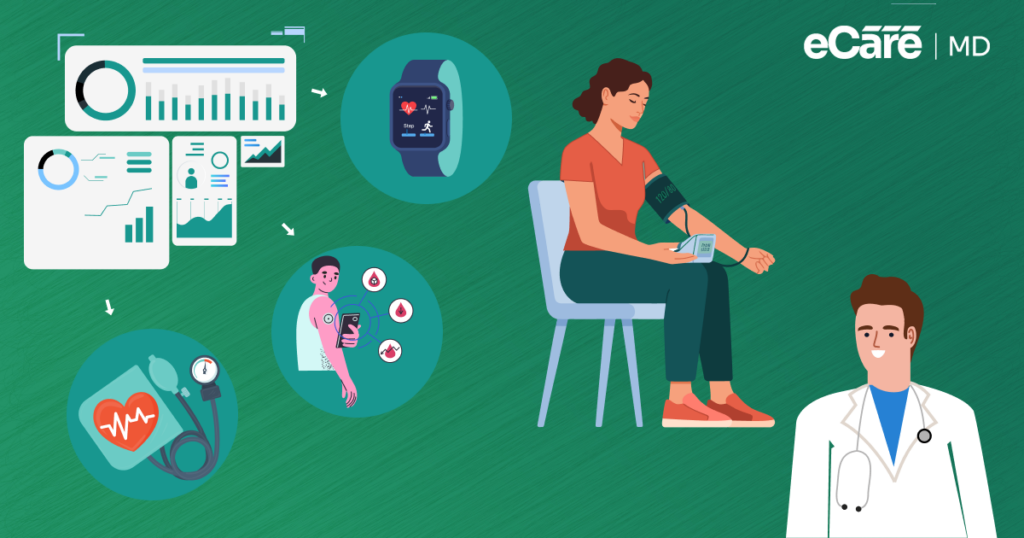
However, here, remote patient monitoring in rural healthcare starts to make a real difference. This solution removes the need for frequent clinic visits for routine check-ins. Now, key health data like blood pressure, pulse rate, weight, etc., can be captured from your patient’s homes and shared with you in real-time.
Furthermore, this model is beneficial especially for patients with chronic conditions like diabetes, hypertension, and COPD. Managing chronic conditions needs continuous attention, and with consistent monitoring provided by RPM, you can intervene early and avoid risky complications.
Along with this, RPM also reduces the reliance on in-person consultations. For example, you can focus more on patients who actually need physical visits. This shows a more balanced way of care delivery.
Ultimately, expanding access with remote patient monitoring in rural areas helps you in delivering steady and reliable care despite distance barriers. When your patients stay more connected, and you stay informed, access becomes part of the solution.
Overcoming Connectivity Challenges in Rural Settings
Expanding access is not always smooth sailing, especially in rural areas where connectivity can be hit or miss. In rural areas, limited broadband and unreliable internet are still major challenges. It’s obvious that if you don’t have a stable connection, even the best RPM can fall down.
This is why simplicity and reliability matter the most in the technology itself. To unlock the actual potential of remote patient monitoring, your solution should be easy to use and dependable in low-connectivity environments. If you have complicated setups or Wi-Fi-dependent devices, it can quickly create trouble.
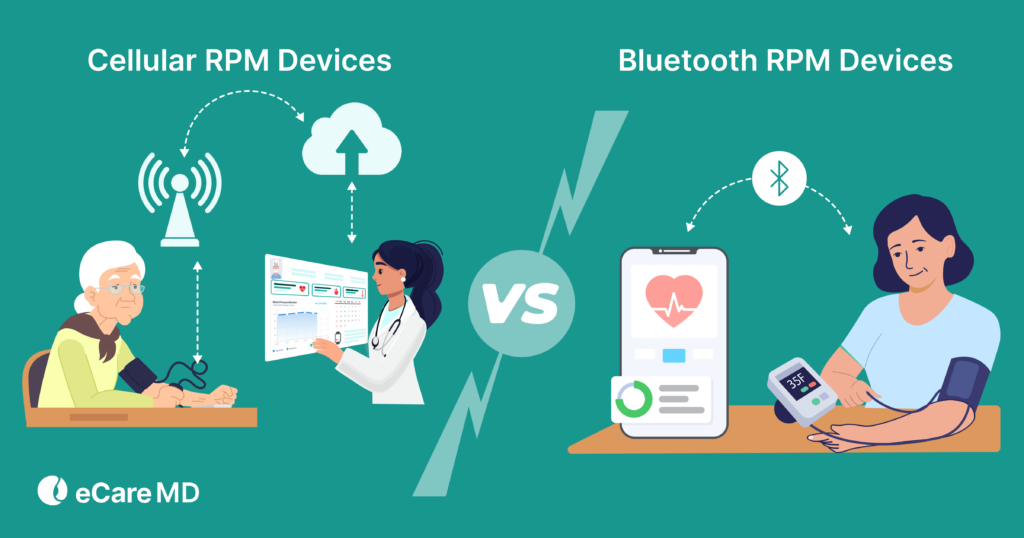
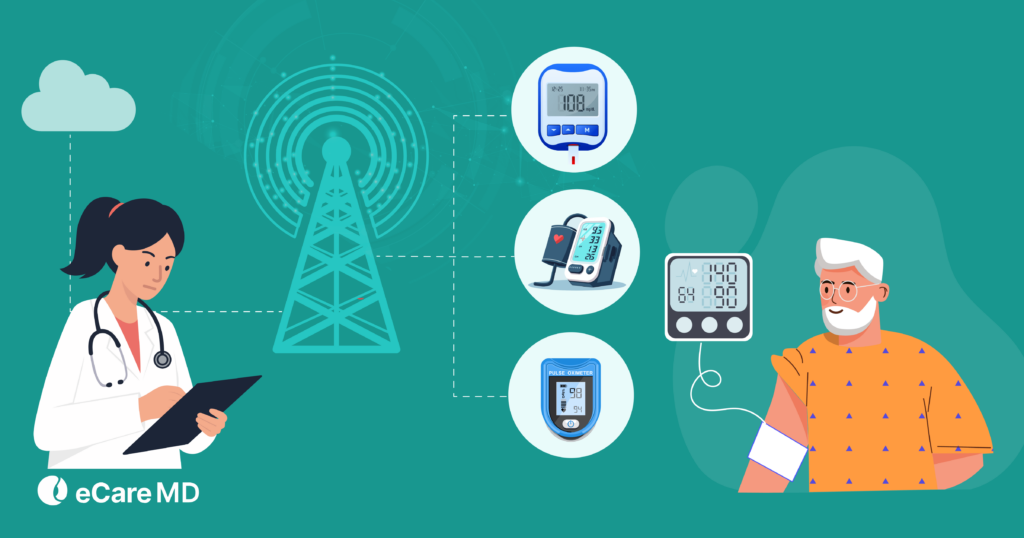
This is exactly where connectivity-independent devices or cellular-enabled devices start to show their real impact. These devices transmit your patient data by using built-in cellular networks, rather than relying on home internet. This further helps you to receive timely updates regardless of location.
Reliable data transmission is the backbone of a successful RPM rural healthcare program. As a fact, if your patients’ data doesn’t reach you, the whole system can lose its value. If you get it correctly, you can keep your care delivery consistent, even though connectivity is limited.
Revenue Opportunities for Rural Clinics with RPM
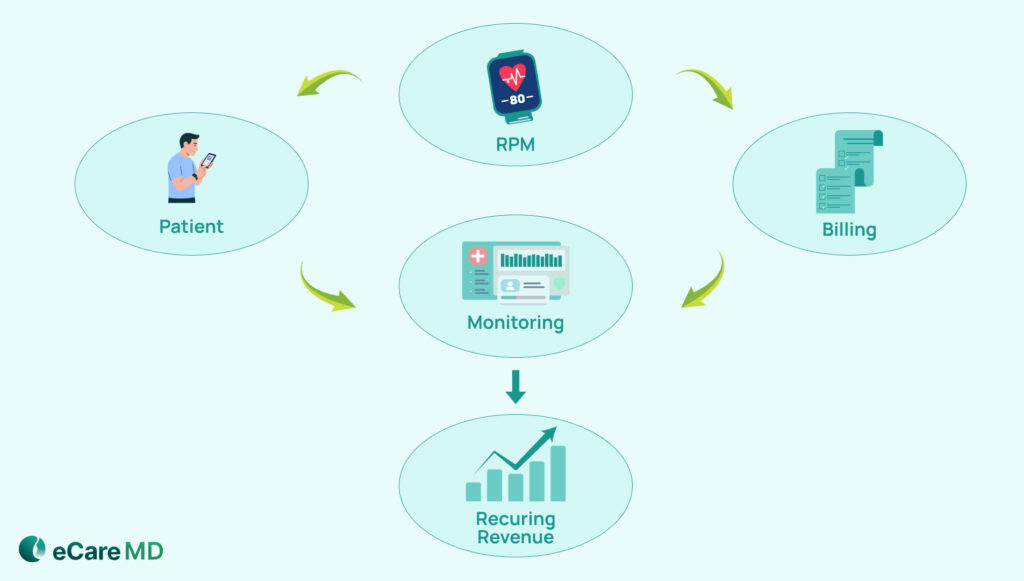
For many rural clinics, growth is still tied to one thing: more patient visits. But this model can only struggle due to limited staff and long travel distances for patients. However, RPM for rural healthcare providers can open up a different path.
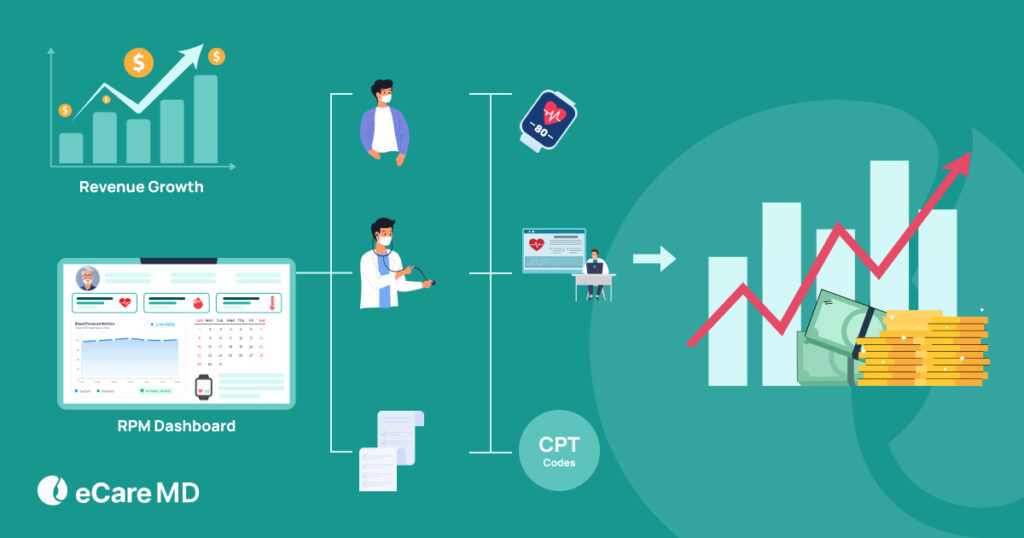
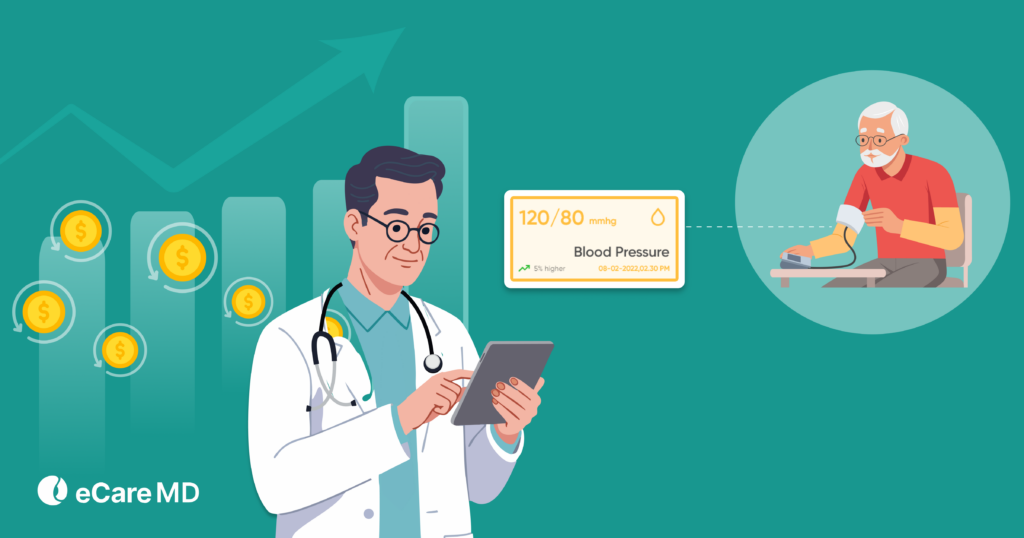
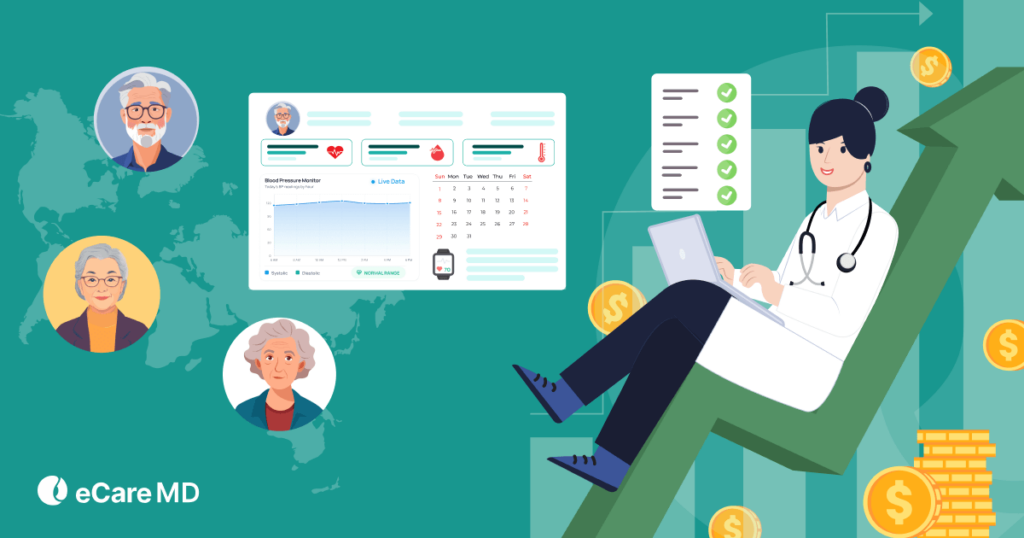
Unlike occasional in-person visits, with continuous monitoring, you can generate recurring monthly revenue. In simple words, care will not stop even when the patient leaves the clinic, and neither does the revenue. This approach makes it a steady and predictable model that fits well into the day-to-day reality of rural practices.
The cherry on top is that this income doesn’t require increasing foot traffic. It’s easy for clinics to support more patients without overloaded staff schedules, making it a win-win situation for you and your patients.
Additionally, RPM aligns with value-based care models closely, where the main focus is on outcomes and not just volume. You can deliver better results and strengthen your financial performance by improving patient monitoring and reducing complications. With RPM revenue opportunities for rural health clinics, RPM turns into a sustainable business model.
Understanding Rural RPM Reimbursement
Revenue potential is one part of the story. However, actually capturing it depends on a good understanding of how reimbursement works. Even though Medicare offers a clear pathway to rural healthcare providers, it comes with specific rules that you need to follow.
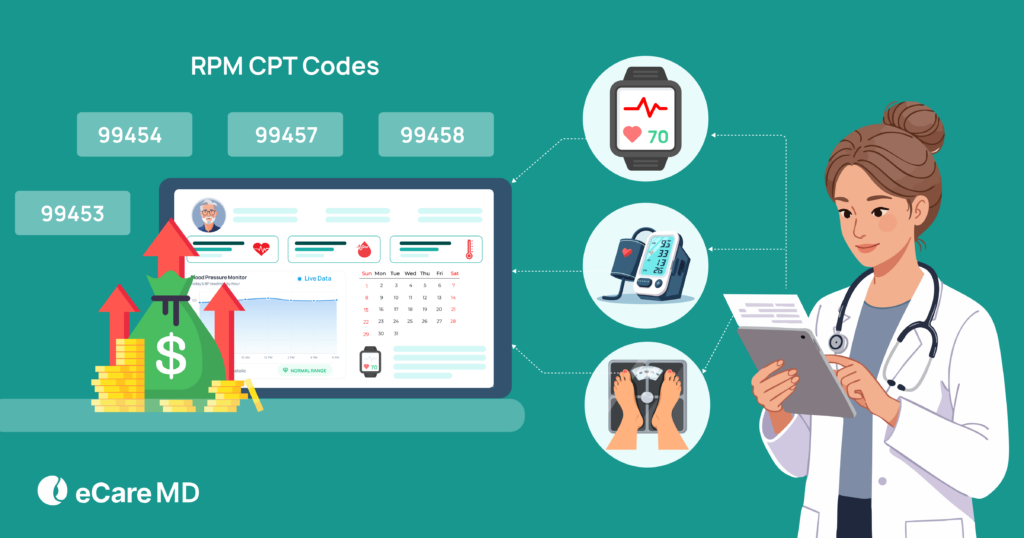
RPM services are primarily billed by using CPT codes like 99453, 99454, 99457, and 99458. These codes create a structured way for your clinics to get paid for both technology and care.
Let’s have a look at the quick breakdown of these codes:
| CPT Code | Description | What It Covers |
|---|---|---|
| 99453 | Initial setup & education | Device setup and patient onboarding |
| 99454 | Device supply & data transmission | 30 days of monitoring and data collection |
| 99457 | RPM management (first 20 mins) | Clinical staff/physician time for monitoring & interaction |
| 99458 | Additional 20 mins | Extra time spent beyond initial 20 minutes |
Moving forward, the billing approach for Rural Health Clinics (RHCs) and Federally Qualified Health Centers (FQHCs) is slightly different. Rather than separately billing for each CPT code, many services are bundled under G0511. G0511 covers general care management, including RPM. While simplifying billing on the surface, it also puts pressure on understanding what qualifies and how services are documented.
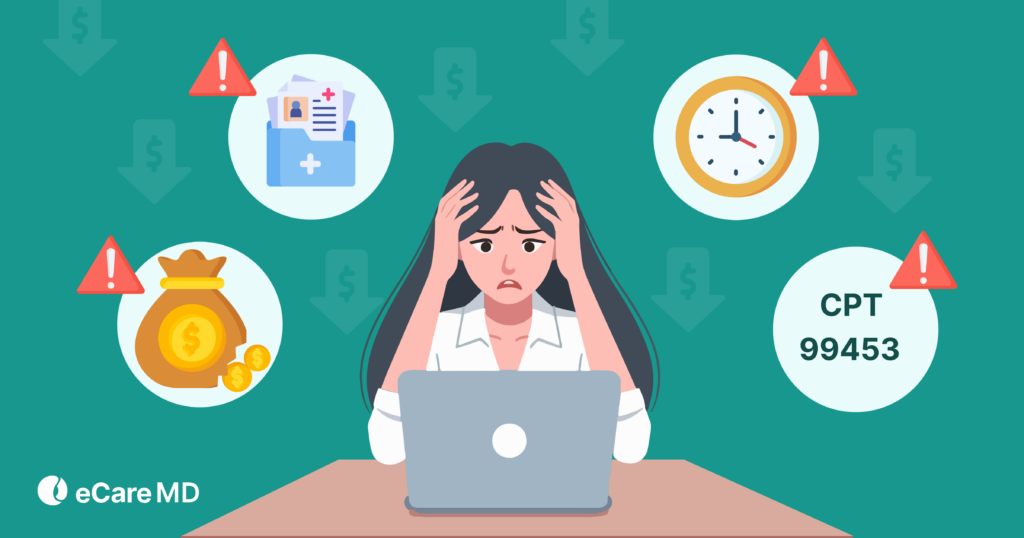
Here, things start to get tricky, as reimbursement is not about offering RPM. Reimbursement also depends on proper documentation, accurate time tracking, and patient adherence. If your patient fails to meet usage requirements or if documentation falls short, there is a high chance that you will be leaving your money on the table. However, here, rural health clinic RPM reimbursement jumps in to meet these billing and compliance requirements consistently.
Improving Outcomes and Efficiency in Rural Practices
When you improve access, outcomes naturally flow, and RPM is a strong example of that. Let’s explore it one by one:
1. Fewer hospitalizations and emergency visits:
Now, you don’t have to wait for symptoms to worsen before taking action due to continuous monitoring. Subtle changes in vitals can signal early risks and enable timely interventions. This proactive approach helps to take steps early and avoid serious complications. This ultimately led to a reduction in hospitalization and emergency visits.
2. Better chronic disease management:
Chronic conditions management requires continuous monitoring, and not occasional check-ins. As RPM allows regular tracking of key health metrics, it’s easy for you to adjust care plans in real-time. Ultimately, your patients stay more stable, experience fewer flare-ups, and are less likely to disengage.
3. More patients managed with limited staff:
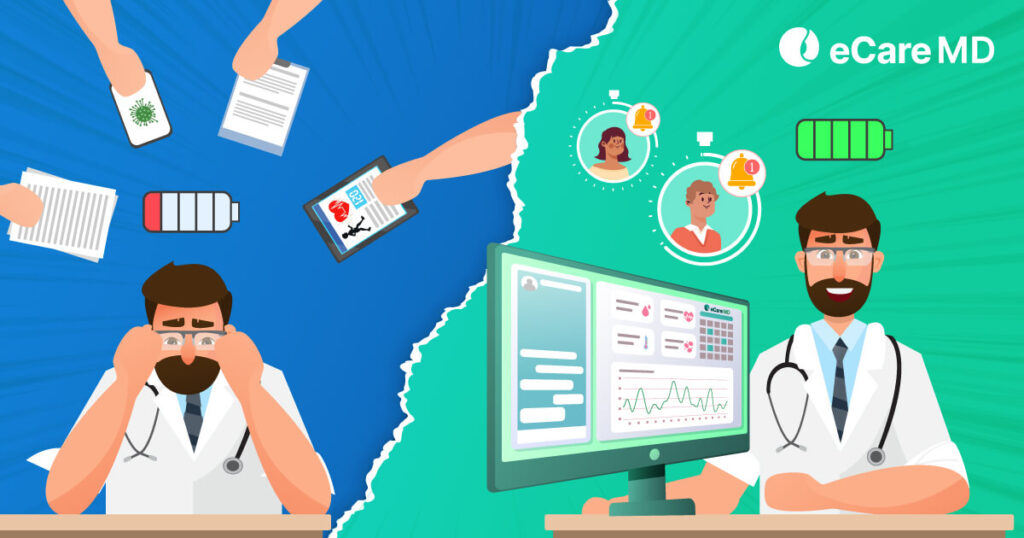
Rural clinics often operate with small teams juggling multiple responsibilities. RPM takes some of that pressure off by automating routine monitoring and reducing unnecessary in-person visits. This allows providers to focus their time where it’s needed most, while still keeping an eye on a larger patient population without stretching resources too thin.
Enabling Rural RPM Success with Scalable Solutions
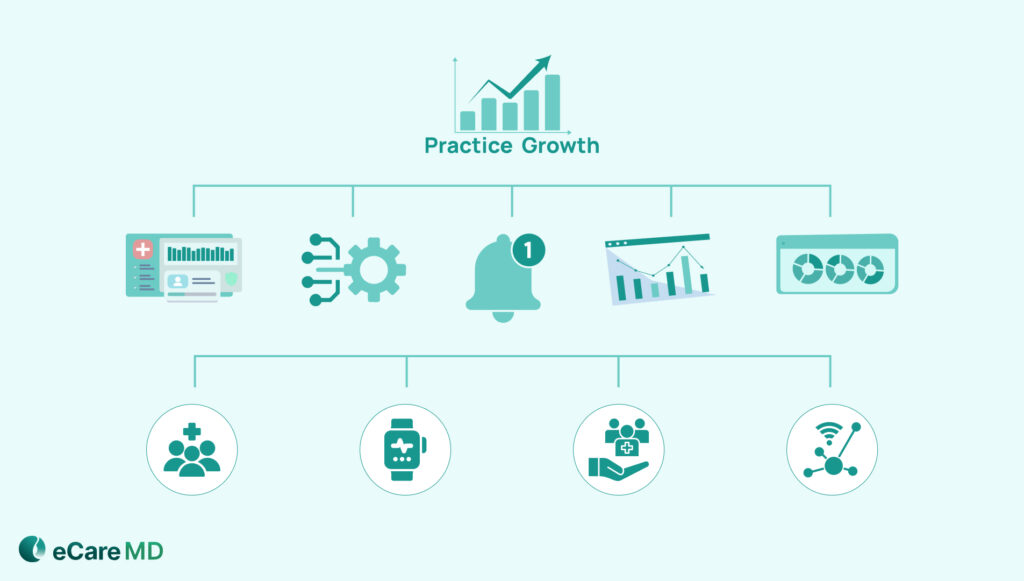
Adopting RPM is one thing, and making it work continuously in a rural setting is another thing. The success of rural healthcare depends on how simple, reliable, and scalable the solution is in day-to-day use.
1. Simplifying device usage and patient onboarding:
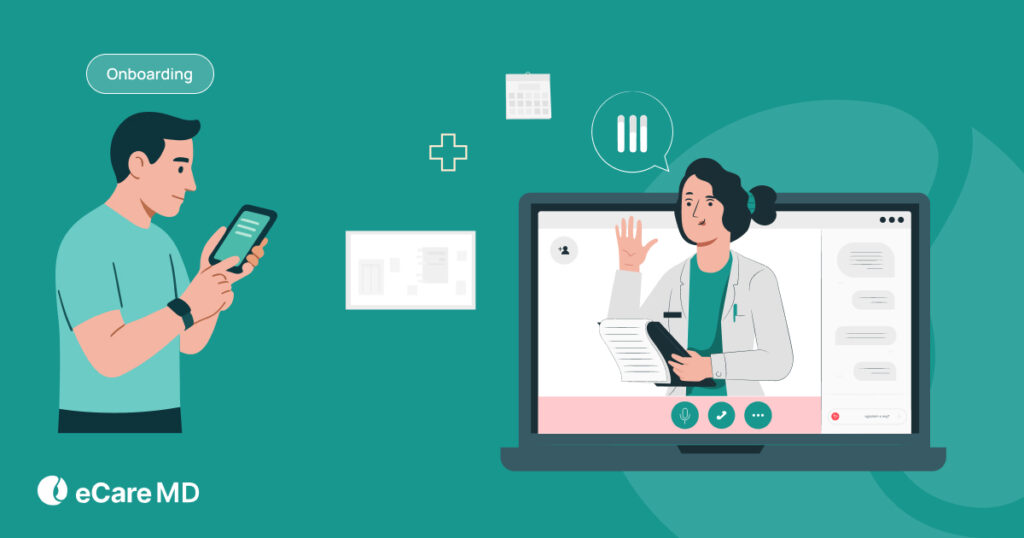
If your devices are complicated to use, adoption will drop. As not every rural patient has the same technology comfort, easy-to-use devices and straightforward onboarding can either make or break your RPM program.
2. Ensuring consistent monitoring and communication:
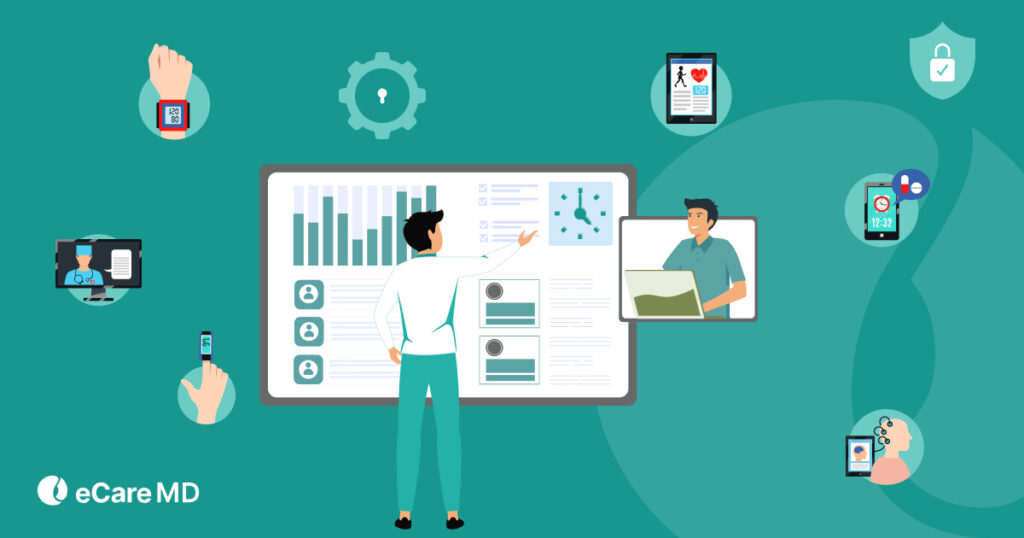
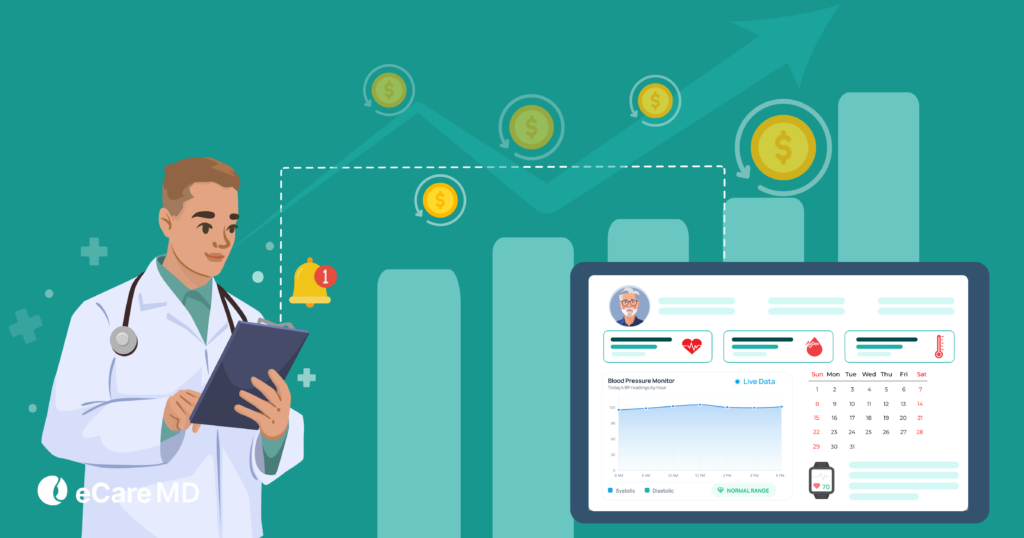
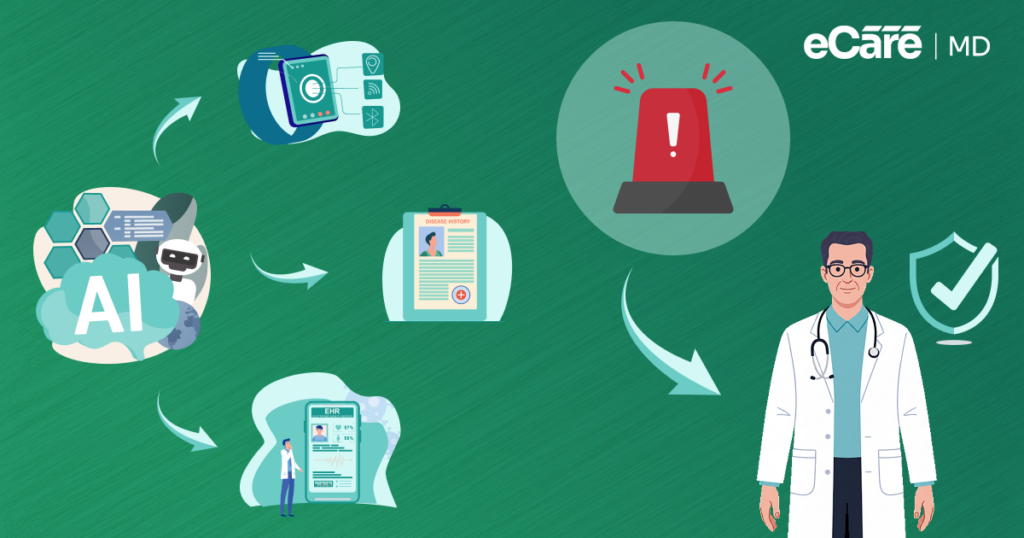
When your patients’ data flows consistently, and providers stay connected with patients, at that time, only RPM can deliver real value. With regular monitoring, timely alerts, and clear communication, you can keep your care on track and avoid gaps that could lead to complications.
3. Reducing operational burden on small teams:
Rural clinics often run on lean teams, where every extra task adds up. Scalable RPM solutions streamline workflows, automate routine processes, and reduce manual effort, so staff aren’t spread too thin trying to keep everything running.
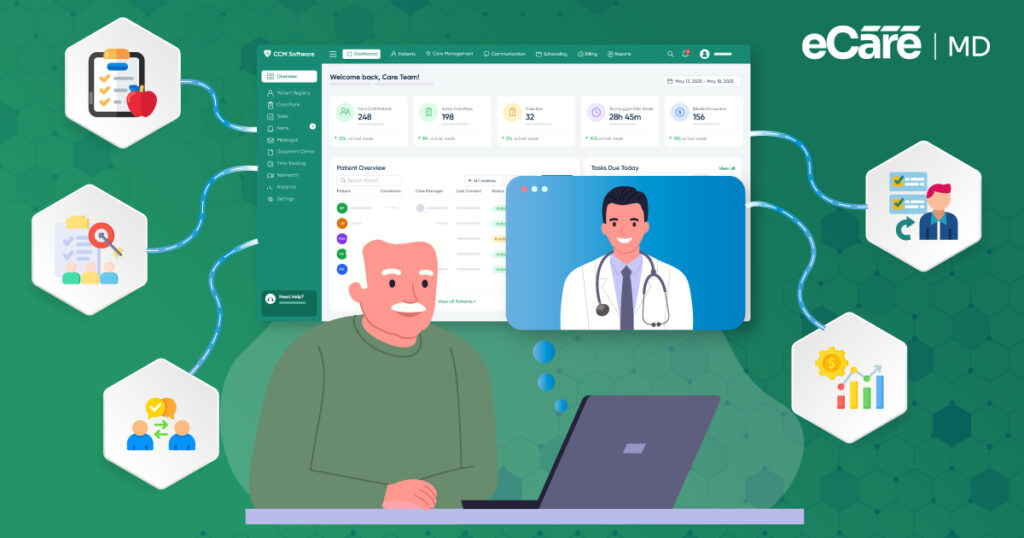
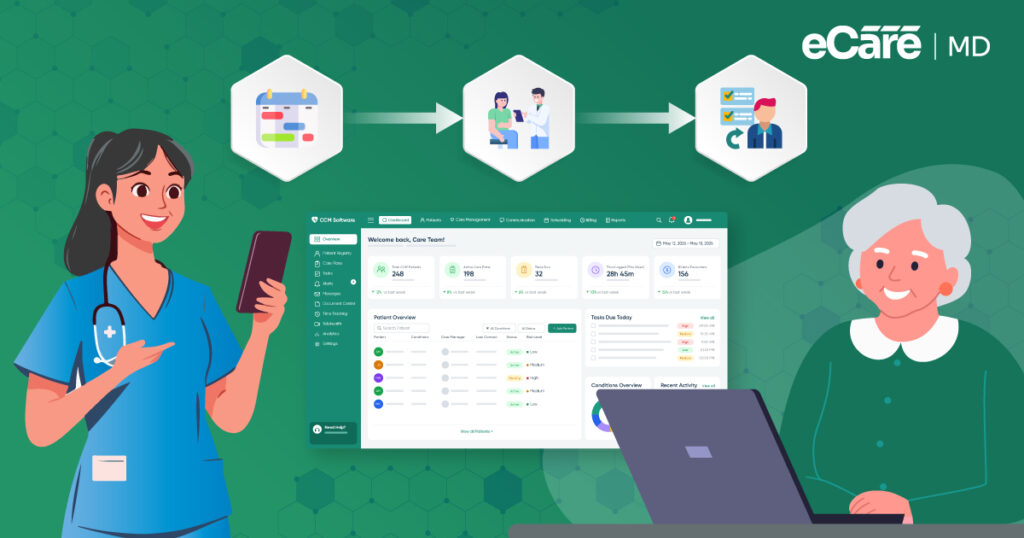
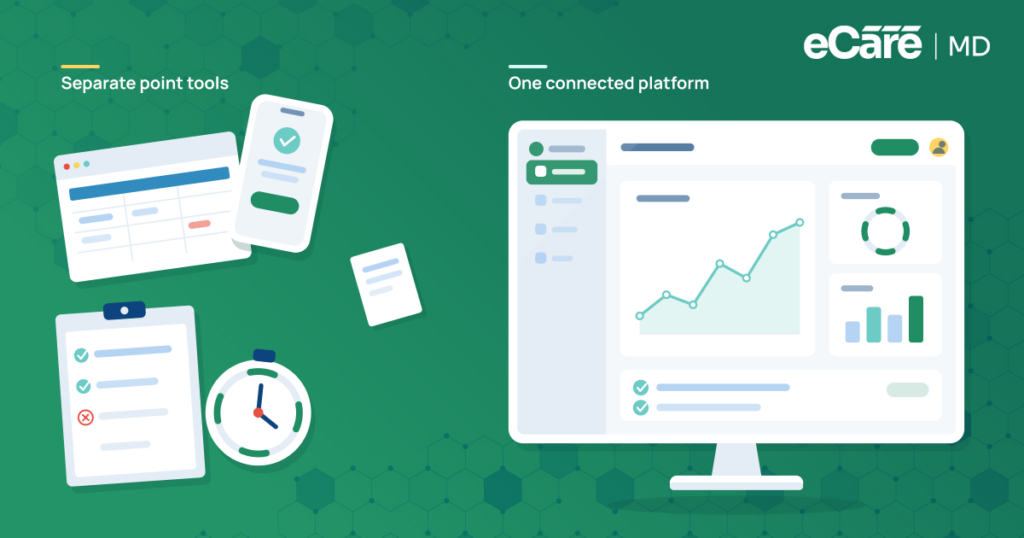
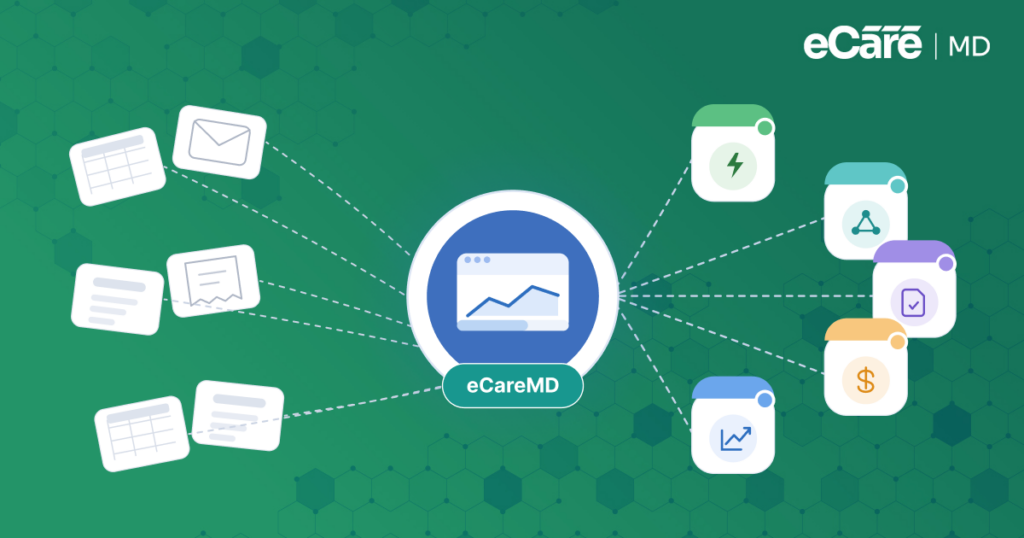
This is where platforms like eCareMD come into play. With features such as cellular-enabled devices, automated workflows, and real-time monitoring, they help rural providers expand access while keeping operations efficient and revenue on track.
Conclusion: Expanding Care and Revenue in Rural Healthcare
For rural providers, delivering consistent care is often limited by distance and resources. RPM for rural healthcare providers helps bridge this gap through continuous remote monitoring, improving access, and supporting better patient outcomes.
It also enables sustainable revenue growth through structured reimbursement while keeping clinic operations more efficient.
Expand access and increase revenue in your rural practice with RPM. Click here to get started.
Frequently Asked Question’s
RPM improves access by allowing providers to monitor patients remotely without requiring frequent clinic visits. Patients in remote areas can share health data like blood pressure or glucose levels from home, helping doctors stay connected and intervene early when needed.
Yes. Rural health clinics can bill for RPM services using Medicare CPT codes such as 99453, 99454, 99457, and 99458, as long as they meet documentation and monitoring requirements.
Rural health clinic RPM reimbursement refers to the payment structure provided by Medicare and other payers for remote patient monitoring services delivered by RHCs. It is often billed under bundled codes like G0511 or care management frameworks depending on the clinic setup.
Key challenges include poor internet connectivity, limited patient digital literacy, device adoption issues, and staffing constraints in small clinics. Ensuring reliable data flow and simple onboarding is critical to overcoming these barriers.
RPM helps detect early changes in a patient’s condition, allowing providers to act before issues become severe. This reduces emergency visits, prevents complications, and lowers avoidable hospital admissions.
Yes, with cellular-enabled devices. These devices transmit patient data using mobile networks instead of Wi-Fi, making RPM effective even in low-connectivity rural regions.
RPM creates recurring monthly revenue through reimbursable monitoring services. It also allows clinics to manage more patients efficiently without increasing in-person visits, improving overall financial sustainability.
Small clinics can manage RPM by using automated platforms, streamlined workflows, and alert-based monitoring systems. This reduces manual workload and helps staff focus only on patients who need attention.


![The Future of Remote Patient Monitoring: CMS Innovations & Emerging Trends [2026]](/wp-content/uploads/2024/07/Blog-36-The-Future-of-Remote-Patient-Monitoring_-Trends-AI-Innovation-CMS-Updates-for-2026-1024x538.png)