Last Updated: July 24, 2026
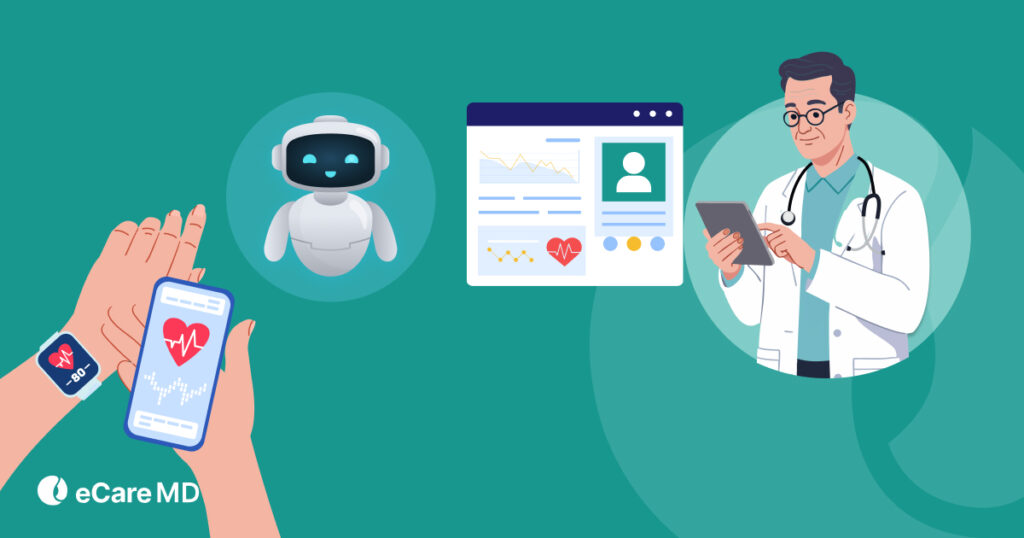
A smartwatch buzzing on your wrist might seem like a simple notification, but it can flag an irregular heartbeat before you even notice a symptom.
That’s the quiet revolution happening in healthcare today. And, this is the key reason behind the rising adoption rates of wearable devices.
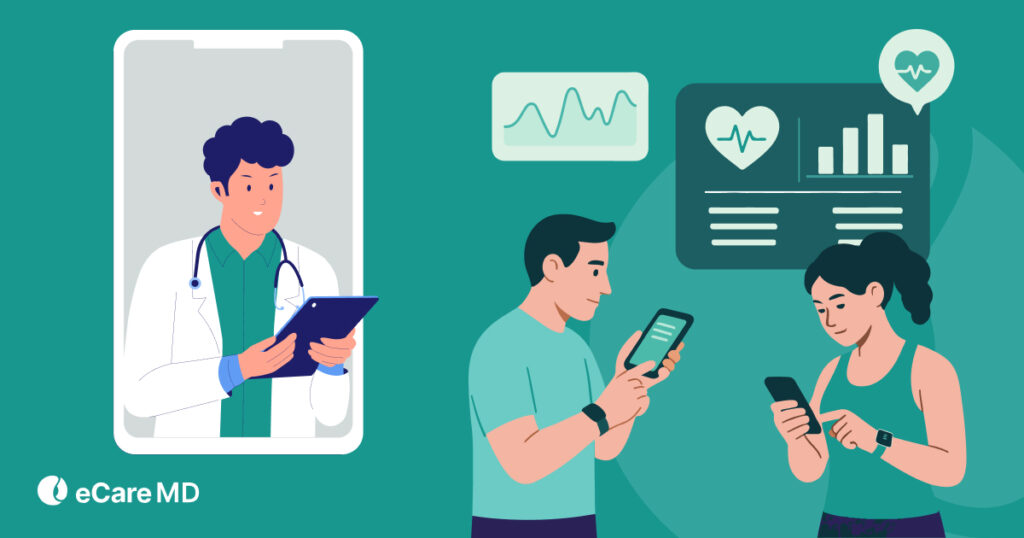
In fact, almost one in three Americans now use a wearable device for health and fitness tracking. Among them, approximately 80% are willing to share that with their care teams. This growing trust is also turning everyday gadgets like Apple Watch, Fitbit, and CGMs into powerful tools for real-time health tracking.
At the same time, healthcare is no longer limited to traditional or occasional checkups. It’s transforming from episodic care to consistent monitoring, where data flows into real time and you can act sooner instead of later. This shift allows you to stay ahead rather than just waiting for problems to surface.
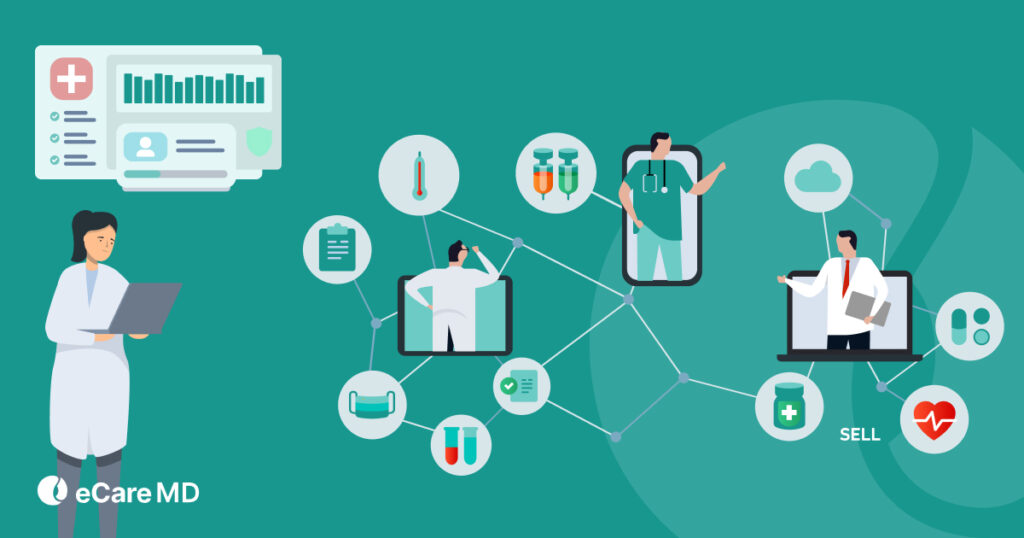
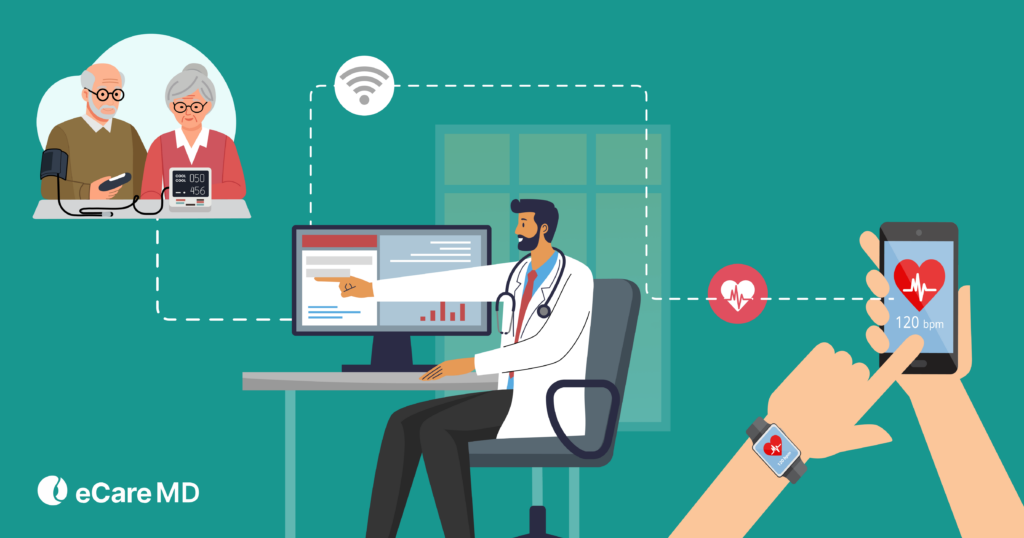
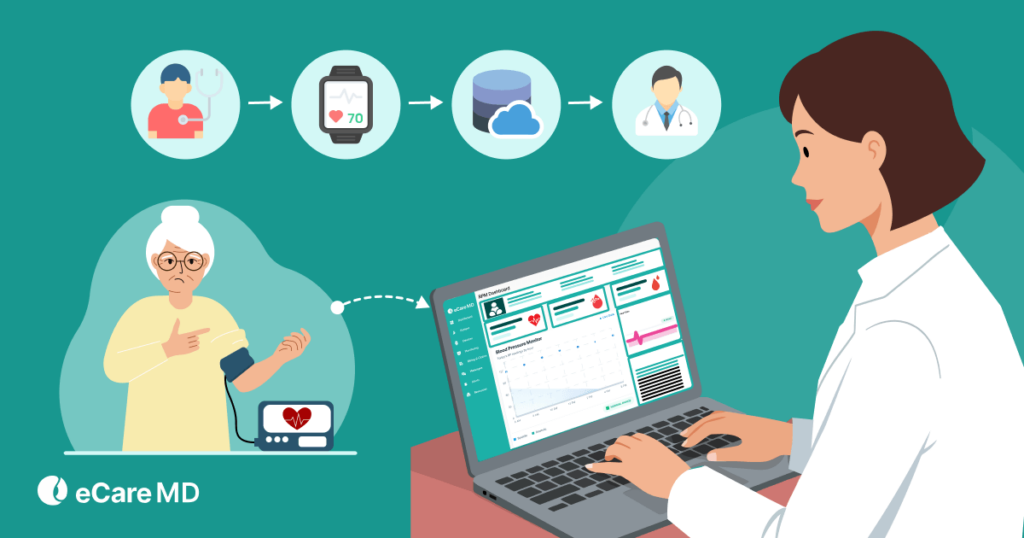
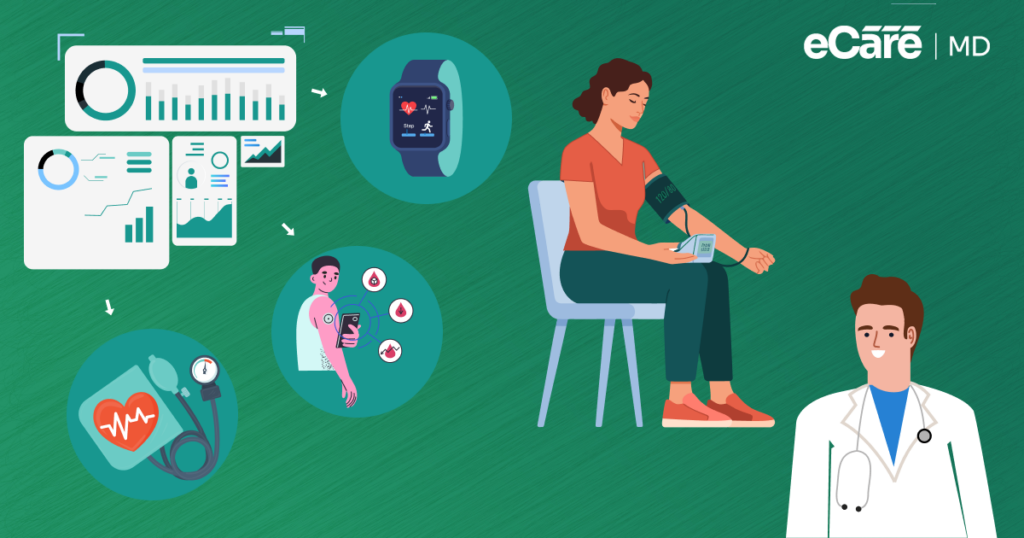
This is where wearable technology in RPM gains momentum by connecting consumer devices with clinical systems. It gives you a more complete picture of your patient’s health, while bridging the gap between everyday devices and clinical care.
Let’s explore the blog to find out how RPM wearable technology is transforming care, how smartwatches are used in remote patient monitoring, how integrating consumer wearables with RPM platforms can be beneficial for you, and what it takes to effectively integrate consumer wearables with RPM platforms.
What Wearable Technology Means in RPM and How It’s Used
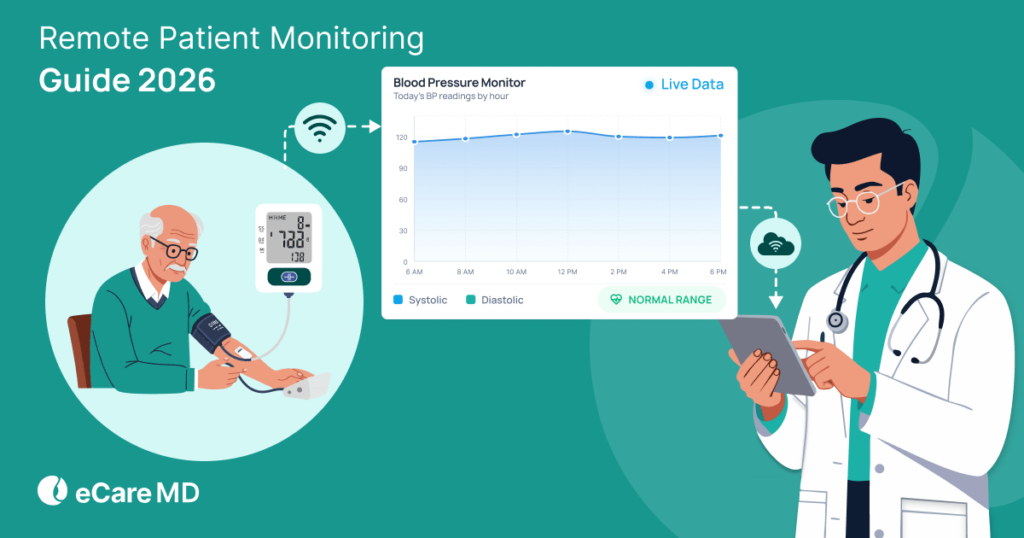
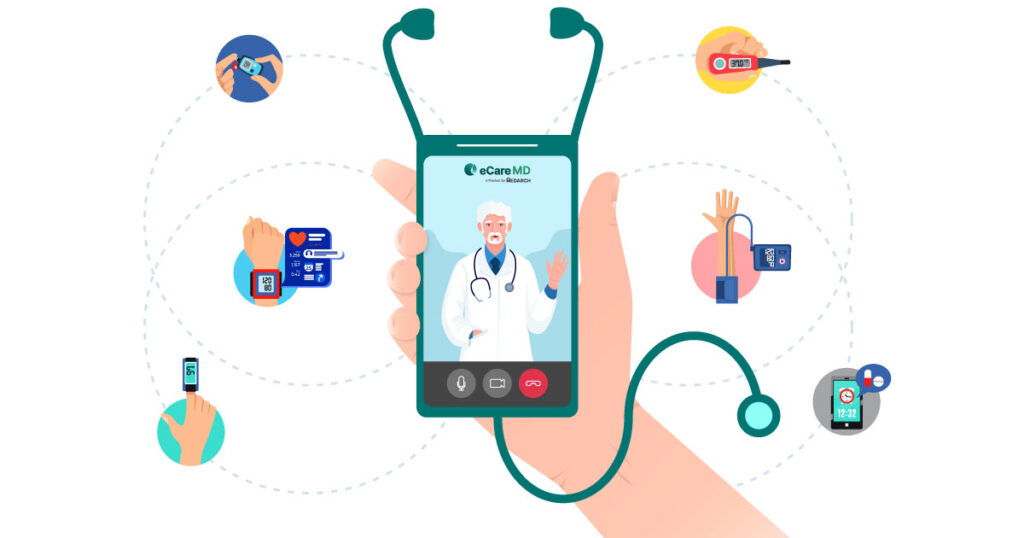
In simple terms, wearable technology in RPM means devices that collect and transmit your patient data continuously. Because of wearable technology, you can monitor your patients in real-time, rather than depending only on in-person visits.
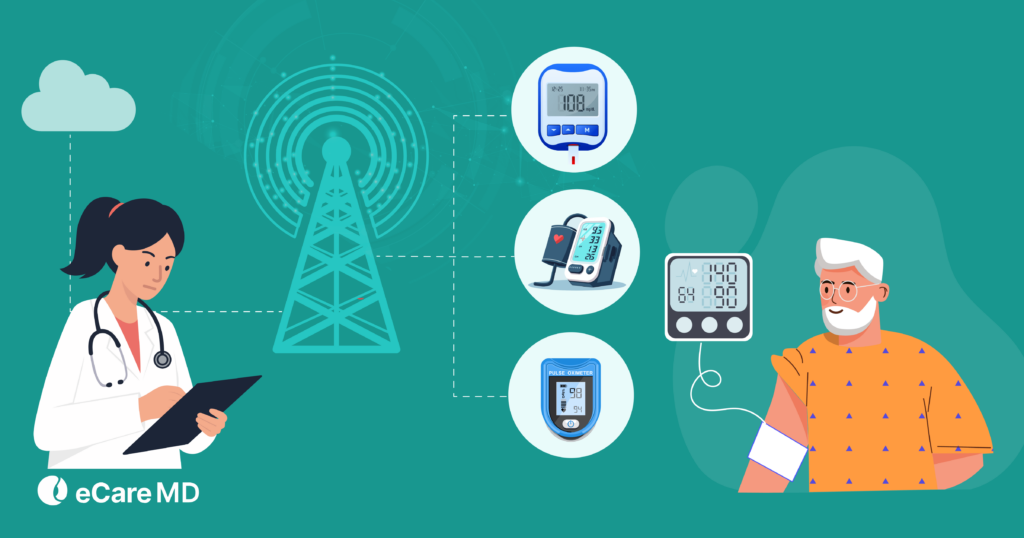
Let’s explore some of the common wearable devices for remote patient monitoring:
| Device Type | Examples | Primary Use |
|---|---|---|
| Smartwatches | Apple Watch, Garmin, Fitbit | Track heart rate, activity, sleep, SpO2 |
| Continuous Glucose Monitors (CGMs) | Dexcom G7 | Monitor real-time glucose levels |
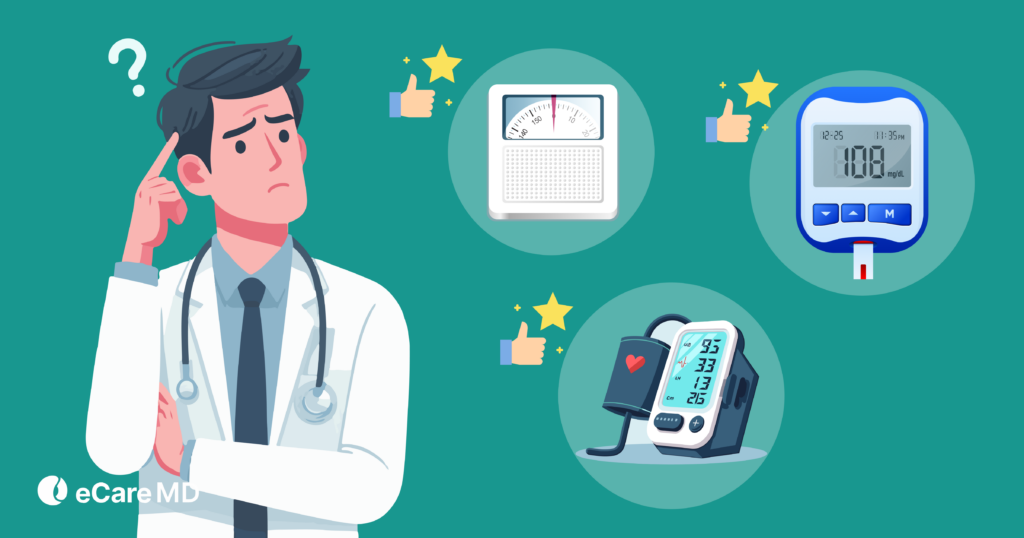
| Connected Blood Pressure Monitors | Omron, Withings | Track and transmit blood pressure readings |
Now, let’s see how these devices are typically used:
- Tracking daily health metrics: Wearables monitor heart rate, activity levels, sleep patterns, and SpO2, giving you a clearer picture of overall health.
- Detecting irregular patterns: Devices can flag unusual readings, such as AFib alerts through smartwatch patient monitoring, helping identify issues early.
- Supporting chronic disease management: Continuous data helps manage conditions like diabetes, hypertension, and heart disease more effectively.
- Enabling continuous, passive monitoring: Patients don’t need to actively record data; devices do it automatically, making care more seamless.
Ultimately, smartwatch patient monitoring makes healthcare a natural part of everyday life, and not like a task. Furthermore, this helps you to stay informed and your patients to stay one step ahead.
Consumer vs Medical-Grade Wearables in RPM
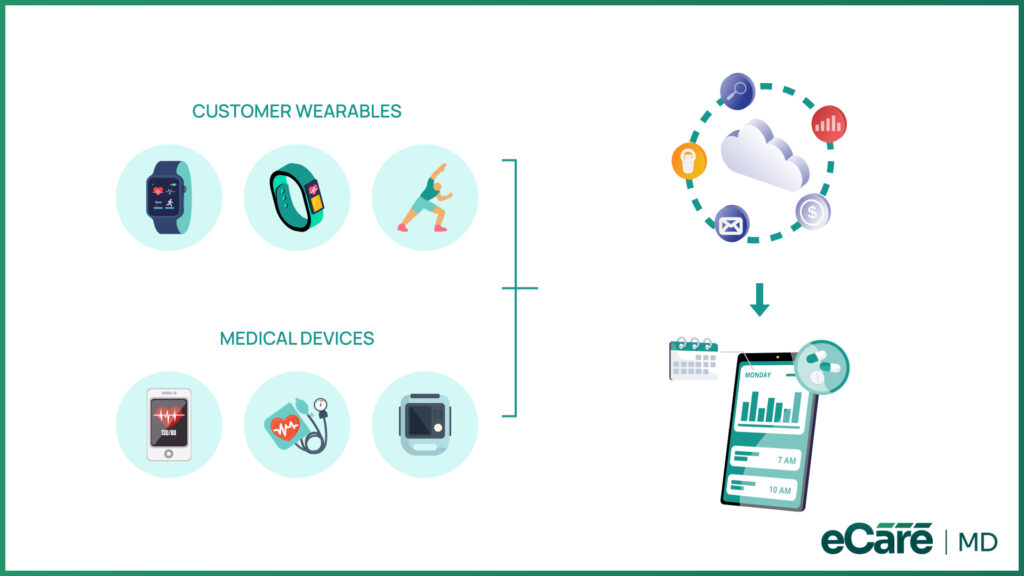
Moving forward, it’s necessary for you to understand that not all wearables serve the same purpose, and in RPM, considering this difference is critical. For example, some devices are specifically designed to track everyday fitness, and some are built especially for clinical use. By understanding this difference, you can choose the right tools, avoid compliance issues, and ensure proper reimbursement.
Here is a quick comparison between: Medical-grade vs consumer-grade wearables in RPM:
| Category | Consumer-Grade Wearables | Medical-Grade Wearables |
|---|---|---|
| Purpose | Focused on fitness, lifestyle, and general wellness tracking like steps, calories, and sleep | Designed for clinical monitoring, diagnosis, and ongoing management of medical conditions |
| Adoption | High adoption due to affordability, ease of use, and familiarity among patients | Typically prescribed or recommended by healthcare providers for specific conditions |
| Data Accuracy | Provides useful trends and insights but may vary in precision and consistency | Delivers clinically validated, high-accuracy data suitable for medical use |
| Regulatory Status | Not FDA-cleared and not classified as medical devices | FDA-cleared or approved, meeting strict clinical and safety standards |
| Use in RPM | Helps improve patient engagement and awareness but limited for clinical decision-making alone | Actively used in RPM programs for monitoring, treatment adjustments, and care planning |
| Reimbursement | Does not qualify for CMS reimbursement on its own | Eligible for billing under CMS guidelines (e.g., CPT 99454) when used correctly |
A key compliance takeaway: CMS requires FDA-defined medical devices for billing under CPT 99454. It means that consumer wearables alone cannot qualify for reimbursement. In practice, successful RPM programs use both consumer devices to enhance engagement and medical-grade devices to meet clinical and billing requirements.
Integrating Wearables into RPM Workflows
Bringing wearables into RPM is not all about data collection; it’s actually also about making that data usable in day-to-day care. As mentioned earlier, it helps you to stay informed without feeling overwhelmed.
Let’s see how integration typically works in your practice:
1. Syncing data into clinical dashboards:
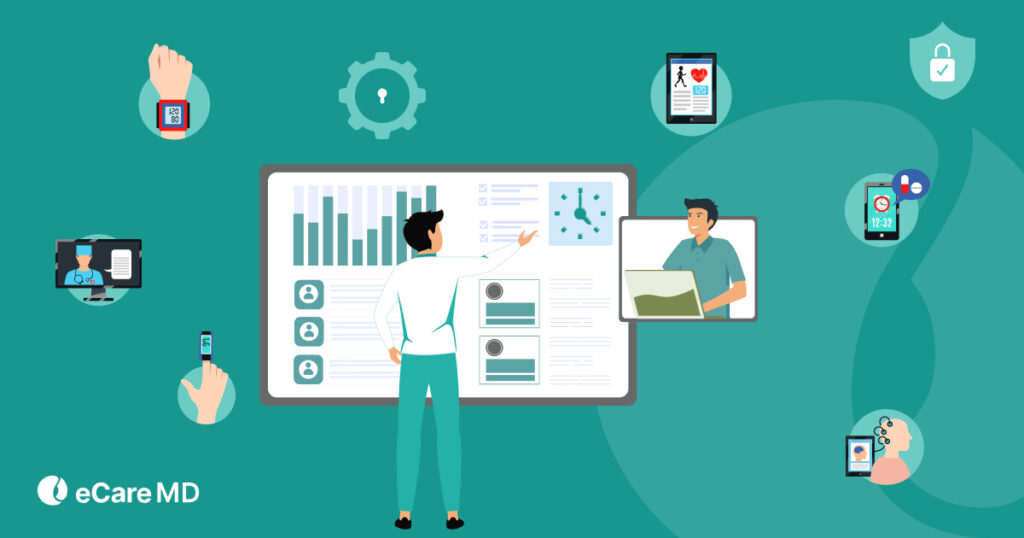
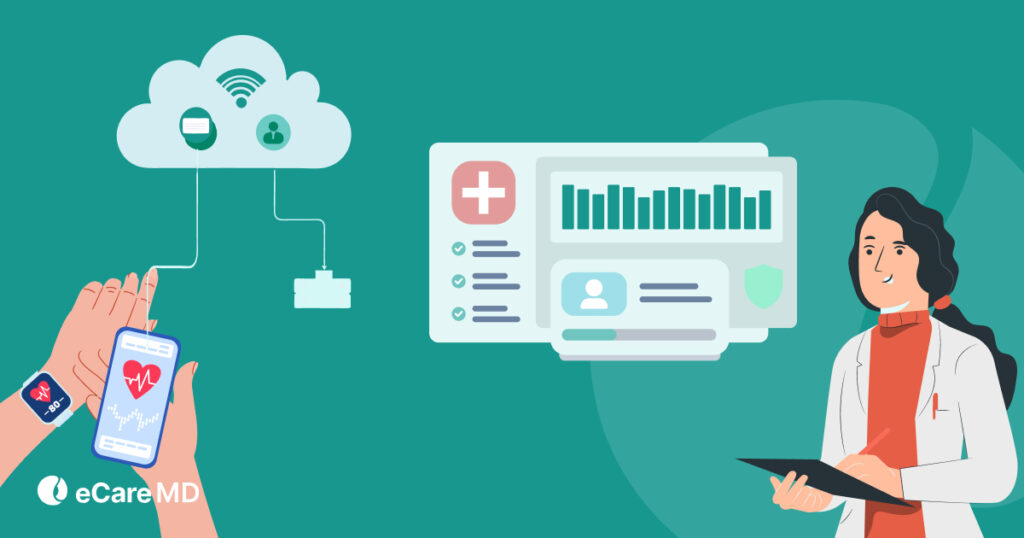
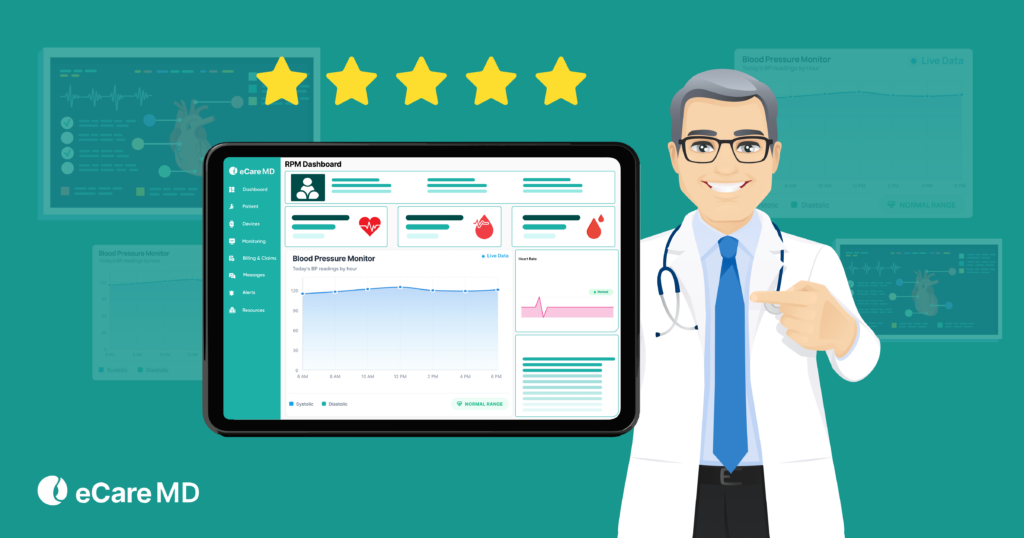
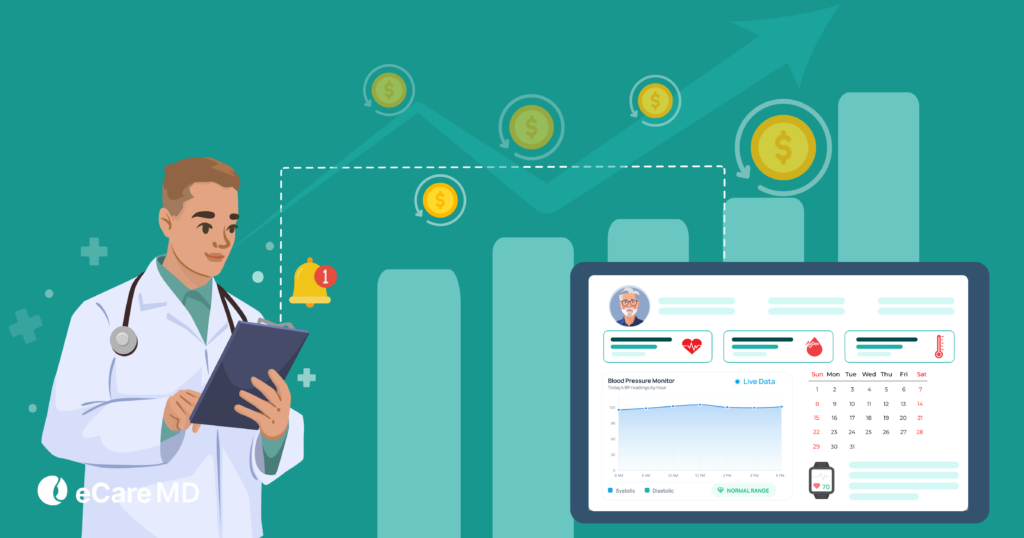
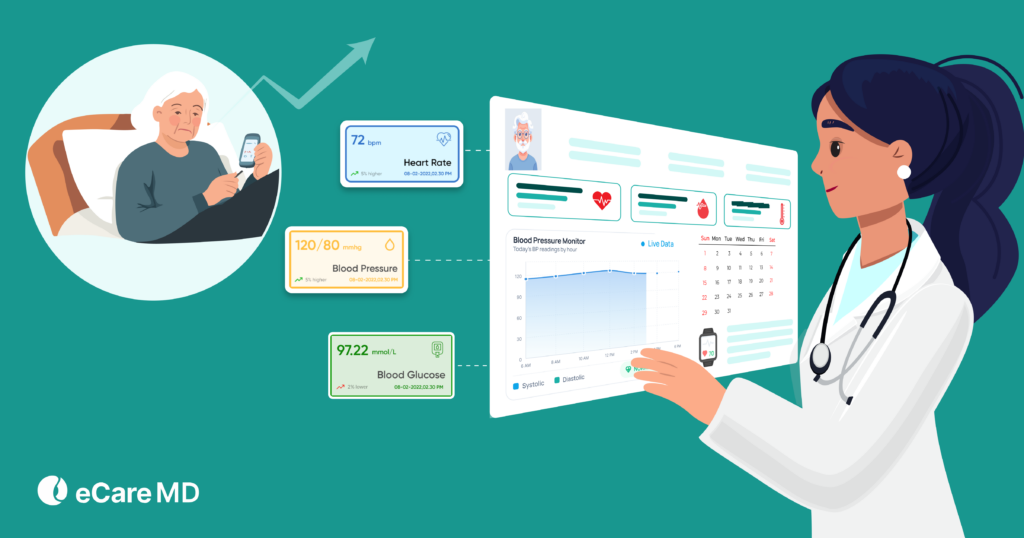
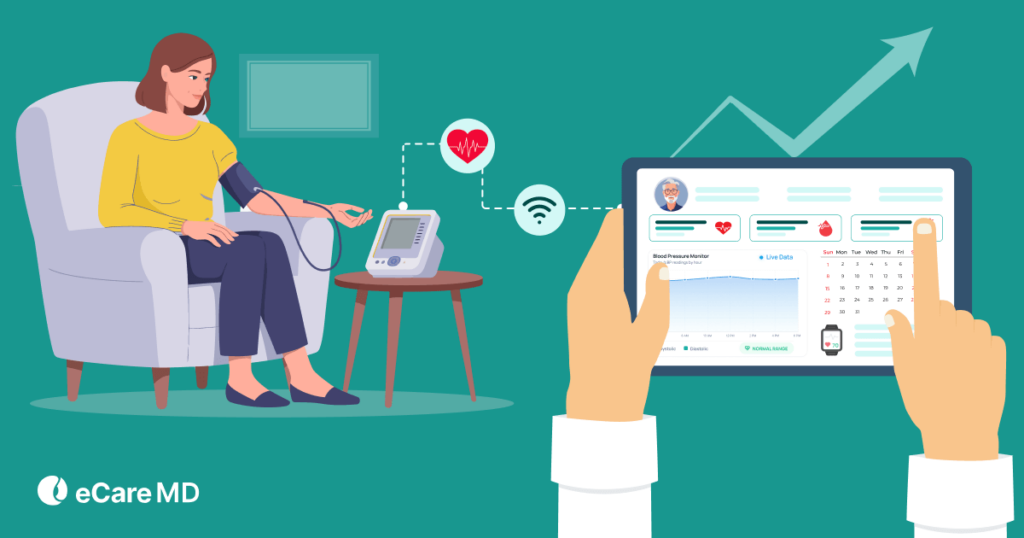
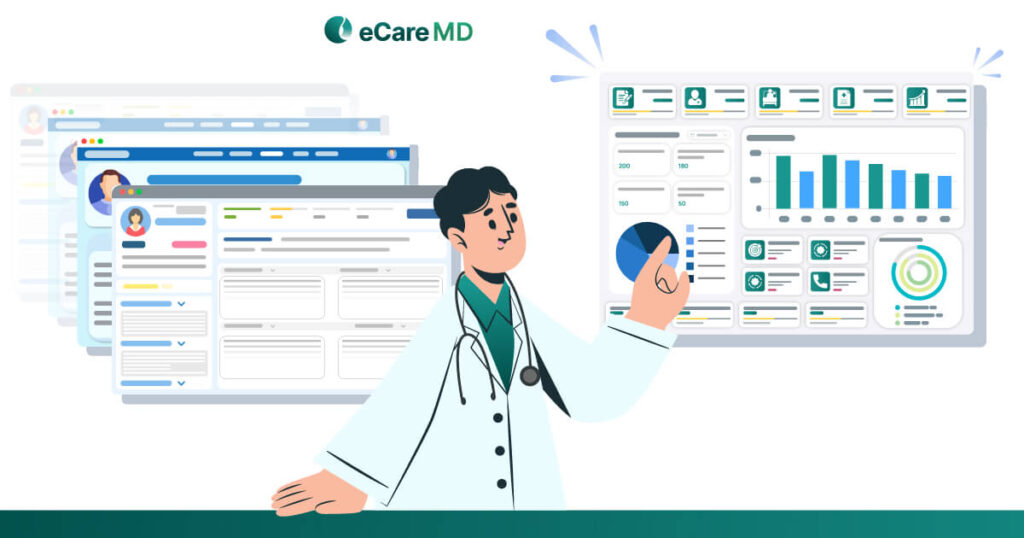
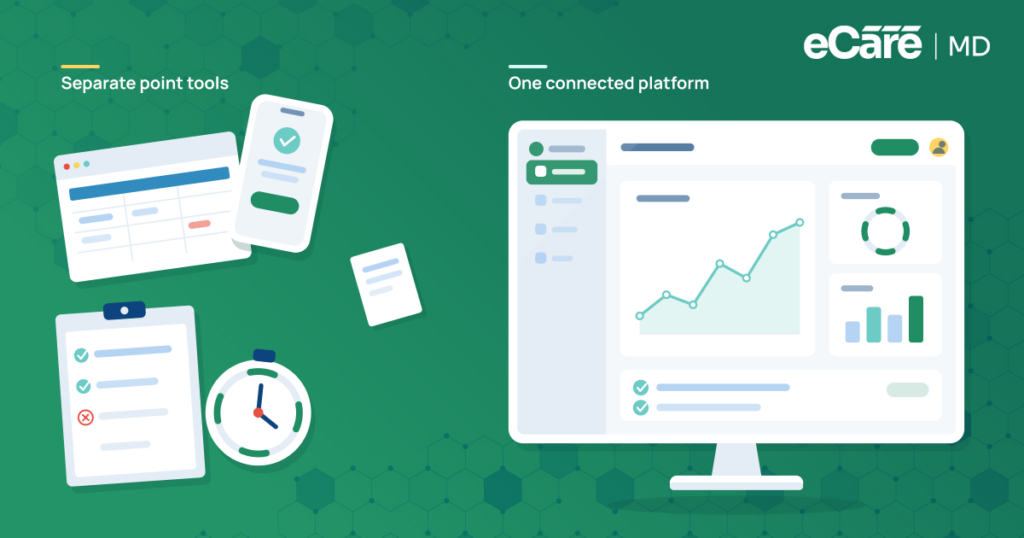
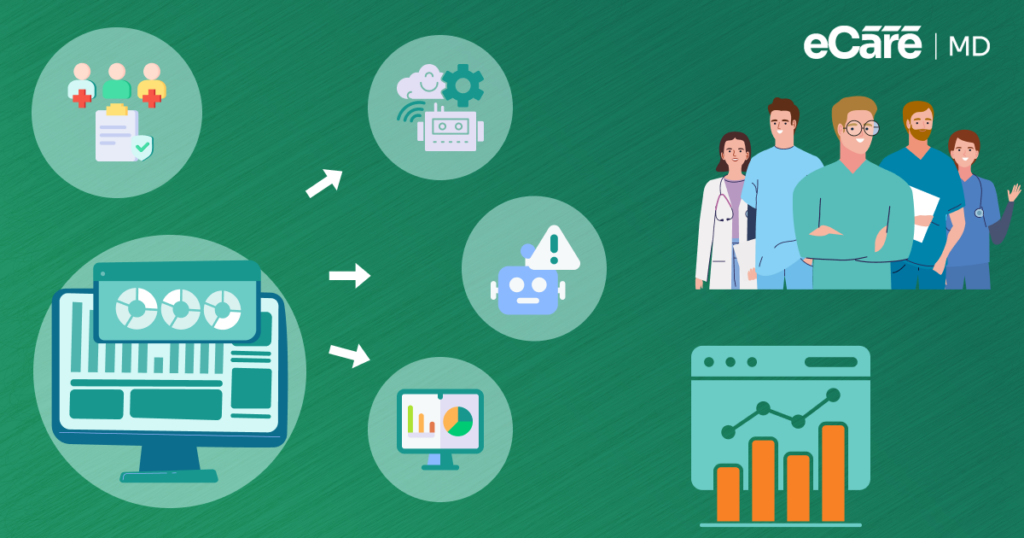
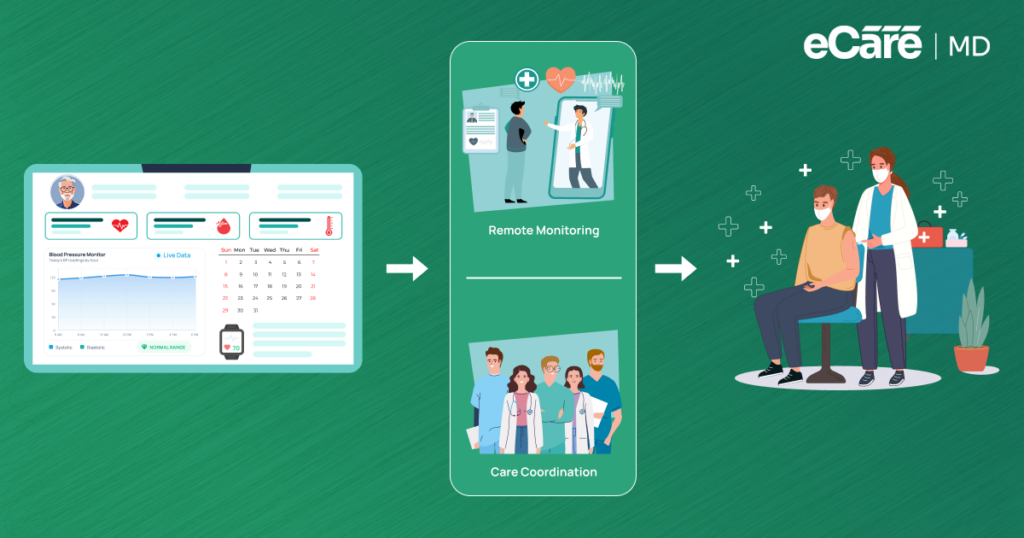
With RPM platforms or EHR systems, wearable data is automatically synced. This gives you a signal and unified view of your patient’s health. Rather than struggling with multiple apps or reports, you can quickly access key metrics in one place. This makes workflows more seamless and efficient.
2. Managing continuous data streams:
Wearables generate data around the clock, which can quickly become overwhelming. But with RPM, you can organize and filter this data and highlight what’s actually important. This can involve sudden changes or abnormal readings. This can minimize noise and make sure that you are only focusing on what actually needs your attention.
3. Ensuring secure and compliant data handling:
Security is actually a non-negotiable factor when sensitive health data is involved. Data from wearable devices must be encrypted during transmission and storage. On the other hand, platforms also need to meet regulatory requirements such as HIPAA. This helps to ensure that your patient information stays protected and compliant at each step.
4. Turning data into actionable insights:
Integration of consumer wearables with RPM platforms enables you to go beyond raw numbers. The system can help you to identify patterns, generate alerts, and support early interventions. This further helps you step in early and make informed decisions, instead of reacting after a condition worsens.
The Role of AI in Wearable-Based Monitoring
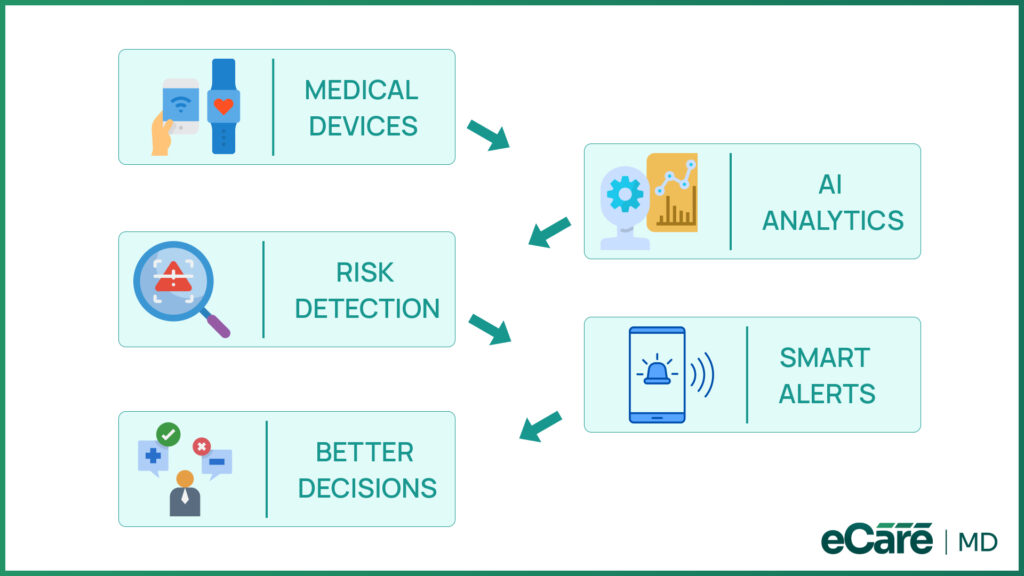
Up to here, you might understand that wearable devices for remote patient monitoring generate a continuous flow of health data. However, if you don’t have the right support, that data can quickly become overwhelming. And, this is exactly where AI can play a critical role.
AI helps you to cut through the noise and make sure that you are not just collecting data, but actually using it in a meaningful way.
Let’s explore how AI can strengthen wearable-based monitoring in RPM:
1. Filtering noise from high-frequency data:
From your patient’s pulse rate to activity levels, wearables capture data every few seconds. Even so, much of this data can be repetitive or clinically irrelevant. However, AI helps here to clean and filter these large data sets, while helping you to remove inconsistencies and focus more on meaningful signs. Furthermore, this helps me review your patient data easily without getting lost in unnecessary details.
2. Identifying patterns and predicting patient risk:
AI analyzes trends over time, rather than looking at individual data points. It can detect early warning signs of deterioration by studying patterns in vital signs, sleep, or activity. For example, sudden changes in heart rate or a reduction in activity levels can indicate an emerging issue. This helps you to act sooner and avoid complication risks, shifting care from reactive to proactive.
3. Highlighting clinically relevant alerts:
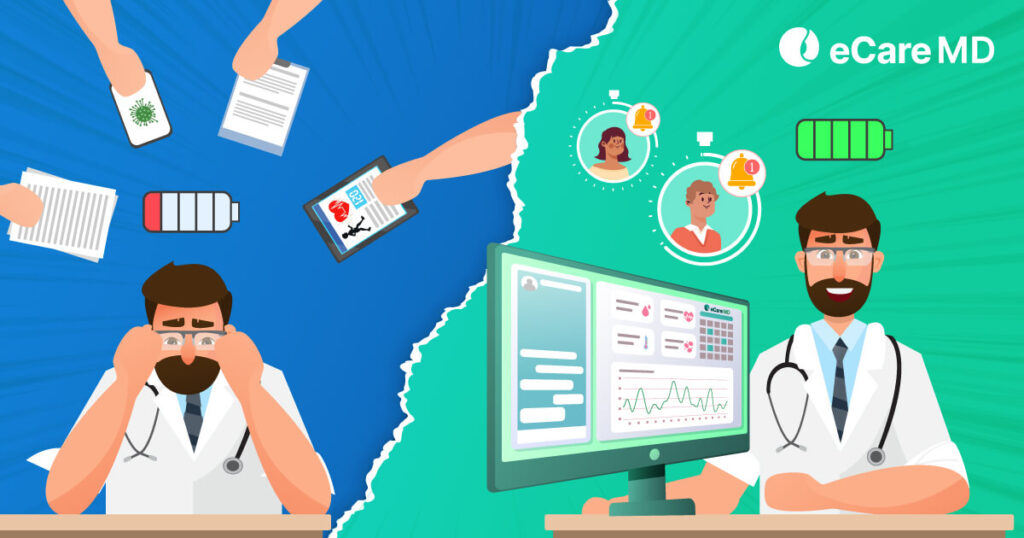
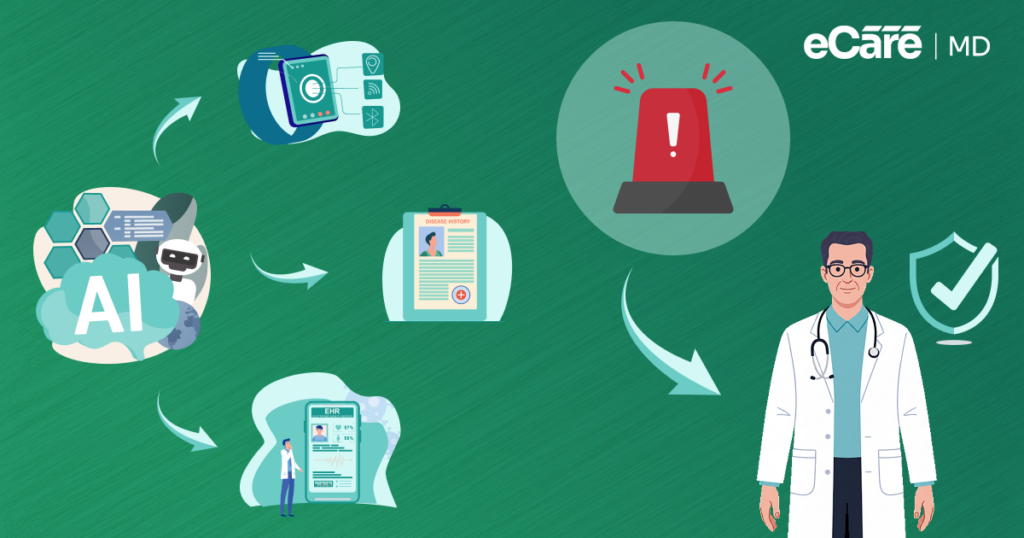
One of the biggest challenges many clinicians face in RPM is alert fatigue. Due to too many notifications, there is a high chance that you can miss important signals. But with AI, you can easily solve this by prioritizing alerts based on severity and clinical relevance. You can receive timely alerts that truly require your attention, rather than constant interruptions. This helps you to improve response time and care quality.
4. Transforming data into clinical decision support:
Converting raw material into actionable and clear insights enables AI to bring everything together. By presenting your patient data in an easy-to-understand format, AI allows you to summarize all trends, flag risks, and even support your care decisions. This makes wearable devices more effective for remote patient monitoring.
Clinical Impact of Wearable-Based RPM
Wearable technology is changing everything from how data is collected to how care is delivered. When these devices are integrated into RPM programs, they help you move beyond reactive care to proactive, consistent management and improve both outcomes and efficiency.
Let’s have a look at its clinical impact in practice:
1. Earlier detection of health deterioration:
Wearable devices allow continuous monitoring of vital signs, helping you to detect early warning signs. For example, sudden changes in heart rate, oxygen levels, or activity patterns can signal a major complication.
2. Improved chronic disease management:
Continuous glucose monitoring (CGMs) provide real-time insights into your patients’ blood sugar trends, especially for conditions like diabetes. Furthermore, other wearables support monitoring of chronic diseases like hypertension, cardiac conditions, and respiratory issues. With this continuous data flow, you can fix or adjust treatment plans and improve long-term disease control.
3. Higher patient engagement through passive monitoring:
Your patients don’t need to record and report their vitals manually, as most wearables collect data automatically. With this “set it and forget it” approach, you are likely to increase adherence while keeping your patients more involved in their overall care journey without adding any extra burden.
4. Reduced hospital visits and complications:
As these devices allow continuous tracking and early alerts, you can avoid many serious health issues before they even start. This can ultimately result in fewer hospital admissions, lower readmissions, and reduced risk of severe complications.
5. Improved clinical outcomes and care efficiency:
Up to here, it’s fair enough to say that remote patient monitoring wearables help you streamline your overall care delivery. It can be beneficial for both providers and patients. Providers like you can gain better visibility into your patients’ health, and on the other hand, patients will receive more timely interventions. This combination helps you to improve outcomes and make care delivery more efficient and scalable.
Enabling Wearable-Based RPM with Scalable Platforms
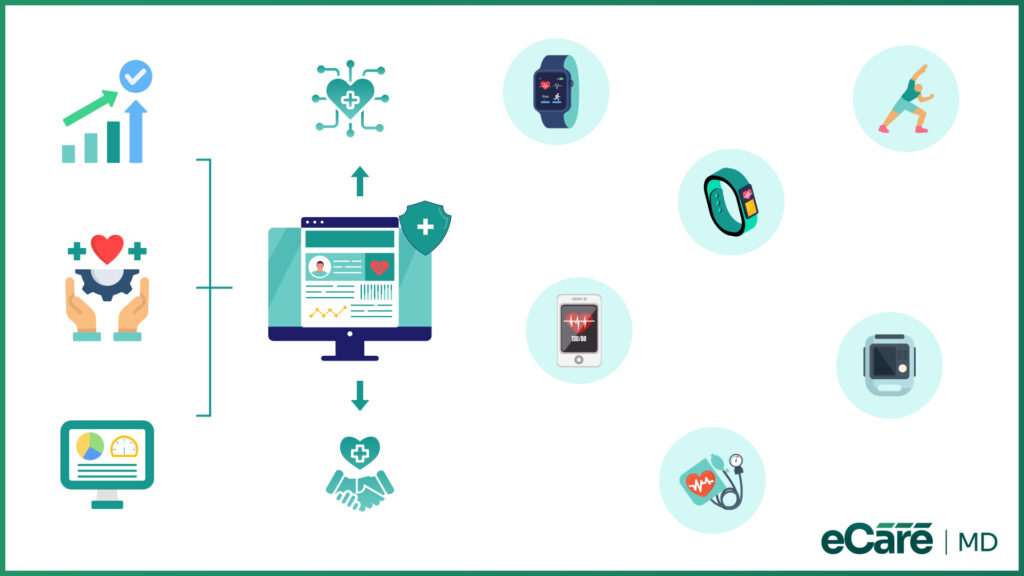
The underlying platforms play a key role in helping wearable-based RPM to actually work at scale. As we already discussed, it’s not just about data collection from devices; it’s actually about ensuring data flows seamlessly, securely, and meaningfully.
1. Supporting both consumer and medical-grade devices:
Your RPM platform should be flexible enough to integrate data from a wide range of devices. This may include consumer wearables like smartwatches and medical-grade tools like CGMs and BP monitors. This helps you to ensure that you are not limited to one device type while building more comprehensive monitoring programs.
2. Providing real-time monitoring and alerts:
With scalable platforms, you can track data continuously with real-time alerts, even when something looks abnormal. When your patient’s vitals cross safe thresholds, you will be notified immediately rather than just waiting for manual reviews. This further allows faster interventions, reducing avoidable hospital visits.
3. Simplifying data integration and workflows:
Managing your patients’ data from multiple sources is one of the biggest challenges. However, scalable platforms help you to solve this puzzle by centralizing data into a single dashboard, integrating with EHRs, and automating workflows. At last, it can minimize your manual efforts and help you to focus more on care rather than on data management.
4. Enabling seamless wearable integration and scalability:
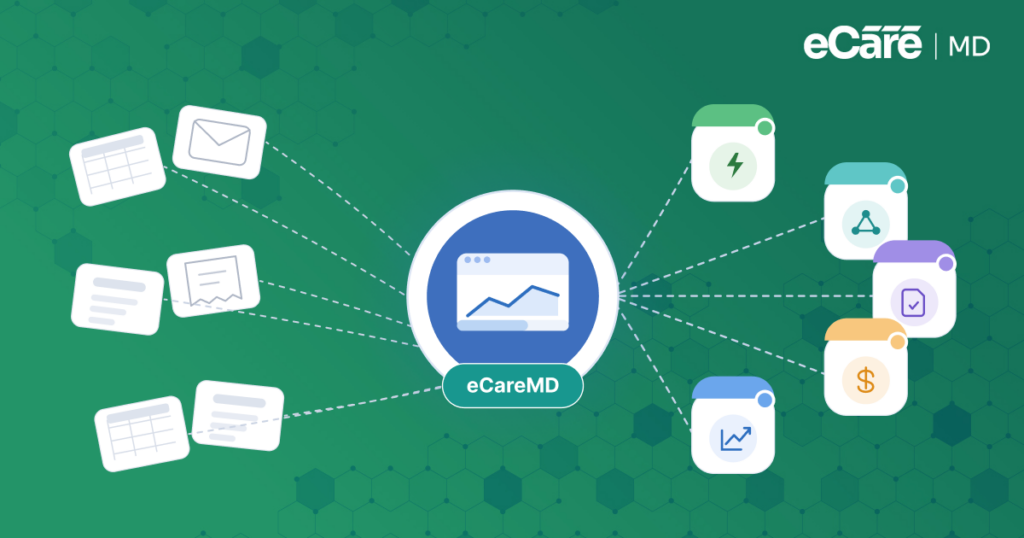
With advanced platforms like eCareMD, it becomes easier for you to connect multiple devices, process incoming data in real time, and support a larger patient population. You can achieve all these without adding operational complexity. This helps you expand RPM programs without compromising care quality.
Conclusion: The Future of RPM Is Wearable-Driven
Wearables are quickly becoming a central part of modern healthcare delivery. From smartwatches to connected medical devices, they are changing how patient health is monitored—moving care from occasional check-ins to continuous, real-time tracking.
When wearable technology in remote patient monitoring is combined with AI and advanced monitoring platforms, it creates a truly proactive care model. Instead of reacting to health issues after they arise, providers can identify risks early, intervene faster, and improve long-term outcomes.
As this ecosystem continues to grow, wearable devices for remote patient monitoring will play an even bigger role in shaping efficient, patient-centered care.
Click here to explore how wearable-driven RPM can enhance patient monitoring and outcomes.
Frequently Asked Question’s
Wearable technology in remote patient monitoring refers to devices that continuously collect patient health data outside clinical settings and transmit it to healthcare providers through digital platforms. These devices help shift care from periodic checkups to continuous monitoring. They track real-time metrics like heart rate, activity, sleep, oxygen levels, and glucose, enabling providers to monitor patients more proactively and intervene earlier when needed.
Smartwatches play a major role in smartwatch patient monitoring by capturing everyday health data such as heart rate, step count, sleep quality, and SpO2 levels. Advanced models can also detect irregular heart rhythms like AFib and send alerts to users and providers. In RPM programs, this data is shared with clinical platforms to help monitor trends and support early detection of potential health issues.
RPM programs typically support a range of devices depending on clinical needs. Common examples include smartwatches (Apple Watch, Fitbit, Garmin), continuous glucose monitors like Dexcom G7, and connected blood pressure monitors such as Omron and Withings. These remote patient monitoring wearables are chosen based on the condition being managed and the level of accuracy required.
Consumer wearables are designed mainly for fitness and wellness tracking, while medical-grade devices are built for clinical use. Medical-grade wearables are FDA-cleared, more accurate, and suitable for diagnosis and treatment decisions. Consumer devices, although widely used and engaging, are not always clinically validated and usually do not qualify for reimbursement under RPM billing rules.
In most cases, no. Medicare reimbursement under RPM codes (such as CPT 99454) typically requires data from FDA-defined medical devices. Consumer wearables alone usually do not meet these requirements. However, they can still be used alongside medical-grade devices to improve patient engagement and overall monitoring within RPM programs.
Consumer wearables provide good estimates for general wellness tracking, but their accuracy can vary depending on the device and condition being measured. Medical-grade devices undergo clinical validation and are designed for higher precision and reliability. This makes them more suitable for diagnosis, treatment decisions, and billing purposes in RPM programs.
Wearable devices integrate with RPM platforms by syncing patient data through APIs or connected health systems. This data is then organized into clinical dashboards, where providers can monitor trends and receive alerts. Integration ensures that data from multiple devices is centralized, secure, and easy to interpret, improving workflow efficiency and care coordination.
AI enhances wearable-based monitoring by filtering large volumes of data, identifying meaningful patterns, and reducing unnecessary alerts. It helps detect early risk signals, such as subtle changes in vitals, and highlights only clinically relevant information. By converting raw data into actionable insights, AI supports faster and more informed clinical decision-making in RPM programs.


![The Future of Remote Patient Monitoring: CMS Innovations & Emerging Trends [2026]](/wp-content/uploads/2024/07/Blog-36-The-Future-of-Remote-Patient-Monitoring_-Trends-AI-Innovation-CMS-Updates-for-2026-1024x538.png)