Last Updated: July 23, 2026
Remote Patient Monitoring (RPM) is not just growing; it’s actually exploding!
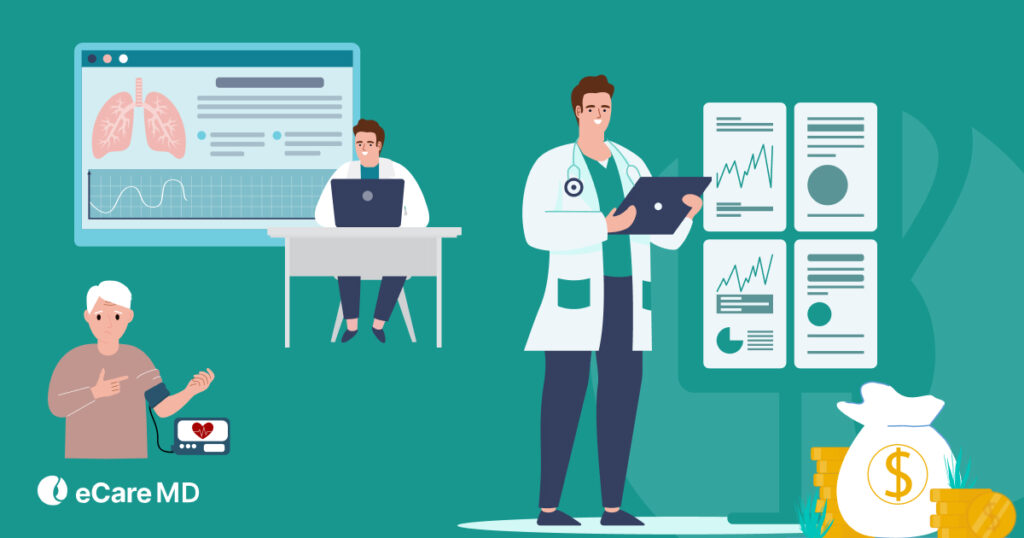
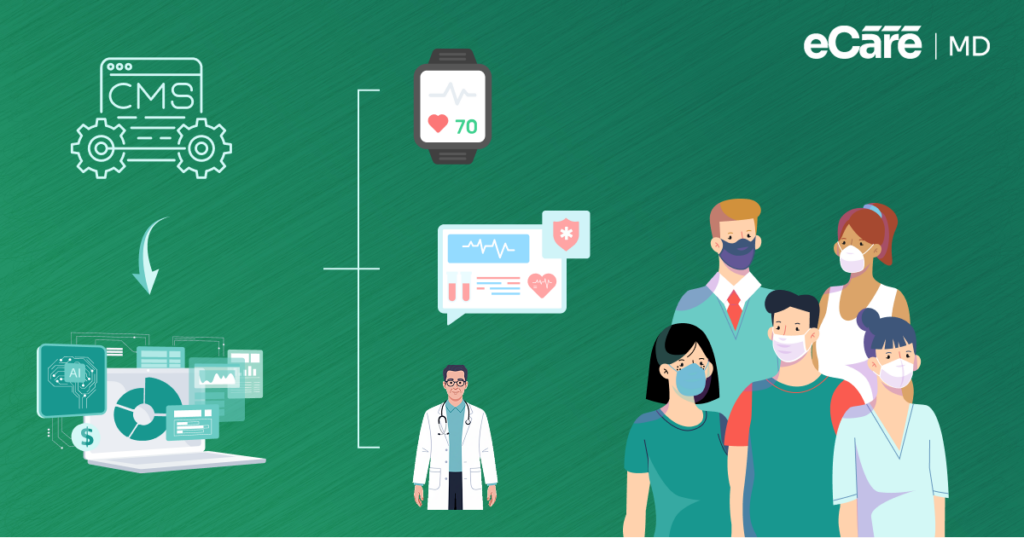
As a healthcare provider, you may have already experienced how quickly RPM has transformed from a workaround to a revenue-driving care model. And here CMS is the one calling the shots.
What once used to be flexible and loosely structured is now reshaped into a more structured and defined reimbursement-focused model. And the reason behind it is the CMS remote patient monitoring guidelines.
For providers, this shift is nothing less than a double-edged sword. On one side, the CMS RPM program provides better opportunities for consistent revenue and long-term growth. And on the other side, there are stricter expectations around compliance, documentation, and how programs are set up.
It’s fair enough to say that running the RPM program without staying aligned with CMS rules is like shooting in the dark. You will face a lot of hurdels to get consistent results.
Even so, the space is changing quickly. How RPM works in real-world settings is now changing completely due to AI, smarter wearable devices, and better data sharing. All these innovations in CMS RPM are improving technology, while helping you to deliver more connected and efficient care.
Moreover, emerging remote patient monitoring trends highlight how quickly RPM is moving from simple data tracking to more proactive and personalized care.
But, how to stay informed wth ongoing CMS updates for remote patient monitoring in 2026?
Well, let’s try to find the answer to your questions from this blog.
The Evolving Landscape of RPM Under CMS
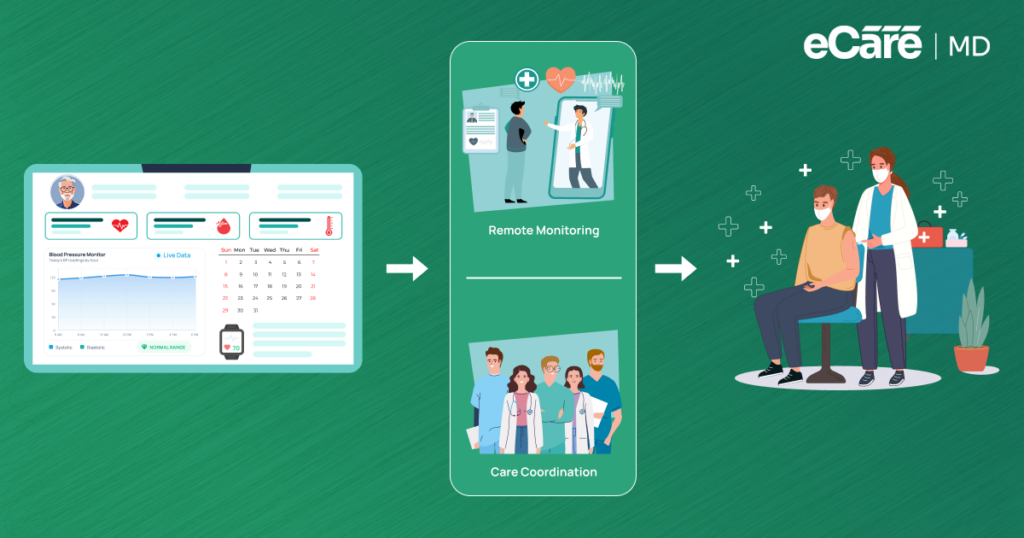
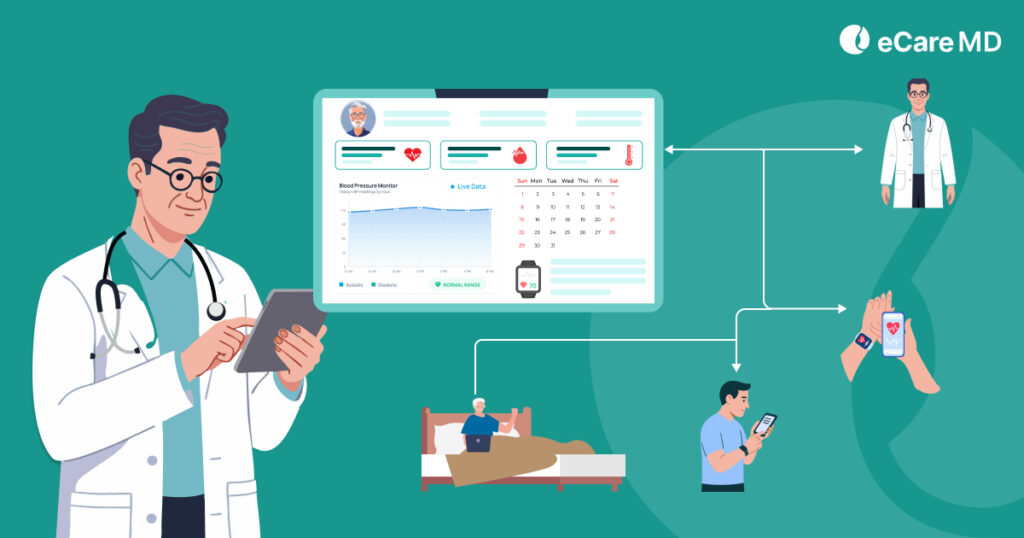
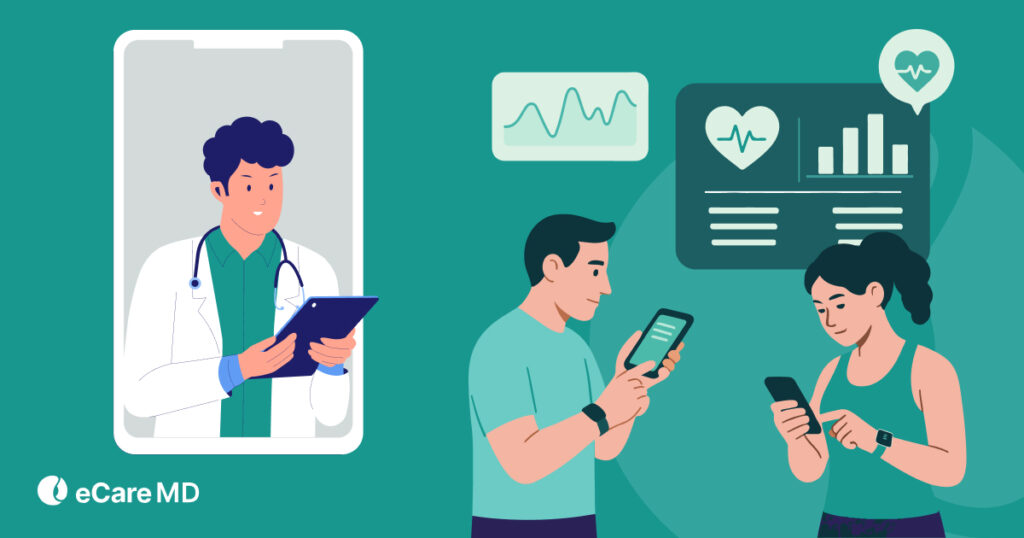
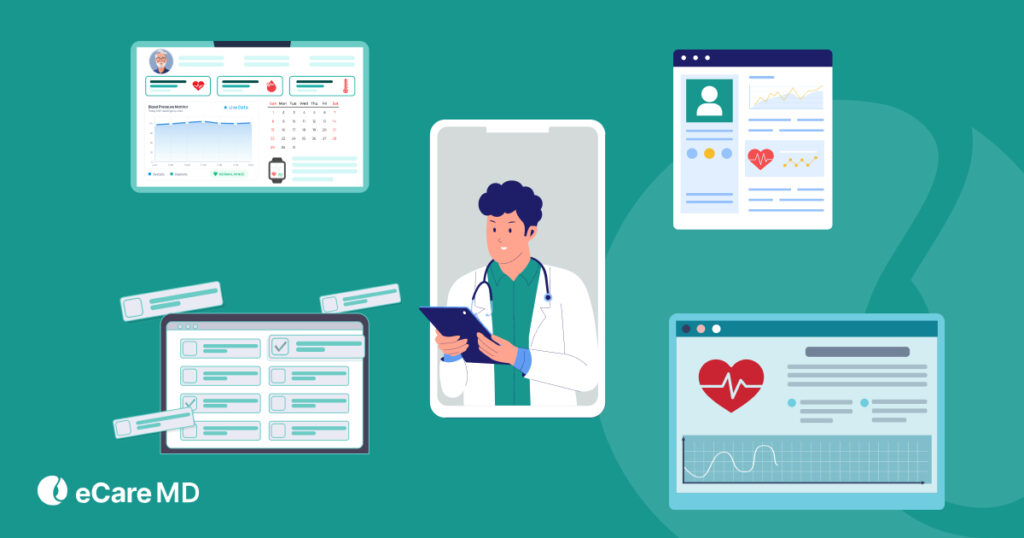
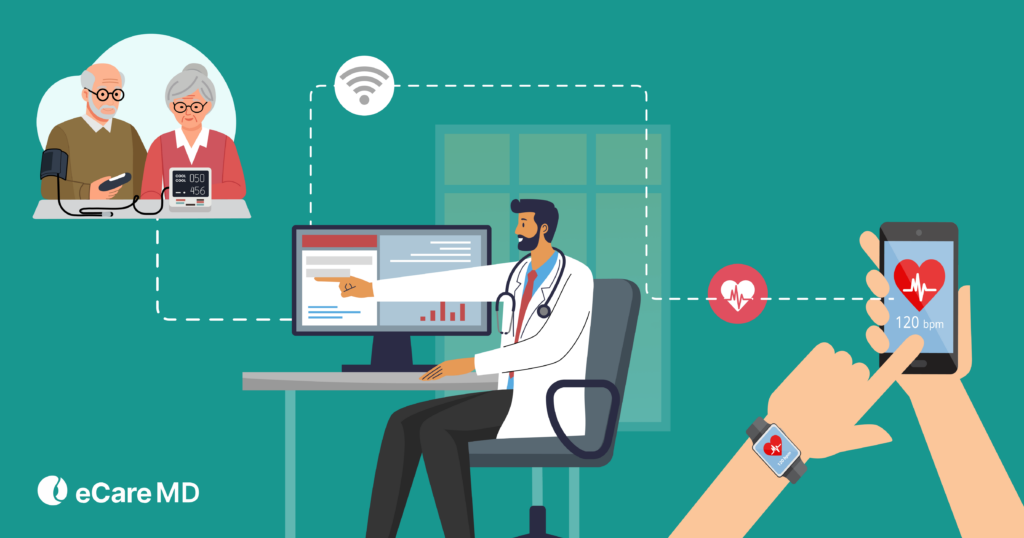
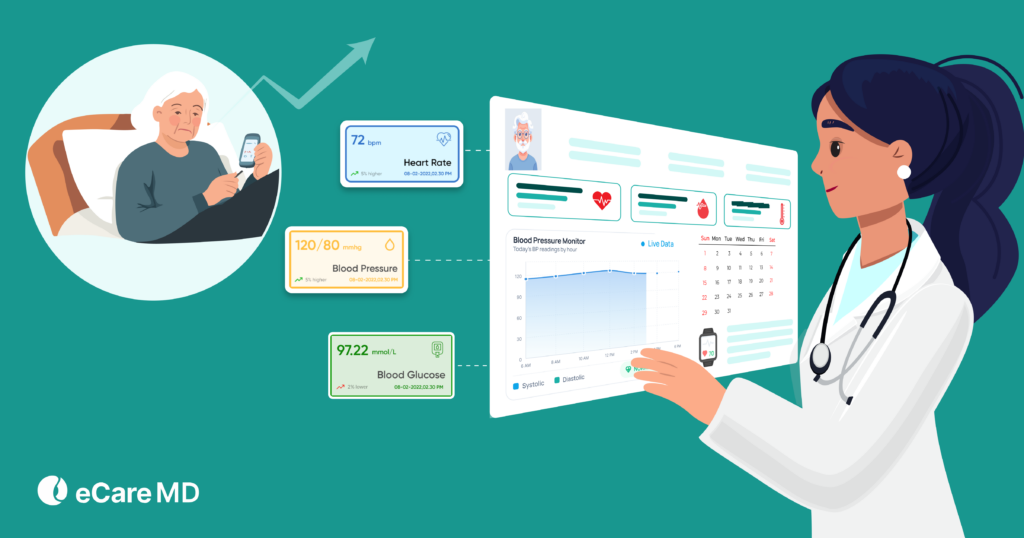
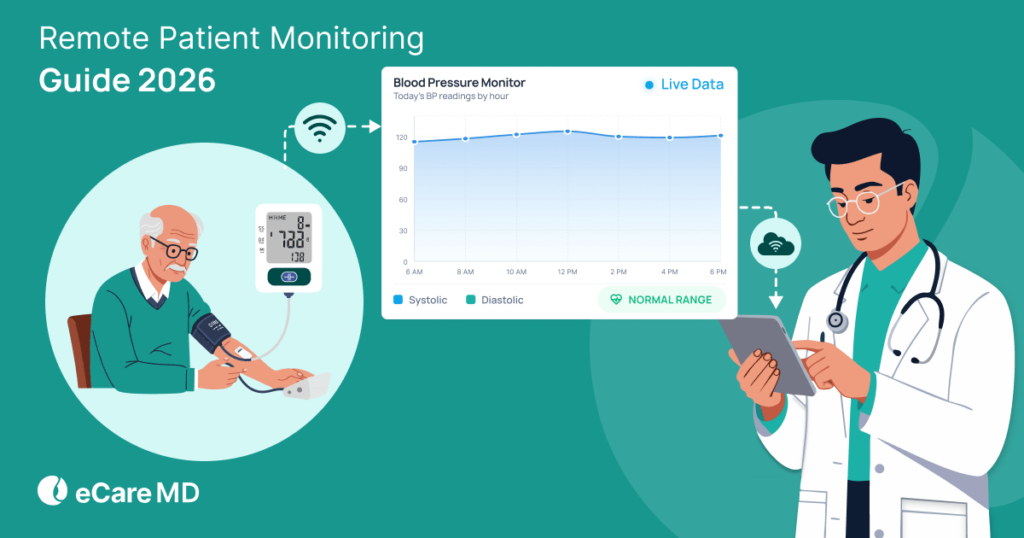
Now, RPM is transforming from occasional check-ins to continuous, data-driven care. Due to this, you can track your patients’ health in real-time and intervene early, rather than just waiting for your patients to report their symptoms. This reactive-to-proactive transformation is more beneficial for chronic care management, where continuous monitoring can result in better outcomes.
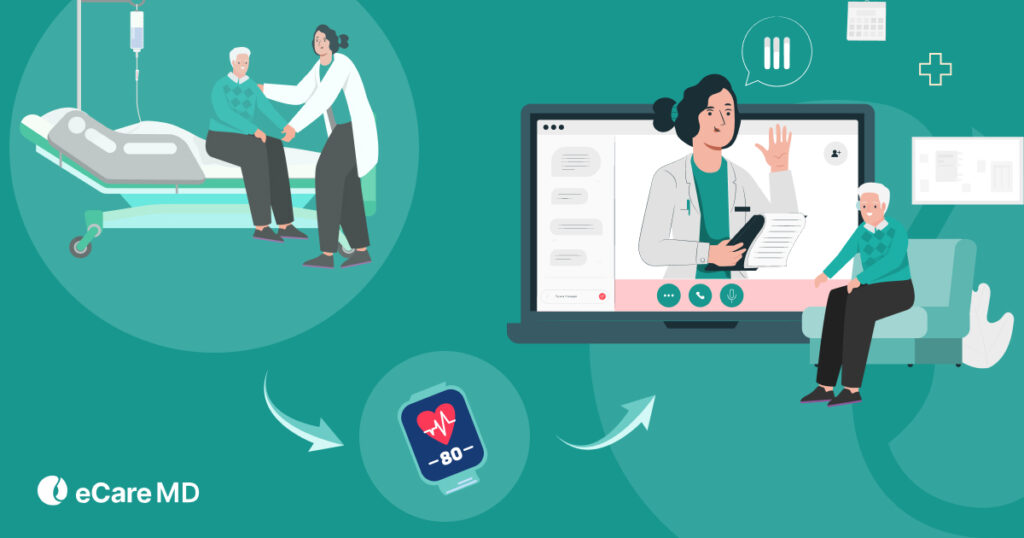
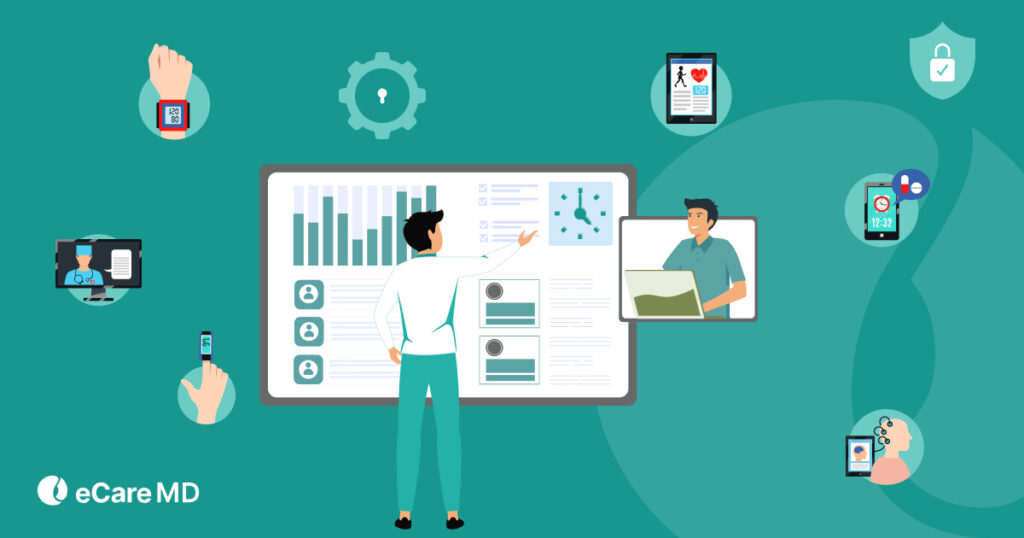
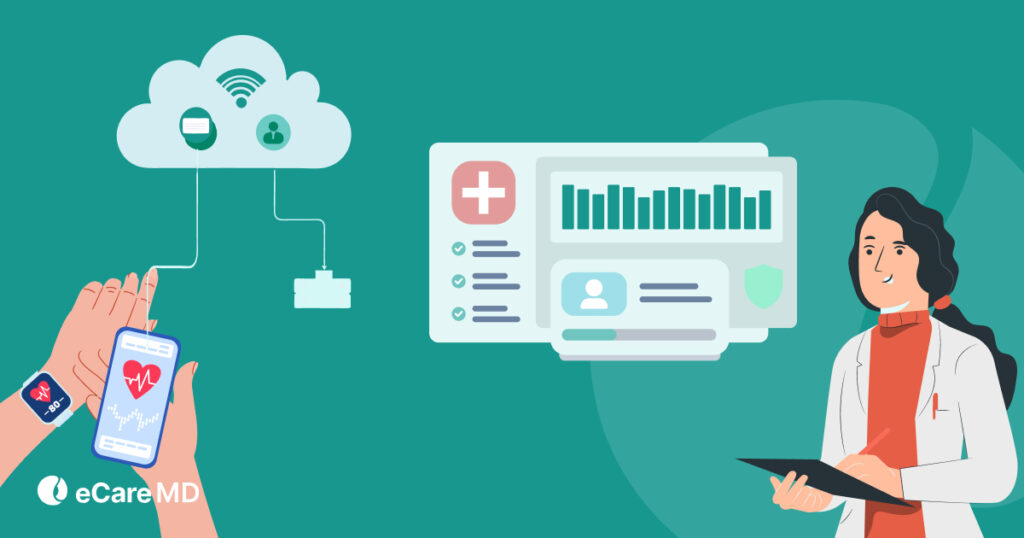
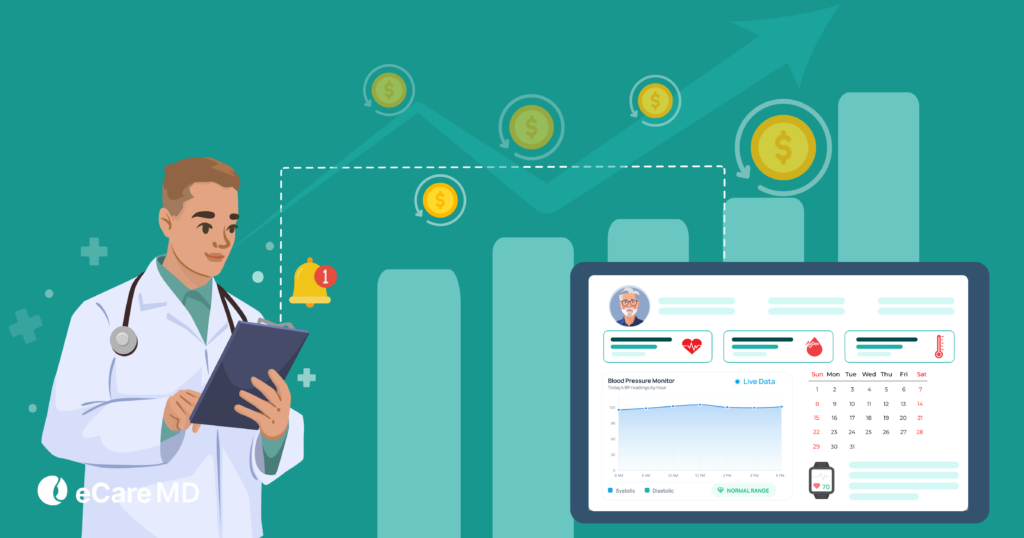
Moving forward, RPM has also moved from basic telemonitoring. By linking devices, EHRs, and care teams, CMS remote patient monitoring has become a key part of connected care systems. Now it’s not limited to data collection; it’s all about using that data to improve care.
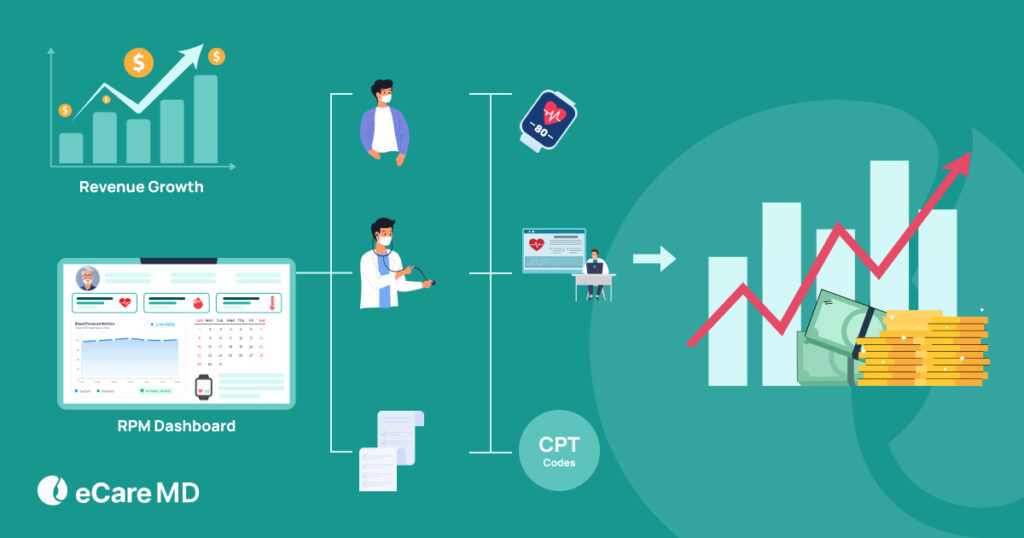
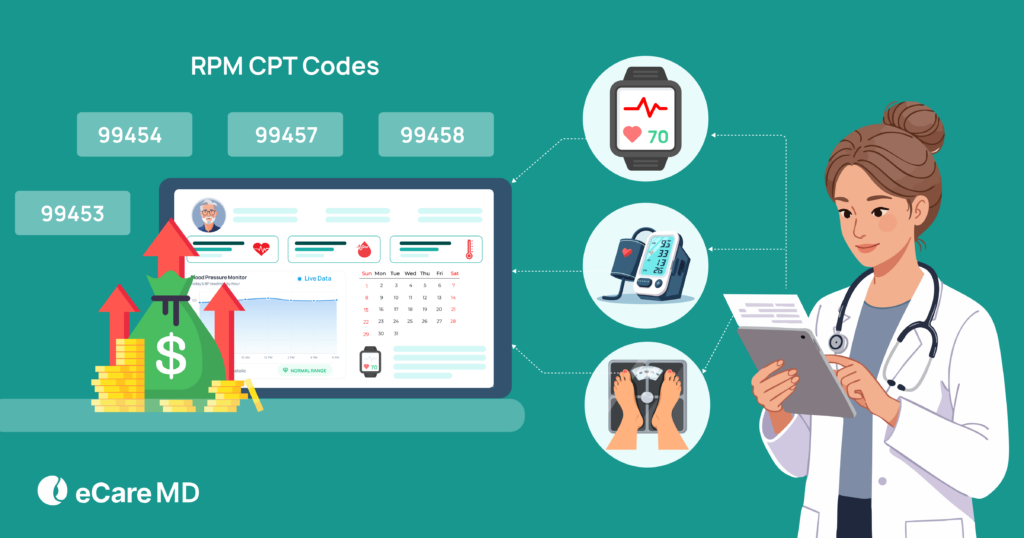
At the same time, adoption is also growing across Medicare populations. Now, the CMS RPM program is a key part of chronic care strategies, as many providers are using RPM for chronic care management. With CPT codes like 99453, 99454, 99457, and 99458, this growth is further supported by clear reimbursement pathways. These codes allow you to bill for setup, monitoring, and patient interaction.
Even so, now CMS is raising expectations by emphasizing outcomes more. It means that now you need to show real improvements in your patients’ health, instead of just tracking data. This expectation ultimately aligns with the shift toward value-based care.
Furthermore, recent updates in the 2026 Physical Fee Schedule are now reshaping how RPM is covered and reimbursed by supporting the need for structured and compliant programs. This highlights that RPM is no longer optional; it has become a key part of care delivery under CMS.
Key Innovations Shaping Remote Patient Monitoring
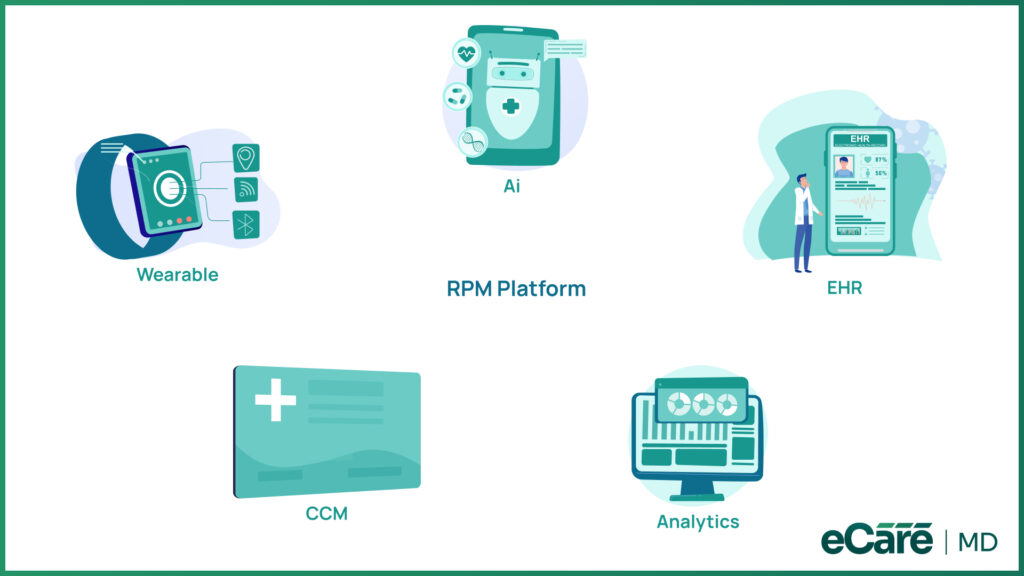
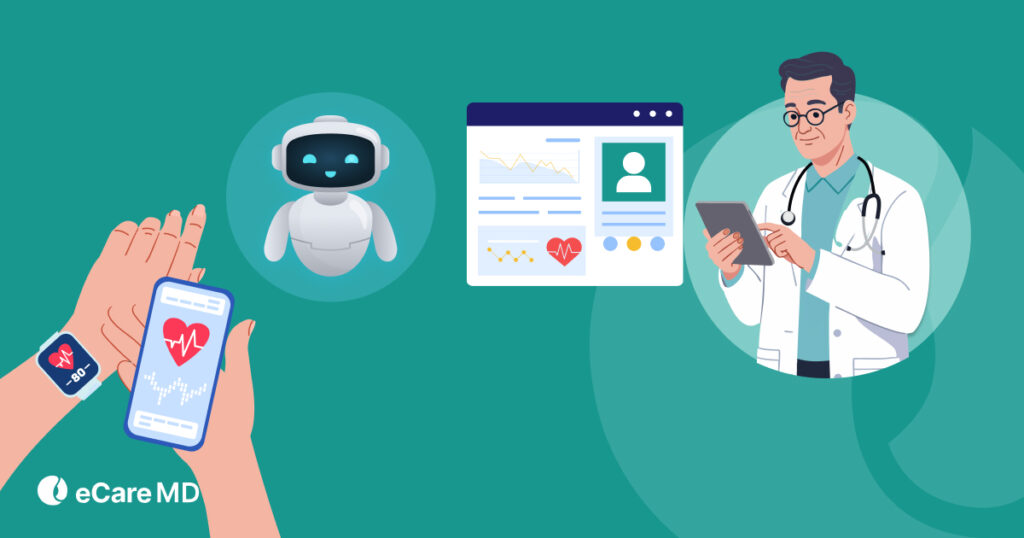
In 2026, RPM is not just evolving, it’s actually getting smarter, more connected, and far more impactful. AI, advanced devices, and better system integration all come together to push CMS remote patient monitoring toward more efficient and proactive care.
Let’s see each innovation one by one:
1. AI and Machine Learning in RPM:
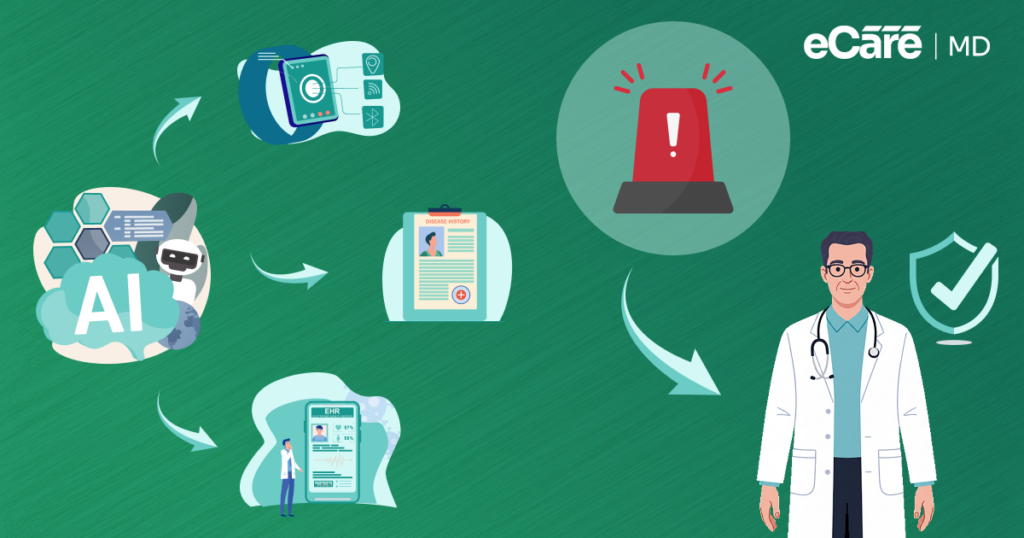
You can imagine AI as the engine behind modern RPM programs. Generative AI is assisting providers to cut down on time-consuming tasks, from clinical documentation automation to compliance workflows automation. It also helps you to prioritize high-risk patients without any guesswork, by enabling smarter risk stratification.
With AI, you can predict issues earlier and avoid any serious complications rather than reacting to alerts. Ultimately, this shift is becoming a game-changer, while reducing clinical workload and enhancing patient outcomes.
2. Wearable Technology and IoT Devices:
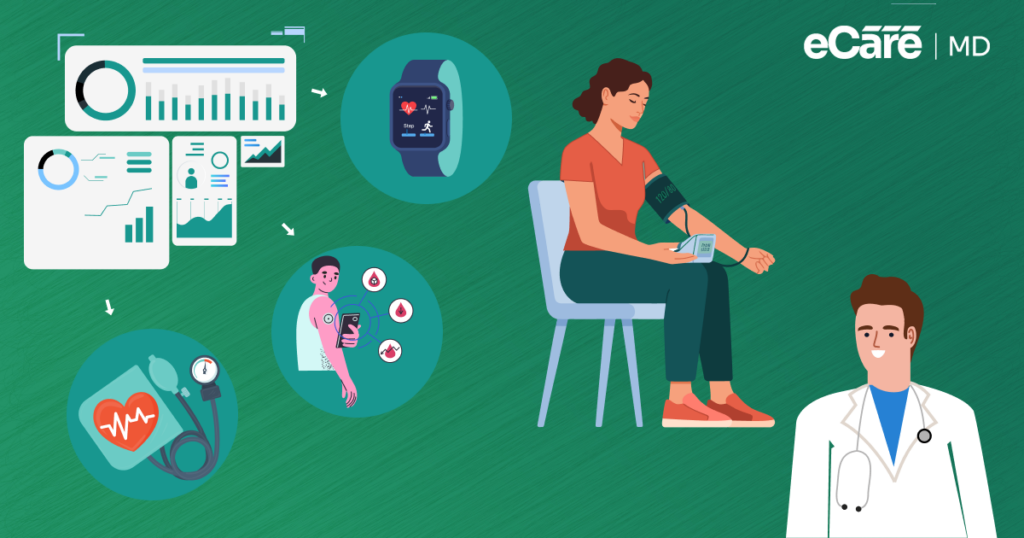
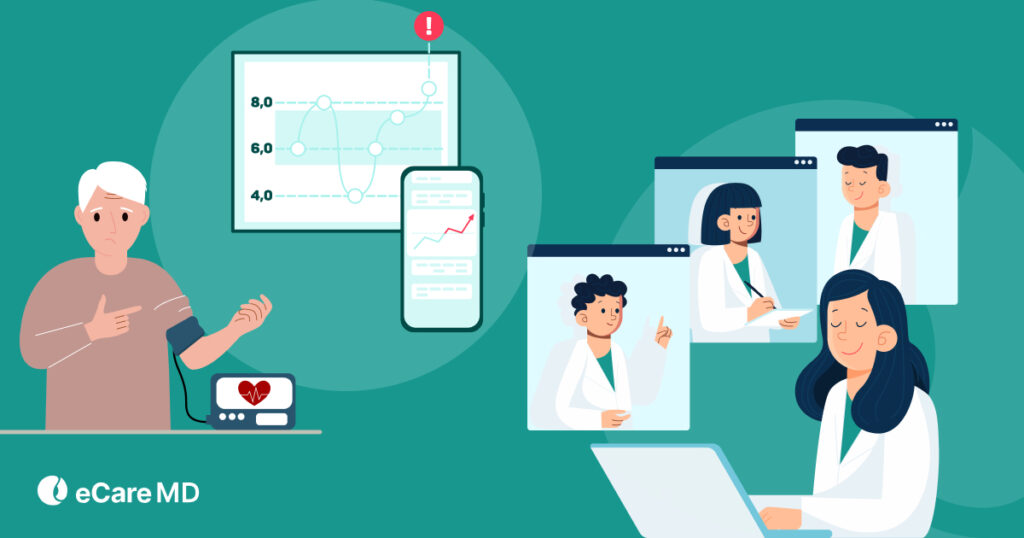
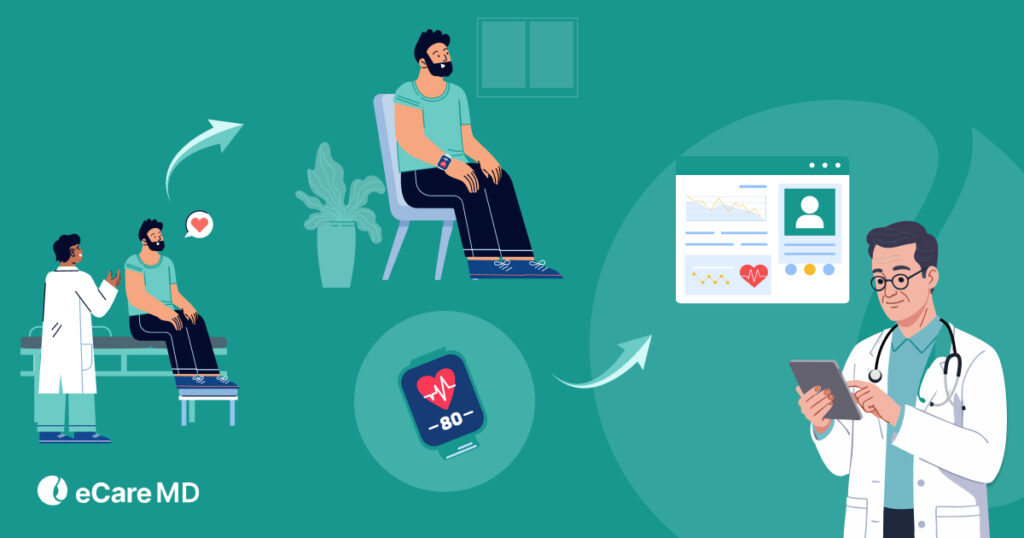
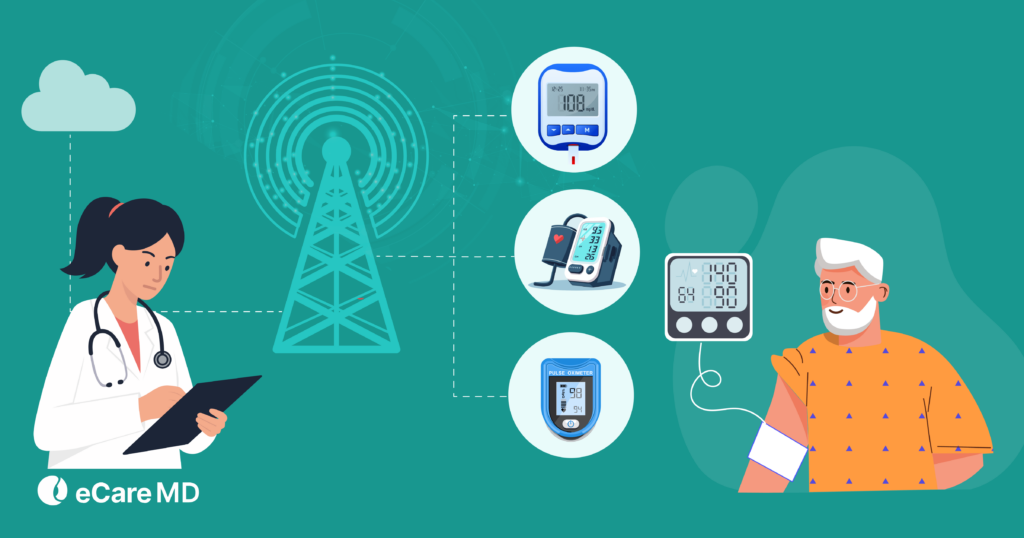
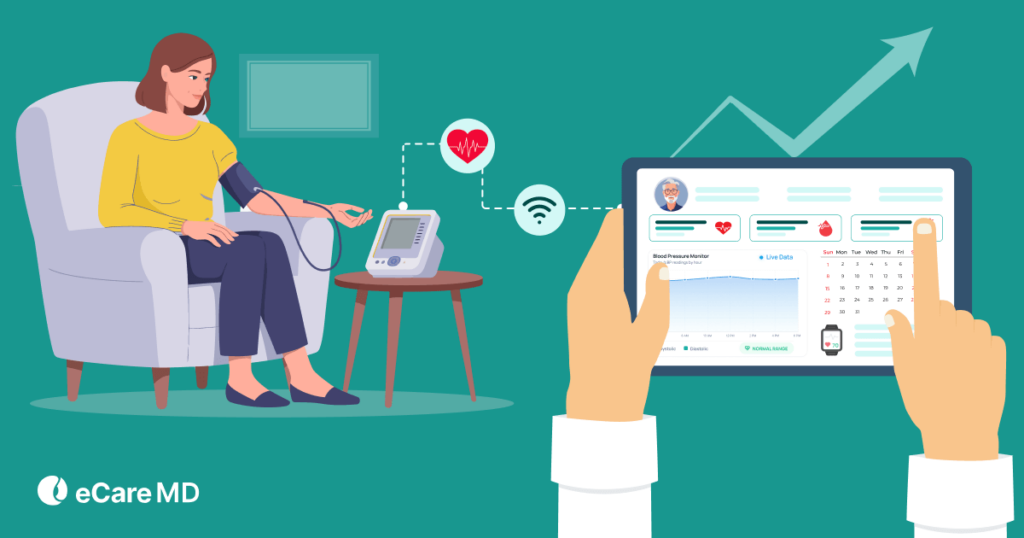
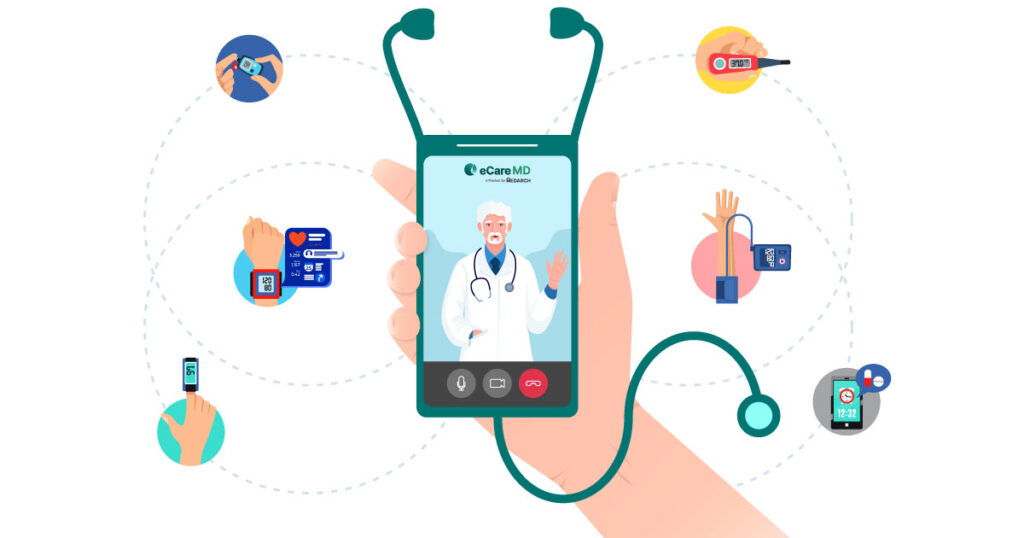
At first, RPM devices were used for basic monitoring. However, in 2026, the picture is something different, as today it’s easy for you to do continuous and passive monitoring by using wearables and connected devices. You can monitor your patients in real-time without constant manual input by using advanced devices, from smartwatches to advanced sensors.
These innovations further help to bridge the gap between clinical care and everyday life. You can easily manage chronic conditions effectively and intervene early with more reliable and real-time data.
3. RPM and CCM Integration:
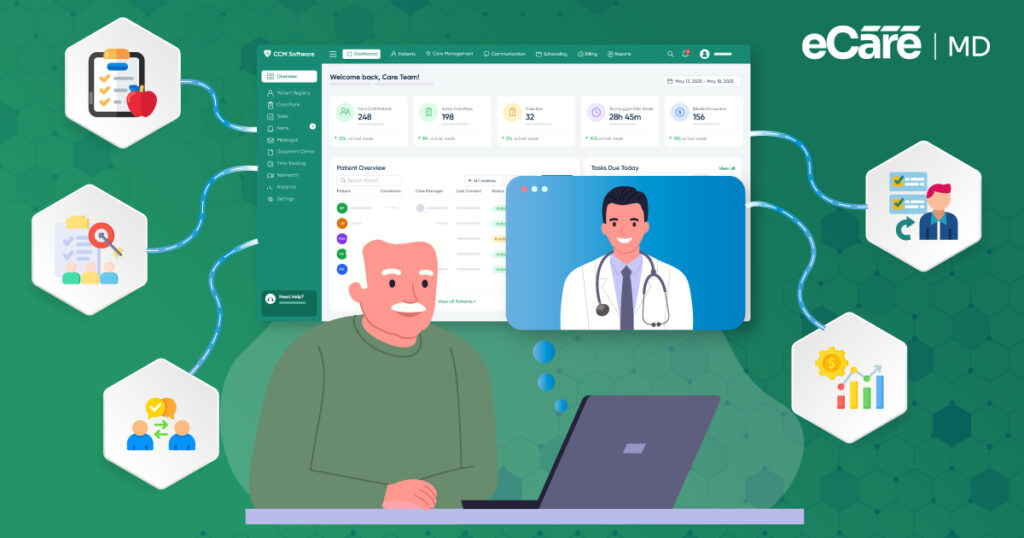
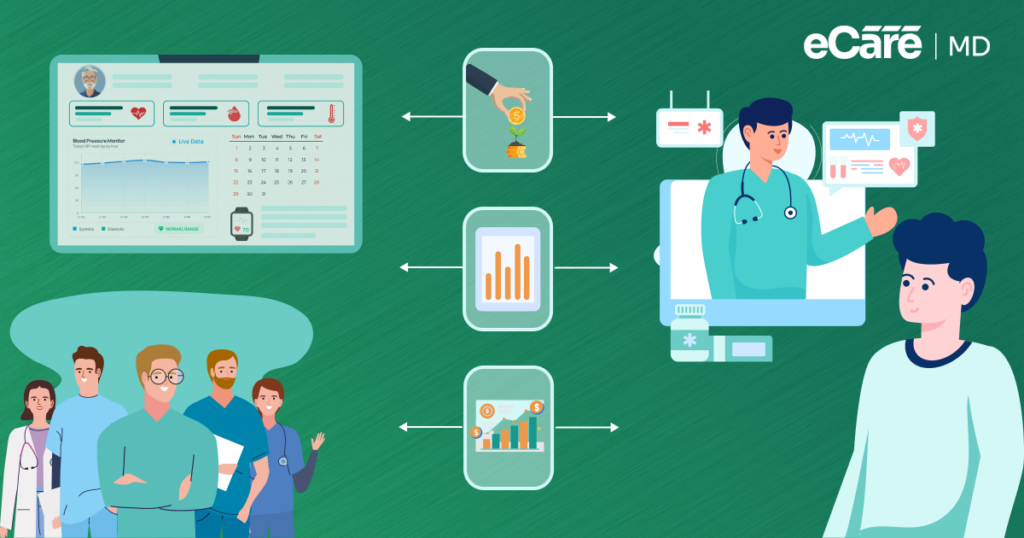
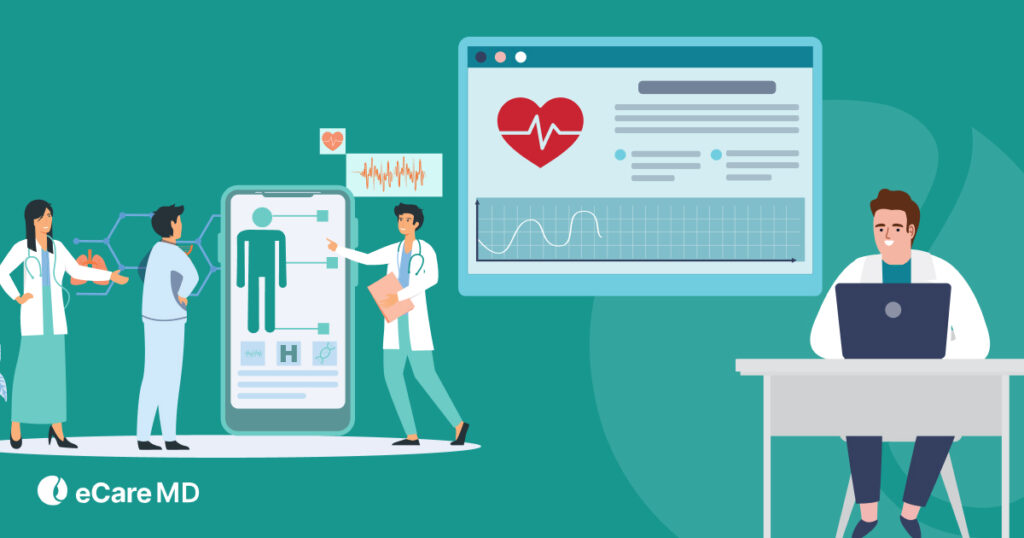
Remote patient monitoring is becoming a key part of broader virtual care models. You will get a more coordinated approach to patient care when you combine RPM with chronic care management.
With this integration, you can stay on top of your patient needs, especially for multiple chronic condition patients. It also helps you to improve care access for rural and underserved populations. This makes healthcare not only consistent but also connected.
4. EHR Integration and Interoperability:
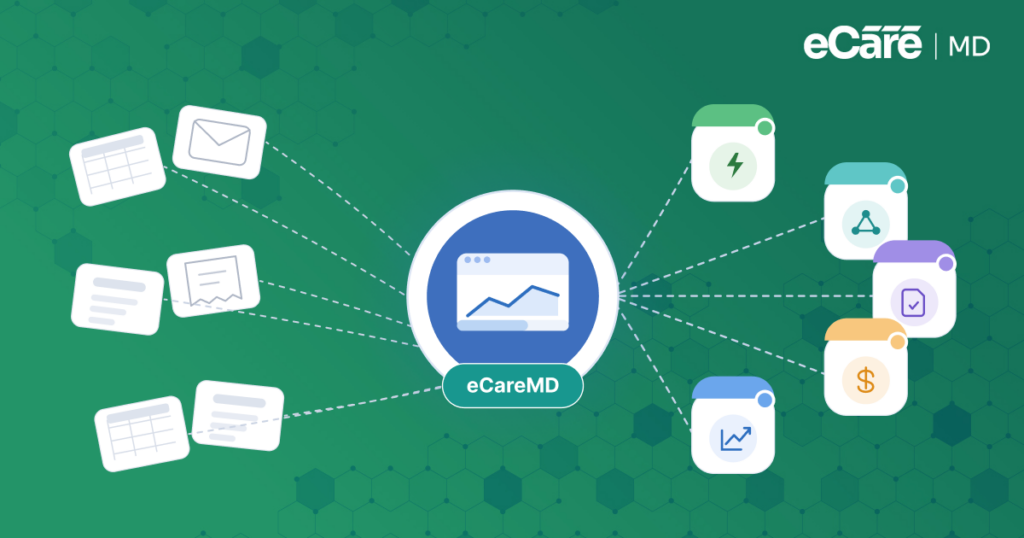
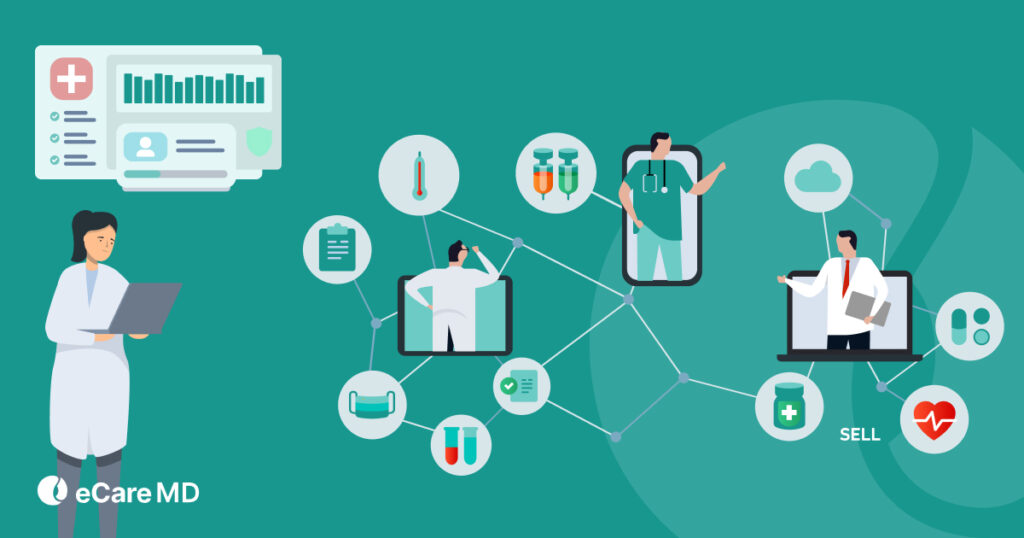
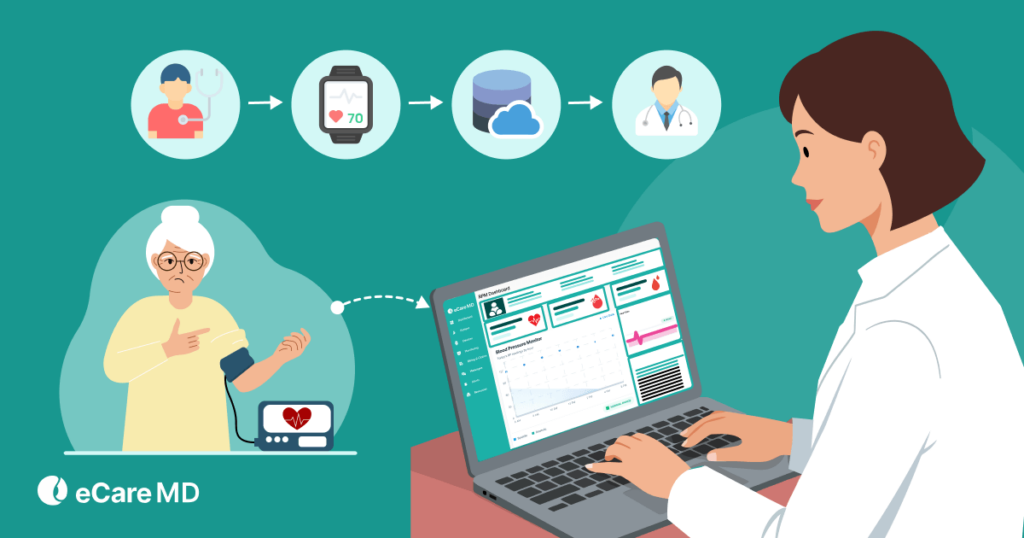
If you don’t have strong system integration, none of the above innovations can work. That’s why interoperability becomes important. Modern RPM platforms now support bi-directional data exchange with EHRs, ensuring that patient information flows smoothly between systems.
Standards like HL7 and FHIR help to improve care coordination and support compliance and audit readiness. With real-time data integration, you can minimize errors, fill compliance gaps, and make more accurate clinical decisions.
Remote Patient Monitoring Trends for 2026
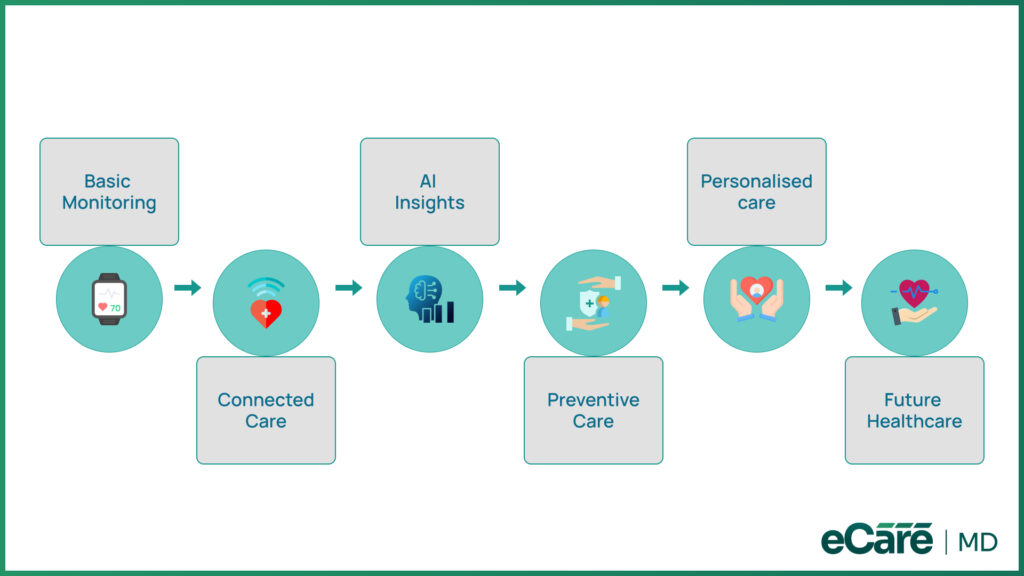
As we discussed above, RPM is exploding so quickly, and the reason behind it is trends in remote patient monitoring. Expansion of CMS coverage to more patients and conditions is one of the key RPM trends for 2026. RPM is no longer limited to a few chronic diseases, which makes CMS RPM more accessible and widely used.
Another key trend is personalized and preventive care. Because of continuous monitoring, you can spot issues early and take steps early before small issues turn into major complications.
The use of RPM in mental and behavioral health is another key shift. Along with vitals tracking, you can also keep your eyes on your patient’s sleep, activity, and other patterns for providing more complete care.
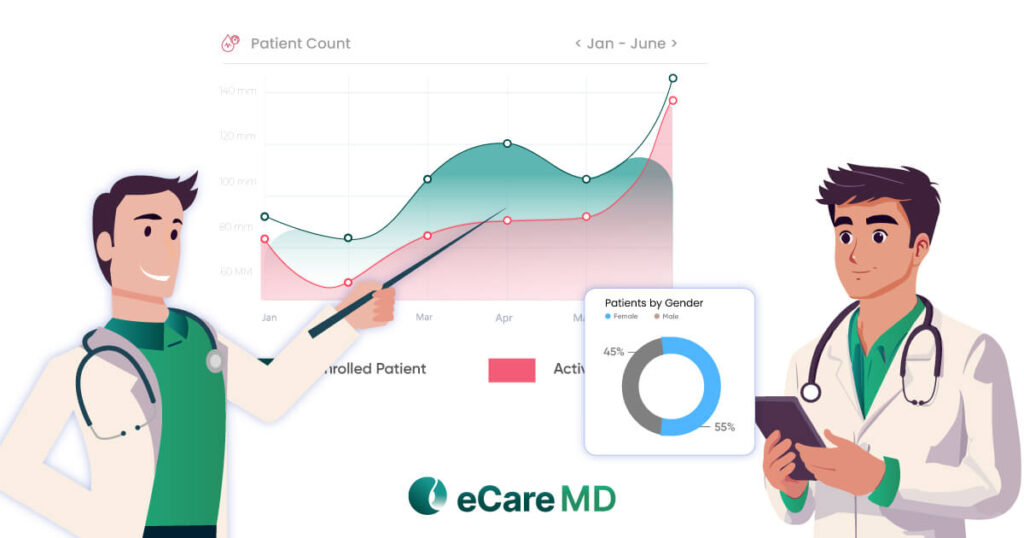
With all these factors, adoption of RPM is rising quickly across healthcare systems. In fact, industry reports suggest that the global RPM market is expected to cross $175 billion by 2030, and Medicare enrollment is continuing to increase.
Scaling RPM Programs for Future Growth
With the continuous expansion of RPM, scalability is becoming a make-or-break factor. It’s not necessary that what works for a small group of patients will hold up at scale. If you are looking to grow, you need to build a future-ready CMS RPM program. And for that, you should think beyond pilot phases and plan for long-term expansion.
However, it’s not easy to move from a small and controlled setup to a larger operation. If your patient number increases, it’s obvious that your tasks, like device management, data monitoring, documentation, etc., also increase. And, without the right structure, things can really become tricky for you. It can result in inefficiencies, staff burnout, and even missed opportunities.
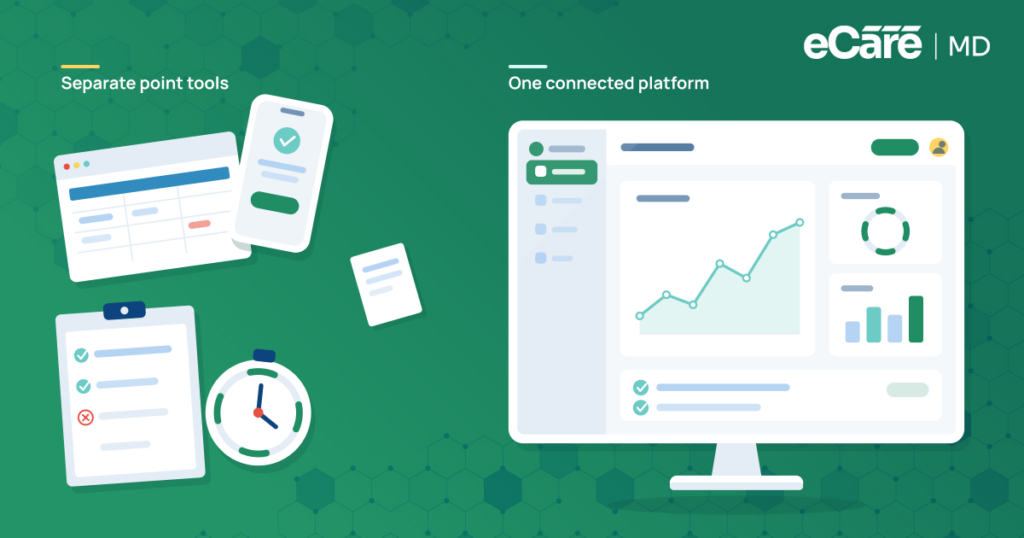
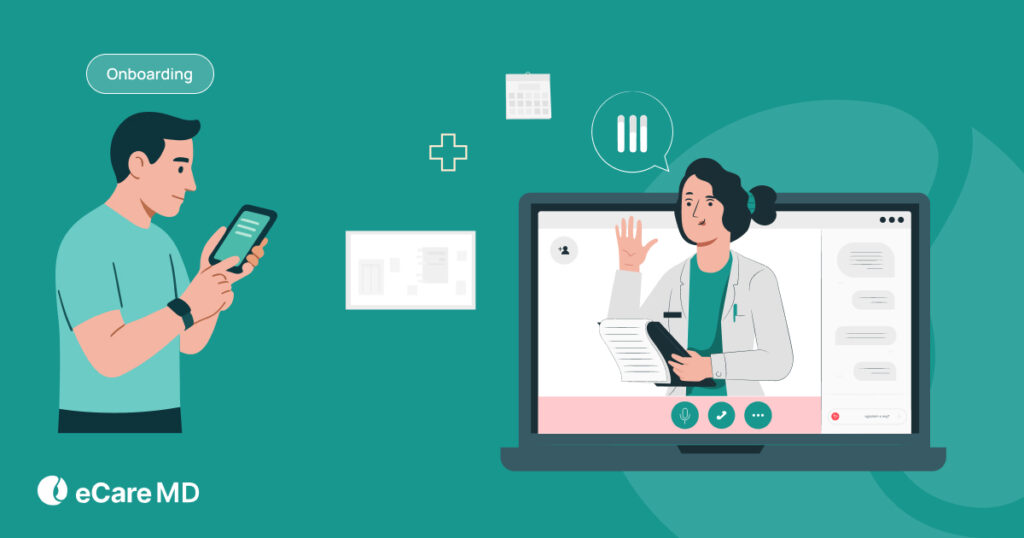
This is exactly where automation and standardized workflows start to make a huge difference. If you simplify processes from patient onboarding to data tracking and billing, you can easily manage more patients without adding extra burden on your staff.
Strong platform infrastructure plays a key role by keeping your care team more organized, while ensuring CMS remote patient monitoring guidelines are strictly followed.
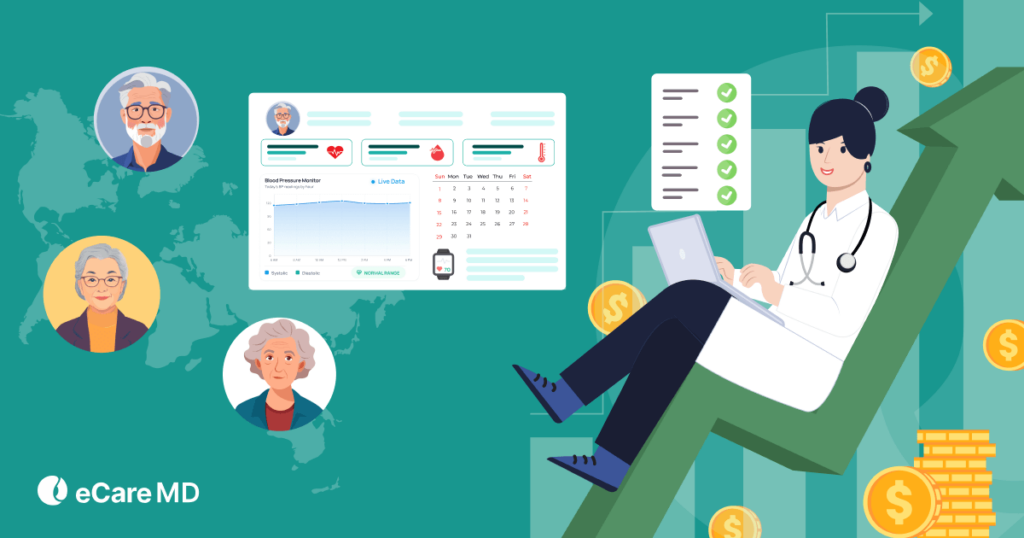
CMS reimbursement models also support this growth. You can scale your programs and maintain financial sustainability if you have clear billing pathways in place.
Benefits of CMS-Aligned RPM Innovations
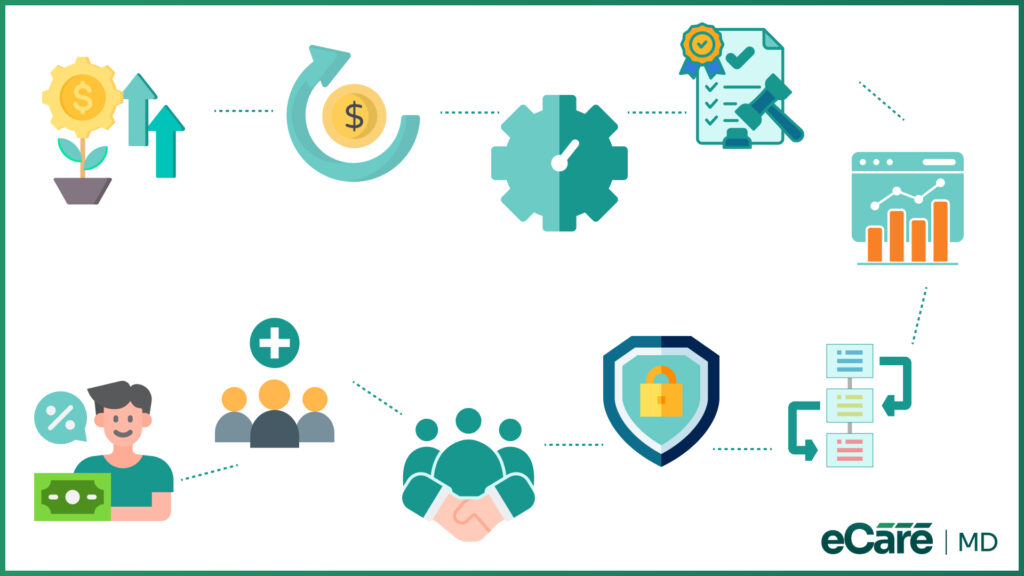
CMS-aligned RPM innovations are delivering valuable improvements across healthcare systems, especially when it comes to patient outcomes and operational efficiency. As we discussed above, proactive intervention is one of the key benefits of RPM in CMS programs, which ultimately leads you towards better patient outcomes.
You can also minimize hospital readmission and avoid unnecessary emergency care visits by constant patient monitoring. This enhances patient safety as well as minimizes the overall cost of care.
Furthermore, you can also reduce hospital readmission and avoid unnecessary emergency care visits,
Moving forward, RPM also supports stronger performance in CMS quality programs like MIPS and other value-based care initiatives. With better data and timely action, you can more easily meet performance and reporting standards.
Along with all these, RPM also saves your time by minimizing in-person visits and using automation to handle patients’ daily data. This enables your care team to work more efficiently, without compromising the quality of care.
Lastly, all these innovations help you in the long-term management of chronic conditions. Also, you can enhance outcomes across entire patient populations by enabling consistent monitoring and personalized care.
Conclusion: Preparing for the Future of RPM
Remote patient monitoring is no longer just a tool; it’s becoming a core part of healthcare delivery. To keep up, aligning with CMS remote patient monitoring guidelines is essential for long-term growth and compliance.
At the same time, AI, wearables, and better data sharing are shaping the next phase of RPM, making care more proactive and connected.
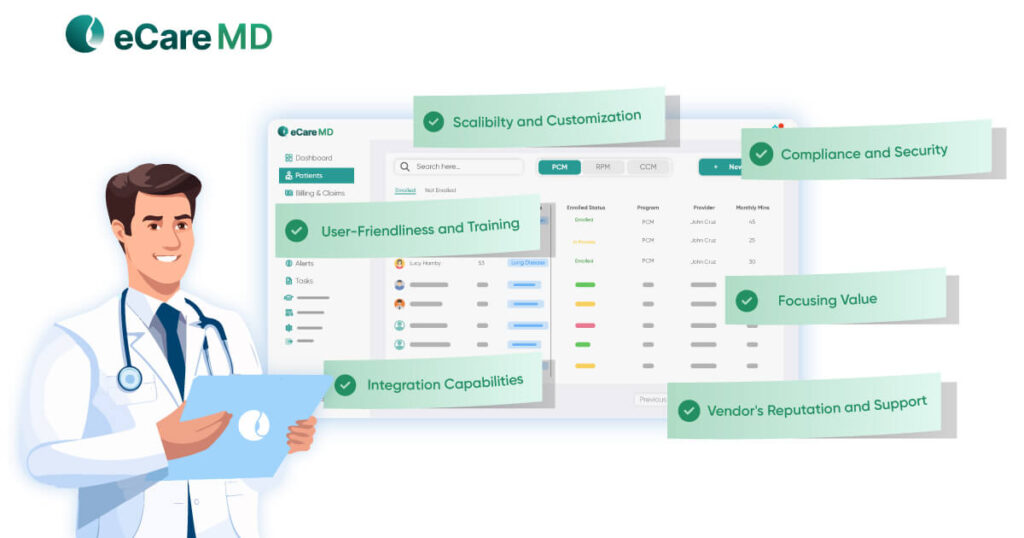
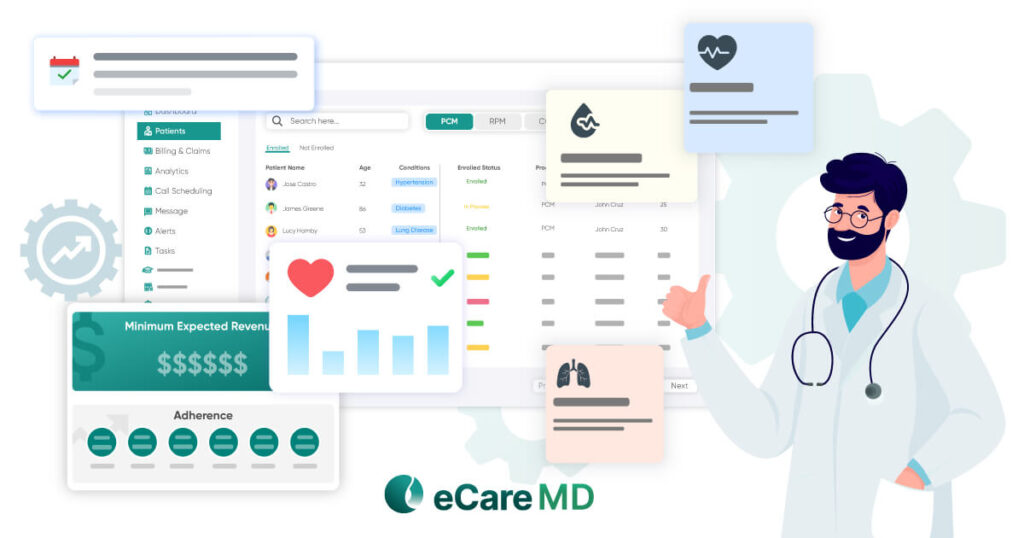
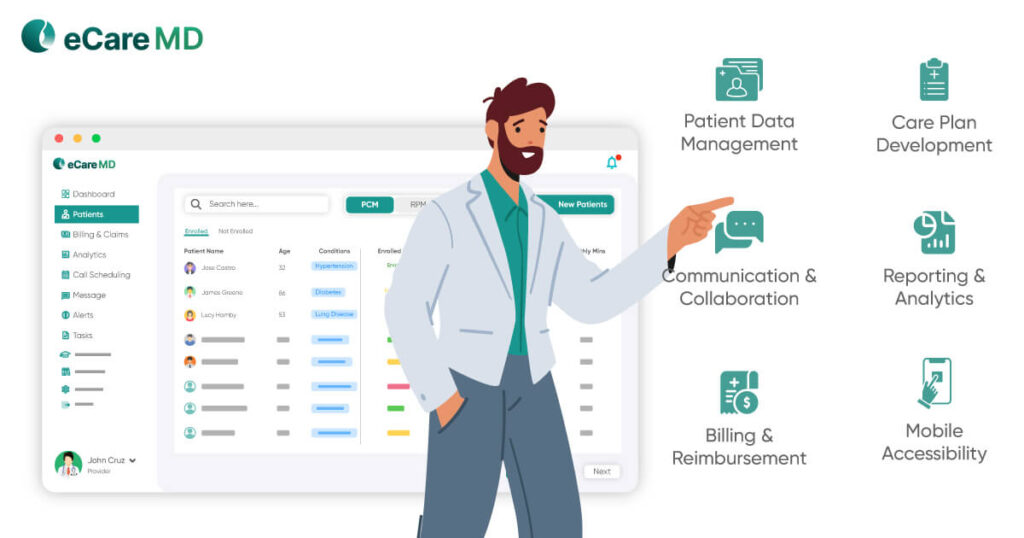
Solutions like eCareMD support this shift with AI-driven monitoring, scalable infrastructure, CMS-compliant workflows, and audit-ready documentation, all in one integrated platform.
Prepare your practice for the future of RPM with scalable, AI-enabled care solutions.
Click here to learn more.
Frequently Asked Question’s
CMS continues to focus on structured, reimbursement-driven RPM programs. Key updates emphasize proper documentation, patient consent, minimum data collection requirements (like the 16-day rule), and accurate use of CPT codes (99453, 99454, 99457, 99458). There is also a stronger push toward outcome-based care, meaning providers must show real patient improvements—not just data collection.
Generative AI is reducing manual work by automating clinical documentation, summarizing patient data, and supporting compliance workflows. It also helps prioritize high-risk patients through predictive insights, allowing providers to act earlier instead of reacting later.
Wearables are making RPM more continuous and effortless. Instead of manual readings, devices like smartwatches collect real-time data on vitals, activity, and sleep. This helps providers monitor patients more closely and intervene sooner when needed.
CMS is gradually moving in that direction. While RPM has mainly focused on physical conditions, there is growing interest in using it for behavioral health by tracking patterns like sleep and activity, supporting more holistic patient care.
RPM provides real-time patient data, while CCM focuses on long-term care management. Together, they create a more complete care model by combining continuous monitoring with structured care coordination.
Scalability ensures that RPM programs can grow without increasing workload or complexity. With automation and standardized workflows, providers can manage more patients efficiently while maintaining quality and compliance.
Interoperability allows RPM data to flow directly into EHR systems, improving care coordination and reducing manual work. It also supports better decision-making and helps meet CMS compliance requirements.
These innovations will push providers toward more data-driven, outcome-focused care. While they create new revenue opportunities, they also require better systems, workflows, and compliance practices.
Providers should invest in scalable technology, train staff on CMS requirements, adopt automation, and focus on patient engagement. Staying updated with CMS changes is key to long-term success.