Last Updated: July 14, 2026
Nearly 1 in 5 Americans is already 65 or older. And, each year this number continues to grow, which can ultimately create pressure on Medicare to remain sustainable and accessible.
However, the challenge here is not just treating patients, but also maintaining continuous care for elderly patients with mobility issues, transportation barriers, and irregular follow-ups.
At first, these challenges seem like simple ones, but over time, they can result in delayed interventions and fragmented care experiences. Due to all these challenges, there is a high demand for smart systems to extend care beyond traditional settings.
By integrating telehealth with RPM, you can identify risks early, support rural and underserved populations, and reduce the dependency on occasional in-person visits.
As a healthcare provider, you may already know that virtual care is no longer optional in 2026. In Medicare populations, a lot of patients are becoming increasingly comfortable with digital tools.
So, what does this shift really mean for your practice, and how can Telehealth and RPM for Medicare strengthen your care model and enhance patient outcomes?
Let’s explore that in the sections ahead!
Medicare Support for Telehealth and RPM
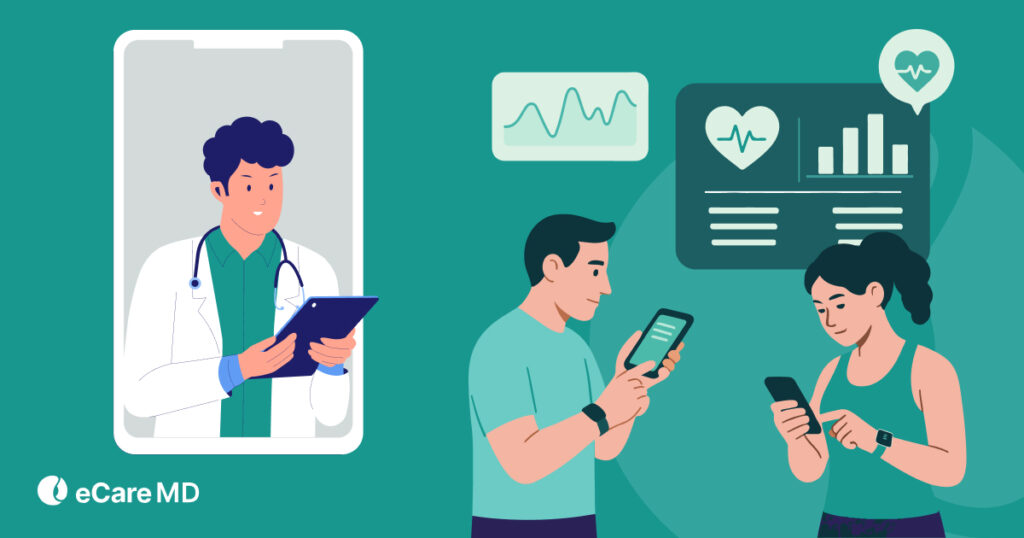
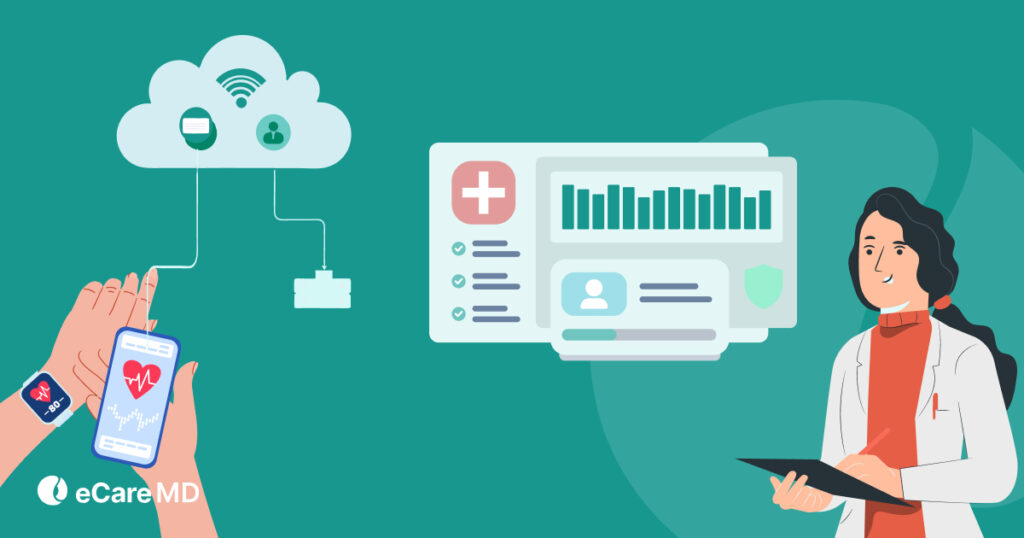
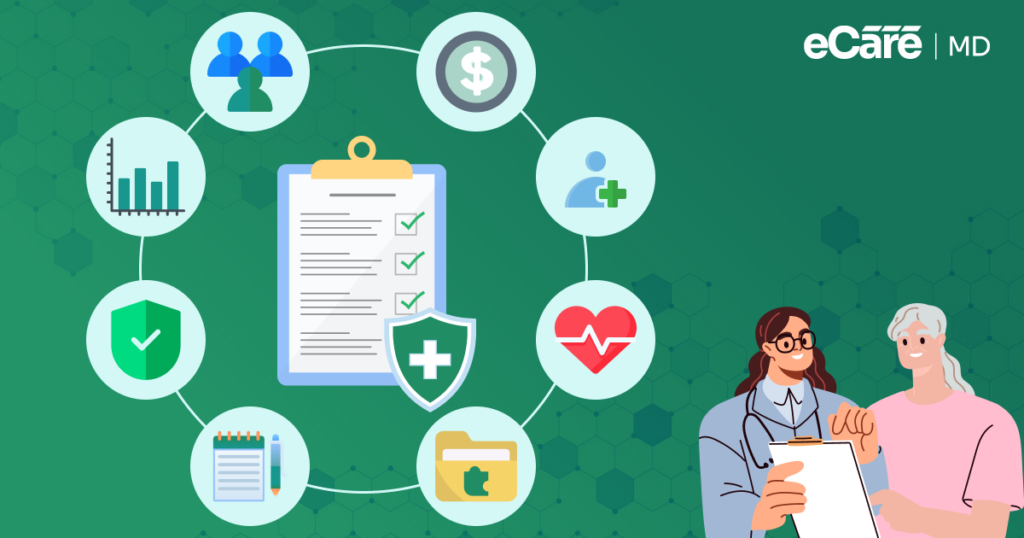
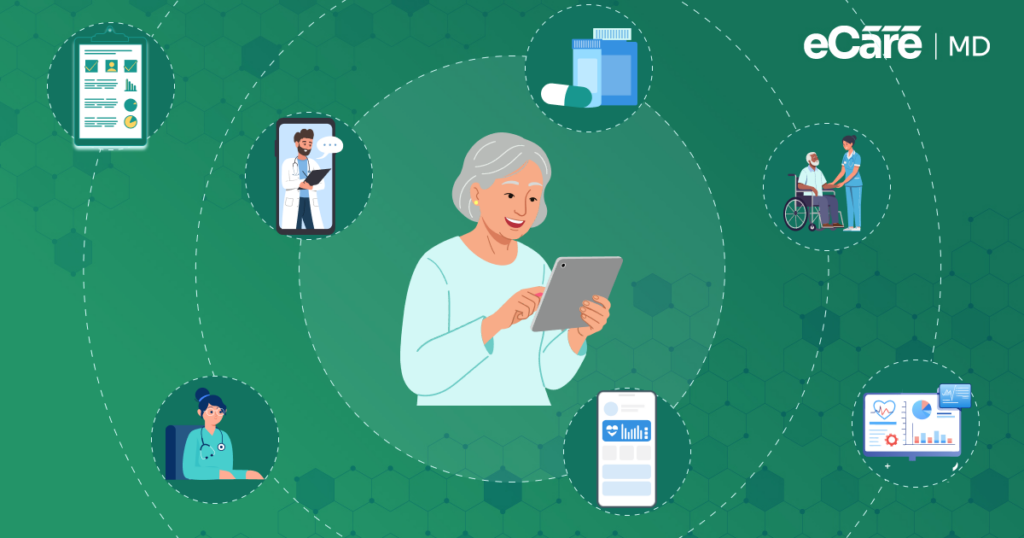
Telehealth and RPM are now becoming a core component of how care is delivered to seniors. Under Medicare Part B, you can offer virtual visits and use Medicare remote patient monitoring for tracking your patients’ health in between appointments. This shows that care is no longer limited to occasional visits; it continues even after your patient leaves the clinic.
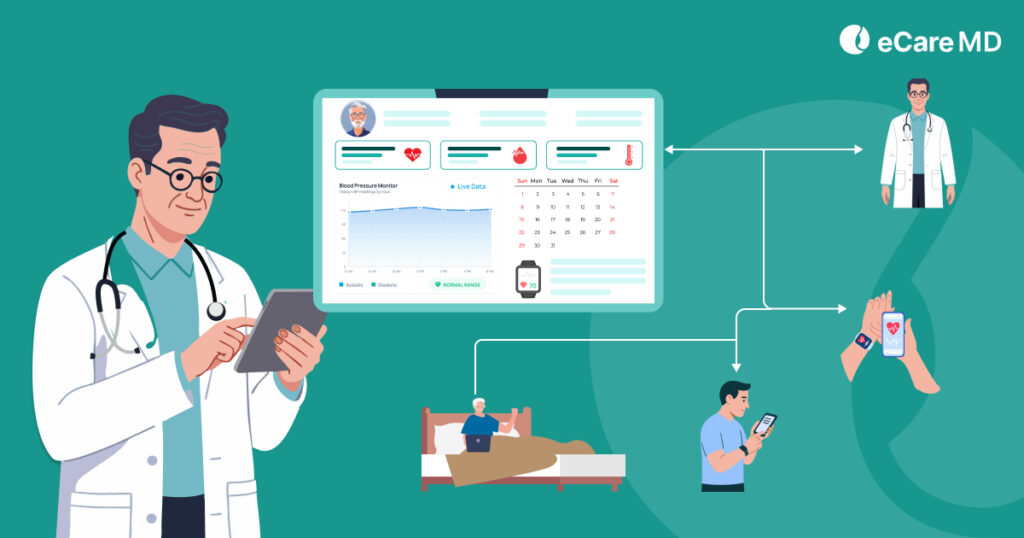
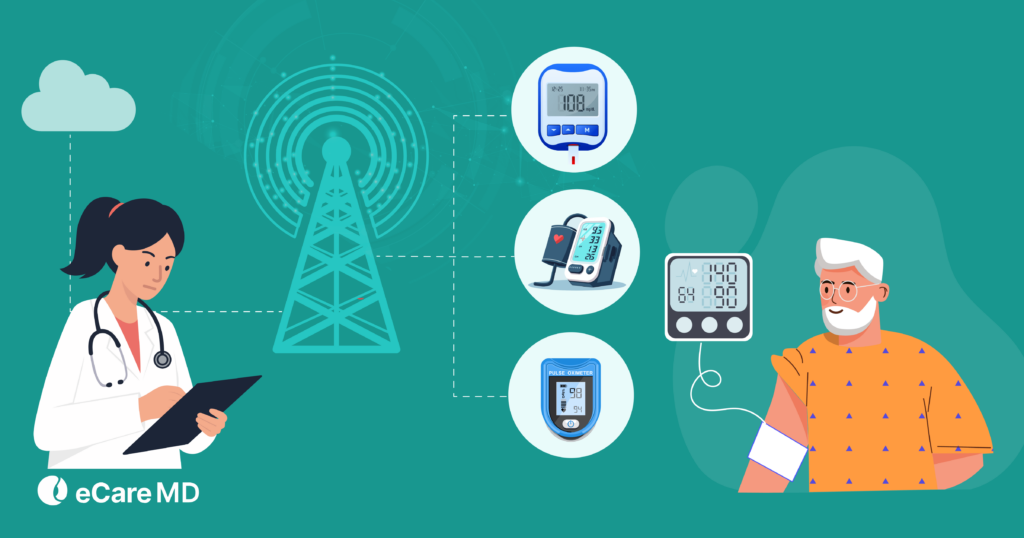
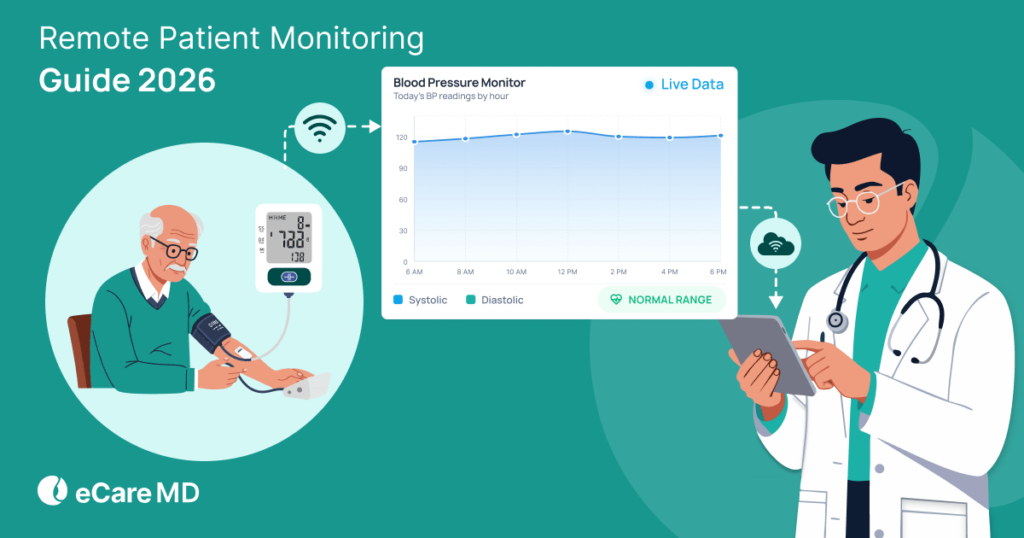
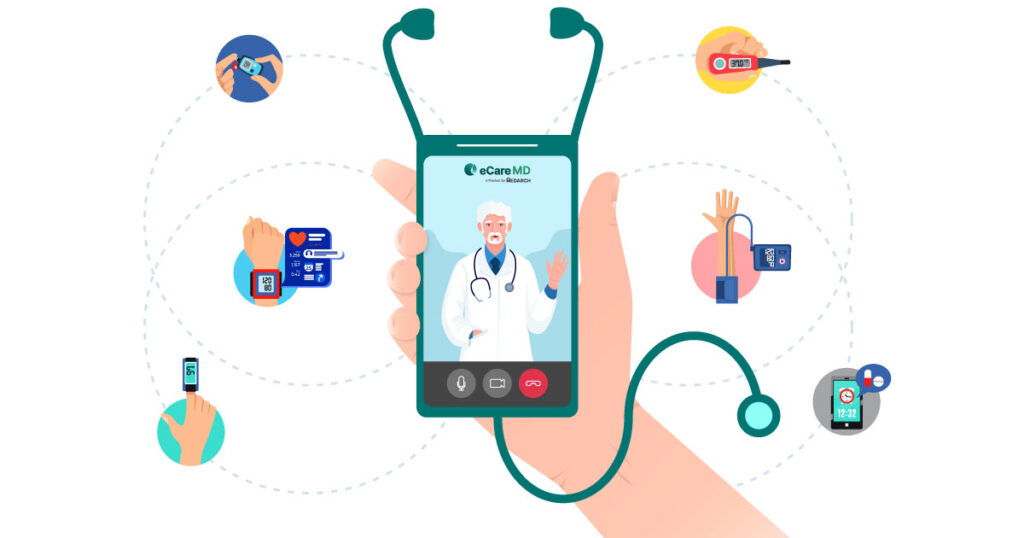
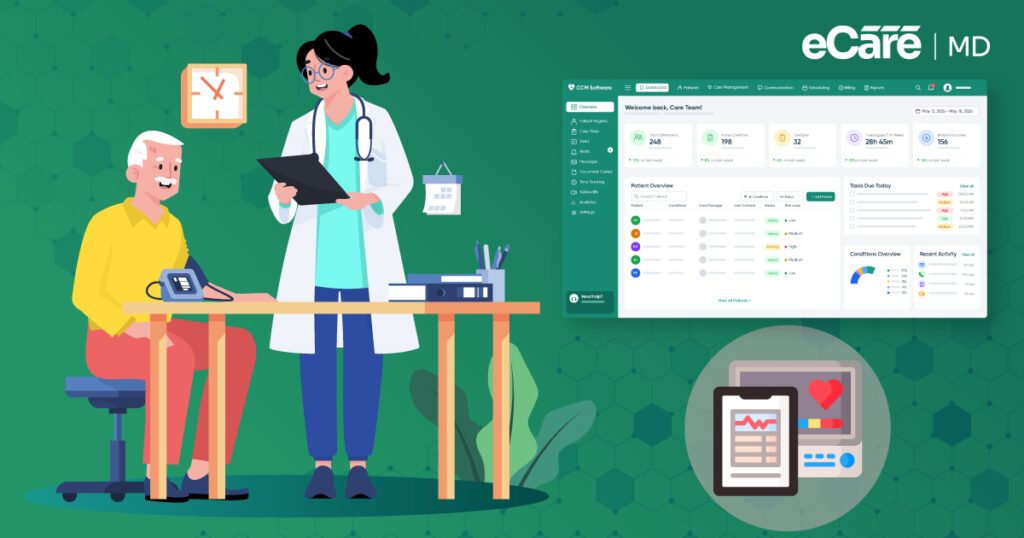
This shift is making a real difference for older patients with chronic conditions. With telehealth for Medicare patients, you can access real-time patient data without travel, while with remote patient monitoring for seniors, you can keep an eye on vital signs like blood pressure or pulse rate.
Furthermore, the Centers for Medicare & Medicaid Services (CMS) offers clear guidelines and reimbursement for both telehealth and RPM. This has made integrating telehealth and RPM patients not only practical but also scalable for you.
Another key advantage is improved access without expanding physical infrastructure. In simple terms, you can reach more patients remotely. This is more beneficial for the patients who face mobility or distance challenges, helping to bridge the gap between your patients and consistent care.
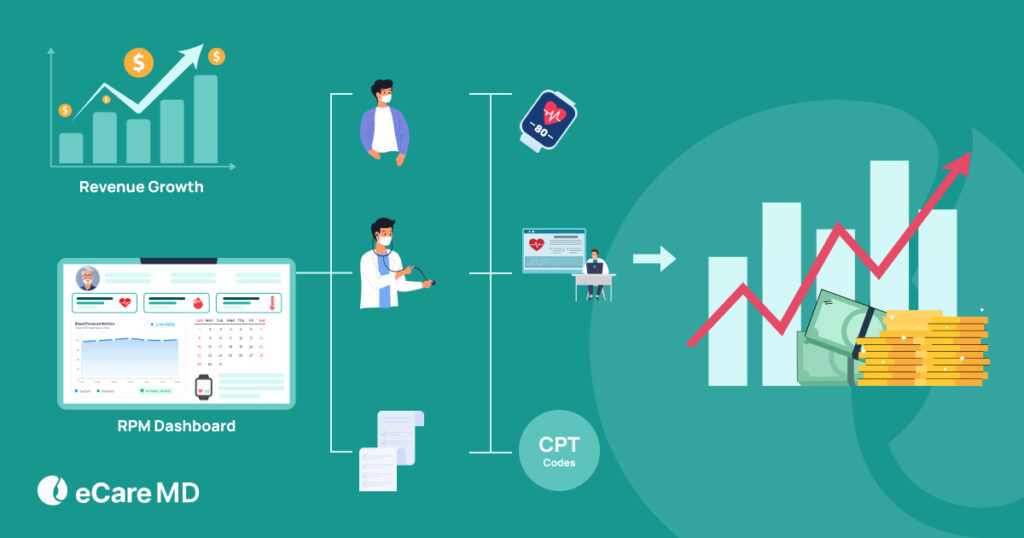
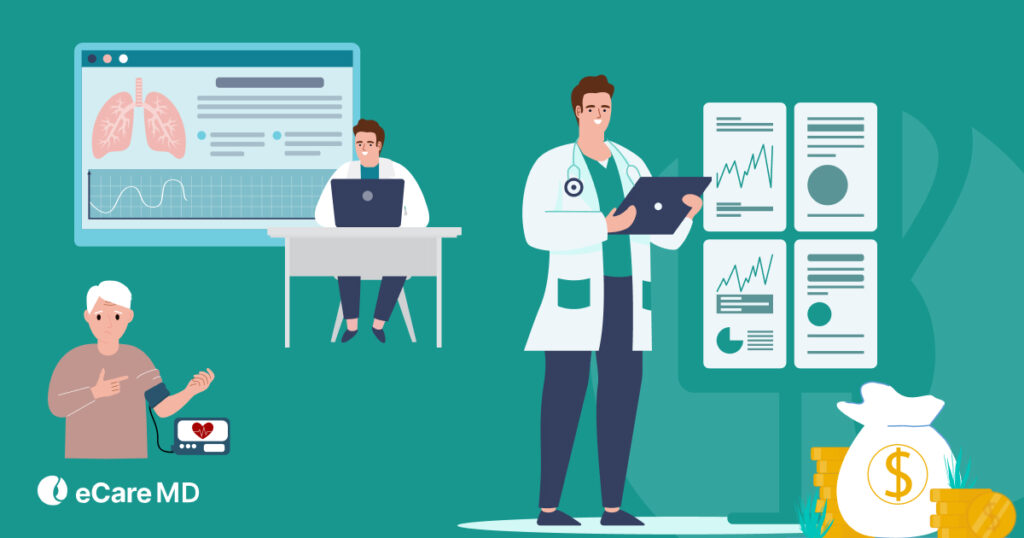
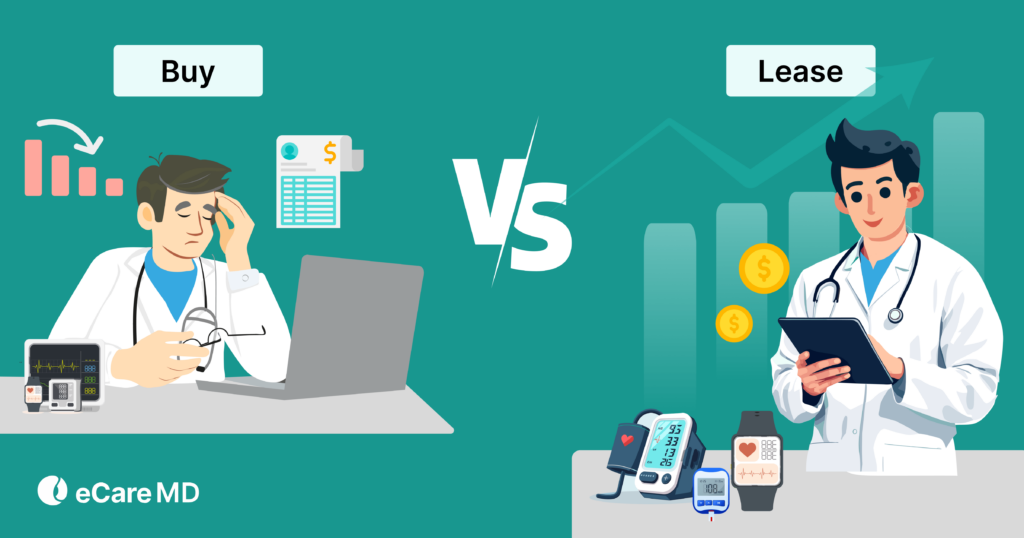
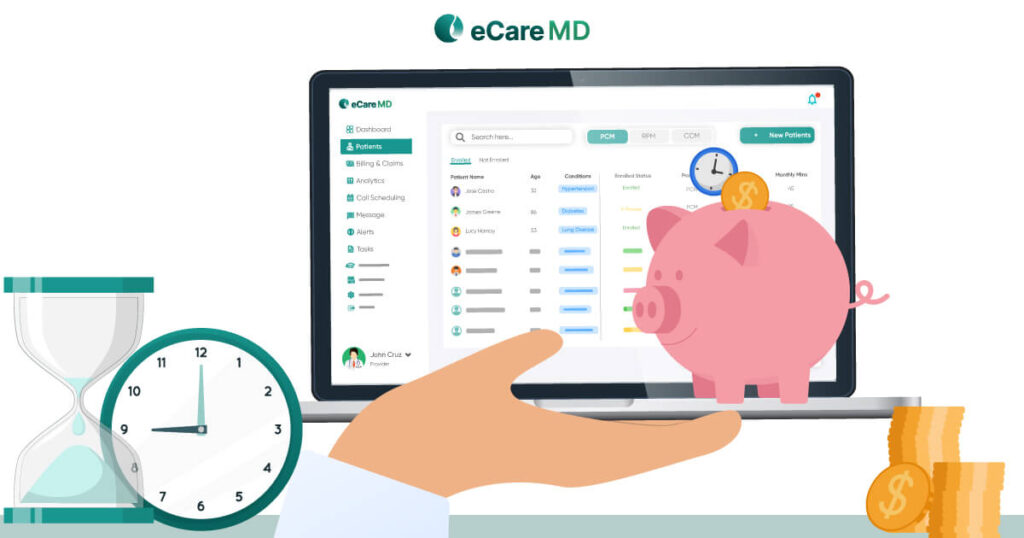
Additionally, all these services are reimbursable, which creates sustainable revenue opportunities. If you implement correctly, remote patient monitoring for elderly patients and telehealth can improve outcomes and support long-term practice growth.
How to Deliver Better Care for Seniors Without More Clinic Visits
Free WebinarHow Providers Use Telehealth and RPM Together
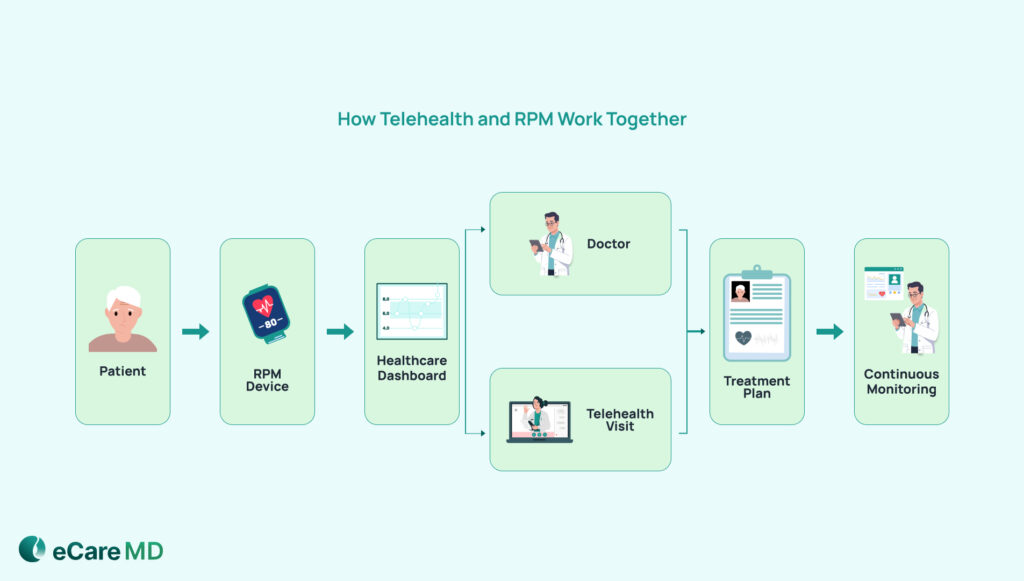
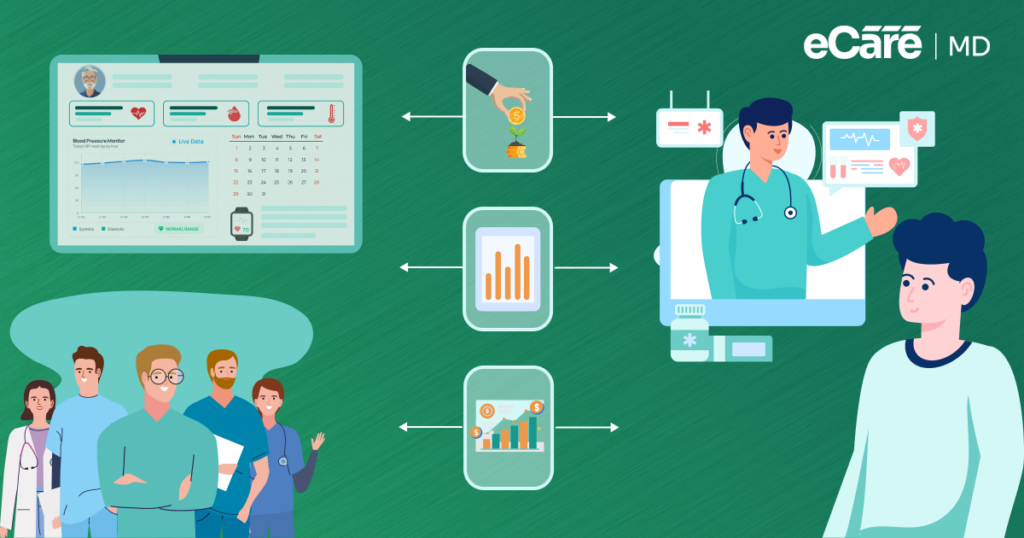
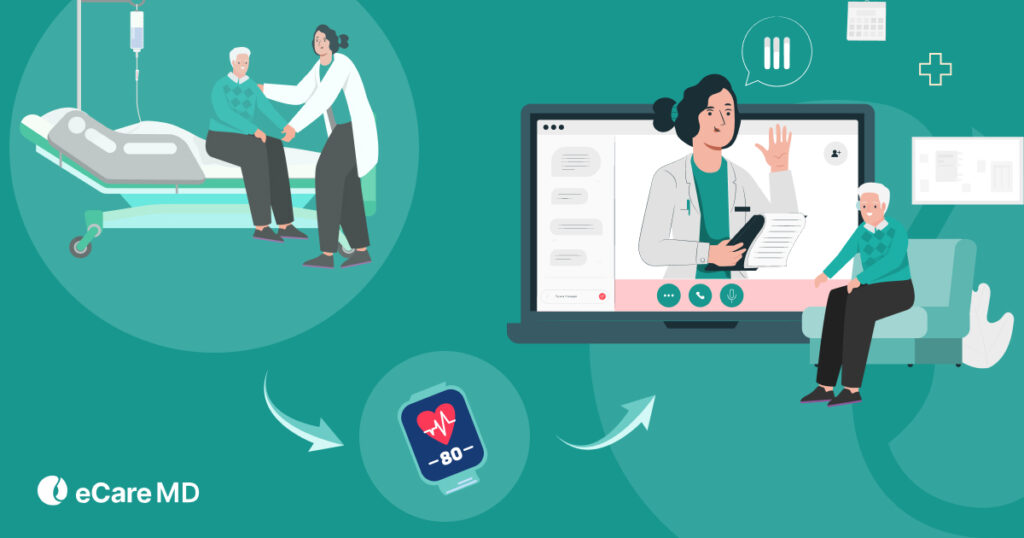
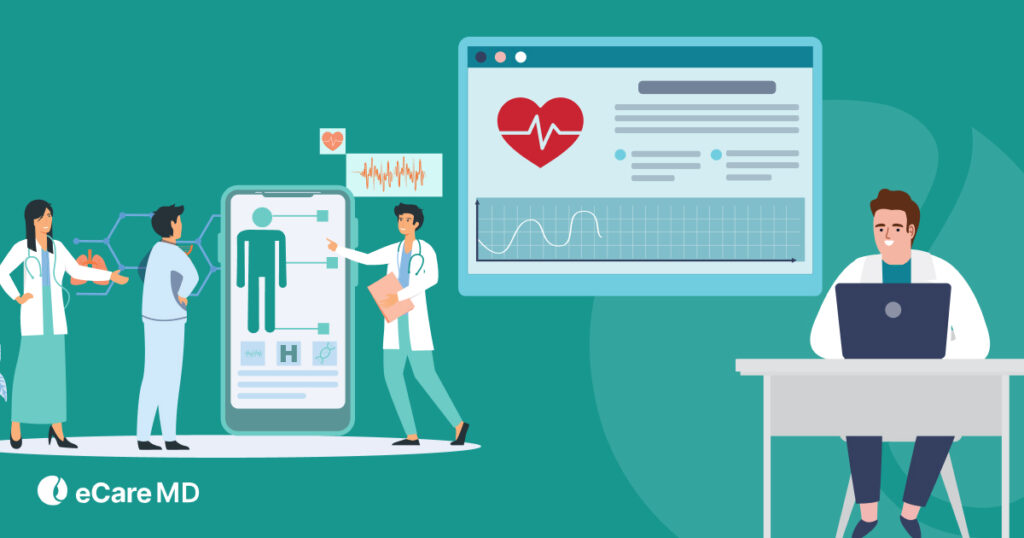
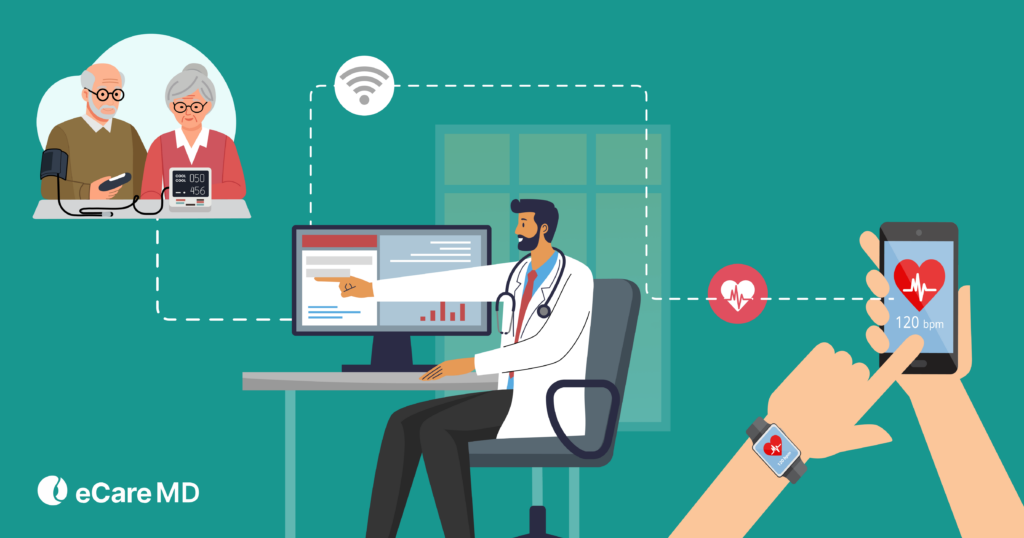
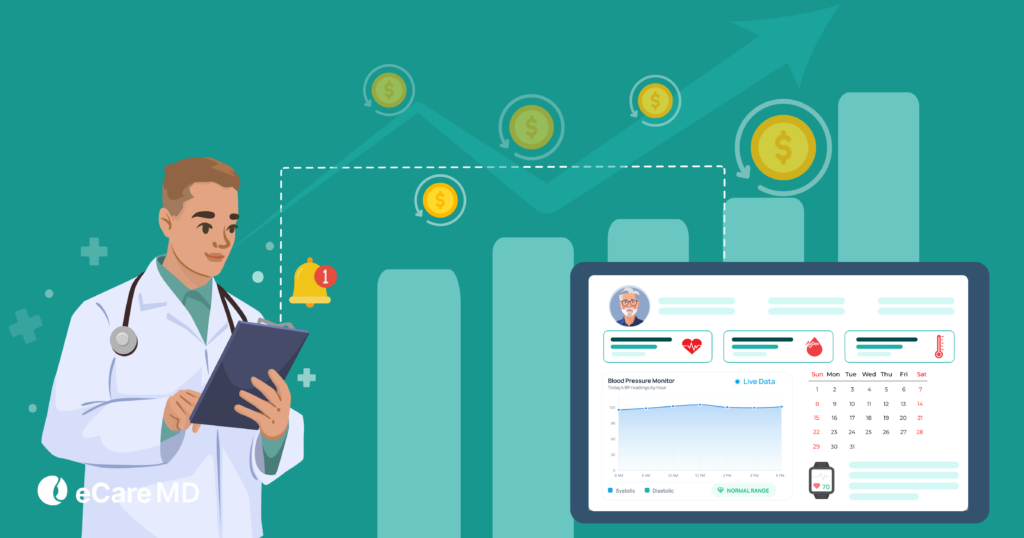
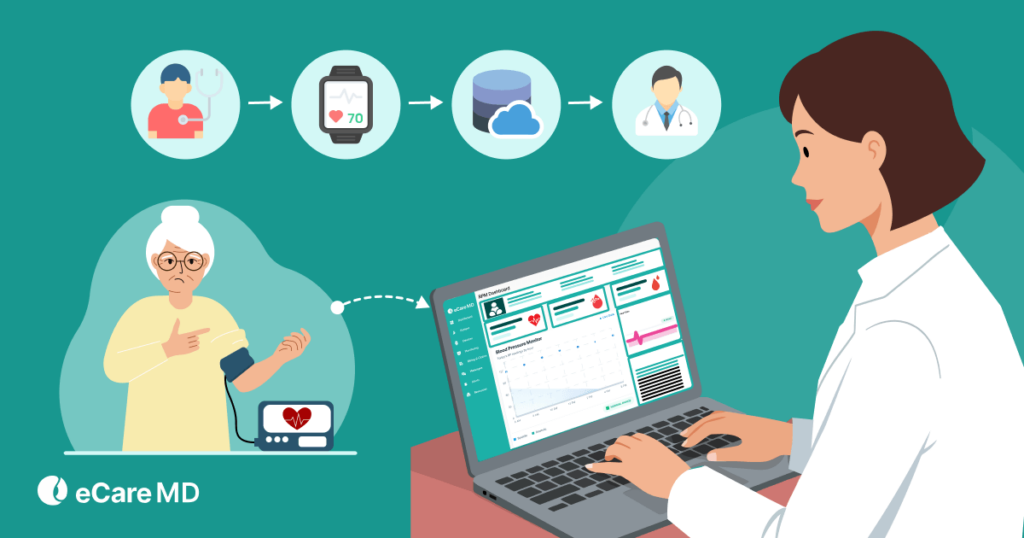
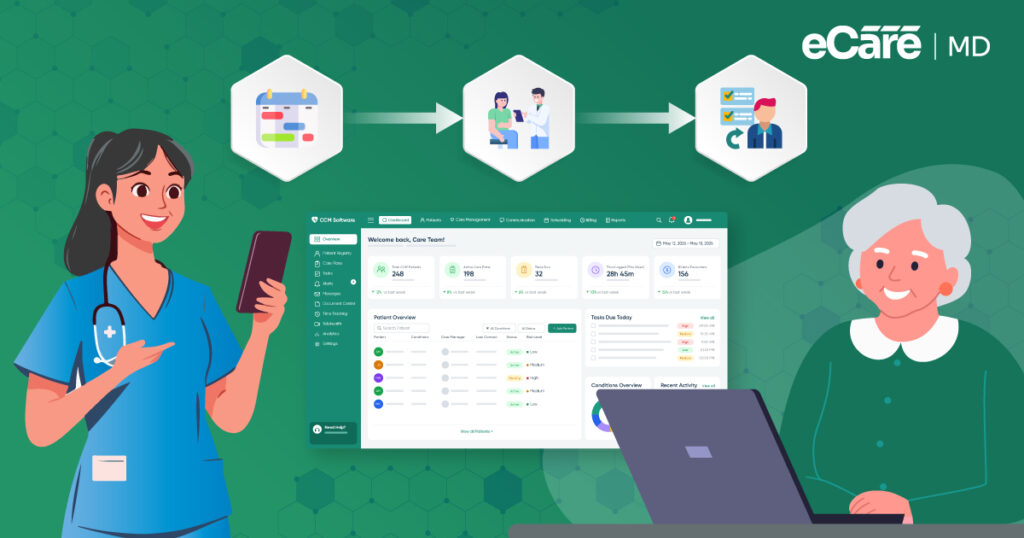
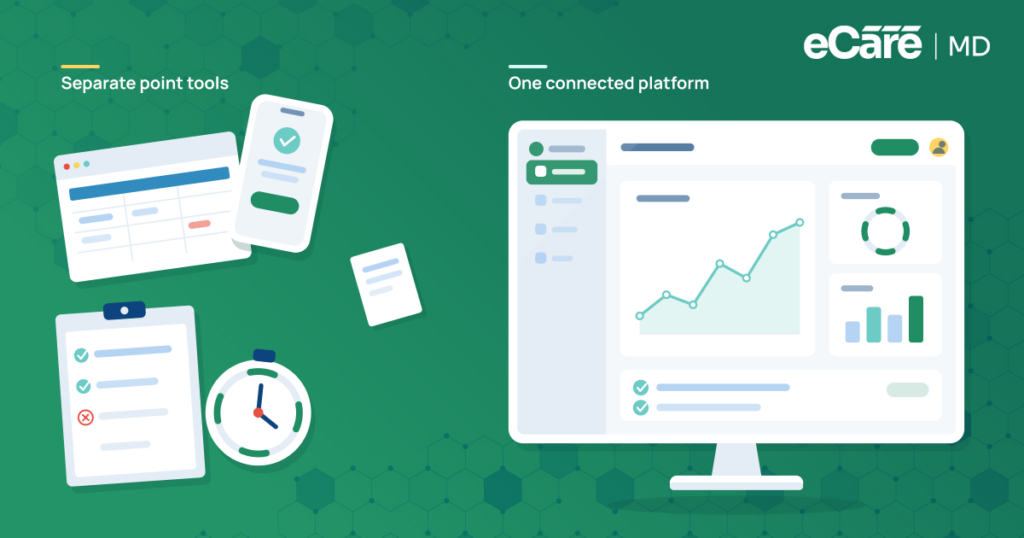
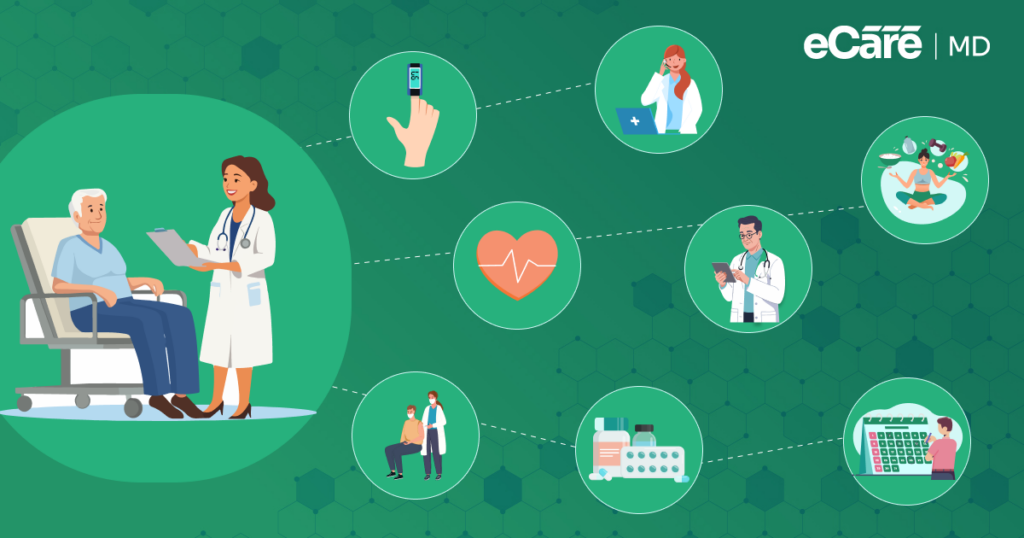
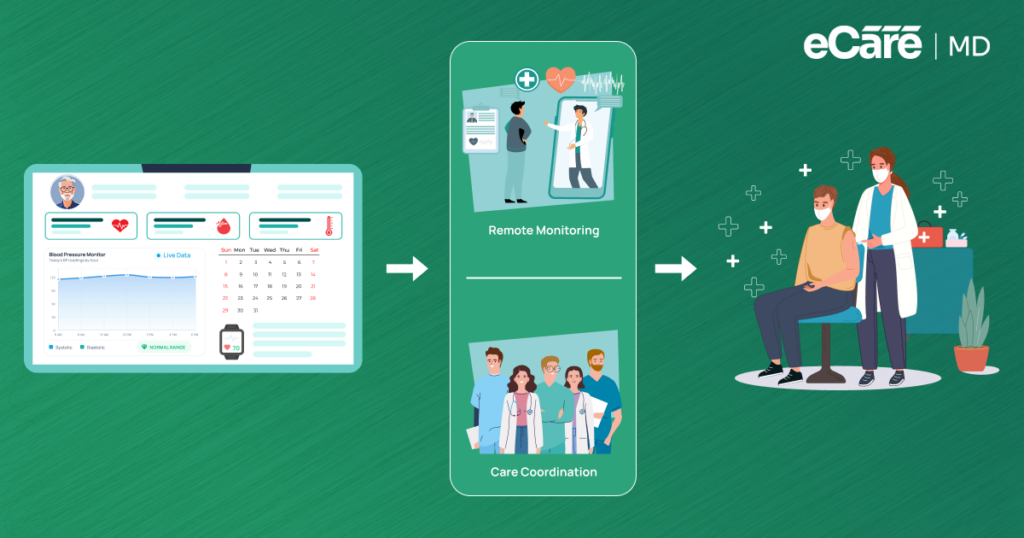
You can only fulfill the potential of telehealth and RPM for Medicare when you use them together and not as separate tools. For example, you can think of telehealth as a real-time conversation, and RPM as the consistent stream of your patient data working behind the scenes.
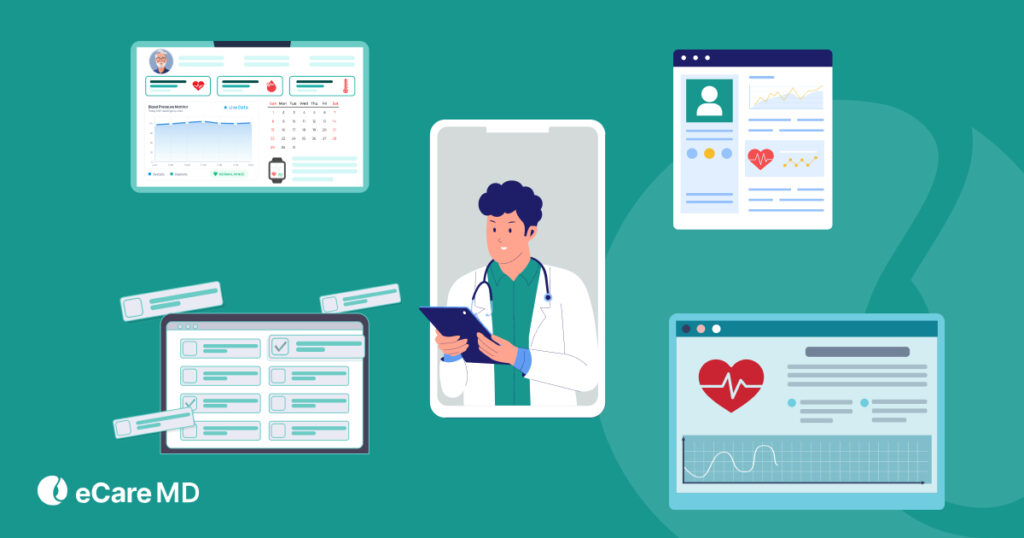
Telehealth for Medicare patients enables you to conduct virtual visits, adjust medication or care plans, and stay connected with your senior patients. On the other hand, remote patient monitoring for seniors helps you to track patients’ vital signs daily, helping you to get a clearer picture of your patients’ health data.
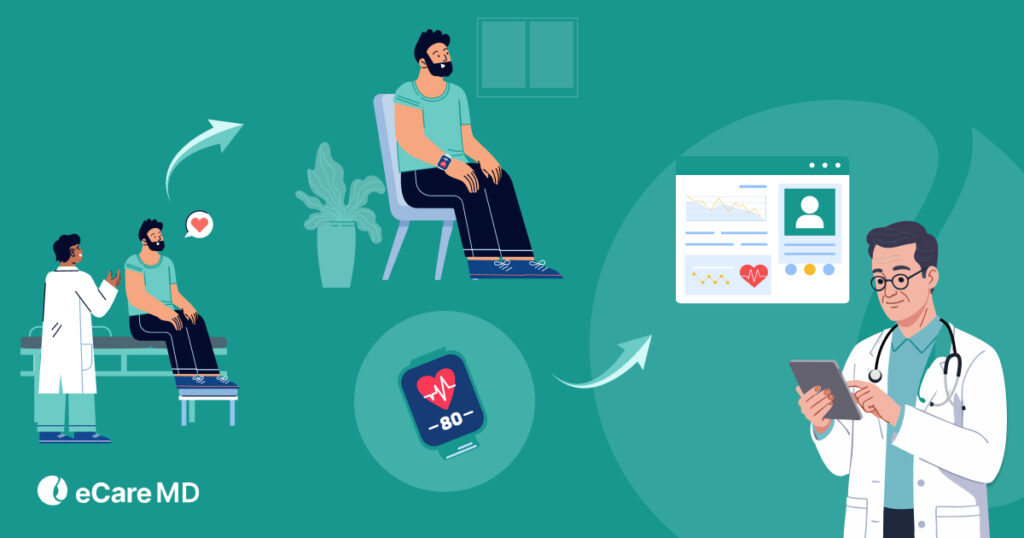
What attracts more is how RPM data feeds directly into telehealth visits. Rather than starting from scratch, you can directu jump directly into each virtual consultation with up-to-date insights.
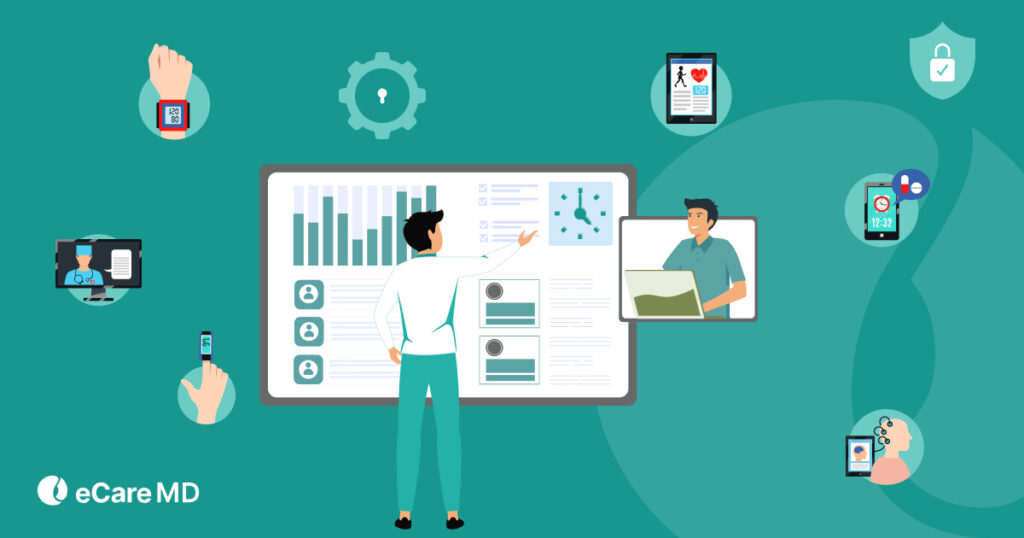
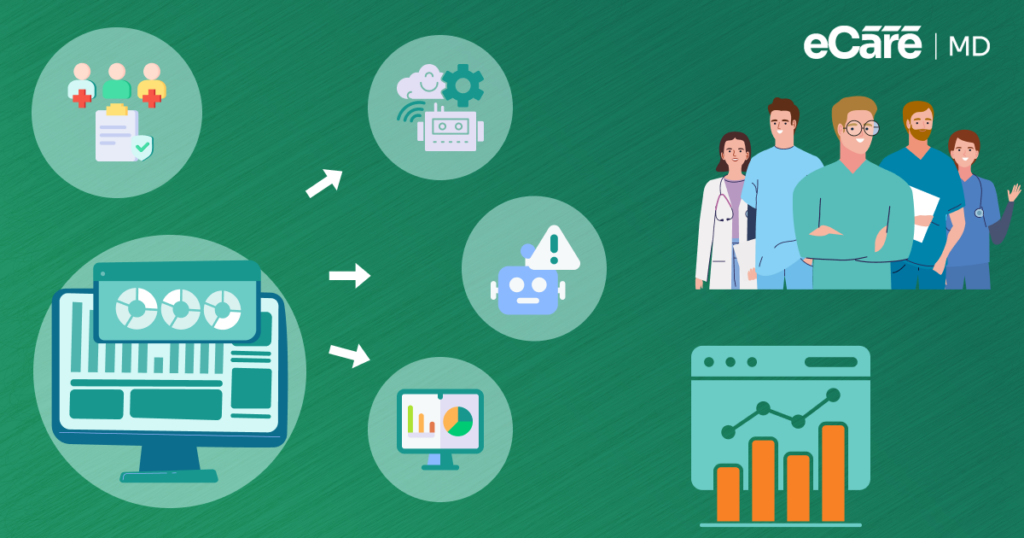
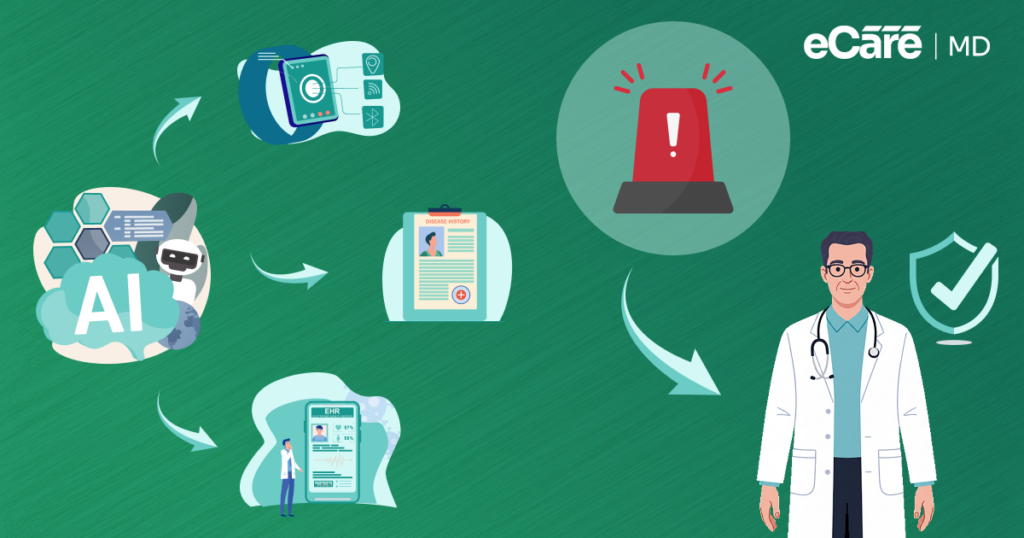
Moving forward, to keep all things running seamlessly, you can connect monitoring with virtual visits. Intelligent alerts can flag high-risk patients, which can help your care team to focus more on what matters the most.
If you have done it correctly, integrating telehealth and RPM patients can enhance efficiency and reimbursements. It feels like killing two birds with one stone as it helps you deliver consistent care while optimizing revenue streams.
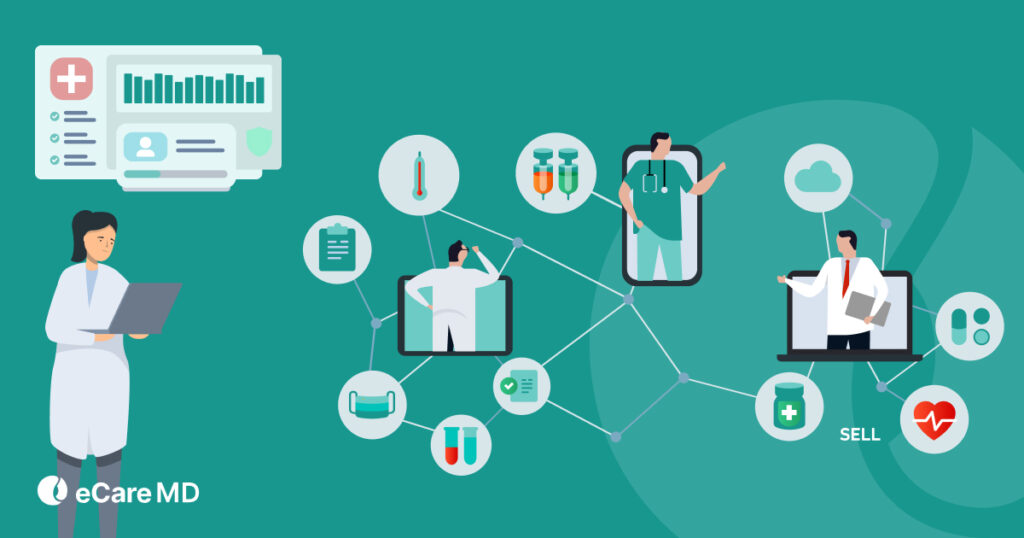
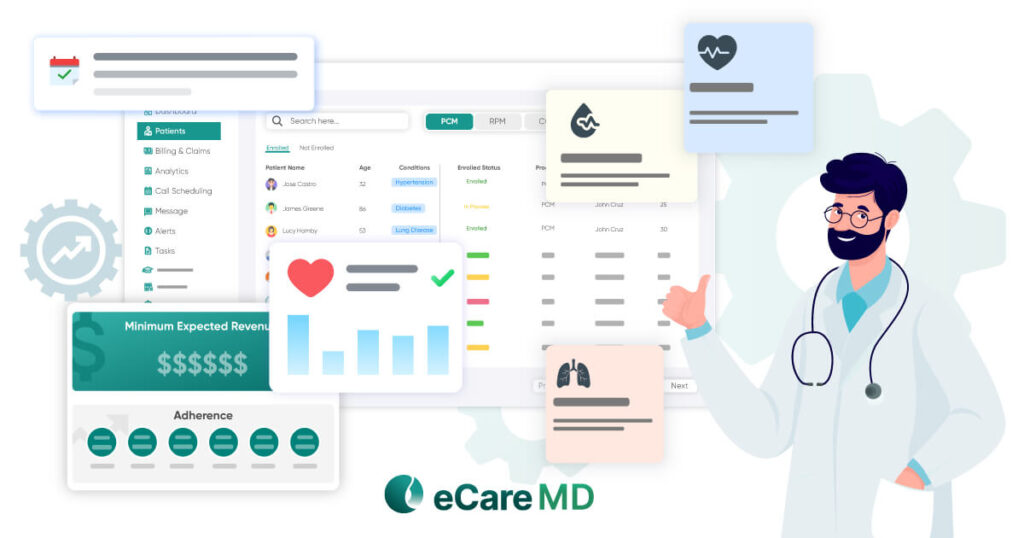
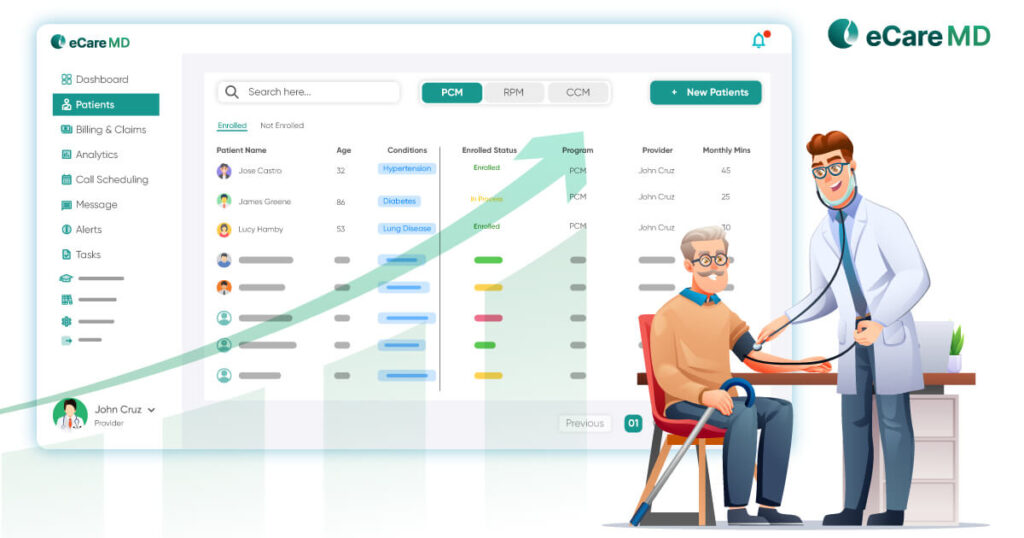
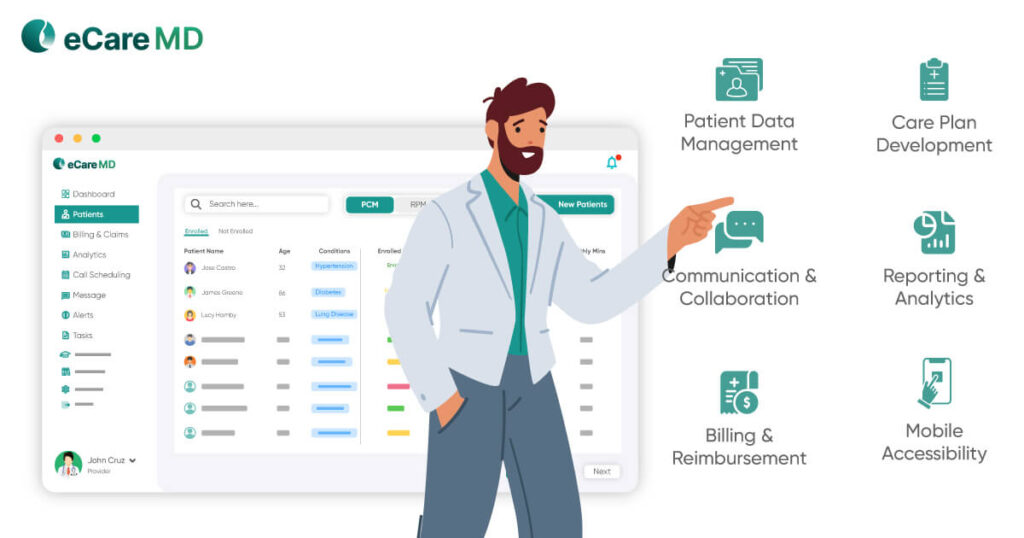
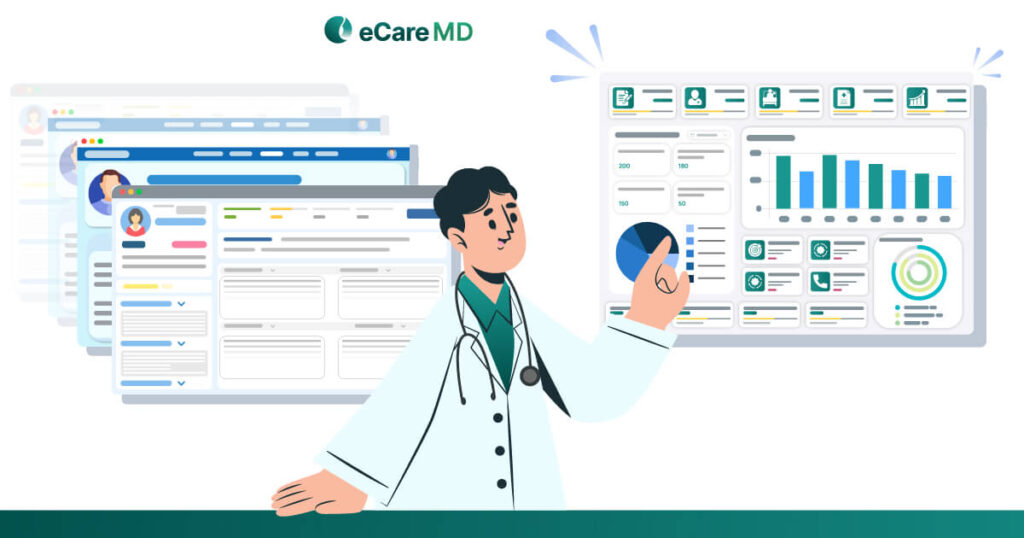
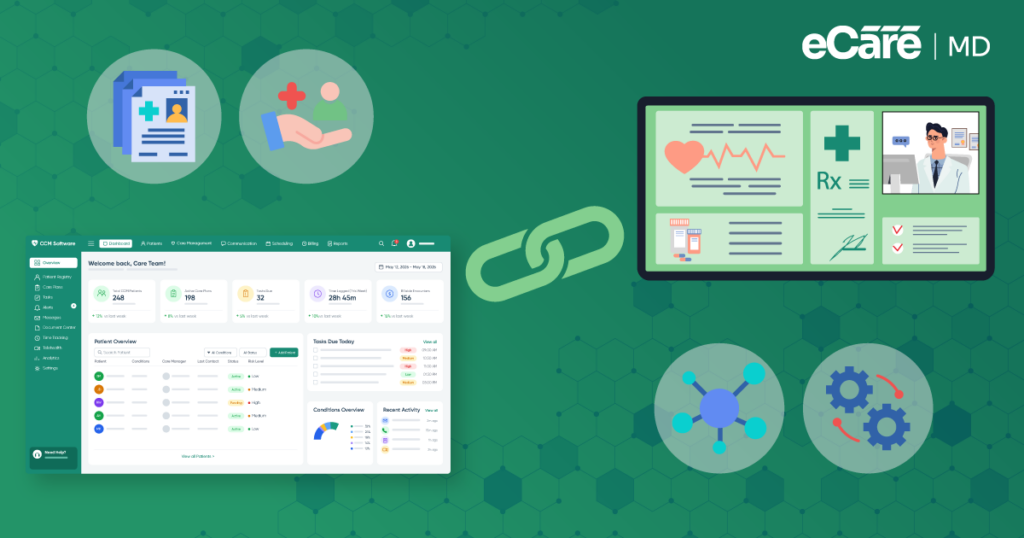
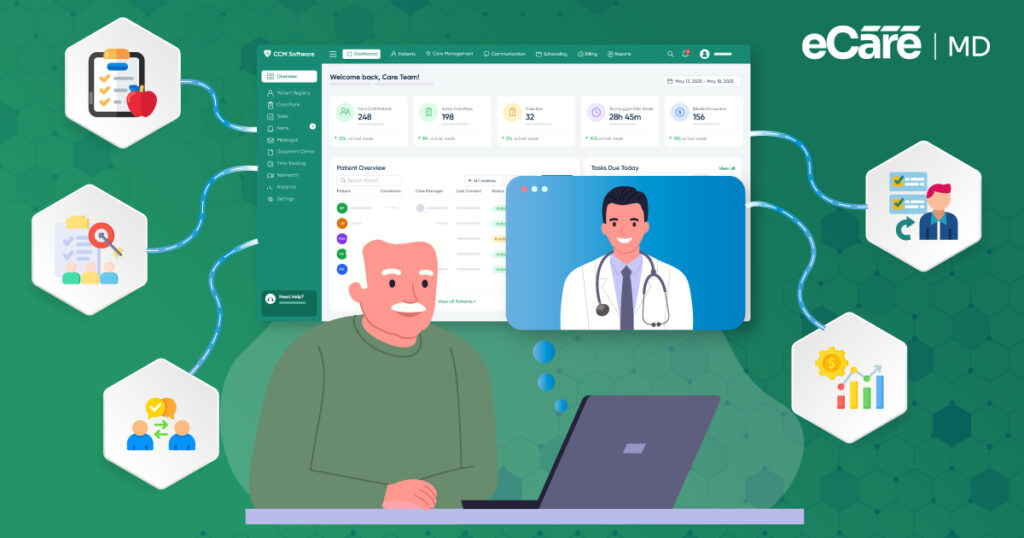
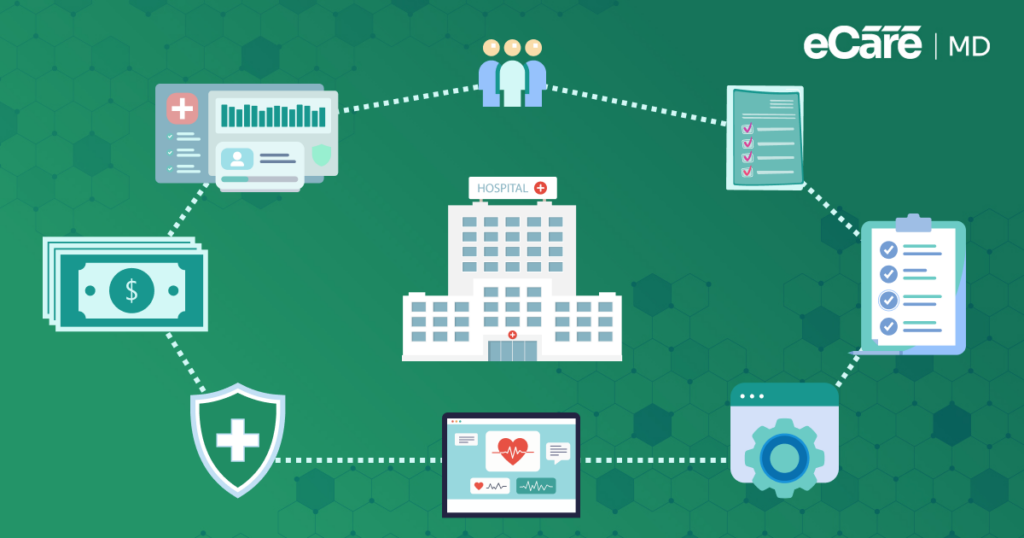
Here, platforms like eCareMD bring each piece tightly together in one place, providing you with a clear and unified view of your patient’s health along with care delivery.
Latest Updates on Telehealth and Medicare Innovations
Sign UpExpanding Access to Care for Senior Medicare Patients
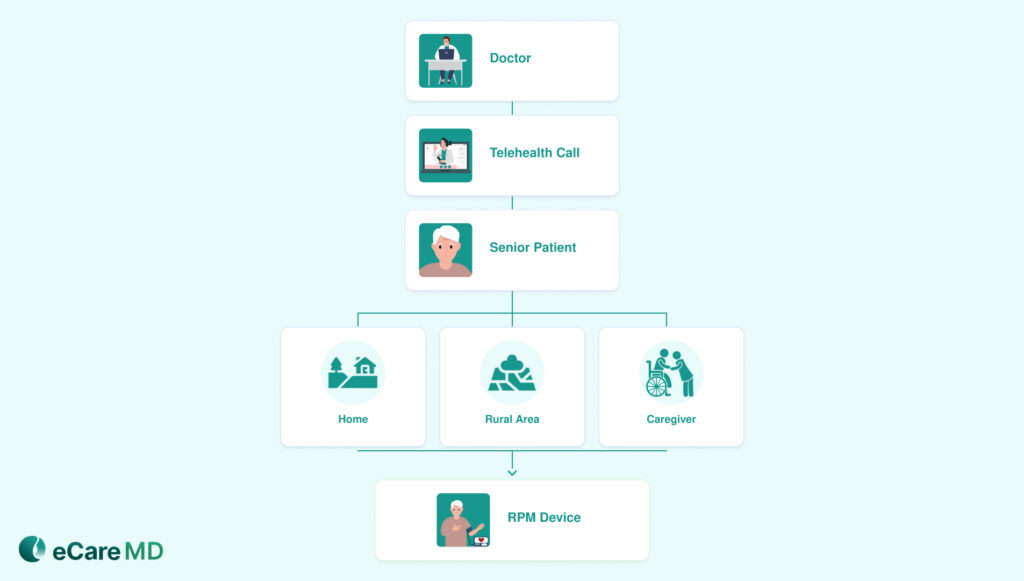
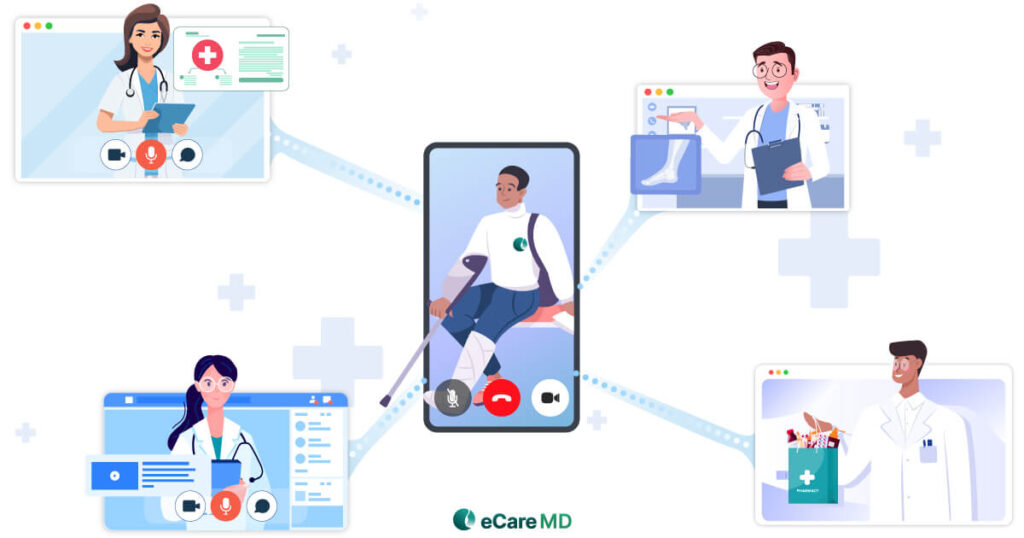
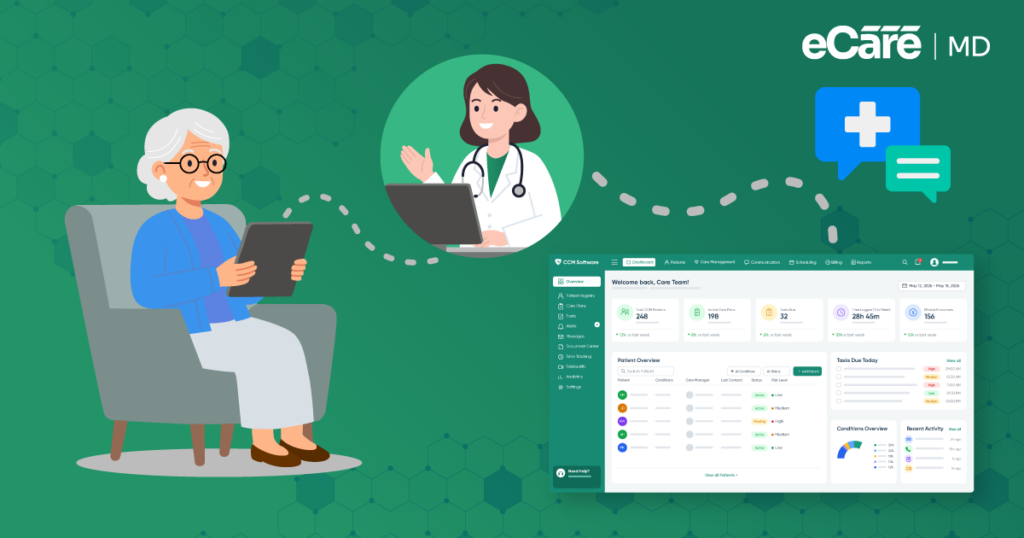
One of the key advantages of telehealth and RPM for Medicare is how it brings care directly to your patients, especially those who need it most. For homebound or limited mobility seniors, it’s really difficult to travel to a clinic. However, with telehealth for Medicare patients, this barrier can be removed. This makes it easier to stay connected with you from their comfort zone.
This approach also makes it easier to reach patients in rural and underserved areas, where access to healthcare facilities is limited. Rather than letting distance become a barrier, RPM for seniors and virtual visits can help bridge the gap and ensure continuity of care.
These tools also reduce the need for in-person visits for routine check-ins. As not every patient needs a physical visit, shifting appropriate care to virtual channels makes healthcare more accessible and efficient.
Improving Chronic Care Management for Seniors
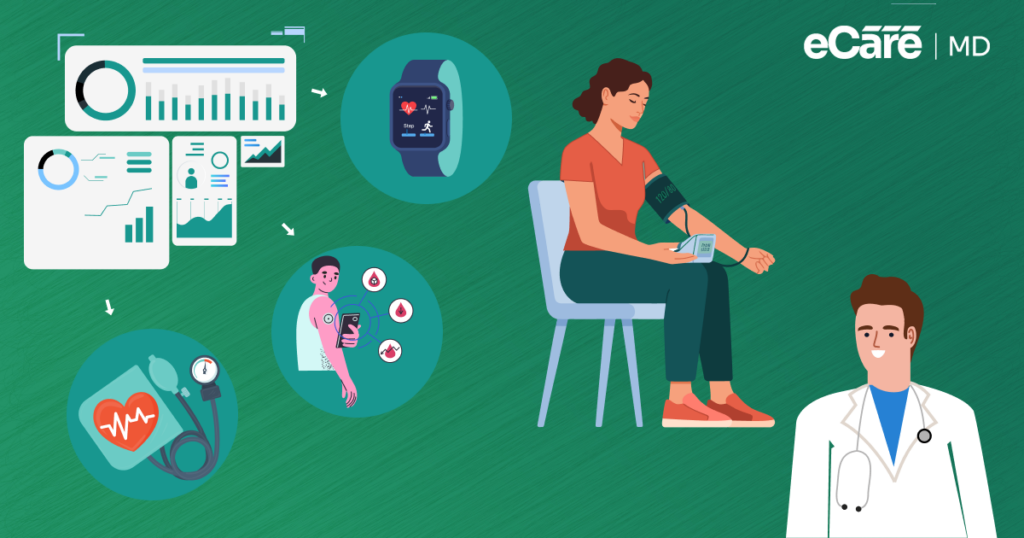
With telehealth and RPM, chronic care management becomes far more effective. Rather than depending only on in-person visits, you can use RPM for tracking conditions like hypertension, diabetes, and heart disease on an ongoing basis.
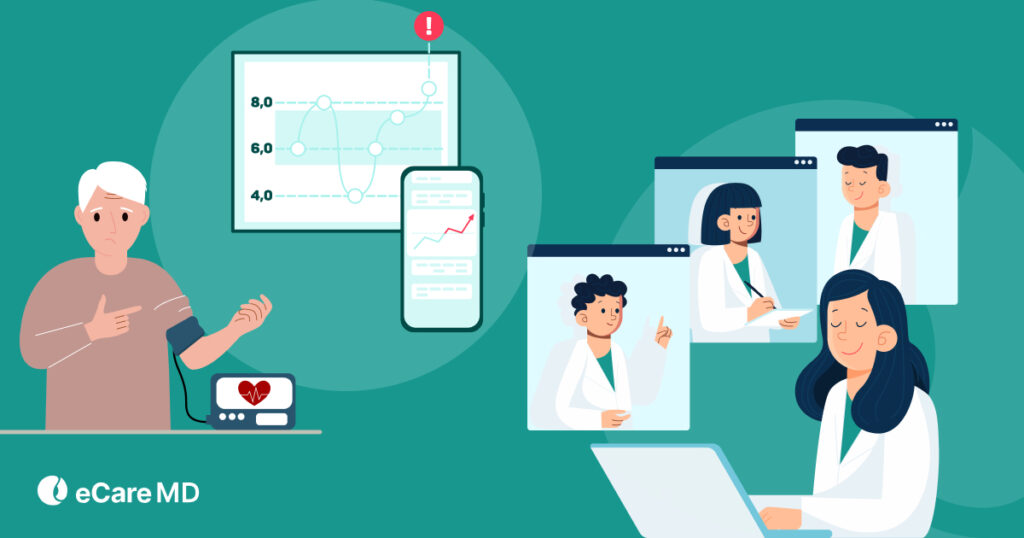
With this continuous visibility, you can intervene early and avoid serious complications. This also results in lower hospitalization and emergency visits. With Medicare RPM, care becomes proactive rather than reactive. This helps your patients to stay stable and avoid unnecessary visits to the ER.
Another key benefit is better clinical decision-making. With telehealth and RPM, there is no need to rely on snapshots anymore. It gives you access to continuous data trends, making treatment adjustments more precise and timely.
Improving Patient Engagement and Adherence with Telehealth and RPM
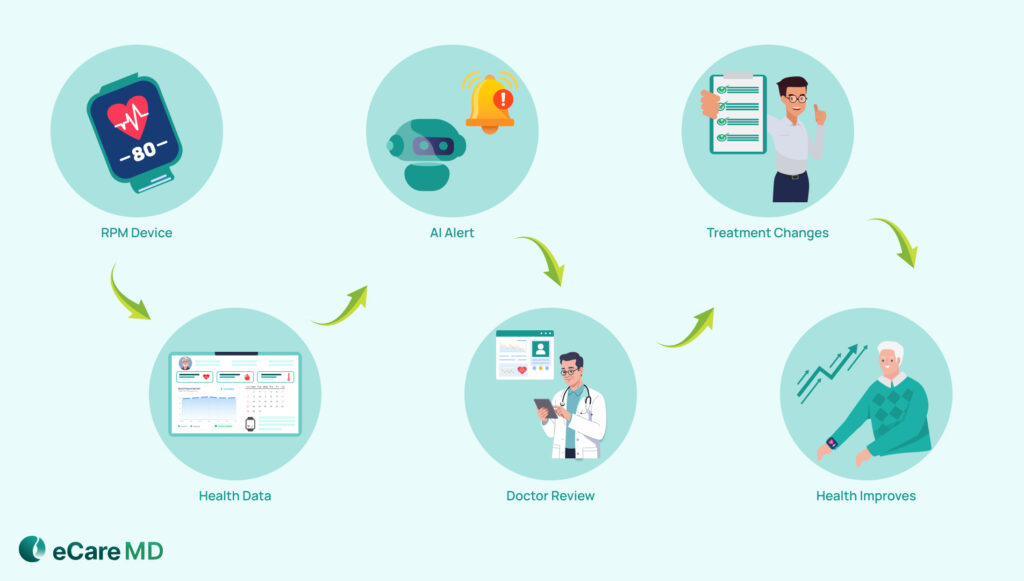
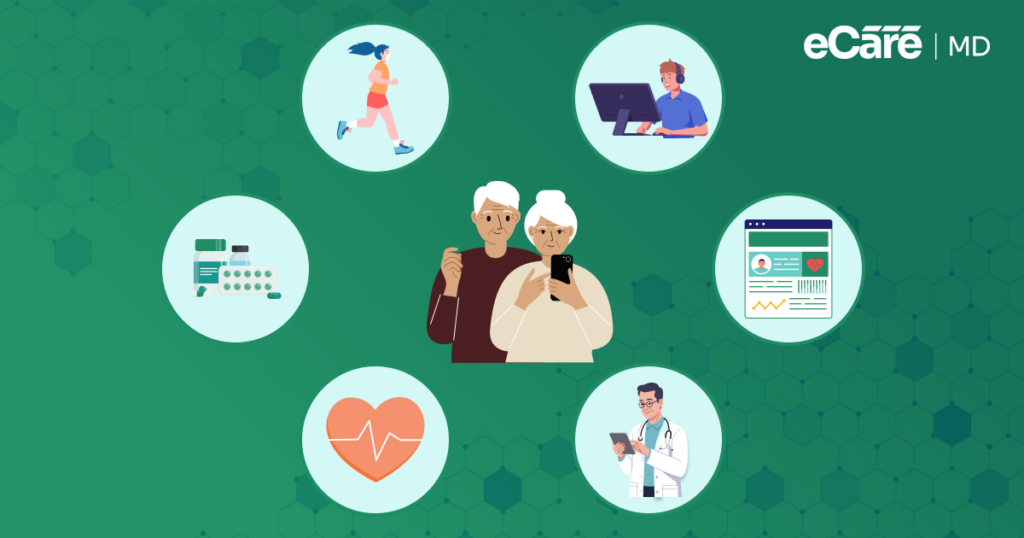
As a healthcare provider, you may already know that keeping your senior patients engaged in their care is really a big task. However, with telehealth and RPM, you see a big difference here. As mentioned earlier, RPM for seniors provides better visibility into your patient’s health. This helps your patients to stay connected and respond at the right time.
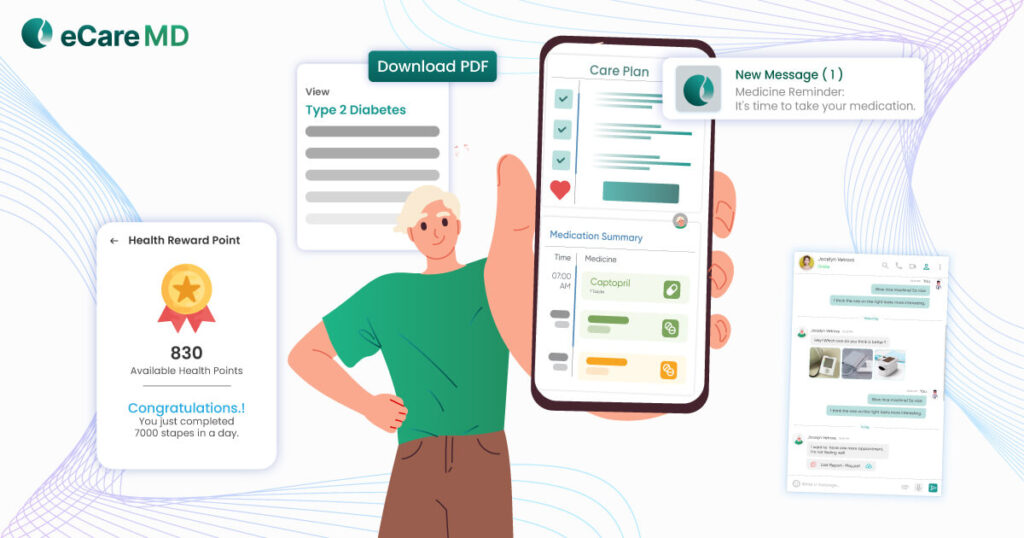
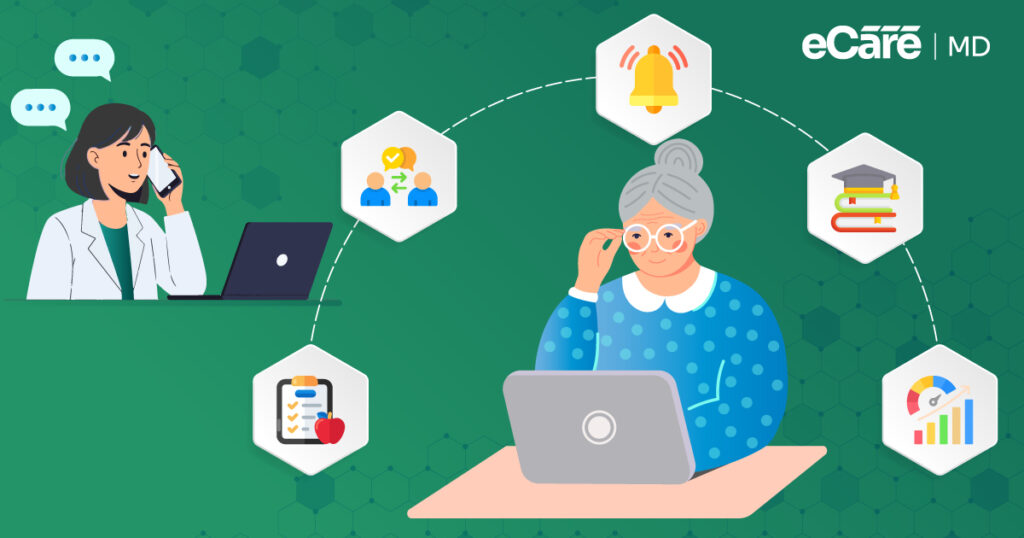
Equally important are structured follow-ups and automated reminders. These two key elements keep your patients gently on track without feeling overwhelmed. Over time, this consistency enhances patient adherence and builds better habits.
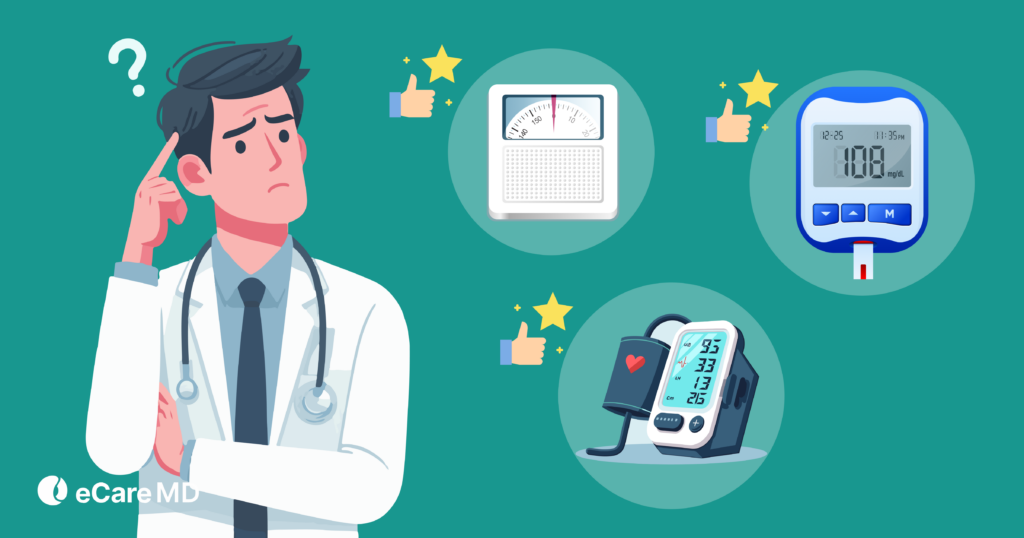
Simplicity is another important factor. With easy-to-use devices, your seniors can easily participate without feeling overwhelmed by technology. When your process is simple, engagement can improve naturally.
Additionally, integrated platforms like eCareMD bring monitoring, communication, and engagement tools together in one place. This helps you to reduce drop-offs and keeps your patients more involved in their overall care journey.
Addressing Adoption Challenges in Senior Populations
Even after the rising adoption of virtual care, senior populations still face some practical challenges. Addressing these barriers is necessary to ensure constant patient engagement and care continuity.
The following table highlights common adoption challenges and how they can be addressed:
| Challenge | How It’s Addressed |
|---|---|
| Digital literacy barriers | Guided onboarding and step-by-step training help seniors comfortably use telehealth and remote monitoring tools |
| Device and connectivity limitations | Providing reliable devices and ensuring stable connectivity supports uninterrupted care delivery |
| Lack of trust in virtual care | Consistent communication, regular follow-ups, and positive experiences build confidence over time |
| Complexity of technology | Simplified interfaces and automated support tools make remote patient monitoring for elderly patients easier to use |
Conclusion
Telehealth and RPM for Medicare together create a powerful way to expand access while supporting steady revenue. For Medicare-focused practices, integrating virtual care is no longer optional; it’s essential.
Platforms like eCareMD make this easier with telehealth-ready RPM, senior-friendly devices, and automated workflows that improve both care and billing efficiency.
Click here to get started with scalable telehealth and RPM solutions.
Frequently Asked Question’s
Providers can use RPM to track patient health data regularly and identify early warning signs. Telehealth then allows them to act on that data quickly through virtual consultations.
This combination supports proactive care, reduces delays in treatment, and helps seniors manage chronic conditions without frequent in-person visits.
Yes, Medicare Part B covers both telehealth and RPM services when specific requirements are met.
Telehealth is reimbursed for virtual visits, while RPM is covered for ongoing monitoring if providers meet conditions like medical necessity, proper documentation, and device compliance.
RPM allows seniors to share health data from home using connected devices, reducing the need for travel. This is especially helpful in rural areas where access to healthcare facilities is limited.
Providers can monitor patients remotely and intervene early, ensuring consistent care despite geographic barriers.
Telehealth and RPM are commonly used for managing chronic conditions such as hypertension, diabetes, heart disease, and COPD.
RPM helps track daily health metrics, while telehealth enables providers to review data, adjust treatment plans, and guide patients remotely for better long-term outcomes.
Providers can improve adherence by using simple devices, regular reminders, and consistent communication.
Educating patients on device usage and maintaining frequent touchpoints through telehealth helps build engagement. When patients understand the value of monitoring, they are more likely to stay consistent.
Common challenges include technology barriers, low patient engagement, workflow inefficiencies, and compliance issues.
These can be addressed through patient education, easy-to-use devices, structured workflows, and proper staff training. Using integrated platforms also helps reduce errors and improve efficiency.
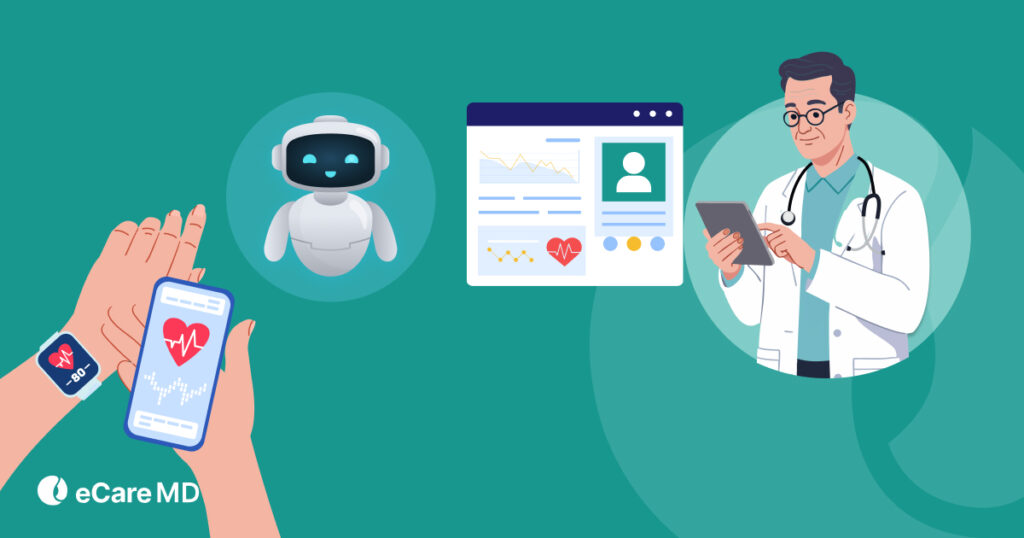
Technology and automation help streamline care by tracking patient data, generating alerts, logging clinical time, and organizing documentation.
This reduces administrative workload and ensures consistency, allowing providers to manage more patients efficiently while maintaining quality care and accurate reimbursement.

![The Future of Remote Patient Monitoring: CMS Innovations & Emerging Trends [2026]](/wp-content/uploads/2024/07/Blog-36-The-Future-of-Remote-Patient-Monitoring_-Trends-AI-Innovation-CMS-Updates-for-2026-1024x538.png)