Last Updated: August 4, 2026
Almost 129 million Americans live with at least one chronic condition; even so, many of them spend just a few hours each year with their healthcare provider. The rest of the time, they usually manage medications, symptoms, and lifestyle changes on their own.
And this is exactly where the actual challenge starts. Even well-managed conditions feel difficult to control without consistent follow-up between appointments. Missed medications, delayed interventions, and poor care coordination can result in preventable complications and hospital visits.
As healthcare continues to shift toward value-based care, many providers start to realize that they need a more proactive approach to stay connected with their patients beyond the exam room.
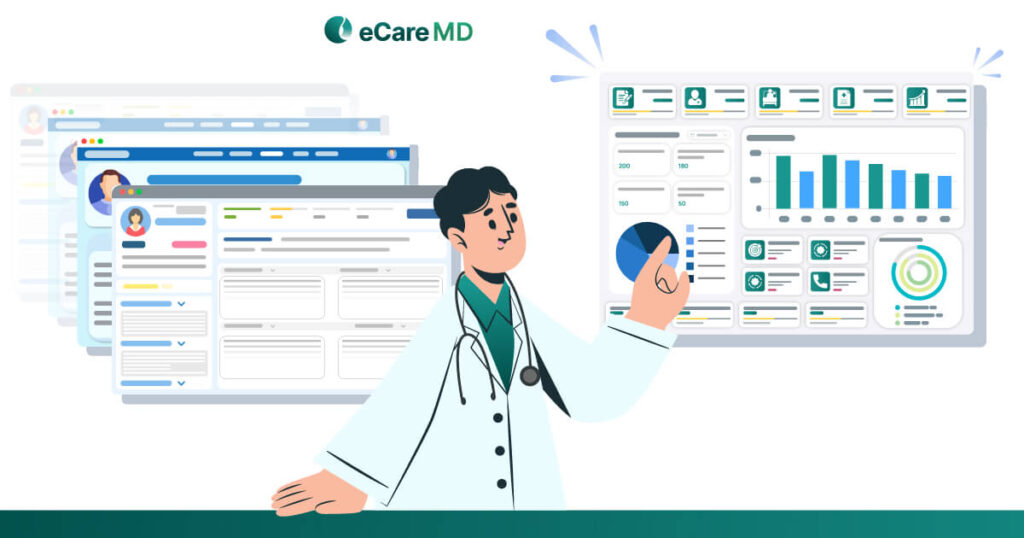
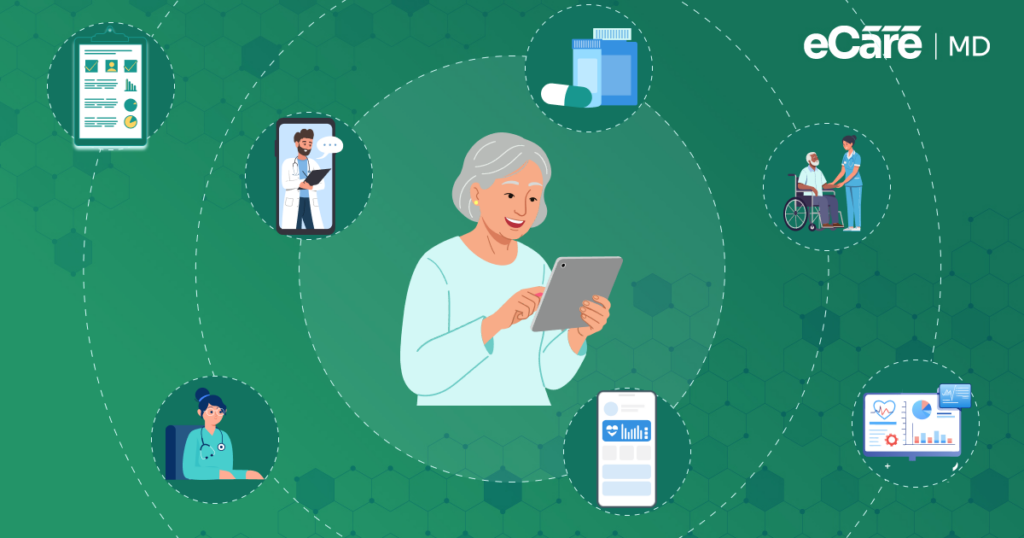
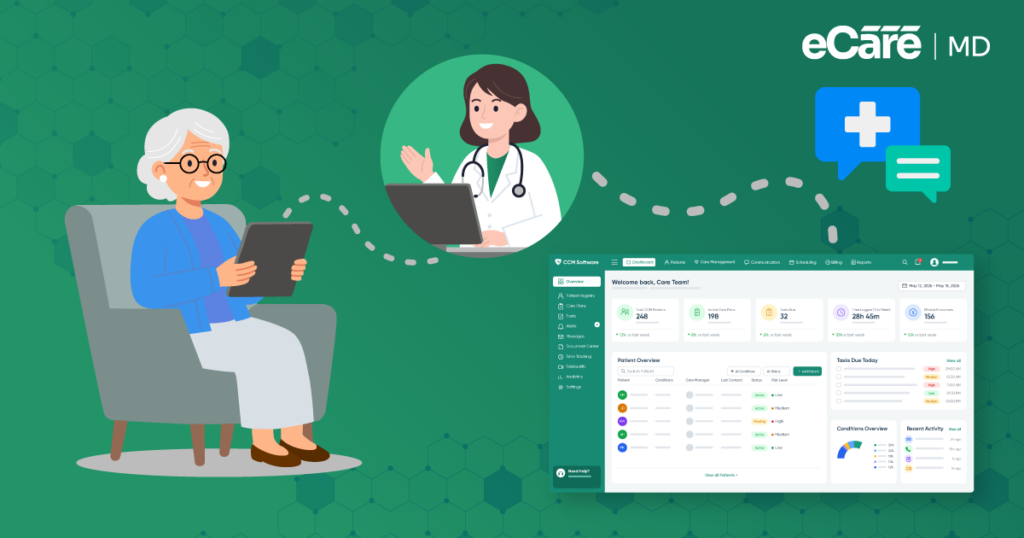
This is where a chronic care management program, supported by the right chronic care management software, comes into the spotlight. It creates an ongoing care model built around regular check-ins, personalized care plans, care coordination, and continuous patient support rather than treating chronic conditions only during their office visits.
The ultimate results are better health outcomes for patients and a more structured, efficient approach for care teams delivering chronic care management services.
No matter if you are exploring what a CCM program is for the first time or looking to strengthen your existing care model, this guide will walk you through what is included in a chronic care management program, the benefits of a chronic care management program, CCM eligibility requirements, and the key steps to build a successful program for your practice.
What Is a Chronic Care Management Program?
Chronic condition management is not just about treating symptoms during a doctor’s visit. Regular follow-ups, timely support, and a clear plan to help patients stay on track are some of the key requirements of it. This is exactly what a chronic care management program is designed to do.
Simply put, it is a care model that can help providers support their patients with two or more chronic conditions between appointments. With chronic care management services, patients can also receive ongoing care like care planning, medication reviews, routine check-ins, and coordination with other healthcare providers when required.
As compared to traditional care where treatment starts and ends with an office visit, a CCM program emphasizes what happens after the patient leaves the clinic. With this proactive approach, it becomes easier for you to catch potential issues early rather than waiting until they become serious.
Furthermore, to encourage this type of care, Medicare chronic care management enables eligible providers to receive reimbursement for caring for qualifying Medicare patients outside of face-to-face visits.
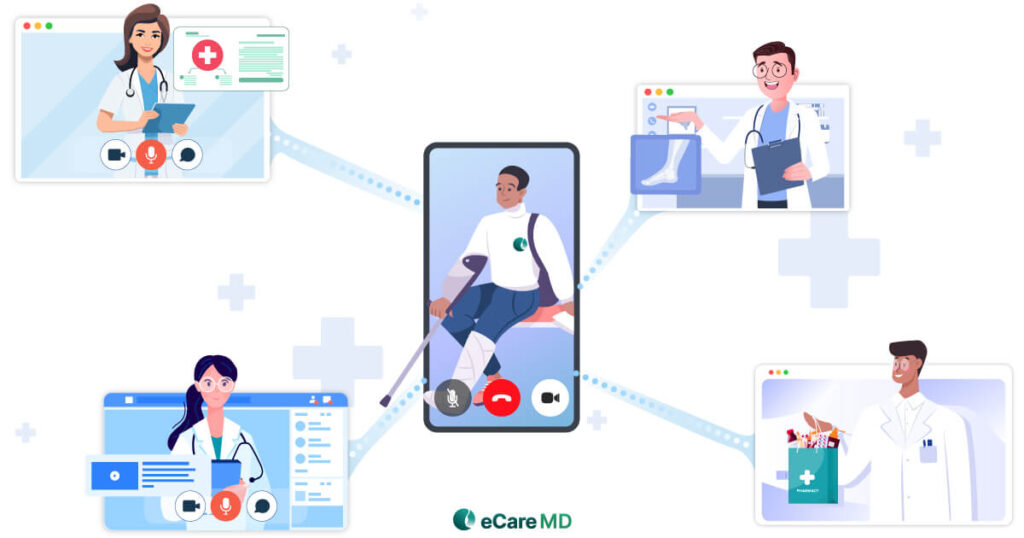
Along with this, better communication between providers, specialists, caregivers, and patients also helps everyone to stay on the same page by making long-term care even more organized and effective.
Who Is Eligible for a Chronic Care Management Program?
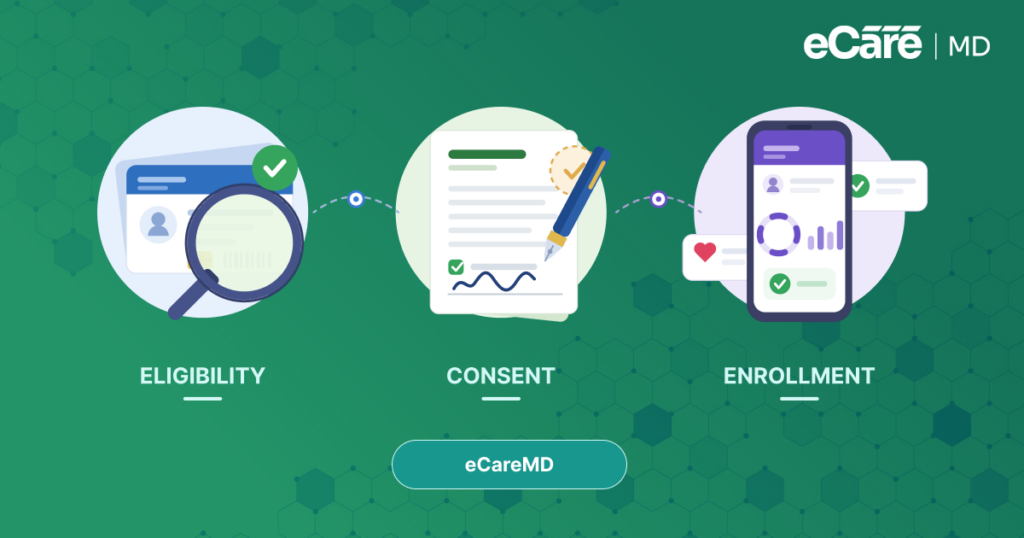
The first important thing a patient can do before enrolling in a chronic care management program is meeting certain CCM eligibility requirements set by Medicare. Simply put, your patient can qualify only if they:
- Have two or more chronic conditions.
- Have conditions expected to last at least 12 months or until death.
- Face a significant risk of health decline, hospitalization, or other serious complications without ongoing care.
Eligibility is only the first step. Before providing chronic care management services, it’s necessary for you to obtain your patient’s consent, create a comprehensive care plan, and document the care delivered. All these steps help you to make sure that your patients actually understand the program, which can further help your practices to stay compliant with Medicare chronic care management guidelines.
It will be beneficial for everyone when eligibility, documentation, and compliance are handled correctly. Patients can receive the continuous support they need, you can deliver more coordinated care, and practices are better positioned for accurate reimbursement and long-term program success.
What Is Included in a Chronic Care Management Program?
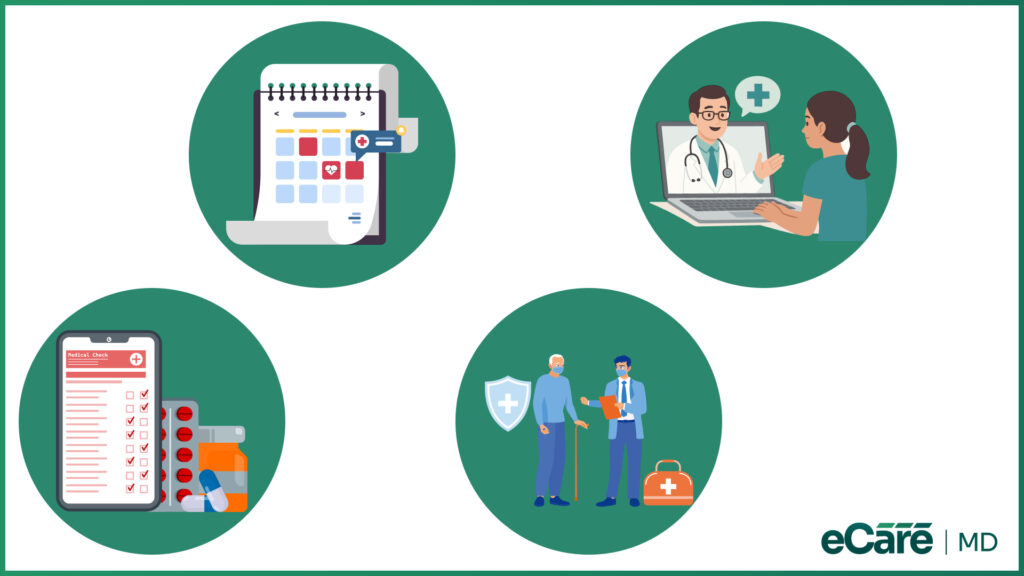
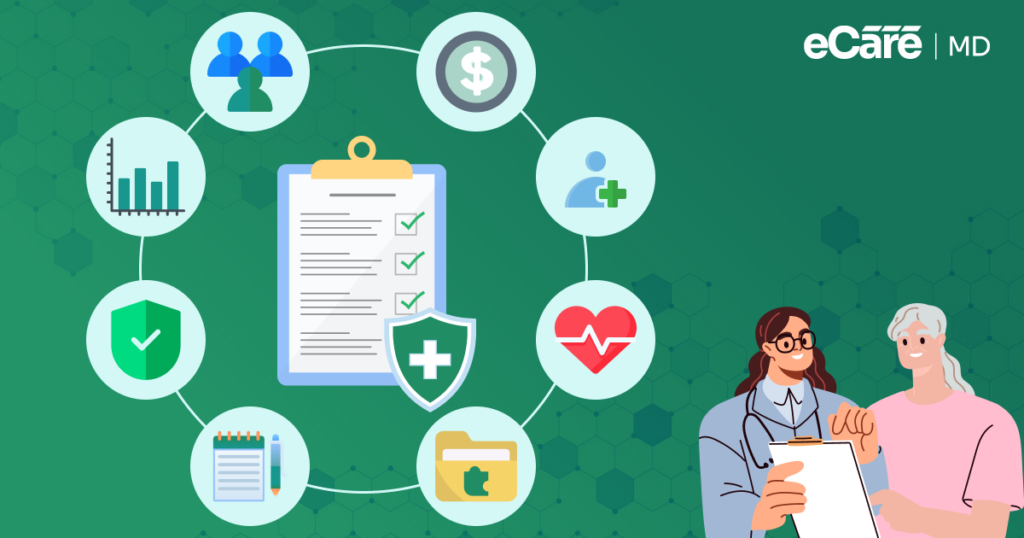
A successful chronic care management program brings many services that can work together to support patients beyond routine office visits. Even though every practice may deliver care a little differently, many programs include the following essential components:
1. Personalized Care Plans:
As every patient has unique health requirements, a personalized care plan helps to outline treatment goals, recommended interventions, and the steps required for managing chronic conditions more effectively over time.
2. Medication Management:
As a healthcare provider, you may already be aware that taking the right medication at the right time can make a real difference. Regular medication reviews can enhance adherence, identify potential drug interactions, and reduce the risk of avoidable complications.
3. Care Coordination:
For different conditions, patients often see multiple healthcare providers. By coordinating care, everyone can stay informed, reduce duplicate tests, treatment delays, and communication gaps.
4. Monthly Patient Communication:
With regular check-ins, patients get key opportunities to discuss symptoms, ask questions, and receive guidance before small concerns become major health issues. Around-the-clock access to care plans and support further helps to make informed decisions, even outside regular office hours.
All these chronic care management services together can create a connected care experience, which helps your patients to stay engaged and, on the other hand, enables providers to deliver continuous and coordinated care.
How Does a Chronic Care Management Program Work?
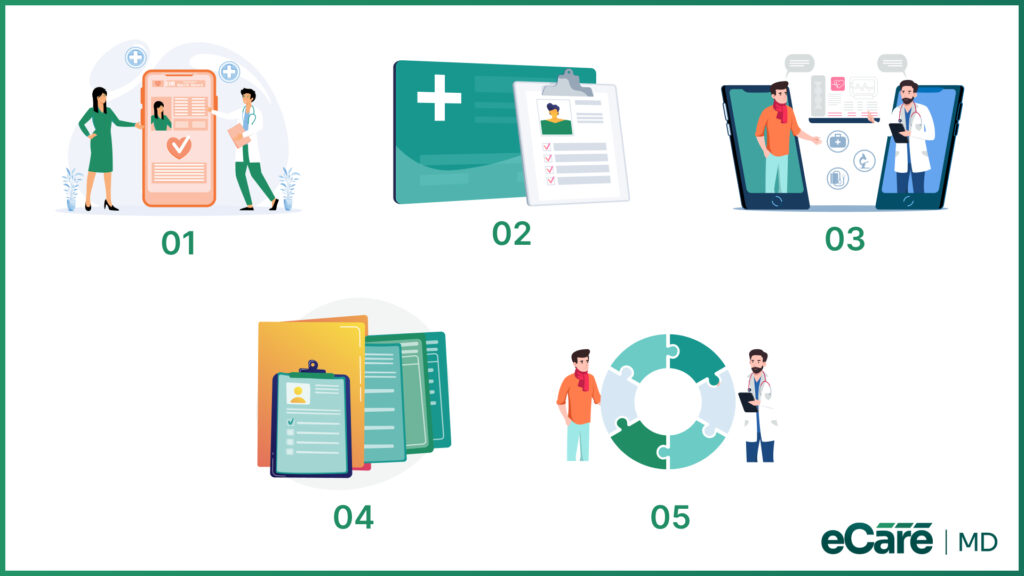
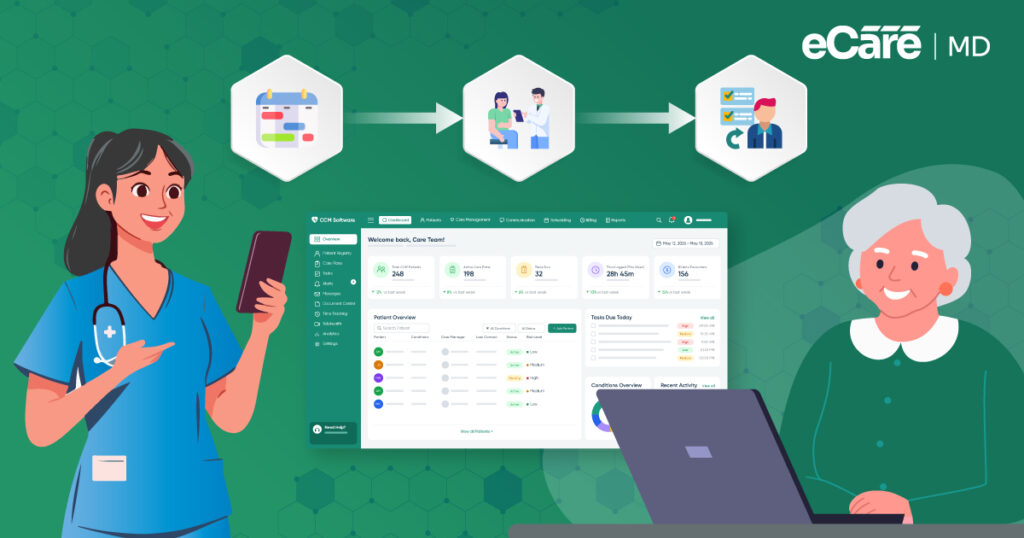
A chronic care management workflow follows a well-structured process, which keeps patients connected with their care team across the month. Even though every practice may have its own approach, the overall workflow usually looks like:
Step 1: Patient Enrollment
Eligible patients are identified, enrolled in the program, and their consent is obtained before care begins.
Step 2: Health Assessment & Care Planning
The care team reviews the patient’s health conditions, medications, and goals to create a personalized care plan.
Step 3: Ongoing Communication
Regular check-ins help monitor progress, answer patient questions, and identify concerns before they become serious.
Step 4: Documentation & Follow-Up
Every interaction is documented, care plans are updated when needed, and the cycle continues month after month.
By following standardized chronic care management workflows, patients can receive consistent and high-quality care. Along with this, it also helps to keep your care team organized, enhances communication, and makes it easier to deliver ongoing support without missing important steps.
What Are the Benefits of a Chronic Care Management Program?
The benefits of a chronic care management program go far beyond just helping patients to manage chronic conditions. It can create value for everyone involved in the care journey.
Let’s have a quick look at the benefits of a chronic care management program:
For Patients:
- Better management of chronic conditions through continuous support.
- Improved communication with the care team.
- Personalized care that helps reduce avoidable complications and hospital visits.
For Providers:
- Stronger patient relationships through regular follow-ups.
- Better care coordination across providers and specialists.
- More organized workflows that make it easier to deliver consistent care.
For Healthcare Organizations:
- Higher patient satisfaction and better quality of care.
- Improved care coordination that supports value-based healthcare goals.
- Opportunities to earn reimbursement through Medicare Chronic Care Management while providing ongoing patient support.
Chronic care management services become more than just a care model when all these benefits come together. They create a connected healthcare experience, which can further support better outcomes for not only patients, but also for providers.
What Challenges Can Healthcare Organizations Face?
Healthcare organizations can face many operational challenges even with a well-planned chronic care management program. By identifying these mistakes early, it becomes easier for you to build a program that delivers consistent and high-quality care.
Here are some of the common challenges:
| Common Challenge | Why It Matters |
|---|---|
| Patient engagement | Patients may miss follow-ups or lose interest, making it harder to manage chronic conditions effectively. |
| Documentation | Recording every patient interaction accurately takes time and is essential for continuity of care. |
| Compliance | Meeting Medicare requirements requires consistent processes and proper documentation. |
| Staffing constraints | Limited staff often have to balance CCM activities with other clinical and administrative responsibilities. |
| Care coordination | Keeping providers, specialists, and caregivers aligned can be difficult without a structured workflow. |
With proper planning and a standardized chronic care management workflow, all these challenges are manageable. Having clear processes in place can help your practice to stay organized while delivering a better experience for both patients and care teams.
How Can You Successfully Launch a CCM Program?
Along with meeting Medicare requirements, you also should build a care model that can grow with your practice to launch a successful chronic care management program. While every organization has its own approach, most successful programs follow these key phases:
Plan → Define your goals, identify eligible patients, and understand the resources needed to support the program.
Build the Right Team → Assign clear responsibilities to providers, care coordinators, and administrative staff so everyone understands their role.
Create Consistent Workflows → Standardize how patients are enrolled, monitored, and followed up to deliver a consistent care experience.
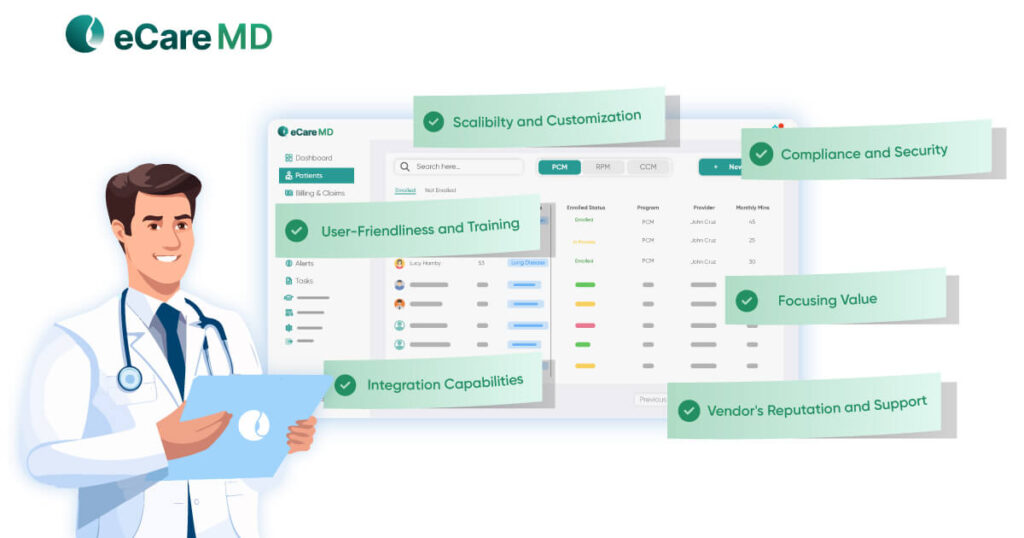
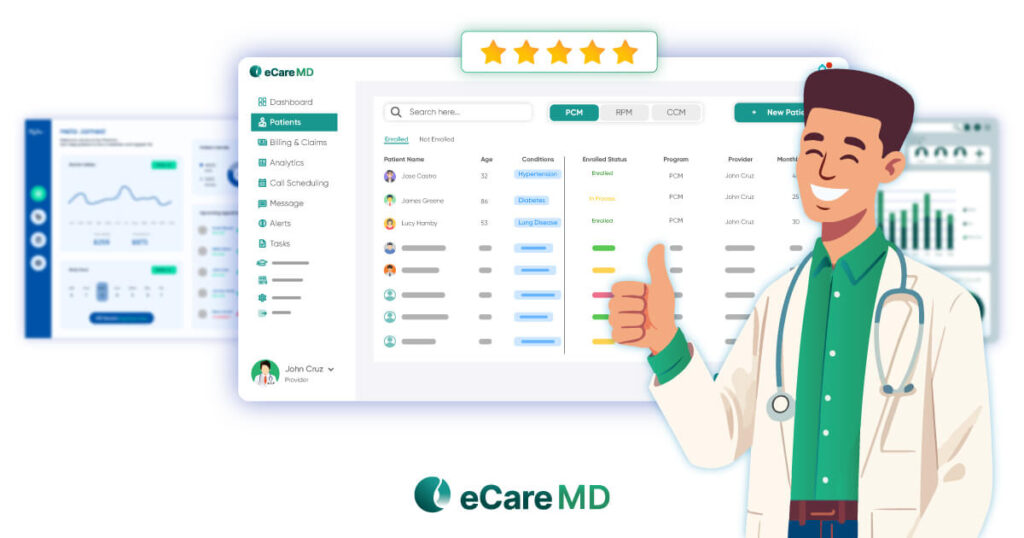
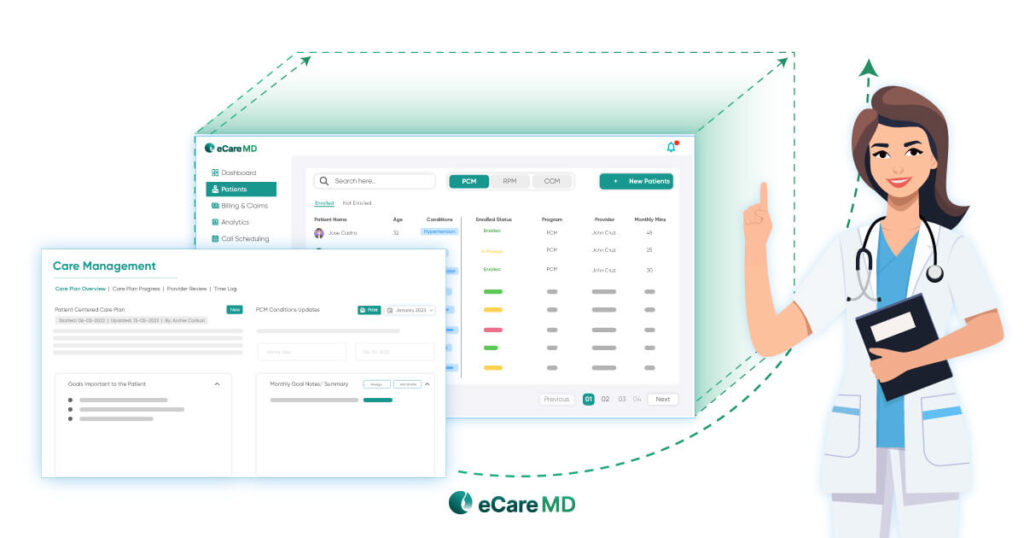
Choose the Right Technology → Investing in reliable software for chronic care management can simplify communication, documentation, and care coordination while reducing manual work.
Review and Improve → Track performance, gather patient feedback, and refine your workflows over time to keep the program effective.
Launching a CCM program is an ongoing journey, not a one-time project. The right planning, people, and processes in place help organizations to build a program that delivers lasting value for both patients and providers.
Why Technology Is Essential for a Successful CCM Program
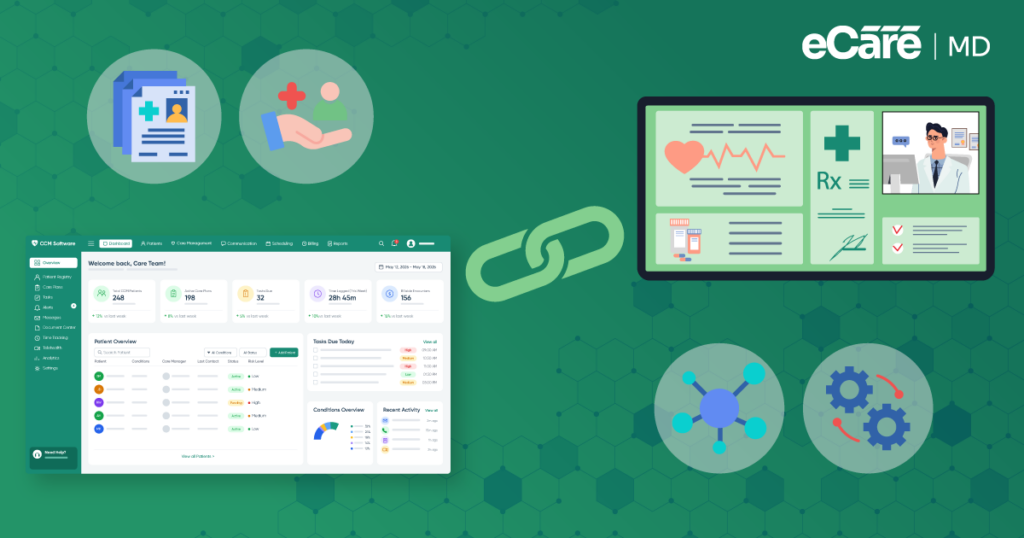
Managing a chronic care management program with manual processes becomes extremely challenging as patient volume continues to grow. However, with chronic care management software, it becomes easy to simplify day-to-day operations, while enabling your care team to focus more on patients and less on paperwork.
Let’s see how exactly technology can help:
| Without Technology | How Technology Helps |
|---|---|
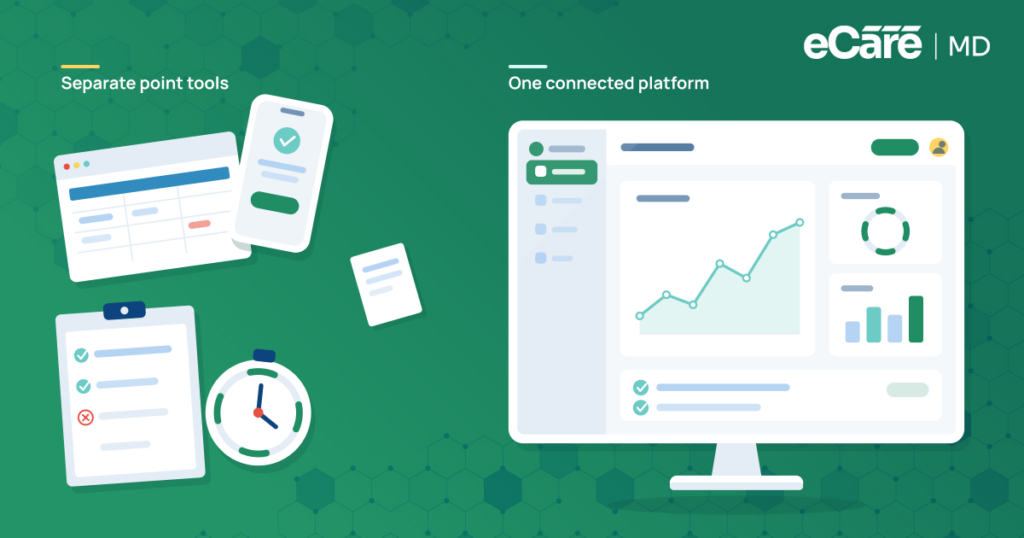
| Care information is scattered across multiple systems. | Centralizes documentation and care coordination in one place. |
| Patient follow-ups can be delayed or missed. | Improves patient communication through timely reminders and ongoing engagement. |
| Manual tasks consume valuable staff time. | Automates routine workflows, reducing administrative burden. |
| Meeting Medicare compliance requirements can be difficult. | Supports accurate documentation and helps practices stay compliant. |
Furthermore, software for chronic care management helps your organization to deliver more consistent care and enhance not only operational efficiency but also patient outcomes by reducing manual work and improving communication.
What's Next for Chronic Care Management?
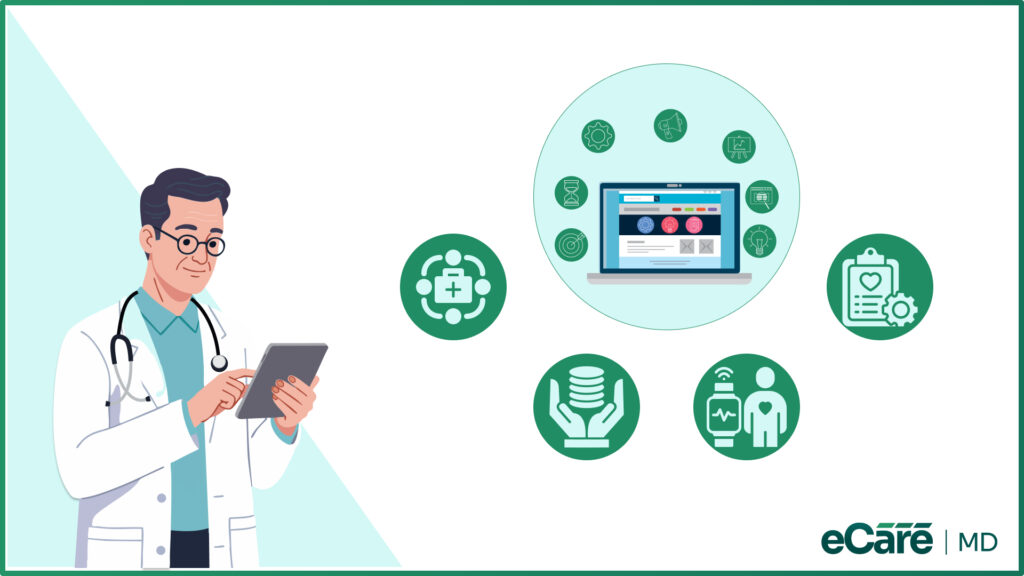
Factors like smarter technology and a stronger focus on continuous, patient-centered care can reshape the future of chronic care management programs. Here are some of the key trends that are already transforming the way healthcare organizations deliver long-term care:
1. AI-Assisted Care Coordination:
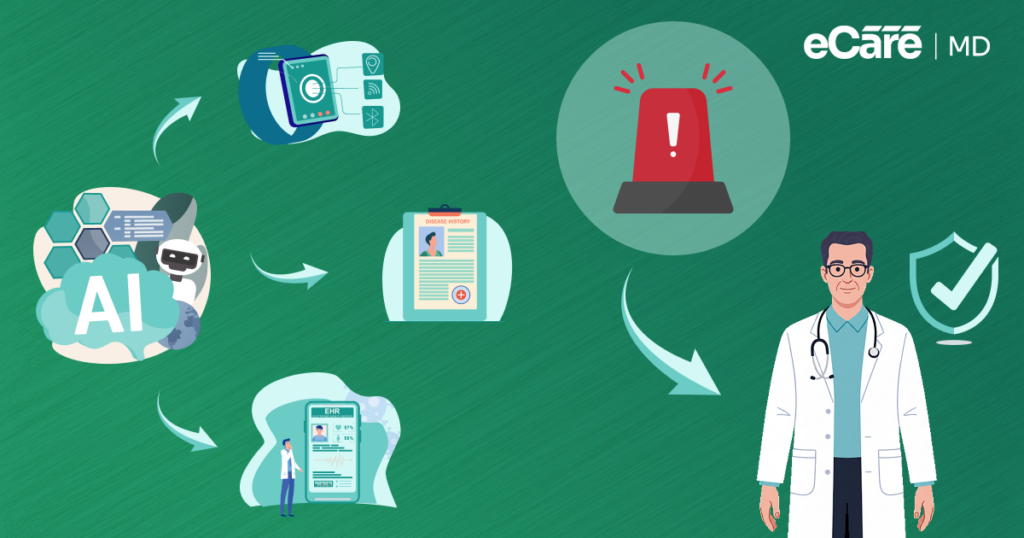
With AI, it becomes easy for your care teams to identify high-risk patients and prioritize follow-ups, while reducing repetitive administrative tasks. This further gives you and your care team more time to focus on patient care.
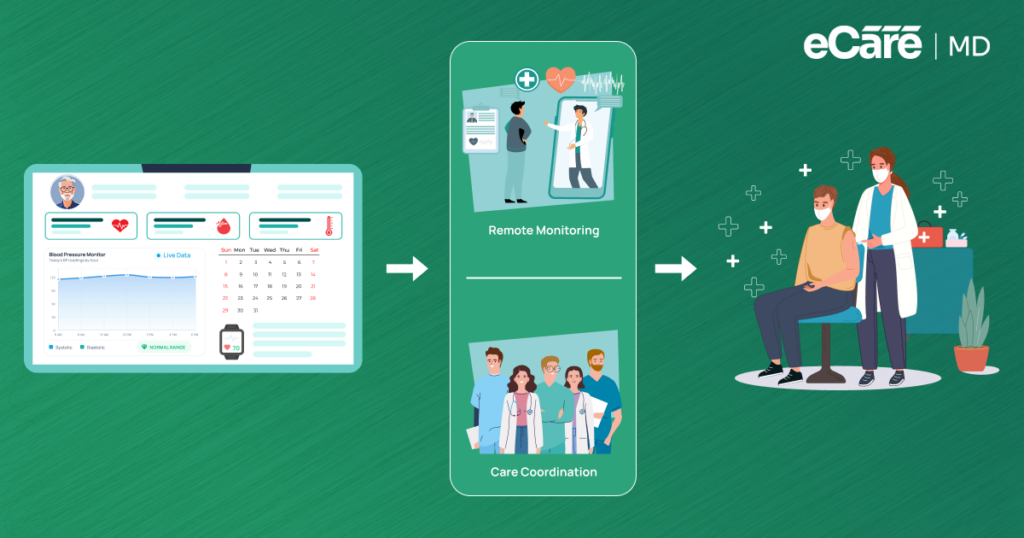
2. Remote Patient Monitoring (RPM):
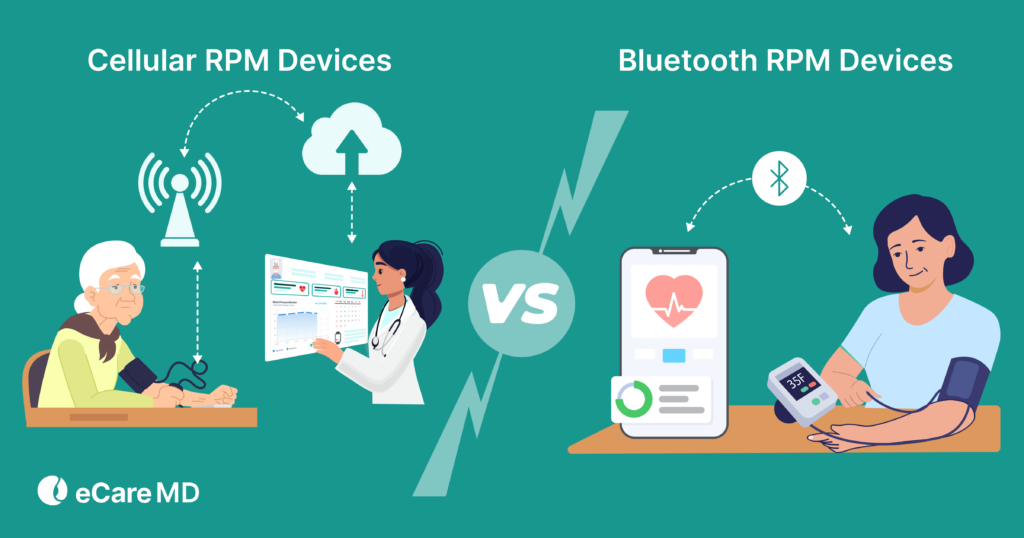
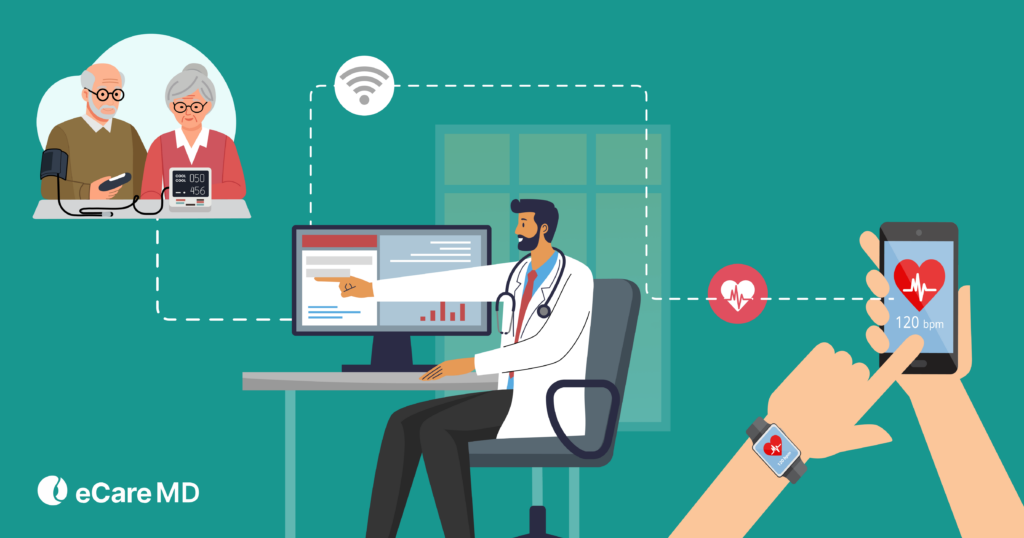
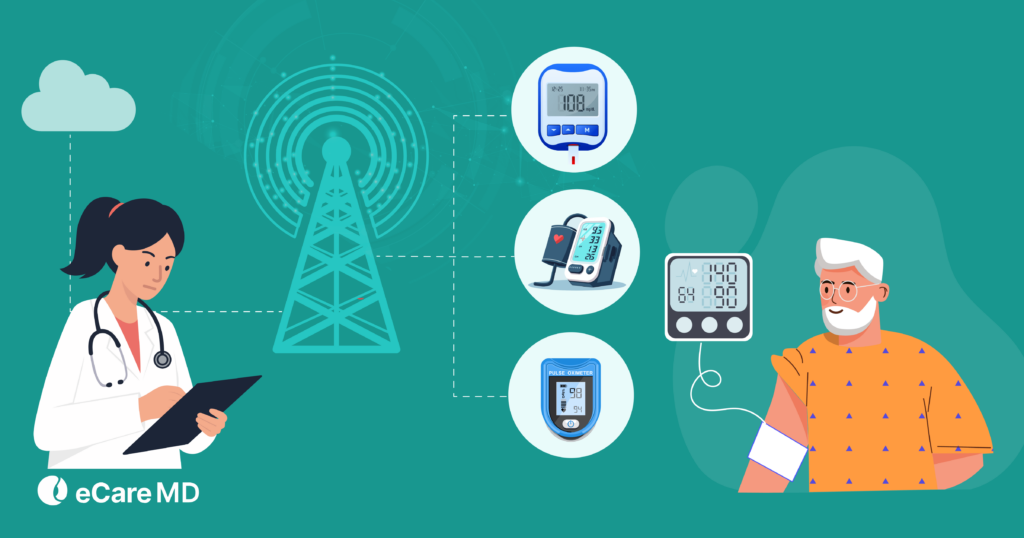
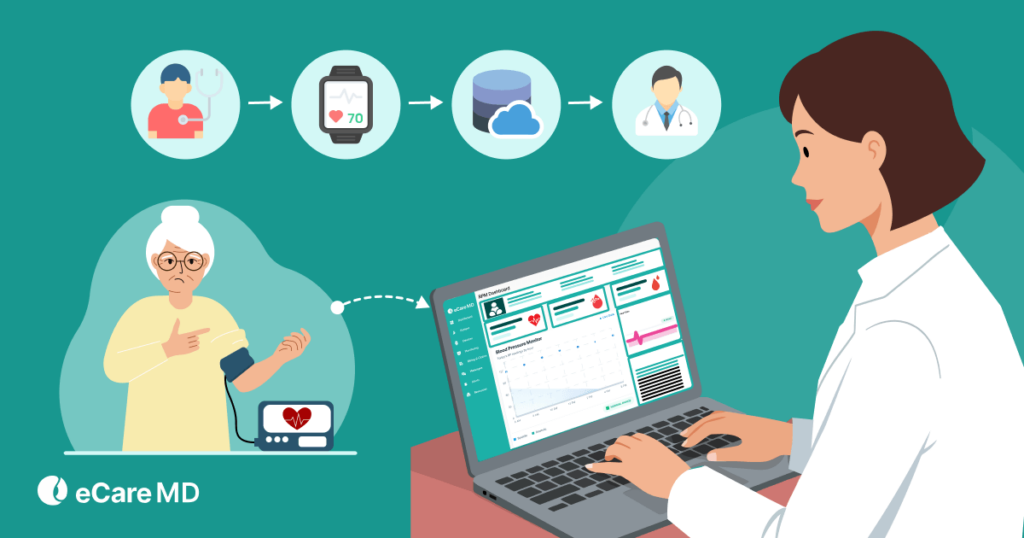
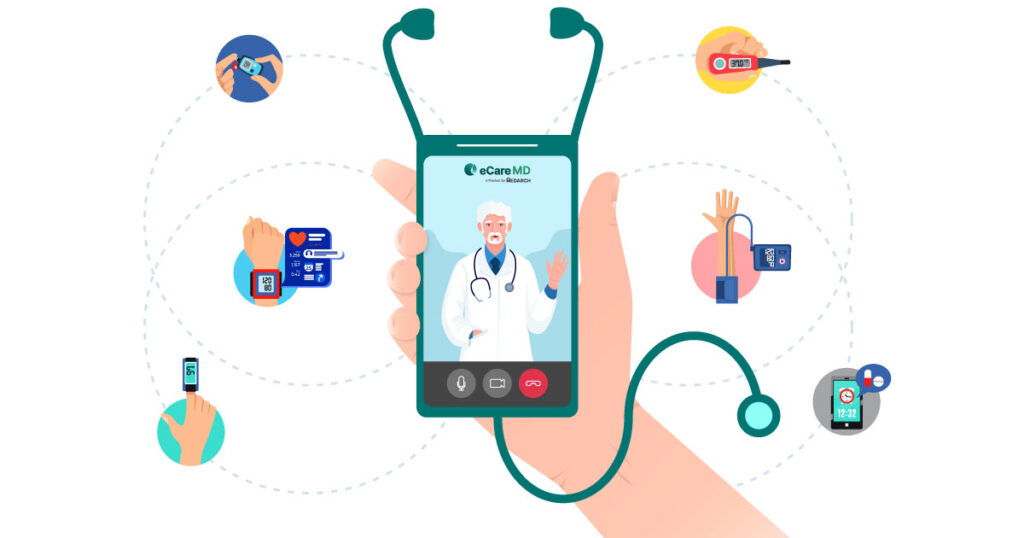
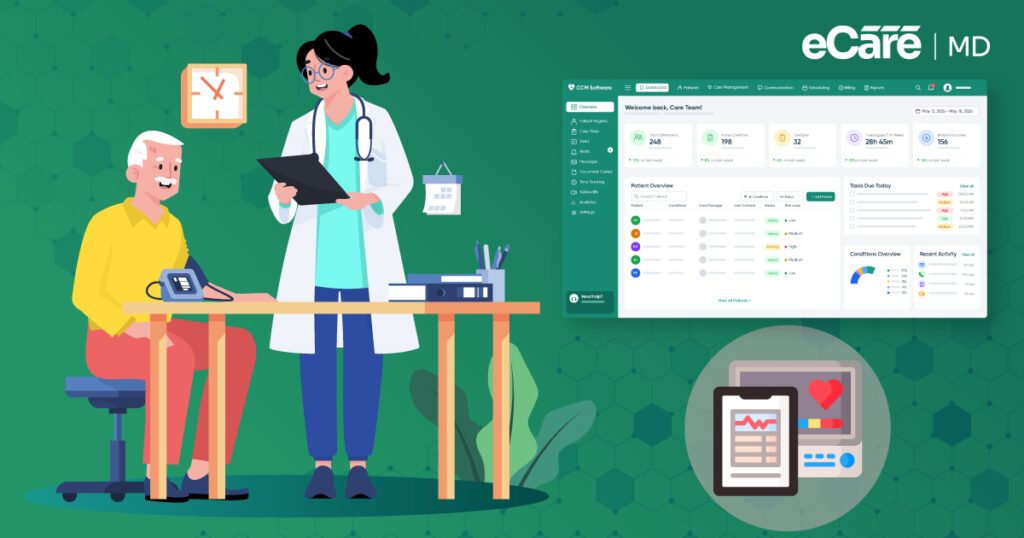
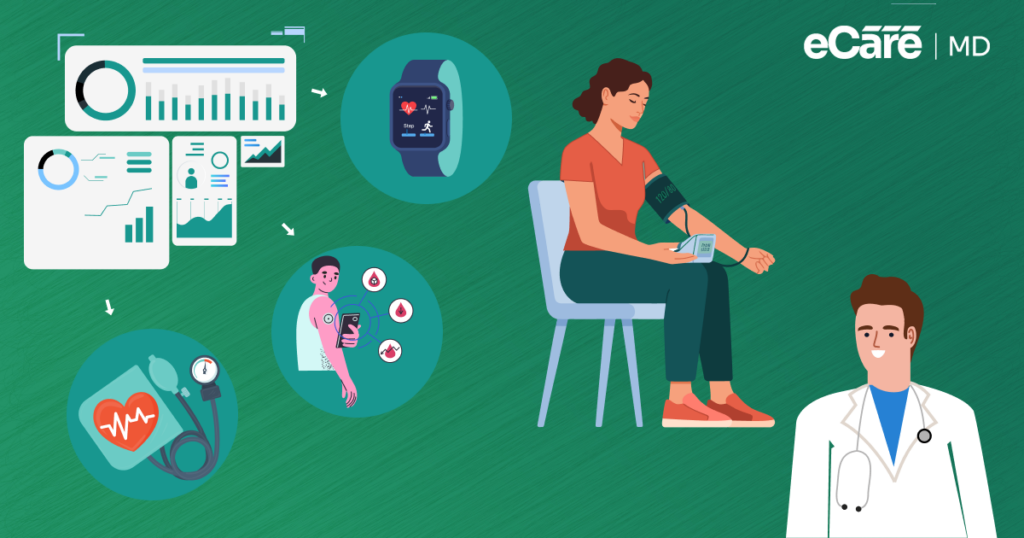
Connected devices enable you to track patients between visits, which also makes it easier to detect changes early and respond before conditions worsen.
3. Value-Based Care:
Healthcare has now started to shift from treating illness to improving long-term outcomes. Chronic care management services play a key role by supporting preventive, coordinated care.
4. Advanced Primary Care Management (APCM):
As care models continue to evolve, APCM is emerging as a complementary approach that expands care coordination and strengthens long-term patient support.
If you start to prepare for these challenges today, it will help your organization to build a more connected, efficient, and patient-focused future, one that’s ready for the next generation of chronic care.
Conclusion:
A successful chronic care management program is built on continuous care, strong coordination, and well-defined workflows that keep patients connected beyond regular office visits.
When supported by accurate documentation and a proactive care approach, these programs can improve patient outcomes while helping healthcare organizations meet compliance standards.
As the demand for connected care continues to grow, investing in the right care management software can help practices simplify daily operations, strengthen care coordination, and support long-term CCM success.
With the right strategy and technology in place, healthcare organizations can deliver more efficient, patient-centered care while preparing for the future of chronic disease management.
Frequently Asked Question’s
A chronic care management (CCM) program is a healthcare service designed to support patients with two or more chronic conditions that require ongoing medical attention. Instead of limiting care to office visits, the program provides continuous support through regular follow-ups, medication management, care coordination, and personalized care plans. By staying connected with patients between appointments, healthcare providers can monitor progress, address concerns early, and help reduce the risk of complications, hospitalizations, and unnecessary emergency room visits.
Under Medicare, patients generally qualify for a CCM program if they have two or more chronic conditions expected to last at least 12 months or for the rest of their life. These conditions must place the patient at significant risk of health decline, hospitalization, or functional impairment. Before services begin, the patient must provide consent, and the healthcare provider must establish a comprehensive care plan that supports ongoing disease management.
A CCM program includes a range of services that help patients manage their chronic conditions more effectively between office visits. These typically include personalized care plans, medication management, regular patient communication, care coordination with specialists, ongoing health monitoring, and documentation of care activities. Together, these services help improve communication, encourage treatment adherence, and ensure patients receive continuous support throughout their care journey.
To qualify for CCM services, patients must have at least two chronic conditions that are expected to last 12 months or longer, or until death. Providers must also obtain the patient’s consent before enrollment, create a comprehensive care plan, and maintain accurate documentation of all services delivered. Meeting these requirements helps ensure compliance with Medicare guidelines while allowing patients to receive structured, long-term care.
A typical CCM workflow begins by identifying eligible patients and obtaining their consent to participate in the program. Once enrolled, providers perform a health assessment, create a personalized care plan, and schedule regular monthly follow-ups. Throughout the month, care teams monitor the patient’s progress, coordinate with specialists when needed, document every interaction, and update the care plan as health needs change. This ongoing cycle helps providers deliver consistent, proactive care rather than waiting for problems to arise.
For standard Medicare Chronic Care Management (CCM), healthcare providers must deliver at least 20 minutes of clinical staff time each calendar month. This time includes activities such as reviewing patient health information, coordinating care, updating care plans, communicating with patients or caregivers, and documenting services. If additional time is spent managing more complex patient needs, providers may be eligible to bill for extra CCM services under applicable Medicare guidelines.
Chronic care management services can be provided by physicians and other qualified healthcare professionals, including nurse practitioners, physician assistants, clinical nurse specialists, and certified nurse-midwives. Clinical staff may also perform certain CCM activities under the direction of these providers. Regardless of who delivers the service, the care team must follow Medicare guidelines, maintain accurate documentation, and ensure patients receive continuous, coordinated care throughout the month.
Yes. Medicare Part B covers chronic care management services for eligible beneficiaries who meet the required criteria. To receive coverage, patients must have two or more qualifying chronic conditions and provide consent to participate in the program. Providers must also meet Medicare documentation and care management requirements. While Medicare covers these services, patients may still be responsible for any applicable coinsurance or deductible unless they have supplemental insurance.
Yes. Patient consent is required before chronic care management services can begin. During enrollment, providers explain how the program works, discuss any potential cost-sharing responsibilities, and inform patients that only one provider can bill for CCM services each month. Once the patient agrees, the consent is documented in their medical record, allowing the care team to begin delivering ongoing care and coordination.
A chronic care management program benefits both patients and healthcare providers. Patients receive continuous support, better care coordination, and regular follow-ups that help manage chronic conditions more effectively. For providers, CCM improves communication with patients, encourages proactive care, and supports stronger long-term relationships. It can also contribute to better clinical outcomes, higher patient satisfaction, and Medicare reimbursement for eligible care management services.
Starting a chronic care management program begins with identifying eligible patients and understanding the care needs of your population. Healthcare organizations should establish clear workflows, assign responsibilities to care team members, develop standardized documentation processes, and ensure they meet Medicare requirements. Choosing the right technology can also simplify care coordination, patient communication, and ongoing monitoring. With a strong foundation in place, practices can gradually scale their CCM program while delivering consistent, high-quality care.
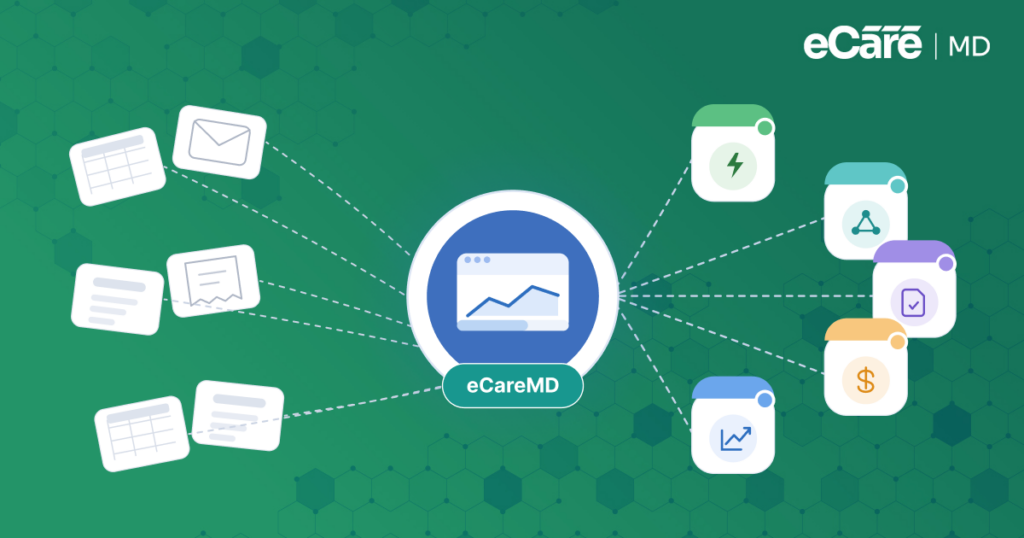
Chronic care management software helps bring every aspect of patient care together in one place. It allows care teams to manage patient records, document interactions, communicate more effectively, and coordinate care with specialists without relying on multiple disconnected systems. By automating routine administrative tasks and improving access to patient information, the software helps providers spend more time delivering care and less time managing paperwork. This leads to better coordination, improved efficiency, and a more connected patient experience.
While both CCM and APCM focus on improving long-term patient care, they serve slightly different purposes. Chronic Care Management (CCM) is designed specifically for patients with two or more chronic conditions who need ongoing care coordination outside regular office visits. Advanced Primary Care Management (APCM), on the other hand, takes a broader approach by supporting comprehensive primary care, preventive services, and long-term patient relationships. Rather than replacing CCM, APCM complements it, allowing healthcare organizations to deliver more connected, proactive, and patient-centered care across a wider range of healthcare needs.




![The Future of Remote Patient Monitoring: CMS Innovations & Emerging Trends [2026]](/wp-content/uploads/2024/07/Blog-36-The-Future-of-Remote-Patient-Monitoring_-Trends-AI-Innovation-CMS-Updates-for-2026-1024x538.png)