Last Updated: August 11, 2026
Launching a Chronic Care Management (CCM) is not that difficult; launching one without missing critical steps is.
If you overlook even a single task, it can result in delayed reimbursements or create compliance issues. For example, from patient consent and care plans to documentation, billing, and Medicare compliance. As a result, physicians end up spending half of their time on just administrative tasks.
Because of this, many practices don’t depend on scattered notes or spreadsheets; instead, they follow a structured chronic care management program checklist. A clear checklist helps your team members stay on the same page, meet chronic care management requirements, and minimize compliance risks. If paired with the right CCM platform, it can also simplify care coordination and daily program management.
Furthermore, a checklist also makes sure that every implementation stage follows a logical path rather than becoming a race against deadlines. It also helps your practice identify gaps earlier, assign responsibilities with confidence, and avoid costly mistakes that are difficult to fix after the program goes live.
This guide will walk you through what should be included in a chronic care management program checklist, the essential steps to implement a successful CCM program, common pitfalls to avoid, and chronic care management best practices that support long-term success.
Why Use a CCM Program Checklist?
Launching a CCM program is like building a house; you need a solid foundation before opening the front door to patients. With a structured CCM program setup checklist, it becomes easy to keep every task in the right sequence, so your team can spend less time fixing avoidable issues and more time delivering quality care.
Rather than explaining everything in paragraphs, show the value visually:
| Without a Checklist | With a CCM Implementation Checklist |
|---|---|
| Tasks completed out of sequence | Clear implementation roadmap |
| Missed documentation or patient consent | Every compliance step is verified |
| Billing delays and claim issues | Billing workflows are prepared in advance |
| Teams working in silos | Clinical, billing, and administrative teams stay aligned |
| Last-minute fixes before launch | Smooth, confident program rollout |
A well-planned checklist also helps to make sure that every critical milestone is completed even before patient enrollment starts. From meeting chronic care management requirements to establishing documentation, care plans, and billing workflows, each step contributes to a more organized implementation process and a better patient experience.
The checklist below acts as a practical framework, not a rigid template. As each practice operates differently, you can adapt it to match your team size, workflows, and patient population while still covering the essential steps required for a successful CCM launch.
What Should Be Included in a Chronic Care Management Program Checklist?
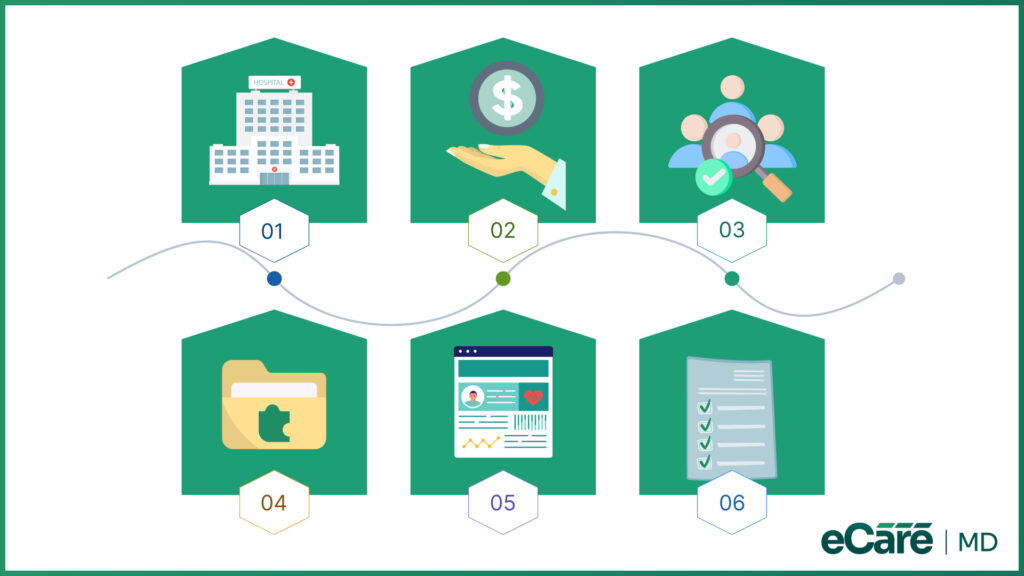
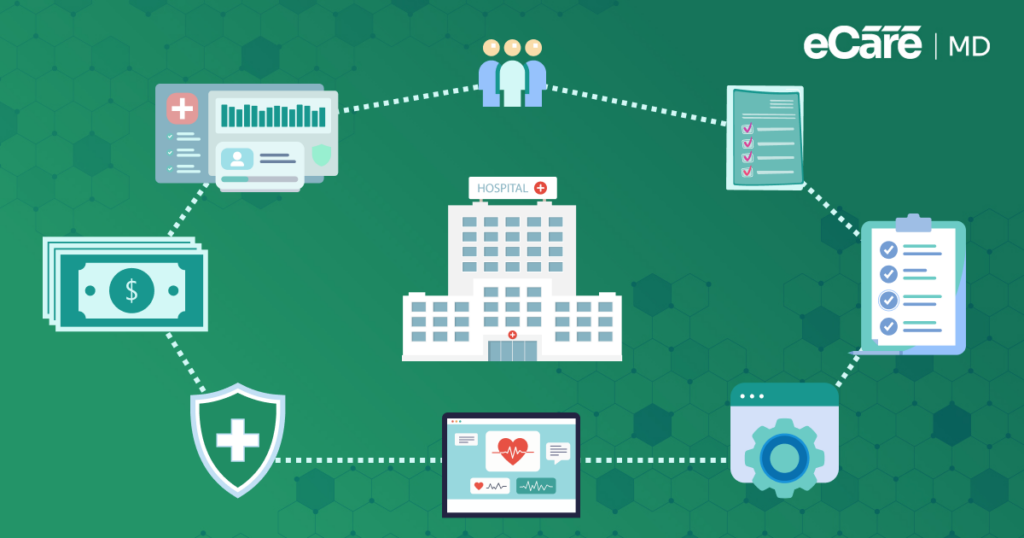
A successful chronic care management program checklist covers much more than just patient enrollment. It helps to ensure that your practice is clinically, operationally, and financially prepared before the first CCM patient is onboarded.
You can think of it as a roadmap, which helps to keep every department moving in the same direction and reduce implementation risks. To build a successful CCM program, every practice should review the following key areas before launch:
1. Organizational Readiness
Before enrolling patients, you should make sure that your internal operations are ready to support the program. You must clearly define who is responsible for patient outreach, care coordination, documentation, and billing, so everyone can understand their role.
Along with all these, you should also verify that your EHR, communication tools, documentation process, and billing workflows are in place. Equally important is ensuring your team understands chronic care management requirements and CMS guidelines to avoid compliance issues later.
2. Financial Readiness
A sustainable CCM program always starts with realistic financial goals. Before launching the program, you must estimate staffing requirements, allocate resources, and understand the expected Medicare reimbursement.
Planning ahead helps practices to balance operational costs with reimbursement opportunities, which makes it easier for scaling the program as enrollment increases.
Pro Tip: Don’t focus only on projected CCM revenue. Account for staff time, technology costs, and ongoing patient engagement to create a sustainable program.
3. Patient Enrollment
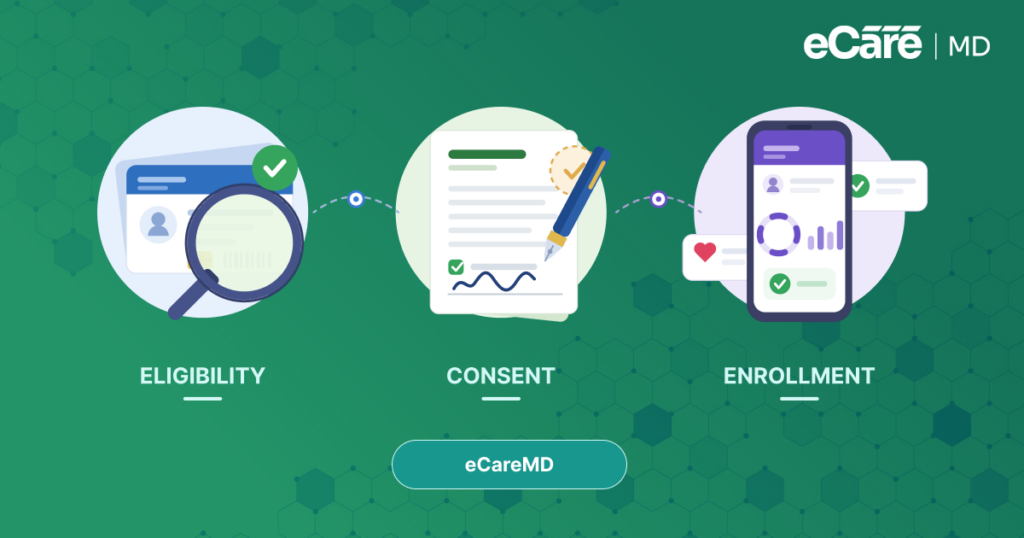
Identifying eligible patients should always be your first priority, as not every Medicare beneficiary qualifies for CCM. For that reason, you must develop a standardized enrollment process that includes eligibility verification, obtaining patient consent, completing required documentation, and educating patients about how the program works.
A consistent onboarding experience helps to enhance participation and reduces administrative confusion.
4. Care Planning
Every enrolled patient should receive a personalized care plan based on their chronic conditions, medications, health goals, and follow-up schedule. Care plans should also define how patients will communicate with the care team and access educational resources. When expectations are clear from the beginning, patients are more likely to stay engaged throughout the program.
5. Workflow & Documentation
Consistent workflows are the backbone of successful CCM services. Standardize monthly patient outreach, care coordination activities, documentation practices, and time tracking so every interaction is recorded accurately. Organized documentation not only improves continuity of care but also supports accurate reimbursement and simplifies future audits.
6. Billing & Compliance
Before submitting claims, verify that documentation supports every billed service and that all CMS requirements have been met. Review billing workflows regularly, confirm coding accuracy, and maintain audit-ready records. A proactive compliance process helps practices reduce claim denials while ensuring long-term program success.
How to Keep Your CCM Program on Track After Launch?
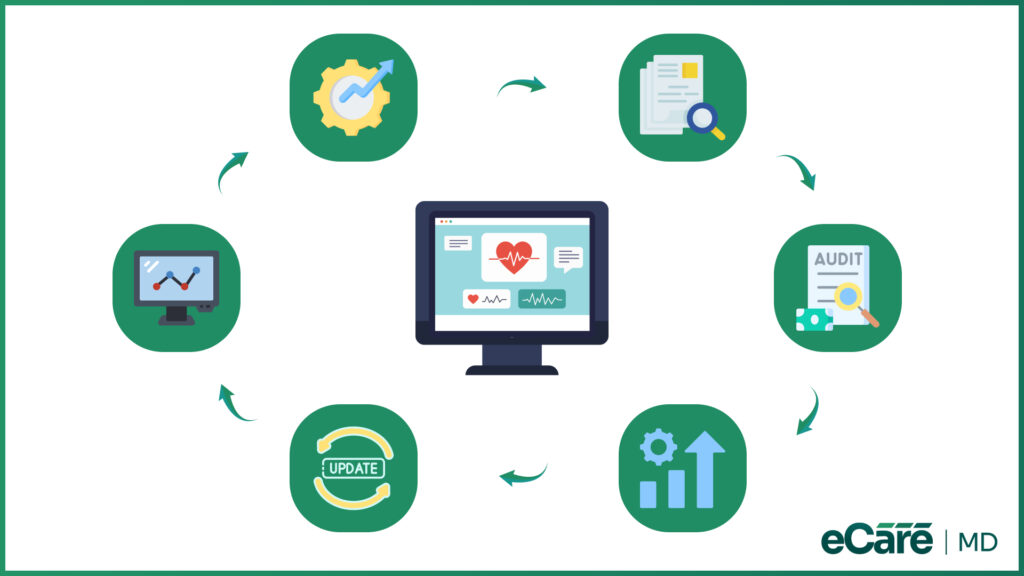
A chronic care management program checklist should never be treated as a one-time implementation document. As your practice grows, patient needs change, and CMS requirements evolve, reviewing your checklist regularly helps keep your CCM program organized, compliant, and running smoothly.
| Checklist Area | Primary Owner | Review Frequency |
|---|---|---|
| Organizational Readiness | Practice Manager | Annually or after staffing changes |
| Patient Enrollment | Care Coordinator | As new patients enroll |
| Care Planning | Clinical Team | Quarterly and as patient conditions change |
| Workflow & Documentation | CCM Team Lead | Quarterly |
| Billing & Compliance | Billing Team | Monthly before claim submission |
Regular reviews help ensure workflows remain consistent, documentation stays accurate, and billing processes continue to meet CMS requirements. They also allow practices to identify gaps early, making it easier to improve operations before small issues become bigger challenges.
To keep your checklist effective, follow these chronic care management best practices:
- Review CMS updates and revise workflows when needed.
- Update responsibilities after staffing or process changes.
- Audit documentation and billing regularly.
- Gather team feedback to improve day-to-day operations.
By treating your checklist as a living document rather than a one-time task, your practice can maintain compliance, improve efficiency, and support long-term CCM success.
How eCareMD Helps You Complete Your CCM Checklist
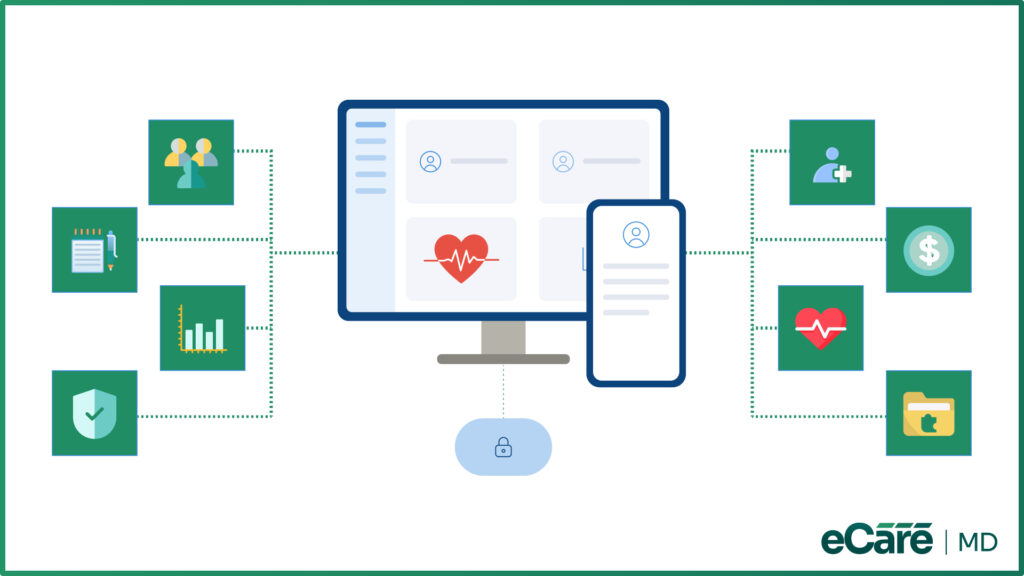
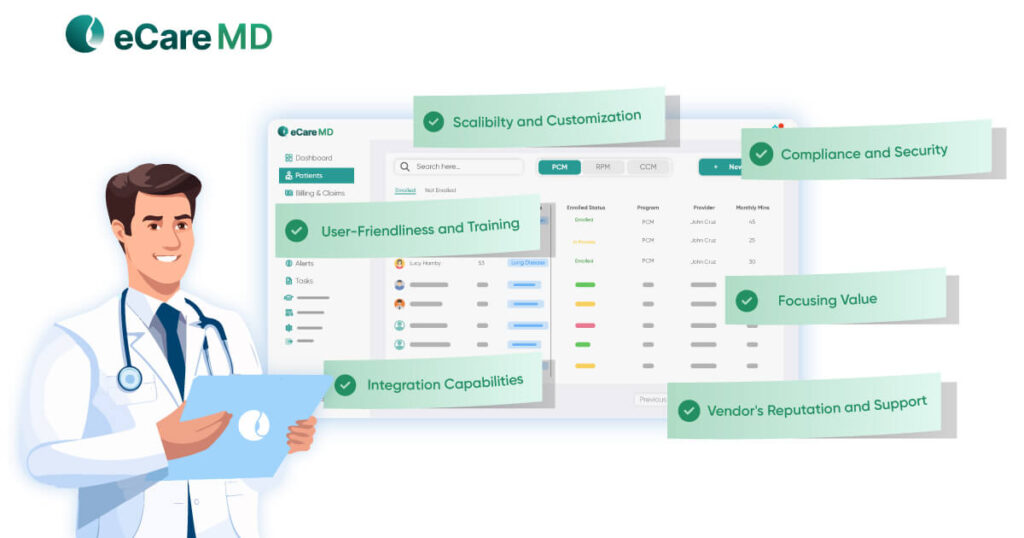
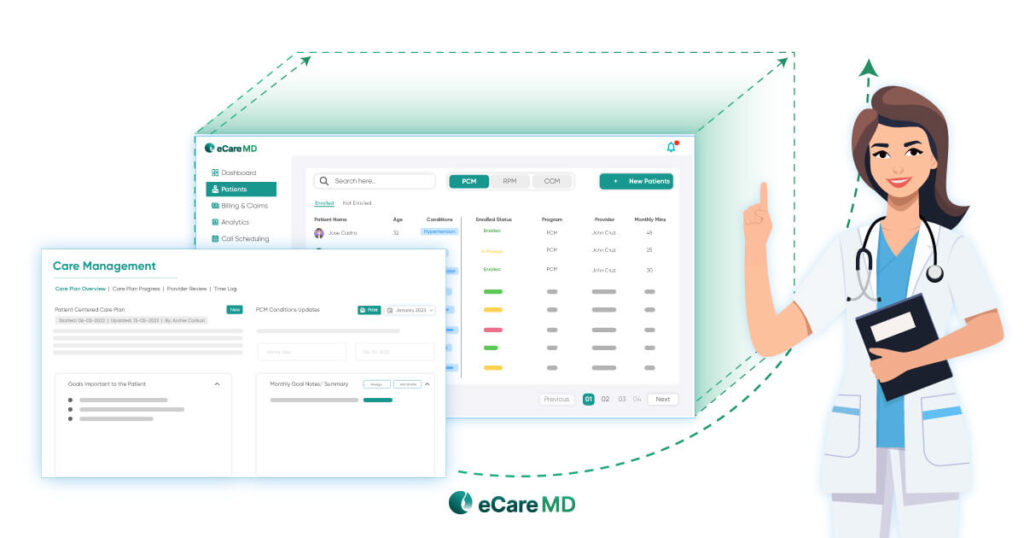
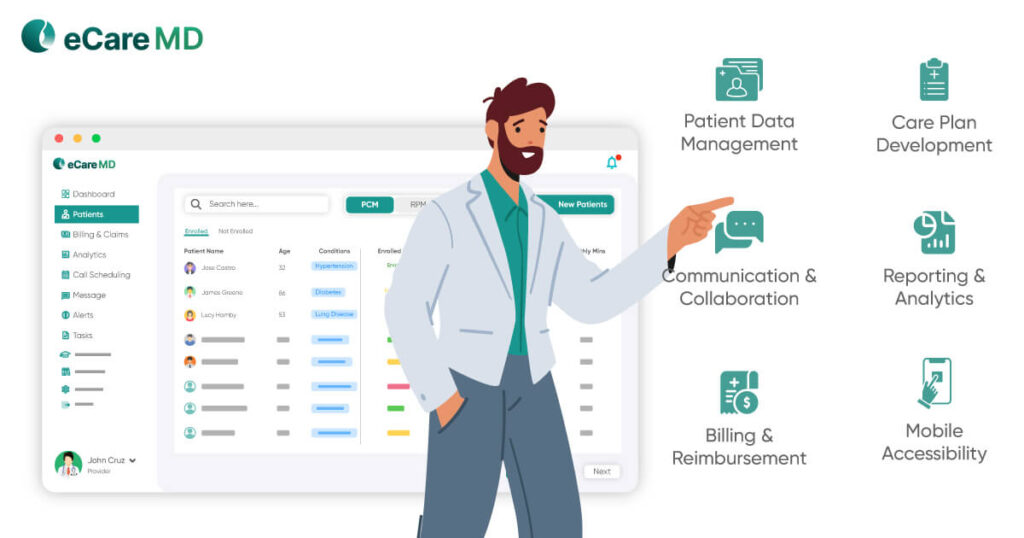
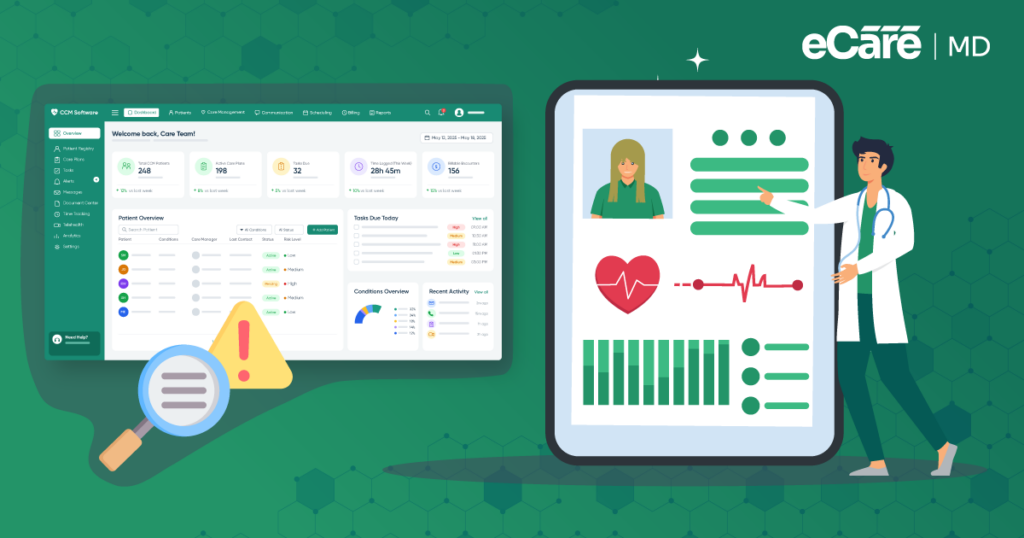
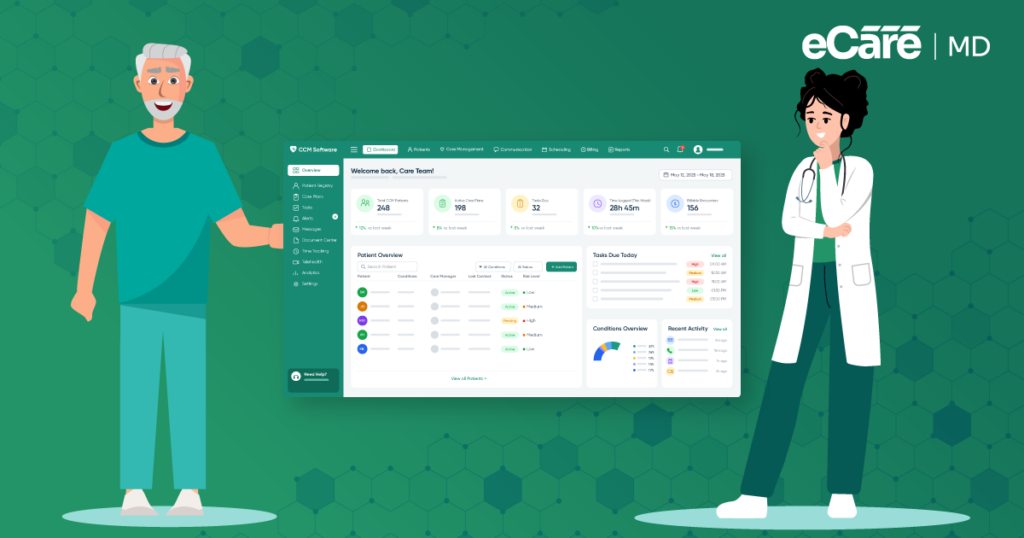
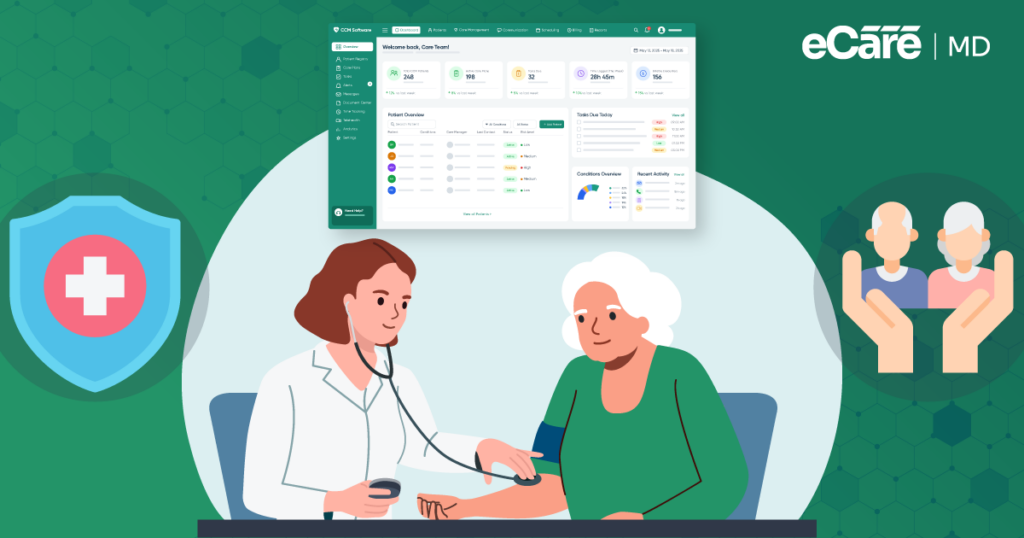
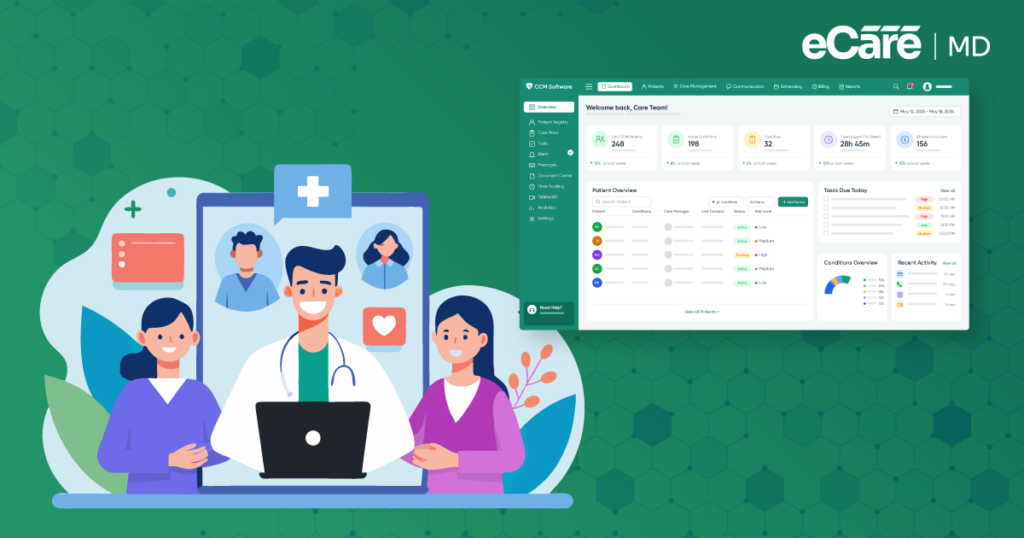
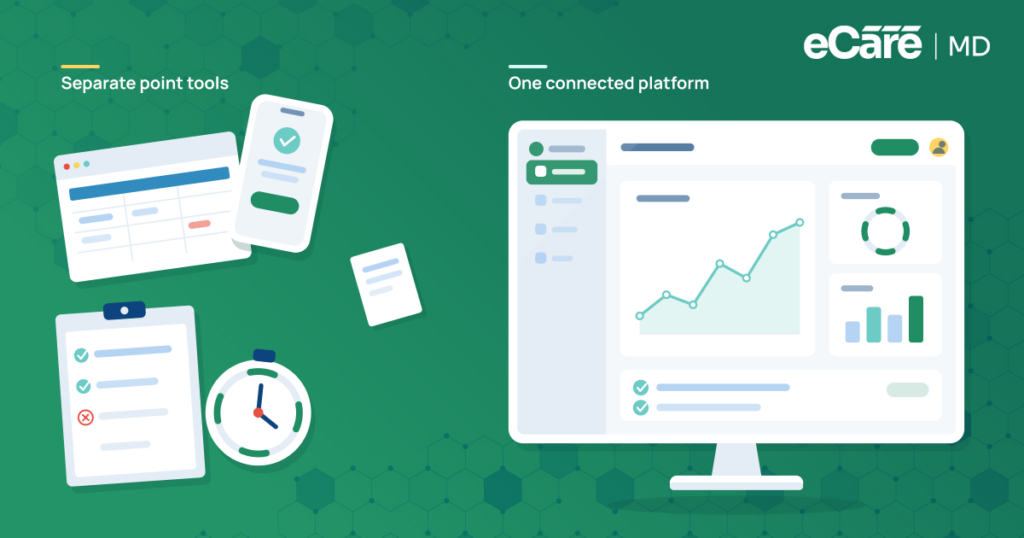
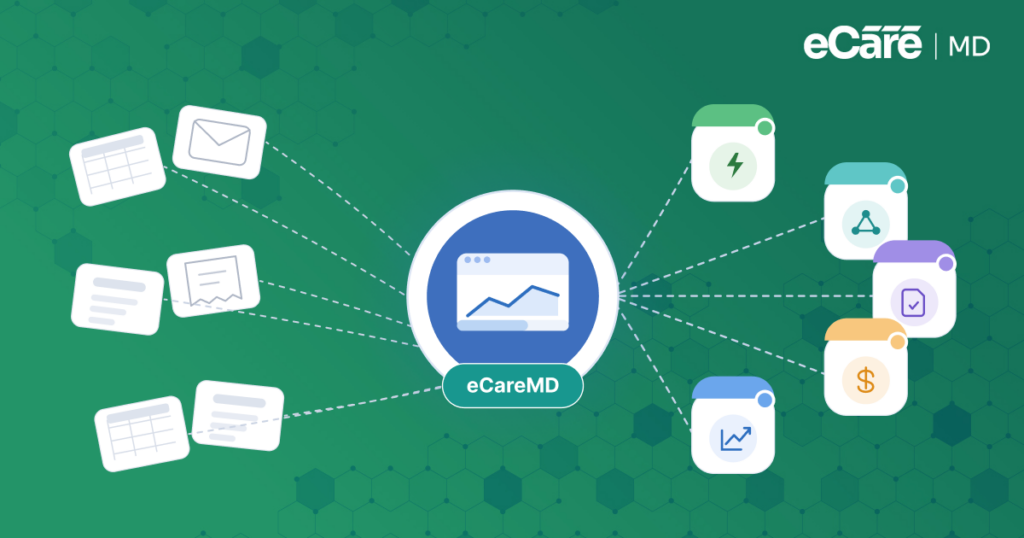
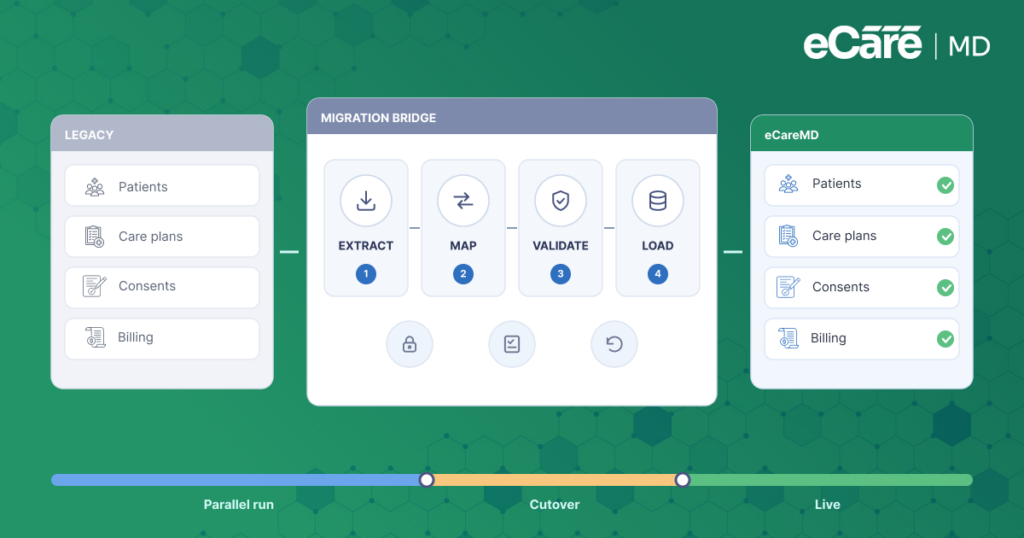
When your team has the right technology to support every step, following a chronic care management program checklist becomes much easier. eCareMD’s CCM platform, which is developed by Medarch Inc., can bring patient enrollment, care planning, documentation, billing, and ongoing care management all together in one centralized solution. This eliminates the need to switch between multiple systems.
Rather than depending on manual processes, your practice can automate routine workflows, create personalized care plans, assign and track care coordination tasks, while maintaining accurate documentation from a single dashboard.
Furthermore, with built-in compliance tracking, reporting, and time-tracking features, your team can also stay aligned with Medicare requirements and reduce administrative workload.
eCareMD helps your practice to simplify CCM operations, enhance care coordination, and confidently deliver compliant, and high-quality chronic care management services by combining powerful chronic care management tools.
Conclusion:
Building a successful CCM program isn’t just about completing tasks; it’s about completing the right tasks at the right time. A structured chronic care management program checklist helps practices stay organized, meet chronic care management requirements, reduce compliance risks, and create a smoother experience for both care teams and patients.
Pairing standardized workflows with the right CCM Platform makes the process even more efficient. From patient enrollment and care planning to documentation, billing, and ongoing care coordination, the right technology helps practices streamline operations while maintaining high-quality, compliant care.
If you’re looking to simplify every stage of CCM implementation, eCareMD offers an all-in-one solution designed to support your team with intelligent workflows, automation, and integrated chronic care management tools. Explore how eCareMD can help your practice launch, manage, and scale a successful CCM program with confidence.
Frequently Asked Question’s
A chronic care management program checklist should include organizational readiness, financial planning, patient enrollment, personalized care planning, workflow and documentation, and billing and compliance. It should also define staff roles, establish documentation and billing workflows, verify CMS requirements, and ensure the necessary technology is in place before enrolling patients. Covering these areas helps practices launch a structured CCM program while minimizing compliance risks and operational challenges.
A CCM program setup checklist provides primary care practices with a clear roadmap for implementing Chronic Care Management services. It helps teams complete essential tasks in the correct sequence, such as assigning responsibilities, identifying eligible patients, creating care plans, and preparing billing processes. By following a standardized checklist, practices can improve team coordination, reduce implementation delays, and ensure compliance with Medicare requirements from the very beginning.
An essential checklist for implementing a chronic care management program includes verifying organizational readiness, planning financial resources, enrolling eligible Medicare patients, obtaining patient consent, developing individualized care plans, establishing documentation and time-tracking processes, and preparing billing workflows. Practices should also review CMS compliance requirements and confirm that all operational processes are in place before launching the program to ensure efficient and compliant care delivery.
A Chronic Care Management checklist should be reviewed before launching the program and then on a regular schedule to keep it accurate and effective. Practices should also update the checklist whenever CMS regulations change, staffing responsibilities shift, new technology is implemented, or workflows are revised. Reviewing the checklist periodically helps identify operational gaps early, maintain compliance, improve care coordination, and ensure the program continues to support both patient needs and organizational goals without unnecessary disruptions.
Maintaining a successful CCM program requires more than following the initial implementation checklist. Practices should regularly review workflows, monitor CMS updates, audit documentation and billing processes, and provide ongoing staff training. It’s also important to update care plans as patients’ health conditions change and collect feedback from clinical and administrative teams to improve daily operations. Treating the checklist as a living document helps organizations maintain compliance, improve workflow consistency, and deliver high-quality chronic care management services over the long term.
Billing and compliance should be reviewed every month before CCM claims are submitted to ensure documentation is complete, coding is accurate, and Medicare requirements have been met. In addition to monthly reviews, practices should conduct periodic internal audits to identify documentation gaps, reduce claim denials, and prepare for potential CMS audits. Regular billing and compliance reviews not only protect reimbursement but also help healthcare organizations maintain accurate records and deliver compliant Chronic Care Management services.
Modern chronic care management tools simplify implementation by centralizing patient enrollment, care planning, documentation, task management, care coordination, time tracking, reporting, and billing into a single platform. Many solutions also automate repetitive administrative tasks, generate reminders for care teams, and provide real-time visibility into patient activities. By reducing manual work and improving collaboration across departments, these tools help practices launch CCM programs more efficiently while maintaining compliance and improving the overall patient experience.
Providers should choose a CCM Platform that supports the entire care management workflow rather than focusing on a single function. Key features include patient enrollment, personalized care planning, documentation, workflow automation, task management, time tracking, billing support, compliance monitoring, reporting, and EHR integration. An ideal platform should also be easy to use, scalable, and capable of supporting both clinical and administrative teams. These capabilities help streamline operations while ensuring compliant, efficient, and patient-centered Chronic Care Management services.














![The Future of Remote Patient Monitoring: CMS Innovations & Emerging Trends [2026]](/wp-content/uploads/2024/07/Blog-36-The-Future-of-Remote-Patient-Monitoring_-Trends-AI-Innovation-CMS-Updates-for-2026-1024x538.png)