Last Updated: September 4, 2026
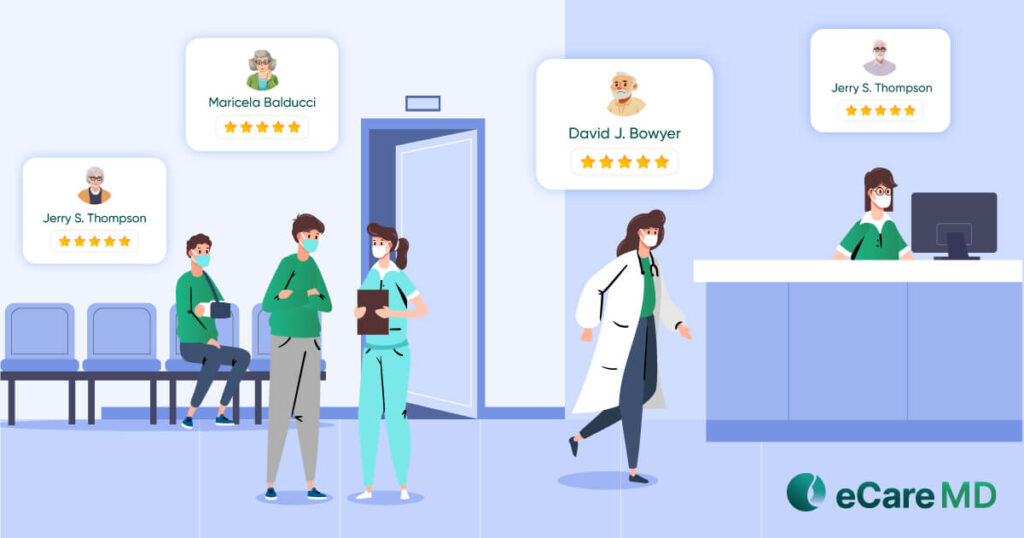
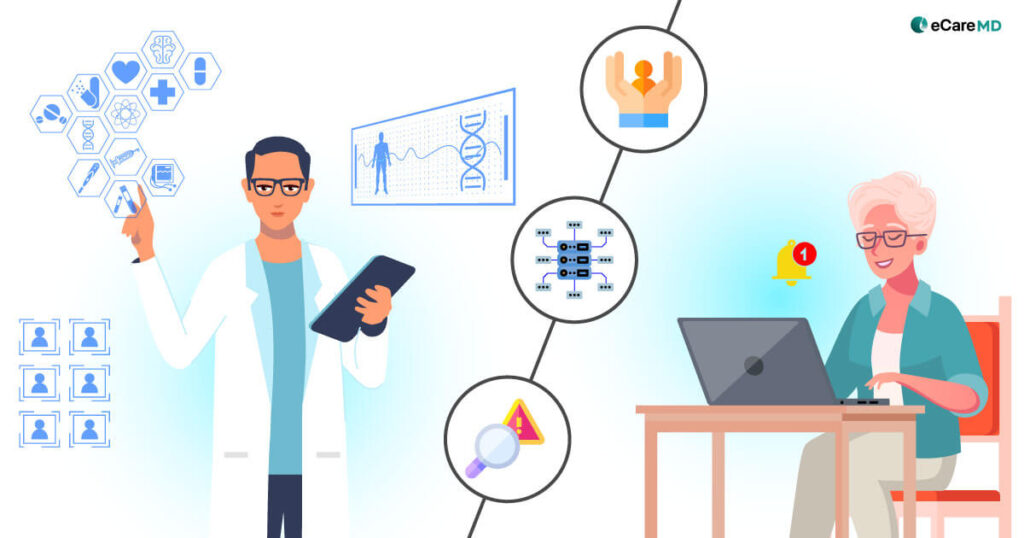
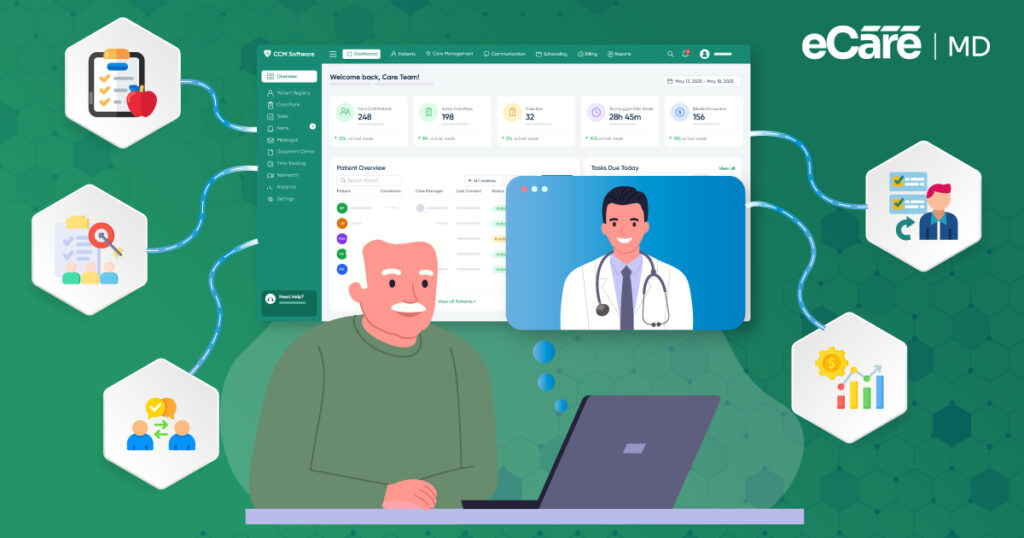
Your patient can receive regular calls, reminders, and follow-ups, and still feel like their care is not really built around them. This is the gap that patient-centered chronic care management is trying to address.
After all, managing a chronic condition does not happen only during a call with a care team. It actually happens when your patients try to follow medication schedules, manage symptoms, make lifestyle changes, attend appointments, and balance their health with everything else going on in their lives.
However, no matter if your patients are managing the same condition, what works for one patient may not work for another. And this is where the traditional idea of simply providing ongoing support can fall short.
Patients are expecting care that considers what they are comfortable with, what challenges they face, and what health goals actually matter to them. Patient-centered care in chronic disease management brings all these factors into the care process, which makes patients active participants instead of simply recipients of instructions.
Let’s dive into the blog to explore what makes chronic care more patient-centered, how this approach can improve the patient experience in chronic care management, and how providers can create more personalized and connected care with the right care management software.
What Is Patient-Centered Chronic Care Management?
Patient-centered chronic care management simply means providing ongoing care on the basis of a patient’s diagnosis and their individual needs, preferences, goals, and daily challenges.
Instead of following the same routine for every patient or focusing only on completing care tasks, this approach asks a simple question: What will actually work for this patient?
1. Individualized Patient Needs
Your two patients with the same condition may require very different support. Their lifestyle, health concerns, preferences, and ability to manage their care can all affect what works best for them. Understanding these differences helps care teams provide more relevant and practical support.
2. Shared Decision-Making
Patients should also have a say in their ongoing care. By discussing their concerns, preferences, and goals, providers and patients can make decisions together and create a care approach that feels more realistic and achievable.
Key Elements of Patient-Centered CCM
A patient-centered approach is more than simply personalizing a care plan. It involves several elements that help make ongoing care more relevant, accessible, and aligned with what each patient needs.
| Key Element | What It Means |
|---|---|
| Personalized Care Goals | Care goals should reflect both the patient's health needs and what matters most to them. They should also be realistic and fit into the patient's daily life. |
| Patient-Centered Care Plan | A chronic care management patient-centered care plan should include the patient's goals, preferences, needs, and agreed interventions. This gives both the patient and care team a clear direction for ongoing care. |
| Accessible and Responsive Support | Clear communication and easy access to support help patients understand their care and know where to turn when they need assistance. Timely responses can also help patients feel more supported between visits. |
| Coordinated and Continuous Care | Organized follow-ups and information-sharing help care teams stay on the same page. This creates a more consistent care experience and reduces the chances of important details being missed. |
Together, these elements can make CCM feel less like a routine series of check-ins and more like ongoing support built around the patient.
How Patient-Centered CCM Improves Patient Experience
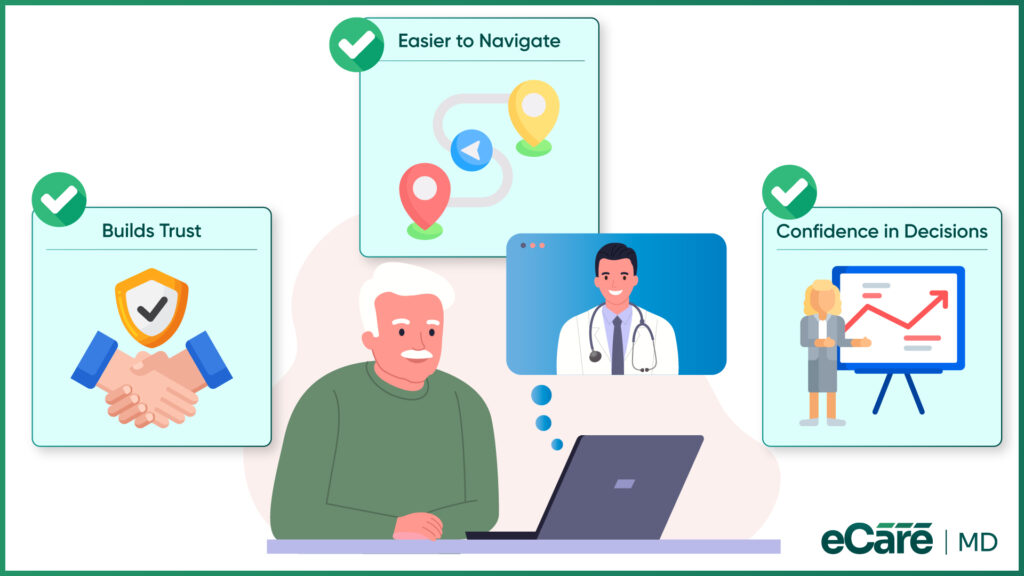
Good chronic care is not only about managing a condition. Patients also want to feel heard, understand their care, and know that someone is there to support them. That is what patient-centered chronic care management brings to the CCM experience. By considering each patient’s needs and preferences, care teams can make ongoing care feel more personal and easier to manage.
1. Builds Trust
Patients are more likely to trust their care team when they feel listened to. Regular conversations and consistent follow-up give patients a chance to share concerns, ask questions, and talk about changes in their health. Over time, this creates a stronger connection between patients and their care teams.
2. Makes Care Easier to Navigate
Managing a chronic condition can involve medications, appointments, lifestyle changes, and different providers. Clear communication and better coordination can make these responsibilities easier to understand and manage. Instead of figuring everything out on their own, patients have a care team helping them understand what comes next.
3. Improves Confidence in Care Decisions
Patients feel more confident when they have a say in their care. When care teams consider their goals, preferences, and concerns, patients can better understand why certain decisions are being made. This makes patient-centered care in chronic disease management more collaborative and helps patients feel more comfortable taking an active role in their health.
How to Build a Patient-Centered CCM Care Plan
A care plan is where patient-centered CCM becomes practical. Instead of focusing only on the condition being managed, the care team can shape the plan around what the patient needs, prefers, and feels ready to work toward. This makes care more personal while giving both the patient and care team a clear direction.
1. Assess Patient Needs and Priorities
Every patient manages their condition differently. Start by understanding their health needs, daily routine, concerns, preferences, and personal goals. This helps the care team identify what kind of support will actually fit into the patient’s life.
2. Set Personalized Goals and Interventions
With those priorities in mind, the care team can set achievable goals and decide how to support them. Whether the focus is medication adherence, symptom control, lifestyle changes, or follow-up care, the plan should match what the patient can realistically manage.
3. Plan Follow-Up and Ongoing Support
CCM is an ongoing relationship, so the plan should not end after it is created. Regular check-ins give the care team a chance to see how the patient is progressing, address concerns, and provide support when needed.
4. Review and Update the Plan
What works for a patient today may not work a few months from now. Changes in health, treatment, or personal circumstances can affect their needs. Reviewing the plan regularly helps keep care aligned with where the patient is at that point.
5. CMS Requirements and Patient-Centered Best Practices
CMS guidance calls for a comprehensive, patient-centered CCM care plan that is based on the patient’s needs and includes treatment goals, planned interventions, care coordination, and ongoing review. Practices can build on these requirements by also considering the patient’s preferences, priorities, and ability to follow the plan.
How Technology Supports Patient-Centered CCM
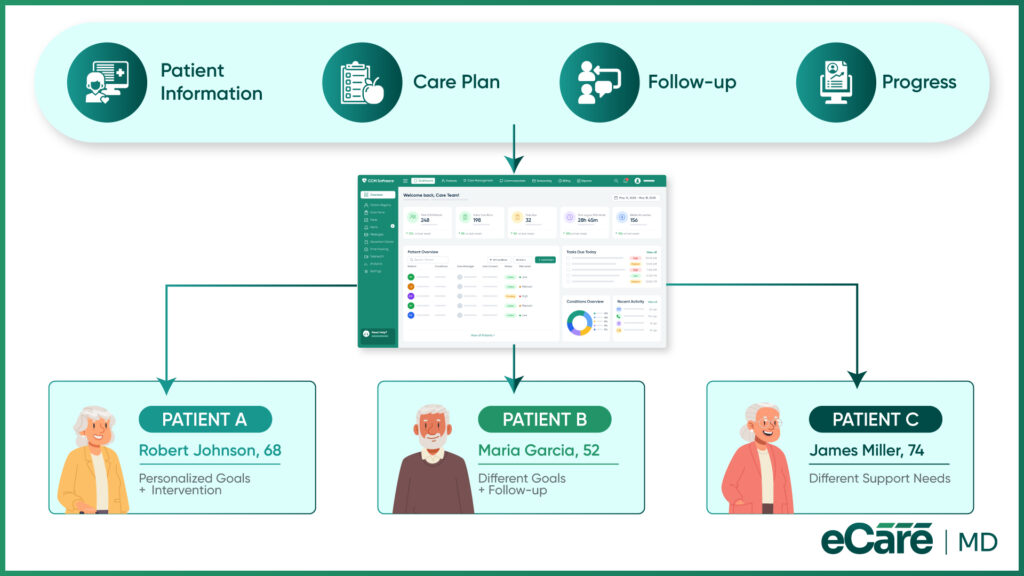
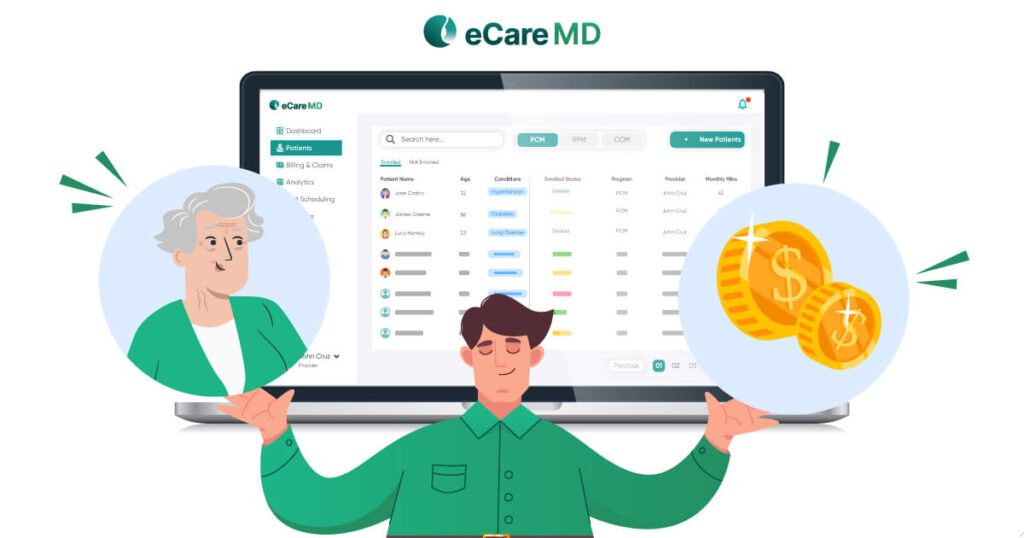
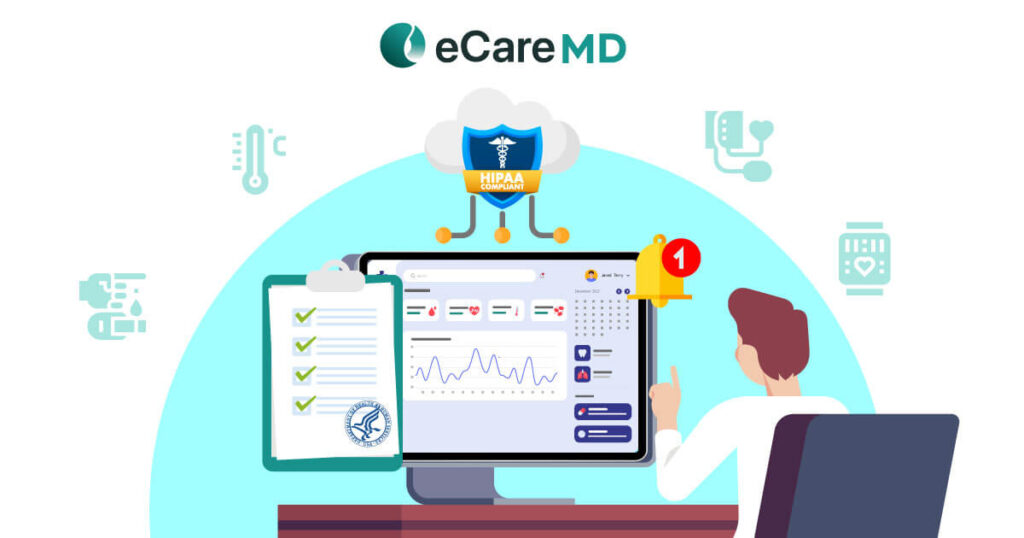
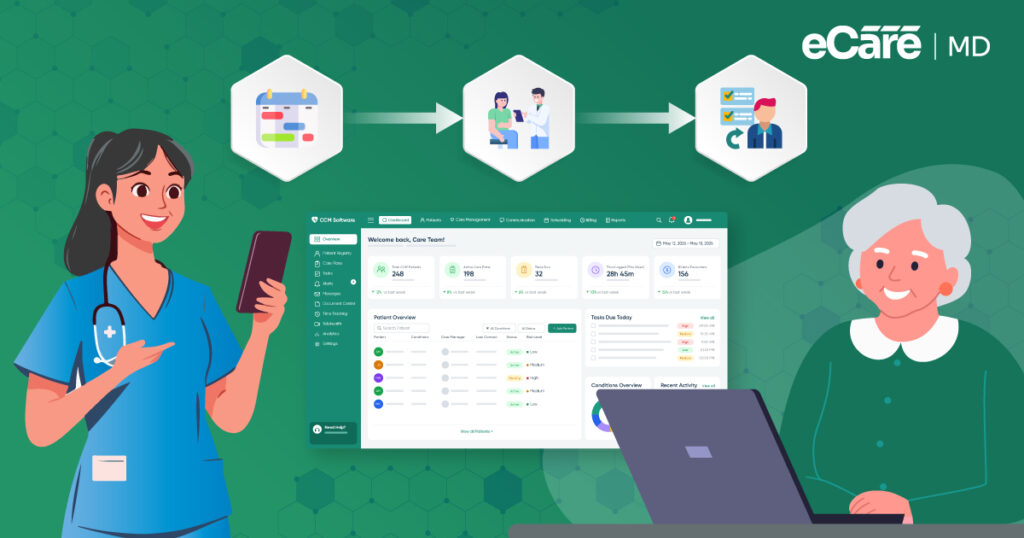
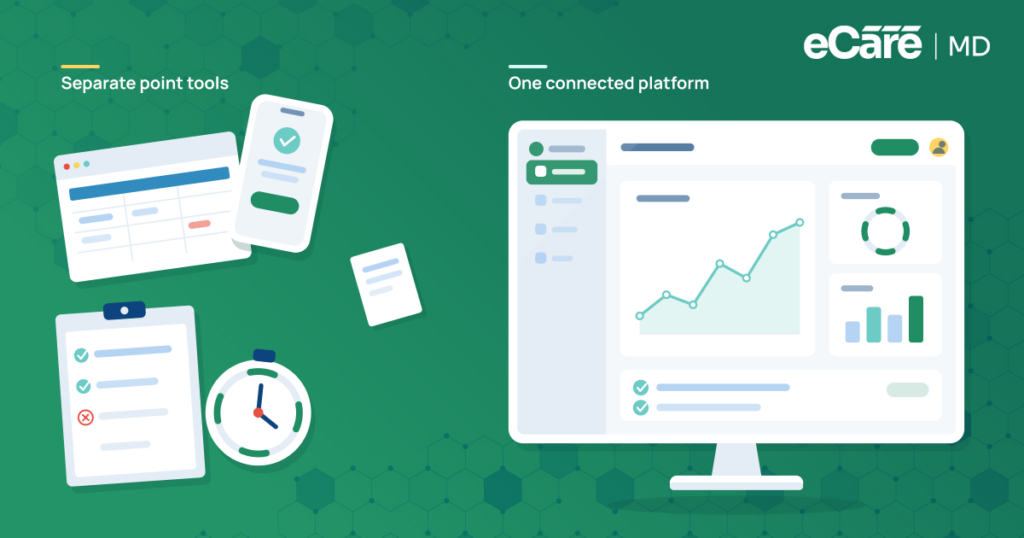
Providing personalized care becomes easier when care teams have the right technology behind them. A chronic care management platform can bring patient information, care plans, follow-ups, and progress tracking into one place. This gives care teams a clearer view of each patient while making it easier to keep care consistent and personalized.
1. Centralized Patient Information
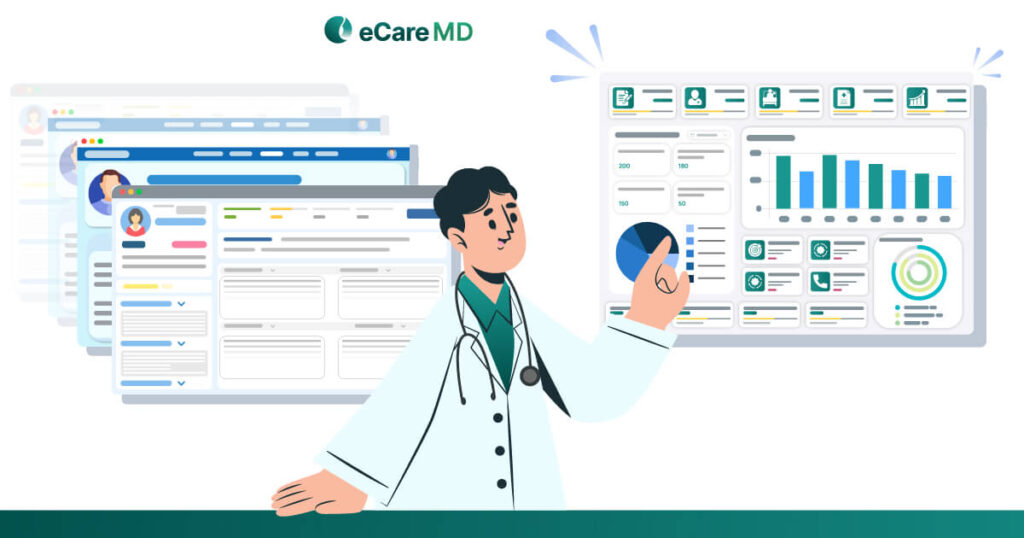
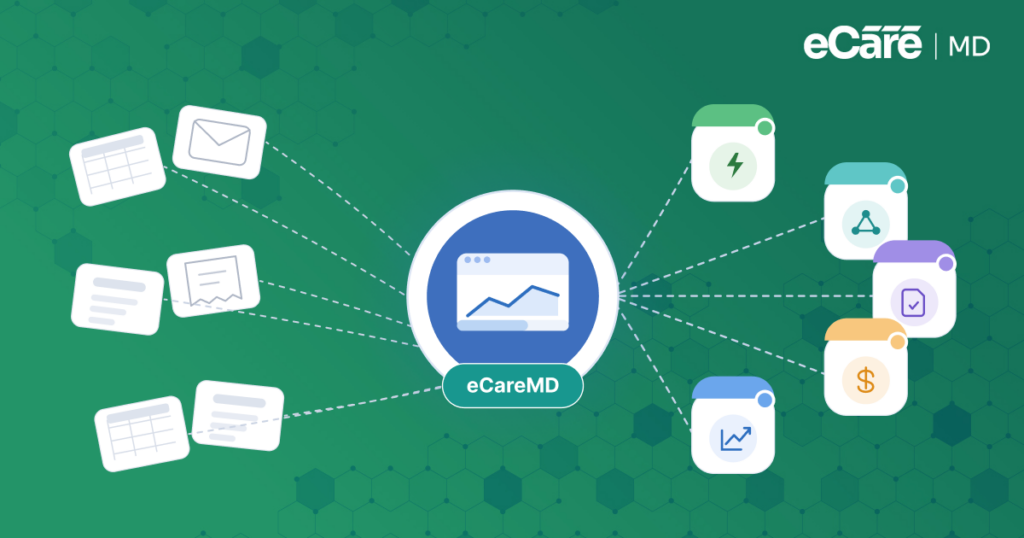
Patient-centered care depends on having the right information at the right time. With care management software, teams can access relevant health information, care goals, medications, notes, and communication history from one place. This helps them understand the patient’s situation without having to search through disconnected records.
2. Care-Plan and Progress Tracking
Technology can also make it easier to keep care plans up to date. Care teams can track patient goals, record progress, schedule follow-ups, and identify when additional support may be needed. This keeps the care plan connected to what is happening with the patient instead of letting it become outdated.
3. Scalable Personalized Care
Personalized care does not have to mean creating every process from scratch. Technology can provide standard workflows for routine CCM activities while allowing care teams to adjust goals, interventions, and follow-ups for each patient. This helps practices manage more patients without losing the individual focus that makes patient-centered care in chronic disease management effective.
How eCareMD Supports Patient-Centered CCM
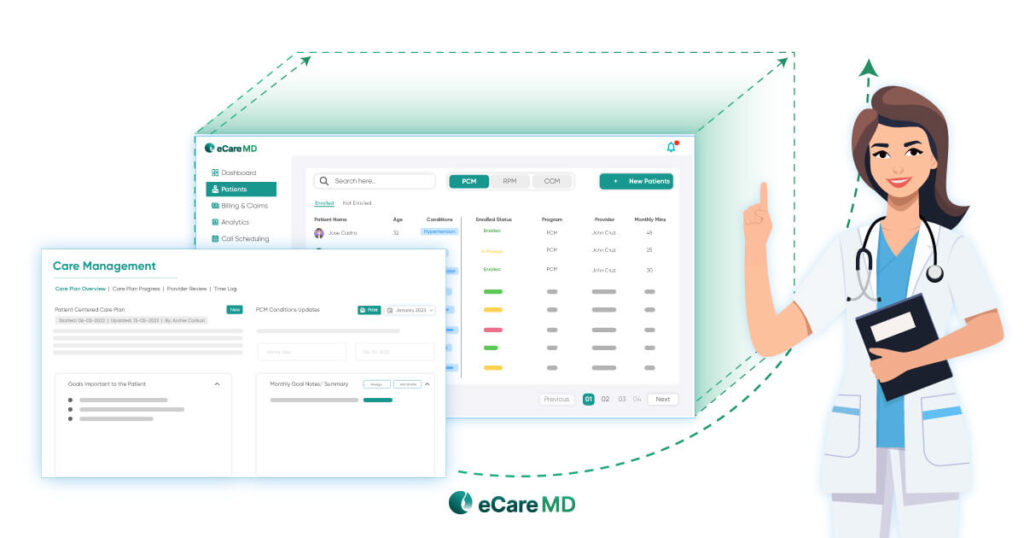
Putting patient-centered CCM into practice requires more than a good care plan. Care teams also need a way to keep patient goals, communication, follow-ups, and progress connected. eCareMD brings these activities together so teams can provide more consistent and individualized support throughout the care journey.
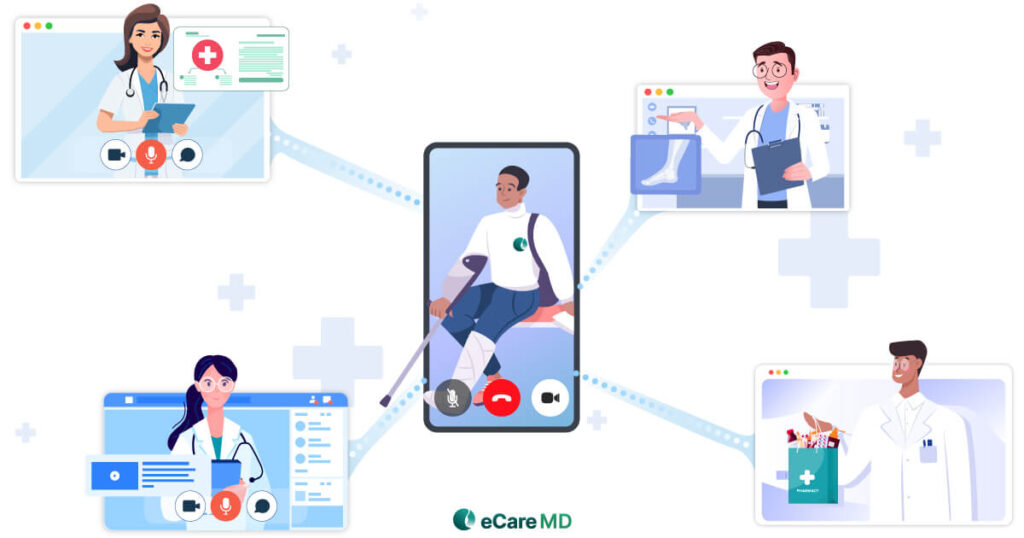
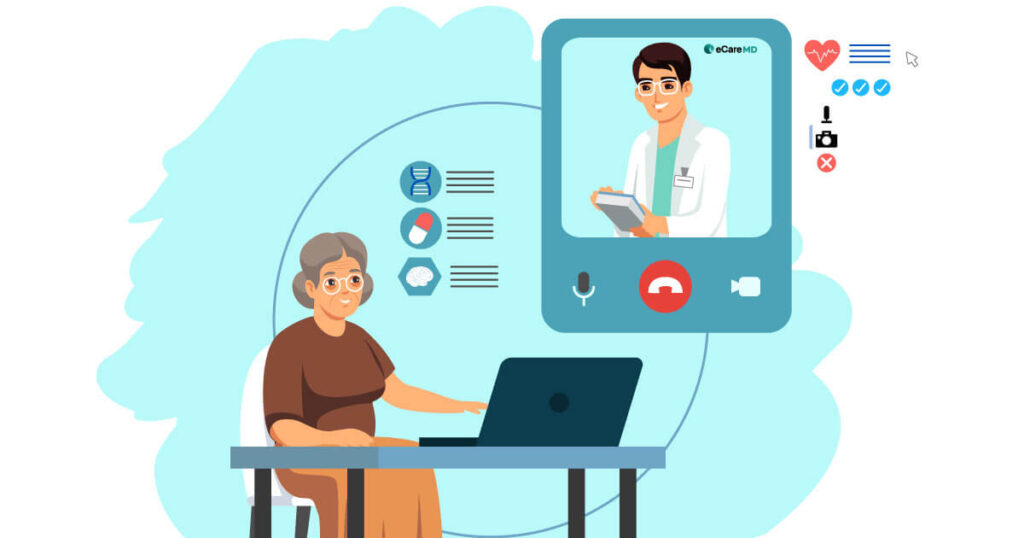
With eCareMD, care teams can create care plans around individual patient goals and interventions rather than relying on a one-size-fits-all approach. They can also maintain ongoing communication with patients and provide relevant resources based on their needs, helping patients stay informed and involved in their care.
The platform also gives teams visibility into patient progress and care activities. By seeing what has been completed, what needs follow-up, and how the patient is progressing, care team members can stay coordinated and provide support when it matters. This helps make patient-centered care more practical to deliver at scale while keeping the focus on the individual patient.
Conclusion
Patient-centered CCM is ultimately about making chronic care work better for the person receiving it. When care teams understand individual goals, involve patients in decisions, and coordinate support around their needs, patients can feel more informed, confident, and connected to their care.
Technology can make this approach easier to maintain by keeping care plans, communication, and progress connected in one place. a chronic care management platform can give care teams the visibility and tools they need to deliver consistent support while still adapting care to each patient.
When these pieces come together, CCM becomes more than ongoing condition management; it becomes a care experience built around the patient.
Frequently Asked Question’s
Patient-centered chronic care management is an approach that puts the individual at the center of ongoing chronic disease care. Instead of using the same care strategy for every patient, care teams consider each person’s health needs, goals, preferences, lifestyle, and challenges. Patients are also involved in setting goals and making decisions about their care, making the overall process more personalized and collaborative.
Patient-centered CCM can make patients feel more heard, informed, and supported throughout their care journey. Regular communication gives them opportunities to discuss concerns and ask questions, while coordinated care makes it easier to understand what they need to do next. Involving patients in care decisions can also increase their confidence and encourage them to take a more active role in managing their health.
A patient-centered CCM care plan should reflect the patient’s current health needs, personal goals, preferences, and planned interventions. It can include treatment goals, symptom management strategies, medication or lifestyle support, coordination with other providers, and follow-up plans. The care team should also review and update the plan as the patient’s health or circumstances change.
Providers can make CCM more patient-centered by first understanding what matters to each patient rather than focusing only on their diagnosis. They can involve patients in setting realistic goals, adapt interventions to their preferences and daily routines, communicate in clear language, and provide regular follow-up. Asking for patient input and adjusting care based on their feedback can also make the experience more collaborative.
CMS guidance states that a CCM care plan should be comprehensive, patient-centered, and maintained electronically. It should be based on an assessment of the patient’s needs and include elements such as treatment goals, planned interventions, symptom management, coordination with other practitioners and resources, and periodic review. Practices should refer to current CMS guidance when establishing their specific CCM workflows and documentation processes.
Technology can help care teams keep patient information, care plans, communication, follow-ups, and progress tracking organized in one place. This makes it easier to see each patient’s goals, monitor changes, and identify when additional support is needed. With the right technology, practices can use consistent CCM workflows while still adjusting care activities to the needs and preferences of individual patients.







![The Future of Remote Patient Monitoring: CMS Innovations & Emerging Trends [2026]](/wp-content/uploads/2024/07/Blog-36-The-Future-of-Remote-Patient-Monitoring_-Trends-AI-Innovation-CMS-Updates-for-2026-1024x538.png)