Last Updated: August 18, 2026
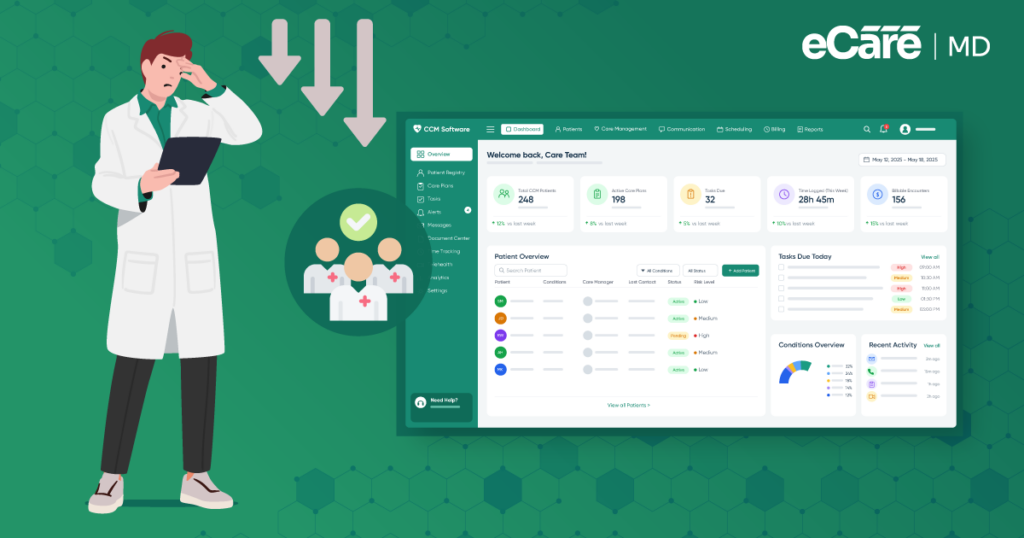
Think of a scenario where you start with a normal busy day. Your care manager misses one follow-up, your patient’s care note gets completed late, and someone has to double-check whether the month’s activities were properly documented.
Even though at first nothing seems serious to you, the same thing happens again next month, even with more patients on the list. This is exactly how many CCM program pitfalls begin.
Along with enrollment, recurring tasks, patient touchpoints, documentation requirements, and billing steps also grow. If you handle all these tasks through scattered spreadsheets, manual reminders, or disconnected systems, it becomes obvious that something can escape your attention. Ultimately, what starts as just a small workflow issue can put extra effort on your staff, affect documentation, and even impact reimbursement.
What makes this even trickier is the monthly nature of CCM. If a problem is missed in one cycle, there is a good chance it will repeat in the next one. Over time, these chronic care management mistakes can become part of the routine, making them harder to spot and fix. A well-organized care management system can help practices keep their workflows visible, stay on top of recurring tasks, and address gaps before they snowball.
So, what should practices watch for as their CCM programs grow?
This guide explores the most common CCM program mistakes affecting workflows, documentation, staffing, and financial performance, and how to avoid common CCM program mistakes and tackle potential problems early, before they start affecting the overall performance of your program.
What Are the Most Common CCM Program Pitfalls?
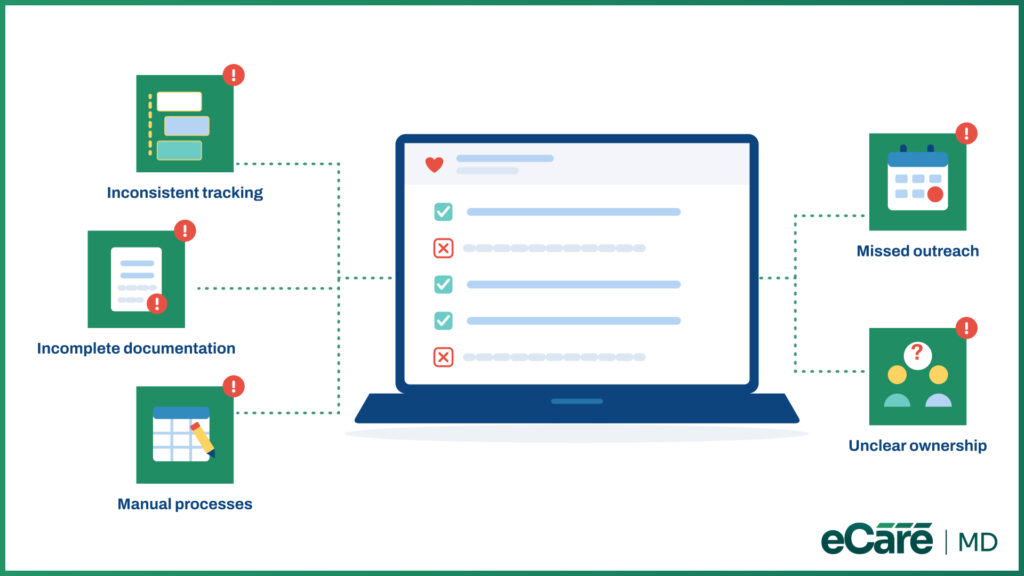
Once a CCM program grows, everyday gaps can become recurring problems. The same missed task, outdated record, or unclear handoff can repeat from one monthly cycle to the next. Here are some of the CCM program pitfalls that established programs should watch closely.
1. Inconsistent Patient Tracking
When patient information is spread across spreadsheets, EHR notes, and separate files, staff may end up working with outdated or incomplete records. This can lead to missed activities and inaccurate workflows. Keeping patient and program information centralized gives the care team a reliable source of information and makes monthly activities easier to track.
2. Missed or Inconsistent Patient Outreach
Without a clear outreach schedule, follow-ups can easily get delayed or missed, especially as the patient list grows. This can leave monthly CCM activities incomplete and put additional pressure on care managers. Clearly assigning outreach ownership and using repeatable workflows helps ensure every patient receives the right follow-up at the right time.
3. Incomplete CCM Documentation
Missing or scattered CCM records can make it difficult to confirm what activities were completed during the month. Care teams may then have to spend valuable time searching through different systems to fill documentation gaps. Consistent documentation within centralized records makes completed work easier to track and verify.
4. Unclear Care Team Responsibilities
When recurring CCM activities do not have clear owners, tasks can fall through the cracks, or two team members may unknowingly do the same work. This creates unnecessary handoffs and slows the team down. Clearly defined responsibilities help everyone understand what they own and where each activity stands.
5. Overreliance on Manual Processes
Spreadsheets, paper logs, and disconnected tools may seem manageable at first, but they become harder to maintain as enrollment increases. Manual tracking creates more opportunities for outdated information, missed reminders, and administrative errors. Structured digital workflows can reduce repetitive work and give teams better visibility into ongoing CCM activities.
Pitfall → Cost → Prevention at a Glance
| CCM Pitfall | What It Can Cause | Prevention Approach |
|---|---|---|
| Inconsistent patient tracking | Missed or outdated activities | Centralized patient information |
| Missed outreach | Incomplete monthly activity | Defined outreach workflows |
| Incomplete documentation | Difficult-to-verify CCM work | Centralized documentation |
| Unclear responsibilities | Missed or duplicated tasks | Clear activity ownership |
| Manual processes | Tracking gaps and errors | Structured digital workflows |
The takeaway is simple: CCM program challenges rarely come from one major mistake. They often build up through small gaps in everyday processes. Identifying those gaps early can help practices keep the next monthly cycle from becoming harder than the last.
How Can Practices Overcome Chronic Care Management Challenges?
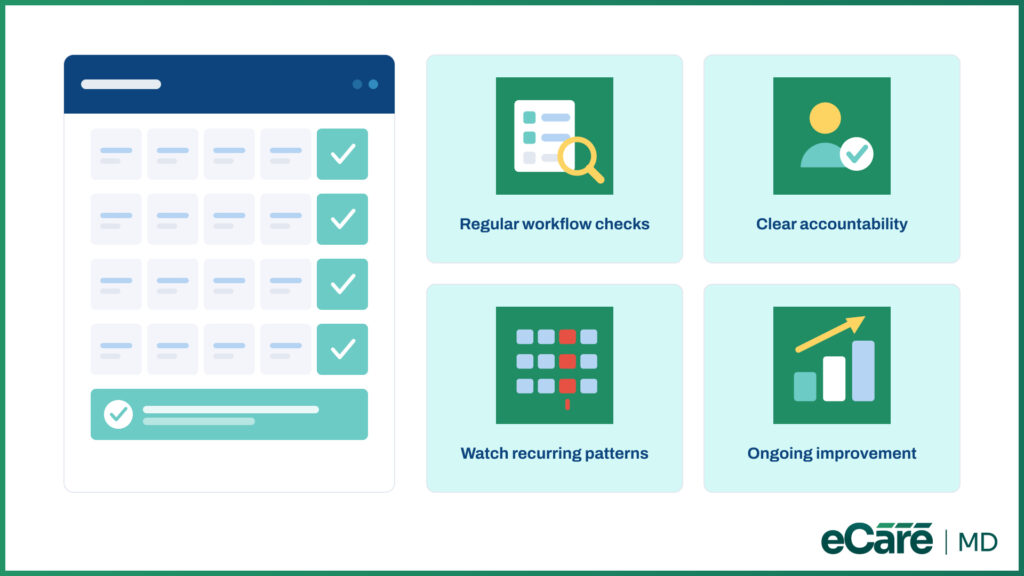
The best time to fix a CCM workflow problem is before it affects the next monthly cycle. Instead of waiting until the month-end review to discover missed activities or documentation gaps, practices can build regular checks into their day-to-day workflow. This makes it easier to spot issues while there is still time to correct them.
Start with regular workflow checks. Review pending outreach, incomplete documentation, missed follow-ups, and other unresolved activities throughout the month. This gives care teams a chance to address small gaps before they turn into a last-minute rush at the end of the cycle.
Keep accountability clear. Every recurring CCM activity should have a clear owner and a consistent process. When team members know who handles outreach, documentation, follow-ups, and other tasks, there is less room for activities to fall through the cracks or get duplicated.
Pay attention to recurring problems. One missed task may simply be an oversight. But if the same issue appears month after month, it points to a workflow problem that needs attention. Practices should look beyond individual errors and identify what is causing the pattern, whether it is unclear ownership, poor tracking, or too many manual steps.
Make improvement an ongoing process. CCM workflows should not be something the team reviews only when a problem occurs. Regularly reviewing unresolved activities and making small process improvements can help practices stay ahead of chronic care management challenges as enrollment grows.
The goal is not to create more work for the care team. It is to catch problems early, keep responsibilities clear, and make the monthly CCM cycle more predictable. That proactive approach can help practices overcome chronic care management challenges before they become program-wide issues.
Download Free CCM Feature Checklist for Effective Communication Checklist
Download NowWhat Can Technology Fix—and What Can't It Fix?
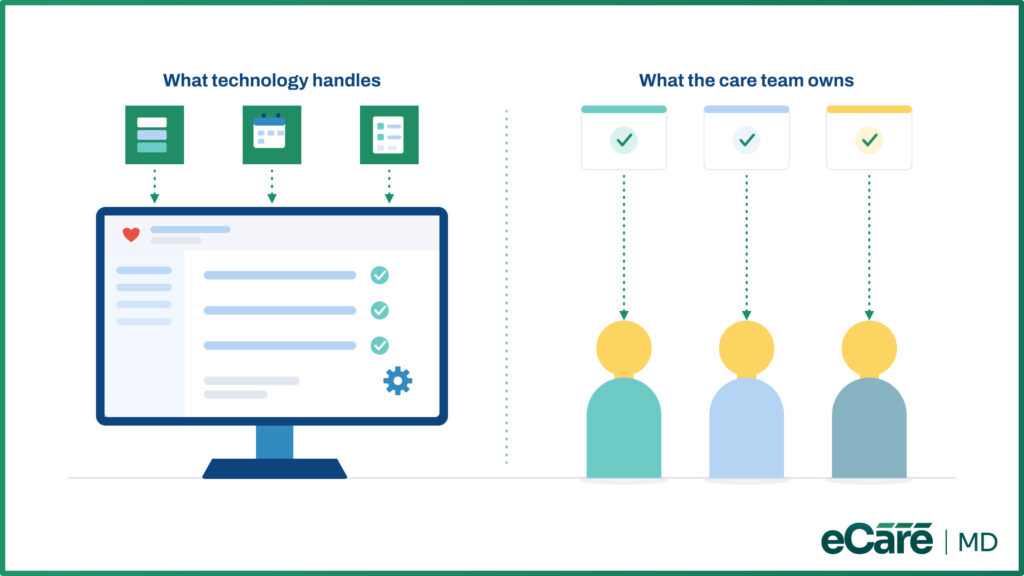
Technology can take a lot of the busywork out of CCM, but it cannot fix a broken process on its own. The real value comes from using it to make the right processes easier to follow.
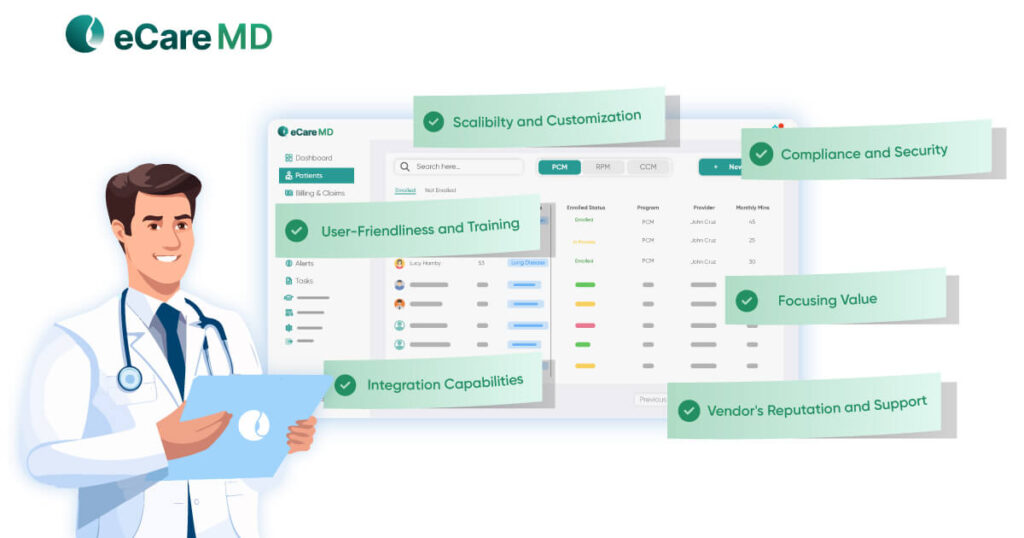
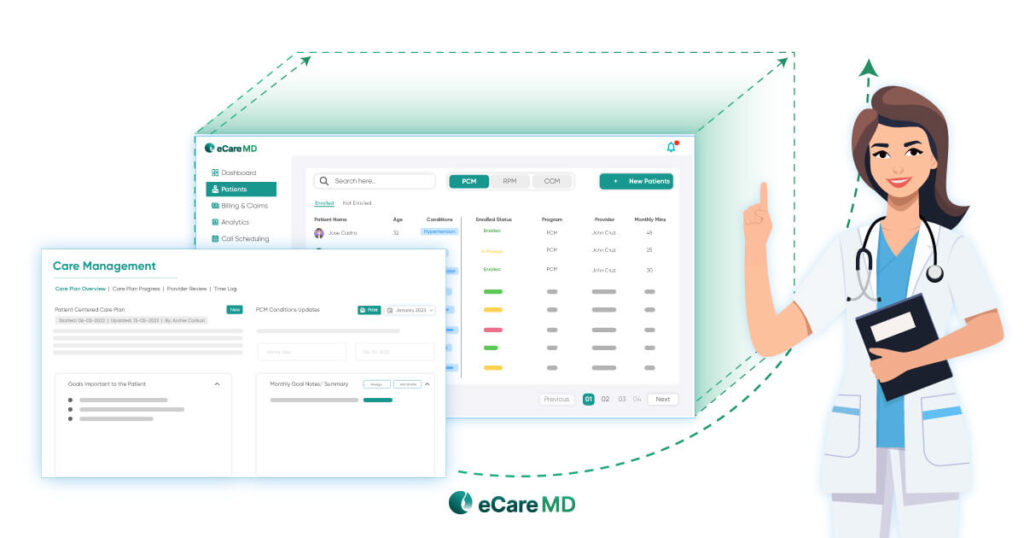
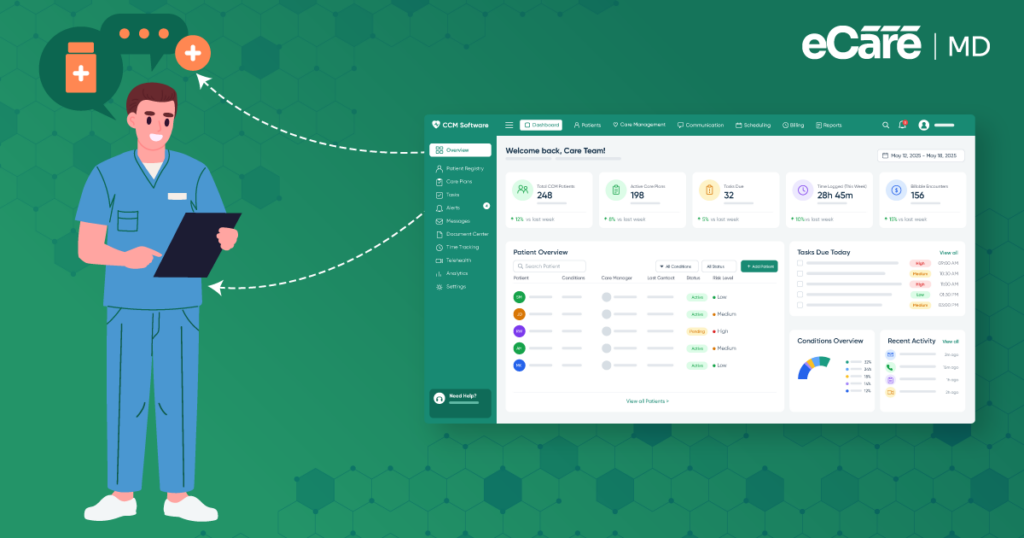
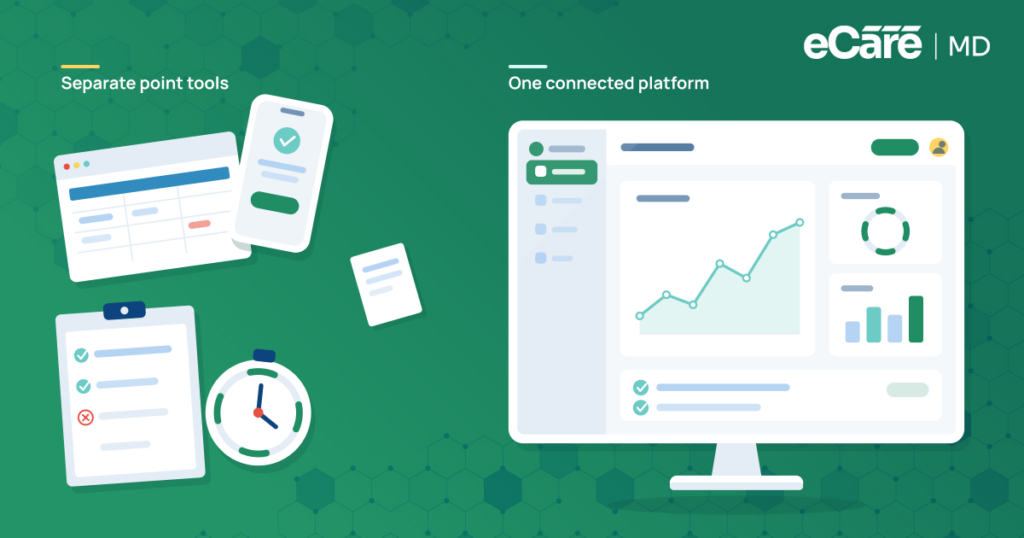
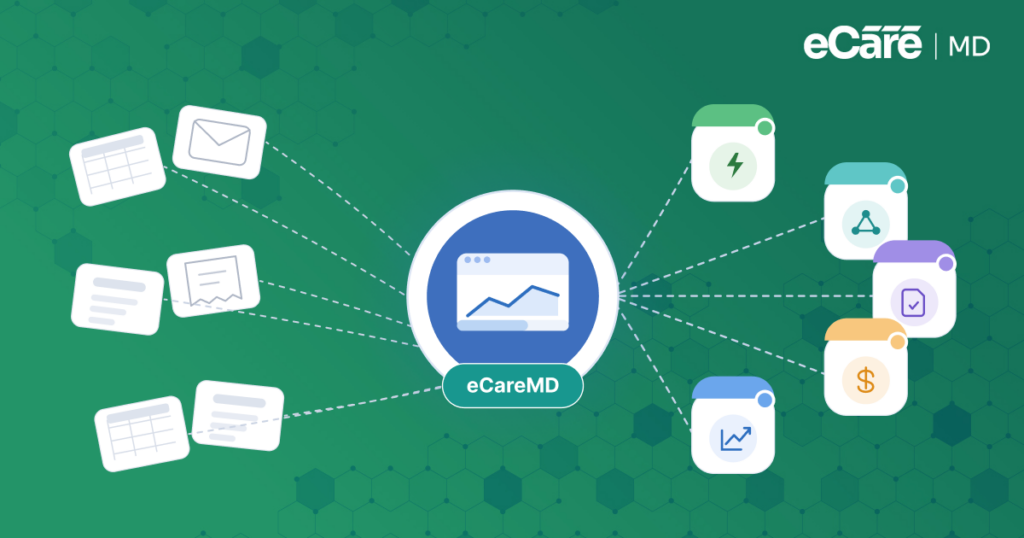
A care management system can bring patient information, care activities, documentation, and task tracking into one place. Instead of searching through spreadsheets or different systems, care teams can quickly see what has been completed and what still needs attention. Centralized workflows also make unresolved activities easier to spot before the monthly cycle closes.
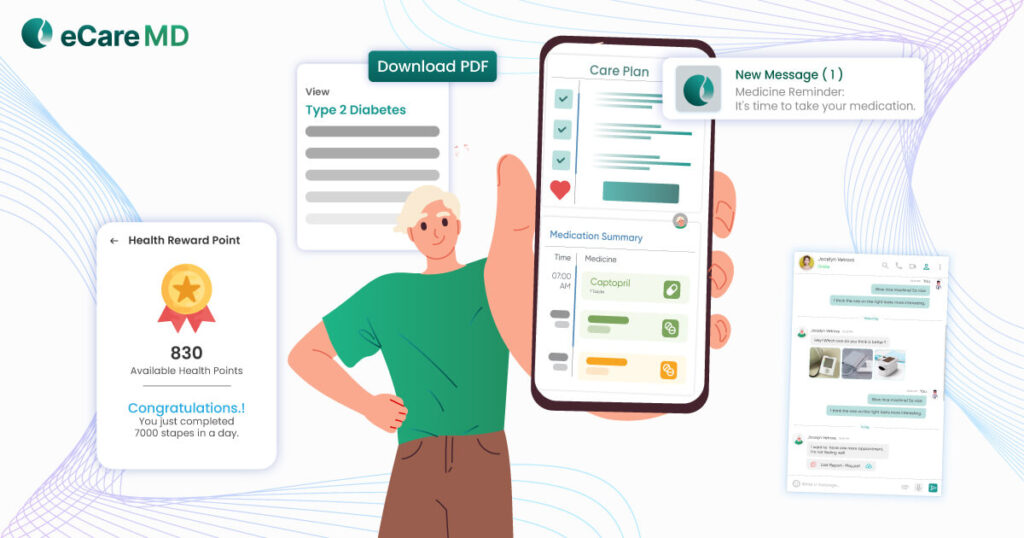
Technology can also help with the repetitive side of CCM. A chronic care management app can support recurring outreach, task reminders, care plan activities, documentation, and follow-ups, reducing the amount of manual tracking required from staff.
But technology has its limits. It cannot decide who should contact a patient, ensure a care manager follows through on an assigned task, or replace accountability within the care team. If responsibilities are unclear, simply adding another tool will not solve the underlying problem.
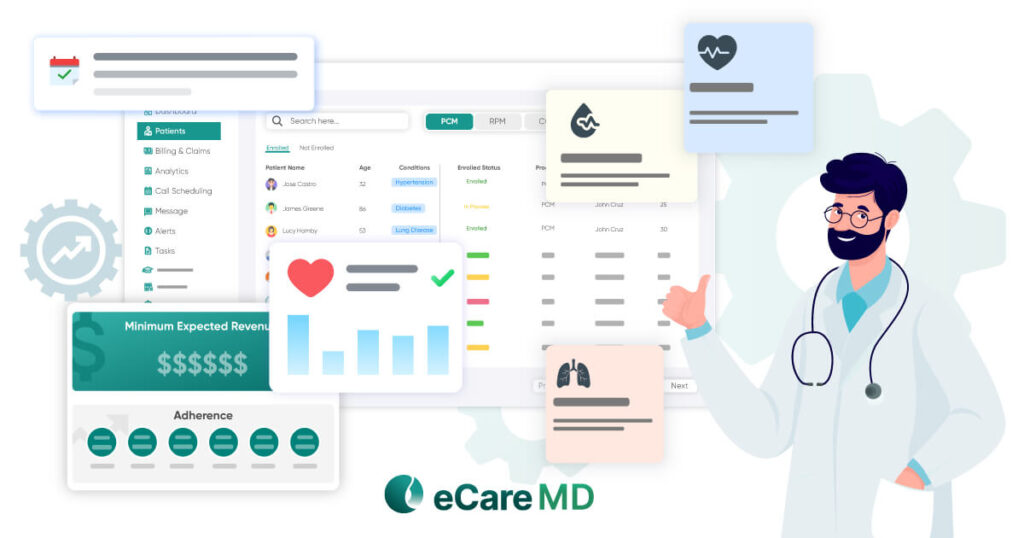
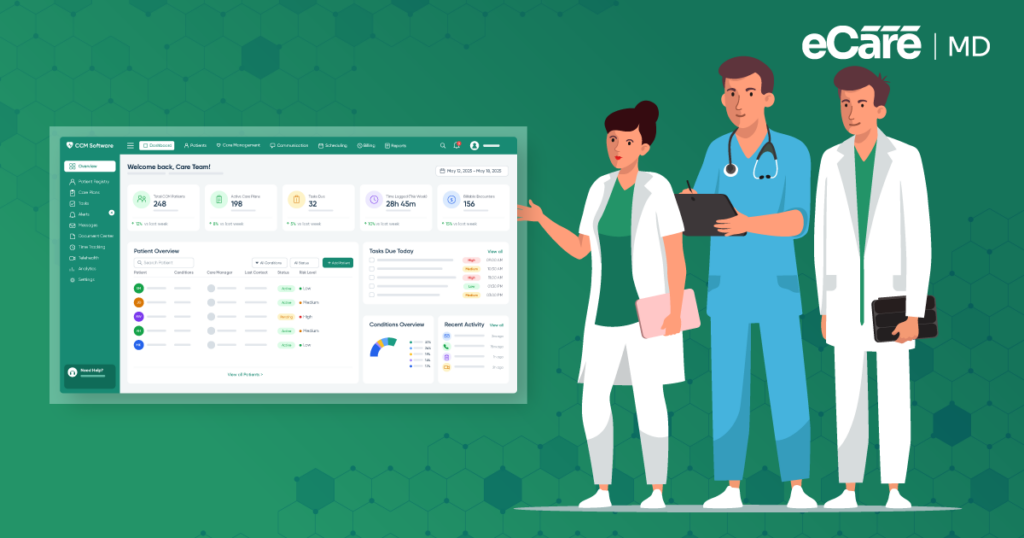
This is where the right balance matters. eCareMD, developed by Medarch Inc., helps practices organize recurring CCM workflows, improve visibility into operational gaps, and reduce unnecessary manual work, while keeping the people responsible for patient care firmly in the loop. Technology can make the path smoother, but the care team still has to steer the ship.
Ongoing CCM Pitfall Prevention Checklist
Preventing CCM program pitfalls is an ongoing process. As patient enrollment and team responsibilities change, practices should regularly check whether their workflows are still working as intended.
- Keep patient information current. Update contact details, care plans, eligibility information, and other relevant records.
- Assign ownership for recurring CCM activities. Make sure every task has a clear owner to prevent missed or duplicated work.
- Complete outreach within the monthly cycle. Track scheduled calls and follow-ups so they do not pile up at month-end.
- Maintain centralized CCM documentation. Keep patient interactions, care activities, and related records organized and easy to access.
- Review unresolved tasks regularly. Address pending activities before they carry over into the next cycle.
- Monitor recurring workflow gaps. Look for patterns in missed tasks, delayed documentation, or repeated handoff issues.
- Reduce unnecessary manual tracking. Replace repetitive spreadsheets and disconnected processes with structured digital workflows where practical.
- Reassess workflows as enrollment changes. A process that works for 50 patients may not work as well for 200, so adjust workflows as the program grows.
Conclusion
CCM programs do not usually struggle because of one major mistake. More often, it is a series of small gaps like outdated patient information, missed outreach, incomplete documentation, unclear responsibilities, or too much manual tracking that gradually become bigger CCM program pitfalls.
The key is to catch these issues before the monthly cycle closes. Regular workflow reviews, clear task ownership, and centralized documentation can help care teams stay organized and prevent recurring problems from becoming part of the routine.
Technology can make this process easier by reducing unnecessary manual work and giving teams better visibility into pending activities. A chronic care management app can support recurring workflows, while still leaving the decisions and accountability where they belong with the care team.
eCareMD, developed by Medarch Inc., brings these capabilities together to help practices manage CCM activities in a more organized way. By combining centralized information, structured workflows, and better visibility, it can help practices reduce avoidable operational gaps and build a CCM program that is easier to manage as it grows.
Top 10 Essential Tips for Avoiding Common CCM Pitfalls
Schedule time with meFrequently Asked Question’s
Common CCM program pitfalls include inconsistent patient tracking, missed outreach, incomplete documentation, unclear care team responsibilities, and overreliance on manual processes. These issues can lead to missed activities, workflow delays, documentation gaps, and administrative errors. Regular workflow reviews, clear task ownership, centralized records, and structured digital processes can help practices identify and prevent these problems before they affect monthly CCM performance.
Practices can avoid common CCM program mistakes by maintaining accurate patient information, assigning clear ownership for recurring activities, completing outreach on schedule, and keeping documentation centralized. Regularly reviewing unresolved tasks can also help teams catch problems before the monthly cycle closes. As enrollment grows, practices should reassess their workflows and reduce unnecessary manual tracking to keep CCM activities manageable and consistent.
The biggest chronic care management challenges include managing growing patient enrollment, coordinating recurring activities, maintaining complete documentation, and keeping staff responsibilities clear. Practices may also struggle with manual tracking, missed outreach, and disconnected information. These challenges can become more noticeable as programs expand. Establishing repeatable workflows, centralized documentation, and regular performance reviews can help teams maintain consistency without adding unnecessary administrative burden.
Inconsistent patient tracking can cause staff to work with outdated or incomplete information. This may result in missed follow-ups, incorrect care activities, duplicated work, or delays in documentation. When patient information is centralized and regularly updated, care teams have better visibility into current patient needs and program activities. This makes it easier to coordinate monthly CCM work and identify issues before they affect program performance.
Practices can prevent missed CCM patient outreach by creating defined schedules and assigning clear responsibility for each recurring outreach activity. Task reminders and centralized tracking can help care managers see which patients need attention and which activities remain incomplete. Reviewing outreach progress throughout the month, rather than waiting until the end of the cycle, also gives teams time to address missed or delayed follow-ups.
Practices can improve CCM documentation by establishing consistent documentation processes and keeping patient records centralized. Care teams should record relevant activities as they occur rather than trying to reconstruct them at the end of the month. Standardized workflows can make documentation more consistent, while regular reviews can identify missing information. This also makes it easier to verify completed CCM activities when needed.
As a CCM program grows, practices should regularly reassess workflows, monitor unresolved activities, and identify recurring problems. Clear accountability becomes increasingly important because more patients and tasks mean more opportunities for missed handoffs or duplicated work. Centralized patient information, structured workflows, and regular performance reviews can help practices scale their programs while keeping daily operations organized and manageable.
Yes. A care management system can help practices centralize patient information, organize recurring activities, track outstanding tasks, and maintain CCM documentation. This can reduce reliance on spreadsheets and disconnected tools while improving visibility into the monthly workflow. However, technology cannot replace staff accountability. Practices still need clear processes, defined responsibilities, and regular reviews to ensure that the right activities are completed.
A chronic care management app can support recurring CCM activities such as patient outreach, task tracking, care plan management, documentation, and follow-ups. By bringing these activities into a structured digital workflow, the app can reduce repetitive manual tracking and make unresolved tasks easier to identify. This gives care teams better visibility while helping them manage monthly CCM responsibilities more consistently as enrollment increases.
Practices can use CMS guidance, internal workflow checklists, CCM documentation standards, staff training resources, and care management technology to strengthen program management. Regular reviews of patient tracking, outreach, documentation, and task ownership can also reveal areas for improvement. A structured CCM platform such as eCareMD can provide additional support by organizing recurring activities, centralizing information, and improving visibility into day-to-day program operations.

























![The Future of Remote Patient Monitoring: CMS Innovations & Emerging Trends [2026]](/wp-content/uploads/2024/07/Blog-36-The-Future-of-Remote-Patient-Monitoring_-Trends-AI-Innovation-CMS-Updates-for-2026-1024x538.png)