Last Updated: July 27, 2026
More than 90% of US adults aged 65 and older are living with at least one chronic condition. On the other hand, 75% of adults between ages 35–64 and nearly 60% of younger adults ages 18–34 also have at least one chronic condition.
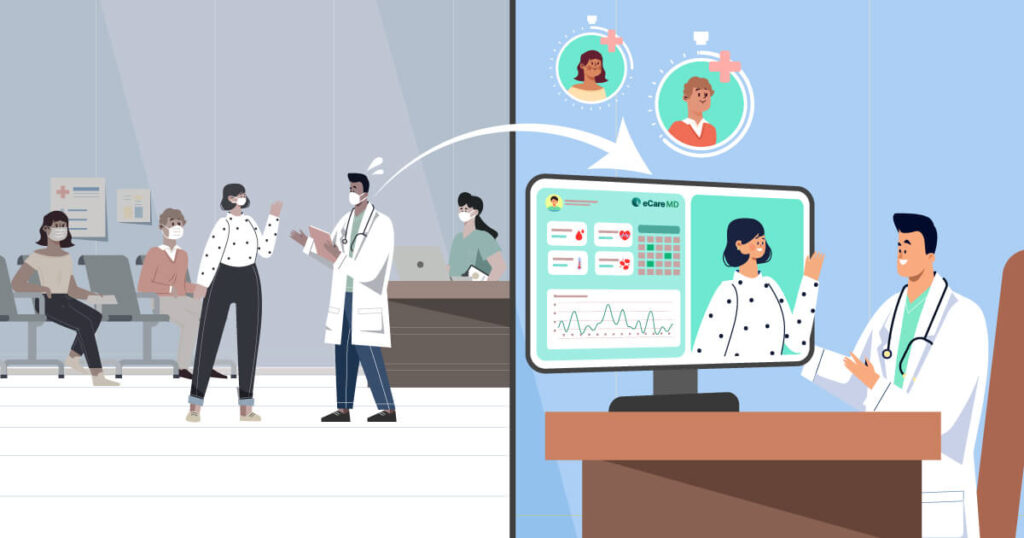
As patient numbers continue to increase, healthcare providers are now realizing that traditional follow-ups and in-office visits will not be enough to manage chronic care. And this is the key reason why many practices are adopting smart and connected care models like Remote Patient Monitoring (RPM) and Chronic Care Management (CCM).
But are these two actually the same?
Well, even though both programs support long-term patient care, they serve different purposes. By understanding RPM vs CCM, you can enhance patient outcomes, strengthen care coordination, and unlock new revenue opportunities.
In simple terms, RPM helps you to focus more on tracking your patient health remotely; on the other hand, CCM helps you focus on ongoing care coordination and patient communication.
Now, what if RPM and CCM team up? Does this combo actually work?
In fact, the real magic happens when RPM and CCM work together to create a more proactive care experience. But, how?
In this blog, let’s break down the difference between RPM and CCM and explore how both programs work together to enhance patient care and practice performance.
What Is RPM & CCM in Healthcare
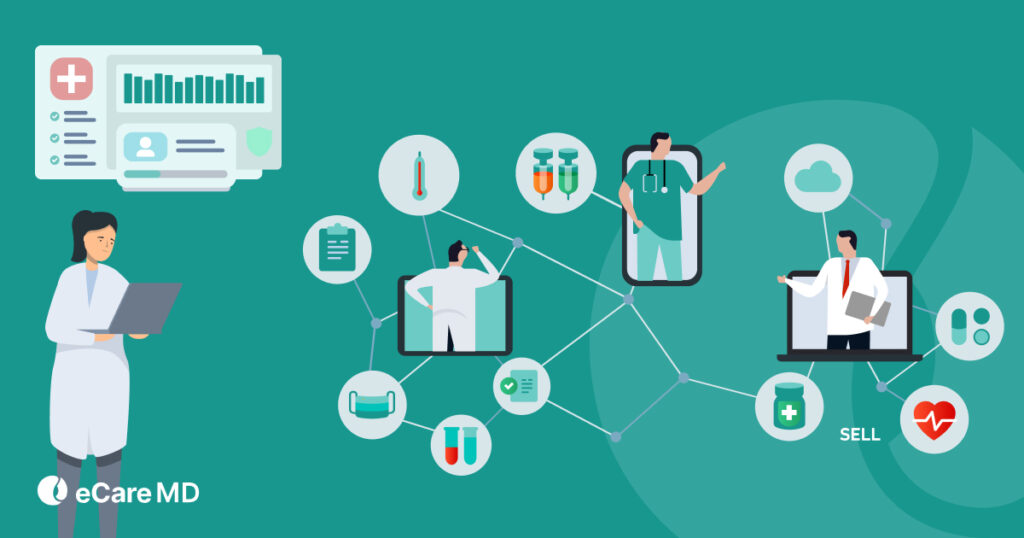
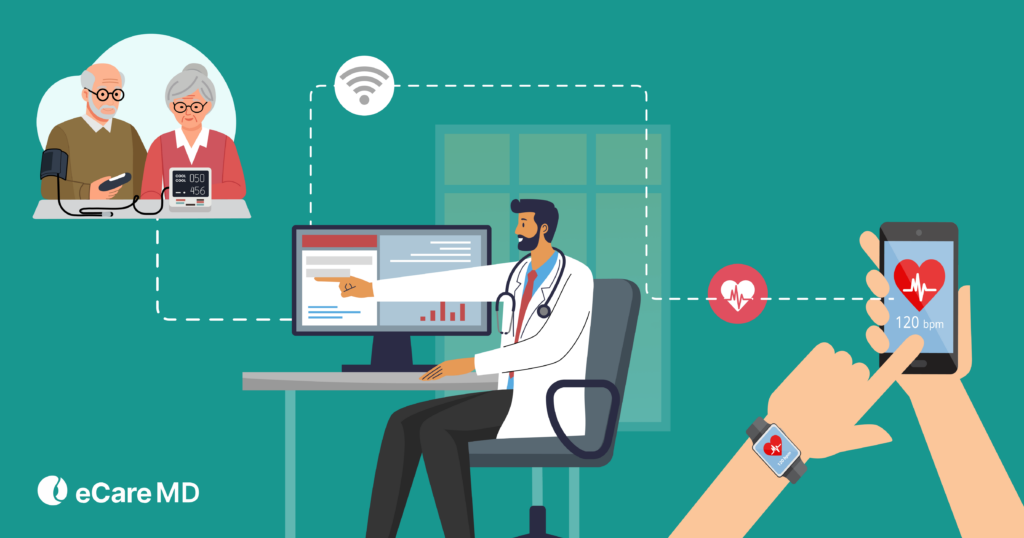
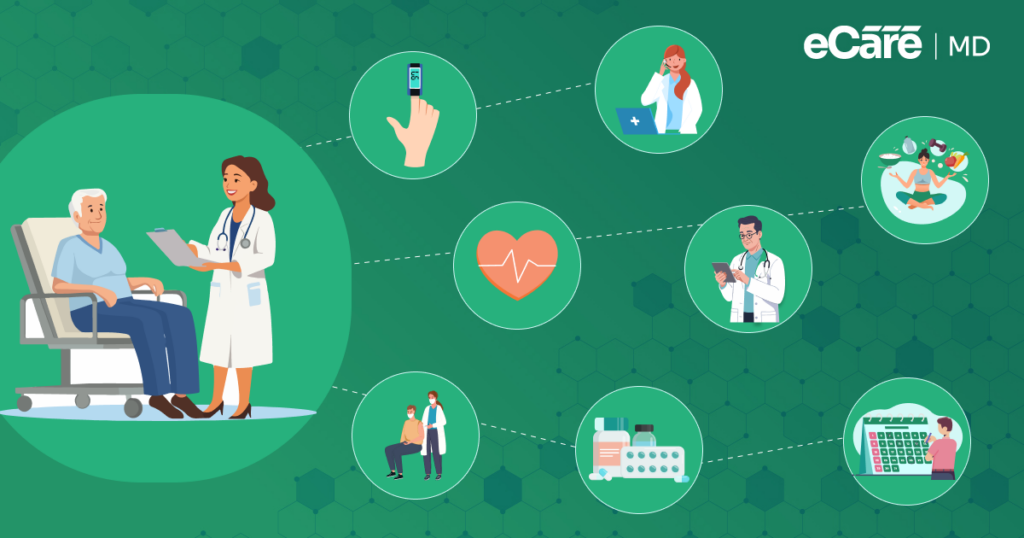
As we discussed earlier, day-by-day chronic care becomes more complex, and due to this, many healthcare professionals are using smarter care models to support patients beyond occasional office visits. Among them, two of the smartest programs are Remote Patient Monitoring (RPM) and Chronic Care Management (CCM).
The main difference between RPM and CCM is how they support patients as well as providers throughout the whole care journey.
Let’s explore these smarter programs one by one:
1. RPM (Remote Patient Monitoring):
- Focuses on collecting physiologic health data remotely
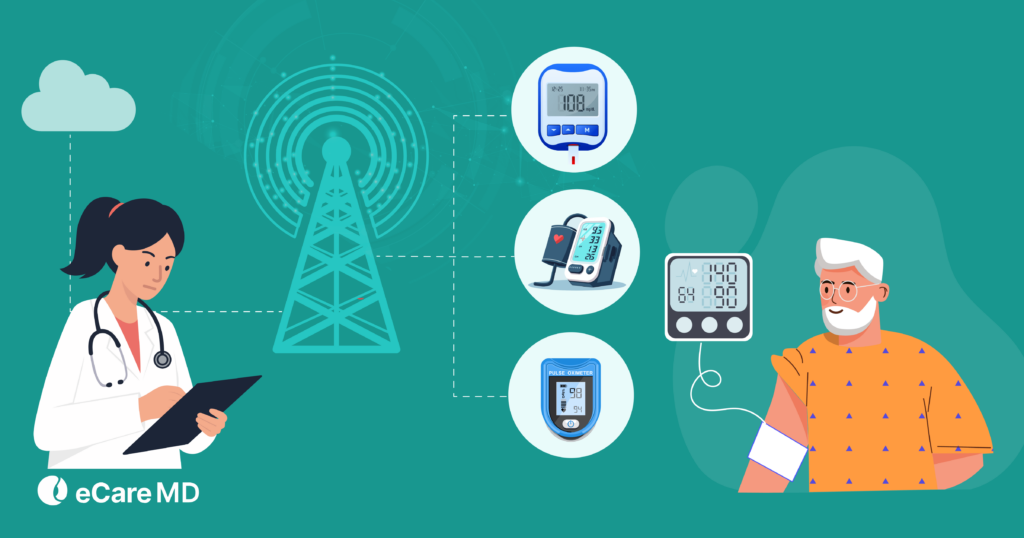
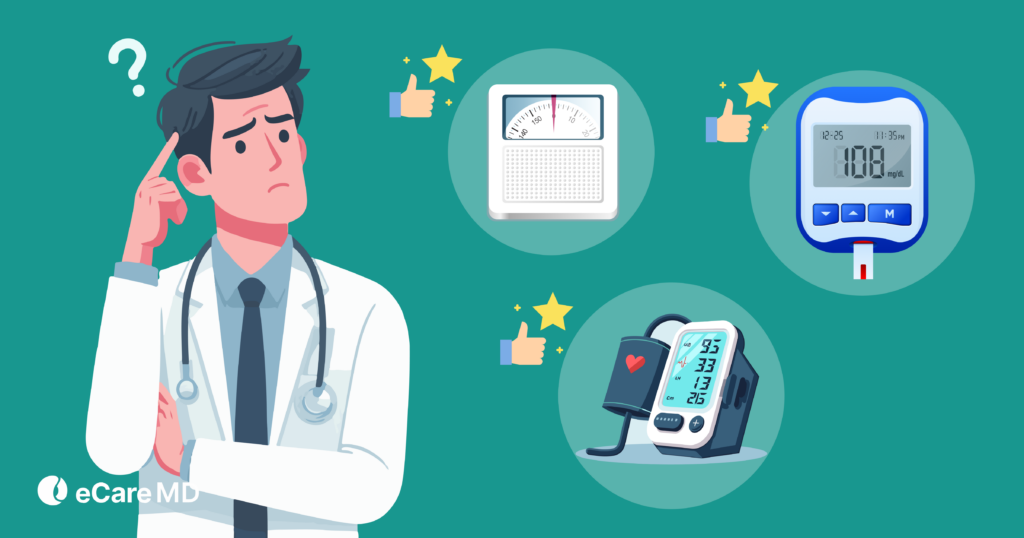
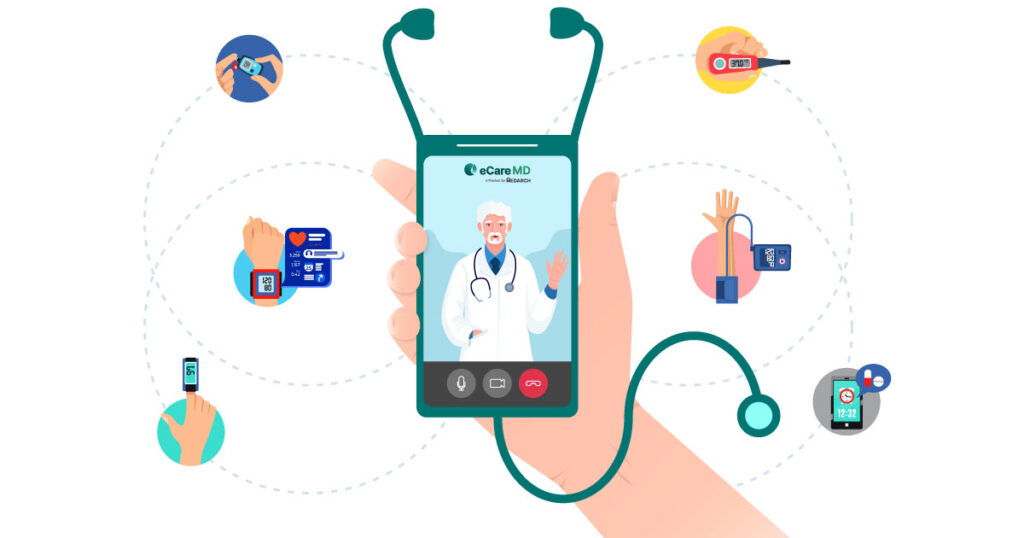
- Uses connected devices like blood pressure monitors, glucose meters, pulse oximeters, and weight scales
- Helps providers continuously monitor patients between visits
- Supports early intervention by identifying health changes in real time
- Allows care teams to respond faster before a patient’s condition becomes serious
Simply put, RPM is a data-driven approach that gives you a clearer picture of your patients’ day-to-day health outside the clinic. It can result in improvement in patient engagement and reduction in avoidable patient visits, as well as emergency care situations.
2. CCM (Chronic Care Management):
- Focuses on ongoing care coordination for patients with chronic conditions
- Includes non-face-to-face care management and patient communication
- Supports medication management, care planning, and follow-ups
- Delivered as structured chronic care management services for long-term patient support
- Helps patients stay connected with their care team between appointments
As opposed to RPM, CCM is more care-driven, focusing more on managing the overall patient experience. From coordinating treatments to improving communication, CCM helps you to make sure that everything works well in long-term chronic care management.
Key Differences Between RPM & CCM
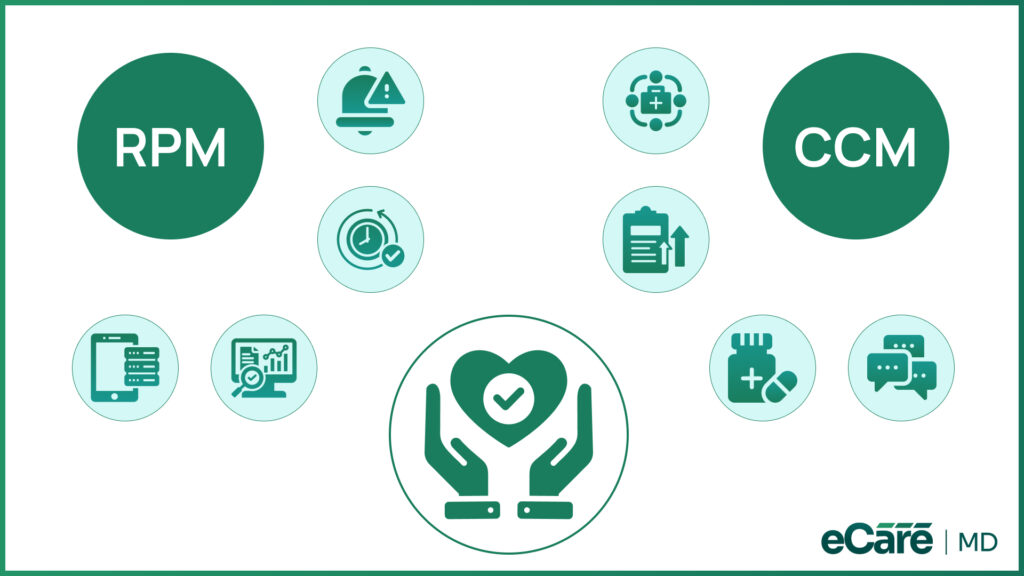
As mentioned earlier, even though both programs support chronic patient care, they were actually built for different purposes as well as workflows. Many providers get confused between these two, as they are used together. However, understanding the differences between remote patient monitoring vs chronic care management is necessary for you to enhance care delivery, choose the right clinical strategy, and optimize reimbursement opportunities.
Let’s have a look at the difference between RPM & CCM:
| Aspect | RPM | CCM |
|---|---|---|
| Clinical Focus | Physiologic monitoring | Care coordination and planning |
| Data Source | Device-generated data | Patient interaction and care plans |
| Device Requirement | Required | Not required |
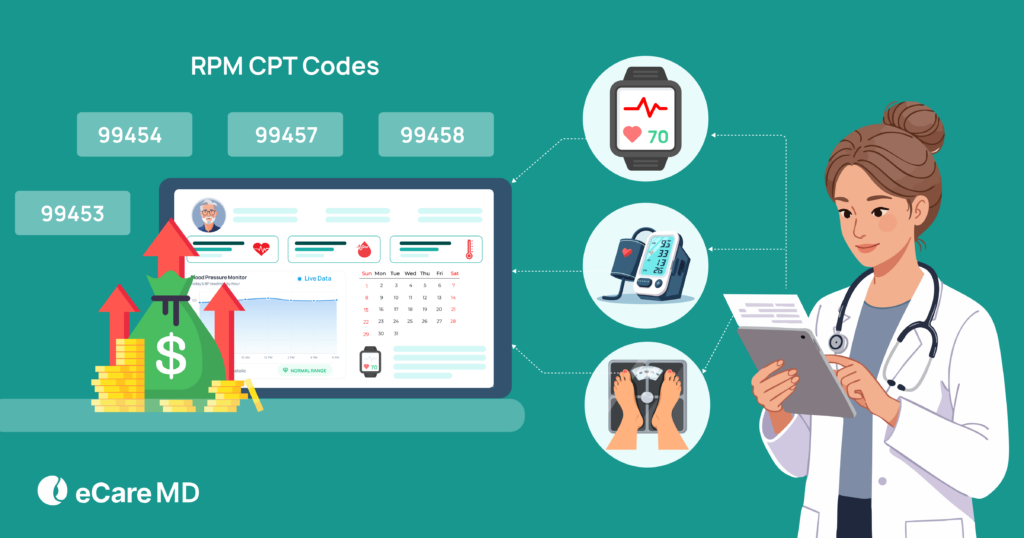
| Billing Codes | 99453, 99454, 99457, 99458 | 99490, 99439, 99487, 99489 |
| Time Structure | Monitoring + clinical review | Monthly care coordination time |
You can simply think of RPM vs CCM as monitoring versus management. RPM prioritizes the collection of your patient health data in real-time through connected devices, while CCM prioritizes communication, follow-ups, and long-term care coordination.
Can RPM & CCM Be Billed Together? (CMS Guidelines)
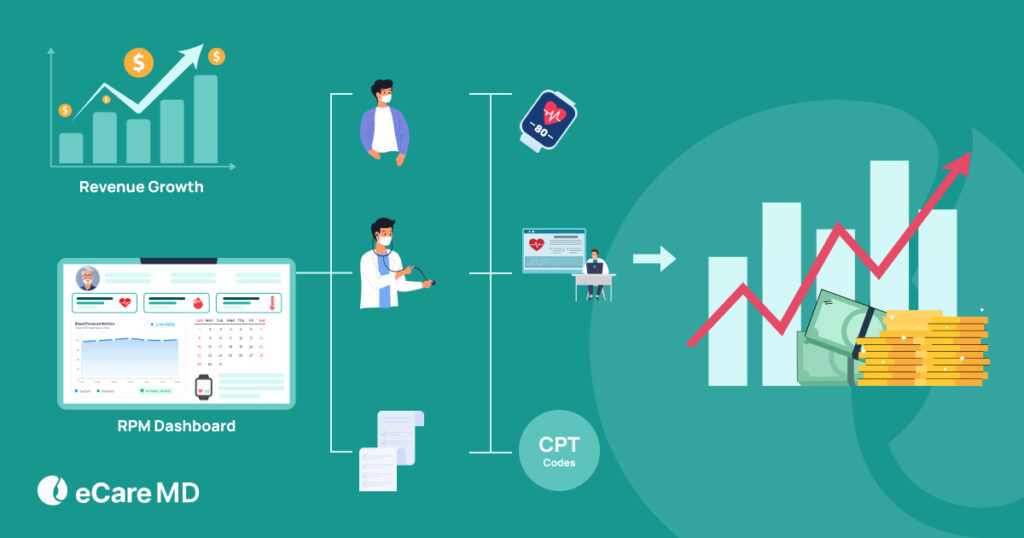
The answer to this question is yes, Medicare allows RPM and CCM together for the same patient. This gives you an opportunity to enhance patient care, as well as increase reimbursement potential. However, achieving all these is not that easy.
You must follow specific CMS documentation and billing requirements to stay compliant. In short, practices cannot bill for the same work twice or mix overlapping services, often referred to as “double dipping.”
If you are looking to maximize revenue without creating compliance risks, then understanding how RPM and CCM can be billed together is necessary for you. If managed correctly, both of these programs can assist in supporting better patient outcomes and more sustainable care management workflows.
Here are the key CMS requirements for billing RPM and CCM together:
1. Separate Documentation:
For both RPM and CCM services, you should separate documentation. For RPM, you should document physiologic data collection, device setup, monitoring activities, and clinical reviews. And for CCM, documentation should include care coordination activities, medication management, follow-ups, and patient communication.
If you keep all these records separately, it will be easy for you to stay compliant during audits and reduce billing risks.
2. Distinct Time Tracking:
As per CMS guidelines, you should track time for RPM and CCM independently. For example, the time you spent on reviewing your patient vitals via RPM devices cannot also be counted toward CCM care coordination minutes. This distinction is important as both programs have their own billing thresholds and reimbursement structures.
With accurate time tracking, you can ensure that you are paid correctly without violating CMS rules.
3. No Overlapping Services (“No Double Dipping”):
Avoiding overlapping services is a key compliance requirement. On the basis of CMS guidelines, you cannot bill the same clinical activity under different programs twice. For instance, if your care team spends time reviewing RPM data, you cannot bill the same activity as CCM care coordination. If your practice has clear operational workflows, it will become easier to make sure that each billed service is unique and properly assigned.
It is important to understand the difference between RPM and CCM for Medicare billing to not only optimize compliance, but also revenue. Furthermore, to support proactive patient care, strengthen engagement, and achieve healthier reimbursement outcomes, these programs can work hand in hand.
How RPM & CCM Work Together in Patient Care
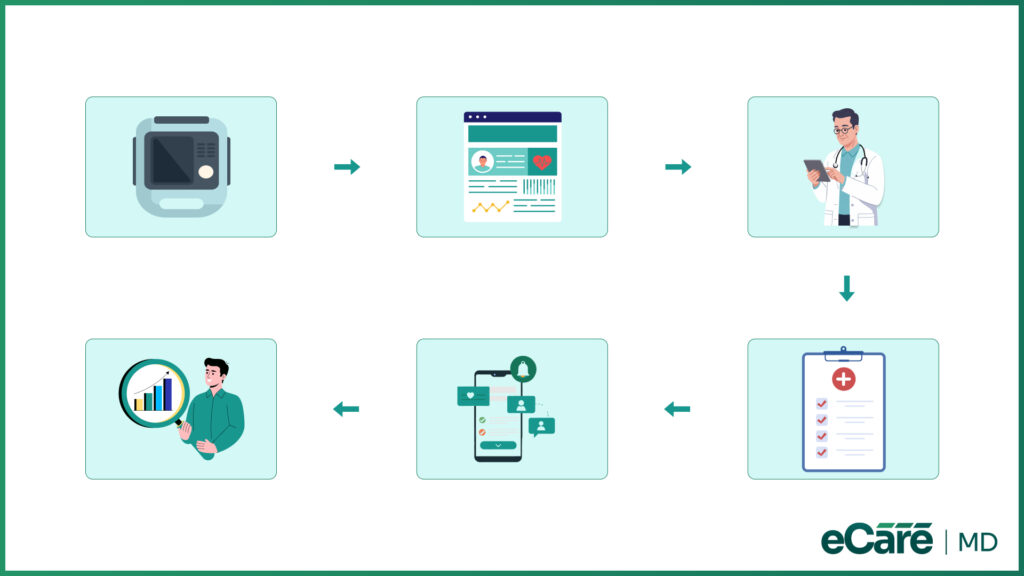
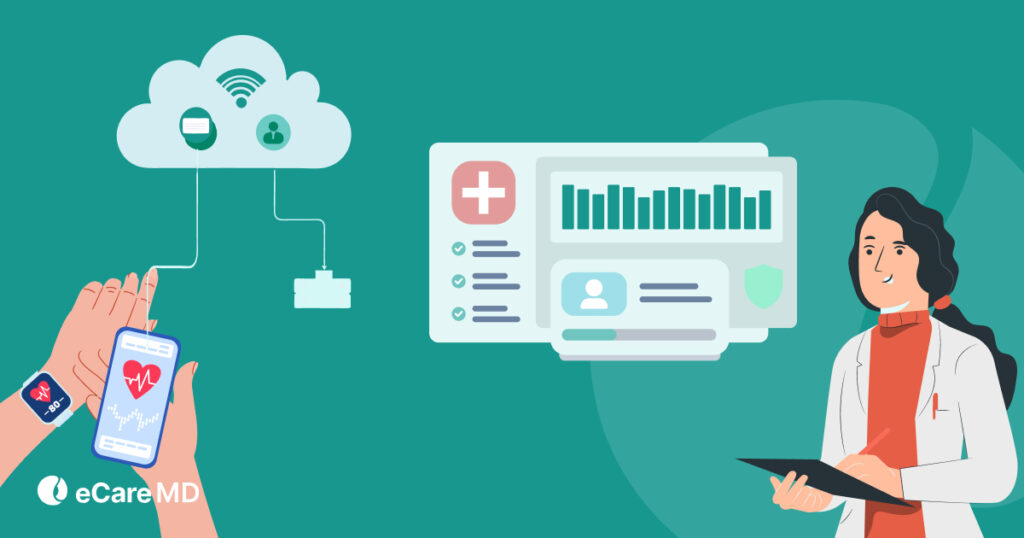
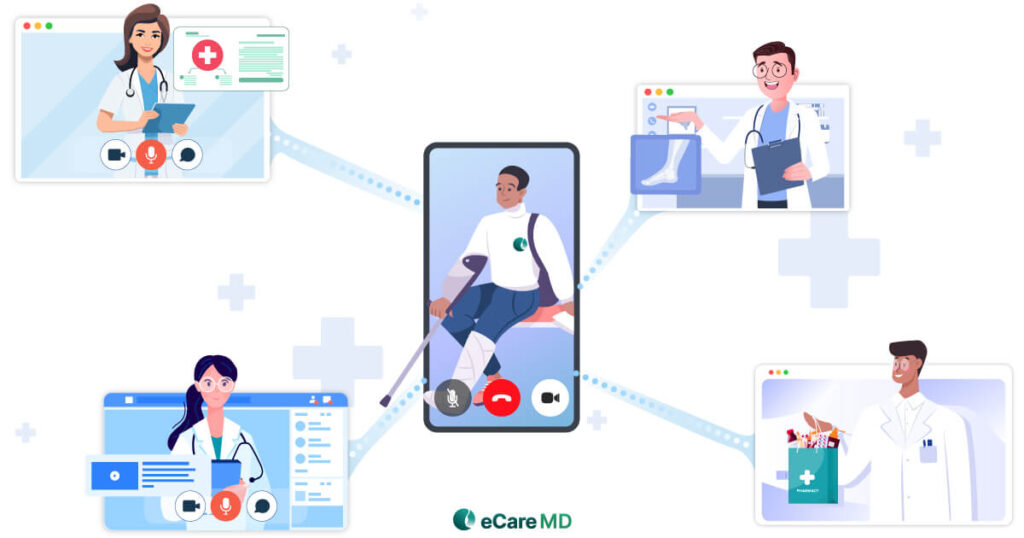
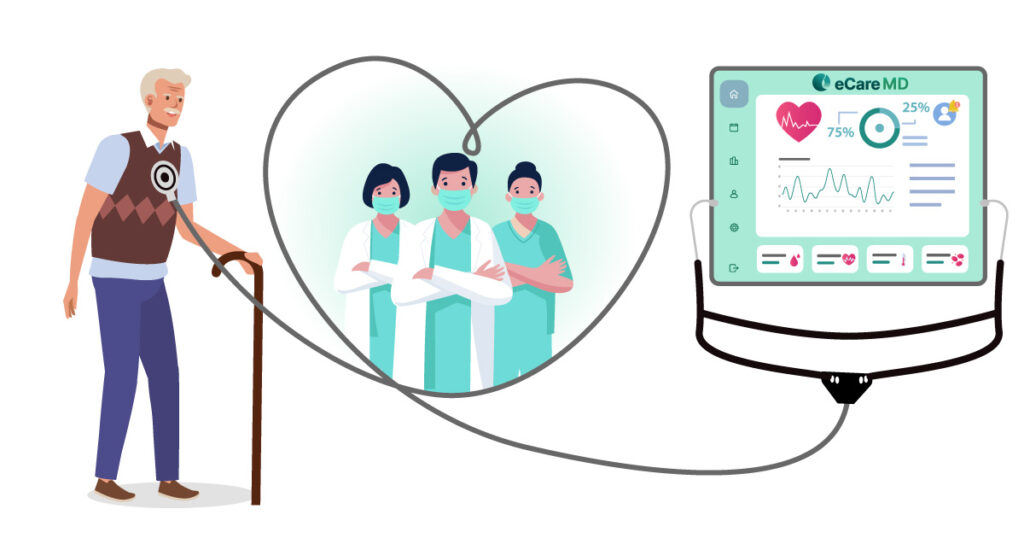
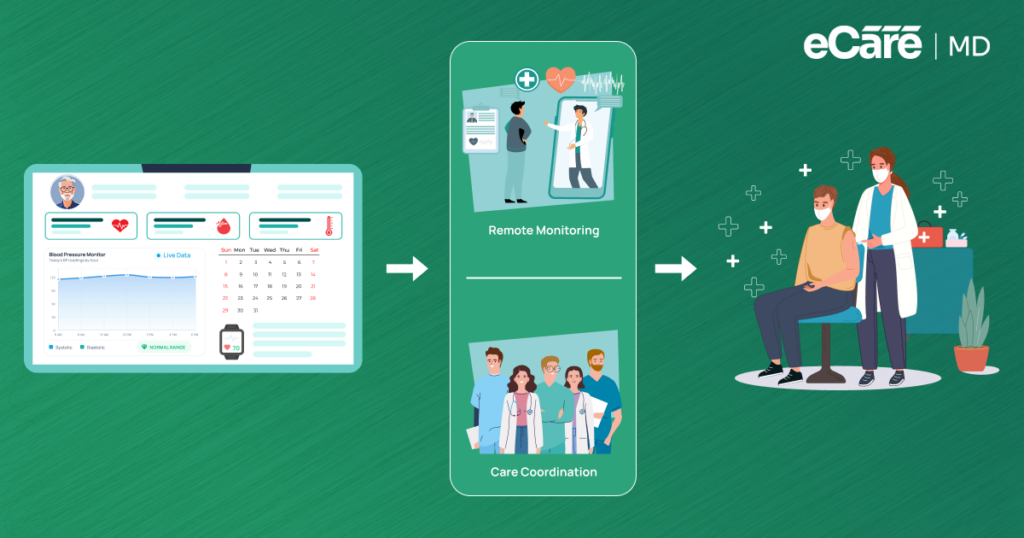
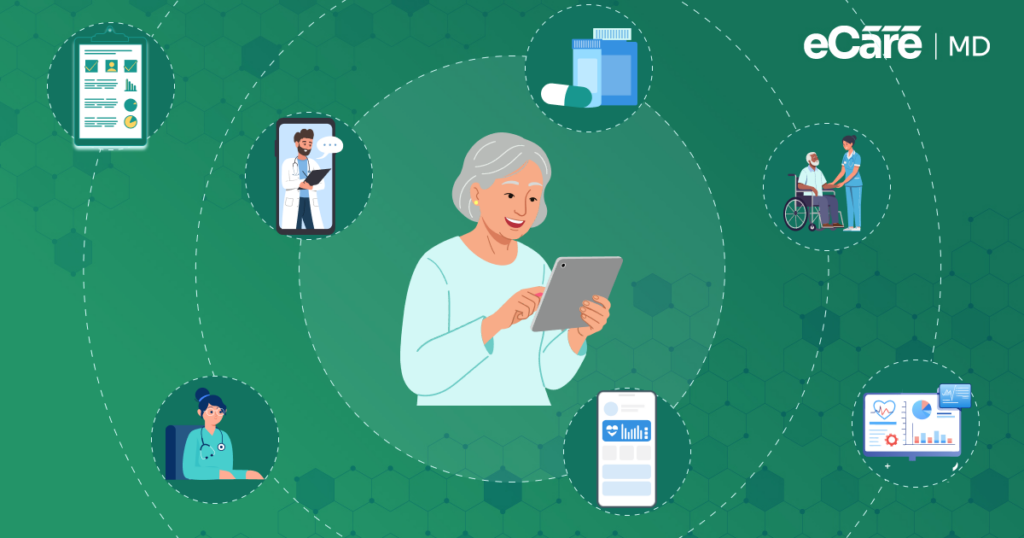
The real value of these two programs lies in using RPM and CCM as part of the same care strategy. When RPM and CCM work together, they support a connected workflow, helping you to monitor patients, respond faster, and enhance long-term care management.
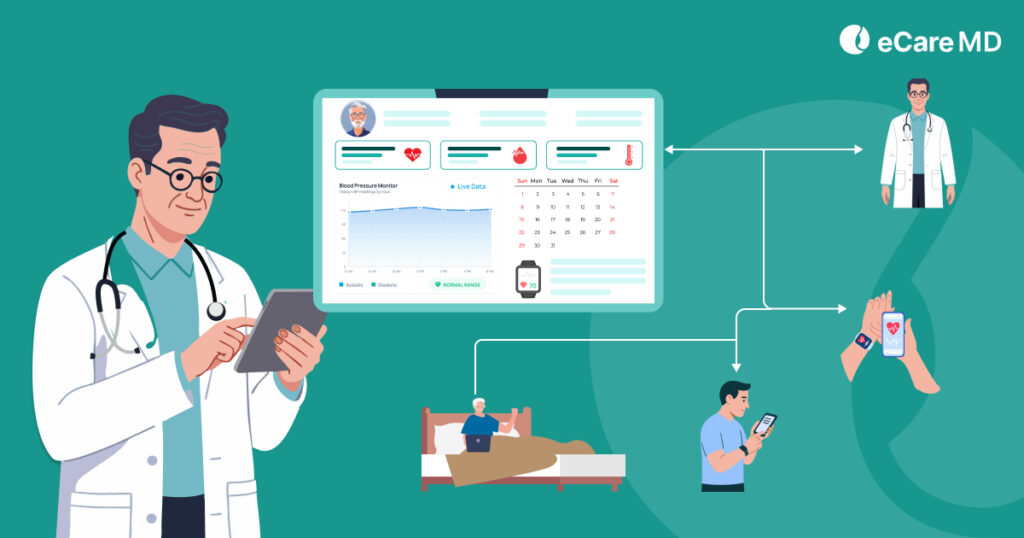
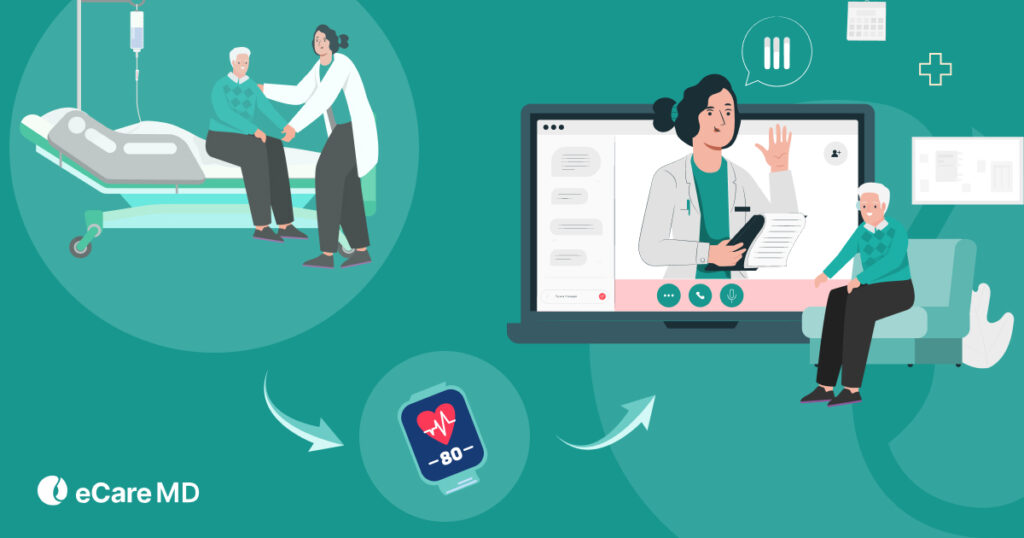
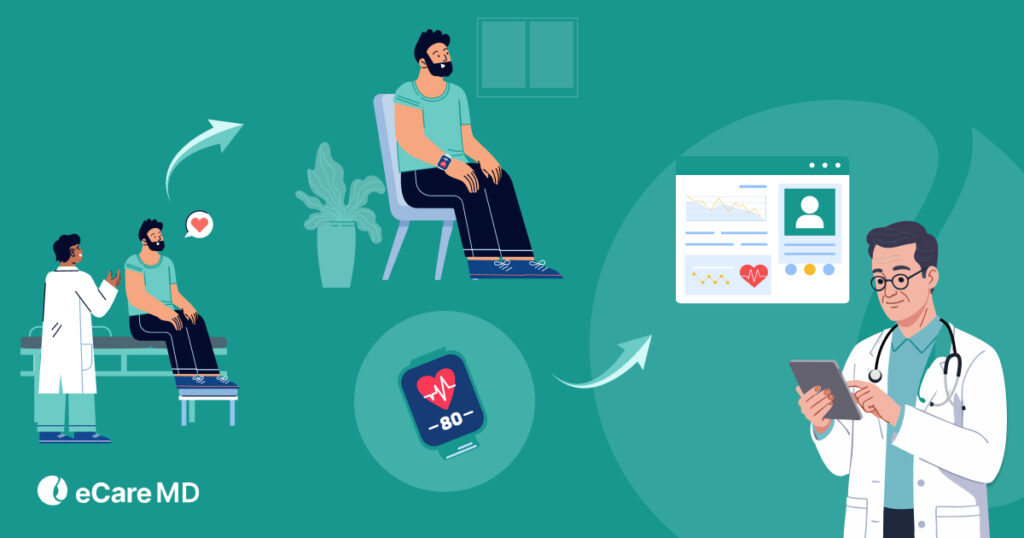
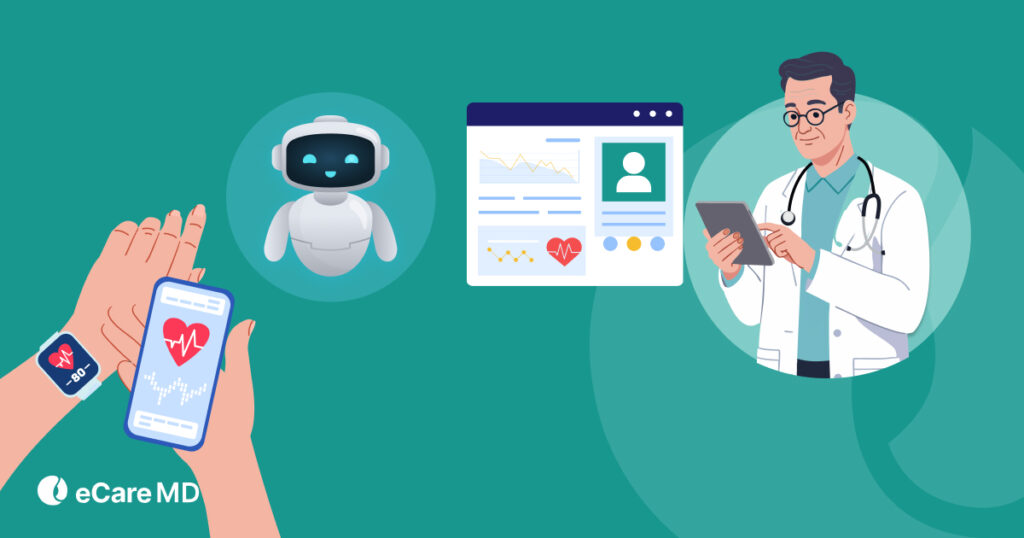
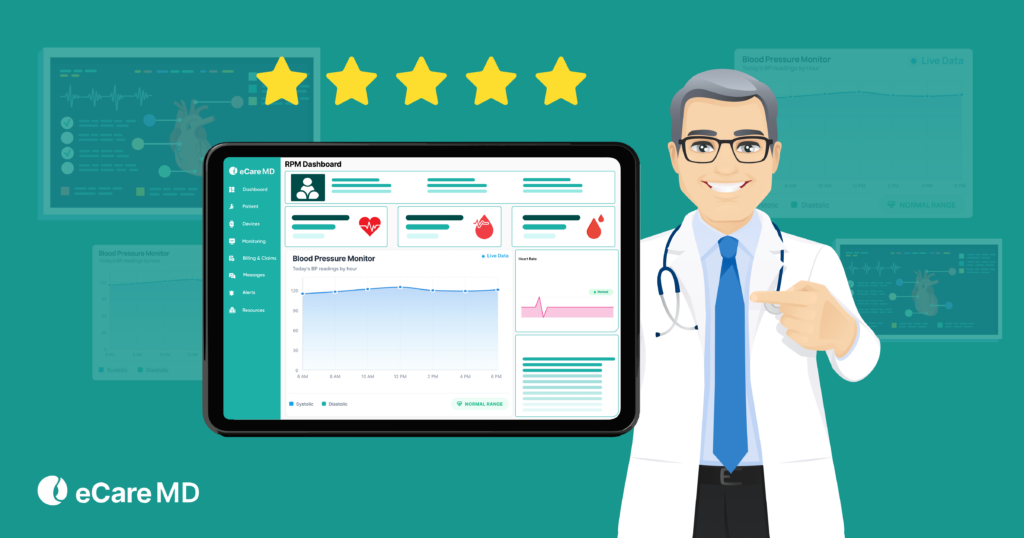
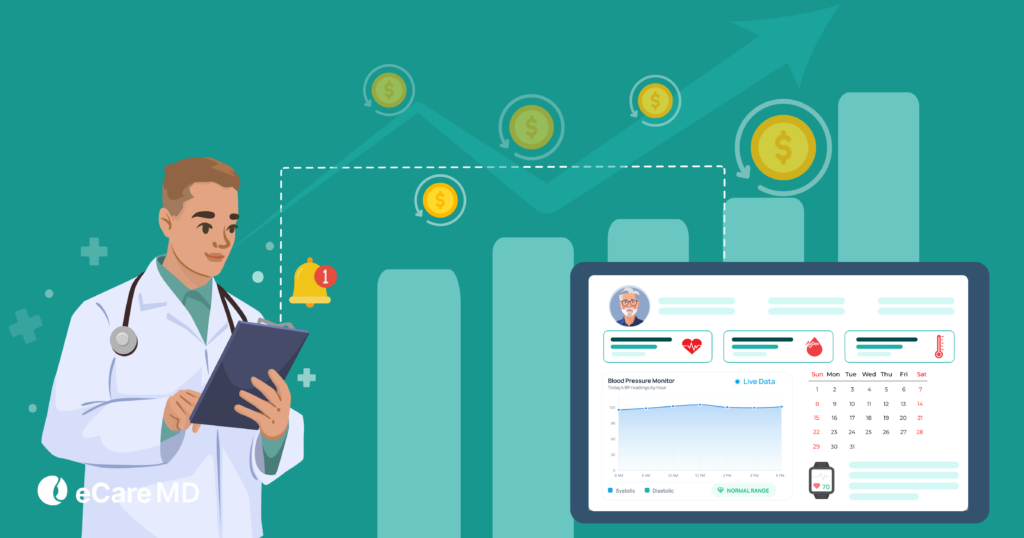
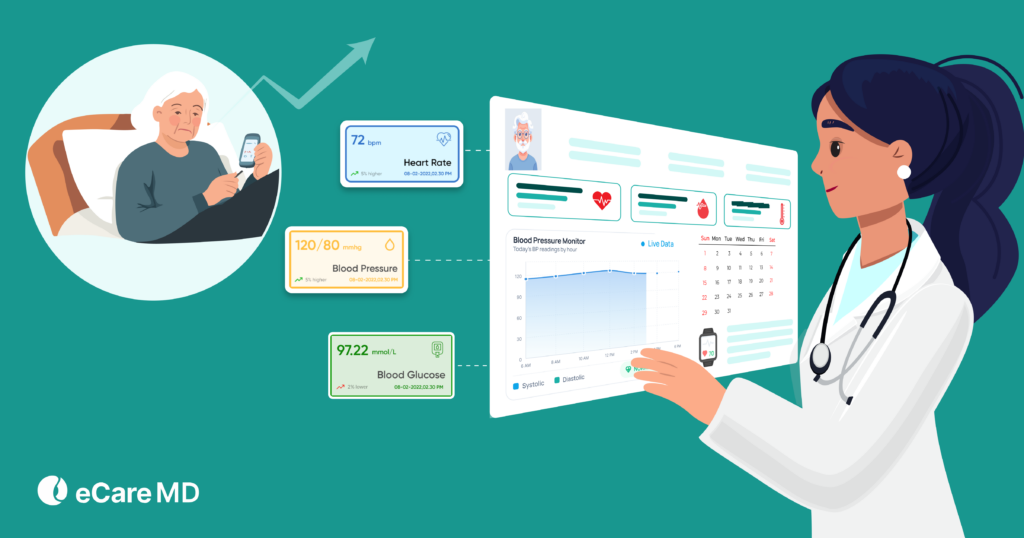
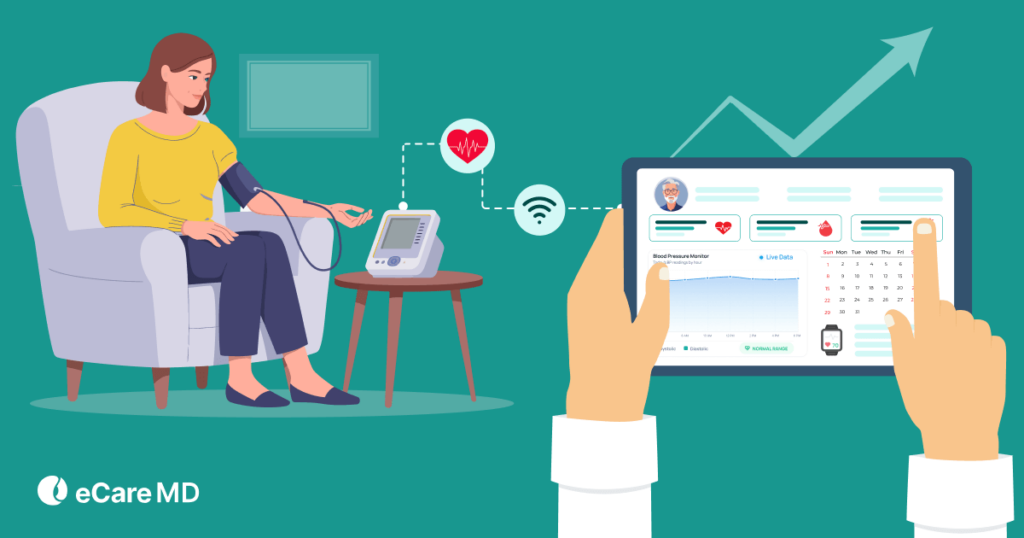
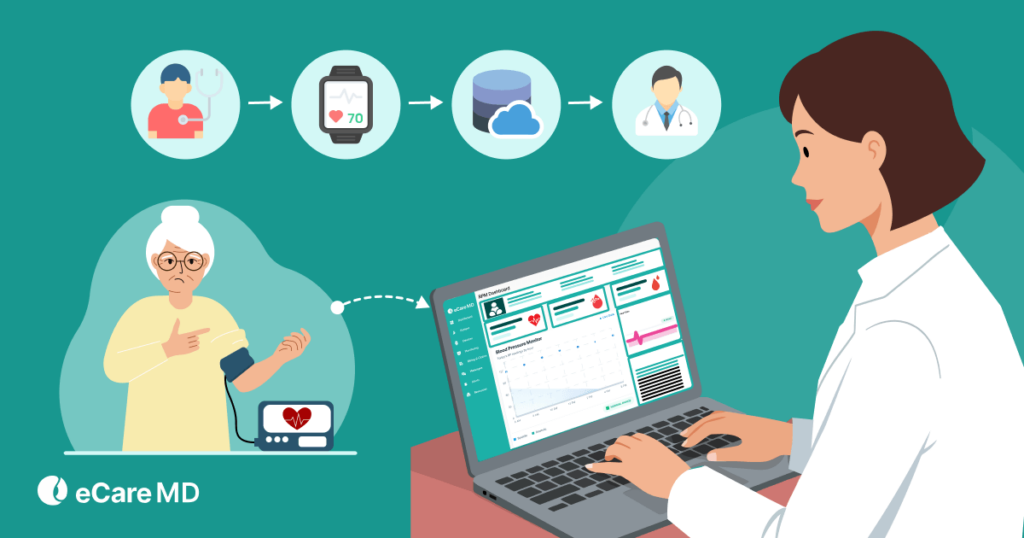
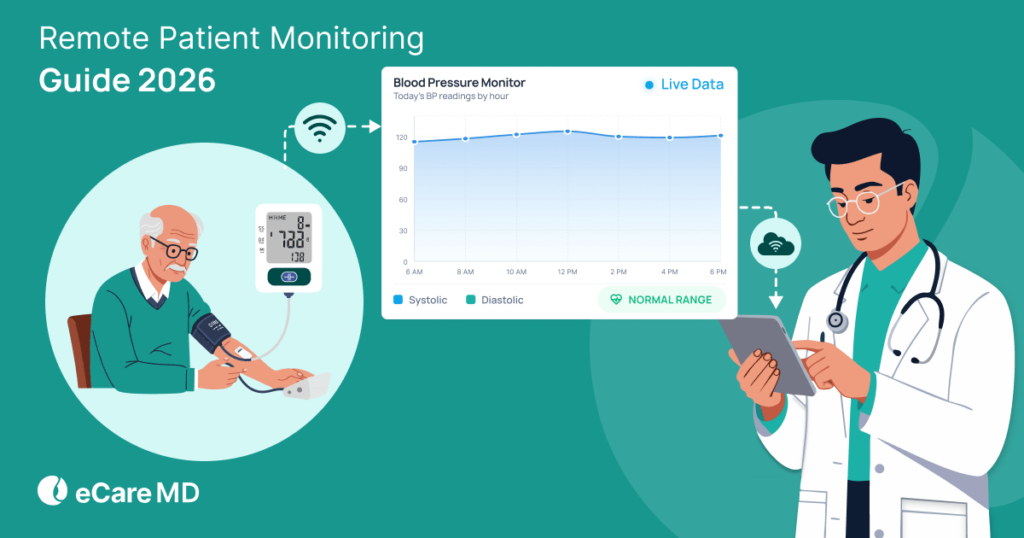
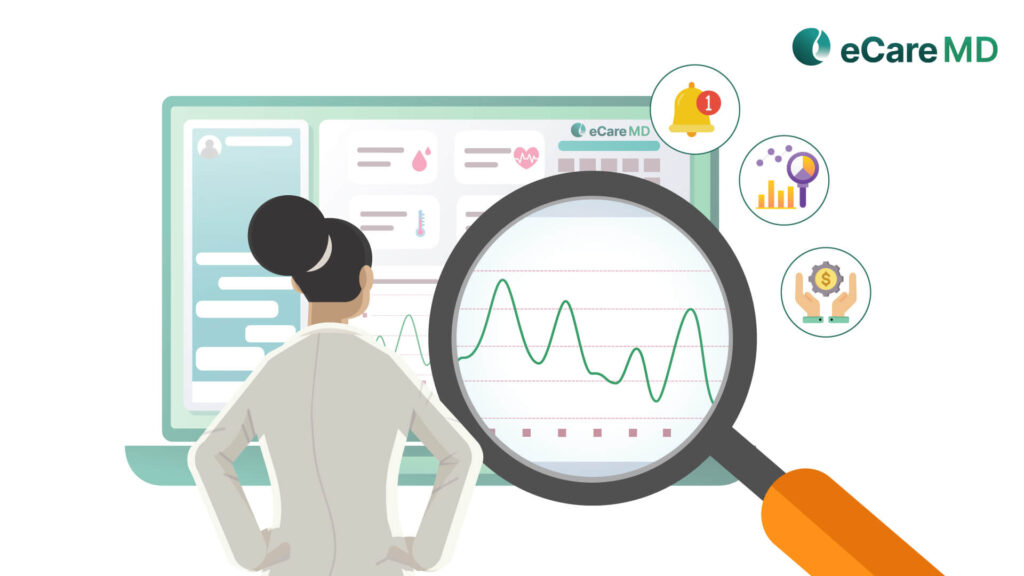
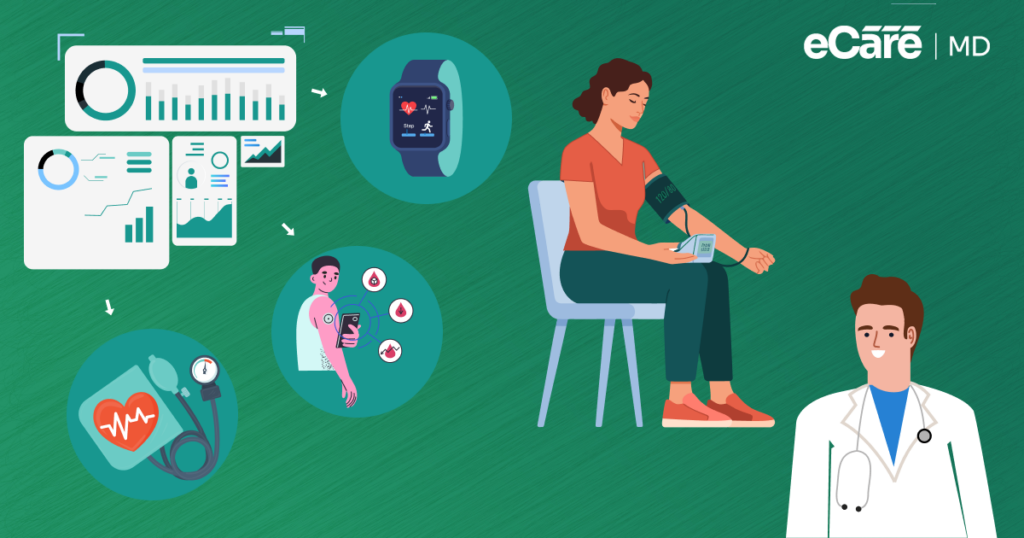
Through connected devices like glucometers, pulse oximeters, smart scales, etc, RPM collected real-time physiologic data. This physiologic data includes blood pressure, glucose levels, oxygen saturation, and weight. With this data, you can easily identify sudden changes in your patient’s health and can intervene early, avoiding complications.
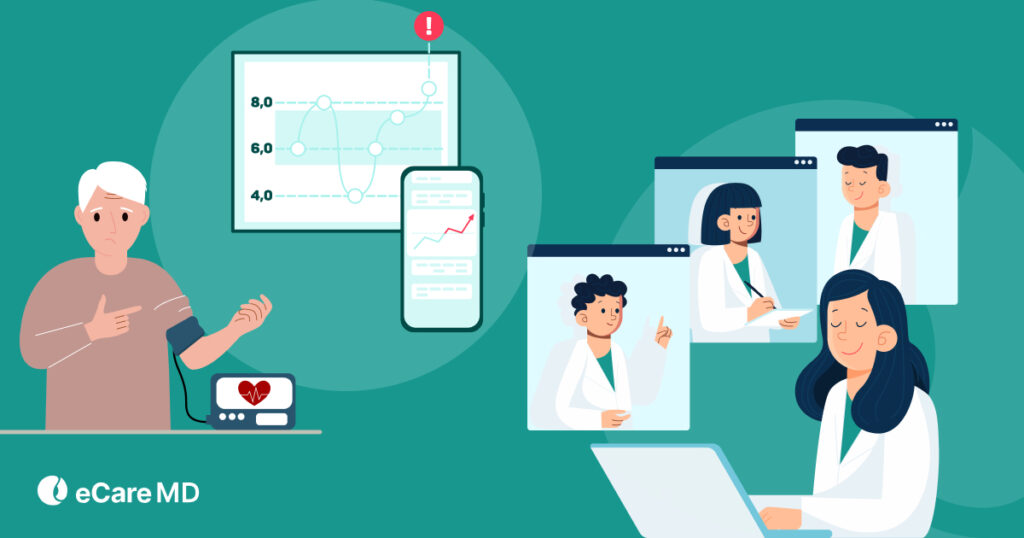
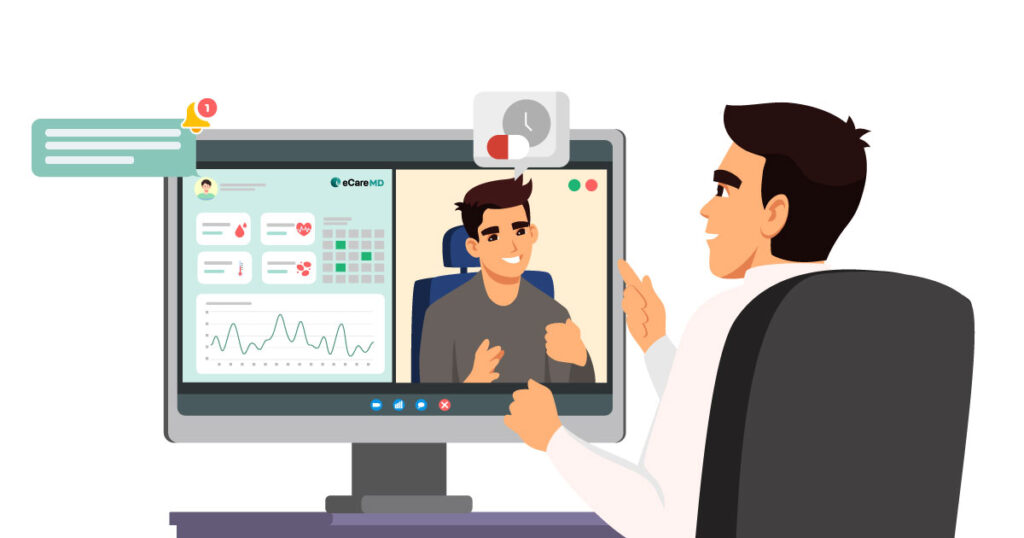
On the other hand, chronic care management (CCM) uses that information to coordinate care and guide next steps. This helps your care team to adjust care plans, schedule follow-ups, manage medication doses, and communicate with patients on the basis of the RPM data.
This highlights how RPM and CCM work together for patient care to create a more proactive and connected healthcare experience. So, it’s fair enough to say that, together, this creates a simple “monitor → act” care model.
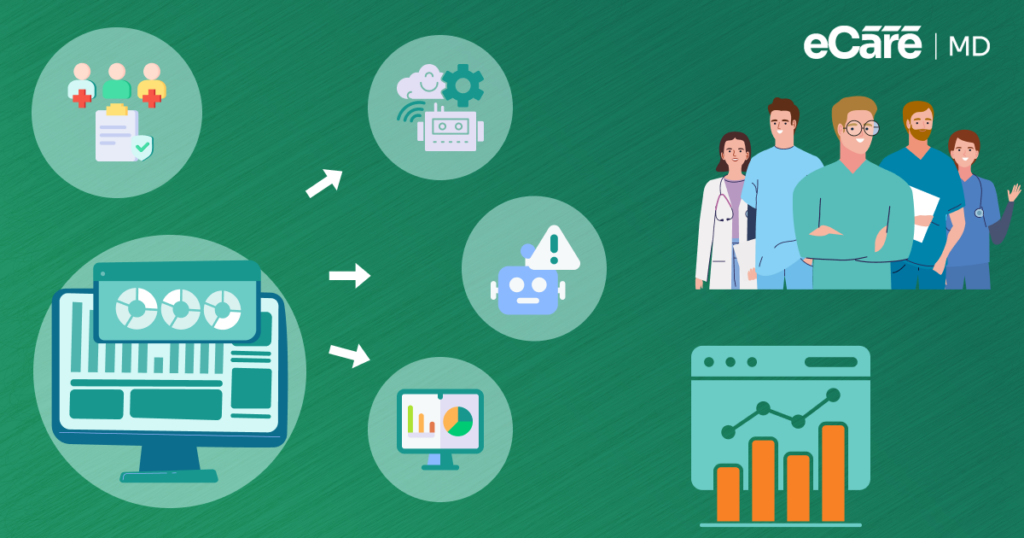
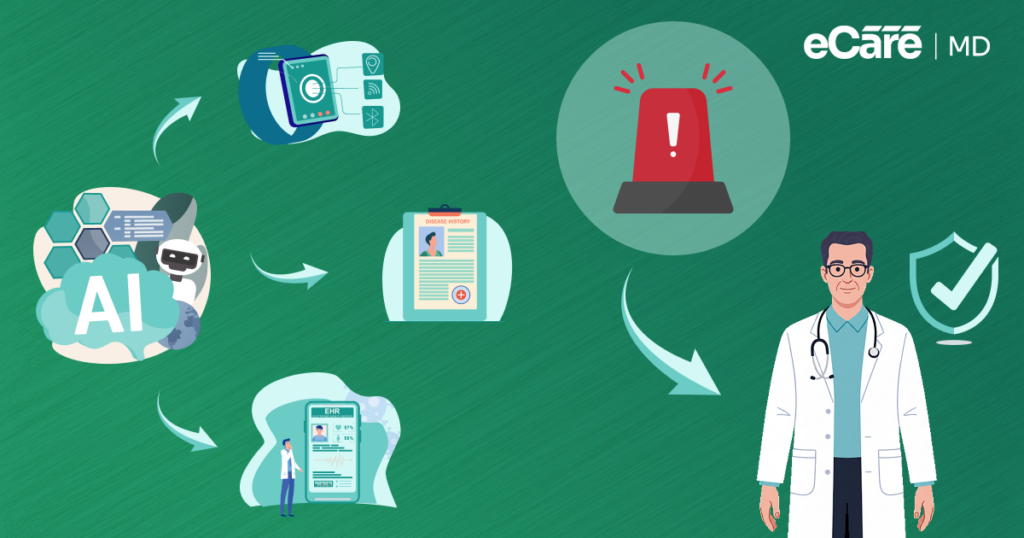
Another key factor that contributes more to making these workflows smarter is AI. AI can identify abnormal trends and care gaps faster by analyzing RPM data automatically. This helps you to trigger CCM interventions at the right time without reviewing every patient’s reading.
When to Use RPM vs CCM (and When to Combine Them)
Your patient’s conditions, risk level, and overall care needs are some of the key factors to consider while choosing between RPM and CCM. For example, some of your patients may only require monitoring or care coordination, while other patients can benefit most when both programs work hand in hand.
This is the reason why it is necessary for you to understand when to use RPM and when to use CCM. This further helps you to create the right care strategy and enhance patient outcomes.
Use RPM When:
- Continuous physiologic monitoring is needed.
- Patients require frequent tracking of blood pressure, glucose levels, oxygen saturation, or weight.
- Providers need real-time visibility into a patient’s health between visits.
- Early detection of health changes is important to prevent complications.
If you have a patient population that needs closer clinical monitoring and ongoing health data collection outside the clinic settings, RPM will be a perfect match.
Use RPM When:
- Ongoing care coordination and follow-ups are required.
- Patients are managing multiple chronic conditions.
- Medication management and patient communication are essential.
- Providers need structured long-term chronic care management services.
CCM is the best choice if your goal is to improve patient engagement and ensure consistent care support throughout the overall treatment journey.
Use Both RPM and CCM Together When:
- Patients need both continuous monitoring and ongoing care management.
- Chronic conditions require frequent tracking along with regular follow-ups.
- Providers want a more proactive and connected care approach.
- Better care coordination and patient outcomes are the primary goals.
At eCareMD, we’ve seen that for many cases, combining RPM and CCM together creates a more complete care experience by balancing real-time monitoring with long-term care coordination.
Enabling Integrated RPM & CCM Workflows
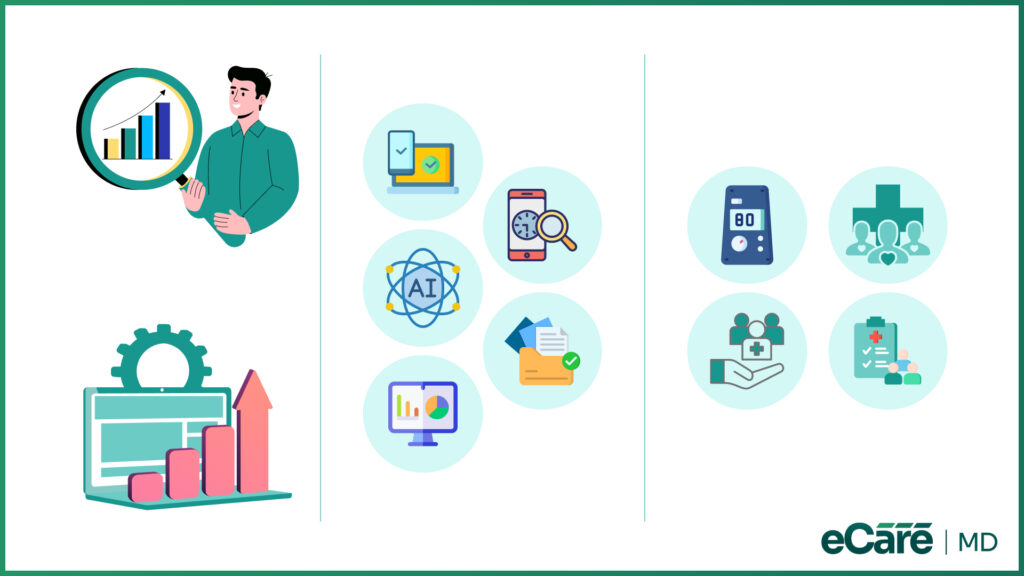
If you are someone who struggles with disconnected systems, manual documentation, and separate billing workflows, managing both RPM and CCM together can be challenging for you. As we already discussed, patient volumes continue to grow, so it will become difficult for you to switch between monitoring data, care coordination tasks, and compliance requirements. This can also increase the administrative burden on your clinical teams.
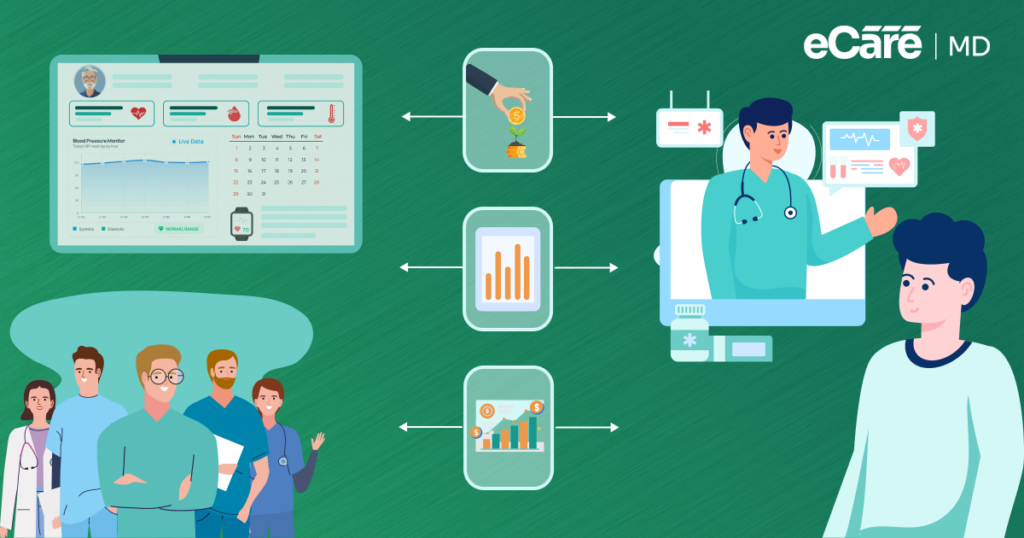
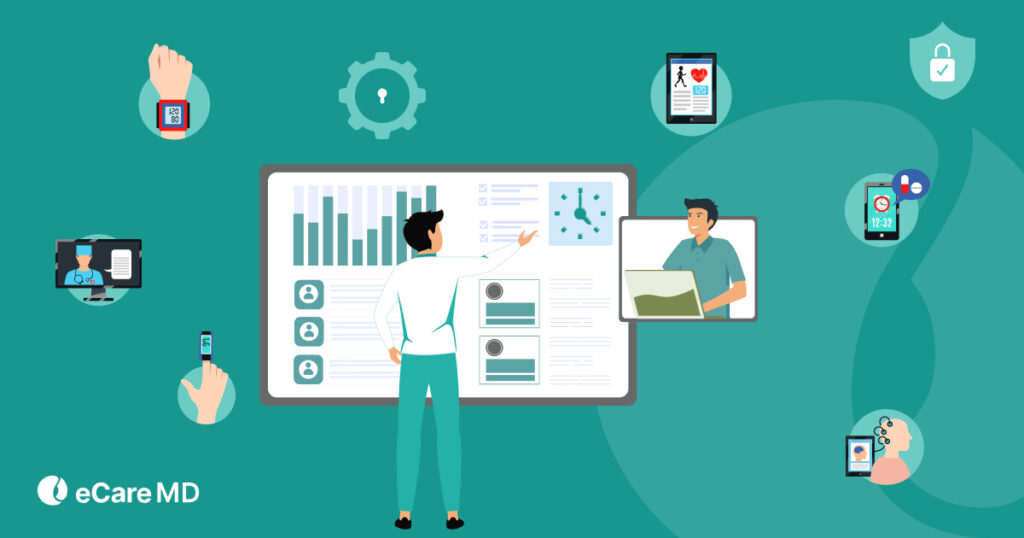
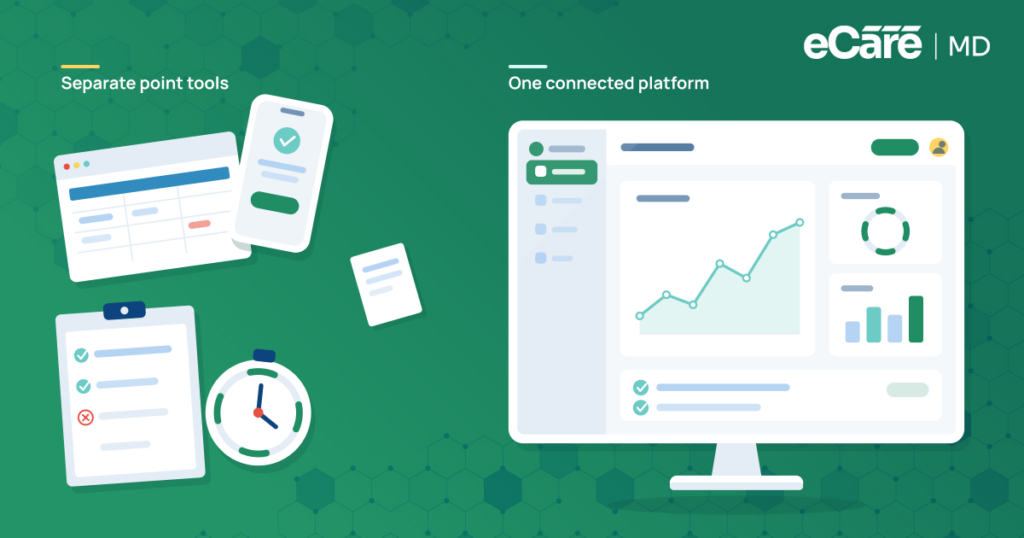
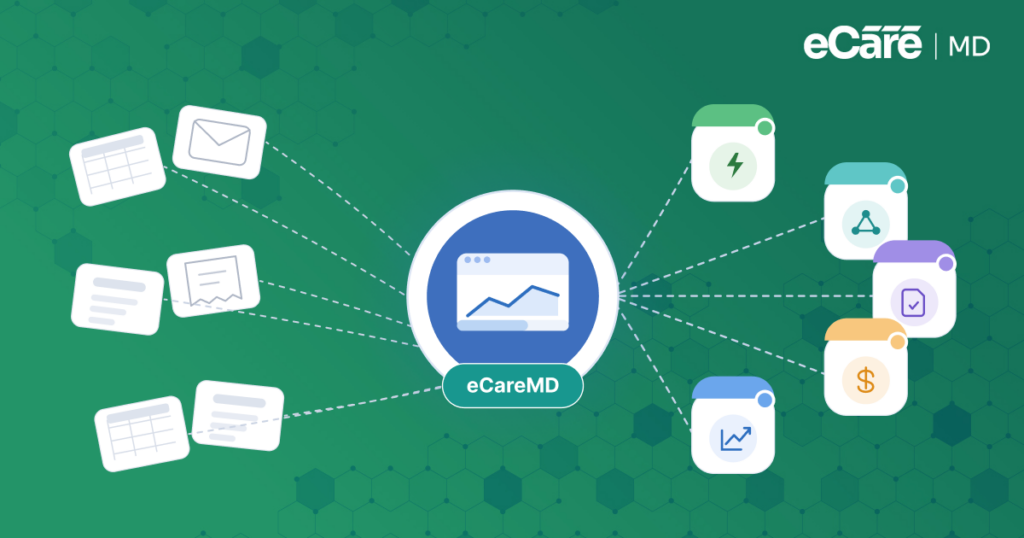
And this is the reason why many healthcare organizations are moving towards unified RPM and CCM workflows. By bringing monitoring and care coordination into a single system, you can streamline operations, enhance communication, and deliver more connected patient care, instead of creating extra work for your staff.
Moving forward, with integrated workflows, you can maintain accurate documentation, track time individually for each program, and stay compliant with CMS billing requirements. If you have everything organized in one place, it can help you reduce errors and prevent important tasks.
Top of the cherry is automation and AI, which helps your practice to work smarter rather than harder. That’s why many platforms like eCareMD are using AI-driven insights, automated documentation, and smart time tracking to simplify remote patient monitoring vs chronic care management within a unified workflow.
Conclusion: A Unified Approach to Chronic Care
Understanding RPM CCM combined programs is not about choosing one program over the other. Instead, both services work hand in hand to create a more connected and proactive approach to chronic care. While RPM focuses on continuous patient monitoring, CCM supports ongoing care coordination and long-term patient engagement.
Using RPM and CCM together helps providers improve patient outcomes, streamline workflows, reduce administrative burden, and deliver more personalized care. As healthcare continues to move toward connected care models, integrating both programs can help practices stay ahead of the curve while improving operational and financial performance.
Optimize your chronic care strategy by integrating RPM and CCM effectively with eCareMD. Also, eCareMD helps you to learn more about how our AI-powered solutions simplify chronic care management workflows.
Frequently Asked Question’s
The main difference between RPM and CCM is their focus. Remote Patient Monitoring (RPM) tracks real-time physiologic data like blood pressure, glucose levels, and weight using connected devices. Chronic Care Management (CCM) focuses on long-term care coordination, medication management, follow-ups, and patient communication for individuals with chronic conditions.
Yes, Medicare allows RPM and CCM together for the same patient. However, providers must maintain separate documentation, track time independently for each service, and ensure there are no overlapping activities or “double dipping” in billing.
Common RPM billing codes include 99453, 99454, 99457, and 99458. Common CCM billing codes include 99490, 99439, 99487, and 99489. These codes cover services related to remote monitoring, care coordination, and chronic care management activities.
Yes, both programs require separate documentation. Providers must clearly document RPM monitoring activities and CCM care coordination services independently to remain compliant with CMS billing guidelines.
RPM provides real-time patient health data through connected devices, while CCM uses that information to coordinate follow-ups, adjust care plans, manage medications, and improve patient communication. Together, they create a more proactive and connected care model.
Chronic care management services are non-face-to-face care coordination services designed for patients with two or more chronic conditions. These services may include care planning, medication management, patient follow-ups, health education, and coordination between healthcare providers.
Providers must follow CMS guidelines carefully when billing both programs together. Key compliance requirements include separate documentation, distinct time tracking, and avoiding overlapping services or duplicate billing for the same activity.
Patients with multiple chronic conditions, frequent health fluctuations, or high-risk conditions benefit most from combining RPM and CCM together. These programs help providers monitor health changes closely while also ensuring ongoing care coordination and patient support.
AI helps providers analyze RPM data faster, identify abnormal health trends, detect care gaps, and trigger timely CCM interventions. This reduces manual workload for care teams and helps practices manage chronic care workflows more efficiently.





![The Future of Remote Patient Monitoring: CMS Innovations & Emerging Trends [2026]](/wp-content/uploads/2024/07/Blog-36-The-Future-of-Remote-Patient-Monitoring_-Trends-AI-Innovation-CMS-Updates-for-2026-1024x538.png)