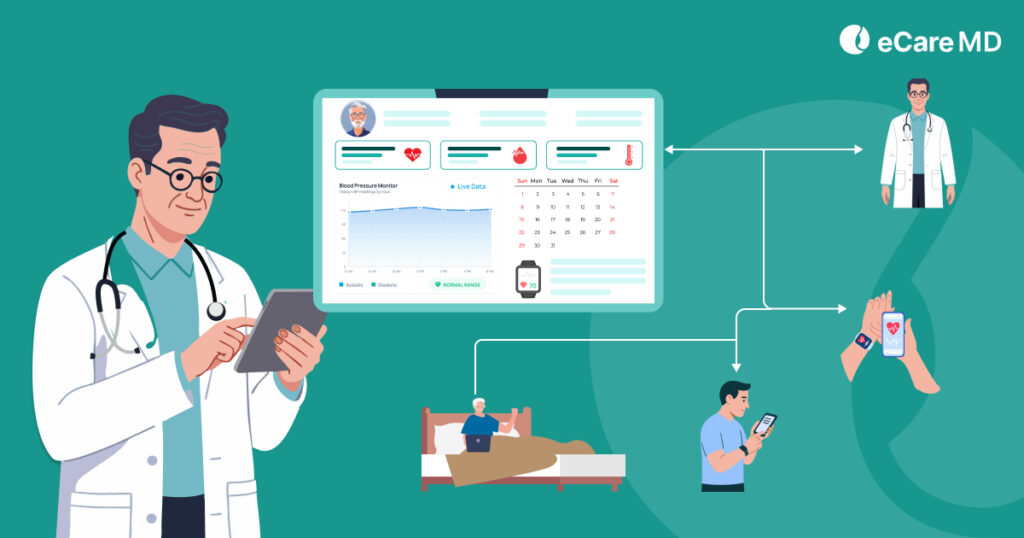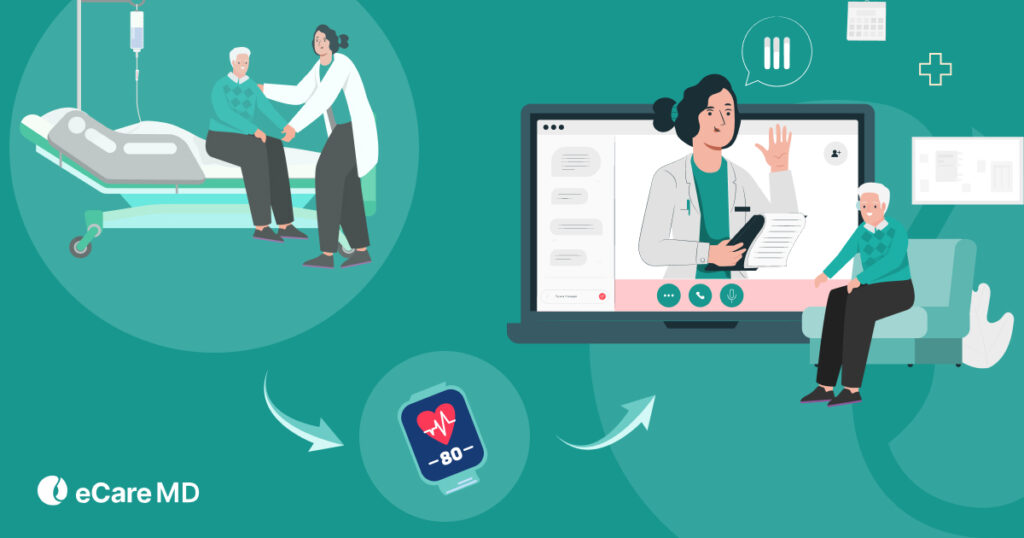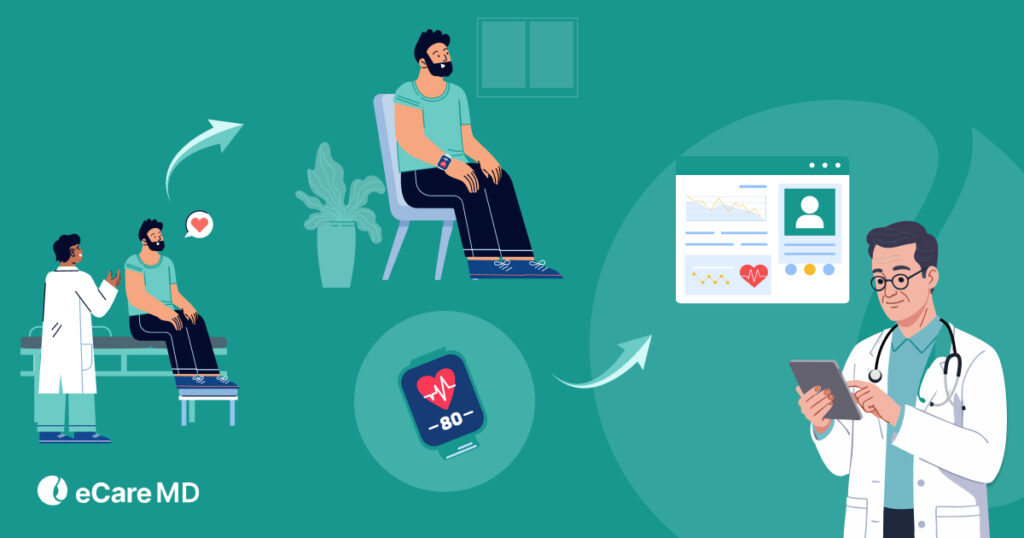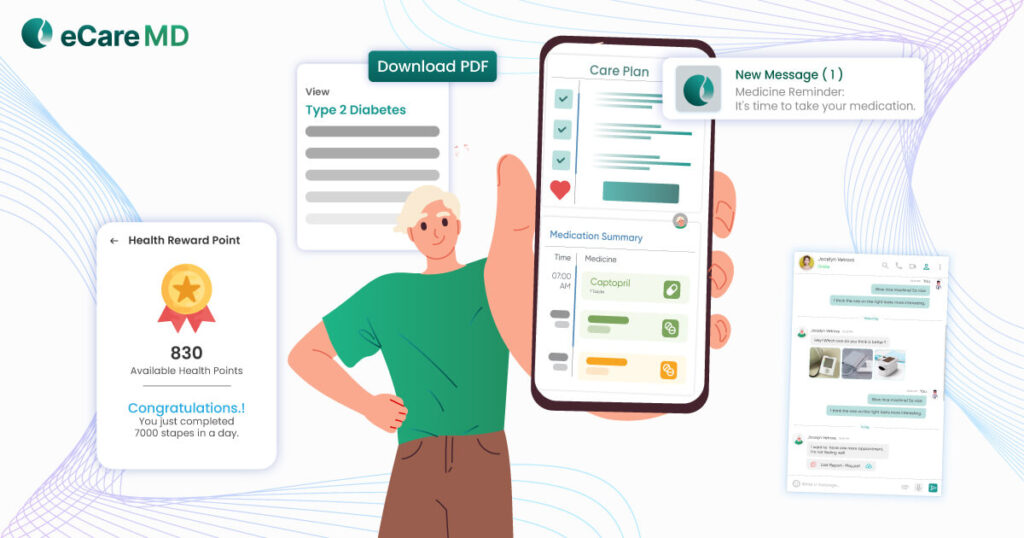
Your patient may spend just 30 minutes with their care team, but they spend the rest of their time managing their chronic condition on their own.
In between appointments, they decide whether to follow their care plan, manage medications, notice worsening symptoms, or make changes that support their health. That’s why it’s not enough to simply give your patients instructions. Along with that, they also require knowledge, confidence, and ongoing support for managing their condition in real life.
That support can make a huge difference. With regular check-ins, guidance, and education, it becomes easier to understand a care plan, which further gives your patient a clearer picture of what they need to do and why it matters.
Rather than waiting until the next appointment to raise a concern, they can become more aware of their condition and more confident in managing it day by day. That’s where patient self-management in CCM comes into play.
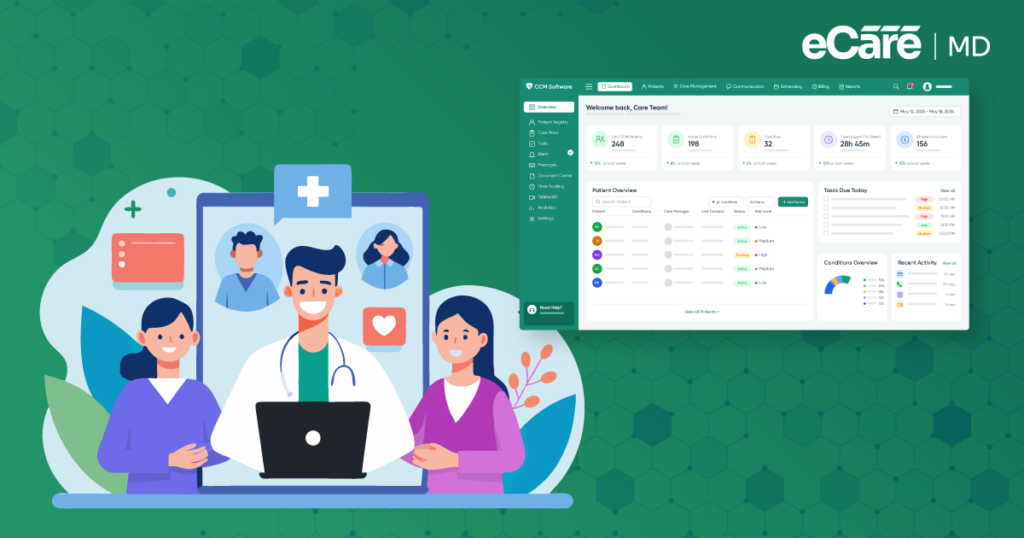
Chronic care management can create an ongoing connection between patients and their care team, while also helping turn care plans into something patients can actually apply in their daily lives. The right CCM software helps providers support continuous follow-ups and patient engagement without letting important details be overlooked.
Let this blog be your comprehensive guide to explore how CCM can strengthen patient empowerment, chronic care, support better chronic disease self-management, and help providers encourage patients to become active participants, not just followers in their own care.
What Is Patient Self-Management in CCM?
Chronic condition management is not something a patient does only between a doctor’s visits. Most of it actually happens in everyday life, for example, taking medications, monitoring symptoms, making healthier choices, and knowing when something does not feel right.
This is what chronic disease self-management revolves around. In chronic care management, patients take an active role in managing their own care instead of depending entirely on their care team to drive every step.
Even so, active involvement is not as easy as following instructions. A patient who takes medication just because they were told to is being compliant. On the other hand, a patient who understands why they are taking it, recognizes potential concerns, and knows when to seek help can actively participate in their care.
The care team still plays a critical role, but they are not meant to carry the entire process alone. Their role is providing guidance, education, and regular support, while helping patients when they face challenges. You can picture them as a guide instead of the person holding the steering wheel at every turn.
That shared approach is what makes self-management an important part of CCM. Patients gain the confidence to handle appropriate aspects of their care, while the care team remains available to provide direction and support when needed.
Why Patient Empowerment Matters in Chronic Care
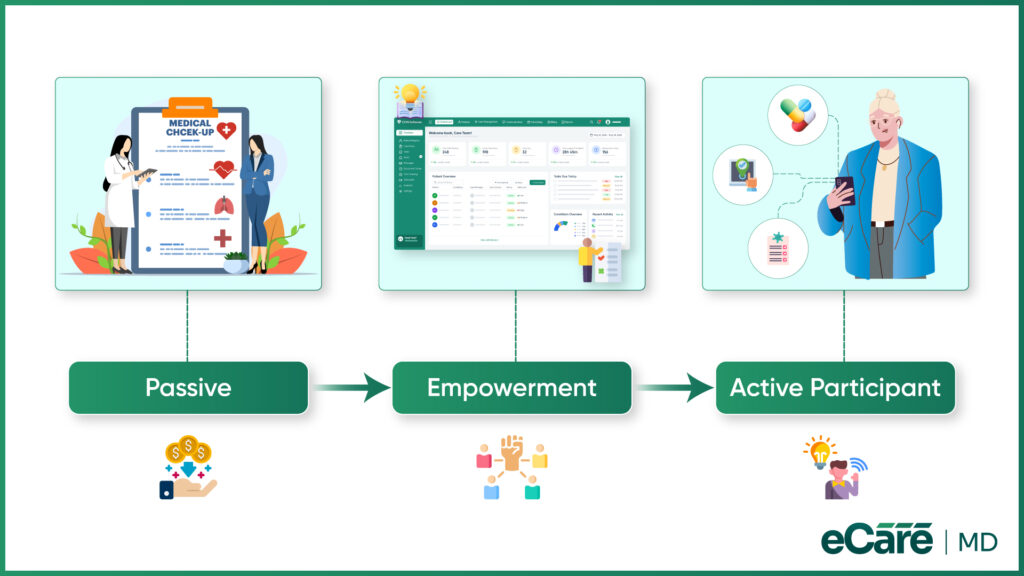
Living with a chronic condition involves more than attending appointments and following a treatment plan. Patients make health-related decisions every day, often when their care team is not beside them. They need to understand their condition, recognize changes, and know how to respond appropriately.
That is why patient empowerment and chronic care matter. When patients have the right knowledge, confidence, and support, they can take greater ownership of their daily care and the decisions that affect their health. Instead of simply receiving instructions, they better understand what their care plan involves and how it fits into their everyday lives.
This does not mean patients are expected to manage everything alone. Chronic care patient empowerment is about giving them the tools and support to participate in the aspects of care they can reasonably manage, while knowing when to reach out to their care team.
Over time, this shift can change the patient’s role from a passive recipient of care to an active participant. The care team still provides clinical guidance, but patients are no longer just along for the ride; they become more involved in managing the day-to-day realities of their condition.
Patient Self-Management Strategies for Chronic Disease
Knowing that patients should take an active role in their care is one thing. Knowing what that looks like in everyday life is another. Effective patient self-management strategies help turn a care plan from something discussed during an appointment into something patients can realistically follow between interactions with their care team.
The key is not to expect patients to do everything at once. The most effective patient self-management strategies for chronic disease are often those that fit their individual needs, care goals, and daily routines.
1. Set Realistic, Patient-Specific Goals
A care goal may look good on paper but still be difficult to maintain in real life. Patients are more likely to stay engaged when goals are achievable and aligned with their condition, responsibilities, and everyday routine.
Breaking larger care goals into smaller, manageable steps can also make the process feel less overwhelming. Over time, these smaller wins can help patients build confidence and take greater ownership of their care.
2. Track Relevant Health Information
Patients may also be asked to keep track of certain information as part of their established care plan. Having this information available can help them stay aware of their condition and support more meaningful conversations with their care team.
The goal is not to track everything under the sun. Patients should focus on the information that is relevant to their individual care plan and understand why it matters.
3. Understand and Follow the Care Plan
A care plan is more useful when patients understand their role in it. They should have a clear idea of their care goals, responsibilities, and the activities recommended as part of their ongoing management.
When patients understand the purpose behind these steps, they can move beyond simply following instructions and become more actively involved in their care.
4. Recognize Symptoms or Changes That Need Attention
Patients do not need to manage every concern on their own. An important part of self-management is understanding which changes are relevant to their condition and knowing when it is time to involve the care team.
Clear guidance can help patients feel more confident about when to seek support instead of waiting until their next scheduled interaction.
5. Build Sustainable Care Habits
Long-term self-management is not about being perfect every day. It is about building consistent habits that support established care goals and can realistically become part of everyday life.
Small, sustainable actions are often easier to maintain than major changes that quickly become difficult to follow. When patients find a routine that works for them, chronic disease self-management becomes less about constantly remembering what to do and more about developing a consistent approach to their ongoing care.
Together, all these strategies can help patients take a more active role without making them feel like they are on their own. That balance between independence and ongoing support is where CCM can play an important role.
How to Build Patient Empowerment Into a CCM Program
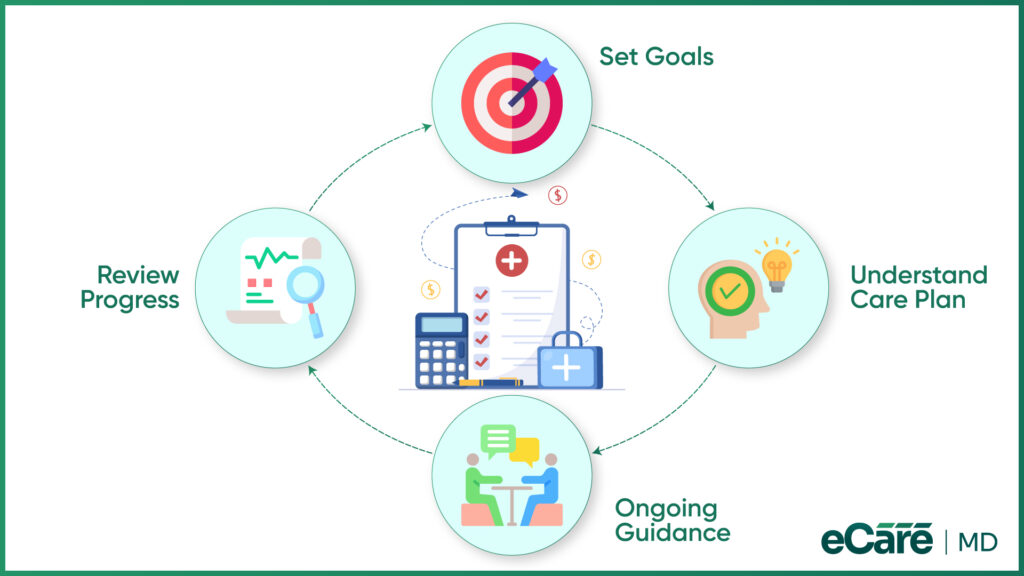
The strategies discussed above show what patients can do to take a more active role in their care. But patient empowerment does not happen automatically. The way a CCM program is structured can either make patients feel involved or leave them simply waiting for the next set of instructions.
For that reason, CCM teams need to build empowerment into their everyday workflows. From setting goals to reviewing progress, each interaction should give patients a clearer role in managing their ongoing care.
1. Involve Patients in Goal Setting
Goals are more meaningful when patients have a role in shaping them. Rather than creating a care plan entirely around clinical priorities, care teams can discuss what is realistic for the patient’s needs and daily routine.
This helps create goals that patients are more likely to understand, work toward, and maintain over time.
2. Make Care Plans Easy to Understand
A care plan should not feel like a document written about the patient but not meant for them. Patients need to understand what the plan means for their day-to-day responsibilities.
CCM teams can translate broader clinical goals into clear, actionable steps, helping patients understand what they are expected to do and how those activities support their overall care.
3. Provide Ongoing Guidance and Support
Even motivated patients may face challenges along the way. This is why support cannot be a one-and-done conversation.
Regular check-ins and established communication workflows can give patients an opportunity to discuss concerns, ask questions, and receive appropriate guidance as they work toward their care goals. The aim is to provide support without taking the steering wheel away from the patient.
4. Review Progress and Adjust Support
Patient needs can change over time, and the level of support they need may change with them. Reviewing progress helps care teams understand whether a patient is moving toward their goals or may need additional guidance.
Based on those conversations and progress, teams can adjust the level of support or revisit certain aspects of the care plan when appropriate. This creates a more responsive CCM program, one where patient participation is not treated as a box to check but as an ongoing part of the care process.
When these practices are built into the program, empowerment becomes part of how CCM is delivered rather than an extra step added to the workflow.
How eCareMD Supports Patient Empowerment and Self-Management
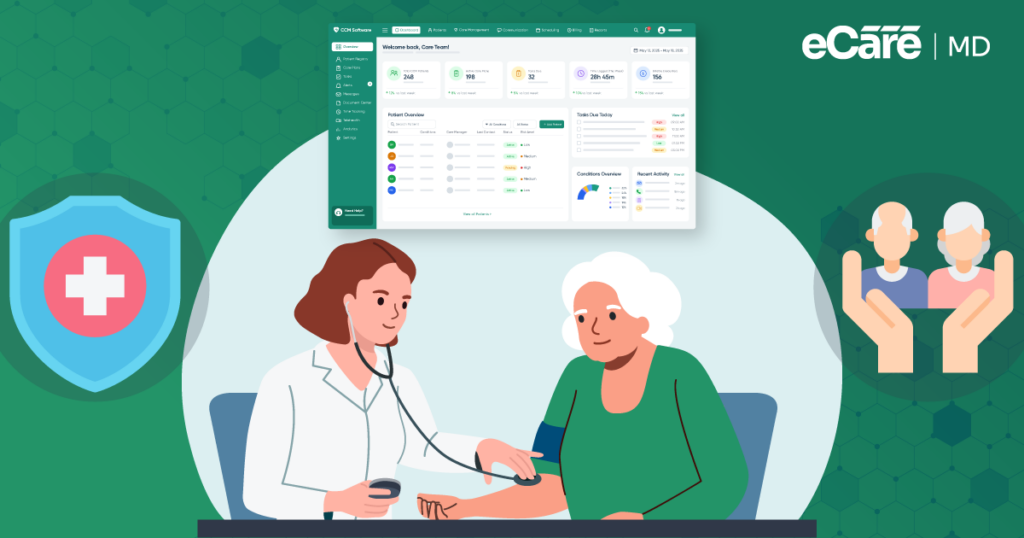
Building patient empowerment into a CCM program requires more than regular check-ins. Care teams also need the right tools to keep patients engaged, maintain consistent communication, and support them throughout their care journey. This is where eCareMD can help.
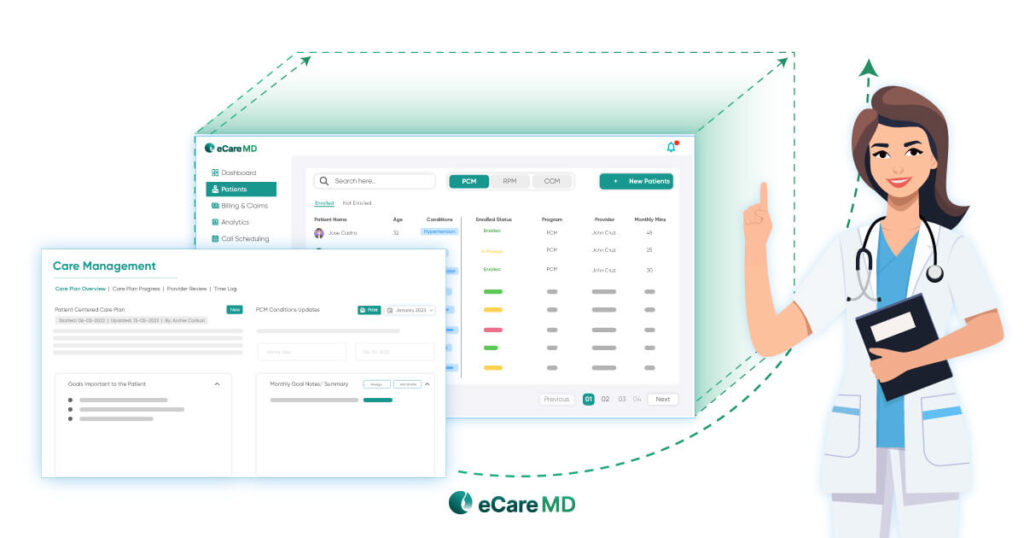
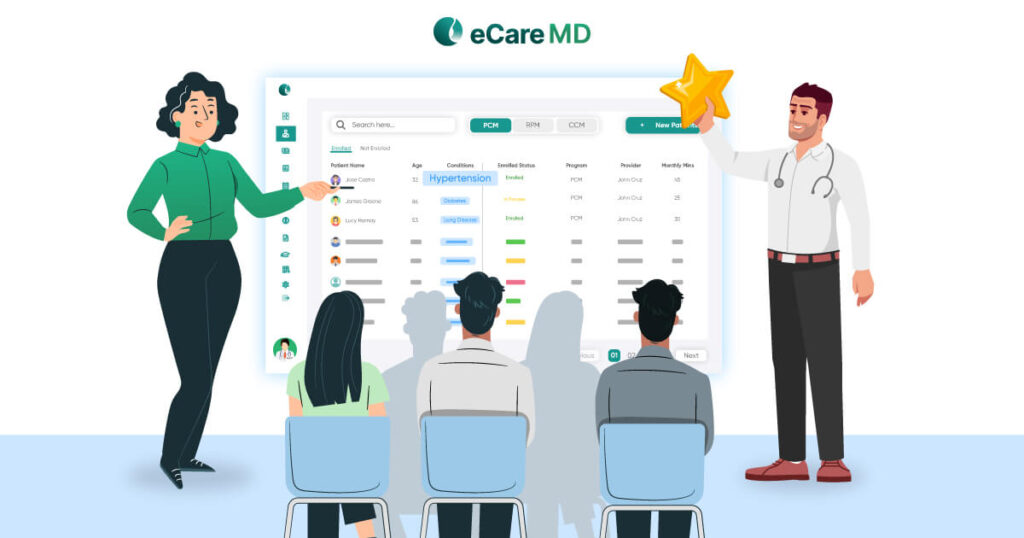
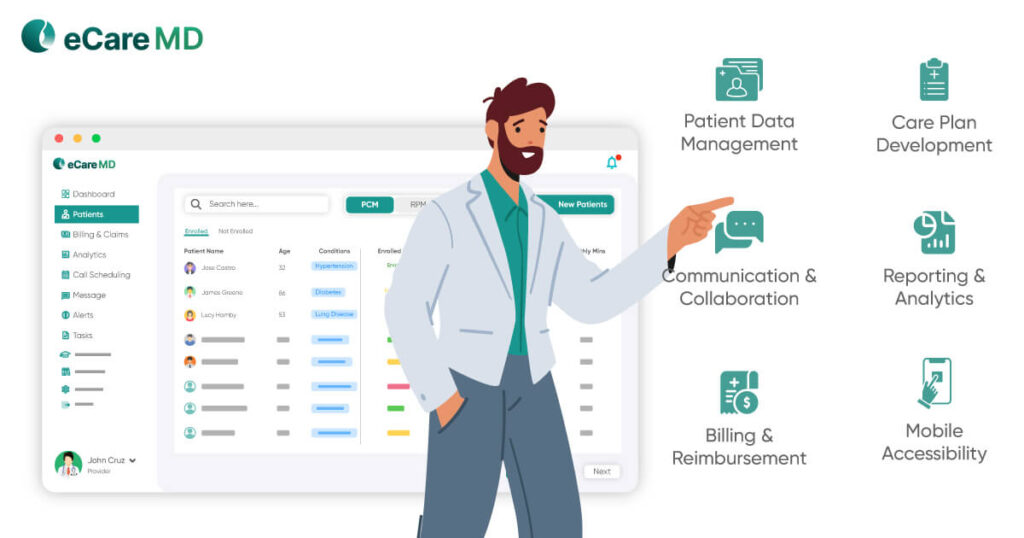
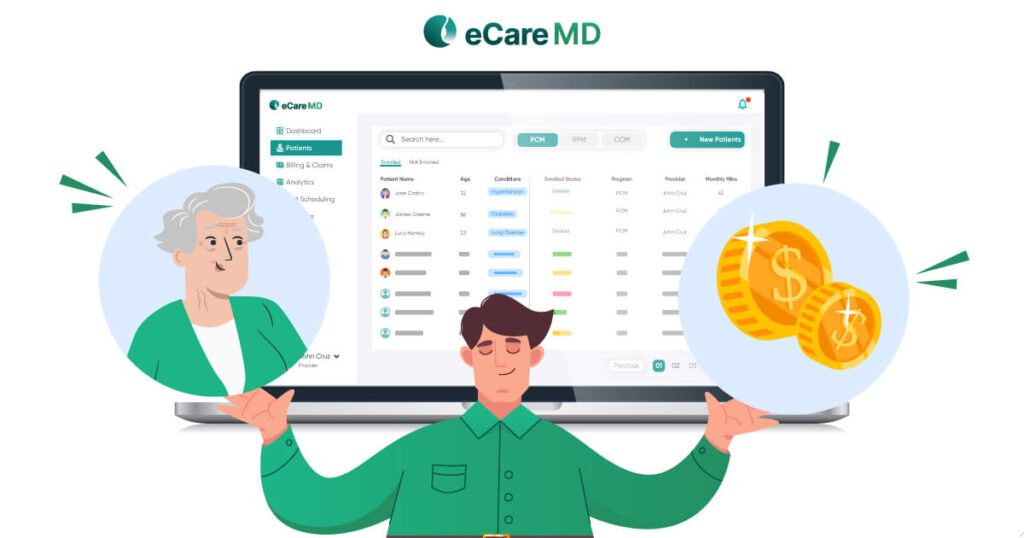
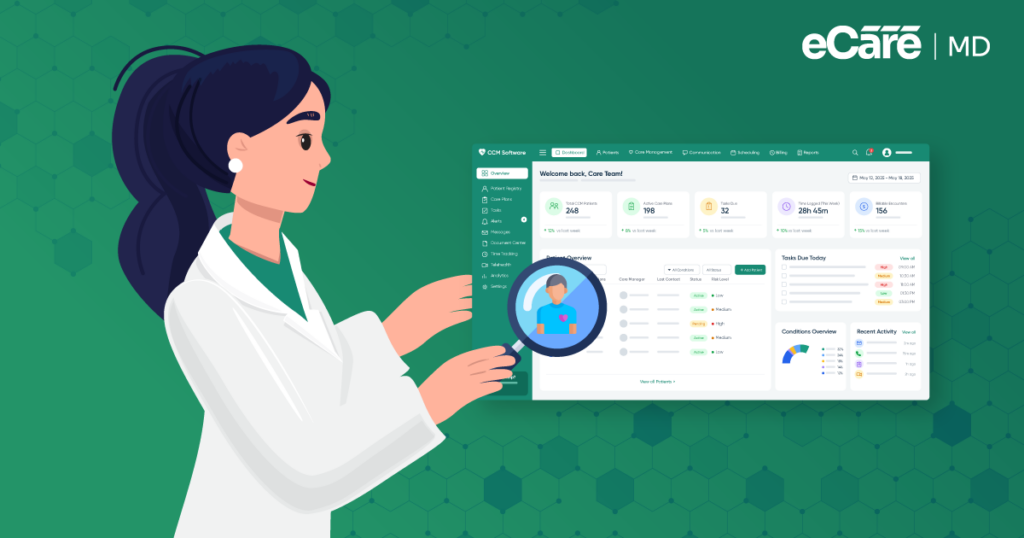
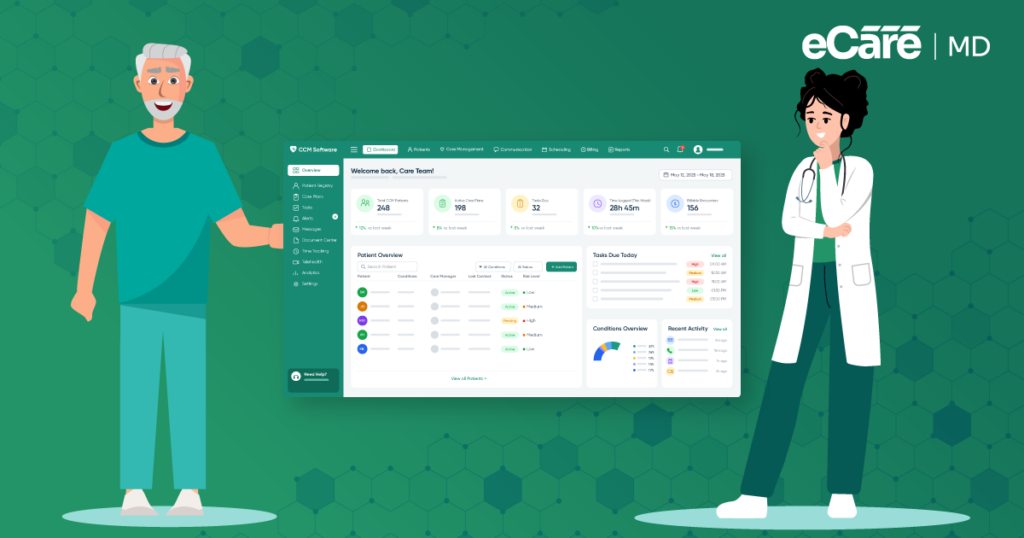
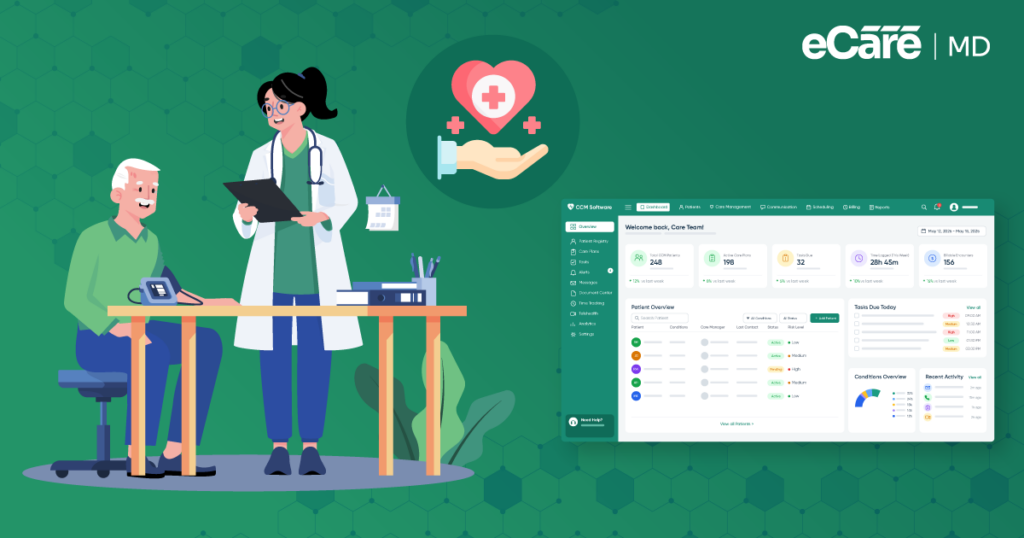
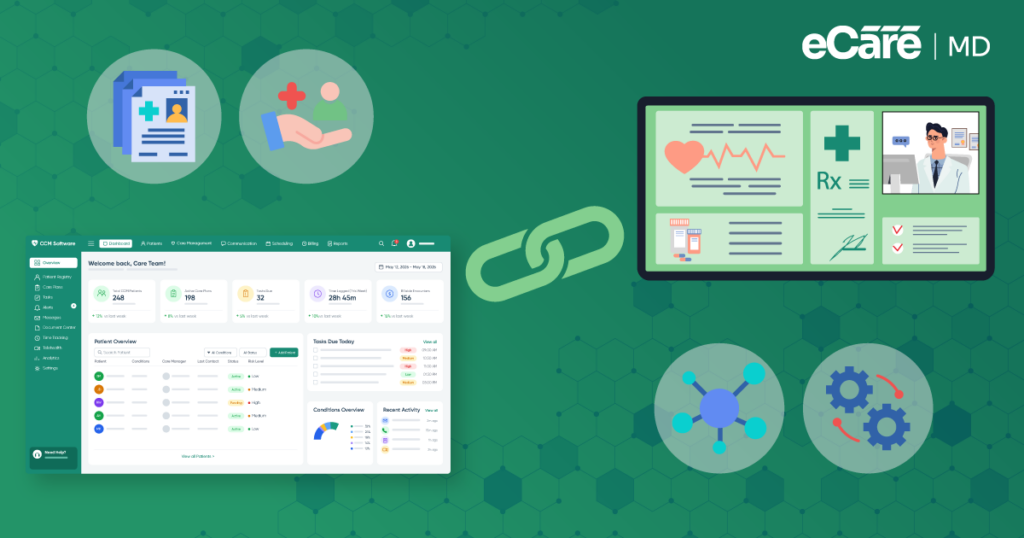
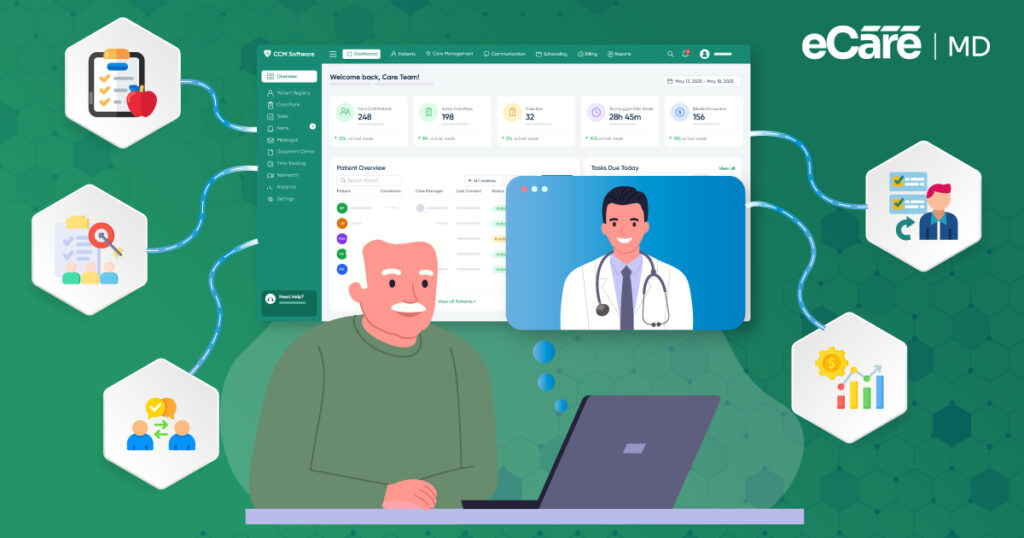
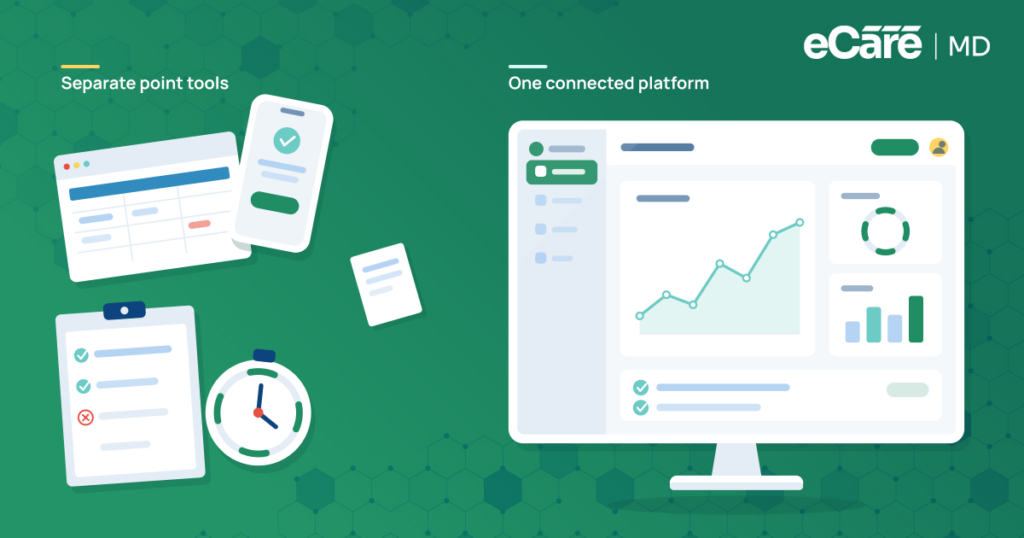
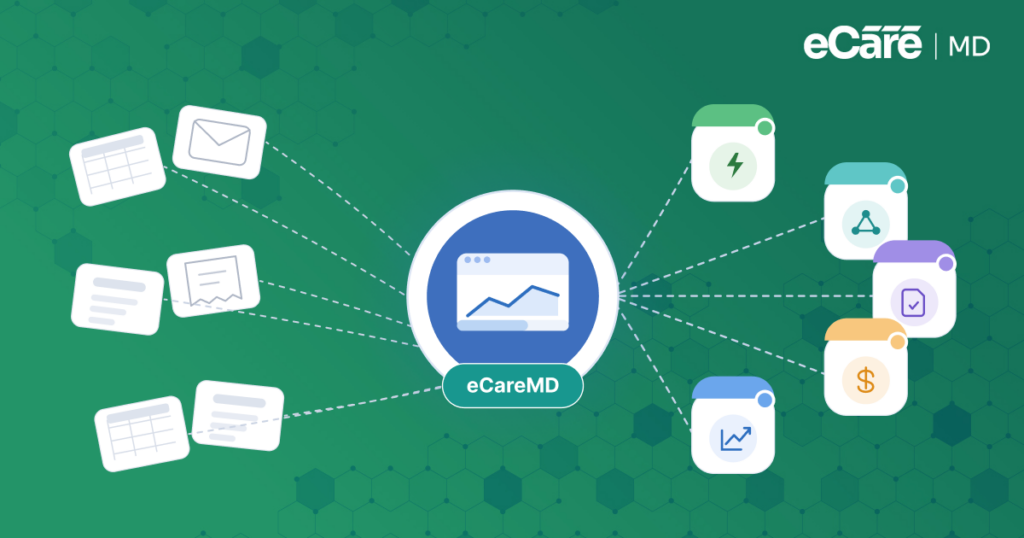
eCareMD brings key CCM activities into one platform, making it easier for care teams to provide ongoing support without losing sight of individual patient needs. Its capabilities can help teams maintain structured follow-ups, track patient progress, and create a more connected care experience.
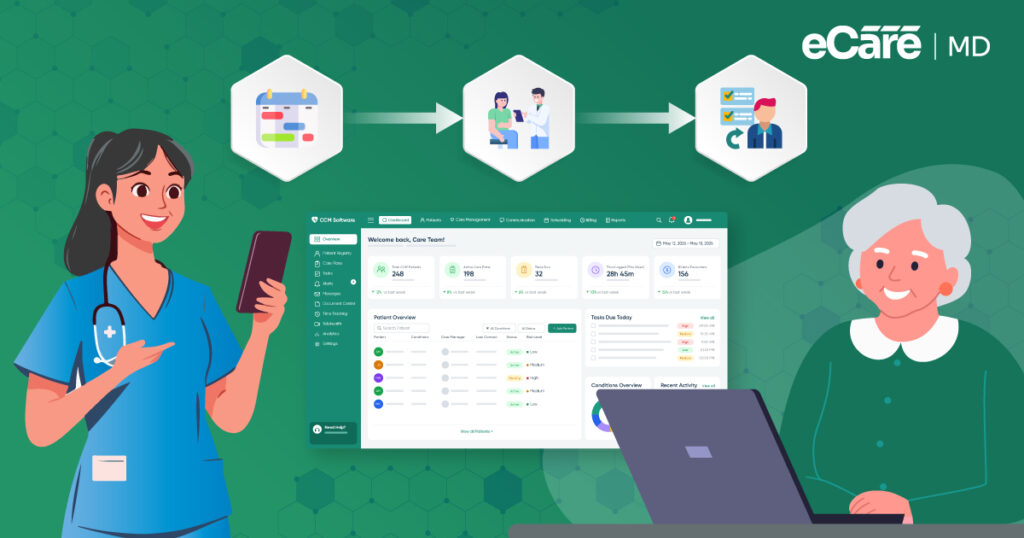
For example, care teams can use patient-specific care plans to define goals and organize ongoing care activities. Regular engagement and follow-up workflows can also help ensure patients receive continued support rather than being left to manage their condition entirely on their own.
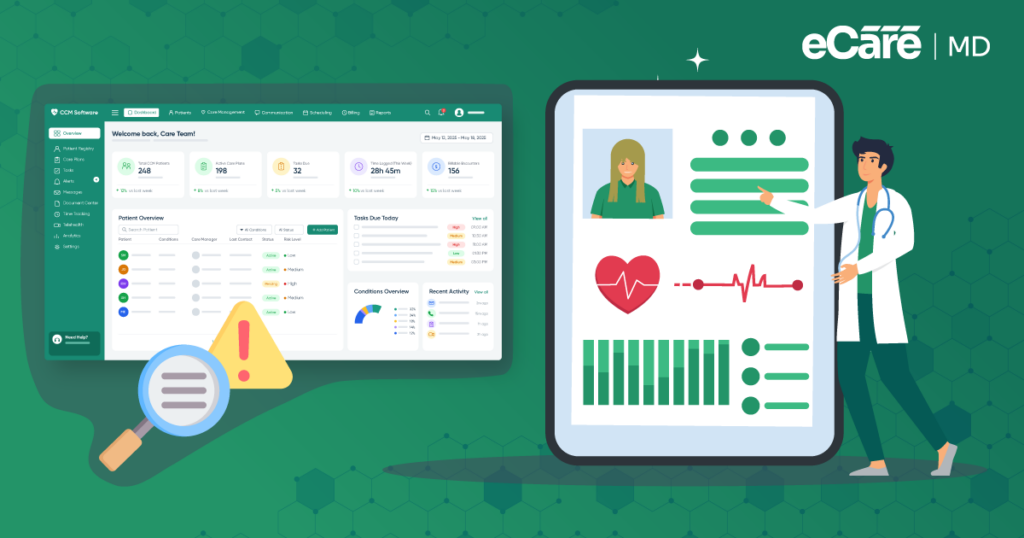
By giving care teams better visibility into patient information and ongoing care activities, eCareMD helps them identify when a patient may need additional attention or guidance. This makes it easier to adjust support as needs change and keep patients actively involved in their chronic care.
Ultimately, the goal is simple: give care teams the structure they need to support patients, while giving patients the confidence to take a more active role in managing their health.
Conclusion
Patient empowerment means giving patients the knowledge, confidence, and support to play a meaningful role in managing their chronic conditions. It is not about expecting them to handle everything alone, but helping them take appropriate ownership of their day-to-day care.
Realistic goals, easy-to-understand care plans, sustainable habits, and ongoing guidance can make self-management feel more achievable. At the same time, regular support from the care team helps patients stay connected and know when additional help is needed.
The right software for chronic care management can further support this approach by helping care teams organize follow-ups, track progress, and maintain consistent patient engagement, making sustainable self-management easier to support over time.
Top 10 Features to Consider When Choosing a Chronic Care Management App
Frequently Asked Question’s
Patient self-management in CCM involves helping patients take an active role in the parts of their ongoing care they can manage. This may include understanding their care plan, working toward established goals, tracking relevant health information, and knowing when to contact their care team. CCM provides ongoing guidance and support to help patients manage these responsibilities with greater confidence.
Chronic conditions require ongoing management outside of clinical appointments. Patient empowerment helps individuals better understand their condition, participate in health-related decisions, and take appropriate ownership of their day-to-day care. With the right knowledge and support, patients can become active participants rather than passive recipients of care.
Effective strategies include setting realistic goals, understanding the care plan, tracking relevant information as recommended, recognizing changes that need attention, and building sustainable care habits. The most effective approach depends on the patient’s individual needs, established care goals, and daily routine.
CCM programs can support self-management by involving patients in goal setting, making care plans easier to understand, providing regular guidance, and reviewing progress over time. These ongoing interactions help patients stay engaged while ensuring they have appropriate support when challenges arise.
Care teams can provide education, guidance, and regular support while allowing patients to take responsibility for appropriate aspects of their care. The goal is to act as a guide rather than direct every decision. This balance helps patients build confidence while ensuring professional support remains available when needed.
The care team provides the structure and support that helps patients participate effectively in their care. This can include explaining care goals, answering questions, reviewing progress, and providing additional guidance when appropriate. Rather than being the sole driver of care, the team supports patients in taking an active role.
CCM creates ongoing opportunities for patients to receive guidance, ask questions, and better understand their care responsibilities. Regular support and progress reviews can help patients gradually build confidence in managing appropriate aspects of their condition while knowing when to involve their care team.







![The Future of Remote Patient Monitoring: CMS Innovations & Emerging Trends [2026]](/wp-content/uploads/2024/07/Blog-36-The-Future-of-Remote-Patient-Monitoring_-Trends-AI-Innovation-CMS-Updates-for-2026-1024x538.png)