Last Updated: August 11, 2026
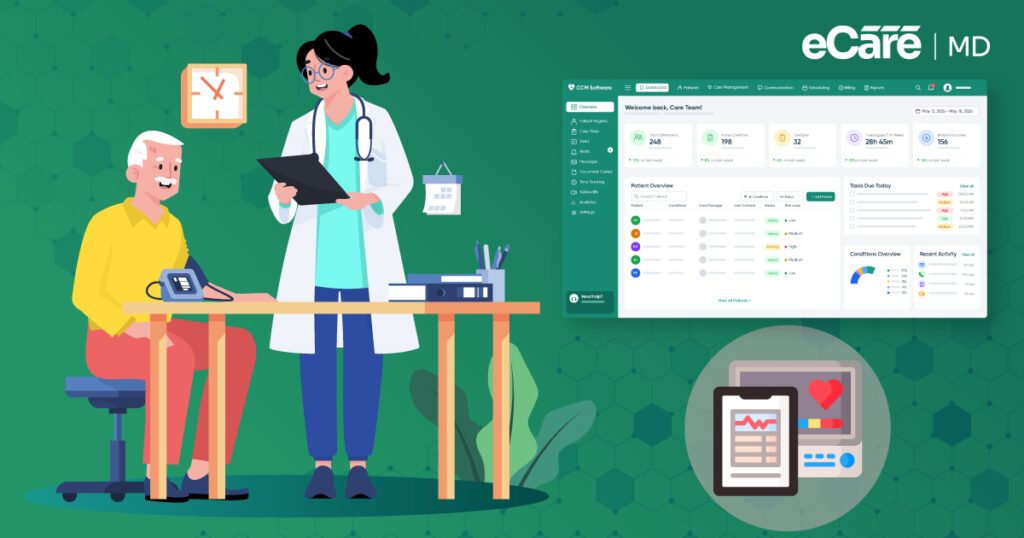
A patient visits the doctor, gets a treatment plan, and heads home. But what actually happens during the weeks before the next appointment?
For many people living with chronic conditions, that is exactly when medication gets missed, symptoms worsen, and minor health concerns snowball into serious complications. Because of this, managing a chronic condition takes more than occasional office visits.
To help patients stay on track, it needs continuous support, timely guidance, and regular follow-ups. Even the best treatment plans can fall through the cracks without the ongoing connection.
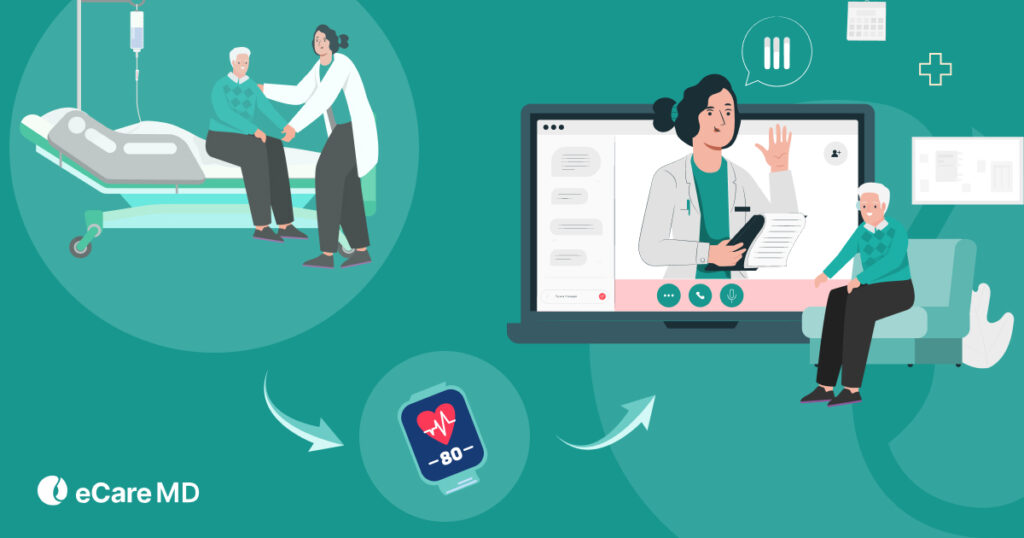
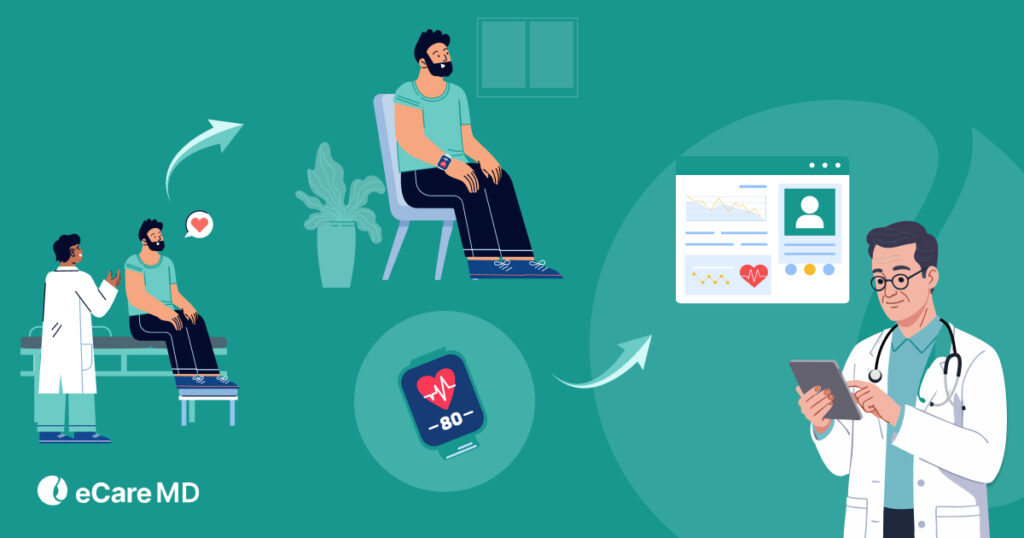
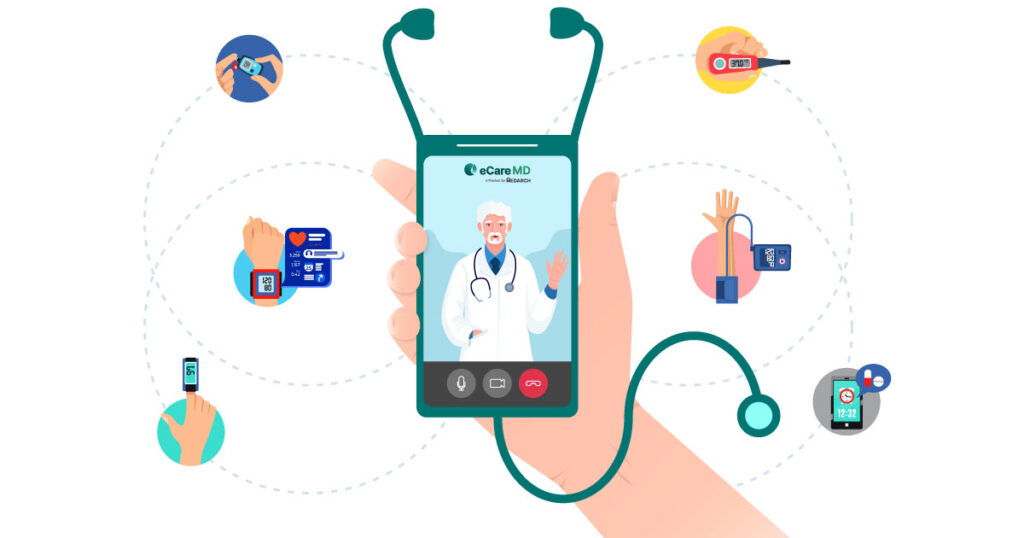
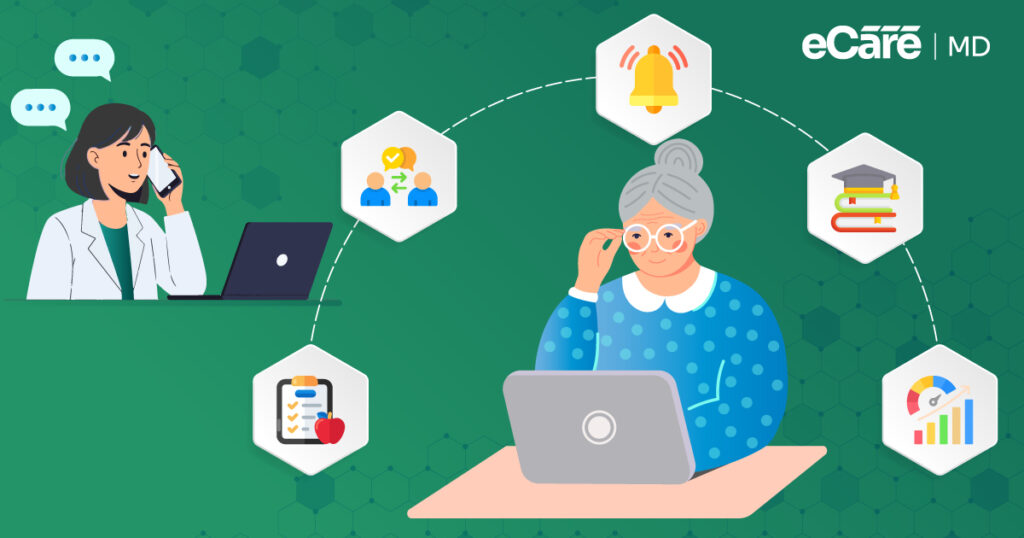
By extending care beyond the clinic, Chronic care management (CCM) can bridge this gap. CCM helps your patients manage their health every day through personalized care, routine check-ins, medication management, and care coordination for chronic conditions.
When supported by the right software for chronic care management, it becomes easier for you to deliver this care even more consistently, leading to improved patient outcomes and reduced hospital admissions.
Let this blog be your comprehensive guide to explore the benefits of chronic care management for patients, the biggest CCM patient benefits, and how continuous care helps people live healthier, more independent lives despite chronic conditions.
Why Does Chronic Care Management Benefit Patients?
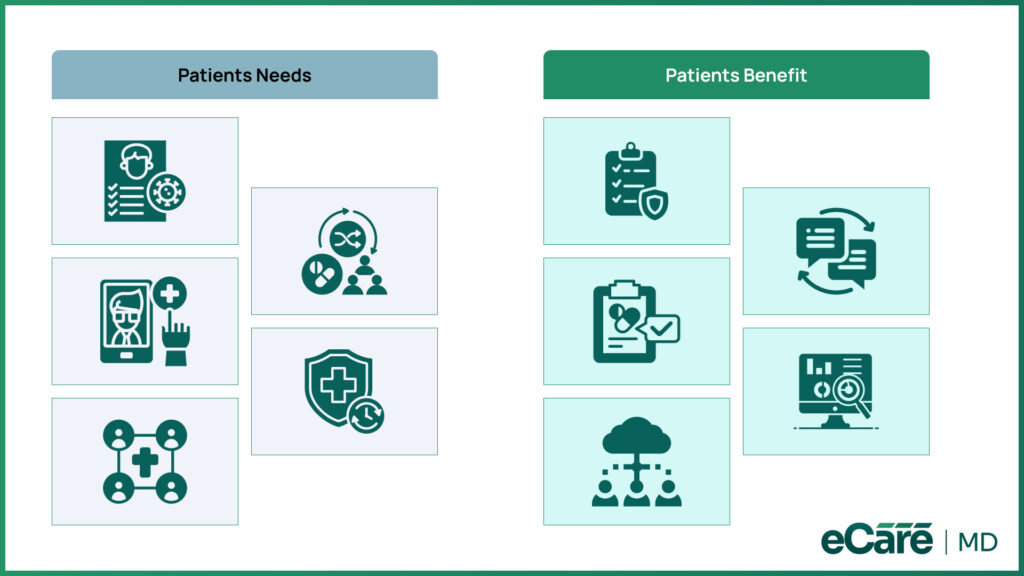
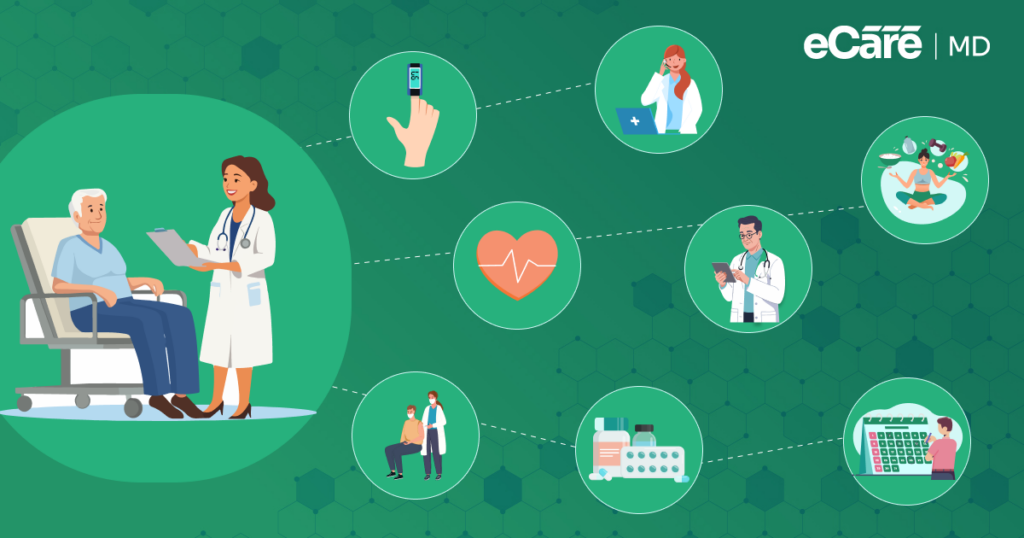
Chronic care management is not just about treating symptoms when they appear; it actually needs continuous support for helping your patients to stay healthy in between appointments. This is exactly where chronic care management starts to make a huge difference.
Rather than reacting to health problems after they occur, CCM emphasizes proactive care through regular follow-ups, personalized care plans, and care coordination for chronic conditions.
Furthermore, ongoing communication and routine monitoring helps patients to stay more engaged in their overall treatment, while receiving timely support when their health requires change. This can enhance confidence in chronic condition management and encourages better treatment adherence, which further leads to improved patient outcomes over time.
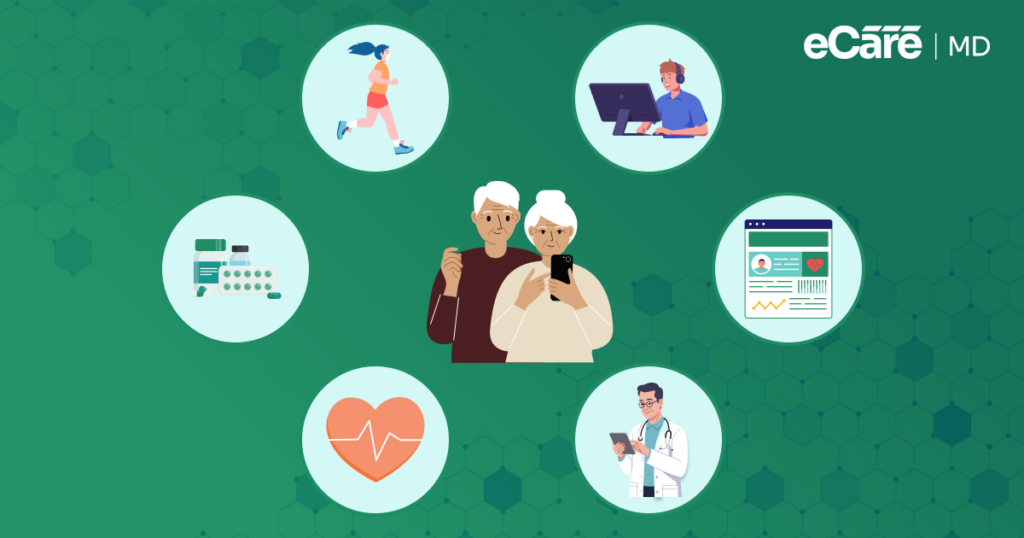
Let’s have a quick look at some of the key CCM patient benefits and how continuous care supports better long-term health:
| Patient Need | How CCM Helps | Patient Benefit |
|---|---|---|
| Managing multiple chronic conditions | Provides monthly care coordination and personalized care plans | Better disease management and fewer care gaps |
| Medication adherence | Regular medication reconciliation and follow-up | Fewer medication errors and improved treatment compliance |
| Access to healthcare support | Continuous communication with the care team between visits | Faster intervention and improved patient confidence |
| Coordinated treatment | Connects primary care providers, specialists, pharmacists, and caregivers | More consistent and informed healthcare decisions |
| Long-term health management | Ongoing monitoring and proactive care adjustments | Better health outcomes and improved quality of life |
What Are the Biggest Benefits Patients Experience Through CCM?
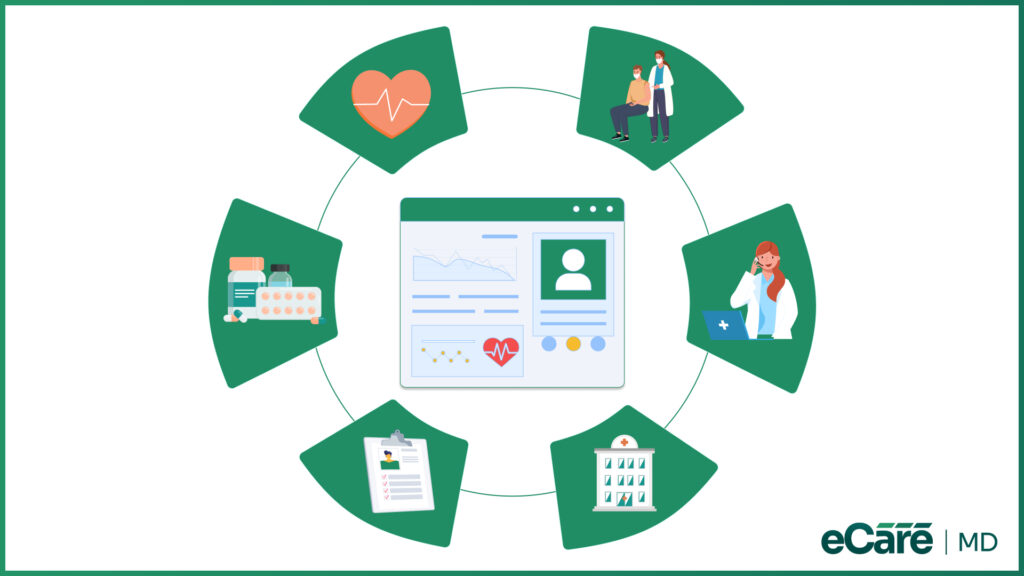
1. Better Health Outcomes:
Better long-term health is one of the major benefits of chronic care management for patients. With regular check-ins and continuous monitoring, you can identify changes in your patient’s condition before they become serious. Early interventions further help you to prevent complications, reduce unnecessary hospital visits, and keep treatment on track.
Over time, all these consistent follow-ups can improve chronic disease control by helping patients to maintain stable health and achieve improved patient outcomes.
2. Better Medication Management:
It is a fact that multiple medications can be challenging, especially for patients with more than one chronic condition. CCM involves regular medication review and reconciliation, which helps to make sure that prescriptions remain accurate, reduce medication errors, and identify potential drug interactions.
Along with this, ongoing guidance from the care team also helps your patients to take medications as prescribed, leading to safer treatment and better adherence.
3. More Personalized Care:
As you may already be aware, every patient’s health journey is different. And because of this, CCM focuses more on personalized care plans tailored to individual medical conditions, treatment goals, and lifestyle requirements, rather than using a one-size-fits-all approach.
This personalized support further helps to keep your patients engaged in their care, encourages healthy habits, and empowers them to take an active role in managing their condition.
4. Improved Care Coordination:
Managing chronic conditions often involves multiple healthcare professionals. Effective care coordination for chronic conditions keeps primary care providers, specialists, pharmacists, caregivers, and patients connected throughout the treatment journey.
When everyone works together, care becomes more consistent, communication improves, and unnecessary delays or duplicate services can be avoided.
5. Greater Independence and Quality of Life:
Living with a chronic condition doesn’t mean giving up independence. Through ongoing education, timely support, and regular follow-ups, CCM helps patients build the confidence to manage their health between appointments.
As patients become more informed and proactive, they experience greater independence, fewer health setbacks, and a better overall quality of life while easing the burden on family caregivers.
6. Patient Care Journey:
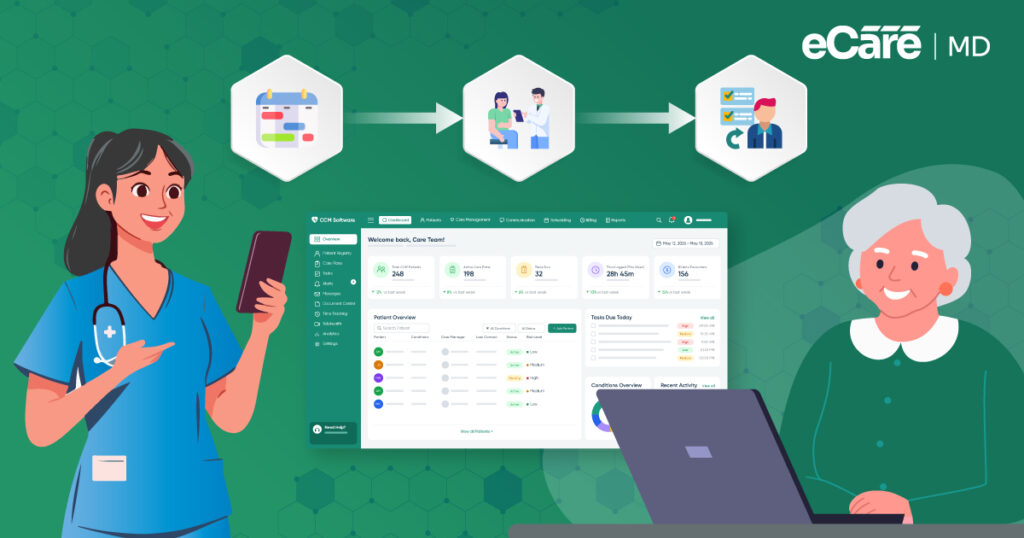
Monthly Follow-ups → Early Identification of Health Changes → Medication Reconciliation → Personalized Care Adjustments → Better Long-Term Disease Management
How Does eCareMD Help Providers Deliver These Patient Benefits?
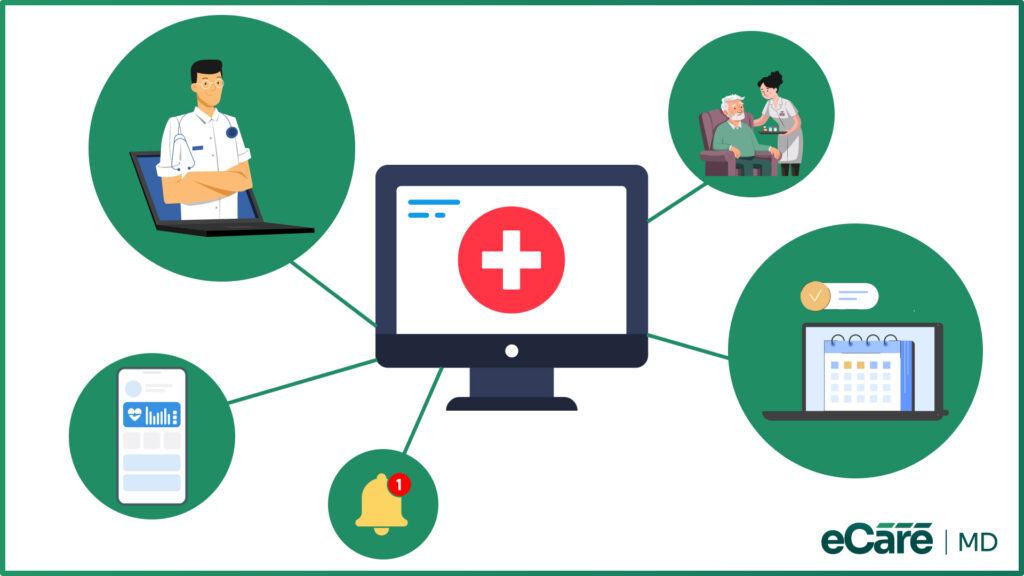
When you have the right technology, providing high-quality chronic care management becomes much easier. If you rely on manual workflow or disconnected systems, it will be difficult for you to keep up with patient follow-ups, care coordination, and ongoing documentation, which further increases the risk of missed care opportunities.
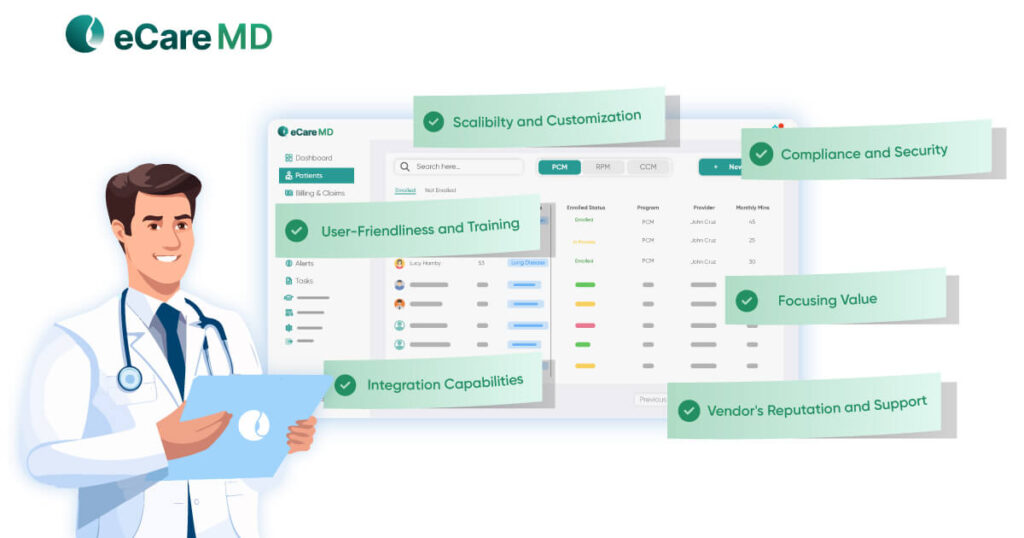
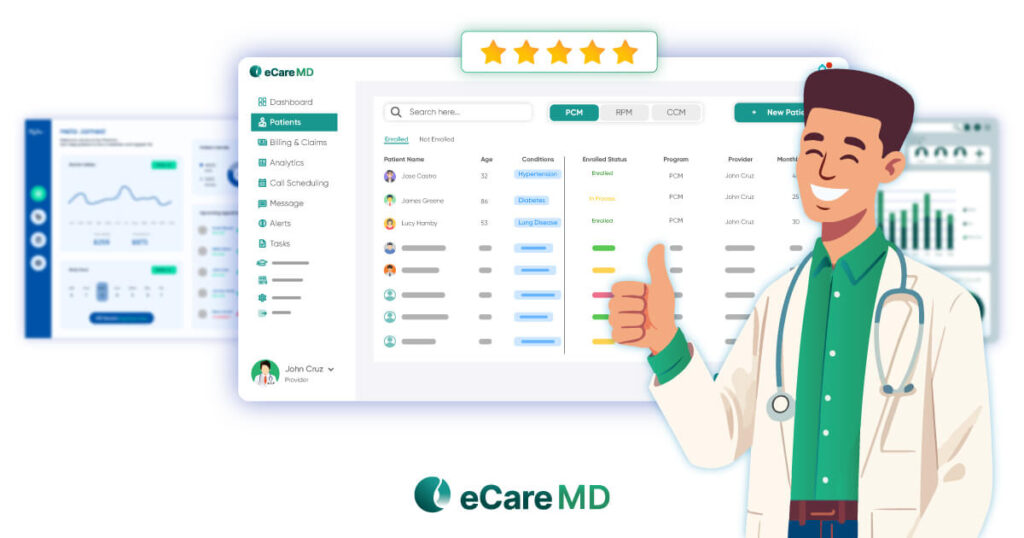
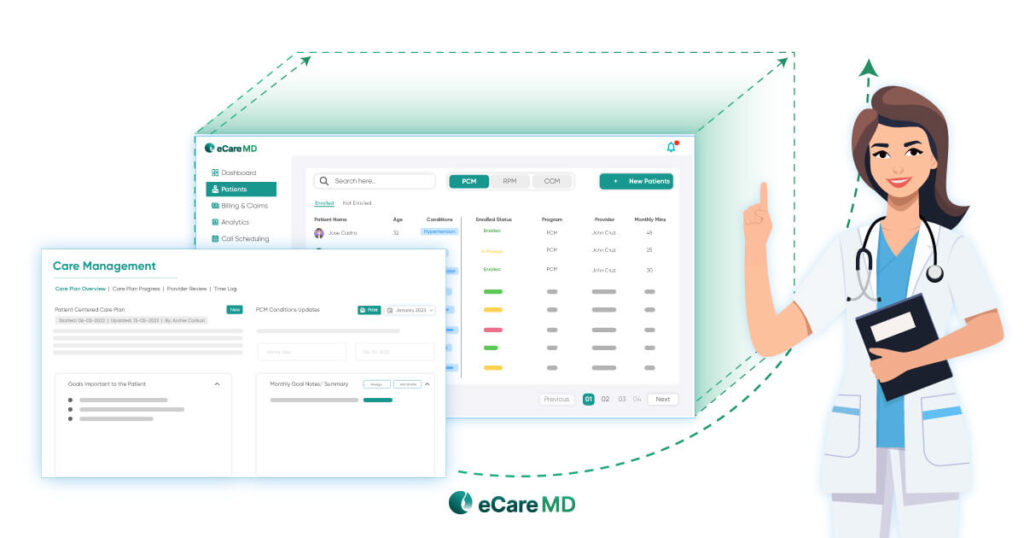
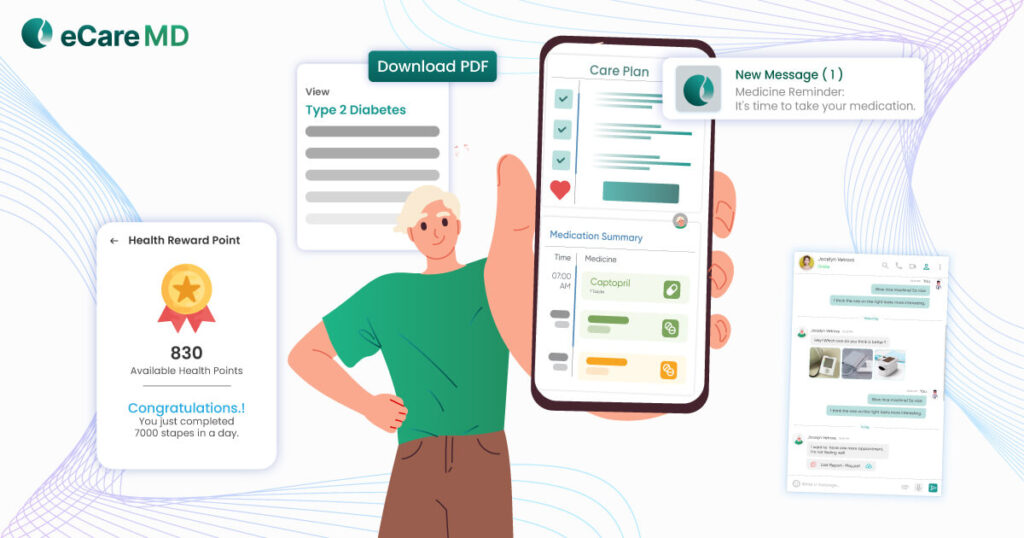
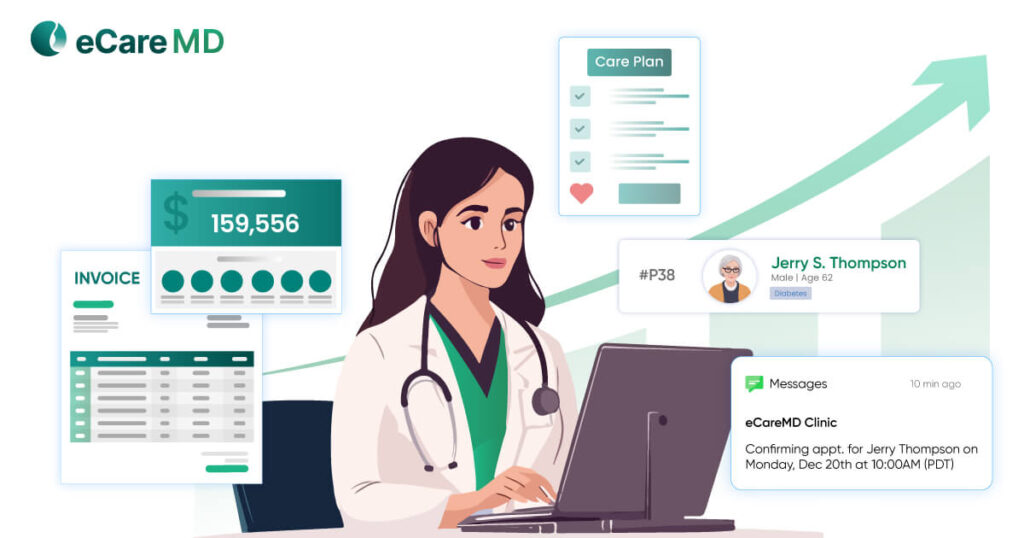
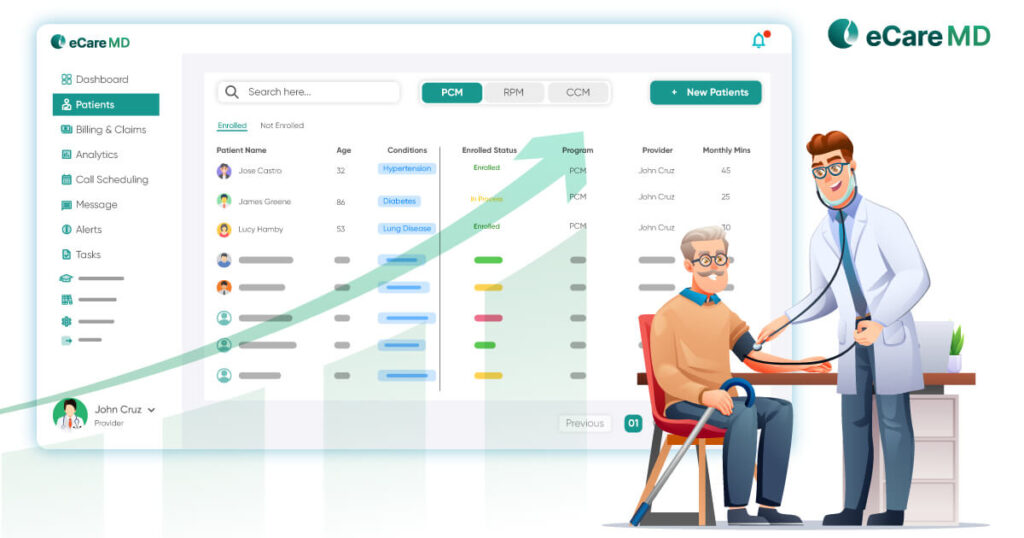
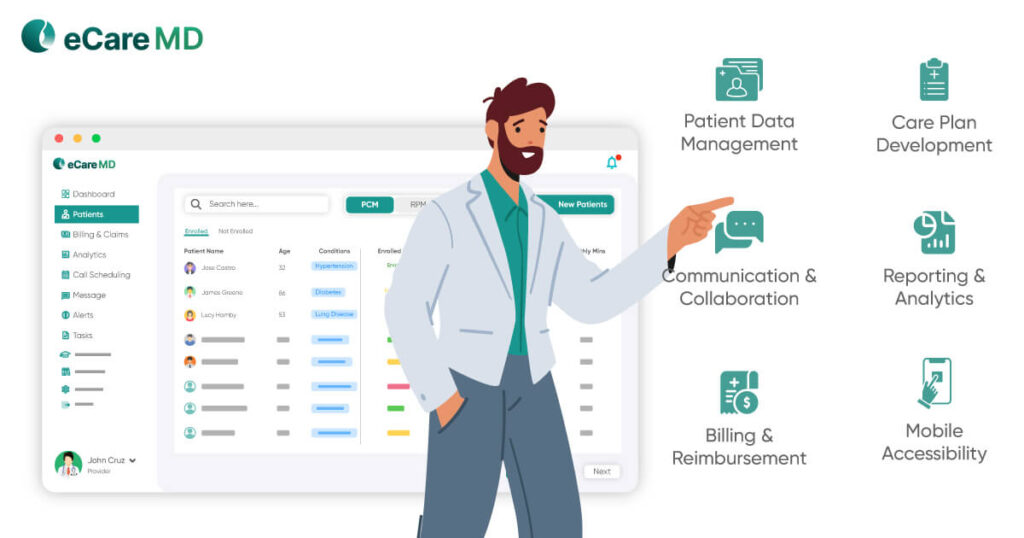
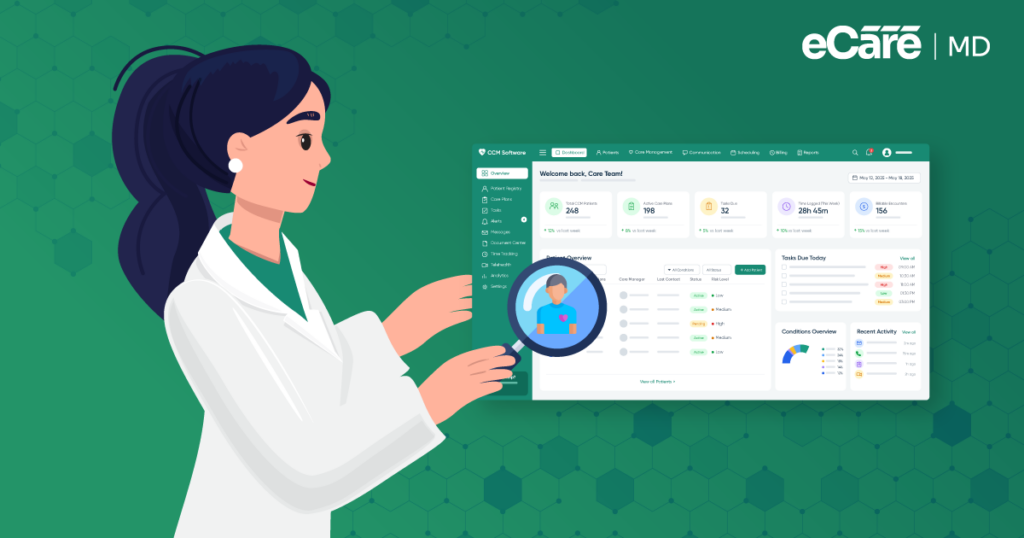
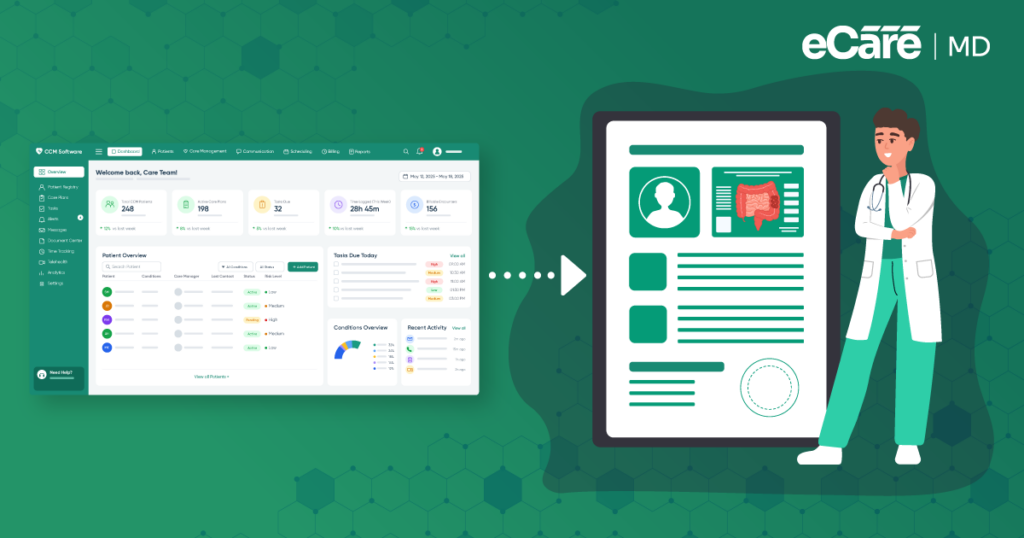
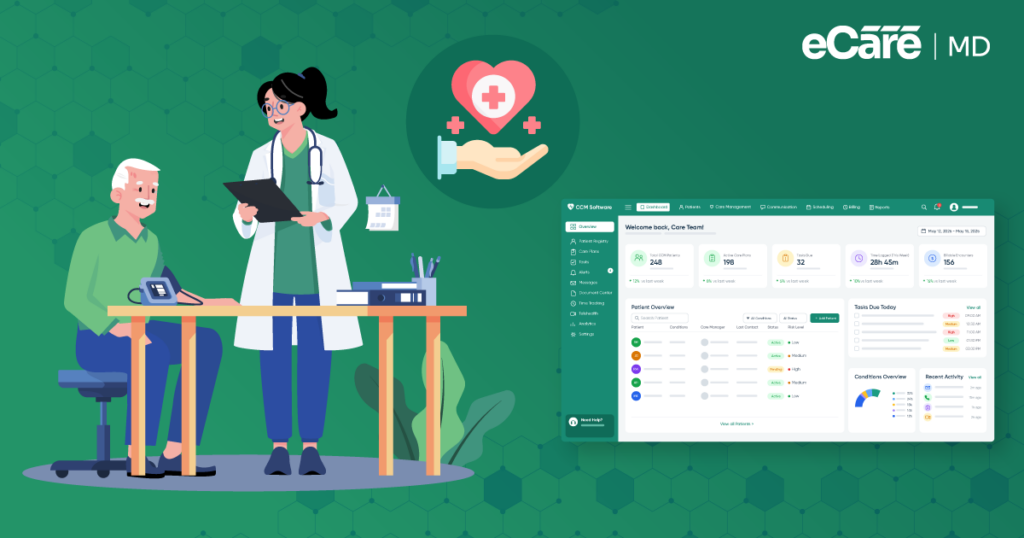
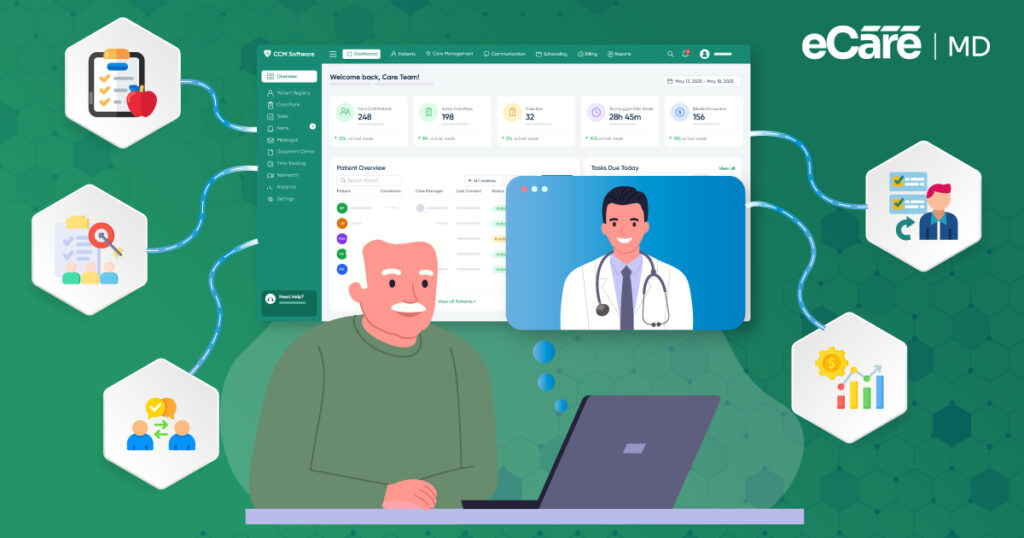
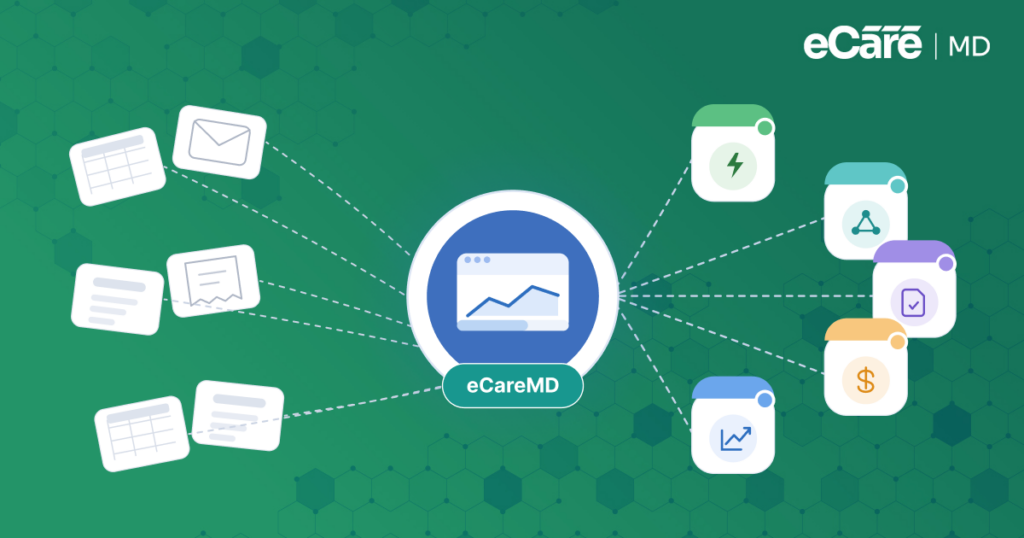
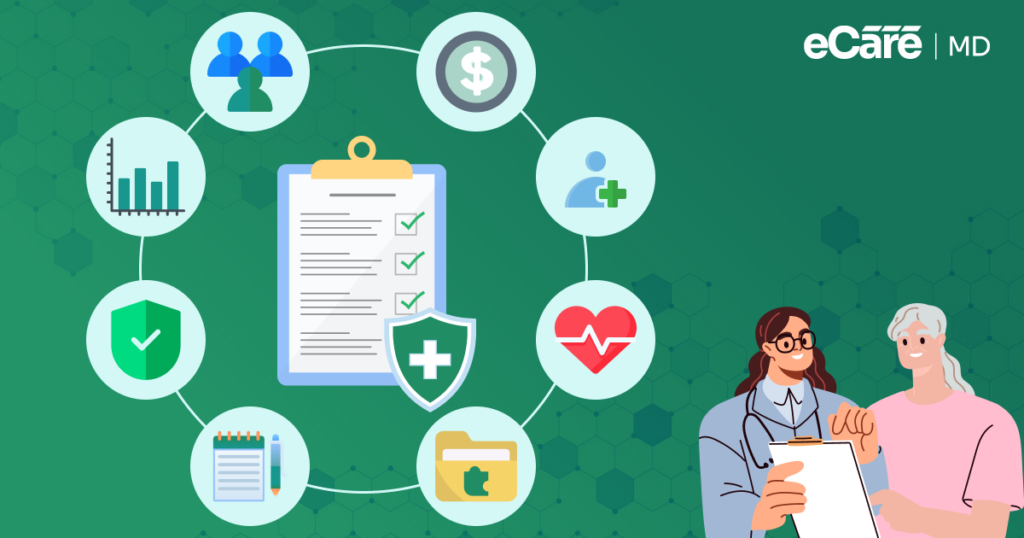
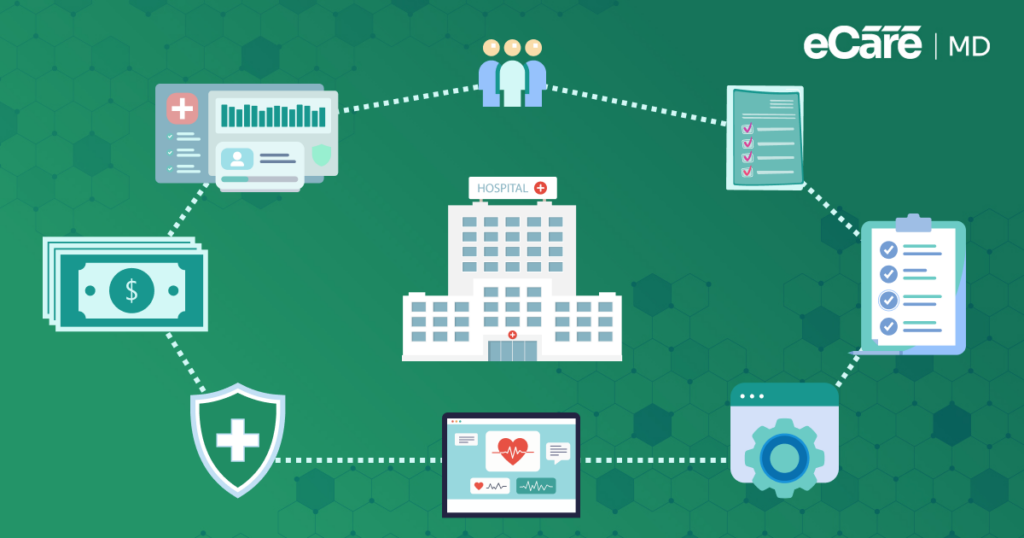
eCareMD’s chronic care management platform, which is developed by Medarch Inc., brings all these activities together in one centralized solution. It helps you automate routine follow-ups, manage personalized care plans, support medication management, and coordinate care more efficiently.
Ultimately, patients can receive more timely, continuous, and connected care throughout their health journey.
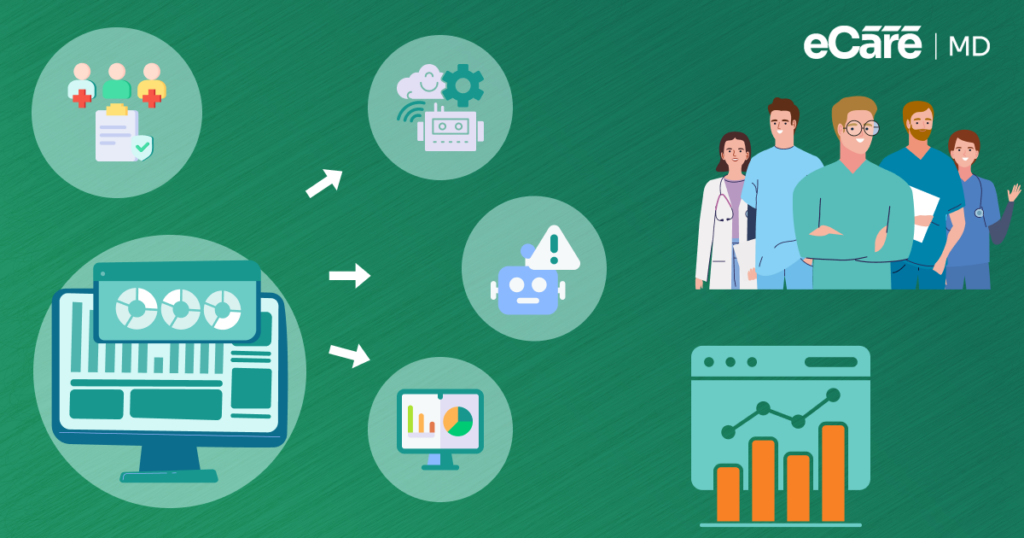
By reducing administrative work and improving care continuity, software for chronic care management allows providers to spend more time supporting patients instead of managing paperwork. Ultimately, the best chronic care management software helps healthcare organizations deliver better patient experiences while contributing to improved long-term health outcomes.
Conclusion:
Managing chronic conditions requires more than occasional office visits; it takes continuous support, personalized care, effective medication management, and seamless care coordination.
That’s exactly what Chronic Care Management (CCM) delivers. By helping patients stay engaged with their treatment plans and addressing health concerns early, CCM leads to better long-term health and improved patient outcomes.
For healthcare providers, delivering this level of care consistently becomes much easier with the right technology. eCareMD’s Chronic Care Management platform simplifies care coordination, streamlines daily workflows, and helps providers focus on what matters most: supporting their patients.
If you’re looking for the best chronic care management software, eCareMD provides the tools needed to deliver connected, patient-centered care while improving long-term outcomes.
Frequently Asked Question’s
The primary clinical benefits of Chronic Care Management (CCM) include better disease control, improved medication adherence, early detection of health changes, and fewer avoidable hospitalizations. Through regular follow-ups and coordinated care, patients receive continuous support instead of waiting until symptoms worsen. This proactive approach helps manage chronic conditions more effectively, improves overall health, and enhances quality of life.
Chronic Care Management improves patient outcomes by providing ongoing support between routine office visits. Patients receive regular check-ins, personalized care plans, medication monitoring, and timely interventions whenever their health changes. This continuous care helps prevent complications, encourages patients to stay engaged with their treatment plans, and supports better long-term management of chronic conditions.
Medication reconciliation is an essential part of Chronic Care Management because it ensures that a patient’s medication list is accurate and up to date. During regular reviews, healthcare providers identify duplicate prescriptions, dosage errors, missed medications, or potential drug interactions. This process helps patients take medications safely, improves treatment adherence, reduces medication-related complications, and supports better long-term management of chronic conditions.
Care coordination ensures that primary care providers, specialists, pharmacists, caregivers, and other healthcare professionals work together to support the patient’s treatment plan. Better communication between care teams reduces gaps in care, prevents duplicate tests or treatments, and allows providers to make more informed decisions. As a result, patients receive more consistent, efficient, and personalized healthcare.
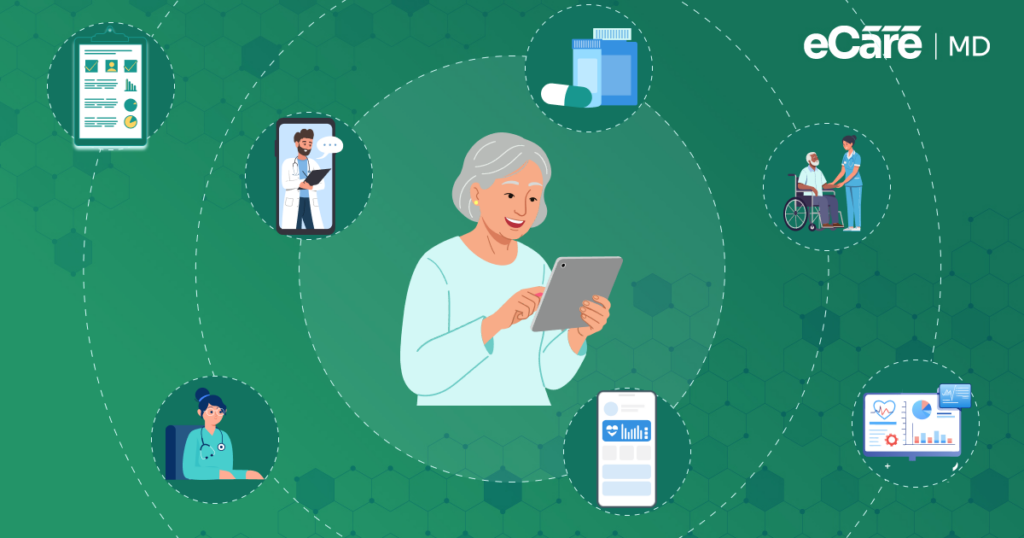
Continuous care coordination gives seniors ongoing access to healthcare support without relying only on scheduled office visits. Regular follow-ups, medication reviews, and timely guidance help identify health concerns early and reduce the risk of complications. This allows many older adults to manage their conditions with greater confidence, maintain their independence, and reduce the need for emergency care or frequent hospitalizations.
Patients enrolled in CCM receive proactive care through regular monitoring, follow-up calls, and continuous communication with their care team. Potential health issues can be identified and addressed before they become emergencies, reducing the likelihood of severe complications. This early intervention helps prevent unnecessary emergency room visits while supporting better long-term disease management.
Chronic Care Management is designed for patients with two or more chronic conditions that are expected to last at least 12 months or throughout their lifetime. It is especially beneficial for older adults and individuals managing conditions such as diabetes, hypertension, COPD, heart disease, arthritis, or chronic kidney disease. Patients who require frequent follow-ups, multiple medications, or care from different healthcare providers benefit the most from the continuous support and coordinated care offered through CCM.
Software for chronic care management helps providers organize patient information, automate follow-ups, track care plans, and coordinate communication across the care team. By reducing manual work and improving care coordination, providers can spend more time supporting patients. This leads to more consistent follow-ups, timely interventions, and a better overall care experience for people with chronic conditions.
eCareMD helps healthcare providers deliver consistent Chronic Care Management by centralizing patient outreach, personalized care plans, medication management, care coordination, and documentation within a single platform. It simplifies daily workflows, improves care continuity, and reduces administrative effort, allowing providers to focus more on patient care while delivering better long-term health outcomes.

![The Future of Remote Patient Monitoring: CMS Innovations & Emerging Trends [2026]](/wp-content/uploads/2024/07/Blog-36-The-Future-of-Remote-Patient-Monitoring_-Trends-AI-Innovation-CMS-Updates-for-2026-1024x538.png)