Last Updated: October 7, 2026
A busy morning can quickly create extra pressure on your entire care team. Imagine: your one patient requires a follow-up call, another has missed an appointment, while someone else might show signs that indicate their condition is getting worse.
If all these issues are handled after they appear, your care team ends up spending more time putting out fires instead of preventing them. And this is where proactive chronic disease management can start to make a huge difference.
By looking at your patient risks earlier, it becomes easy for your care team to identify who requires closer follow-up before a small concern becomes a critical one. CCM risk stratification allows teams to organize patients on the basis of their level of risk, while spending their time more on where it is most needed.
However, the challenge here is to keep up with all this manually. As patient information spreads through EHRs, spreadsheets, and task lists, it becomes harder to know who actually needs attention, what needs to be done, and when follow-up is due.
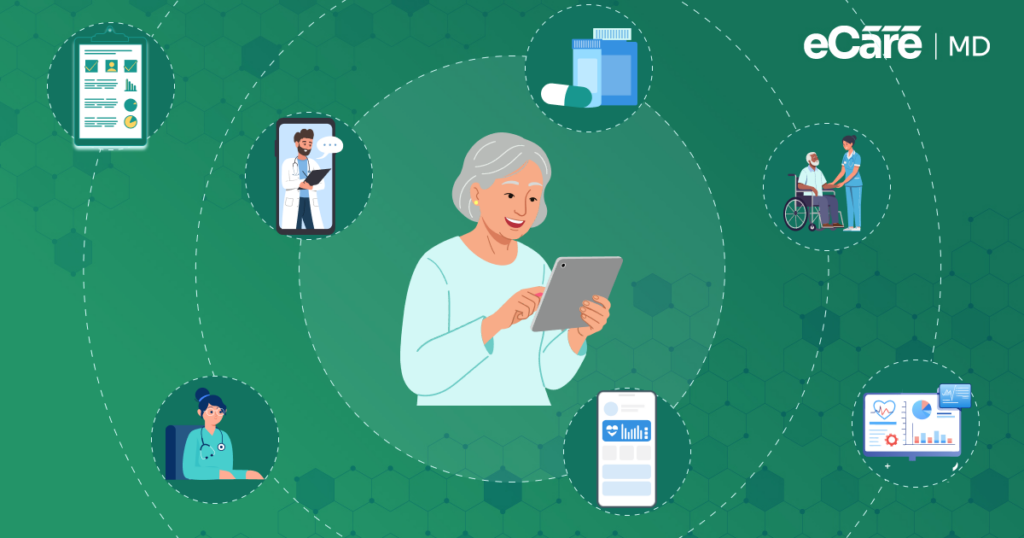
With care management software solutions, it becomes manageable to bring all these pieces together while helping your teams turn risk information into more organized follow-up workflows.
Let’s dive into the blog to explore what proactive chronic disease management involves, how risk stratification works in CCM, practical strategies care teams can use, and how software can make the process easier to manage.
What Is Proactive Chronic Disease Management?
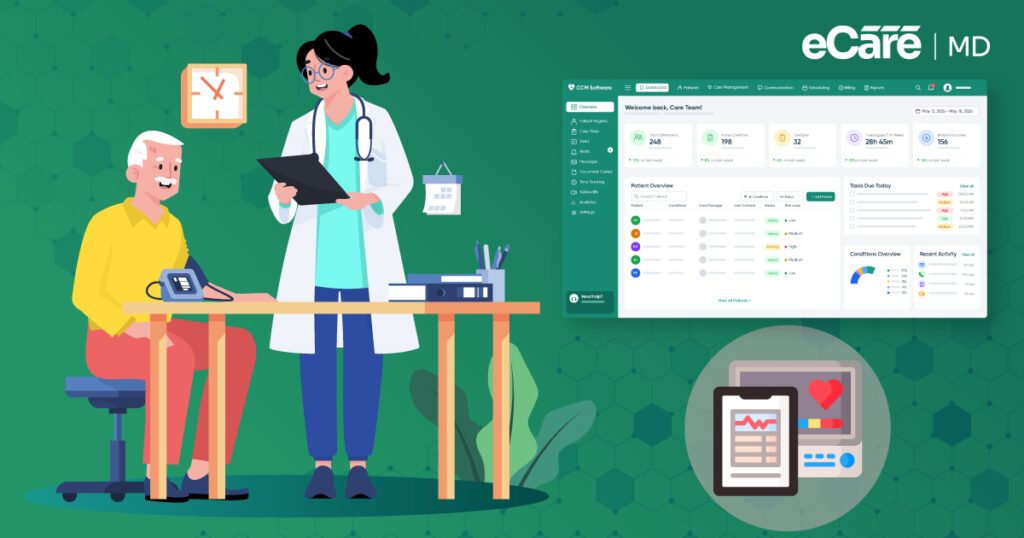
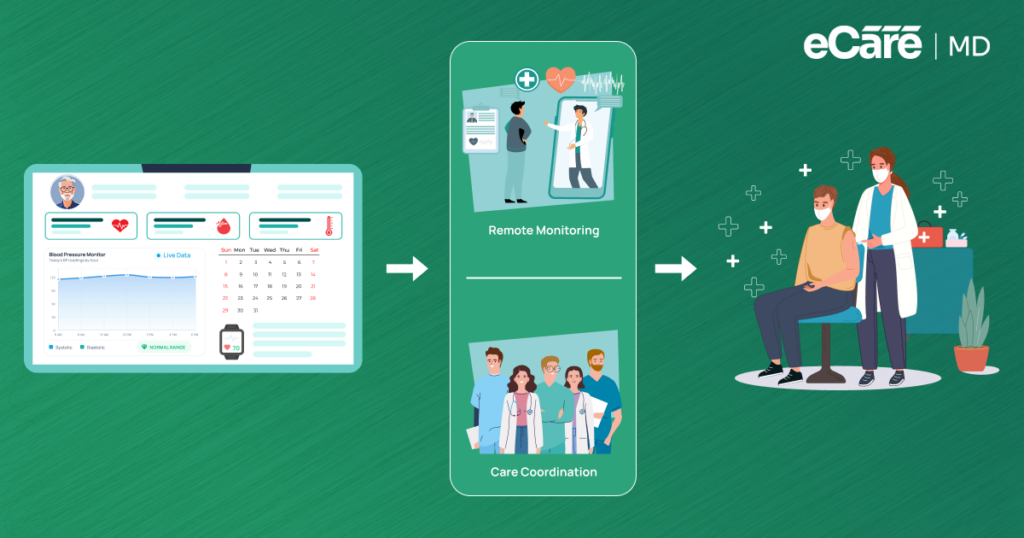
Picture your care team observes that a patient’s blood pressure has been increasing between regular check-ins. Nothing is urgent yet, so it would be easy to wait until the patient reports a problem. Proactive chronic disease management takes a different approach. It focuses on noticing changes early and deciding what needs attention before the situation becomes more difficult to manage.
In simple terms, it means managing a patient’s health over time instead of only responding when something goes wrong.
The approach includes:
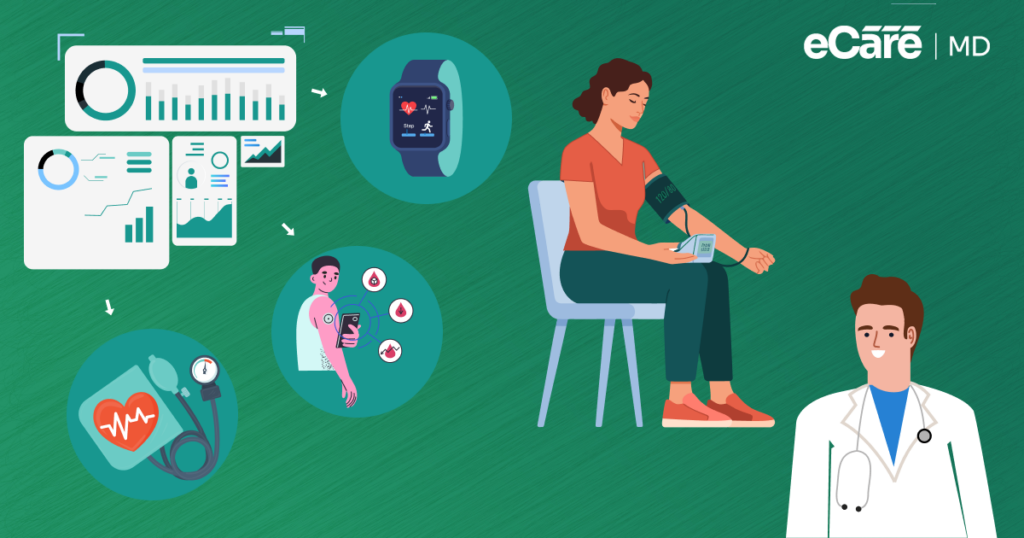
- Continuous monitoring: Keeping track of patient health and relevant changes over time.
- Early identification of changing needs: Spotting concerns that may need attention.
- Timely follow-up: Acting on those concerns without unnecessary delays.
- Structured patient engagement: Staying connected with patients through regular communication and support.
- Periodic reassessment: Reviewing needs regularly as a patient’s condition and risks can change.
The goal is not to guarantee that complications will never happen. It is to identify risks earlier, prioritize the patients who need attention, and create more opportunities for timely intervention. In short, proactive chronic care management helps care teams stay one step ahead instead of constantly playing catch-up.
The Mechanics of CCM Risk Stratification
Once a care team decides to take a more proactive approach, the next challenge is knowing where to focus first. Not every patient needs the same level of attention. A patient recently discharged from the hospital may need closer follow-up than someone whose condition has remained stable for months.
This is where CCM risk stratification comes in. It helps care teams look at a patient’s current situation and understand their level of risk or need.
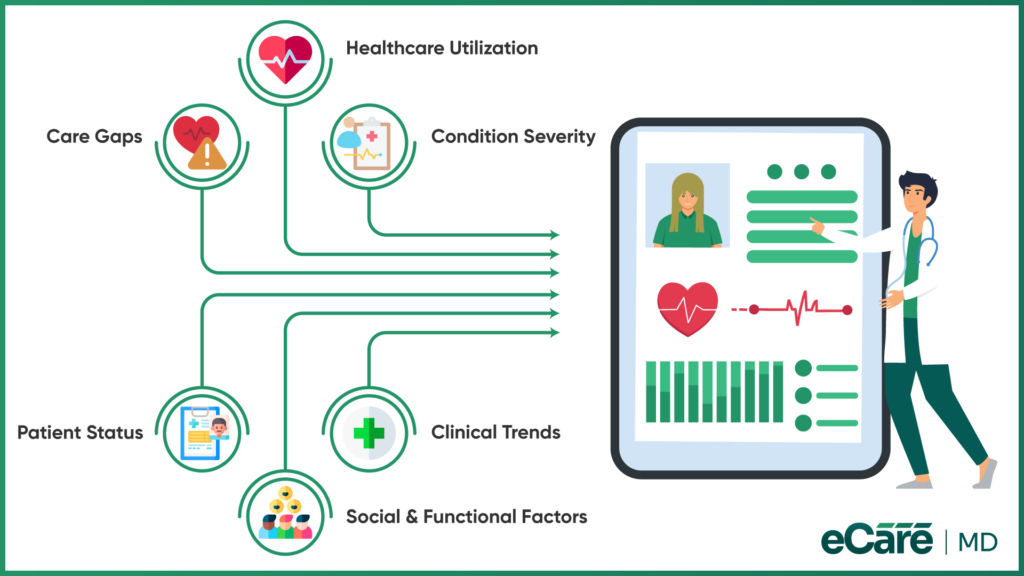
A chronic disease risk assessment may consider:
- Recent healthcare utilization: Hospitalizations, emergency visits, or frequent healthcare use.
- Condition severity and control: How well the patient’s chronic conditions are being managed.
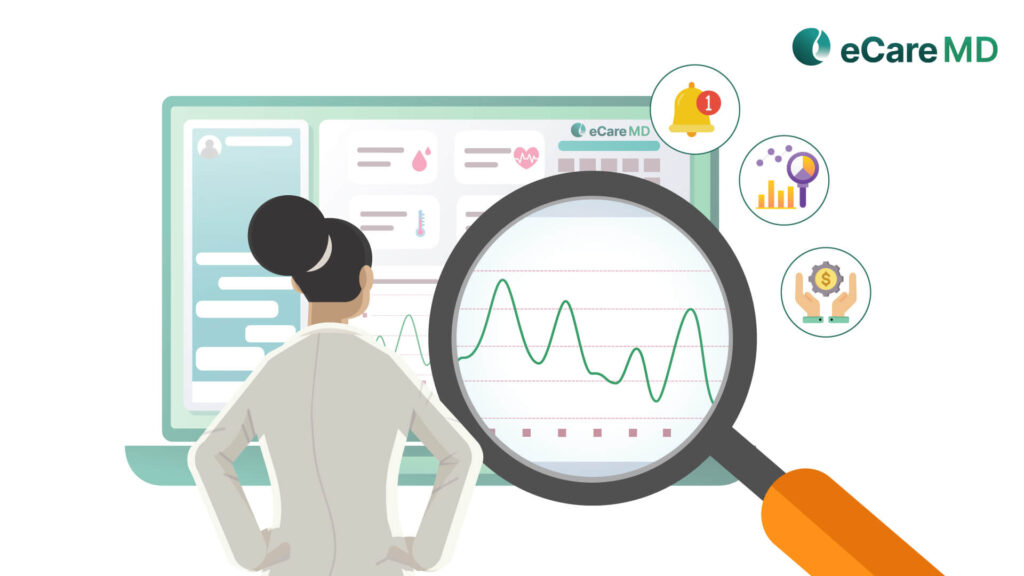
- Clinical trends: Changes in symptoms, health measures, or other relevant patterns.
- Care gaps: Missed appointments, overdue screenings, medication concerns, or other unmet needs.
- Social or functional factors: Challenges that may affect the patient’s ability to manage their health or follow the care plan.
- Changes in patient status: New symptoms, diagnoses, or other meaningful changes in health.
Based on these factors, patients can be grouped into broad levels of need:
- Higher-risk or higher-need: Patients who may require closer monitoring and more frequent follow-up.
- Moderate-risk: Patients who need regular attention but may not require the same intensity of support.
- Lower-risk or stable: Patients whose conditions are currently stable and may continue with routine follow-up.
These groups are not permanent. A patient who is stable today may move into a higher-risk group after a hospitalization or worsening symptoms. A newly identified care gap can also change the level of attention needed.
That is why risk stratification in chronic care management should be reviewed as patient circumstances change, rather than treated as a one-time decision.
The point is simple: risk stratification helps care teams put their time where it can matter most. The next step is turning that understanding of risk into consistent action.
Practical Strategies for Proactive Care Execution
Knowing which patients need attention is only the beginning. The real work starts when the care team turns that information into action.
Imagine a patient who was stable during the last few CCM check-ins but has now returned home after a hospital stay. The team may need to reach out sooner, review what changed, and check whether any care gaps need to be addressed.
Another patient may remain stable and only need routine follow-up. Treating both patients in exactly the same way can quickly stretch a small care team. This is why proactive chronic disease management strategies should match the patient’s level of risk and need.
Higher-risk patients may need more frequent outreach, while stable patients can follow a less intensive schedule. When a care gap is identified, the team can act on it rather than allowing it to remain on a list of unfinished tasks.
Patient needs can also change without much warning. New symptoms, another hospital visit, or a missed follow-up may mean that a patient needs closer attention. Having a clear escalation path helps the team respond when those changes occur instead of waiting for the situation to become urgent.
Over time, priorities need to be reviewed and adjusted. This is what makes risk stratification strategies in chronic care management useful in day-to-day care: they help teams decide who to contact, what needs to happen next, and when the plan needs to change.
The challenge is keeping all these actions organized as the number of patients and follow-ups grows. This is where technology becomes part of the process, not to replace clinical judgment, but to help care teams keep the right actions moving.
Download Free Guide to Higher Patient Engagement in CCM Software
Download nowLeveraging CCM Software to Operationalize Risk Stratification
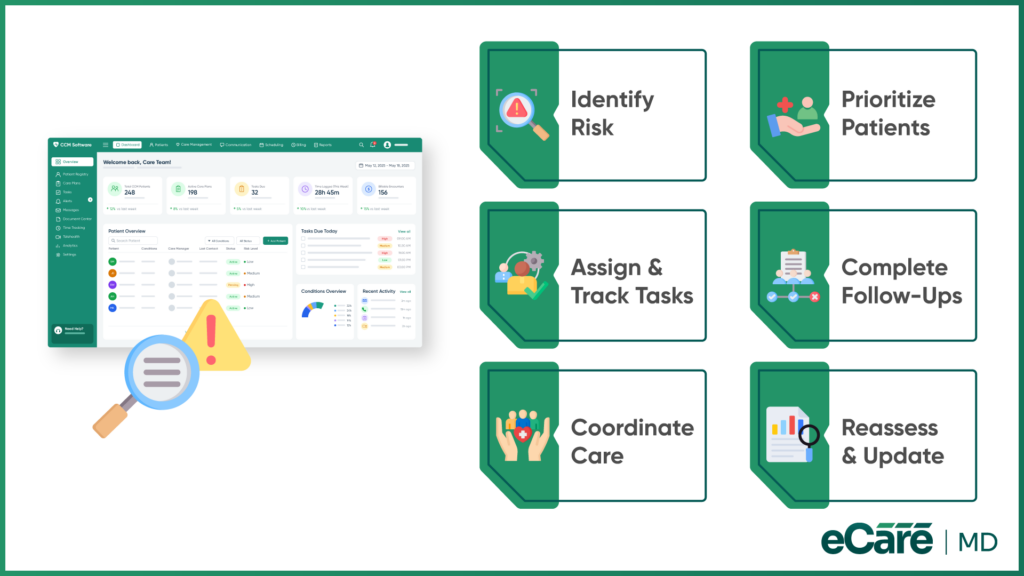
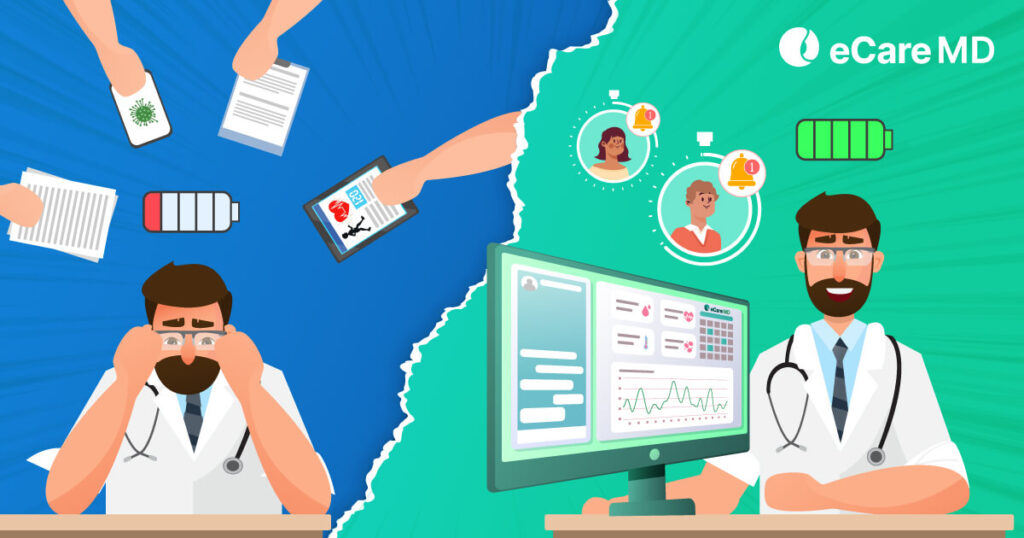
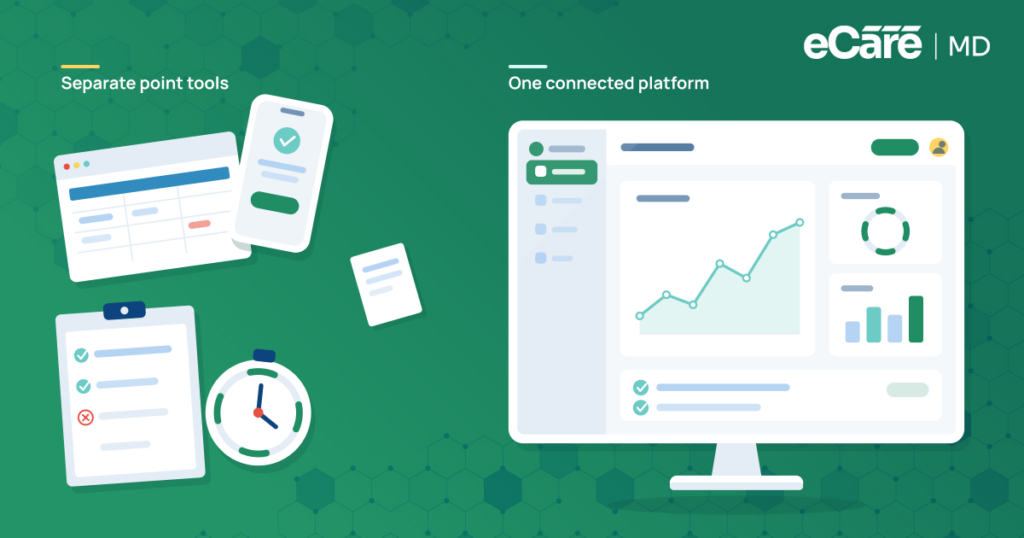
As the number of CCM patients grows, keeping track of every priority can become difficult. A care team may know which patients need closer attention, but that information can still end up scattered across spreadsheets, EHR notes, and separate task lists. One missed task can mean one missed follow-up.
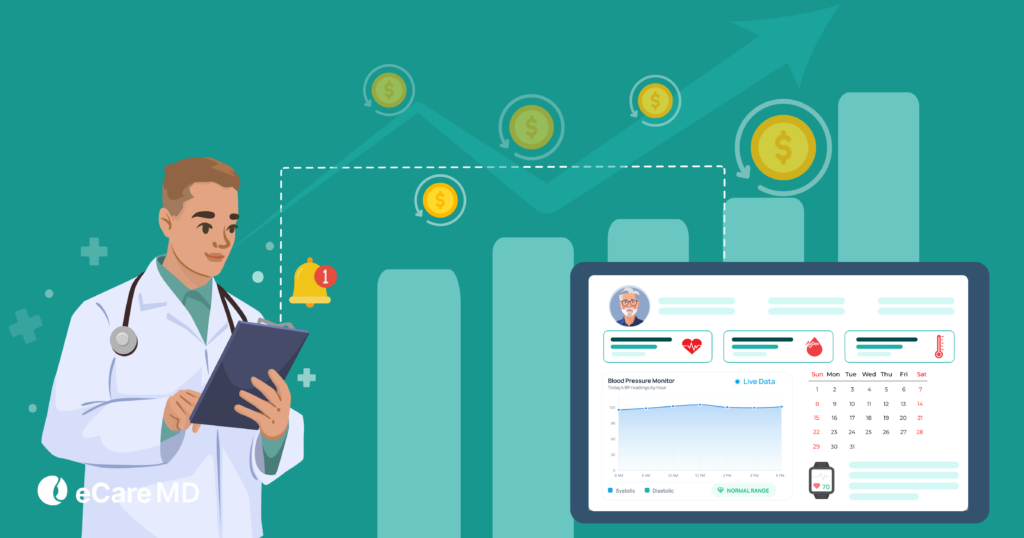
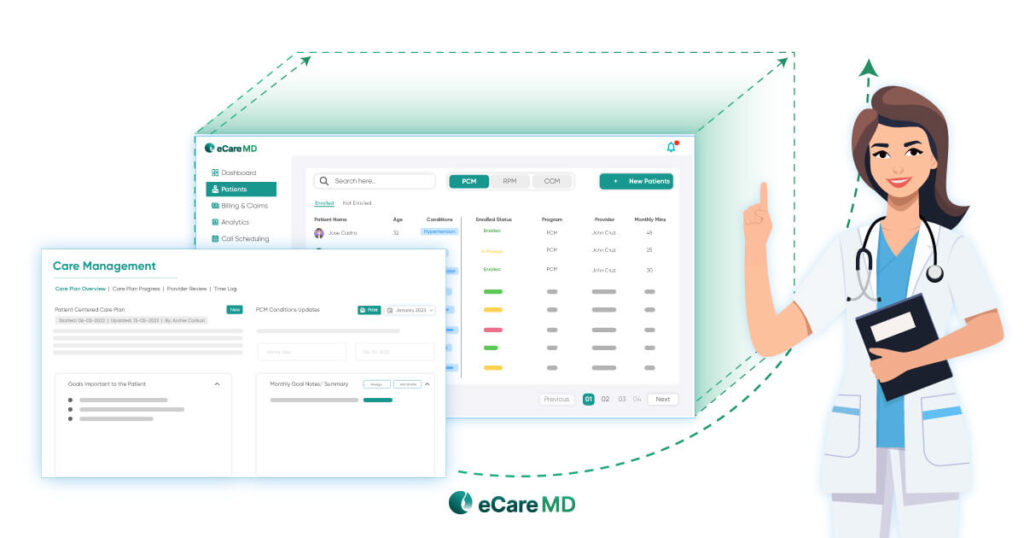
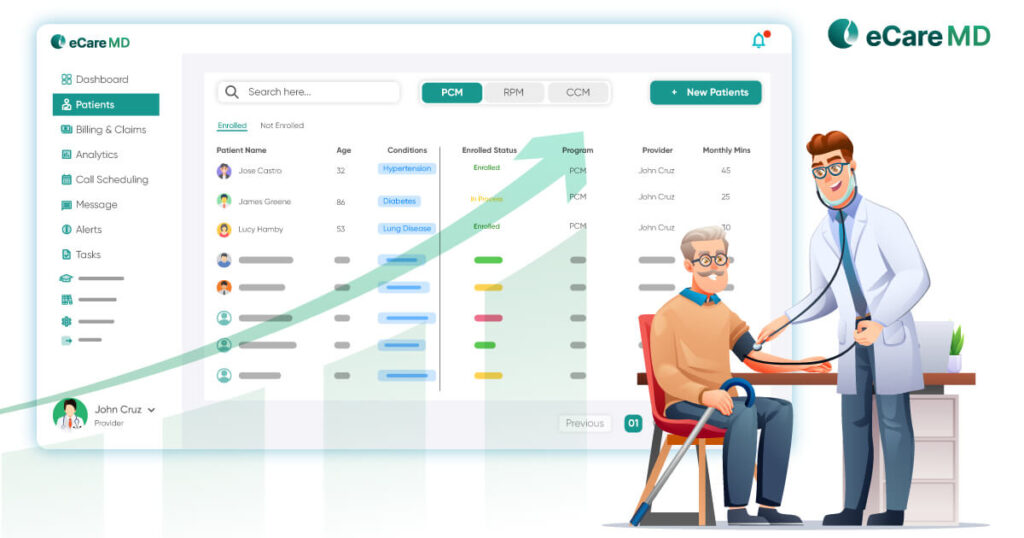
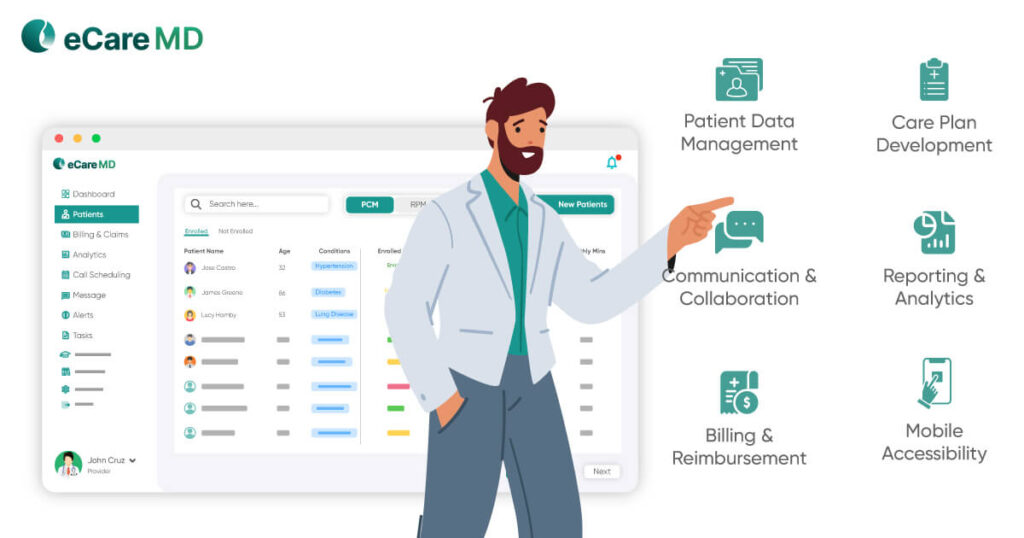
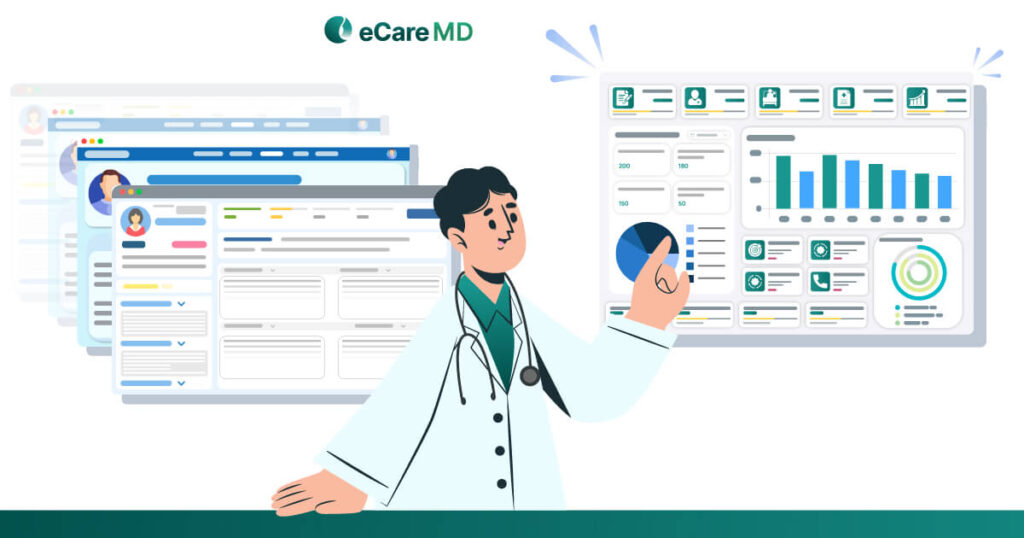
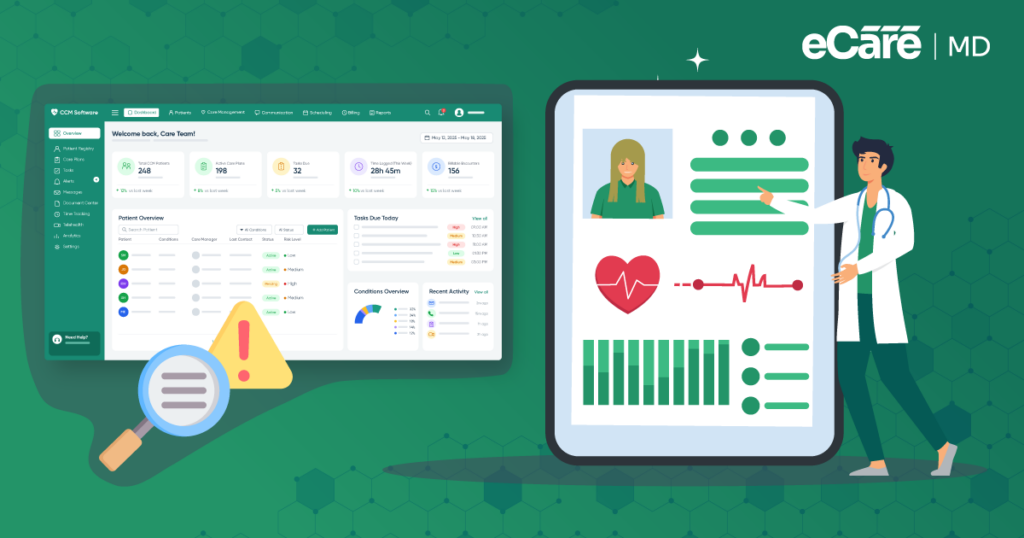
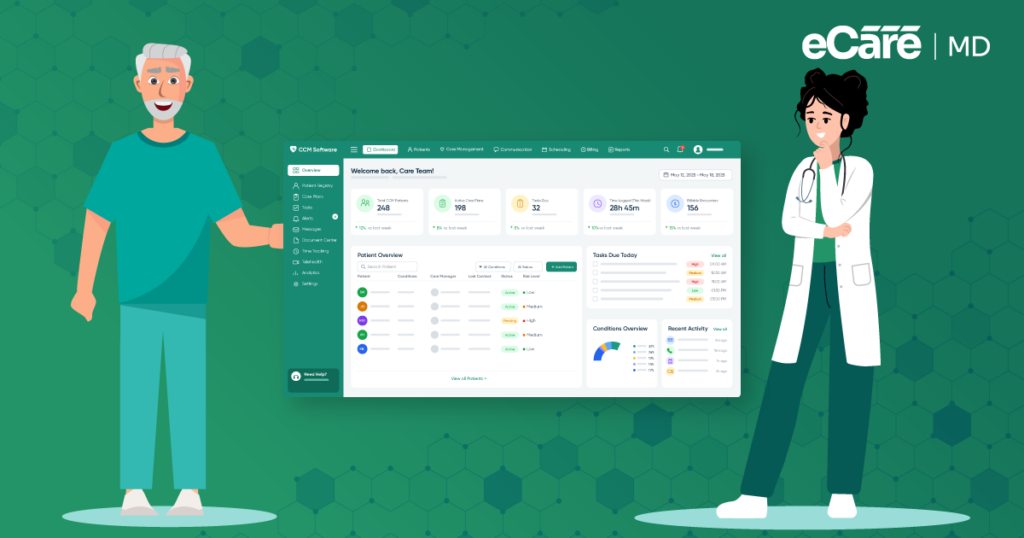
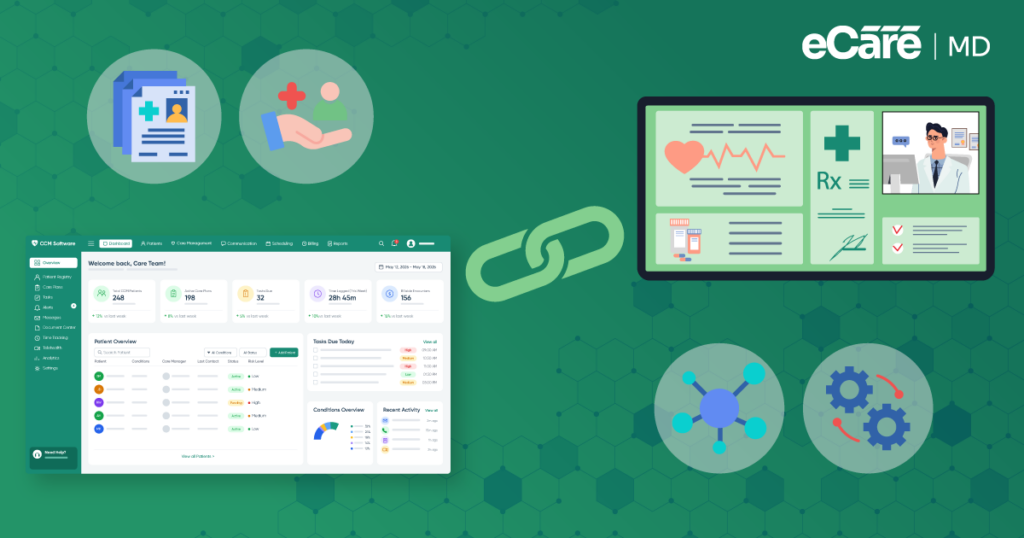
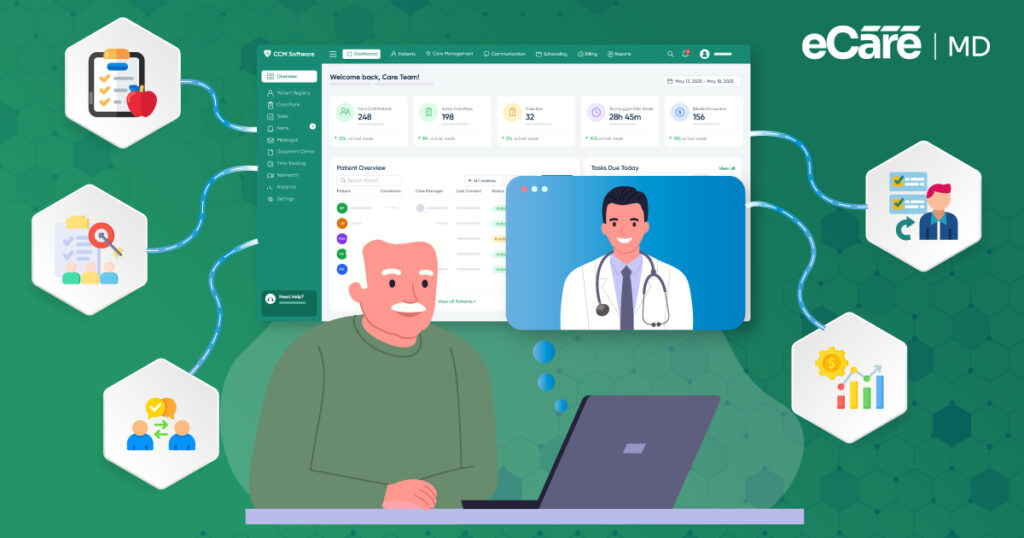
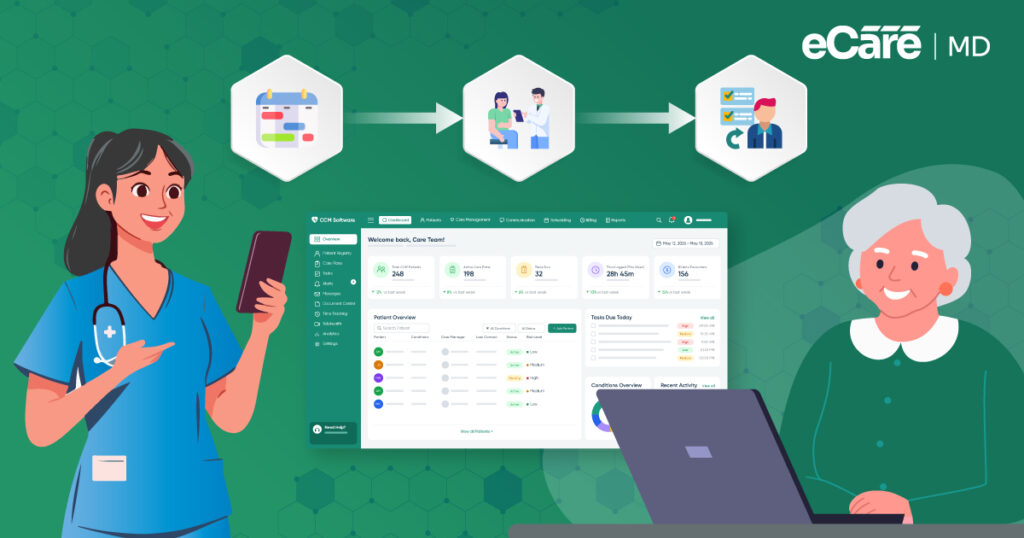
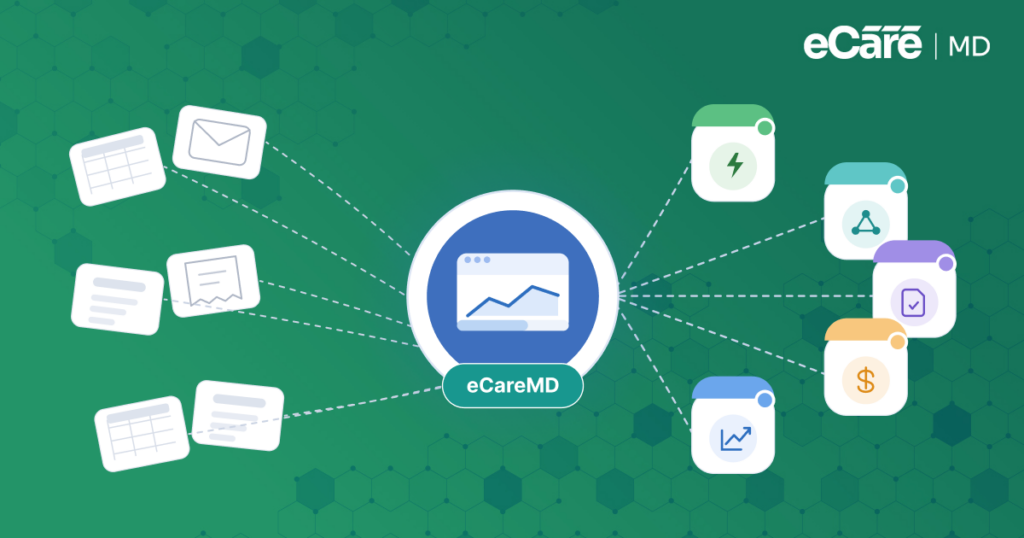
CCM software can bring these pieces into one place. Instead of searching through different systems, care teams can have a clearer view of patient information, see which patients need attention, and organize work based on current priorities.
Follow-up tasks can also be assigned and tracked, making it easier to keep outreach from falling through the cracks. For CCM software for healthcare providers, this can make risk-based workflows easier to manage as the patient population grows.
A higher-risk patient can be placed higher on the team’s work queue, while routine follow-ups remain organized in the same workflow. Team members can also see what has been done, what is due next, and where another team member needs to step in.
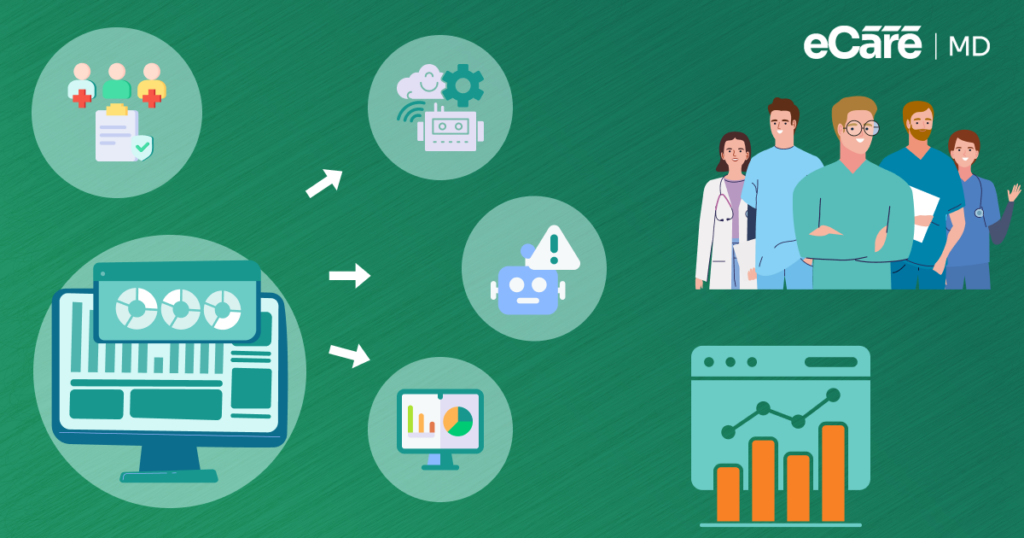
The role of automation here is to support the workflow, not clinical decision-making. Software can help organize information, tasks, and follow-ups, but healthcare professionals remain responsible for reviewing the patient’s situation and deciding what care is appropriate.
In the end, the goal is simple: fewer scattered spreadsheets, fewer disconnected task lists, and a clearer path from identifying risk to taking action.
Conclusion
Proactive care is an ongoing cycle: risk assessment → patient segmentation → prioritized action → monitoring → reassessment. As patient needs change, care teams can adjust their priorities and respond before small concerns become bigger ones.
eCareMD helps make this process easier by organizing risk-based work queues, follow-ups, and team tasks in one place, reducing reliance on spreadsheets and disconnected task lists.
The goal is not simply to collect more data, but to help care teams turn risk information into consistent action. For practices managing CCM at scale, CCM software for healthcare providers can help keep that work organized and moving.
Frequently Asked Question’s
Reactive chronic care management responds after a problem appears, such as worsening symptoms or an emergency visit. Proactive care looks for changing needs earlier through regular monitoring, follow-up, patient engagement, and reassessment. This gives care teams more opportunities to address concerns before they become more difficult to manage.
A chronic disease risk assessment can consider recent hospital or emergency visits, condition severity and control, clinical trends, care gaps, social or functional factors, and meaningful changes in patient status. Reviewing these factors together helps care teams understand a patient’s current needs and determine the appropriate level of follow-up.
CCM risk stratification helps care teams group patients according to their level of risk or need. This makes it easier to identify patients who may need closer monitoring, prioritize outreach, and adjust follow-up as circumstances change. It supports earlier action rather than waiting for problems to become urgent.
There is no single schedule that works for every patient. Risk should be reassessed regularly and whenever there is a meaningful change in health status, such as hospitalization, worsening symptoms, a new diagnosis, or an identified care gap. The goal is to keep the care plan aligned with current needs.
Healthcare providers should look for features that make daily CCM work easier, including centralized patient information, organized work queues, task and follow-up management, outreach workflows, care-team coordination, and useful tracking tools. The software should reduce manual work while allowing healthcare professionals to remain responsible for clinical decisions.
Care teams can use risk tiers to determine which patients need attention first. Higher-risk patients may require closer monitoring and more frequent outreach, while moderate- and lower-risk patients can follow appropriate routine schedules. Teams can then adjust these priorities when a patient’s health status or care needs change.
Proactive chronic disease management helps care teams identify changing patient needs earlier, organize follow-up, address care gaps, and focus their time where it is most needed. It can also make ongoing care more consistent by giving teams a structured way to monitor patients and reassess priorities.
CCM software can help teams organize patients, prioritize work queues, assign follow-up tasks, and coordinate outreach according to current patient needs. This reduces reliance on separate spreadsheets and task lists. The software supports the workflow, while healthcare professionals review the patient information and make appropriate clinical decisions.





![The Future of Remote Patient Monitoring: CMS Innovations & Emerging Trends [2026]](/wp-content/uploads/2024/07/Blog-36-The-Future-of-Remote-Patient-Monitoring_-Trends-AI-Innovation-CMS-Updates-for-2026-1024x538.png)