Last Updated: October 7, 2026
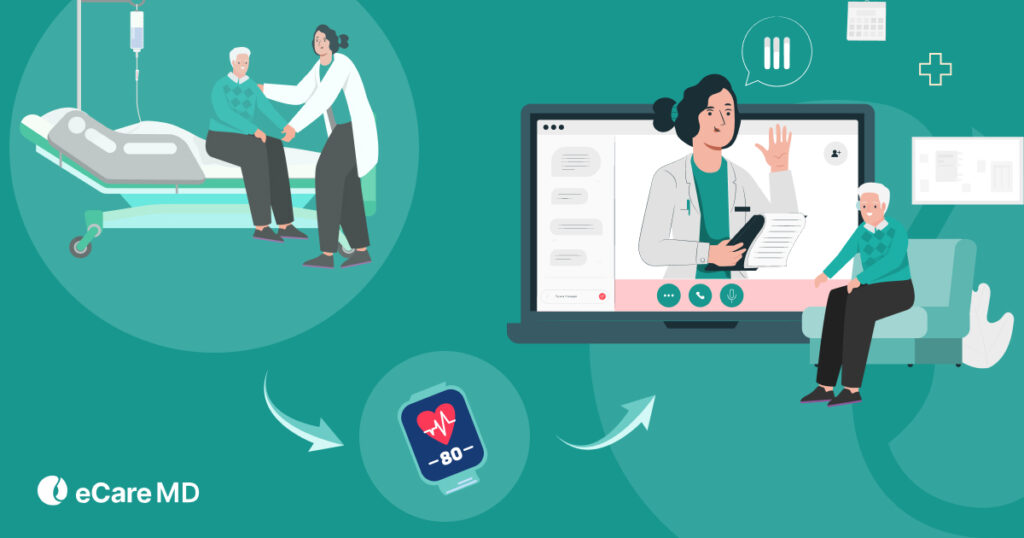
Leaving the hospital is often treated as the end of an episode of care, but for many patients, it is where the next challenge begins. Medications may have changed, follow-up appointments may still be pending, and patients may be unsure about what to do once they are back home. Without timely support, small issues can quickly become bigger problems.
This is where CCM can play an important role. Ongoing follow-up, care coordination, patient engagement, and monitoring help bridge the gap between discharge and continued chronic care. These activities give care teams more opportunities to identify concerns early and support patients as they transition back into their daily routines.
Technology can make these workflows easier to organize by bringing discharge information, follow-up activities, and patient needs into a more structured process. A patient care management system can help teams maintain visibility into what needs attention and keep post-discharge activities connected.
This article explores how CCM helps prevent hospital readmissions, the key post-discharge workflows involved, and how CCM software can support more consistent readmission-prevention efforts.
Why Hospital Readmissions Happen and Where CCM Fits
The days after discharge can be difficult for patients managing chronic conditions. A follow-up may be delayed, medication instructions may be unclear, or a symptom may change without the patient knowing when to seek help. When communication between providers is also fragmented, these gaps can make the transition back to routine care harder.
This is where the connection between chronic care management and hospital readmissions becomes important. CCM provides ongoing support for eligible patients with chronic conditions through regular communication, care coordination, monitoring, and follow-up. These activities can help care teams identify and address concerns earlier, supporting efforts to reduce avoidable readmission risk.
TCM vs. CCM: What’s the Difference?
| CCM | TCM | |
|---|---|---|
| Primary focus | Transition from inpatient care back to community-based care[cite: 9] | Ongoing management of chronic conditions[cite: 9] |
| Timing | Centers on the period following discharge[cite: 9] | Continues as part of ongoing chronic care[cite: 9] |
| Main activities | Post-discharge contact, medication reconciliation, follow-up, and care coordination[cite: 9] | Regular patient engagement, care planning, monitoring, and coordination[cite: 9] |
| Relationship | May address the immediate transition after hospitalization[cite: 9] | May follow a TCM episode or support continuing chronic-care needs, depending on the patient and applicable requirements[cite: 9] |
TCM and CCM can therefore complement each other rather than serve the same purpose. CCM may support readmission-risk reduction through continued chronic-care management, but no care-management approach or software can guarantee that a readmission will be avoided.
Hospital Readmission Prevention Strategies With CCM
The first few days after discharge can set the tone for a patient’s recovery. Timely CCM post-discharge care gives care teams an opportunity to confirm what the patient needs and address gaps before they become harder to manage.
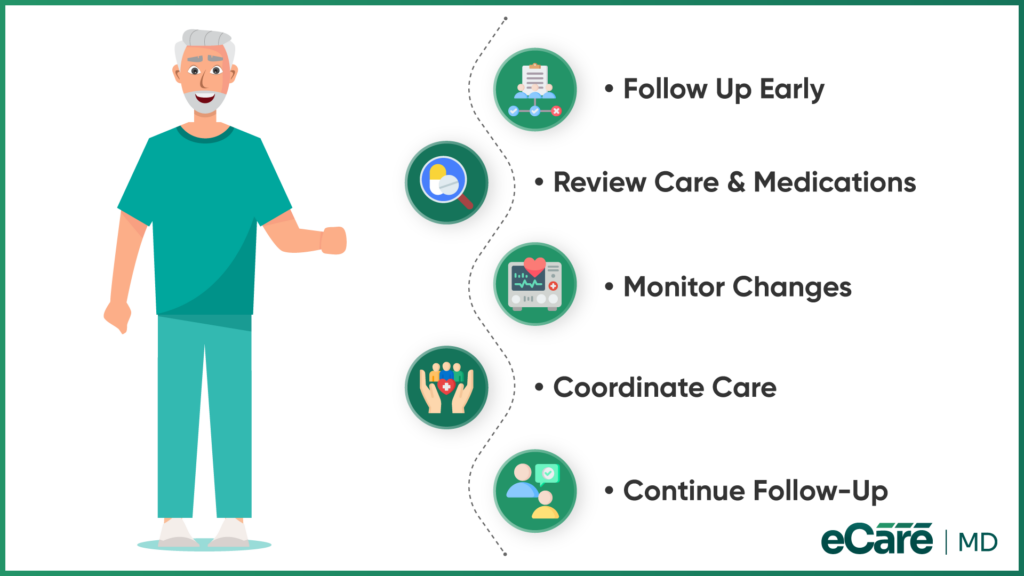
These hospital readmission prevention strategies with CCM can include:
- Prioritize Early Post-Discharge Follow-Up: Contact patients promptly after discharge to confirm they understand their instructions, appointments, and next steps.
- Review Care and Medication Needs: Review relevant medications, instructions, appointments, and follow-up needs, while bringing potential concerns to the appropriate clinical team.
- Monitor for Changes and Unresolved Needs: Ongoing CCM interactions can help identify changes in symptoms, adherence concerns, or emerging needs that may require clinical attention.
- Coordinate Across the Care Team: Share relevant information with appropriate providers and care-team members to support continuity between hospitals, primary care, specialists, and care managers.
- Maintain Ongoing Follow-Up: Readmission prevention does not end with the first follow-up call. Continued engagement helps teams stay aware of emerging needs and respond when appropriate.
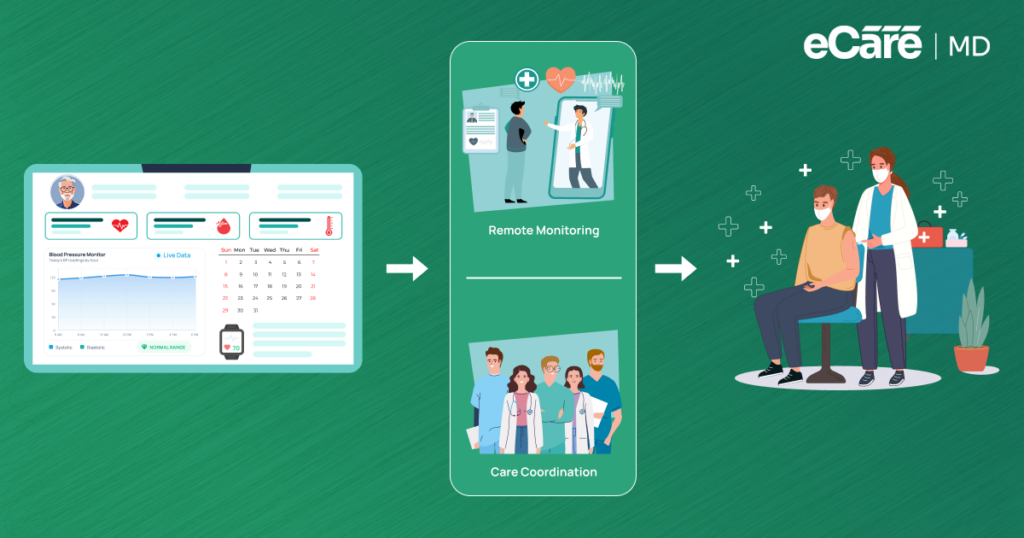
Together, these steps create a continuous process: follow up → review → monitor → coordinate → continue care. This approach can support readmission-risk reduction while keeping clinical decisions with qualified healthcare professionals.
How CCM Software Supports Hospital Readmission Reduction
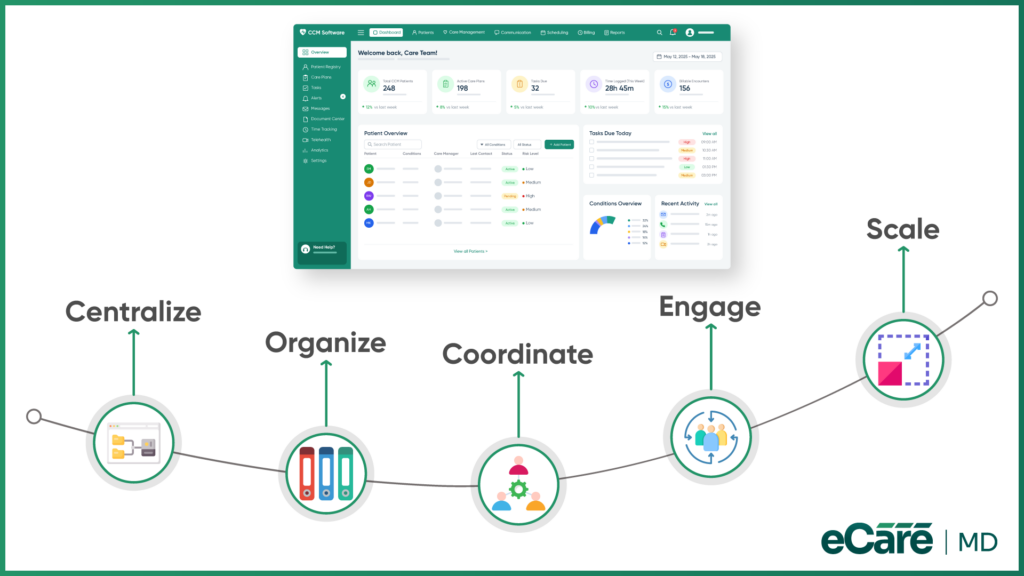
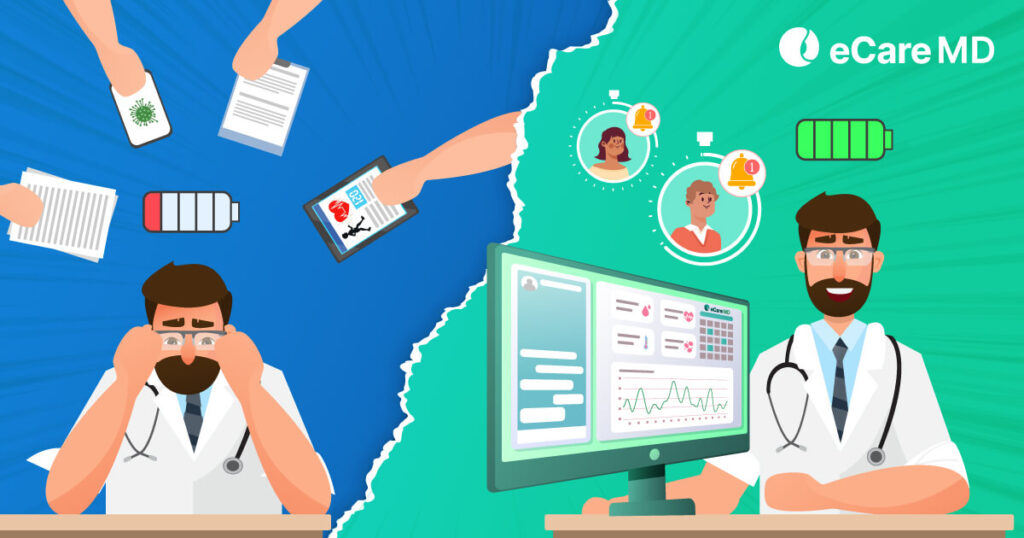
After discharge, keeping track of multiple follow-ups, care activities, and patient needs can become difficult as the patient panel grows. This is where software can bring more structure and visibility to the process.
Understanding how CCM helps prevent hospital readmissions starts with making post-discharge workflows easier for care teams to manage consistently.
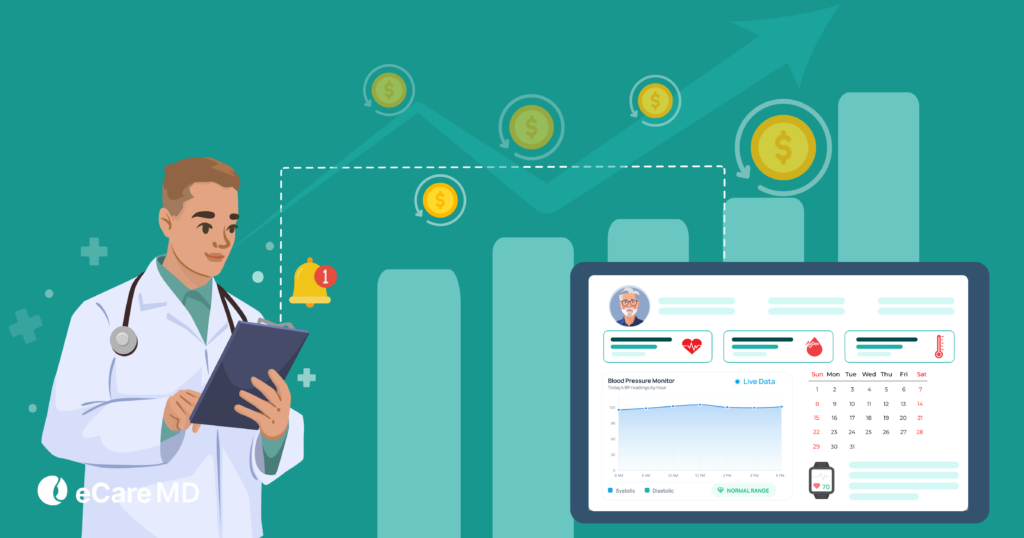
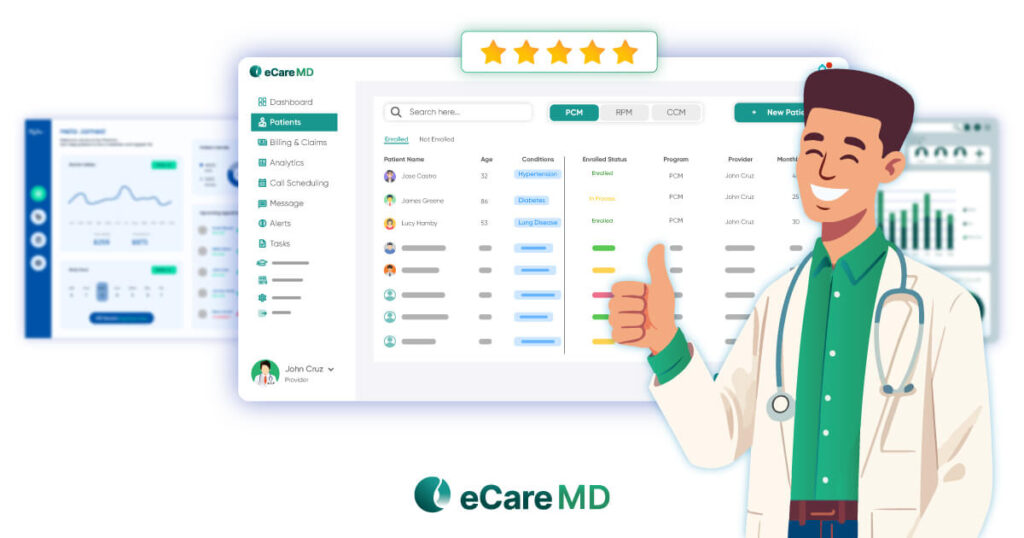
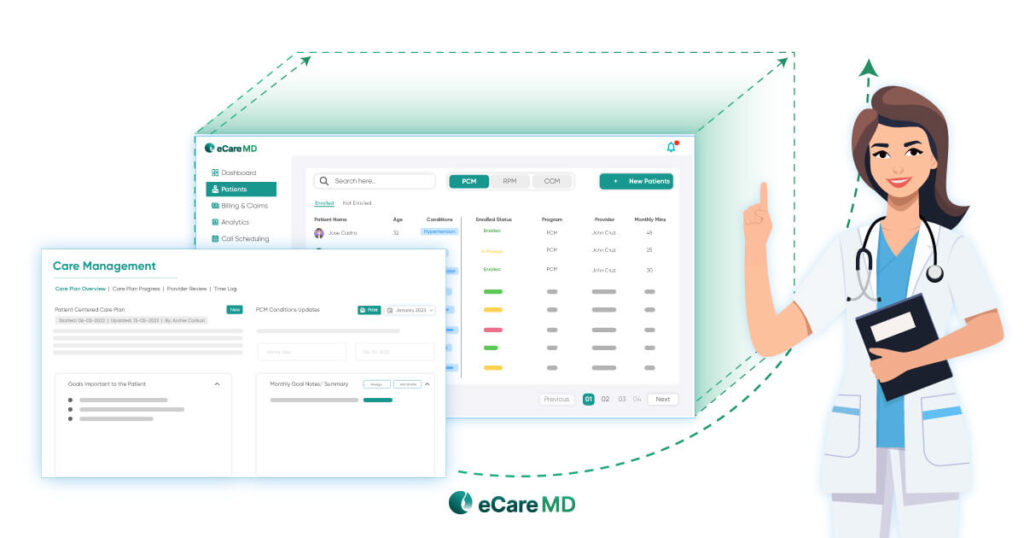
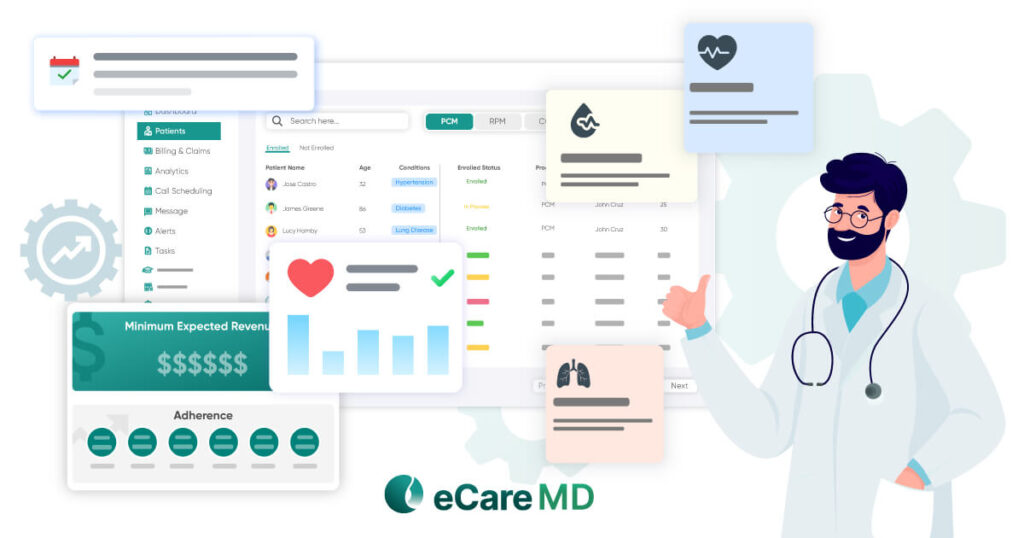
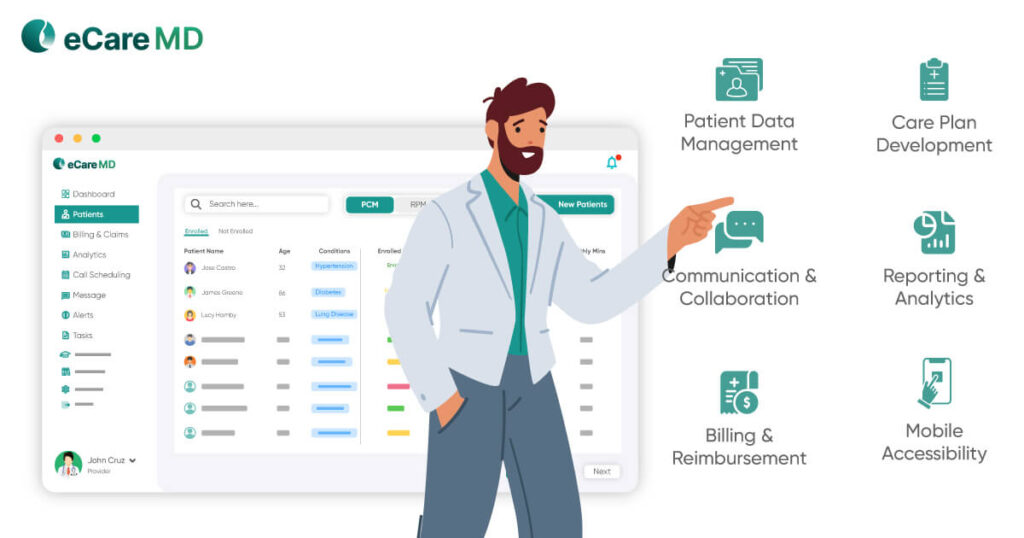
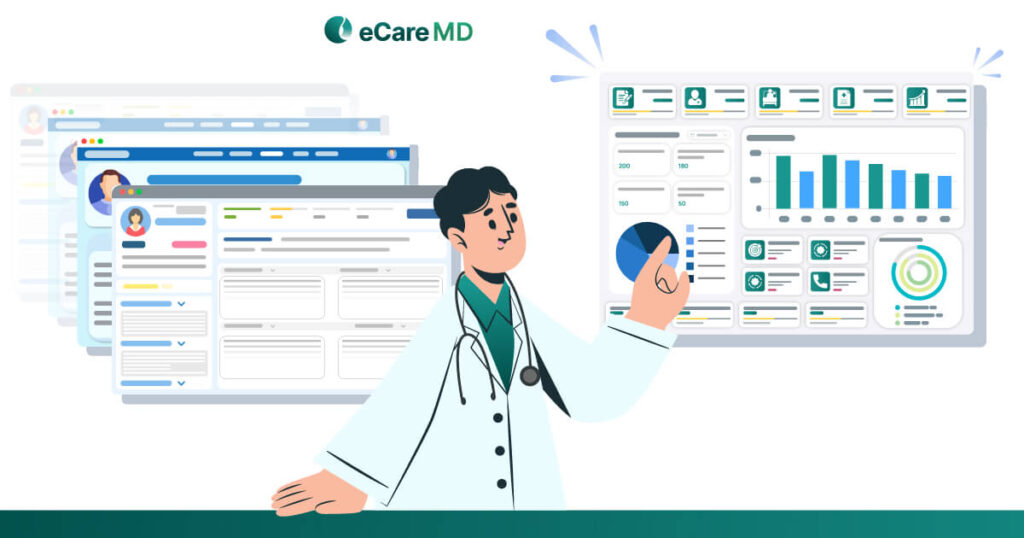
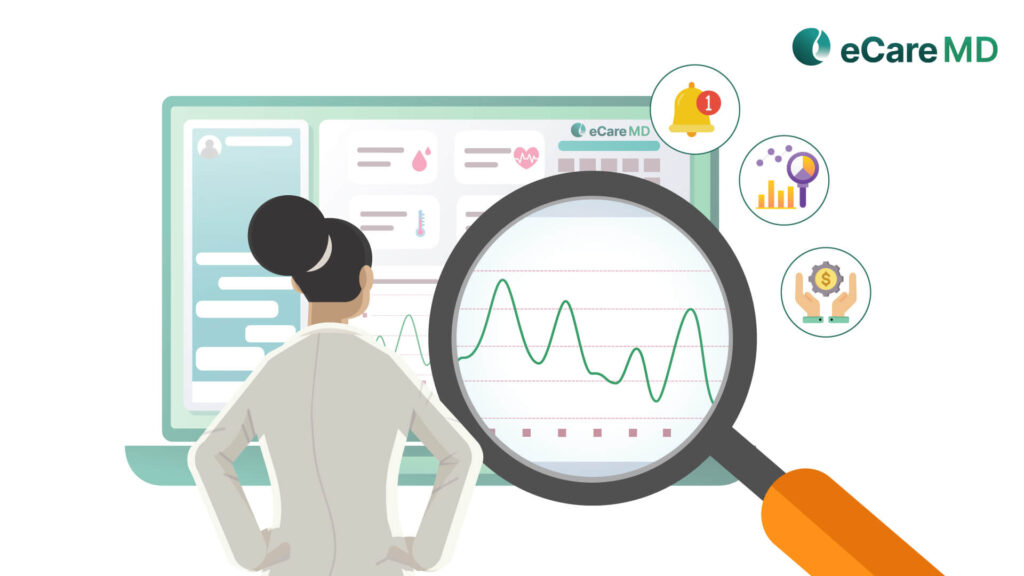
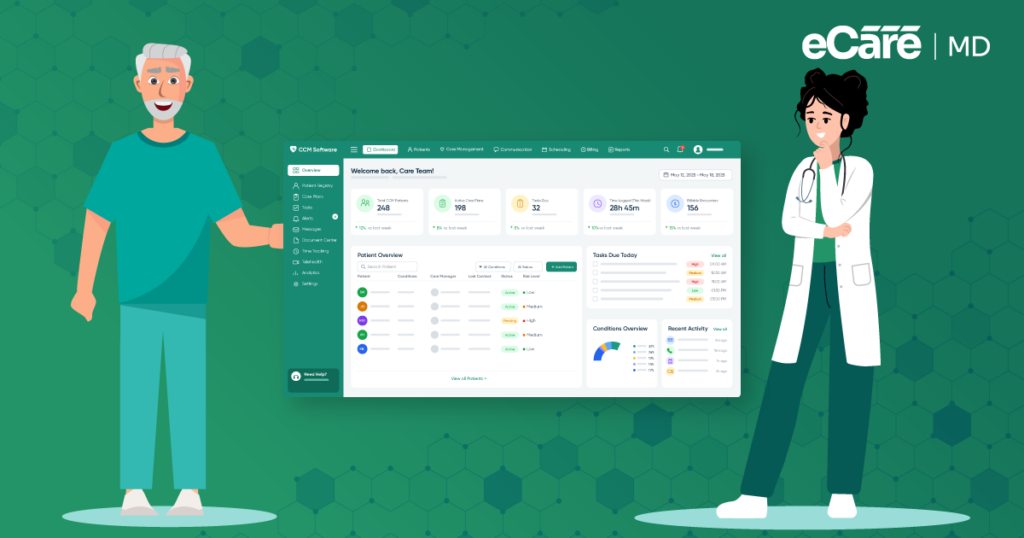
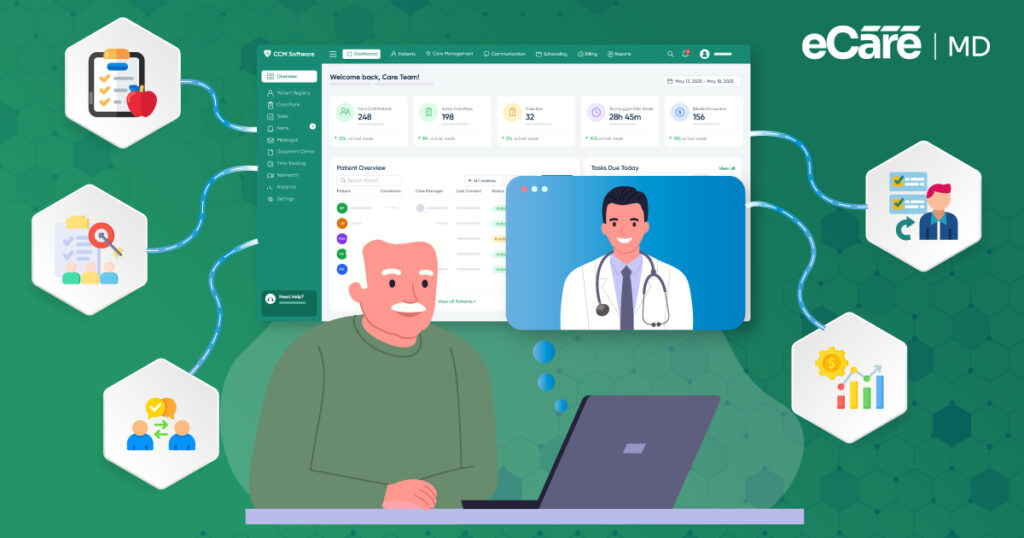
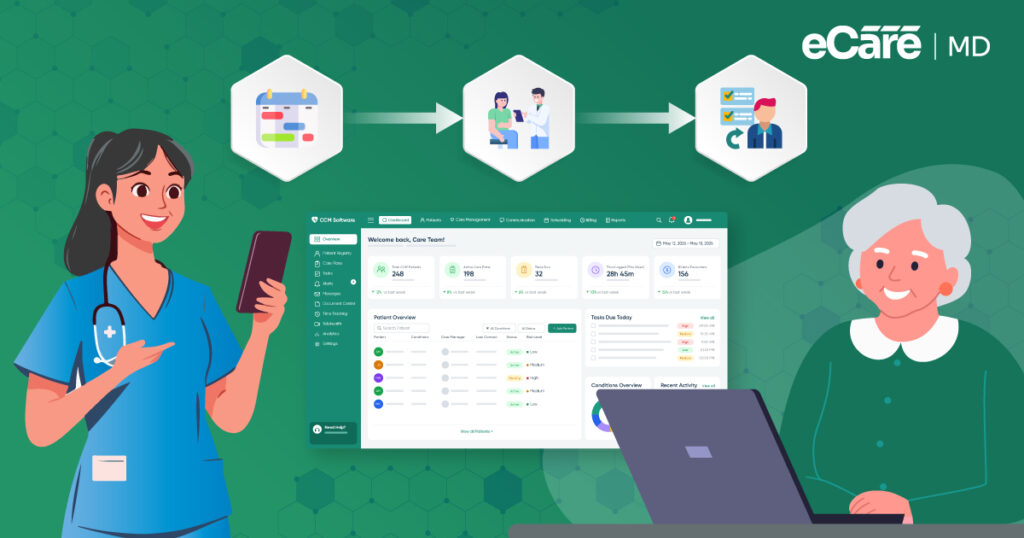
- Centralized Patient Information: CCM software can organize relevant patient information, recent interactions, care activities, and follow-up needs in one place, giving teams a clearer view of what requires attention.
- Post-Discharge Task Management: Follow-up activities, reminders, outstanding tasks, and care-team assignments can be organized within a structured workflow, helping teams keep post-discharge work on track.
- Care-Team Coordination: Shared visibility into responsibilities and communication can help providers, specialists, and care managers stay aligned and support continuity of care.
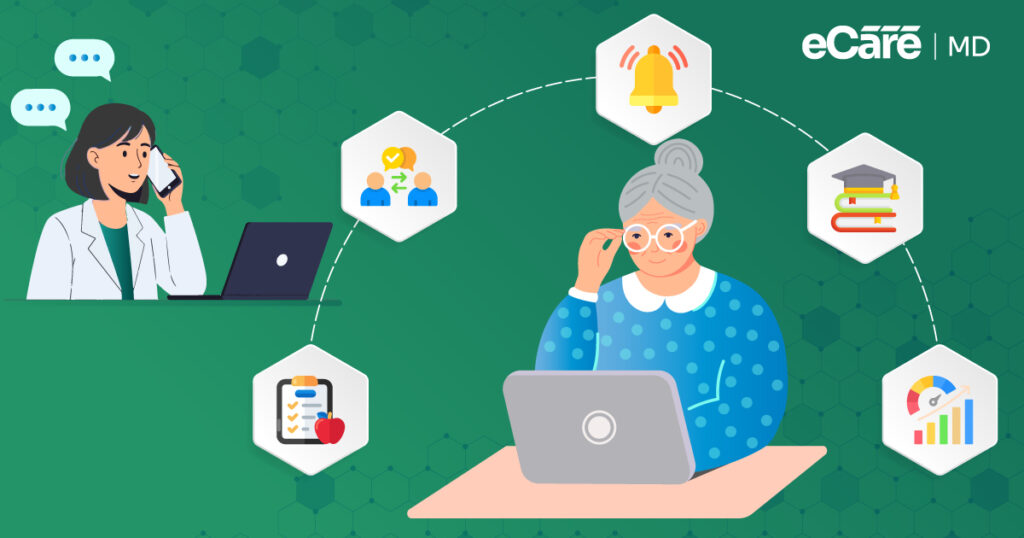
- Patient Engagement and Follow-Up: Software can support ongoing outreach and communication after discharge, helping teams maintain engagement beyond a single follow-up encounter.
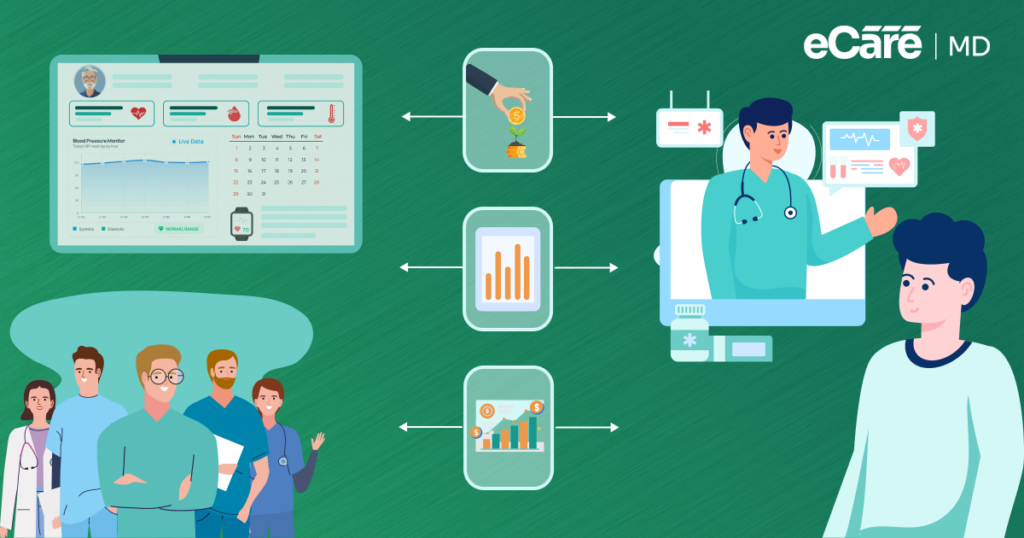
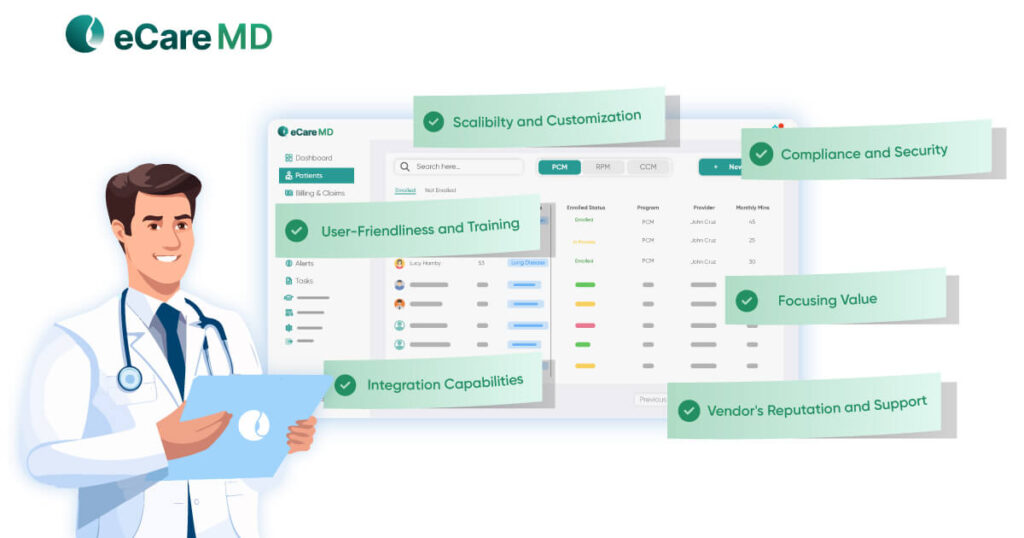
As patient panels grow, CCM software for mid-size practices can provide scalable task management and coordination. eCareMD supports these workflows by helping care teams organize ongoing CCM activities and follow-ups.
By making these activities more visible and consistent, CCM software can support CCM readmission reduction efforts while keeping clinical decisions with the appropriate healthcare professionals.
Conclusion
CCM readmission reduction depends on proactive, coordinated, and continuous care after discharge. The process can be kept simple: Discharge → Early Follow-Up → Identify Needs → Coordinate Care → Ongoing Monitoring.
CCM and technology can help care teams make these steps more consistent by keeping patient information, tasks, communication, and follow-ups organized. A structured patient care management system can support continuity of care while healthcare professionals remain responsible for patient-specific decisions.
eCareMD provides an operational foundation for managing these ongoing CCM workflows, helping teams stay connected with patients and care activities beyond the initial post-discharge period.
For practices looking to strengthen their approach to CCM readmission reduction, CCM software for mid-size practices can provide the structure needed to organize continuous care and manage growing patient panels more consistently.
Frequently Asked Question’s
CCM supports ongoing communication, care coordination, monitoring, and follow-up for eligible patients with chronic conditions. After discharge, these activities can help care teams identify unresolved needs, address potential concerns, and maintain continuity of care. CCM can support readmission-risk reduction but cannot guarantee that a readmission will be avoided.
Post-discharge follow-up should begin promptly based on the patient’s needs and the applicable care-management requirements. Early contact can help confirm medications, instructions, appointments, and other follow-up needs. The appropriate timing may vary depending on the patient’s condition and whether other transition-of-care services are involved.
Key strategies include early post-discharge follow-up, reviewing medication and care needs, monitoring for changes, coordinating across providers, and maintaining ongoing patient engagement. Together, these activities help care teams identify and address potential gaps while supporting continuity throughout the patient’s transition back to ongoing chronic care.
CCM software can organize patient information, follow-up tasks, reminders, care-team assignments, and communication in a structured workflow. This gives team members better visibility into outstanding activities and responsibilities, making it easier to coordinate post-discharge care and maintain follow-up beyond the initial patient interaction.
TCM focuses on the transition from inpatient or other qualifying settings back to community-based care during a defined transition period. CCM focuses on ongoing management of eligible chronic conditions. Depending on the patient and applicable requirements, CCM may continue after a TCM episode to support longer-term chronic care.
Yes. Regular CCM interactions can help care teams identify changes in symptoms, medication concerns, adherence issues, or unresolved care needs. These findings can signal that additional follow-up may be appropriate. The care team must determine the appropriate response based on the patient’s individual clinical circumstances.
Practices can use CCM to maintain regular patient contact, track follow-up activities, coordinate information across providers, and monitor ongoing needs after hospitalization. A structured workflow helps ensure that post-discharge care does not end with a single interaction and that emerging needs can be addressed appropriately.

![The Future of Remote Patient Monitoring: CMS Innovations & Emerging Trends [2026]](/wp-content/uploads/2024/07/Blog-36-The-Future-of-Remote-Patient-Monitoring_-Trends-AI-Innovation-CMS-Updates-for-2026-1024x538.png)