Last Updated: October 14, 2026
A care team may start the week with several CCM patients on its list. The template is ready, the basic information is there, and the team knows what needs to be documented. But as they review each patient, one thing becomes clear: the same care plan cannot work for everyone.
A patient with diabetes may need regular blood sugar monitoring and medication support. A patient with COPD may need help managing symptoms, medications, and follow-up care. The template gives the team a place to start, but the patient’s needs determine what comes next.
This is why CCM care plan templates for chronic disease management should be viewed as a framework rather than a finished plan. A chronic care management template can bring consistency to the process, while individualized care plans make the plan relevant to the person receiving care.
From there, effective CCM planning becomes an ongoing process—one that considers multiple chronic conditions, follows CCM care plan requirements, and changes as the patient’s needs change.
This article explores condition-specific care plans, personalization strategies, and how eCareMD supports care teams in keeping those plans organized and current.
What Are CCM Care Plan Templates?
A CCM care plan template gives care teams a consistent starting point for organizing patient care. It typically includes key areas such as patient needs, goals, medications, planned interventions, care-team responsibilities, monitoring, and follow-up.
For example, a template may provide the same basic structure for every patient, but the information added to it will vary. Someone managing diabetes may need different goals and monitoring from someone living with COPD. The template stays the same; the care plan becomes specific to the patient.
This is an important distinction. CCM care plan templates provide structure, while the completed plan reflects the patient’s actual needs. CMS also expects CCM care planning to be patient-centered, documented electronically, available to the appropriate care team, and accessible to the patient or caregiver when applicable.
A template can support that process, but simply using one does not establish compliance. Used well, templates create consistency without turning every patient’s care plan into a carbon copy.
Why Individualized Care Plans Matter in CCM

A care plan can look complete on paper and still miss what makes care difficult for a particular patient.
Consider a patient who regularly misses follow-up appointments. The issue may not be a lack of interest in care. Transportation could be unreliable. Medication costs could be a concern. Or the instructions may simply be difficult to understand.
This is where personalization makes a difference.
- Daily circumstances: Social determinants of health, transportation, finances, and access to care can affect how easily a patient follows a plan.
- Understanding and priorities: Health literacy and the patient’s own goals can shape how care information is understood and followed.
- Adherence challenges: Medication routines, work schedules, family responsibilities, and other practical factors may make some recommendations harder to follow.
When these factors are reflected in individualized care plans, the care team has a clearer picture of what the patient is actually dealing with—not just what is documented in the medical record.
Over time, individualized CCM care plans can support continuity by helping team members work from the same understanding of the patient’s needs. They can also encourage patient engagement and make coordination easier as care continues.
Individualized Care Plan Strategies for Chronic Care Management
Once a standard template is in place, the next step is making it fit the patient. The right individualized care plan strategies for chronic care management start with understanding the person behind the conditions and then building the plan around that picture.
A practical workflow can follow these steps:
1. Assess the patient’s current needs and circumstances
Review the patient’s chronic conditions, current health status, medications, daily circumstances, and immediate care needs.
2. Define measurable, patient-specific goals
Set clear goals that relate to the patient’s conditions and priorities. Goals should be specific enough for the care team to track progress over time.
3. Select interventions and follow-up activities
Identify the appropriate care activities, education, medication support, monitoring, and follow-up needed to work toward those goals.
4. Assign care-team responsibilities
Clarify who will handle each part of the plan. This helps keep communication and follow-up organized across the care team.
5. Include patient preferences and barriers
Consider the patient’s preferences, health literacy, access to care, practical barriers, and available support when shaping the plan.
6. Establish monitoring and follow-up
Determine what needs to be monitored and when the care team should follow up. This keeps the plan connected to ongoing CCM activities.
7. Review and update the plan
A patient’s needs can change over time. Regular review allows the care team to update goals, interventions, and follow-up as circumstances change.
Following these steps turns a basic template into a care plan that reflects the patient’s current situation and provides the care team with a clear path for ongoing management.
CCM Care Plan Templates for Chronic Disease Management
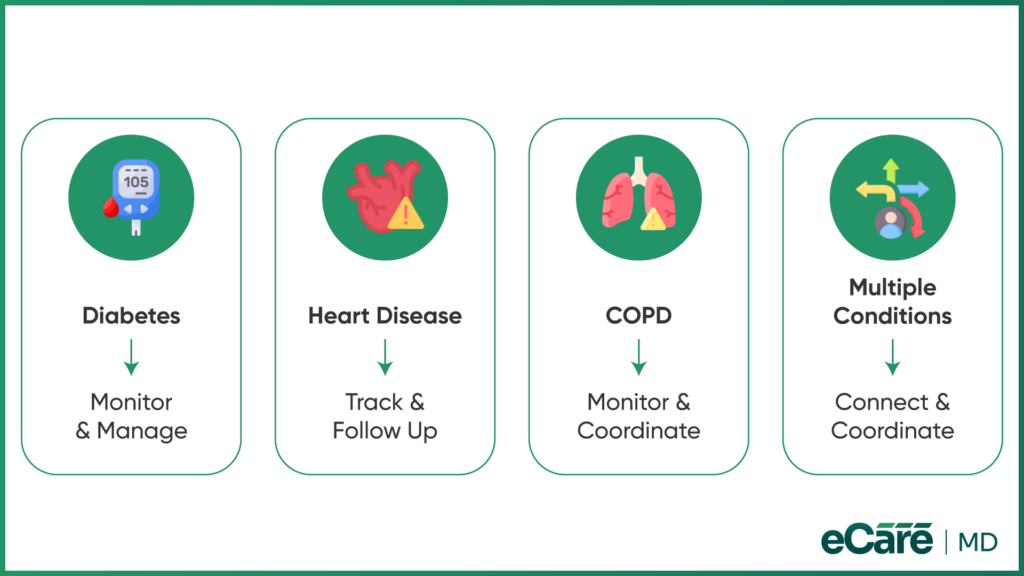
A single template does not have to mean a one-size-fits-all care plan. The same basic structure can be adjusted around the chronic conditions a patient is managing. That is where CCM care plan templates for chronic disease management become more useful: the framework stays consistent while the details change.
Diabetes
The care plan can make room for glucose and HbA1c monitoring, medication-related follow-up, lifestyle considerations, and the patient’s ongoing care needs.
Heart disease
The structure can focus on relevant symptoms, medication management, weight or other appropriate monitoring, and scheduled follow-up.
COPD
The plan can include respiratory symptoms, treatment adherence, concerns related to exacerbations, and appropriate follow-up activities.
Multiple chronic conditions
This is where an individualized approach becomes especially important. A patient may be managing several conditions at once, with different monitoring needs and priorities. Rather than creating separate plans that work in isolation, the care plan can bring those priorities together in one coordinated view.
The framework remains familiar, but what goes inside it changes with the patient and their conditions. That balance between consistency and flexibility is what makes a template practical for chronic care management.
Build More Personalized CCM Care Plans With eCareMD
Explore eCareMDHow CCM Care Plan Templates Support Consistent Care
Consistency matters in chronic care management, especially when several people are involved in a patient’s ongoing care. A shared template gives everyone the same basic structure to work from, while the content can still be adjusted to each patient.
That structure can help care teams:
Follow a consistent framework: Important areas of the care plan have a defined place.
- Overlook fewer details: A repeatable structure can help teams remember key elements during care planning and review.
- Keep workflows consistent: Team members can follow a familiar process across patients.
- Work together more easily: Everyone can refer to the same organized plan and understand their responsibilities.
- Update plans more simply: Changes to goals, monitoring, or follow-up can be added without rebuilding the plan from scratch.
The goal is not to make every care plan look identical. It is to standardize the framework and personalize the content. That balance allows practices to maintain consistency as CCM services grow while still keeping each patient’s care plan specific to their needs.
How eCareMD Supports Individualized CCM Care Plans
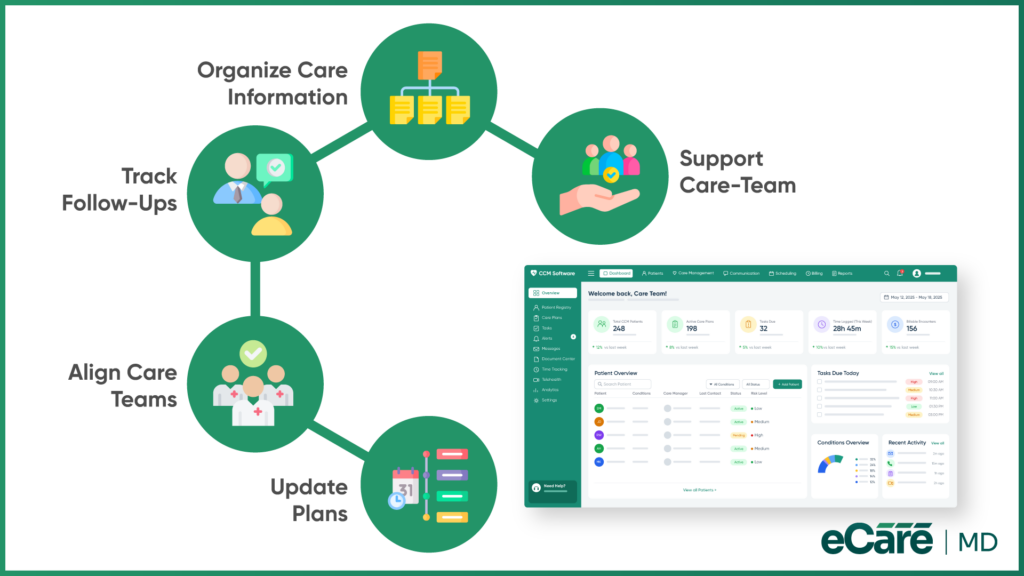
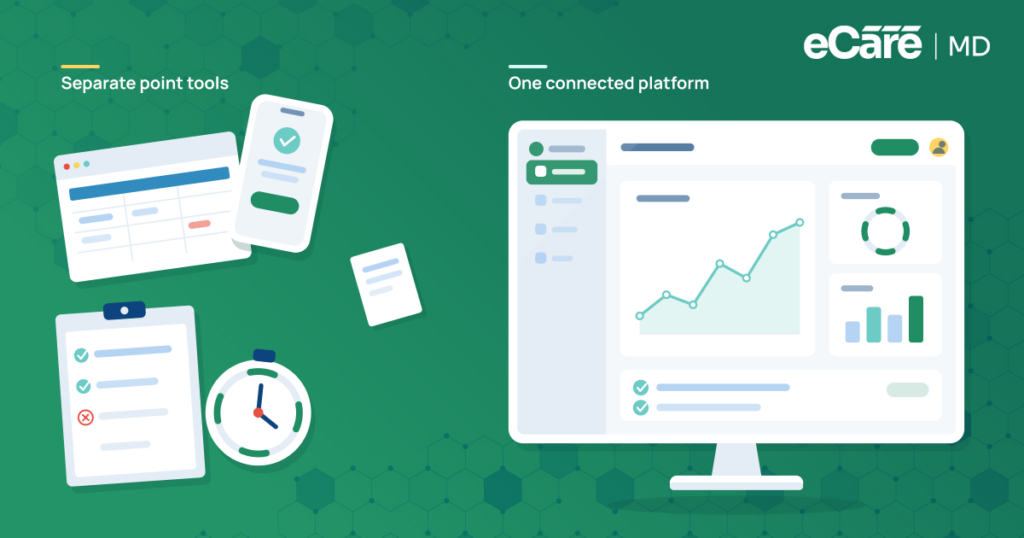
Once a care plan starts changing from one patient to another, keeping everything organized manually can become difficult. Care teams need to know what was planned, what needs follow-up, and what has changed since the last review.
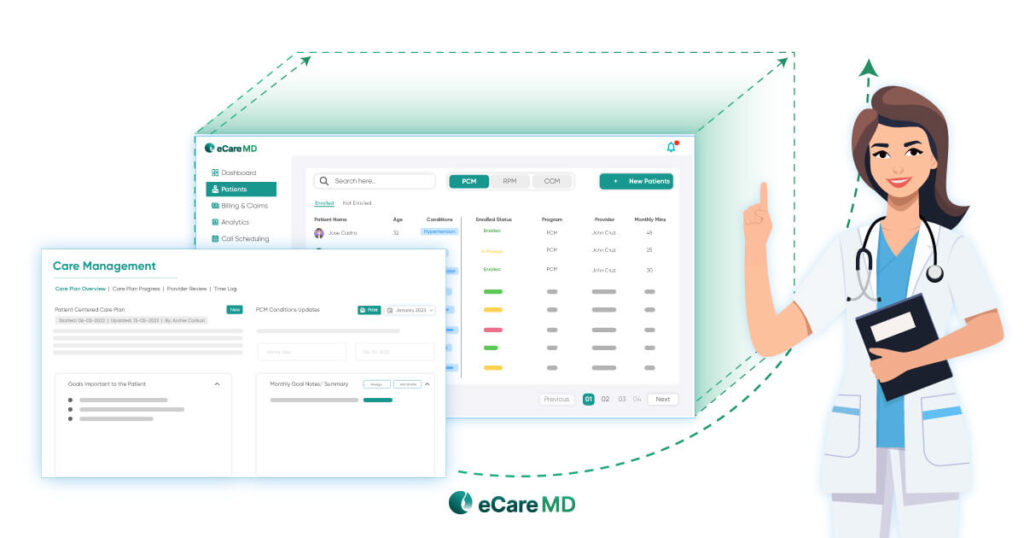
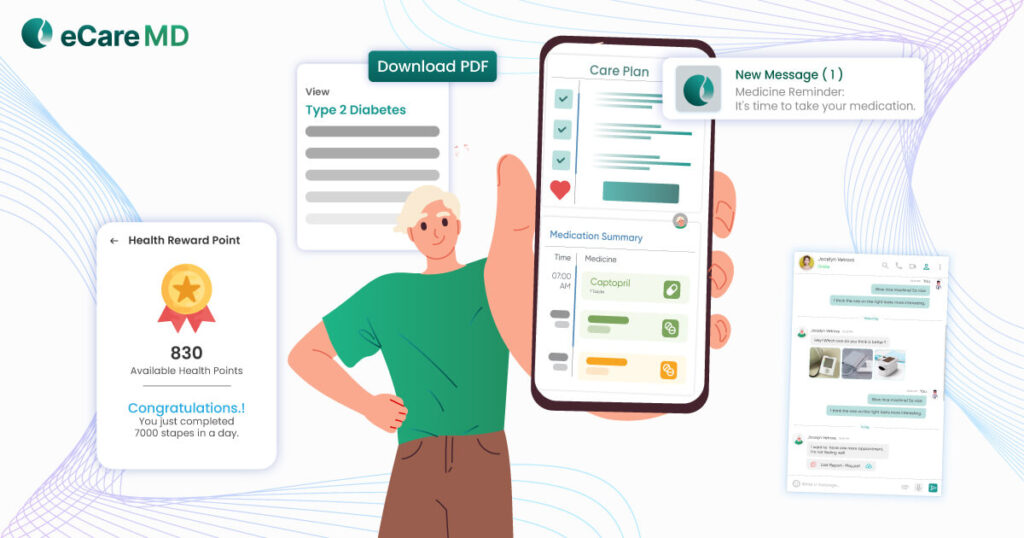
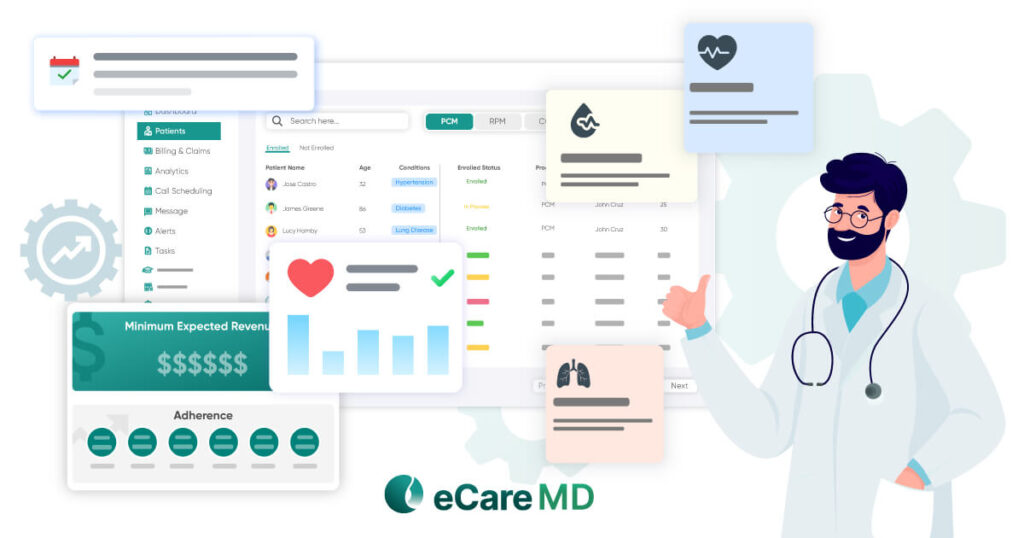
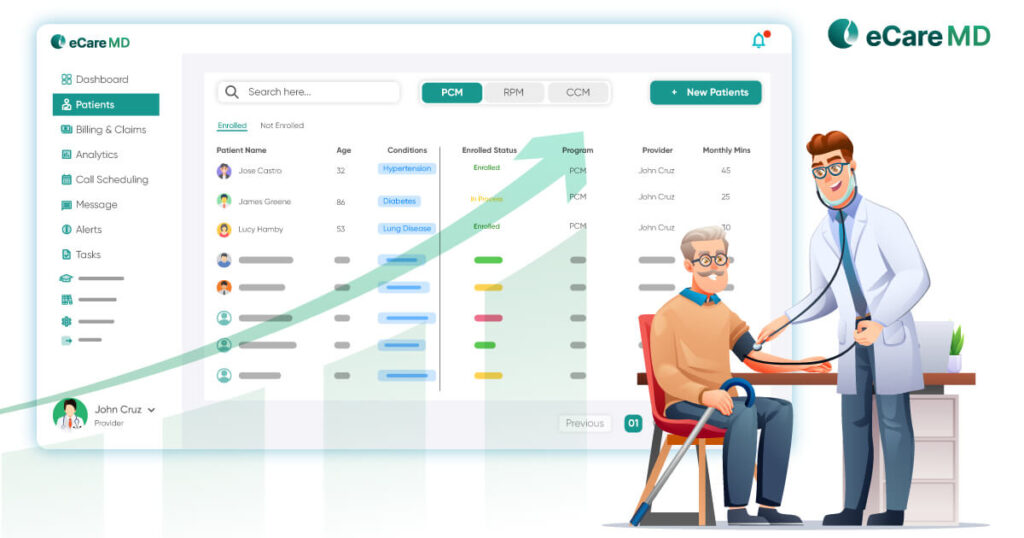
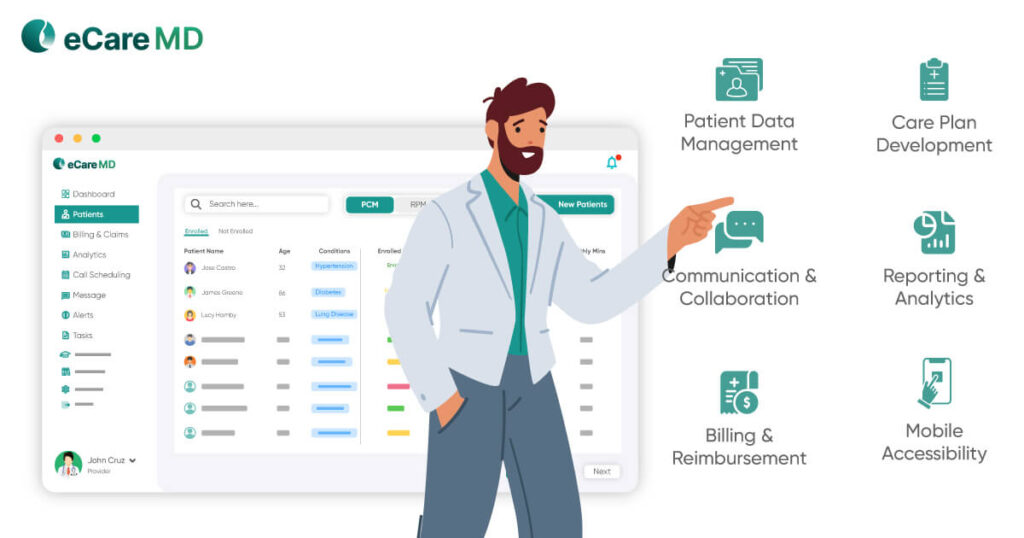
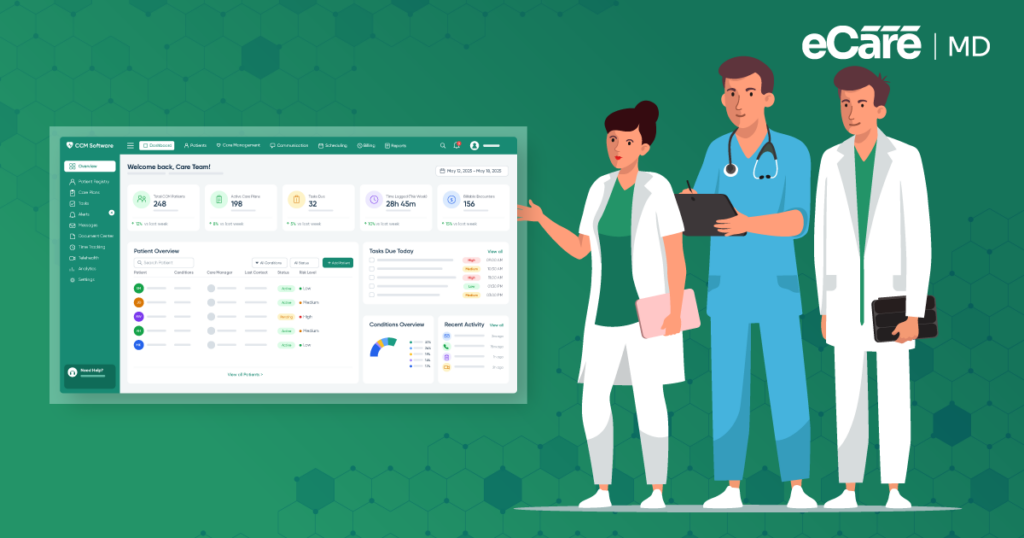
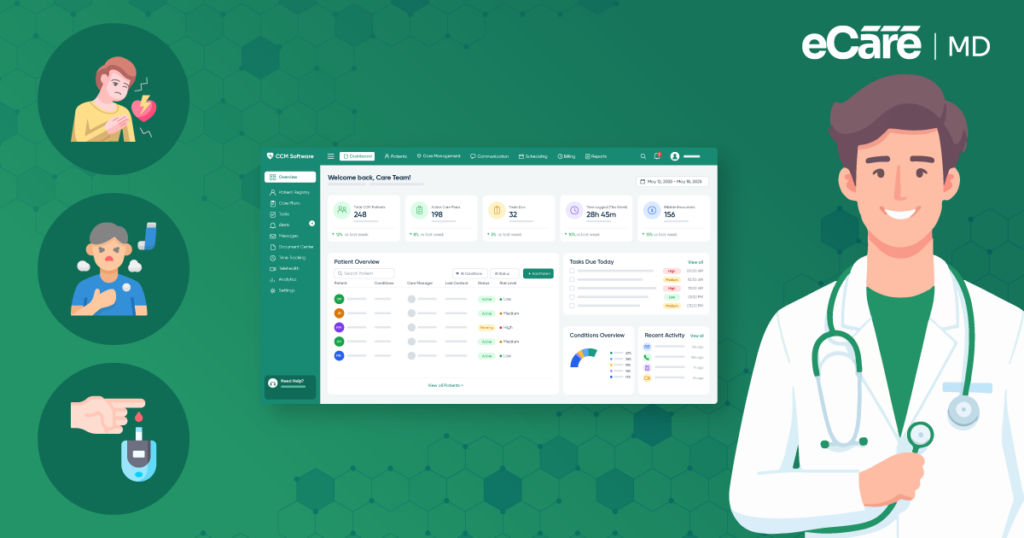
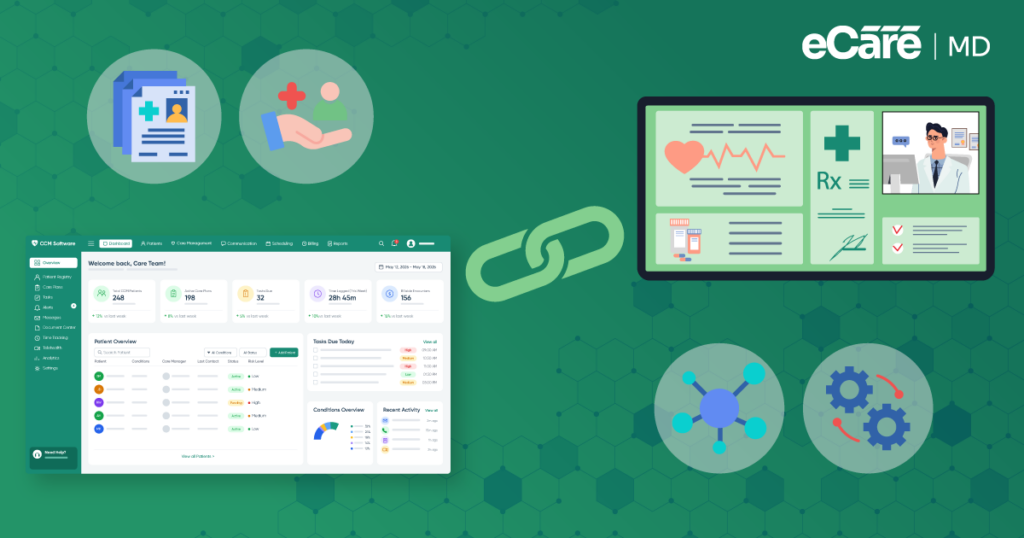
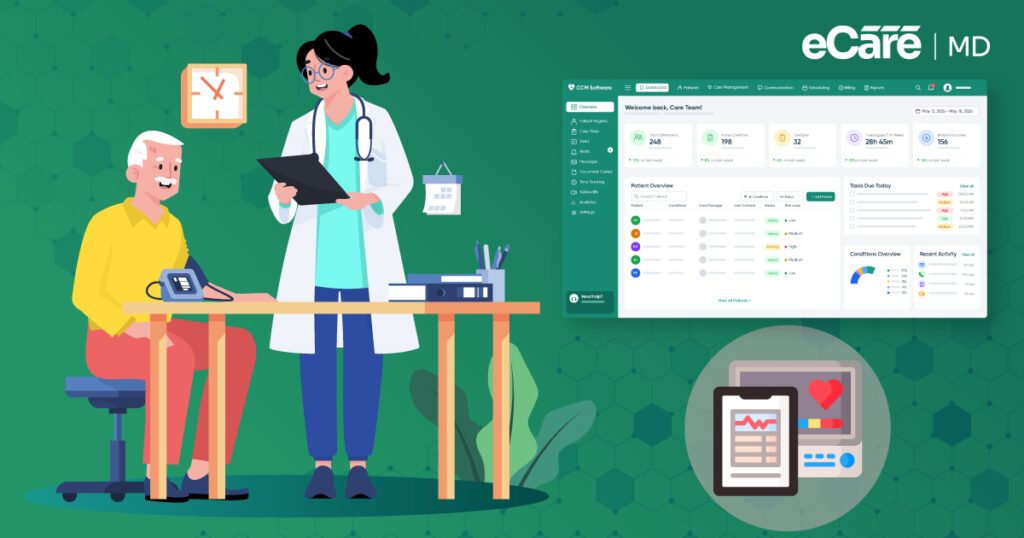
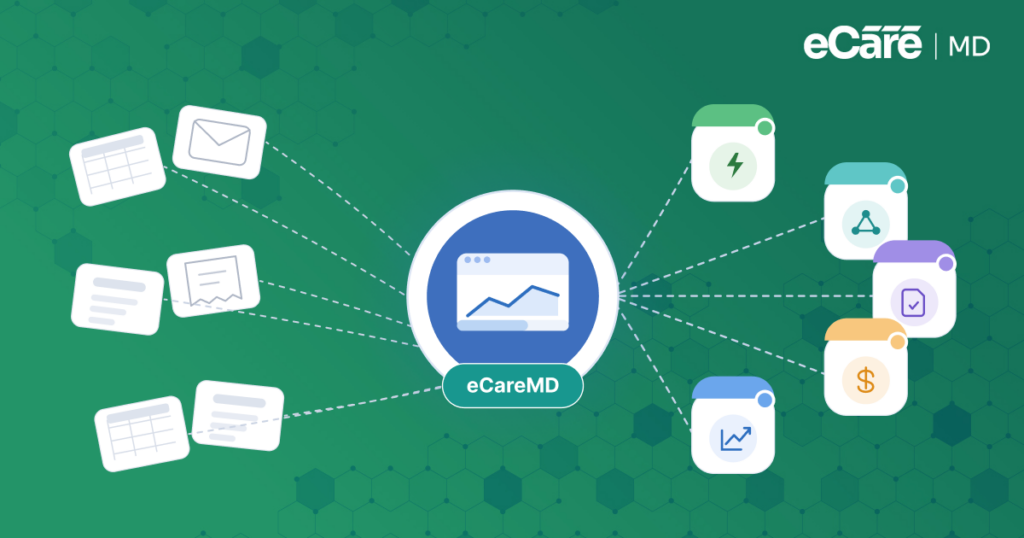
eCareMD supports this workflow by keeping key patient and care-management information organized in a structured format. Care teams can view relevant care-plan information, follow-up activities, and other details in one place rather than relying entirely on separate notes or manual tracking.
The workflow can also support collaboration. When care-team members have visibility into the same patient information, they can stay aligned on ongoing tasks and follow-up. As a patient’s needs change, the care information can be updated so the plan continues to reflect the current situation.
The technology does not decide the patient’s goals or treatment. Instead, eCareMD provides the structure and workflow support that helps care teams maintain individualized CCM care plans without making every update a manual process.
Conclusion
A CCM care plan works best when consistency and personalization go hand in hand. A template provides the framework, while patient assessment, individualized goals, condition-specific planning, and regular updates make the plan relevant to the person receiving care.
For care teams, the challenge is keeping that personalization organized as patient needs change. eCareMD supports this workflow by bringing care-plan information, follow-up activities, and team workflows together, helping reduce reliance on manual documentation.
The goal is not to move away from templates, but to make them more adaptable to each patient. With the right structure and workflow, practices can move beyond static templates and maintain more relevant, patient-specific chronic care management plans.
Frequently Asked Question’s
A CCM care plan template should provide space for the patient’s chronic conditions, needs, goals, medications, planned interventions, care-team responsibilities, monitoring, and follow-up. It should offer a consistent framework while leaving room to document information specific to each patient.
Start by assessing the patient’s current conditions, needs, circumstances, and priorities. Then define measurable goals, select appropriate interventions and follow-up activities, assign care-team responsibilities, and include relevant barriers and preferences. The plan should be reviewed and updated as the patient’s needs change.
Chronic conditions affect patients differently, even when they share the same diagnosis. Individualized care plans account for factors such as health literacy, access to care, daily circumstances, personal priorities, and potential adherence barriers, helping the care team keep ongoing care more relevant to the individual.
A template provides a consistent structure that can be adapted to different conditions. For example, the same framework can include glucose and HbA1c monitoring for diabetes, symptom and weight monitoring for heart disease, or respiratory concerns for COPD without making the overall workflow inconsistent.
An individualized CCM care plan should be reviewed and updated when the patient’s needs, conditions, goals, or care circumstances change. Regular review helps keep the plan current and aligned with ongoing care. The timing can vary based on the patient’s situation and the care team’s ongoing assessment.


























![The Future of Remote Patient Monitoring: CMS Innovations & Emerging Trends [2026]](/wp-content/uploads/2024/07/Blog-36-The-Future-of-Remote-Patient-Monitoring_-Trends-AI-Innovation-CMS-Updates-for-2026-1024x538.png)