Last Updated: October 19, 2026
A care manager finishes one patient follow-up and moves to the next. Then comes another care-plan update, a provider message, and documentation from an earlier call that still needs to be completed. One task is manageable. When the same cycle repeats all day, it can quickly add up.
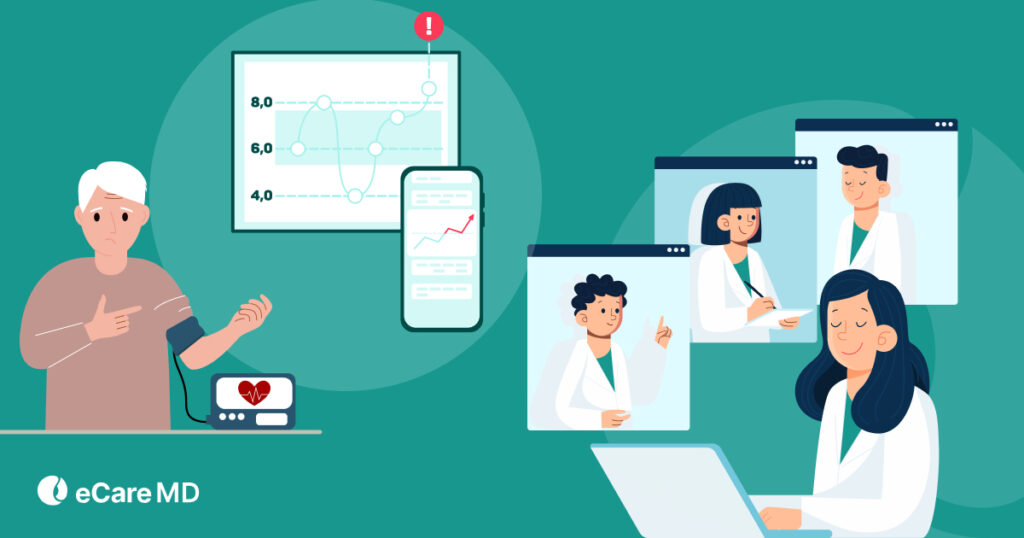
This is one reason provider burnout in healthcare remains a concern. In 2025, 41.9% of physicians reported at least one symptom of burnout, with administrative tasks among the sources of job stress.
The CCM clinician workload can be especially demanding because chronic care involves ongoing communication, documentation, care planning, and coordination. A structured software for chronic care management can help organize these recurring tasks and make responsibilities easier to manage.
Reducing this pressure takes more than adding another tool. It starts with better delegation, simpler workflows, and the right technology.
This article explores practical strategies to reduce provider burnout with CCM, including ways to reduce clinician workload and limit unnecessary CCM administrative burden.
Understanding CCM Clinician Workload and Provider Burnout
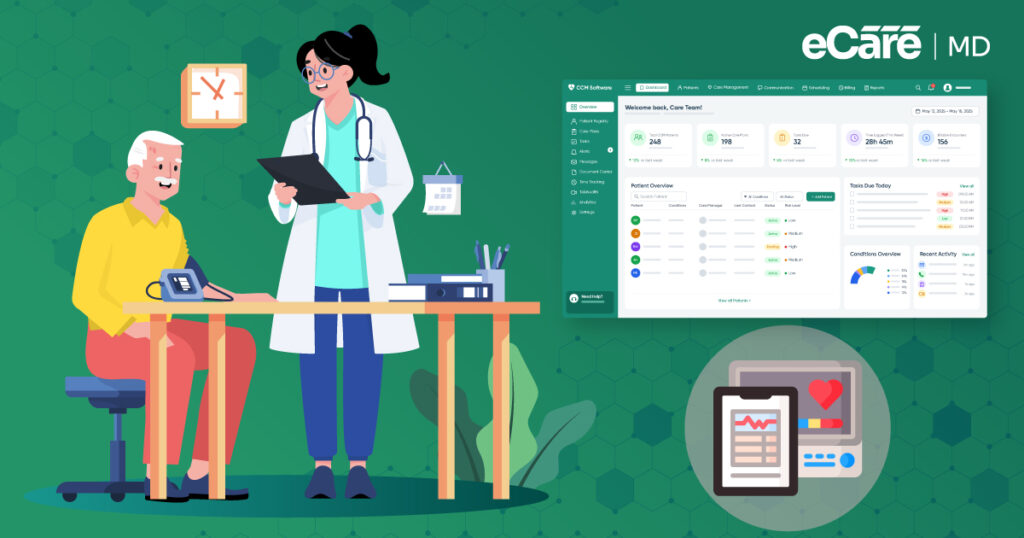
A CCM care manager finishes one patient call so he can move straight into documentation, a follow-up reminder, or a care-plan update. Then another patient requires his attention. As these tasks repeat across the day, the CCM clinician workflow can become harder to manage.
Much of this pressure comes from routine work. Repetitive documentation, manual follow-up tracking, care coordination, and other recurring tasks can take up valuable time. When information is spread across disconnected systems, staff may also have to enter or check the same details more than once. These small inefficiencies can quickly add up and increase the CCM administrative burden.
This does not mean CCM itself causes healthcare provider burnout. The bigger issue is how ongoing responsibilities are organized and shared. When care teams spend too much time managing workflows instead of patient-related work, the added pressure can contribute to provider burnout in healthcare.
Creating clearer workflows, distributing responsibilities, and reducing unnecessary manual work can help reduce clinician workload while allowing care teams to keep up with the ongoing demands of chronic care.
Strategies to Reduce Provider Burnout With CCM
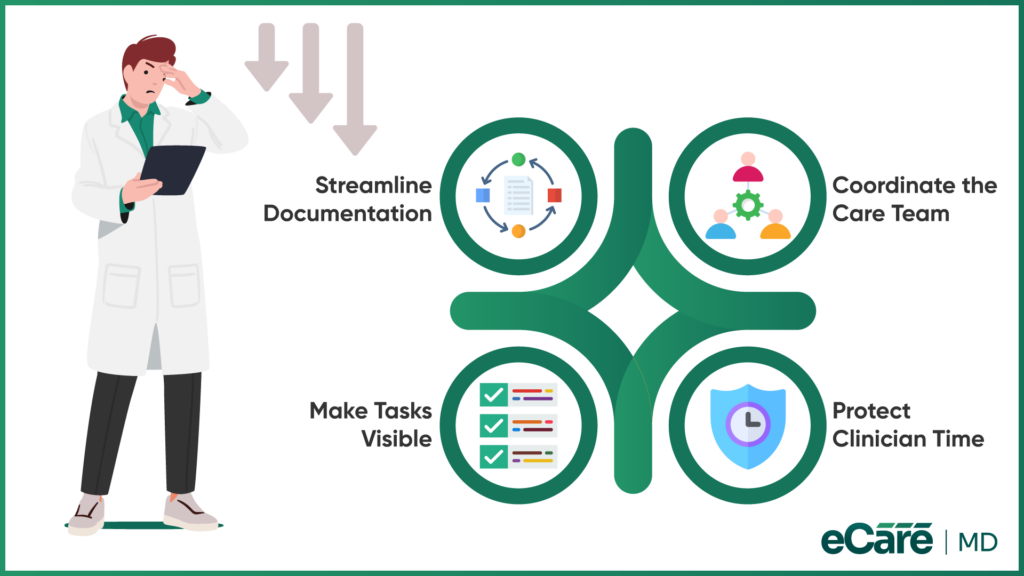
Once recurring CCM tasks start taking up more time than they should, the answer is not necessarily to work faster. A better approach is to make the workflow easier to manage. The following strategies to reduce provider burnout with CCM focus on removing unnecessary steps while keeping responsibilities clear.
1. Standardize and Streamline Recurring Documentation
Documentation is part of every CCM workflow, but repeating the same manual steps can slow the team down. Consistent documentation processes can reduce unnecessary data entry and make routine tasks easier to complete. Instead of rebuilding the workflow for every patient, care teams can follow a clear process that keeps documentation moving.
2. Improve Task and Follow-Up Visibility
A missed follow-up can create more work later. When outstanding CCM activities are easy to see, care managers can quickly identify what needs attention and who is responsible for it. Clear task ownership also helps prevent duplicated or missed steps.
3. Strengthen Care-Team Coordination
CCM depends on several people working together. Physicians, care managers, and other team members need to know what has already been done and what still needs attention. Better communication can reduce repeated outreach and keep everyone working from the same information.
4. Protect Time for Patient-Centered Care
Not every CCM task needs to sit with a physician or clinician. Appropriate operational responsibilities can be delegated to designated care-team members, allowing clinicians to spend less time on routine administrative work and more time on patient care.
Care Manager Roles in Reducing CCM Clinician Workload
A CCM care team works better when recurring responsibilities do not all fall on the physician or clinician. As discussed earlier, care managers are an important part of that team. Their care manager roles and responsibilities in chronic care management can help distribute routine CCM activities and keep daily workflows moving.
1. CCM Activities Care Managers Can Support
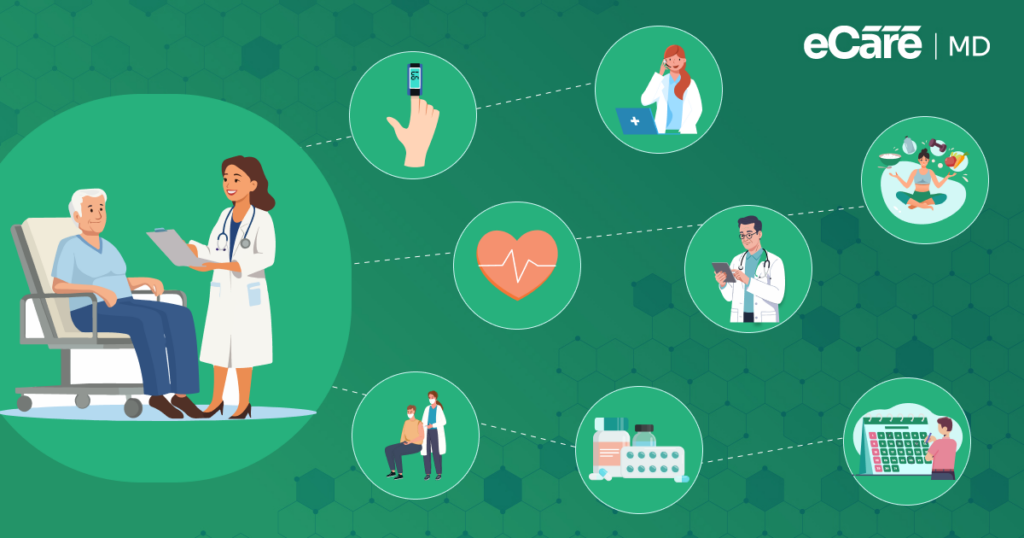
Care managers can handle patient outreach and follow-up, help implement and update care plans, coordinate appointments, referrals, and services, and document care-management activities. They can also identify unresolved patient needs and bring issues requiring clinical attention to the appropriate provider.
This division of work makes a difference. When care managers take ownership of appropriate care manager duties in chronic care management, clinicians do not have to switch constantly between patient care and routine operational tasks.
2. How Delegation Supports Clinicians
Clear delegation gives each team member a better understanding of what they own. Care managers can manage recurring activities, while clinicians can focus on decisions and tasks that require their clinical expertise. This reduces unnecessary task switching, limits administrative workload, and makes it easier to keep recurring CCM activities on track.
How CCM Software Can Reduce Clinician Workload
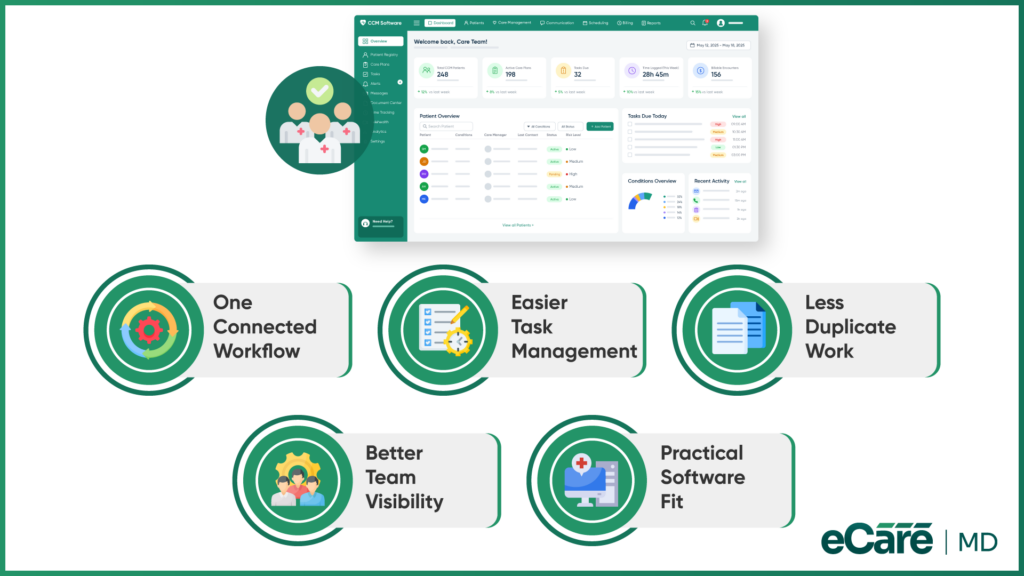
Delegating CCM activities helps distribute the work, but the team still needs a simple way to manage everything happening throughout the day. This is where technology can support reducing clinician workload in chronic care management.
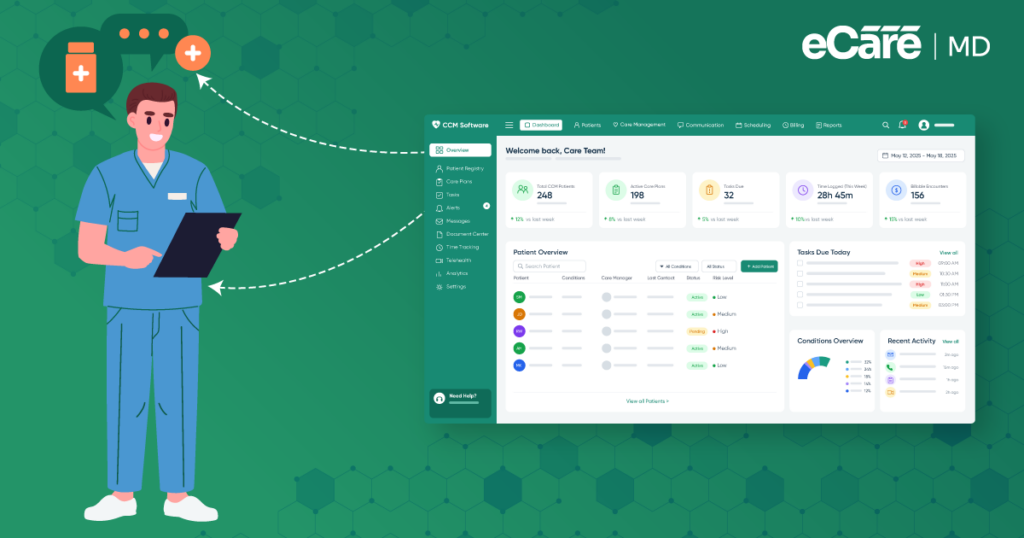
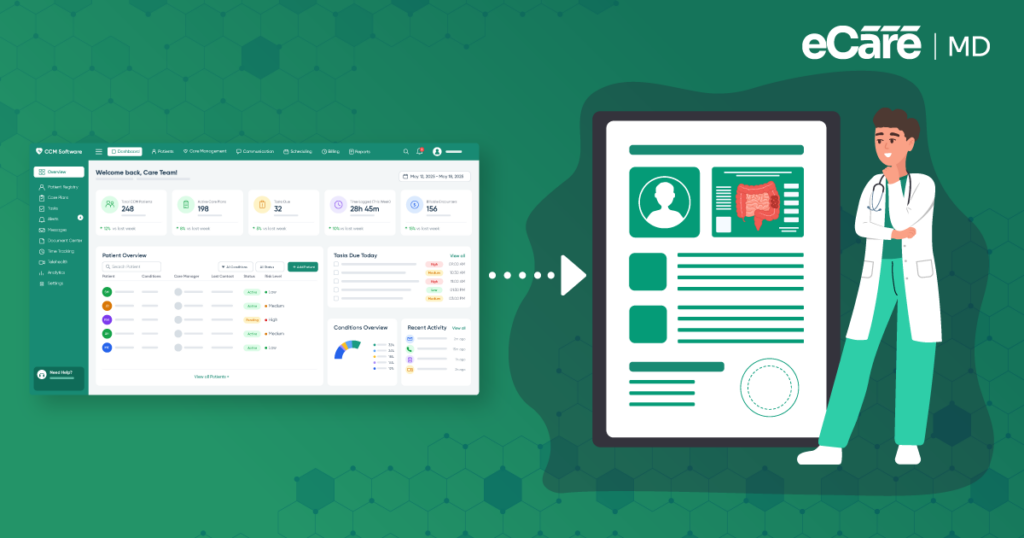
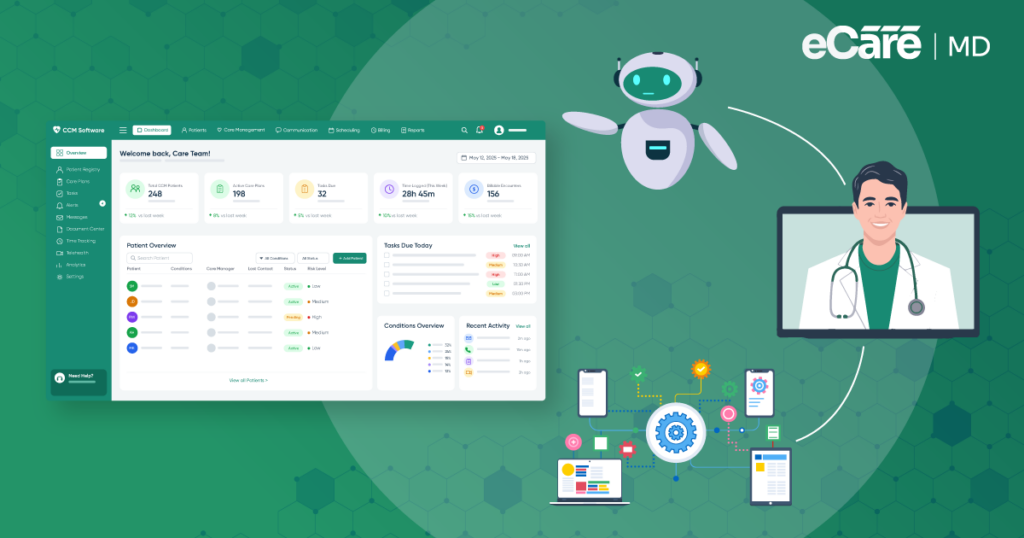
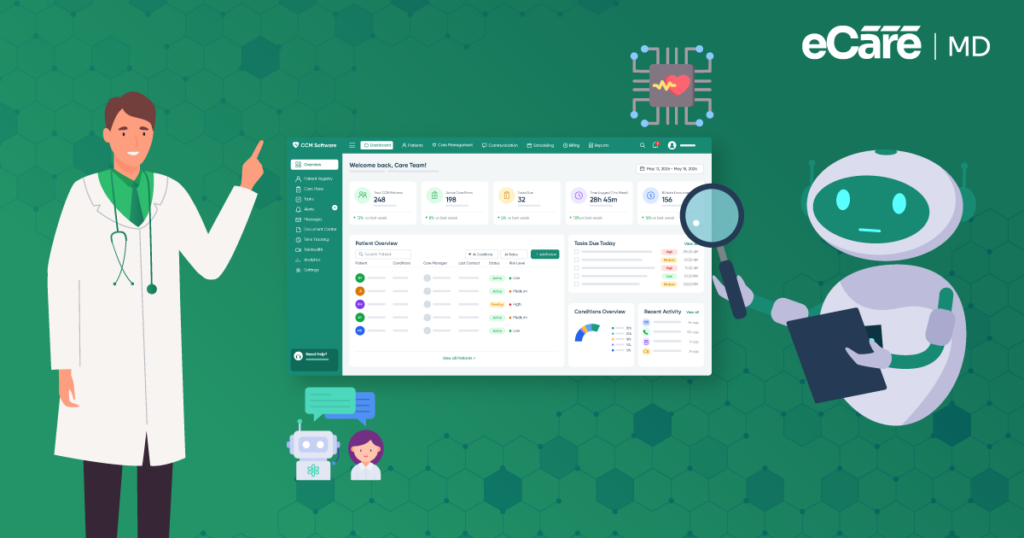
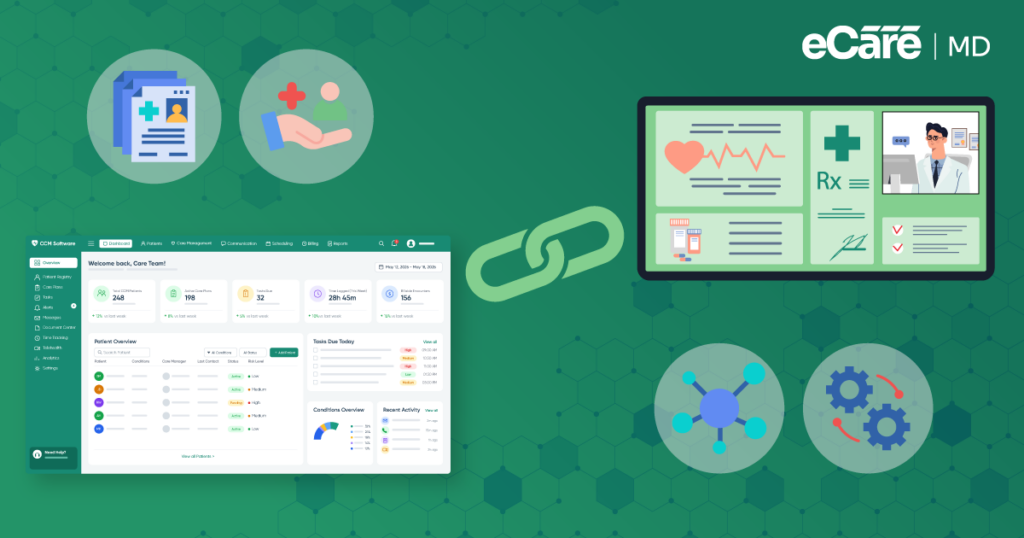
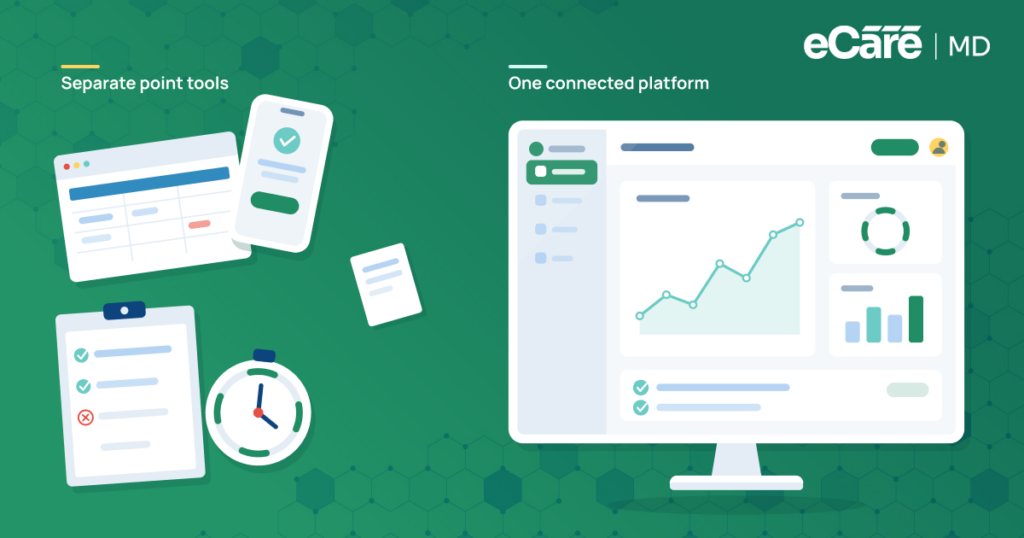
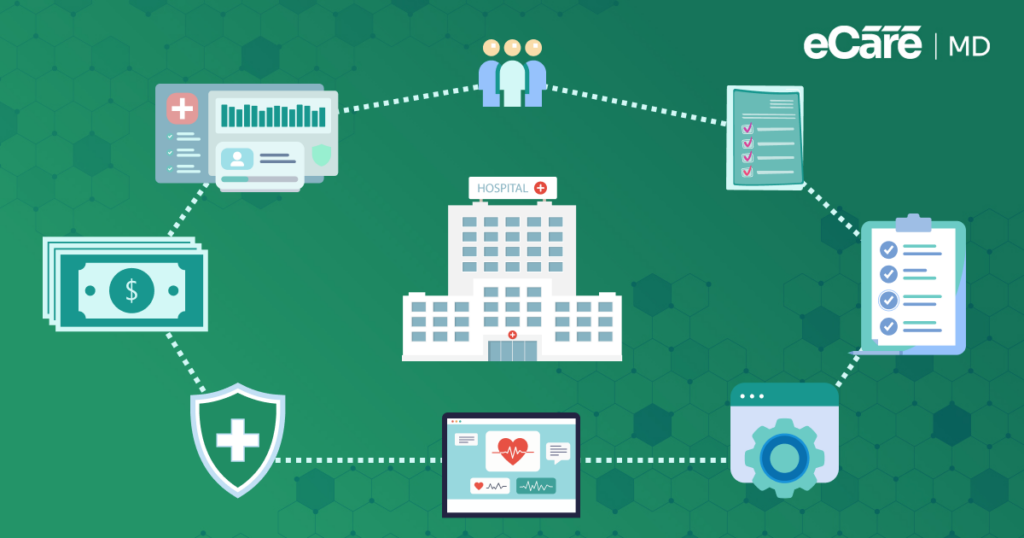
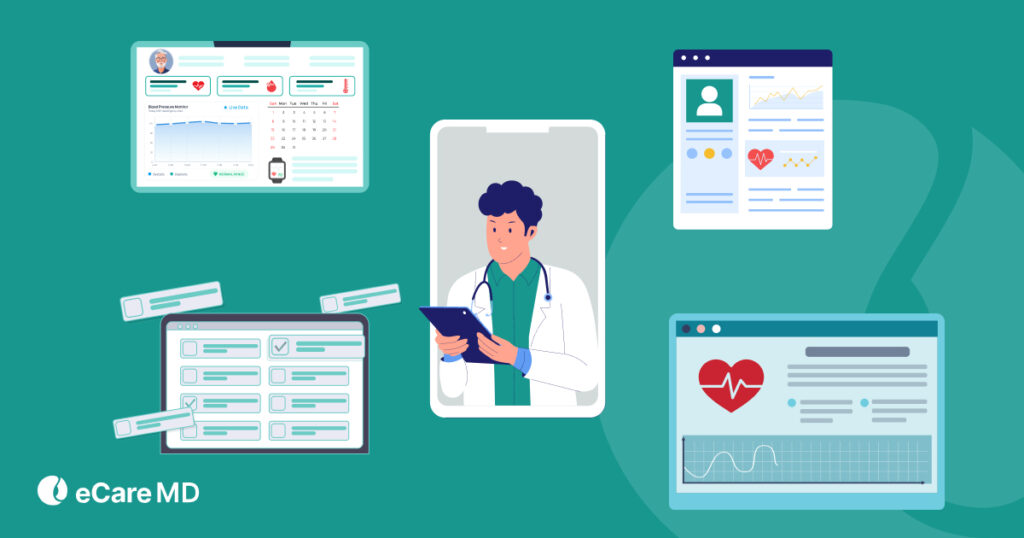
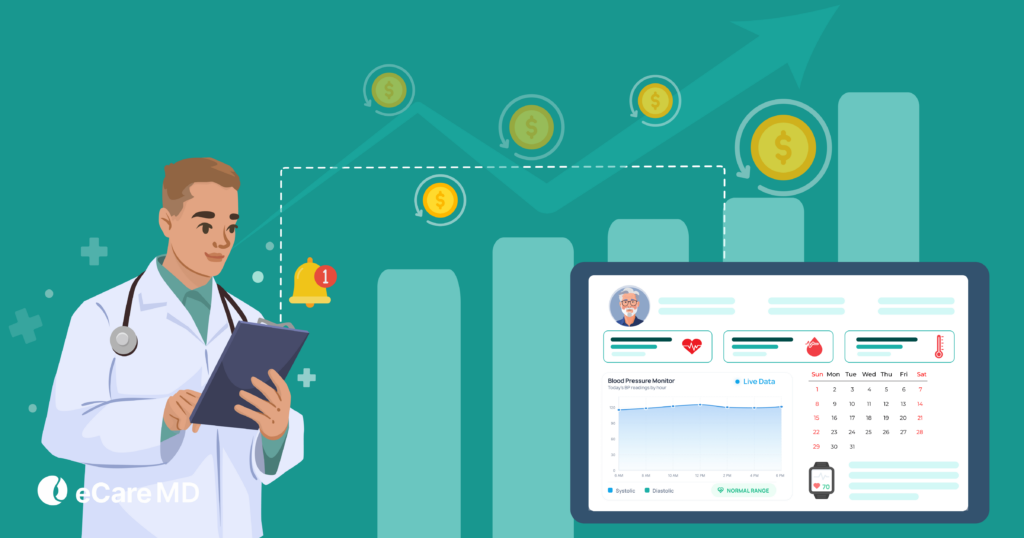
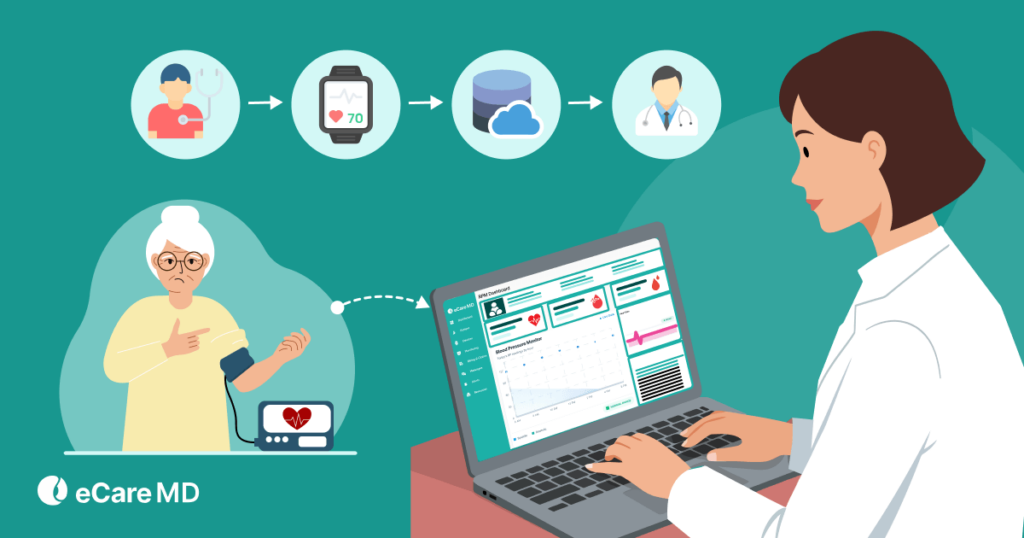
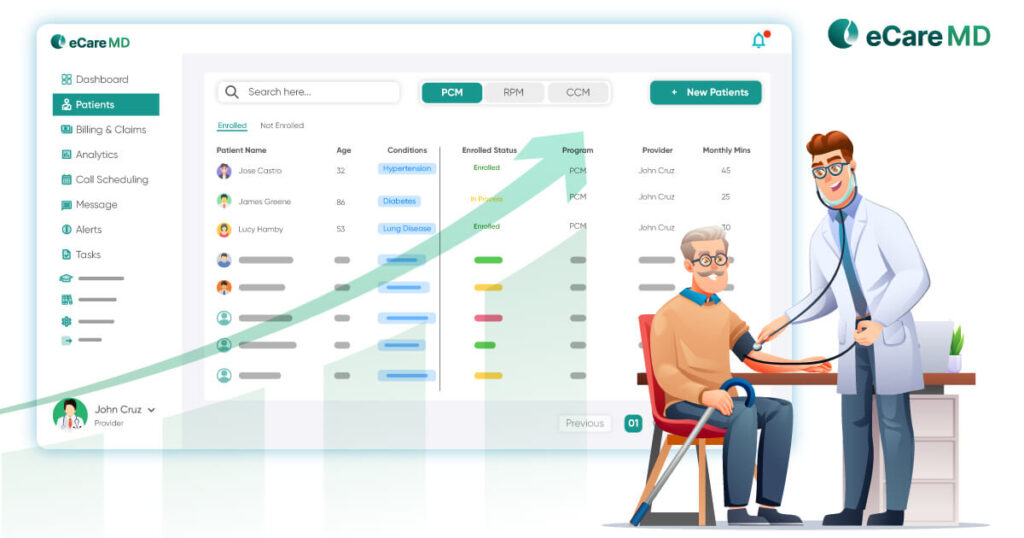
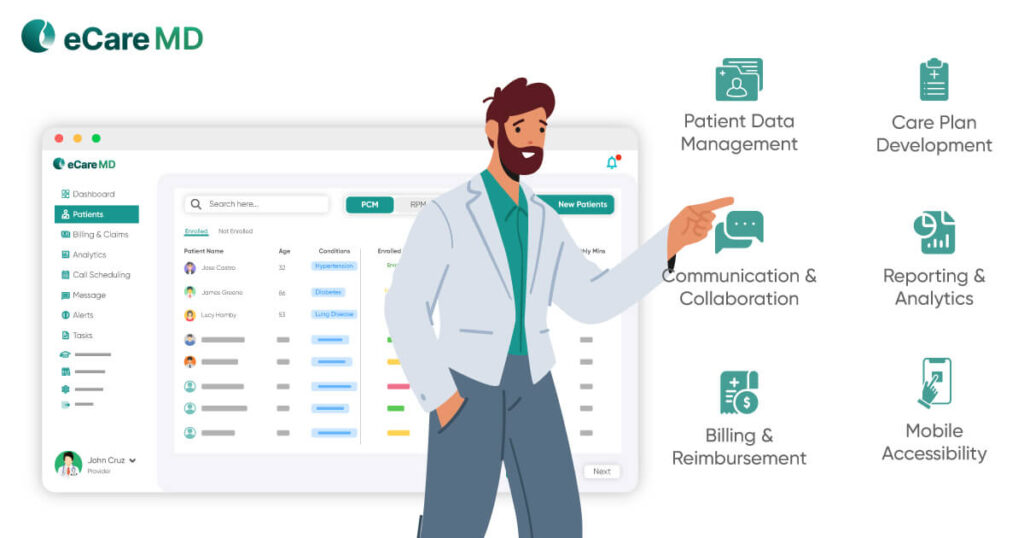
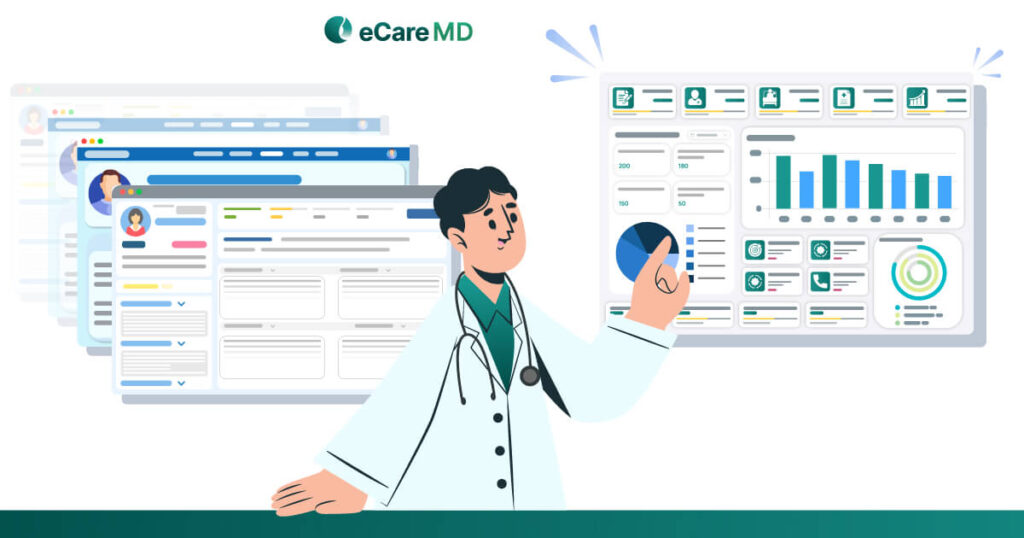
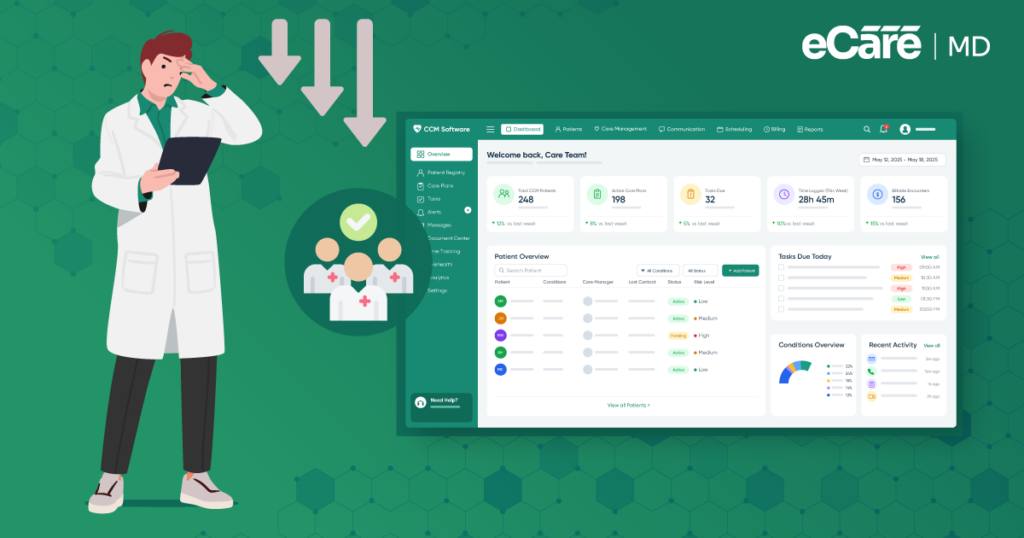
Instead of checking multiple tools, team members can work from a more organized CCM workflow. A CCM platform can bring patient information, care plans, documentation, tasks, and follow-ups into one place.
Care managers can see what needs attention, record completed activities, and keep track of outstanding work without relying on separate spreadsheets, messages, or notes. Structured documentation can also make recurring tasks more consistent across the team.
The same visibility can support better communication. When team members can see relevant updates and task status, they are less likely to repeat work or miss an important follow-up. This can reduce the time clinicians spend switching between systems and searching for information.
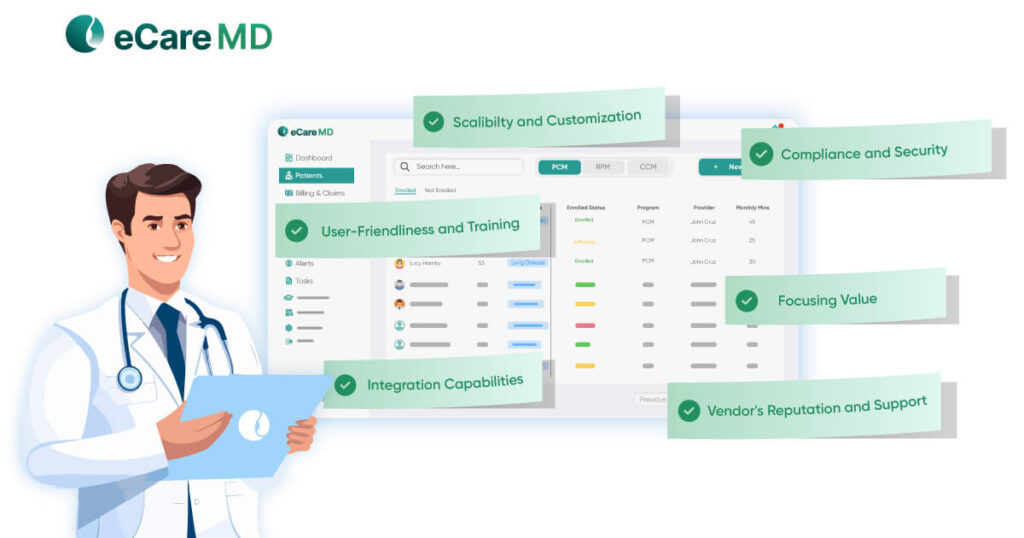
When evaluating the best chronic care management software for a practice, the focus should be on practical fit rather than a feature count. Usability, workflow support, documentation capabilities, integration with existing systems, and clear team visibility are important factors to consider.
The right fit should make everyday CCM work easier to organize, not add another layer of complexity.
Reduce CCM Workload Without Adding More Complexity
See the PlatformHow eCareMD Supports Care Teams
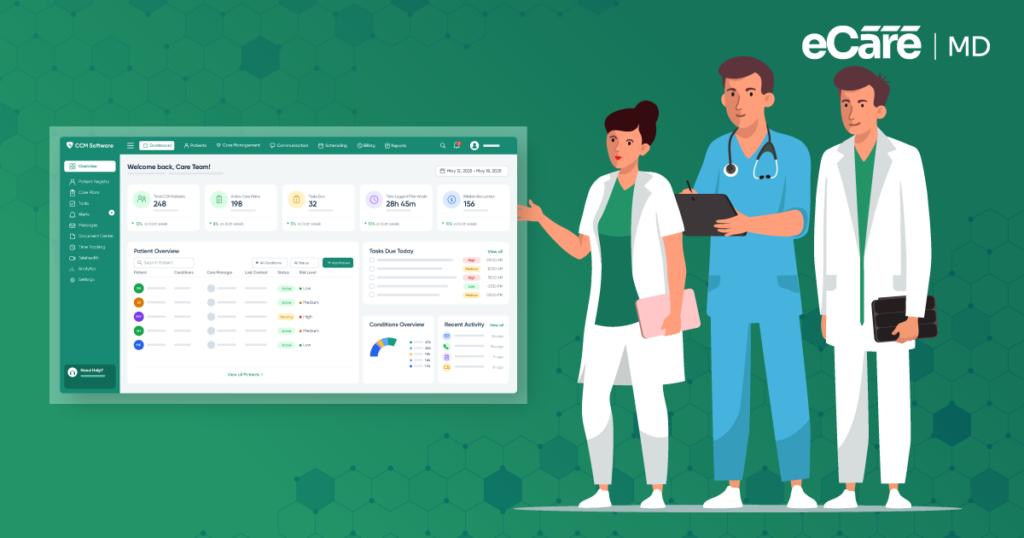
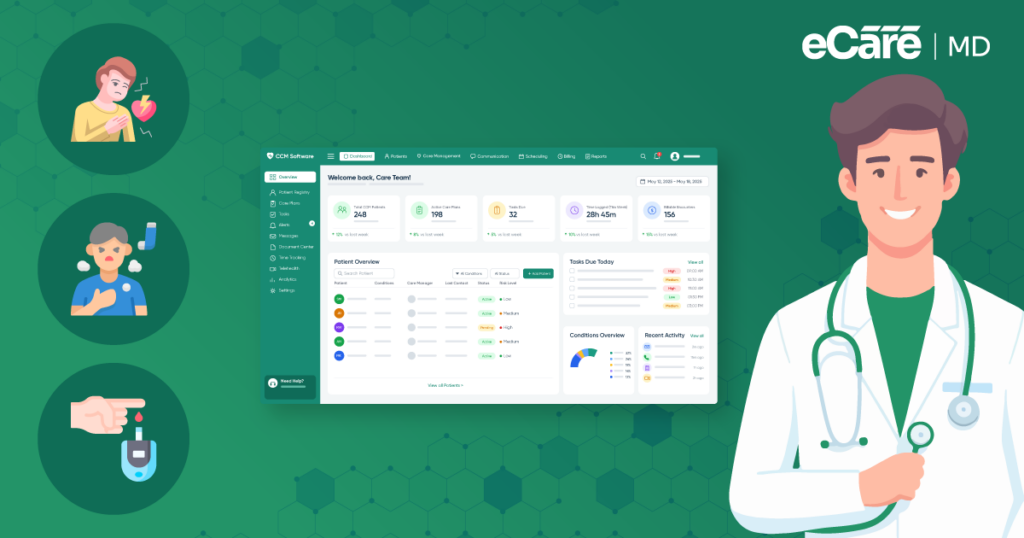
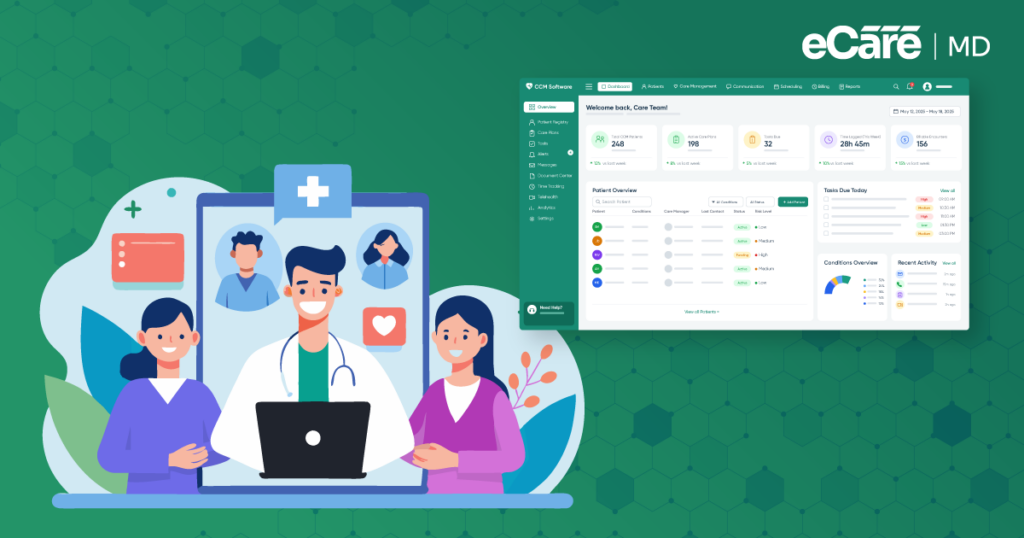
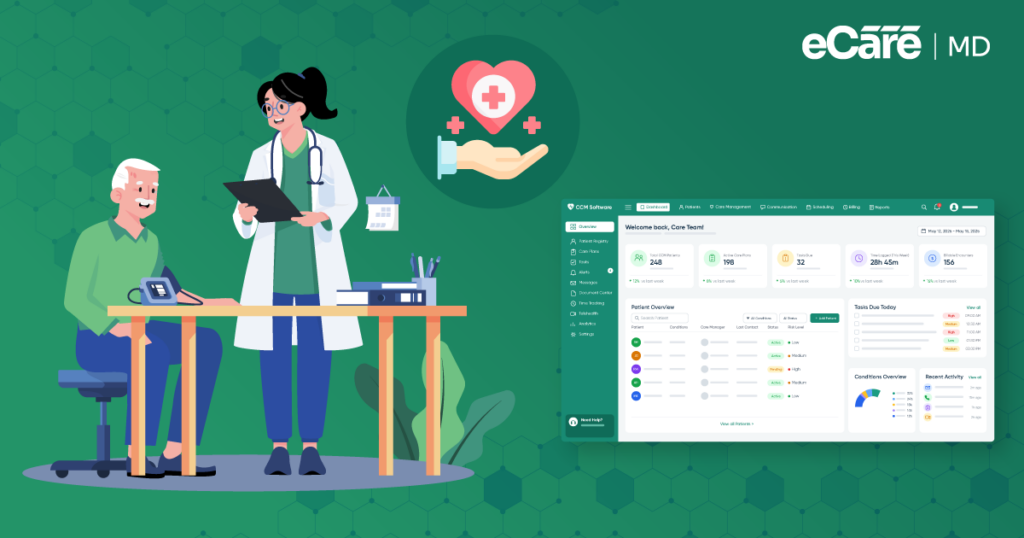
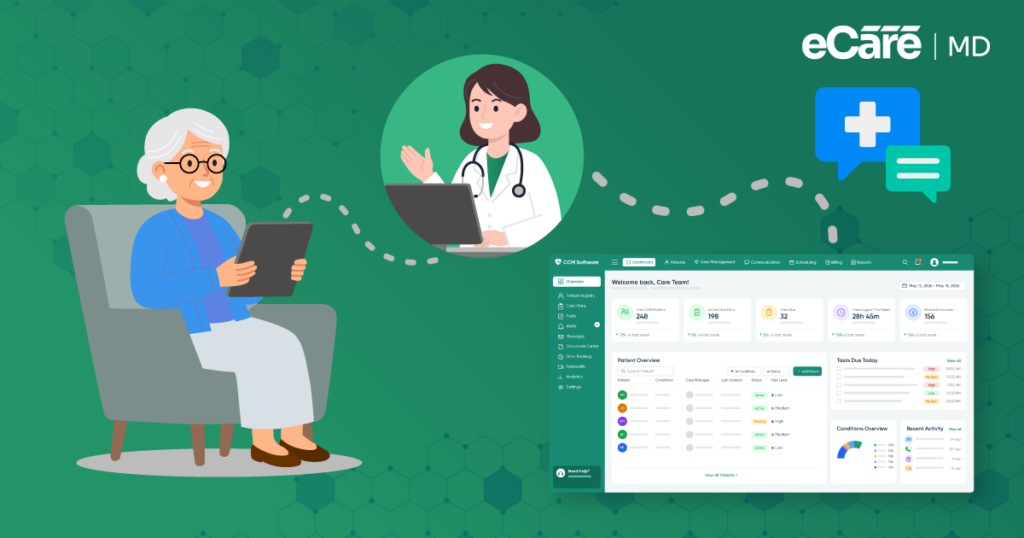
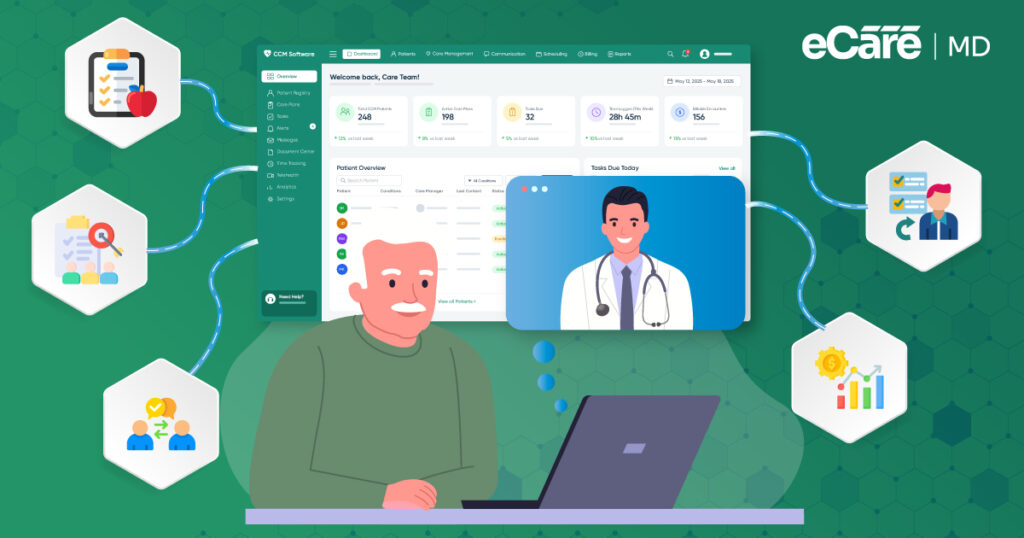
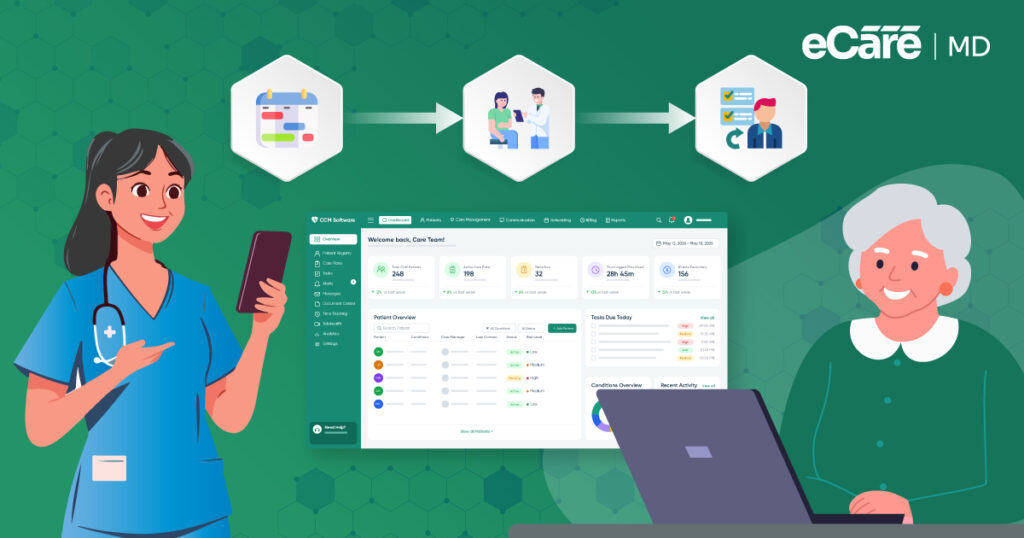
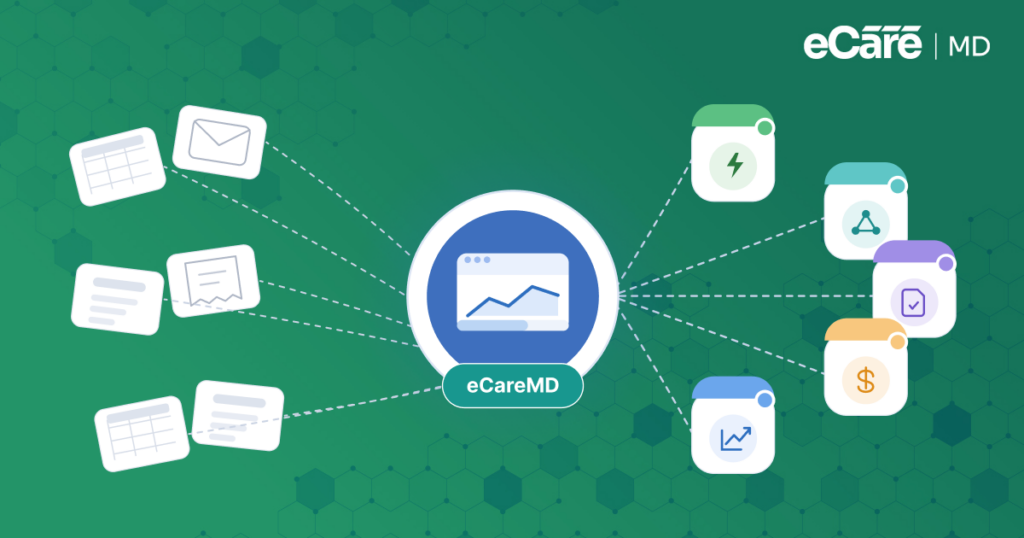
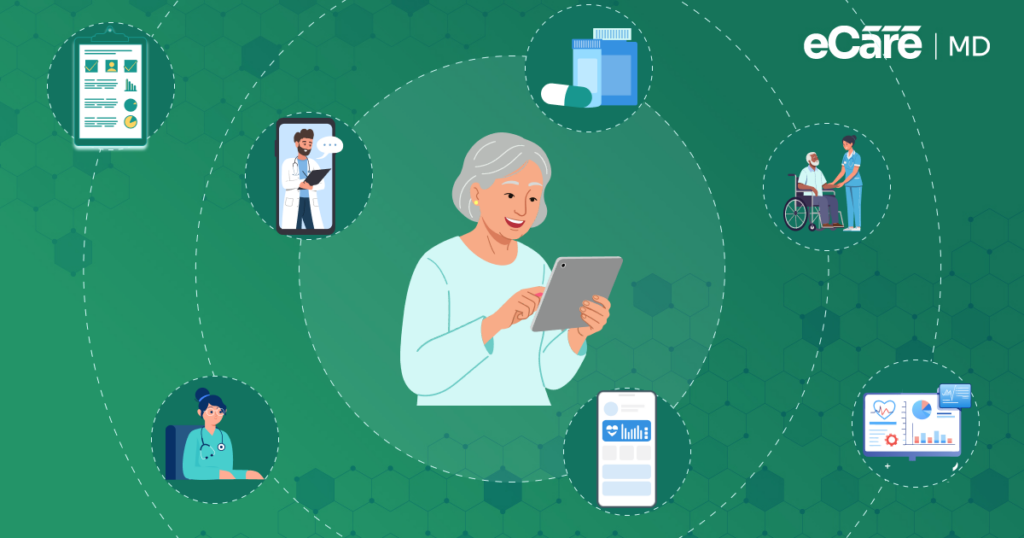
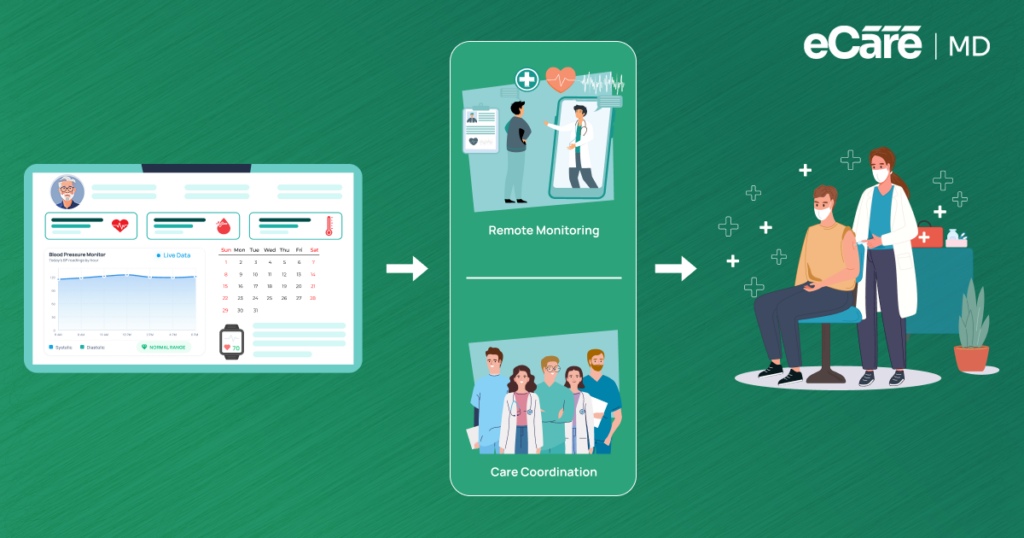
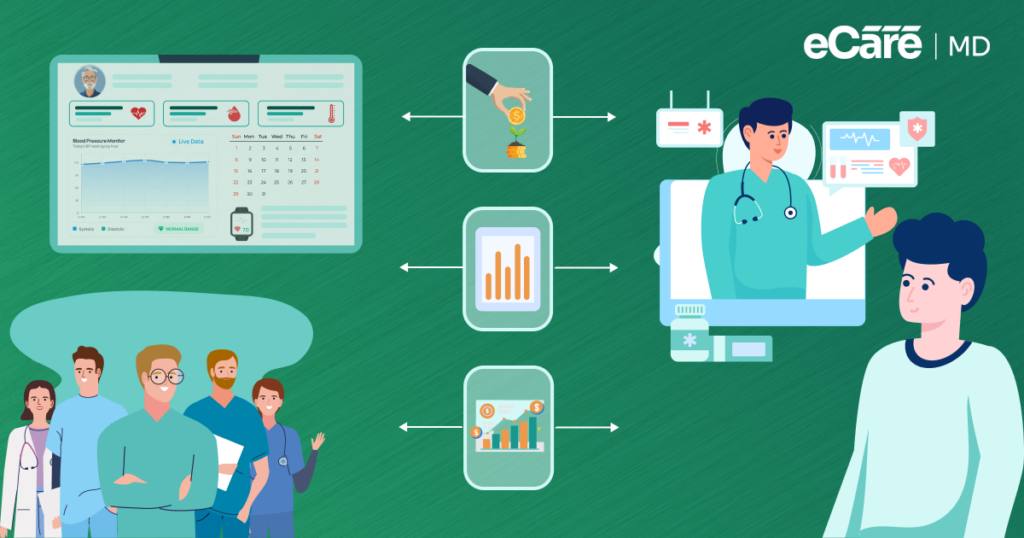
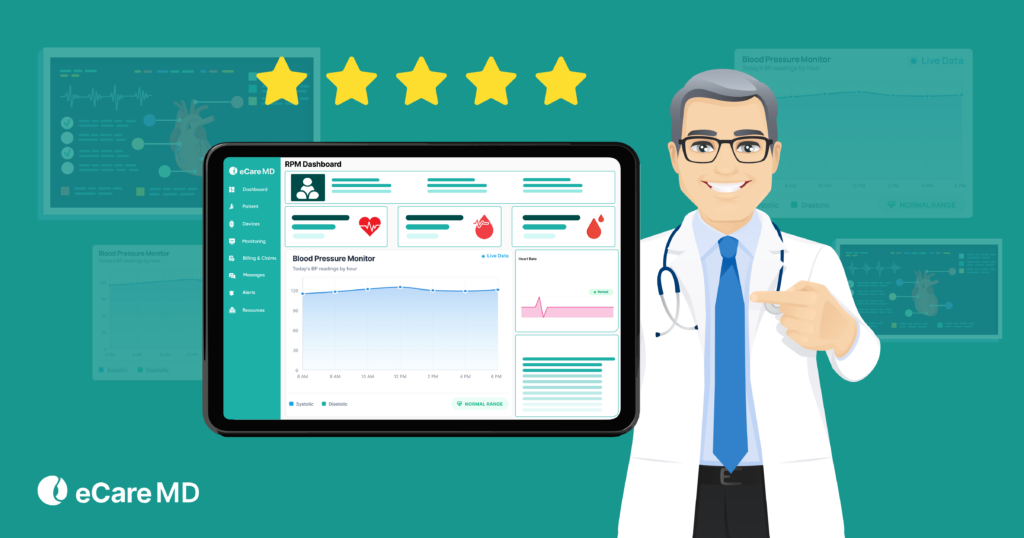
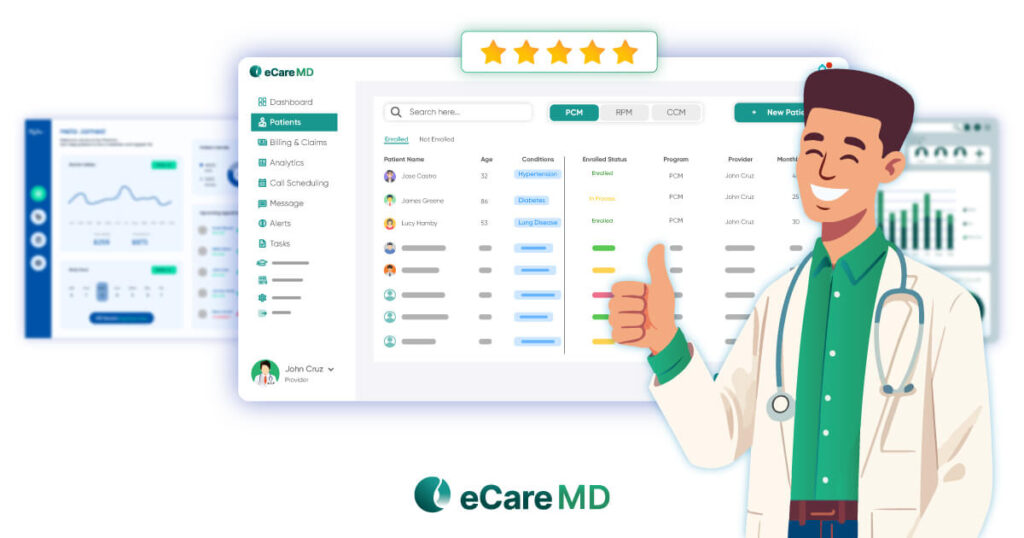
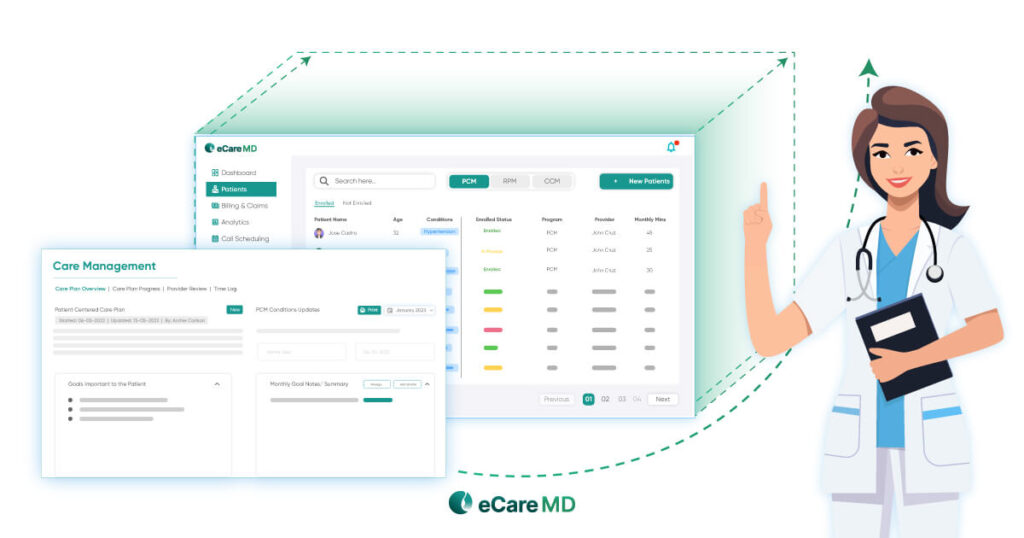
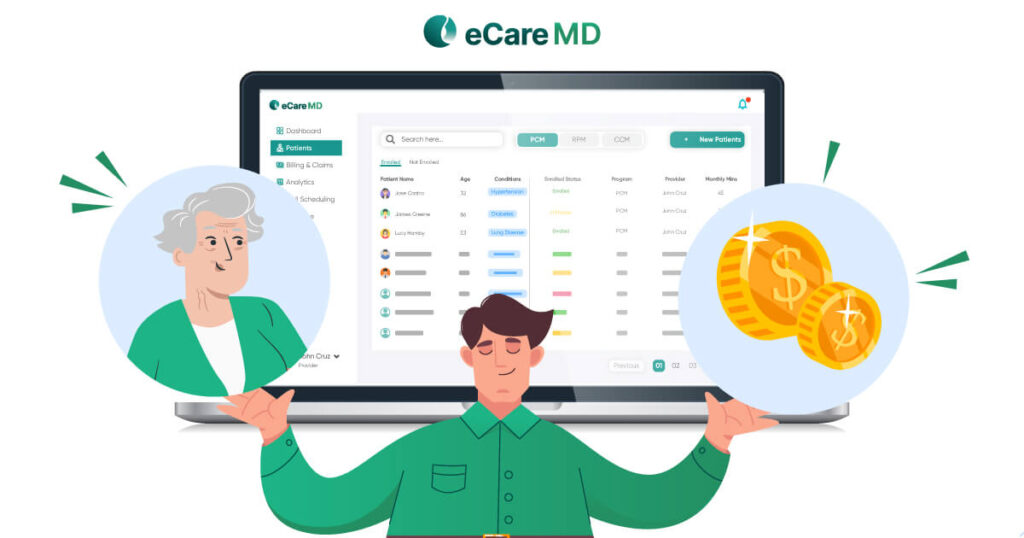
Delegation becomes easier when everyone can see what needs to be done and what has already been completed. This is where eCareMD can support the CCM workflow. The platform brings care planning, patient information, tasks, documentation, and communication into a connected workspace.
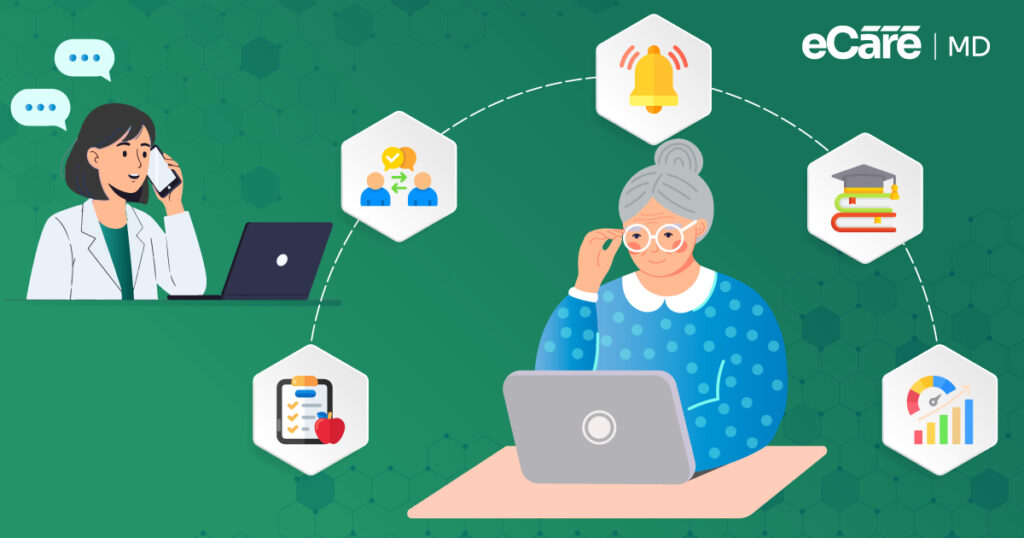
For example, care teams can create and update individualized care plans, track progress against those plans, and assign tasks to specific team members. Scheduled tasks can be tracked through completion, while two-way calling and messaging help keep patient communication connected to the care process.
This can make the daily workflow easier to follow. A care manager can see assigned activities, document completed work, and flag issues that need to reach the appropriate clinician.
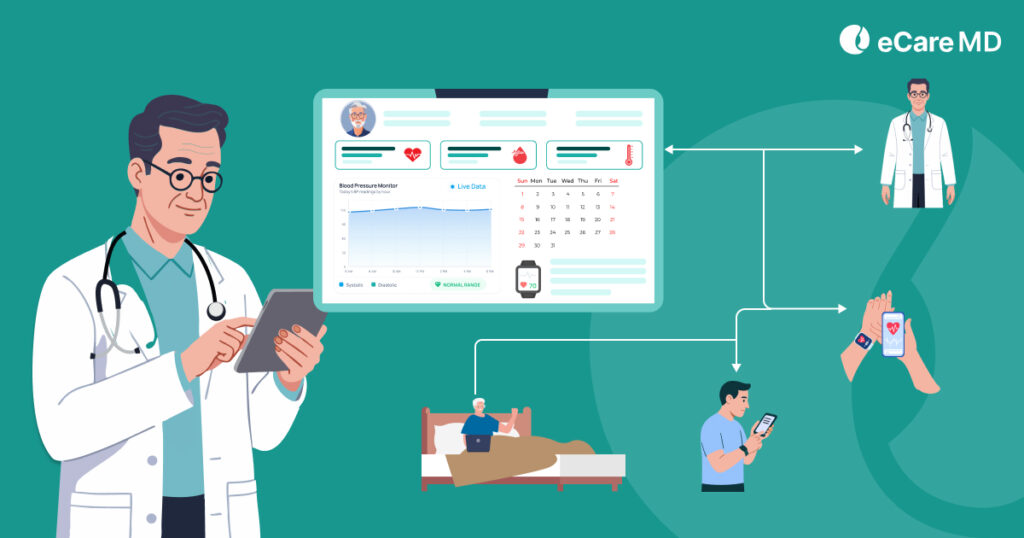
At the same time, clinicians can have better visibility into relevant patient information and care-plan updates without having to manage every recurring task themselves. The value here is not that software removes the demands of CCM.
Instead, eCareMD can help reduce some of the administrative friction around those demands by giving the care team a more organized way to manage recurring work.
Conclusion
CCM workload can become difficult when documentation, follow-ups, and coordination are spread across complicated workflows. Clear delegation and streamlined processes can reduce unnecessary administrative work and give clinicians more time for patient-centered care.
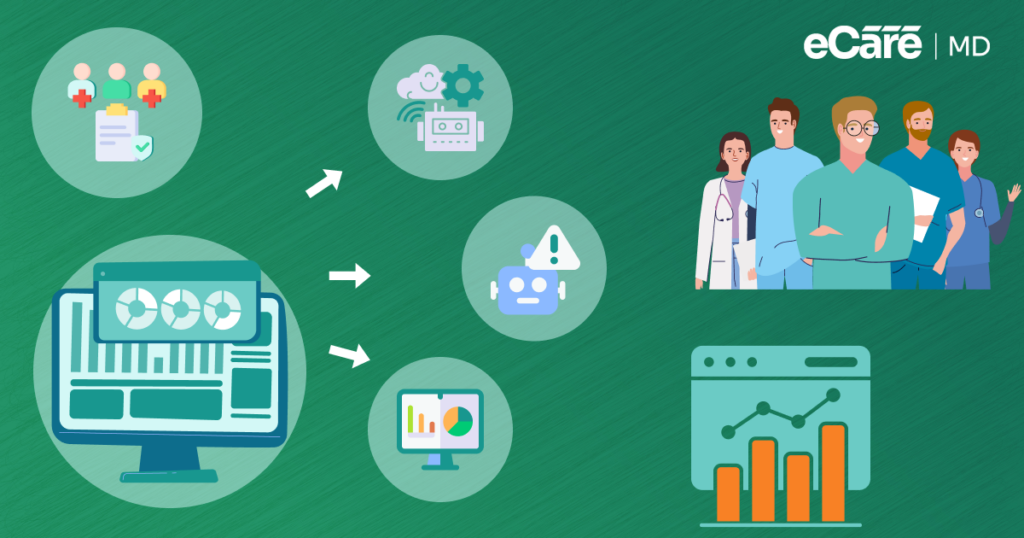
Technology can support this process by keeping tasks, documentation, patient information, and follow-ups organized. When choosing the best chronic care management software, practices should consider usability, workflow support, integration, and team visibility. Combined with the right delegation and processes, suitable CCM technology can help care teams manage their workload with less friction.
Frequently Asked Question’s
Common factors include repetitive documentation, manual follow-up tracking, care coordination, frequent task switching, and disconnected systems. These can increase the CCM administrative burden and make routine work harder to manage. CCM itself does not cause burnout; workflow and workload pressures are the key concerns.
CCM software can organize patient information, care plans, documentation, tasks, and follow-ups in one workflow. This can reduce duplicate data entry, improve task visibility, and limit the need to switch between disconnected tools, helping reduce clinician workload.
Appropriate care manager duties in chronic care management may include patient outreach, follow-ups, care-plan updates, appointment coordination, documentation, and identifying unresolved needs for escalation. Delegation should match each team member’s role, training, and scope of practice.
Practices can consider usability, task and follow-up management, structured documentation, care-plan organization, patient information visibility, integration, and care-team communication. The goal is to find technology that supports existing workflows without adding unnecessary administrative steps.
No. CCM workflows cannot completely prevent healthcare provider burnout because burnout can have multiple causes. However, clearer processes, appropriate delegation, and technology that reduces unnecessary administrative work can help manage workload pressure and support care teams.