Last Updated: October 16, 2026
A patient may see their doctor for 20 minutes, but their care continues long after the appointment ends. Someone still needs to check in, follow up on treatment, coordinate with other providers, and keep the care plan on track. This is where a care manager steps in.
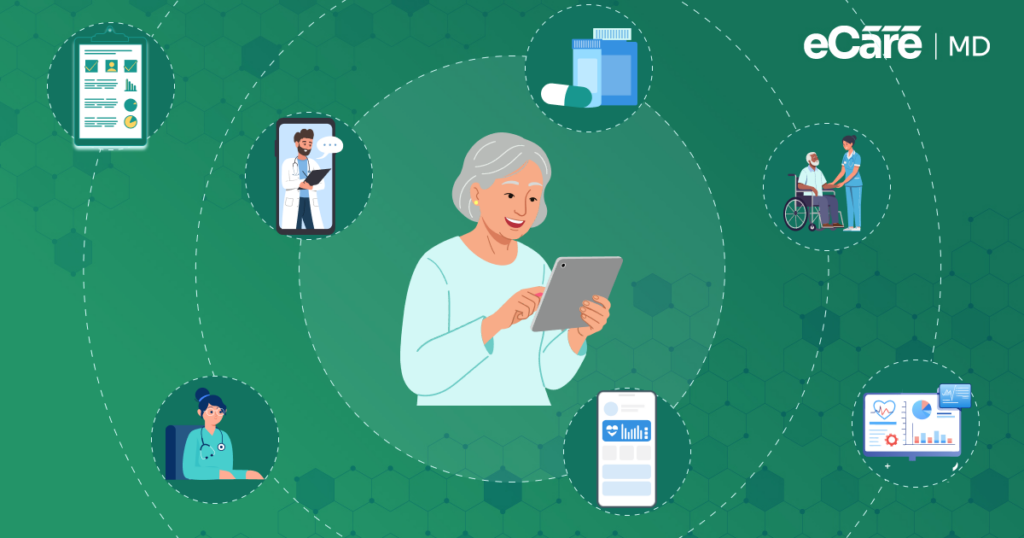
A care manager in healthcare helps patients stay engaged with their care while keeping different parts of their treatment connected. This becomes even more important for people living with chronic conditions, who often need regular follow-ups and ongoing support rather than occasional visits.
Behind this work is a structured care plan that helps the team know what needs to happen, when it needs to happen, and who is responsible. Today, a chronic care management platform can make these workflows easier to organize and manage.
In this guide, we’ll look at a care manager, their key roles and responsibilities, daily duties, essential skills, and how technology supports their work.
What Is a Care Manager in Healthcare?
A patient with several appointments, medications, and follow-ups can easily lose track of what needs to happen next. The doctor may have created the treatment plan, but someone needs to help connect those next steps. A care manager fills that gap.
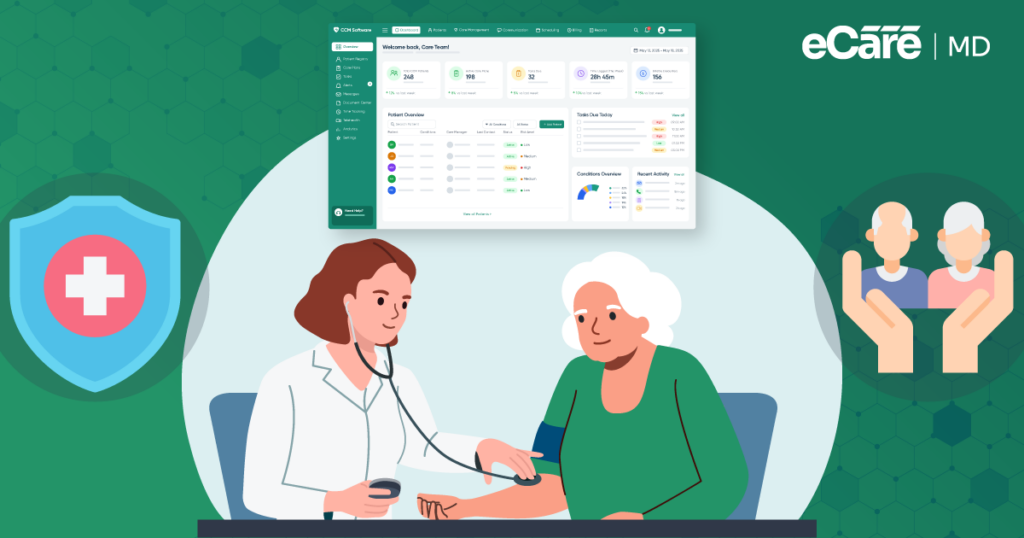
A care manager in healthcare is a professional who helps coordinate a patient’s care across providers, services, and follow-ups. They communicate with patients and care teams, track ongoing needs, help address barriers, and make sure important parts of the care plan do not get overlooked.
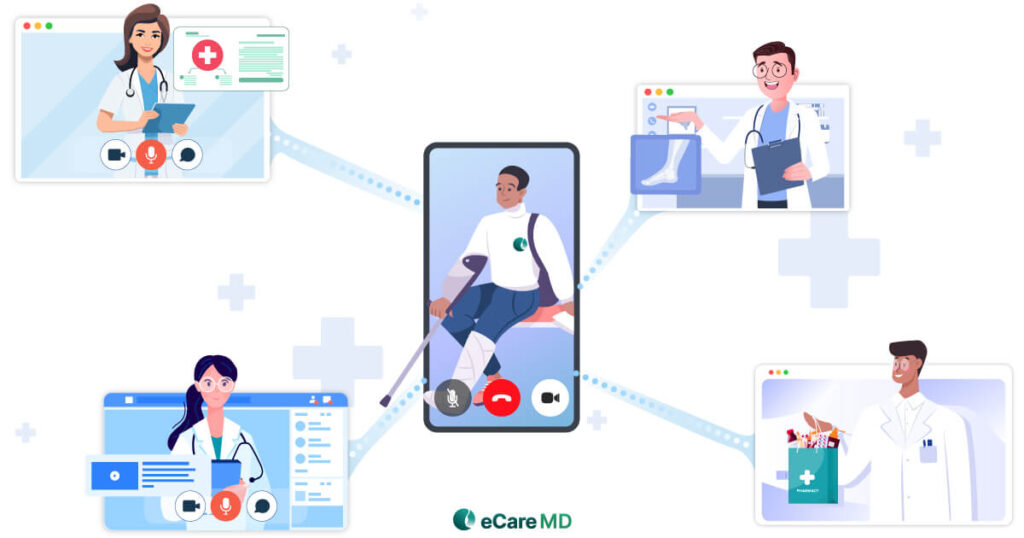
Their role is less about providing the treatment themselves and more about keeping the different pieces of care connected. This makes the care manager an important link between the patient and the broader care team. A patient may speak with a primary care provider during an appointment, a specialist about a specific condition, and a care manager between visits.
The care manager helps keep communication moving between these touchpoints so the patient knows what comes next and the team has a clearer view of their ongoing needs. The role can look different depending on the patient population and care setting.
A general care manager may coordinate care for patients with different health needs, while a chronic care manager focuses more specifically on people managing long-term conditions. Their work can include regular outreach, reviewing care needs, updating care plans, tracking progress, and coordinating services over time.
The difference is mainly in the focus. Both roles center on coordination and ongoing support, but chronic care management puts greater emphasis on the continuous needs of patients living with chronic conditions.
Care Manager Roles and Responsibilities in Chronic Care Management
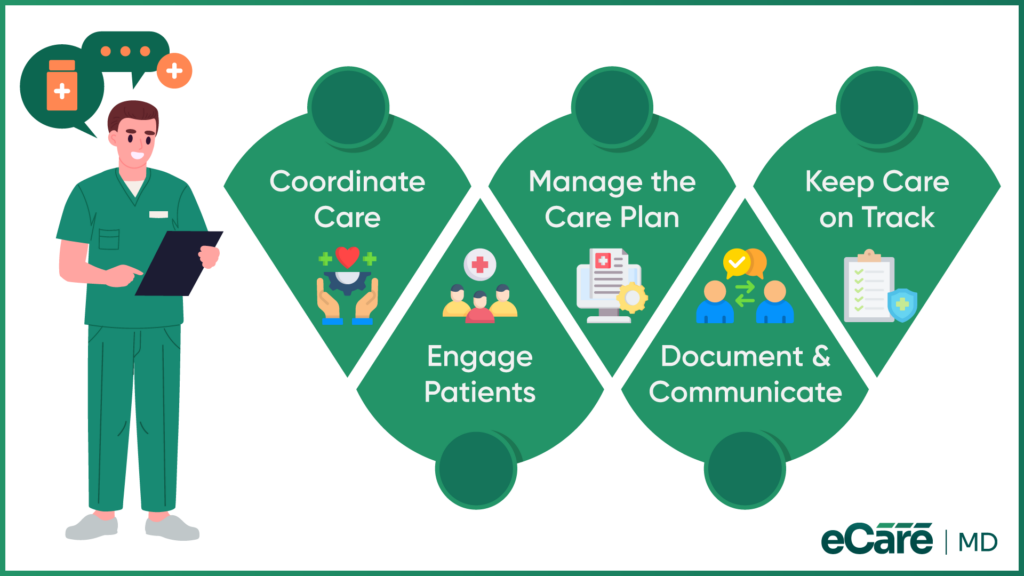
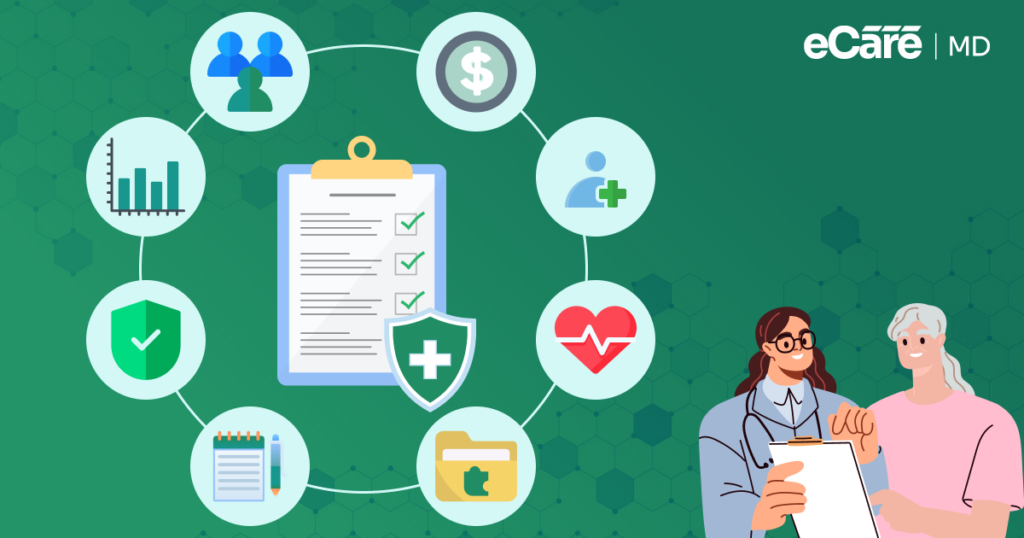
For a patient managing diabetes, heart disease, or several conditions at once, care can quickly involve multiple providers, medications, appointments, and follow-ups. A care manager helps bring these moving pieces together so the patient does not have to manage everything alone.
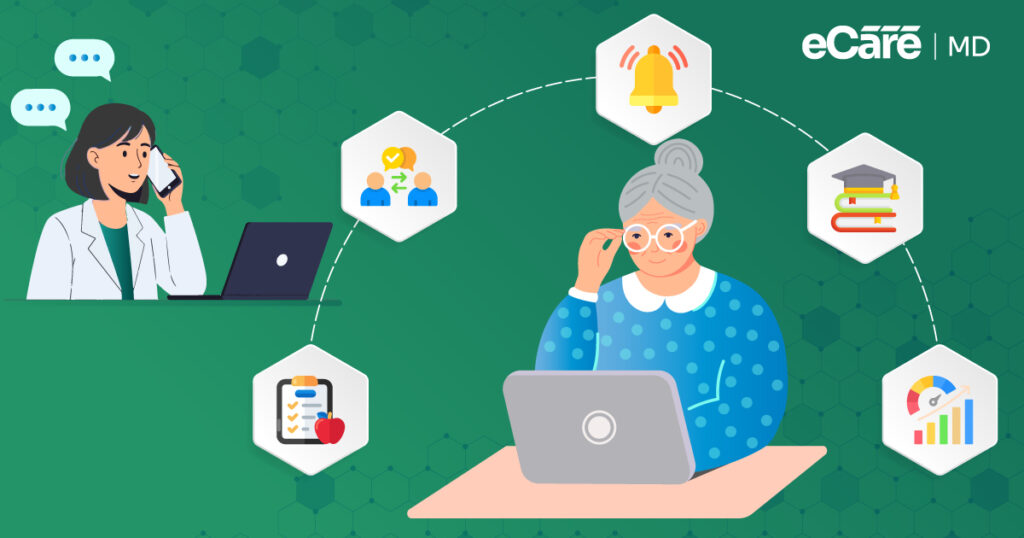
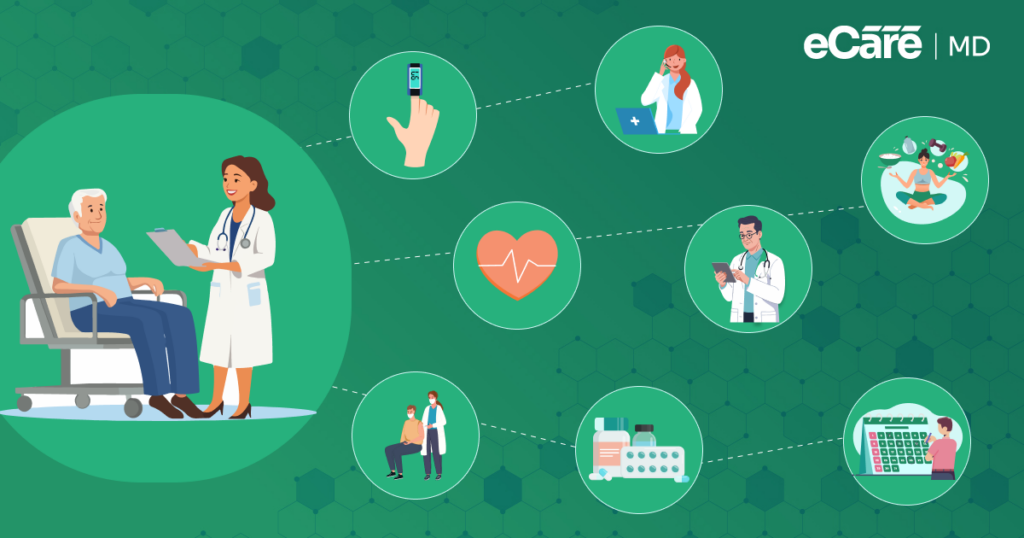
A big part of the care manager’s roles and responsibilities in chronic care management is staying connected with the patient. Through regular check-ins, care managers can provide education, answer questions, encourage self-management, and see whether the care plan is working in day-to-day life.
They also help put the care plan into action. This may include monitoring patient needs, tracking appointments and referrals, and coordinating with different providers. If a patient misses an appointment or reports a new concern, the care manager can document the update and share relevant information with the clinician.
In this way, care managers help keep patients, providers, and care plans moving in the same direction. Their work connects the routine follow-up that happens between appointments with the larger goals of chronic care management.
Daily Care Manager Duties and Daily Workflow
A care manager’s day often starts before the first patient call. They review patient information, check priority needs, and see which follow-ups or care activities need attention. For patients with several ongoing conditions, this quick review helps determine where to focus first.
The day then moves from one patient interaction to another. Scheduled outreach may involve checking on treatment progress, answering questions, or following up on an earlier concern. Each interaction is documented, while relevant care information is updated so the rest of the team has the latest details.
From there, care manager duties in chronic care management often involve coordinating outstanding activities, such as referrals, appointments, or follow-ups. When a patient reports a new or unresolved clinical concern, the care manager escalates it to the appropriate clinician rather than handling the clinical decision alone.
A simple way to look at this daily workflow is:
Review → Engage → Coordinate → Document → Follow Up → Escalate
Each step connects to the next, helping care managers keep ongoing patient care organized without losing sight of individual needs.
Key Skills and Competencies for Care Managers
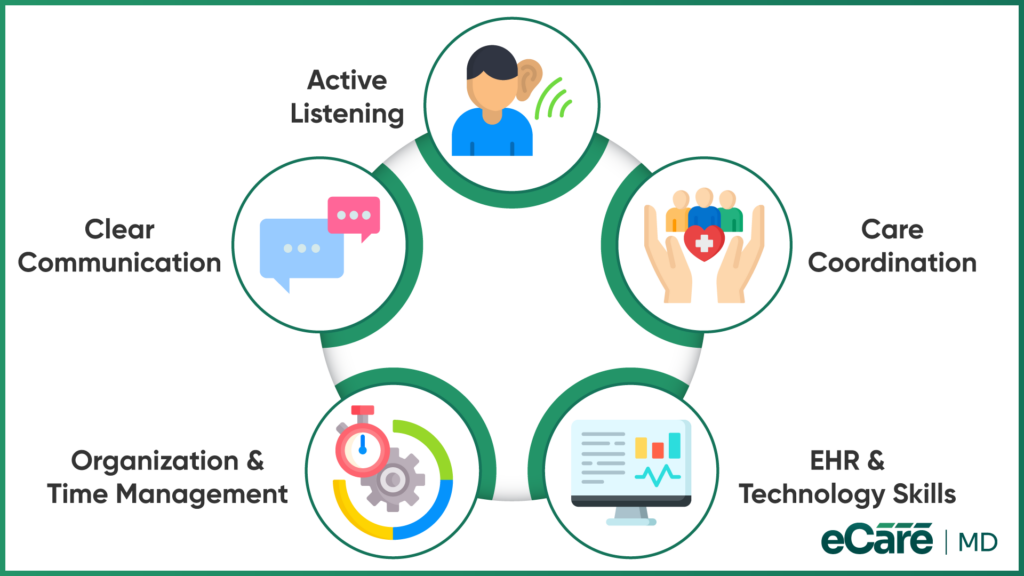
The skills of a care manager become most visible during everyday patient interactions. A patient may be confused about a treatment plan or hesitant to discuss a problem, so active listening and patient engagement help the care manager understand what is really getting in the way.
Clear communication matters just as much when working with clinicians, specialists, and other members of the care team. Care managers also need strong organization and time management to keep track of multiple patients, follow-ups, referrals, and care activities without letting important tasks slip through the cracks.
Care coordination is another core skill. It requires knowing what needs to happen next, who needs to be involved, and when to follow up. Alongside these people-focused skills, care managers need to be comfortable using EHRs and healthcare software to document interactions, review patient information, and keep care activities organized.
Together, these skills help care managers move from simply completing tasks to keeping ongoing patient care connected and on track.
How Technology Supports Care Manager Responsibilities
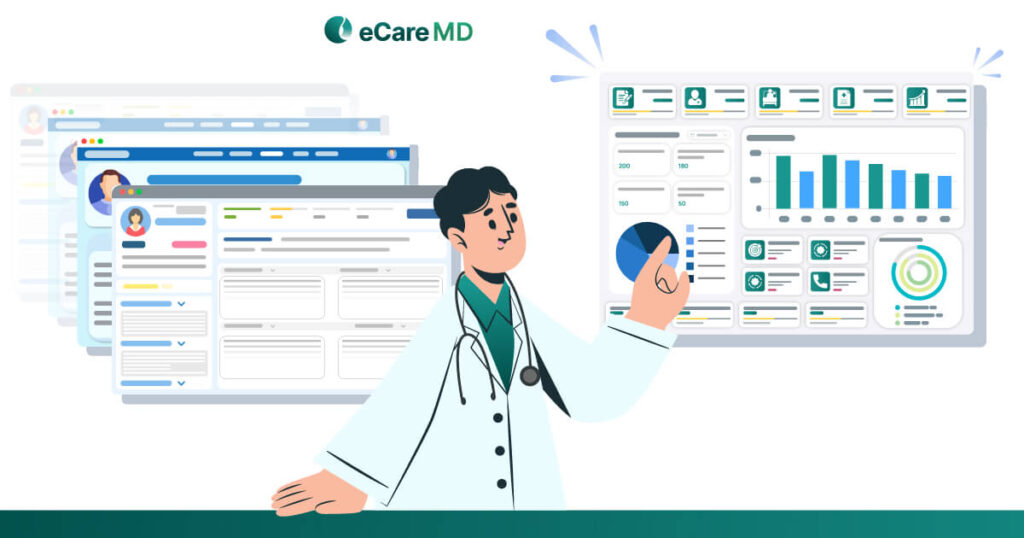
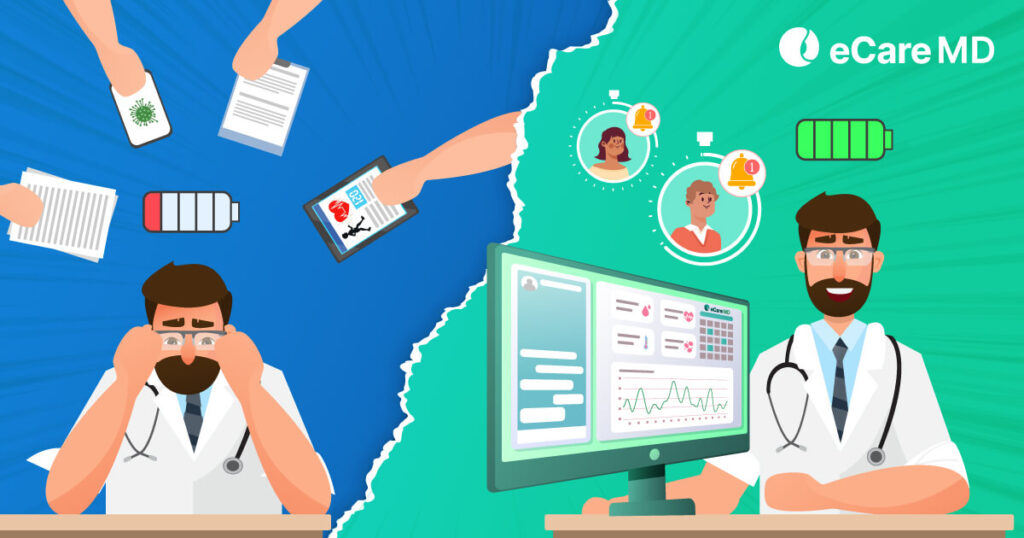
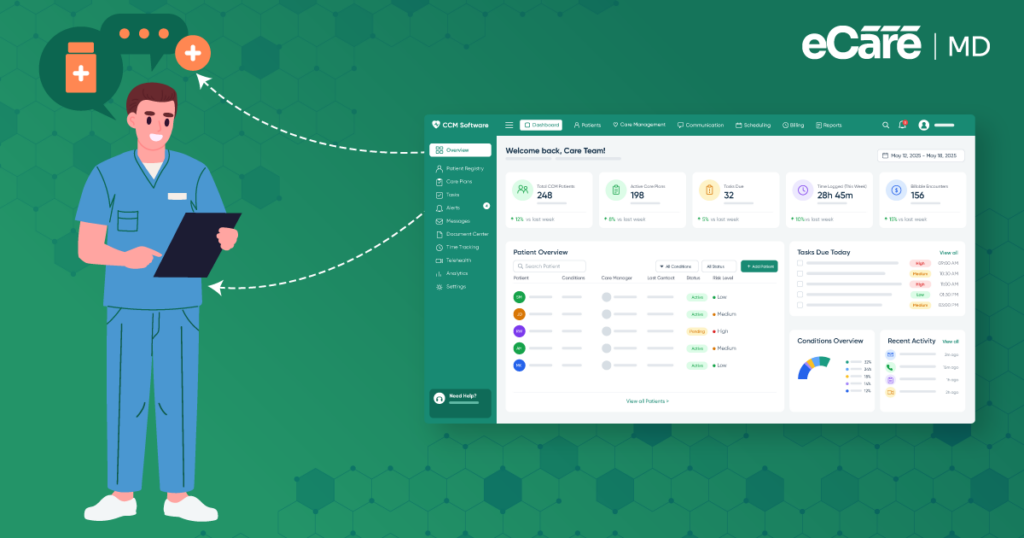
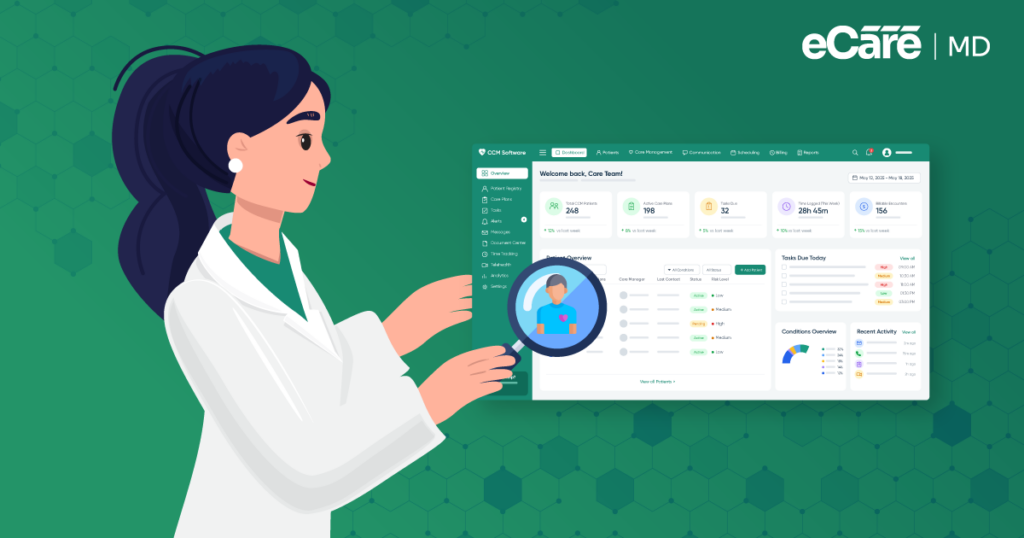
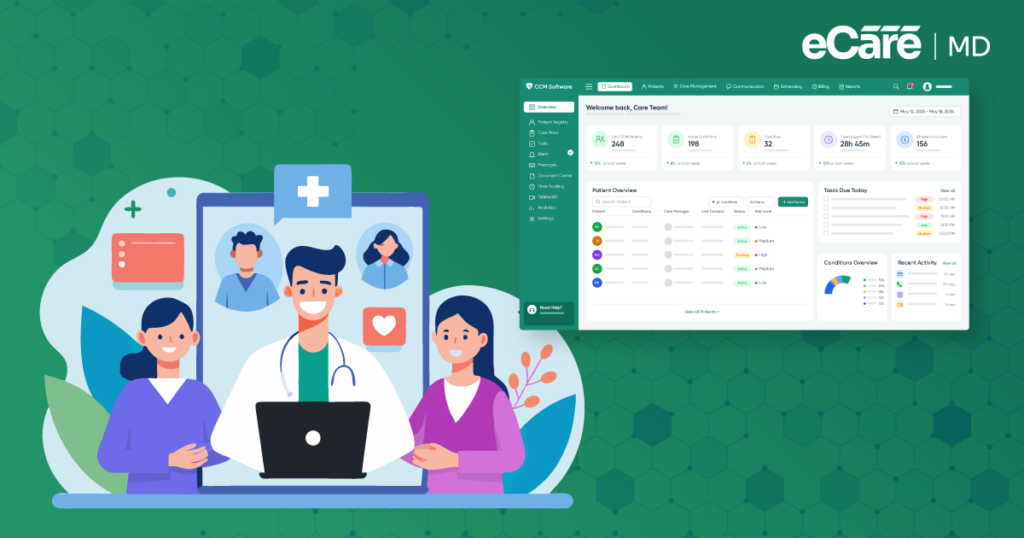
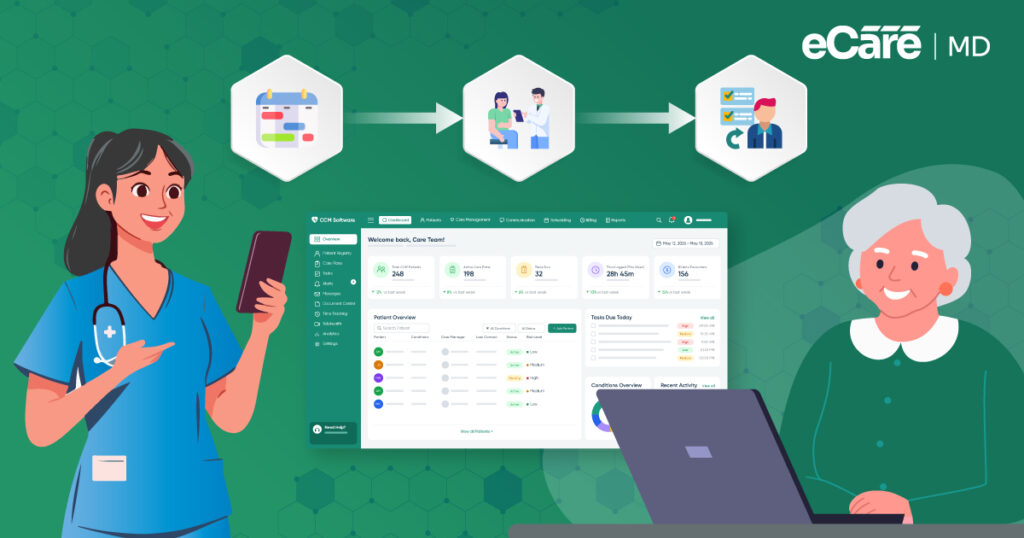
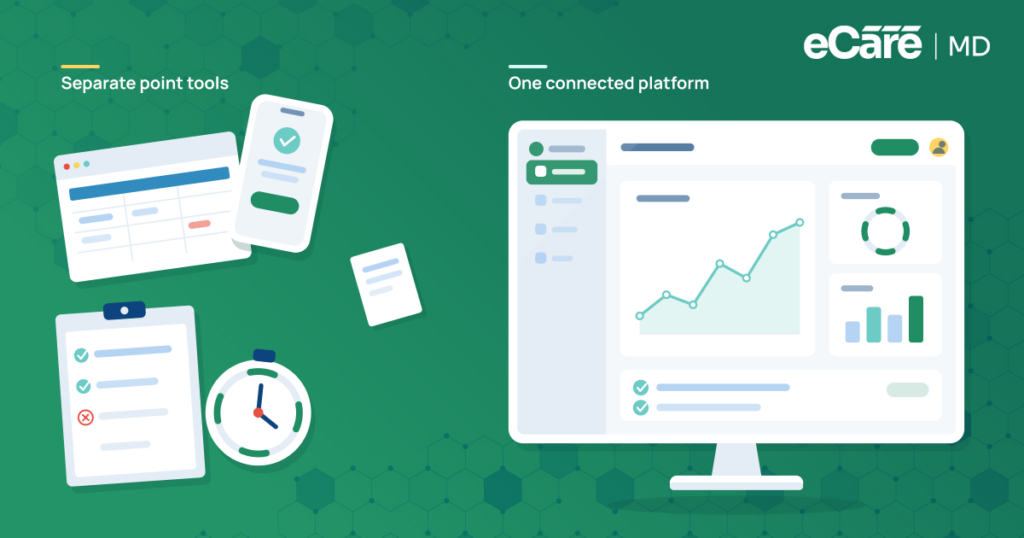
By this point, the care manager may be handling several patient follow-ups, care-plan updates, referrals, and documentation tasks at the same time. Keeping all of that information in separate places can make a simple follow-up harder than it needs to be. CCM Software can help bring these recurring tasks into one organized workflow.
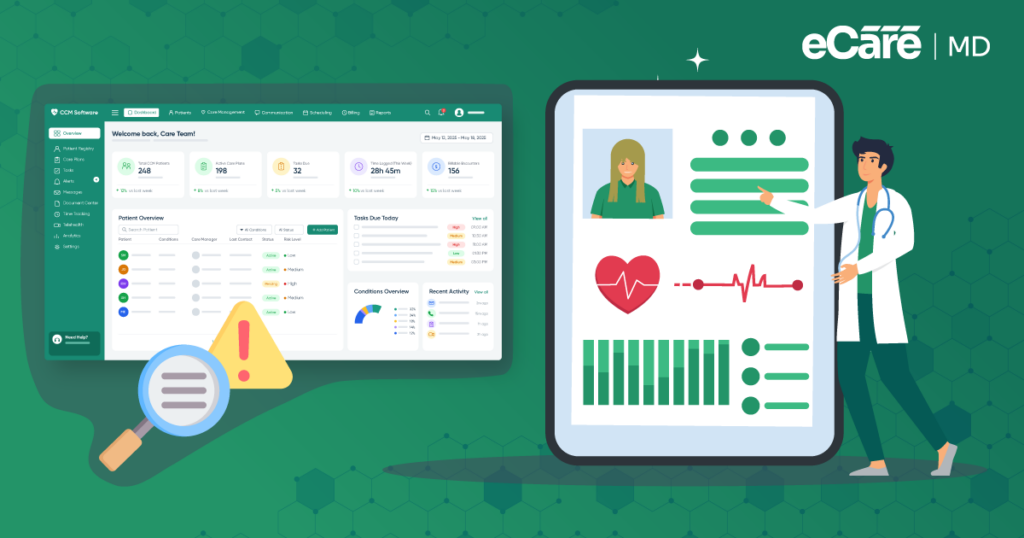
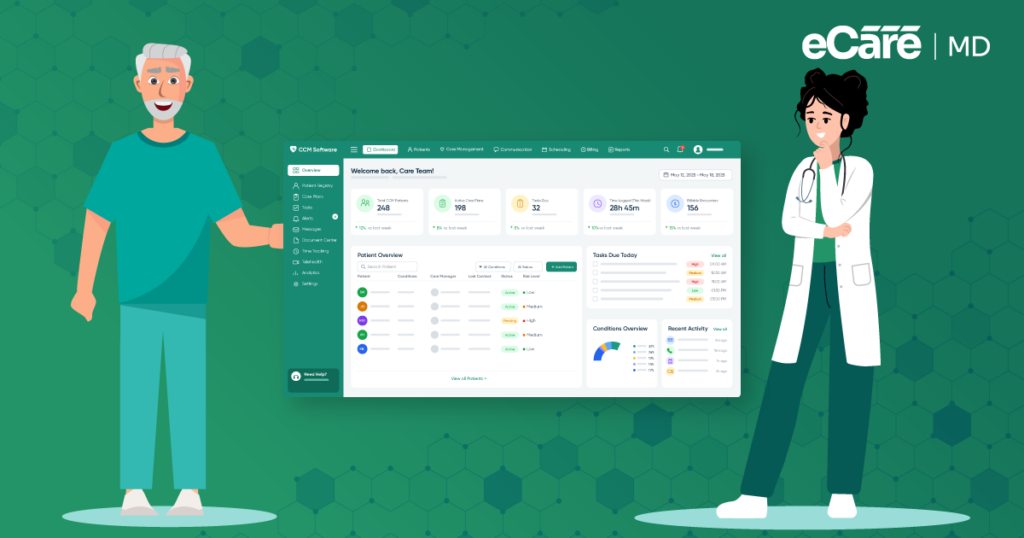
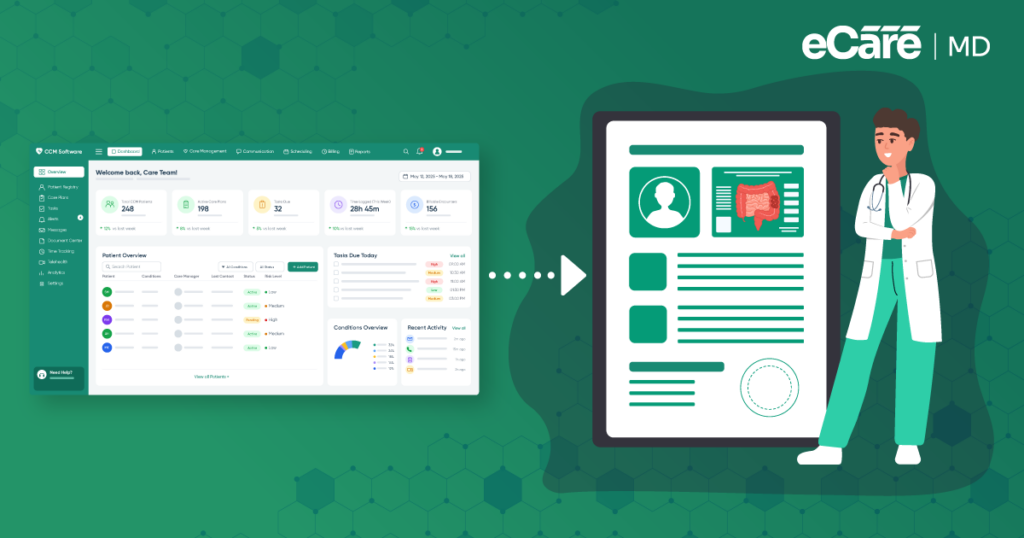
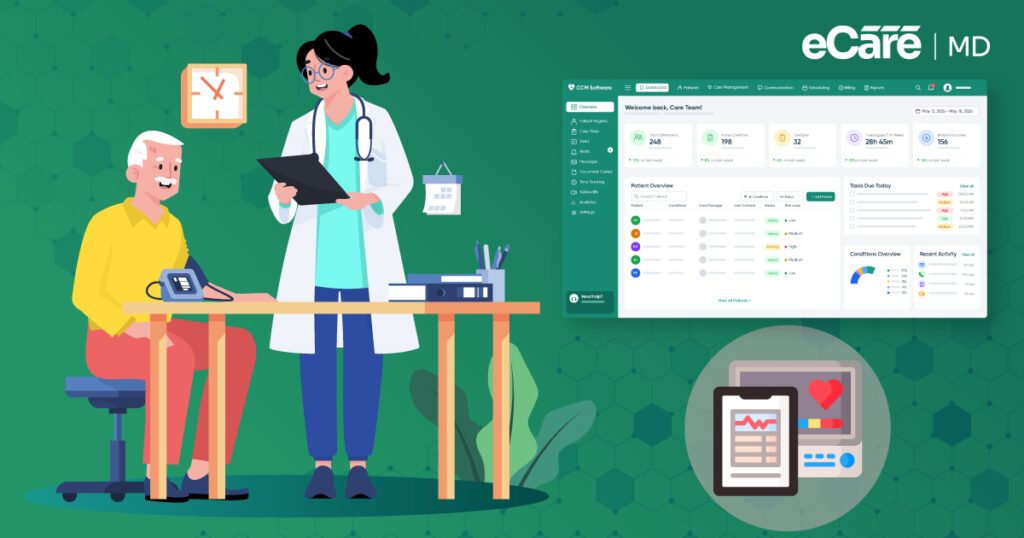
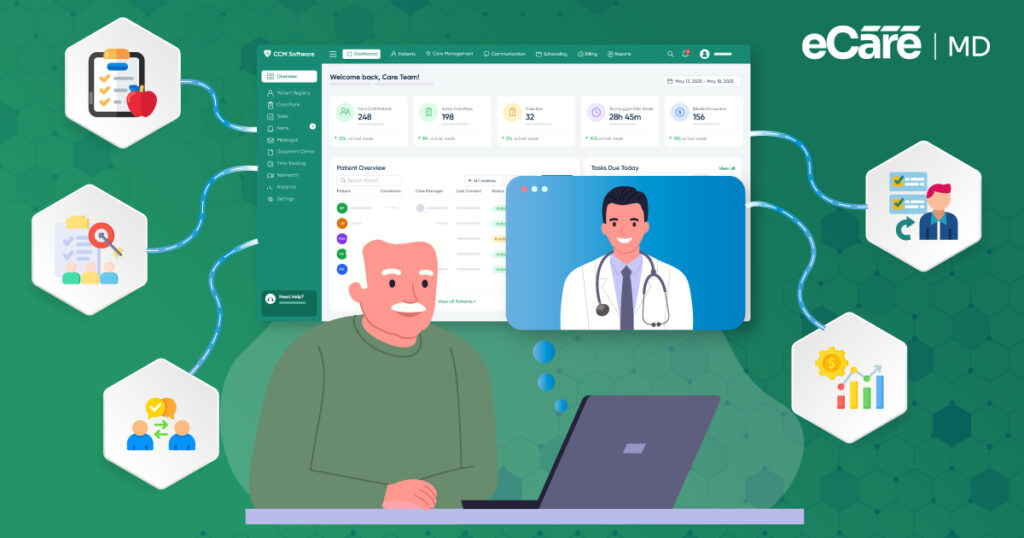
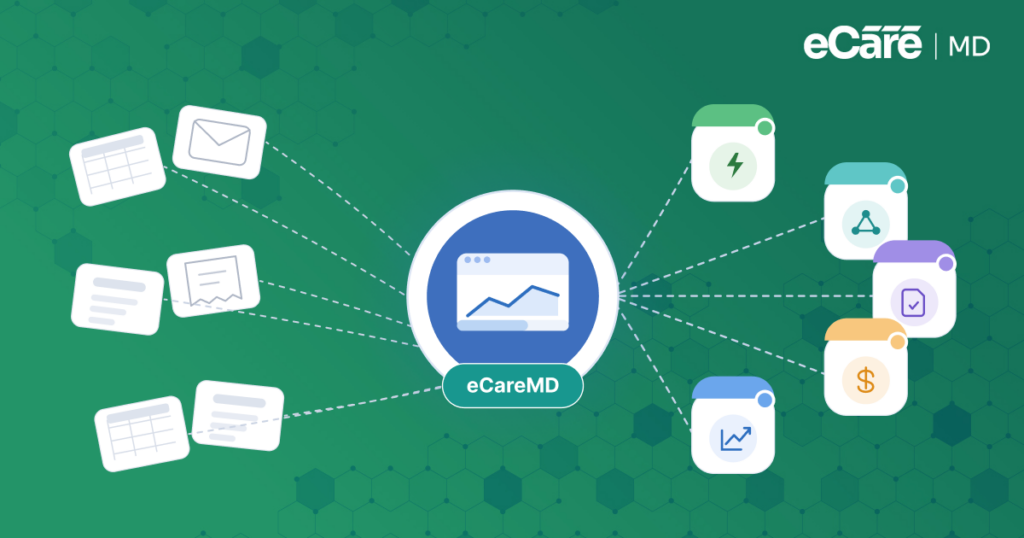
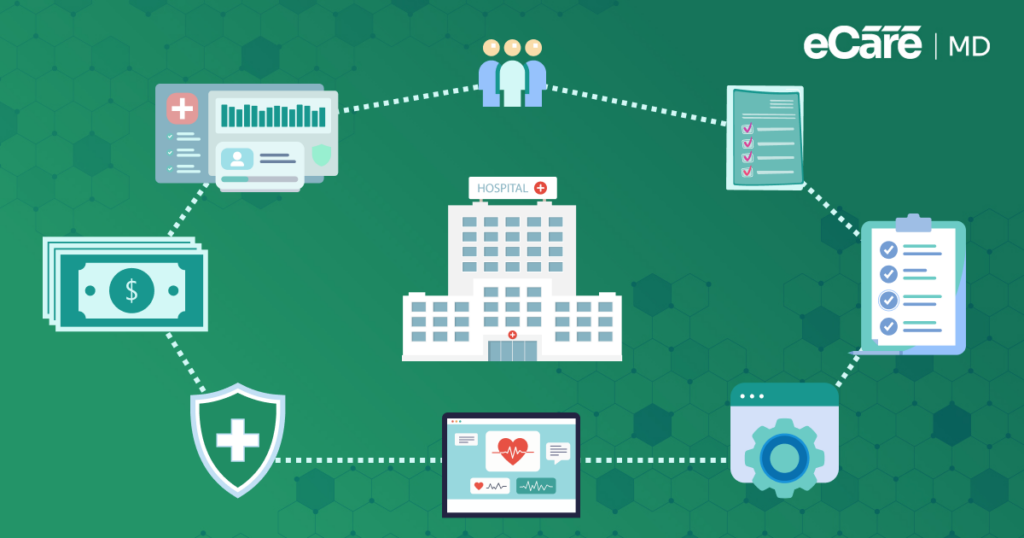
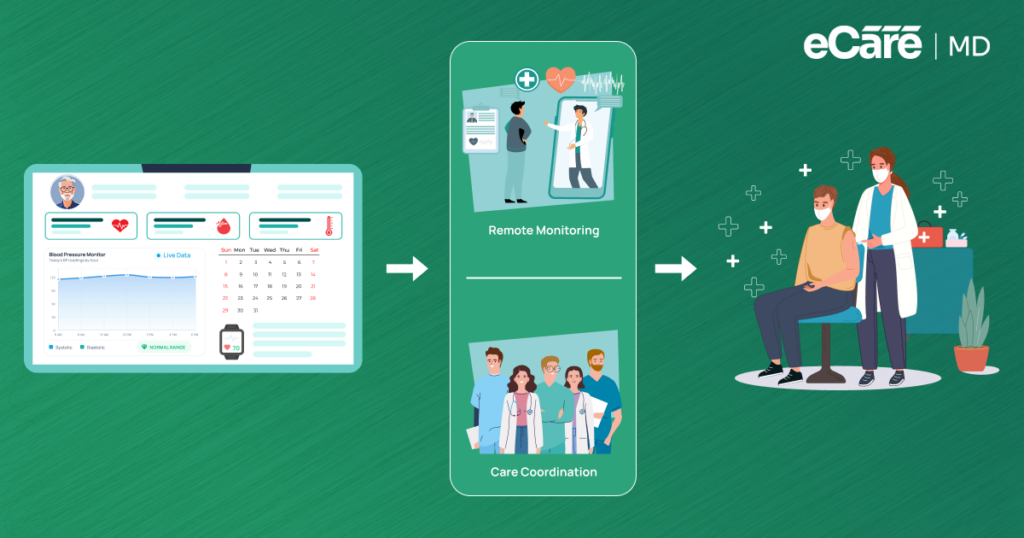
A chronic care management platform can centralize relevant patient and care-plan information, organize tasks, and make upcoming follow-ups easier to see. Instead of searching through different systems to find what needs attention, care managers can have a clearer view of their assigned activities and patient needs.
This also gives the wider care team better visibility into ongoing work. Updates, completed tasks, and outstanding activities can be easier to track, helping everyone stay connected as care moves forward.
Technology, however, remains a support tool. It can organize information and workflows, but care managers and clinicians still use their professional judgment when responding to patient needs and deciding when a concern requires clinical attention.
Keep Care Manager Workflows Connected and Organized
See How It WorksStreamlining Care Management with eCareMD
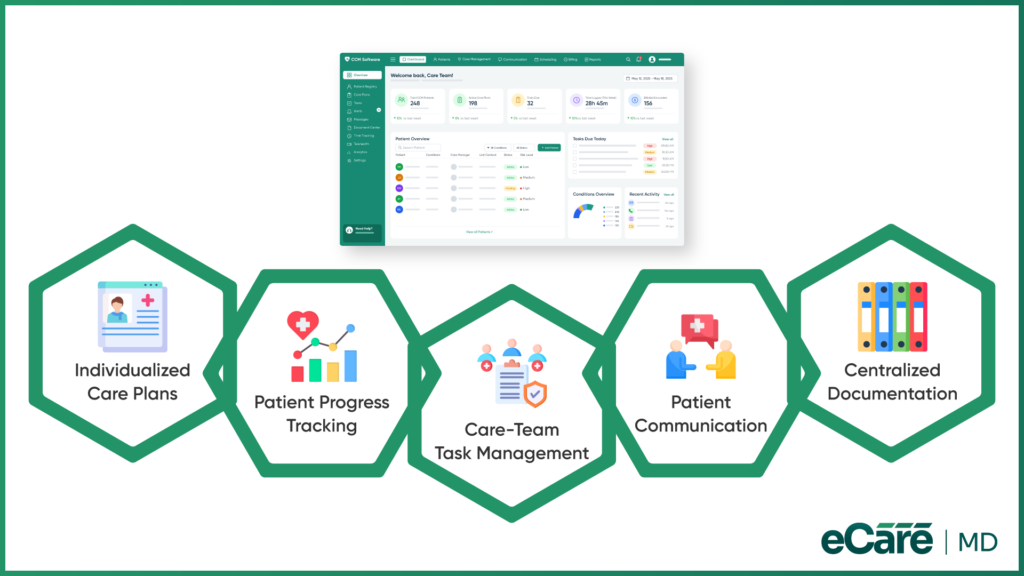
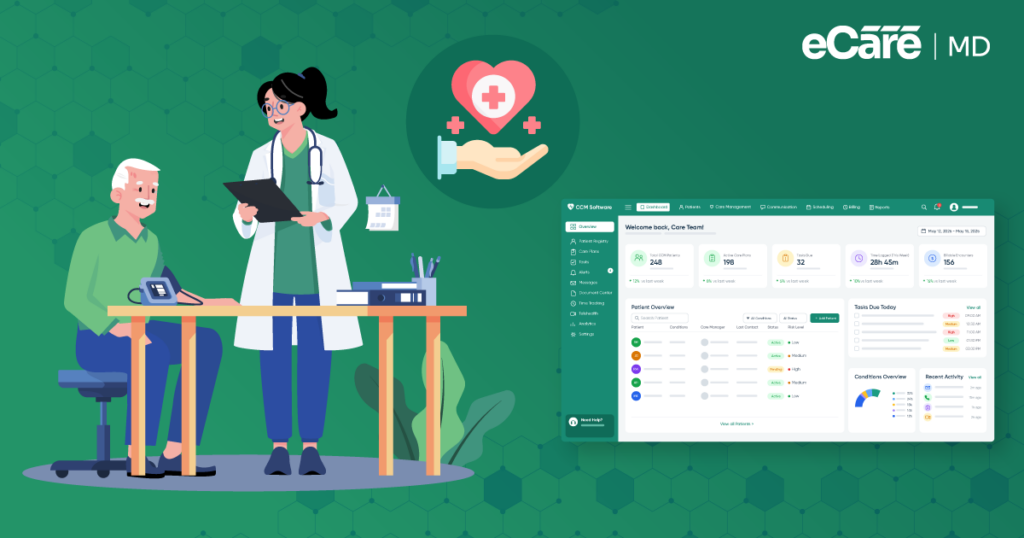
When a care manager is handling several patients, keeping track of care plans, follow-ups, and patient updates can become difficult across disconnected tools. eCareMD brings these activities into a more organized CCM workflow.
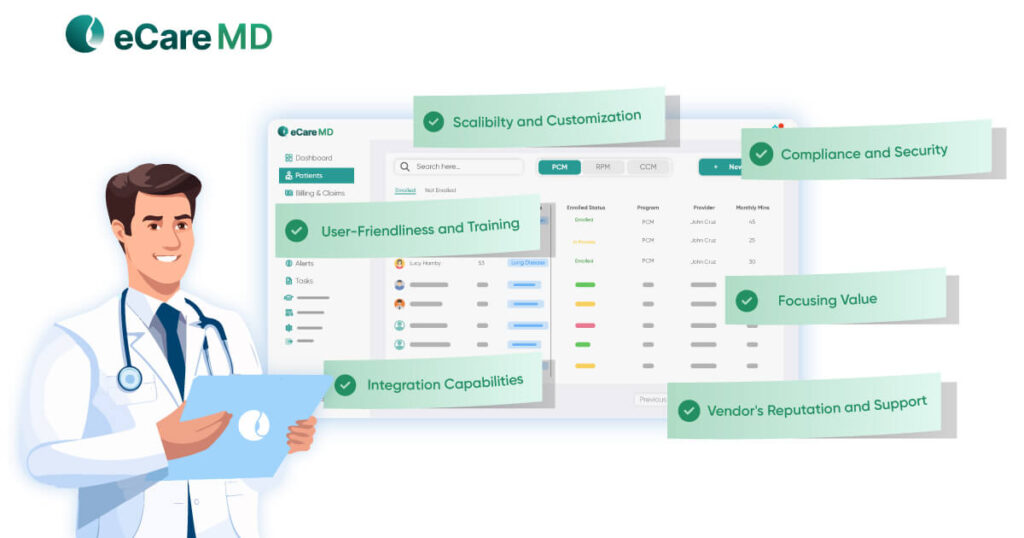
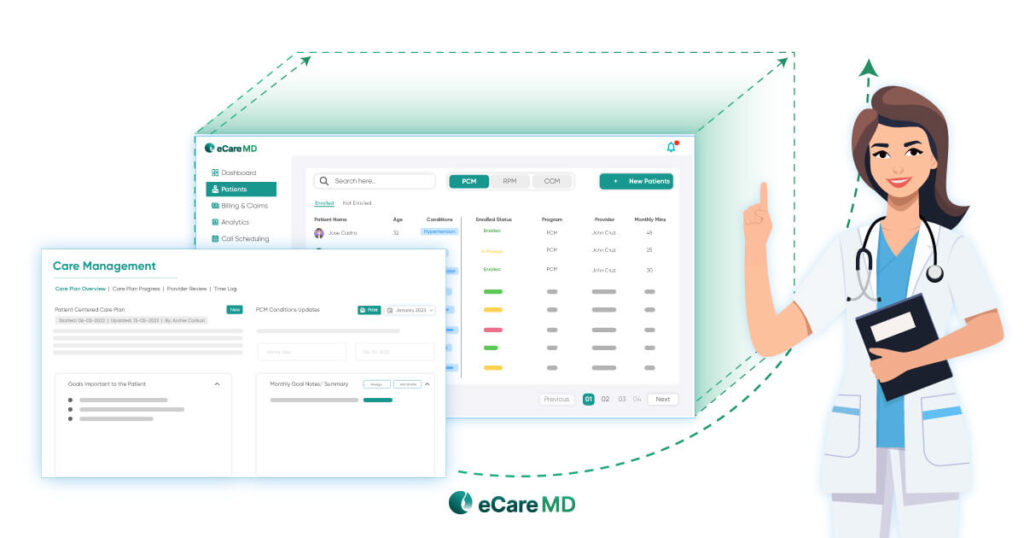
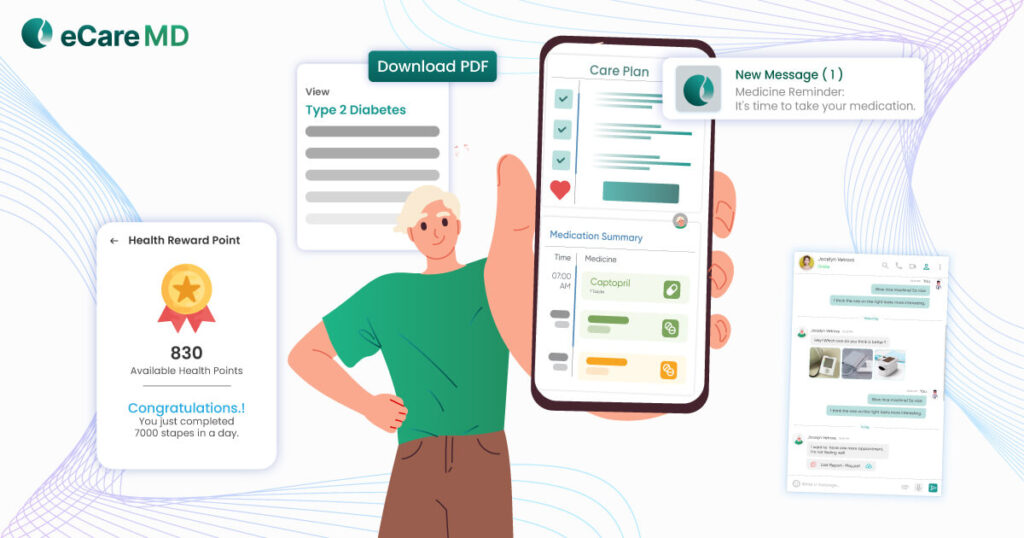
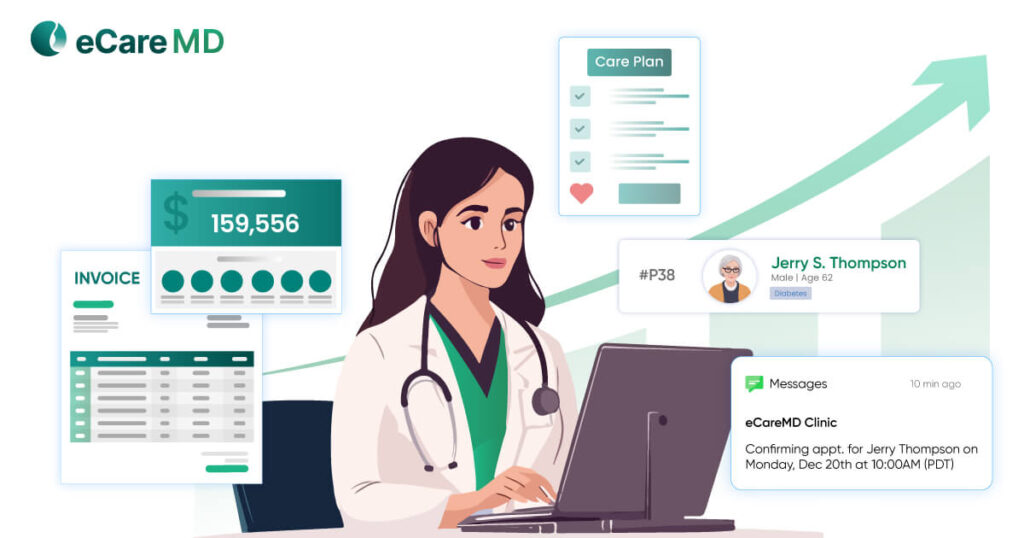
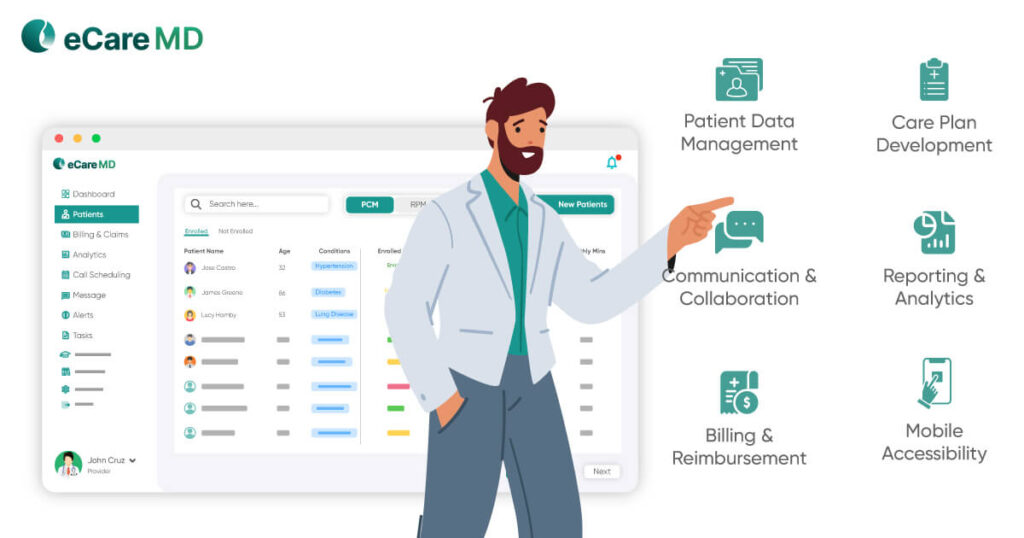
Care managers can use eCareMD to create and manage individualized care plans, track patient progress, assign and follow up on care-team tasks, and document patient interactions. The platform also supports two-way communication, helping care teams stay connected with patients between visits.
For example, after a patient check-in, the care manager can document the interaction, update relevant care information, and continue tracking the next task from the same workflow. This can make routine care-management work easier to organize and follow.
eCareMD is designed to support care managers, not replace their judgment. The platform helps organize information and recurring workflows, while clinical decisions and patient-specific care remain with the appropriate healthcare professionals.
Conclusion
Good care management is often about keeping many small pieces moving in the right direction. A care manager engages with patients, coordinates services, documents updates, follows up on outstanding needs, and communicates relevant information with the care team.
For patients living with chronic conditions, this ongoing support helps keep care connected beyond individual appointments. The right technology can make that work easier to organize by bringing patient information, care plans, tasks, and follow-ups into a connected workflow.
With CCM Software, care managers can spend less time piecing together information across different workflows and more time staying connected with the patients and care teams they support.
Frequently Asked Question’s
Care managers focus on coordinating ongoing care, patient engagement, and support across the healthcare journey. Case managers often focus on a specific episode of care, transition, or service needs. The exact responsibilities can overlap and vary by organization, specialty, and care setting.
Requirements vary by employer and role. Many care managers have backgrounds in nursing, social work, or other healthcare fields, along with relevant education, clinical or care-coordination experience, and communication skills. Some positions may also require a professional license or certification.
Care managers can support patients with chronic conditions, multiple health needs, complex care requirements, or challenges accessing healthcare services. The patient population depends on the organization and program. In chronic care management, they commonly work with patients who need ongoing support and follow-up.
Care managers communicate with providers through EHRs, secure messaging, phone calls, care-team meetings, and other approved communication methods. They share relevant patient updates, follow up on care activities, and bring unresolved concerns to the appropriate clinician.
Common challenges include coordinating multiple providers, keeping patient information updated, tracking referrals and follow-ups, reaching patients consistently, and managing a high volume of administrative tasks. Disconnected systems can also make it harder to maintain visibility across ongoing care activities.
Healthcare technology can help care managers organize patient information, care plans, tasks, documentation, and follow-ups. A connected system can reduce the need to move between multiple tools and make outstanding activities easier to track, while clinical decisions still require professional judgment.
Yes. Care managers may coordinate care across primary care practices, specialty clinics, hospitals, home-based services, and other healthcare settings, depending on their role. Their coordination helps connect information and follow-up activities as patients move between different points of care.

![The Future of Remote Patient Monitoring: CMS Innovations & Emerging Trends [2026]](/wp-content/uploads/2024/07/Blog-36-The-Future-of-Remote-Patient-Monitoring_-Trends-AI-Innovation-CMS-Updates-for-2026-1024x538.png)