Last Updated: August 4, 2026
If you are also managing 30 or more patients, at first, your Remote Patient Monitoring (RPM) program will run smoothly. It will become much easier for you to manage your patients with spreadsheets, manual calls, or basic follow-ups.
However, once your patient volumes start to grow, your care team can get overwhelmed by managing alerts and documentation, and can spend more time managing processes rather than patients.
This is the reality that many practices are facing while scaling RPM programs. Actually, the problem behind it is not the lack of RPM demand, but the lack of systems built to grow with it. When your clinic starts to manage large RPM patient populations, manual workflows alone fail to support your program.
Then, how to avoid all these issues and scale your program efficiently?
Well, to stop things from falling apart, many healthcare organizations are now moving towards smarter RPM workflow automation and better RPM program management strategies.
Before moving forward, the first thing you need to understand here is that scaling your RPM program successfully is not just about working harder. It’s actually about building workflows that can handle growth without adding burden on your staff.
Let this blog be your comprehensive guide to understanding the challenges that can hamper your RPM programs while scaling up, and how to scale remote patient monitoring from 50 to 500 patients.
Common Challenges in Scaling RPM Programs
For scaling your program, growth often happens faster than workflows can handle. At the time of enrolling your patients, you may have no trouble. However, as your patient numbers increase, manual processes can start running behind, causing operational gaps.
What you once thought was manageable can become difficult with 250 or 500 patients. This can become even more difficult to manage if your care teams are still dependent on spreadsheets, manual reminders, or disconnected systems.
Let’s have a look at challenges in scaling RPM programs for clinics:
1. Staff Overload From Manual Monitoring & Follow-Ups:
It is obvious that if your patient volumes grow, your staff members will spend more time reviewing readings, scheduling, making follow-up calls, documenting interactions, or tracking missed submissions. Ultimately, your care team can struggle with too many moving parts at once, and even your highly efficient care teams can start to run behind.
2. Alert Fatigue From Increasing Data Volume:
More patients involve more device readings, notifications, and alerts flowing into the system every day. Even so, not every alert actually needs your immediate attention. Over time, you may start to experience alert fatigue, where important notifications get buried under low-priority data. This can slow down response time and affect your overall patient engagement and care quality.
3. Device Logistics & Patient Onboarding Delays:
Scaling remote patient monitoring programs also brings logistical headaches. Factors like device shipping, setting up equipment, patient training, troubleshooting technical issues, and ensuring data connectivity can become more complicated. Even small onboarding delays can slow down your entire program.
4. Growing Documentation & Compliance Burden:
Along with RPM program expansion, documentation requirements also grow alongside it. It will become compulsory for your care team to track patient consent, communication history, monitoring time, billing requirements, and compliance documentation accurately. If you rely on manual processes, there is a high chance of errors and missed documentation, especially while managing large RPM patient populations.
5. How Scaling Challenges Change as Patient Numbers Grow:
RPM scaling challenges usually evolve in stages:
- Around 100 patients, manual tracking, reminders, and follow-ups become harder to sustain consistently.
- Around 250+ patients, practices often need dedicated care coordinators and centralized workflows to stay organized.
- Beyond 500 patients, RPM workflow automation and standardized processes become essential to prevent operations from spiraling out of control.
Scaling RPM programs successfully is not only about adding more patients. It’s actually about creating workflows that can grow without adding complexity to operations.
Building Automated Workflows for RPM Growth
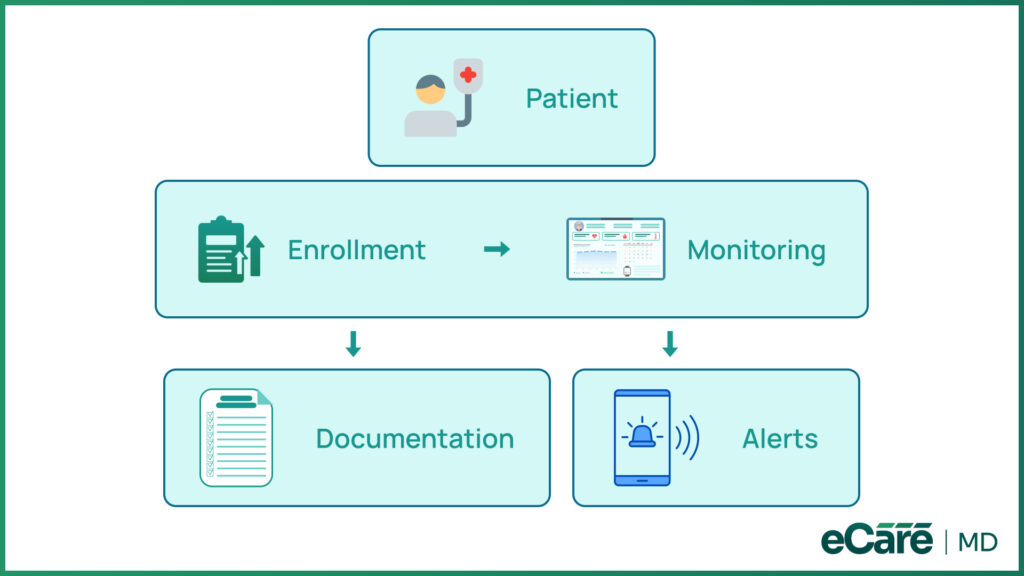
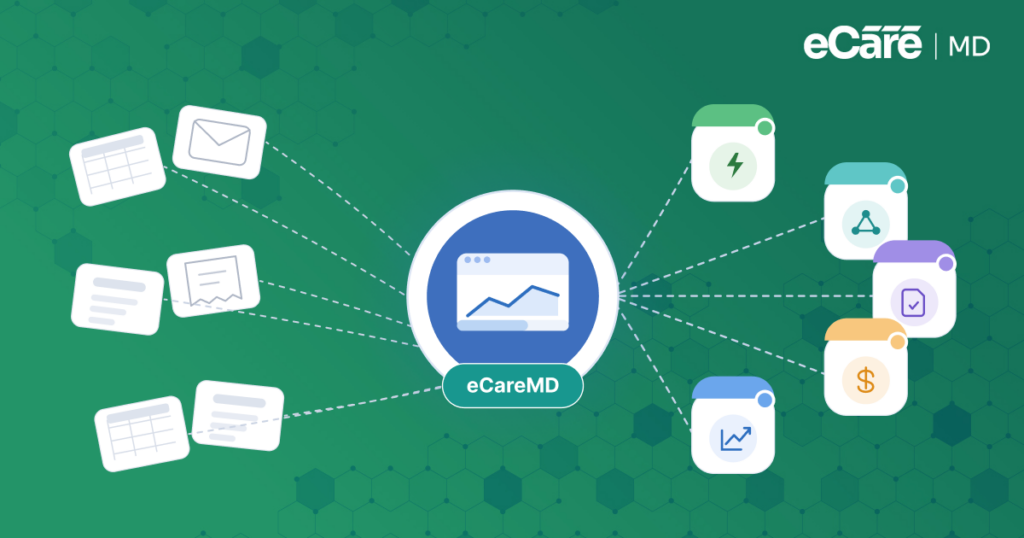
If you are still dependent on manual coordination, it will be really hard for you to remain sustainable. However, with automated workflows, you can see a major difference. With automation, you can create a consistent processes that keep your operations running seamlessly. This can help you to reduce your staff burden and improve efficiency throughout the program.
1. Standardizing Onboarding and Enrollment Workflows:
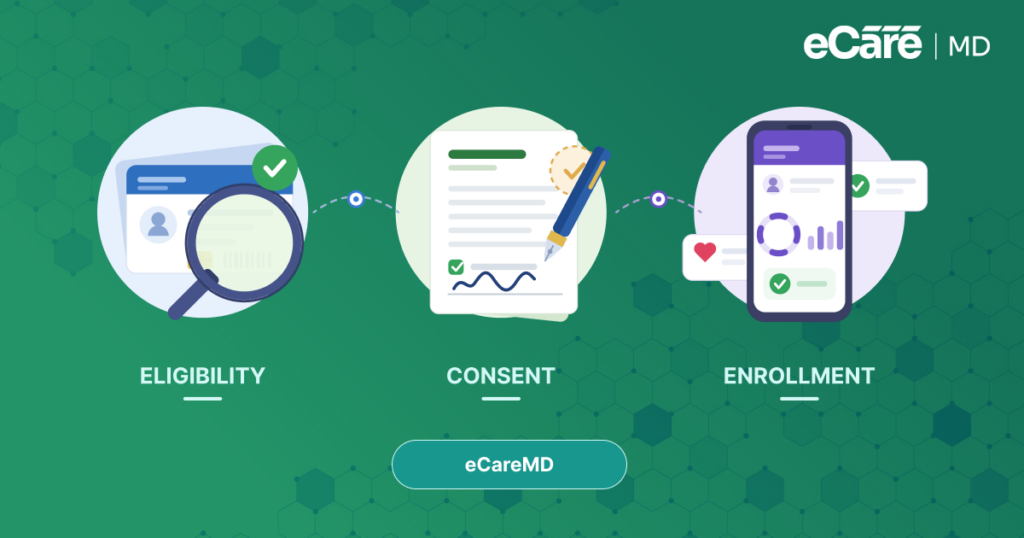
For scaling the RPM program successfully, one of the ke steps is creating a standardized onboarding process. Every step from patient consent and device setup to education and enrollment should follow a clear and structured workflow. This can assist in avoiding delays, reducing confusion, and ensuring patients start submitting readings as quickly as possible.
2. Automating Reminders for Better Patient Adherence:
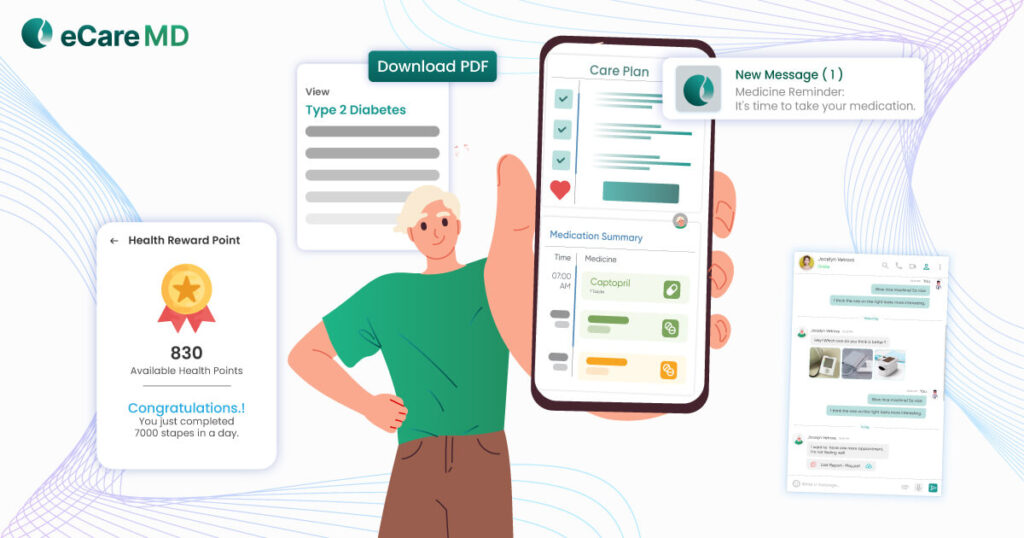
A manual reminder call will not be enough if your clinics start to manage large RPM patient populations. Automated text messages, app notifications, and call reminders help your patient to stay involved with device usage, supporting adherence to the 16-day RPM monitoring requirements. Your staff members can also spend less time chasing missed readings and can focus more on patient care.
3. Streamlining Eligibility Verification and Documentation:
If you are checking and documenting eligibility manually, there is a high chance that it can slow down operations. Strong RPM program management strategies involve automated eligibility verification, documentation tracking, and billing support workflows. This further improves operational speed as well as reduces compliance risks and missed reimbursement opportunities.
4. Reducing Repetitive Administrative Work:
At the time of scaling remote patient monitoring programs, many clinics struggle with repetitive administrative tasks. As you may already know, follow-up assignments, recording updates, routine alerts review, and tracking communication history can take hours every week. However, with proper RPM workflow automation, you can reduce manual workloads, enhance consistency, and prevent staff burnout as the program continues to grow.
Transitioning to Smarter RPM Program Management
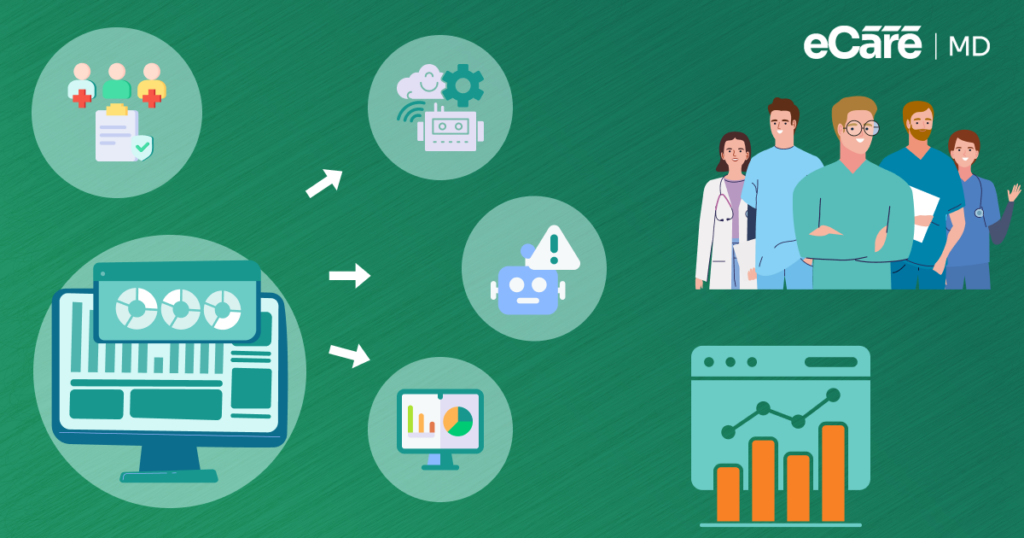
As RPM programs expand, your care team will fail to review every patient’s reading manually. Your care teams need faster ways to identify which patients require your immediate attention and which alerts can wait. And to achieve it, many healthcare organizations are adopting RPM program management strategies built around automation, centralized visibility, and AI-driven prioritization.
1. Focusing on High-Risk Patients First:
Because of smarter systems, you can quickly identify high-risk patients who need your immediate attention, rather than reviewing all incoming data manually. This approach helps your care teams to focus more on where your attention matters the most.
2. Using Dashboards to Track Program Performance:
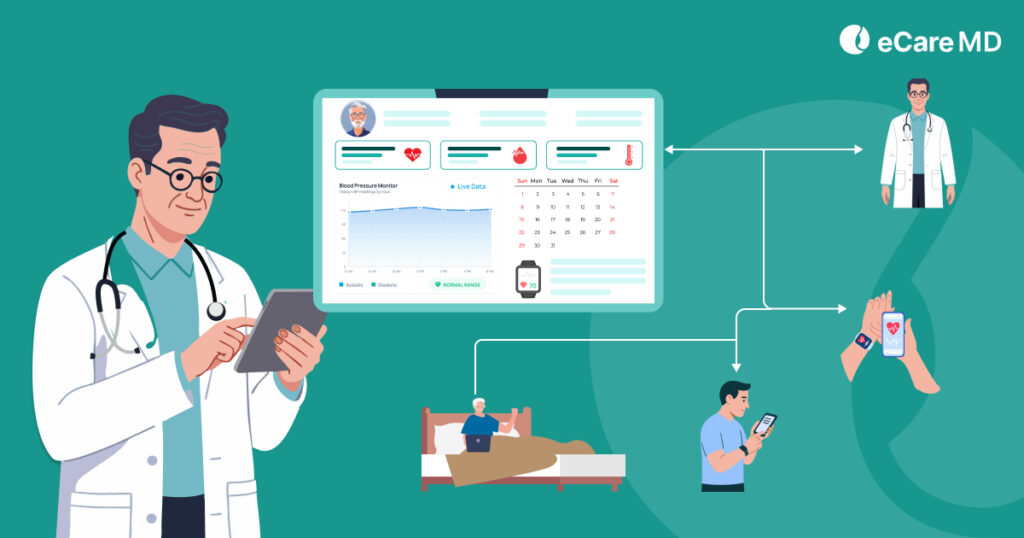
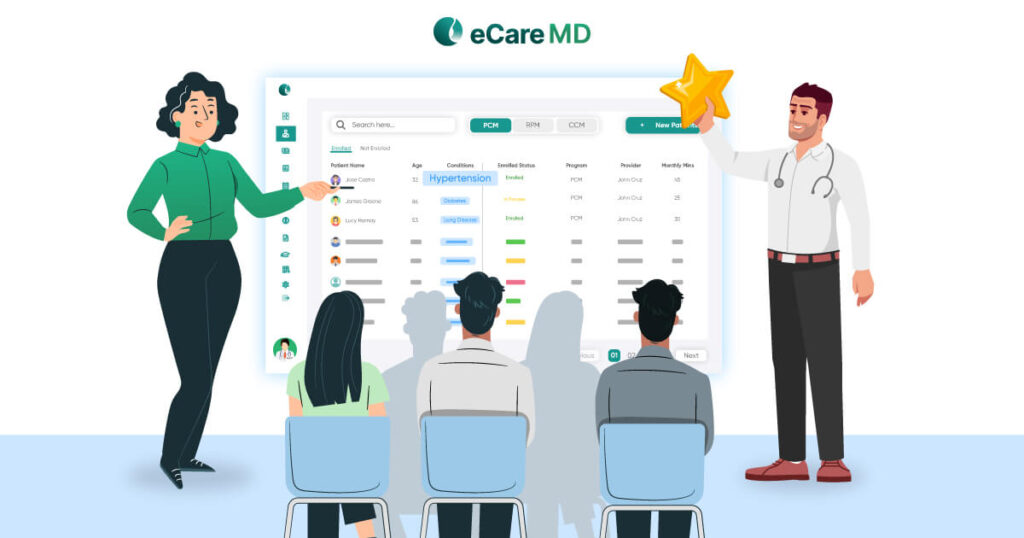
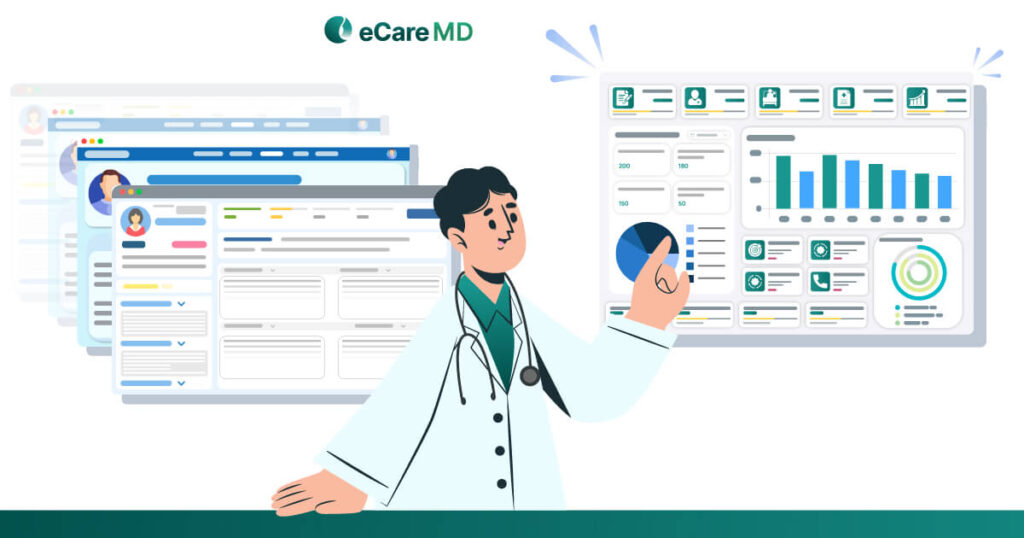
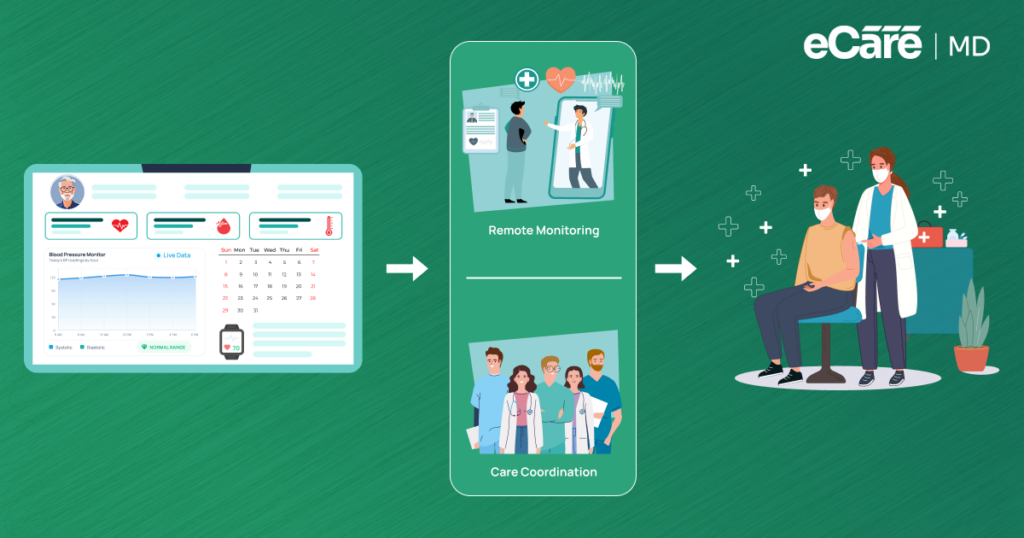
With centralized dashboards, it becomes easy for you to monitor adherence, alerts, patient activity, and care gaps all in one place. This becomes more important for managing large RPM patient populations, as disconnected workflows can slow down overall care coordination.
3. Improving Escalation Through AI-Driven Prioritization:
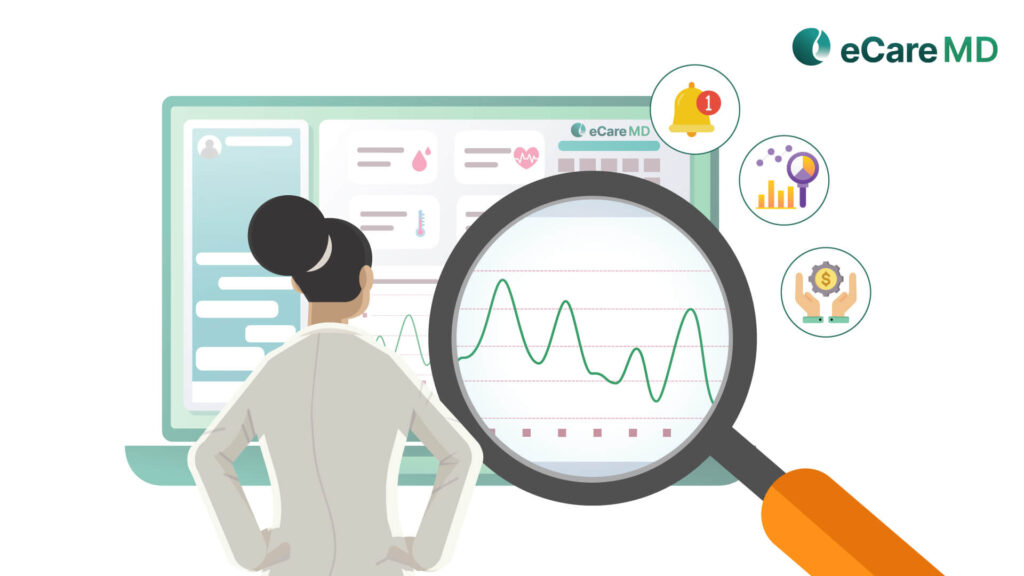
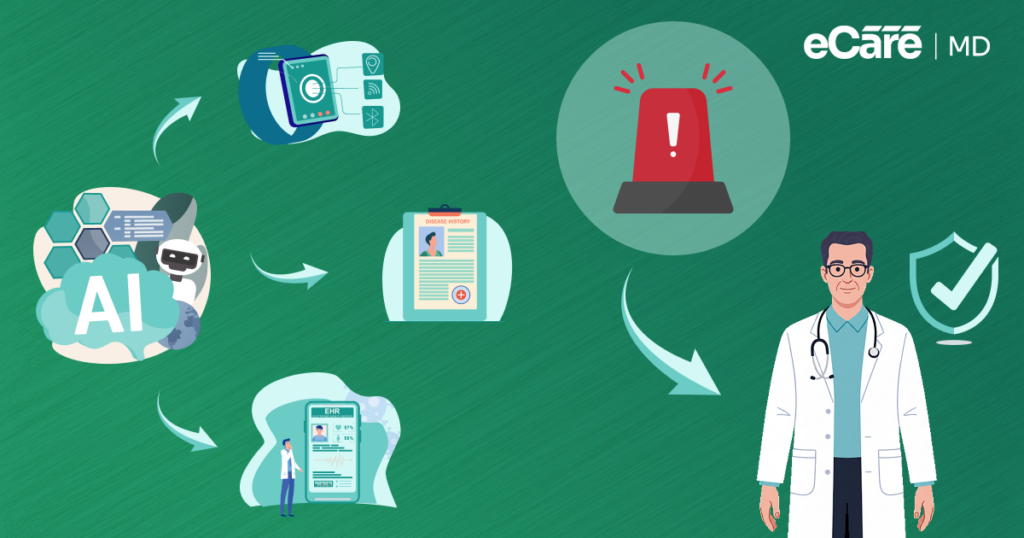
For scaling programs, many healthcare organizations are now using AI-driven tools. With these AI-driven tools, you can flag abnormal trends and prioritize escalation needs automatically. This helps you to respond faster and reduce the burden of manually reviewing large amounts of your patient data.
4. Reducing Alert Fatigue and Workflow Confusion:
Even your experienced care teams can feel overwhelmed due to too many alerts. Even so, with smarter workflows and better RPM workflow automation, you can organize all notifications on the basis of urgency. This can further reduce alert fatigue and enhance overall clinical efficiency.
Managing and Monetizing Large RPM Patient Populations
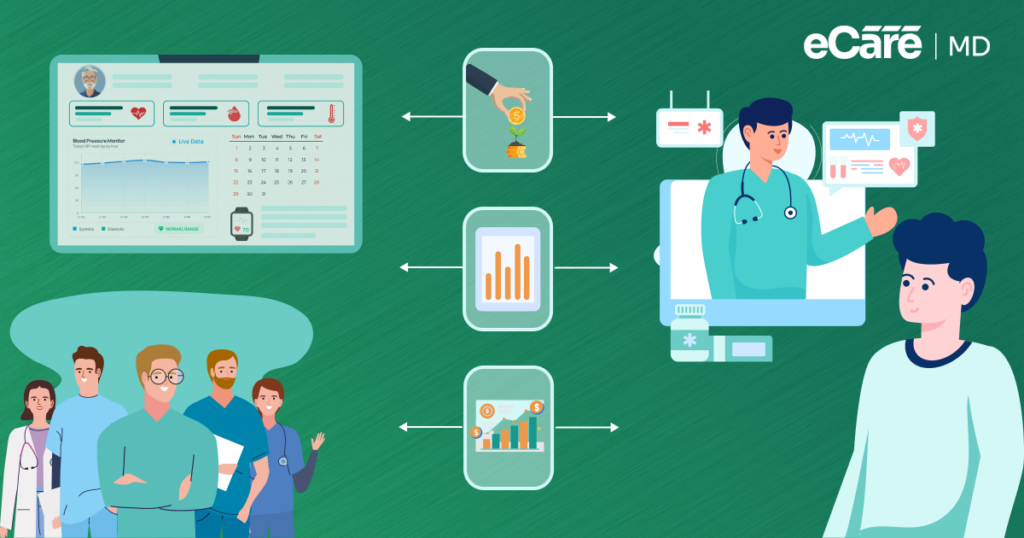
Just enrolling your new patients is not enough for managing large RPM patient populations. As the program grows, your practice will need more scalable workflows, stronger coordination, and better financial visibility. All these factors help to keep operations more efficient and sustainable.
1. Segmenting Patients for Better Care Management:
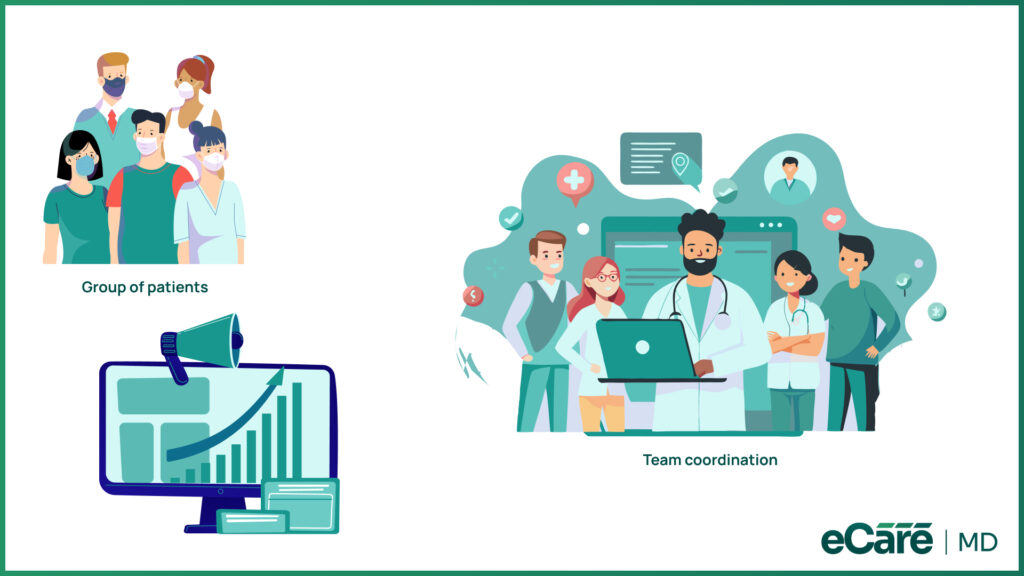
It’s the fact that not every patient needs the same level of monitoring. To scale up the RPM program, many clinicians group their patients on the basis of conditions, risk level, and engagement status. This helps your care team to prioritize follow-ups effectively and deliver more personalized care.
2. Coordinating Care Across Teams and Locations:
Communication can become fragmented, as RPM services expand across multiple providers as well as clinic locations. With strong RPM program management, you can keep your workflows aligned, enhance coordination between teams, and ensure that your patients are receiving consistent care experiences.
3. Maintaining Billing and Documentation Accuracy:
Documentation and billing will be more difficult to manage at scale. Key things that you should always keep in mind while scaling your program are ensuring that monitoring time, patient communication, consent, and compliance records are documented accurately. This helps you to avoid reimbursement issues and operational delays.
4. Lowering Operational Costs Through Automation:
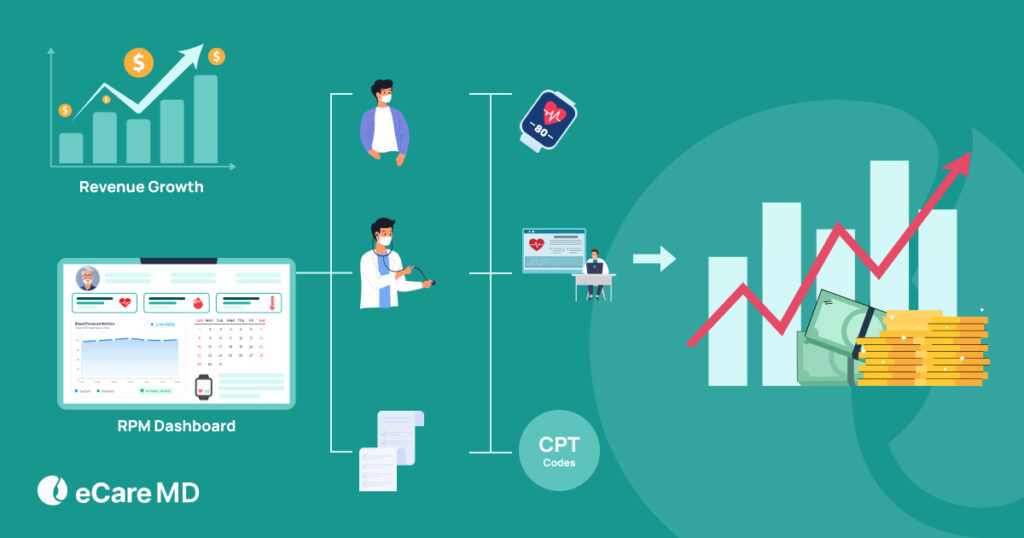
Reduction of repetitive administrative tasks is a key benefit of RPM workflow automation. Automated reminders, centralized dashboards, and streamlined workflows help you to lower cost-per-patient and improve operational efficiency as patient volumes continue growing.
5. Using Analytics to Support Smarter Growth:
Analytics play a key role in helping clinics forecast growth, monitor performance, and identify workflow gaps early. Rather than just reacting to problems after they happen, you can make data-driven decisions that support long-term scalability and financial stability.
Enabling Enterprise-Scale RPM Operations
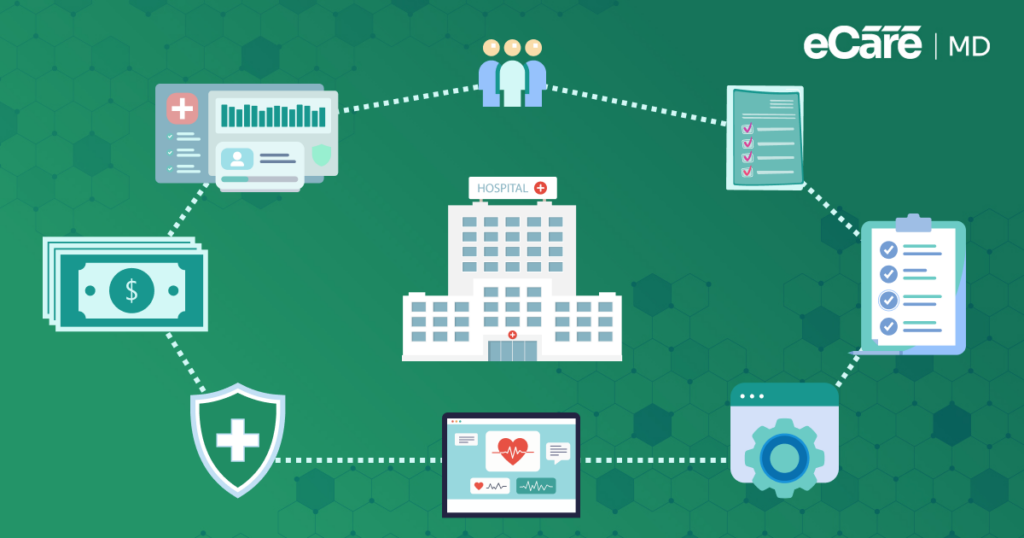
As mentioned above, scaling your program will make it difficult to manage workflows manually. If you manage all processes manually, like patient onboarding, monitoring readings, handling alerts, and maintaining documentation across large patient volumes, it can become overwhelming for your care team.
To avoid this, many organizations start to adopt RPM workflow automation and centralized platforms to simplify day-to-day operations. With automated onboarding, real-time alerts, patient segmentation, and centralized dashboards, you can manage workflows more efficiently and reduce administrative burden.
For managing large RPM patient populations, this becomes more important, where delays in follow-ups and disconnected systems can affect not only staff efficiency but also patient care. Furthermore, AI-driven prioritization can help you to identify high-risk patients quickly, rather than manually reviewing every incoming reading.
You can also scale your program with smarter platforms like eCareMD. Platforms like eCareMD support your practice through AI-driven automation, smart triaging, and centralized workflow management. This further helps your organization to grow RPM services without overwhelming clinical teams.
Conclusion: Scaling RPM Requires Automation and Strategy
Successfully scaling RPM programs requires more than adding new patients. Sustainable growth depends on efficient workflows, standardized processes, and smarter RPM workflow automation that can support higher patient volumes without overwhelming care teams.
Practices that successfully scale remote patient monitoring programs combine operational strategy with intelligent technology to improve efficiency, reduce administrative burden, and deliver more consistent patient care.
Explore how scalable RPM workflows can help your practice grow from 50 to 500+ patients efficiently and sustainably.
Frequently Asked Question’s
Scaling from 50 to 500 patients requires moving away from manual tracking and building structured workflows. Practices need standardized onboarding, clear care pathways, and RPM workflow automation to handle growing patient volume. As the program expands, centralized dashboards and defined roles help ensure nothing slips through the cracks.
The most common challenges in scaling programs include staff overload, alert fatigue, inconsistent documentation, and device onboarding delays. These issues usually come from workflow gaps rather than lack of patient demand, making operational efficiency the key bottleneck.
RPM workflow automation reduces repetitive tasks like reminders, data tracking, and documentation. It ensures consistency, improves response time, and allows care teams to focus more on patients instead of administrative work, which directly supports scaling remote patient monitoring programs.
Manual RPM management typically starts breaking down around 100 patients, becomes significantly strained at 250+, and is largely unsustainable beyond 500 patients without automation and structured systems.
Efficient management of large RPM patient populations requires patient segmentation, centralized dashboards, clear workflows, and automation for repetitive tasks. This improves coordination and reduces operational burden on staff.
AI supports RPM program management by identifying high-risk patients, predicting escalation needs, and filtering non-critical alerts. This helps providers act faster and improves overall care efficiency at scale.
To scale effectively, practices need RPM platforms with automation, real-time dashboards, AI-driven insights, secure data handling, and integrated communication tools. These technologies make it possible to grow efficiently while maintaining care quality.










![The Future of Remote Patient Monitoring: CMS Innovations & Emerging Trends [2026]](/wp-content/uploads/2024/07/Blog-36-The-Future-of-Remote-Patient-Monitoring_-Trends-AI-Innovation-CMS-Updates-for-2026-1024x538.png)